City centre
First-timersAround Vestergade and the cathedral: the Andersen museum, restaurants, bars and everything walkable.

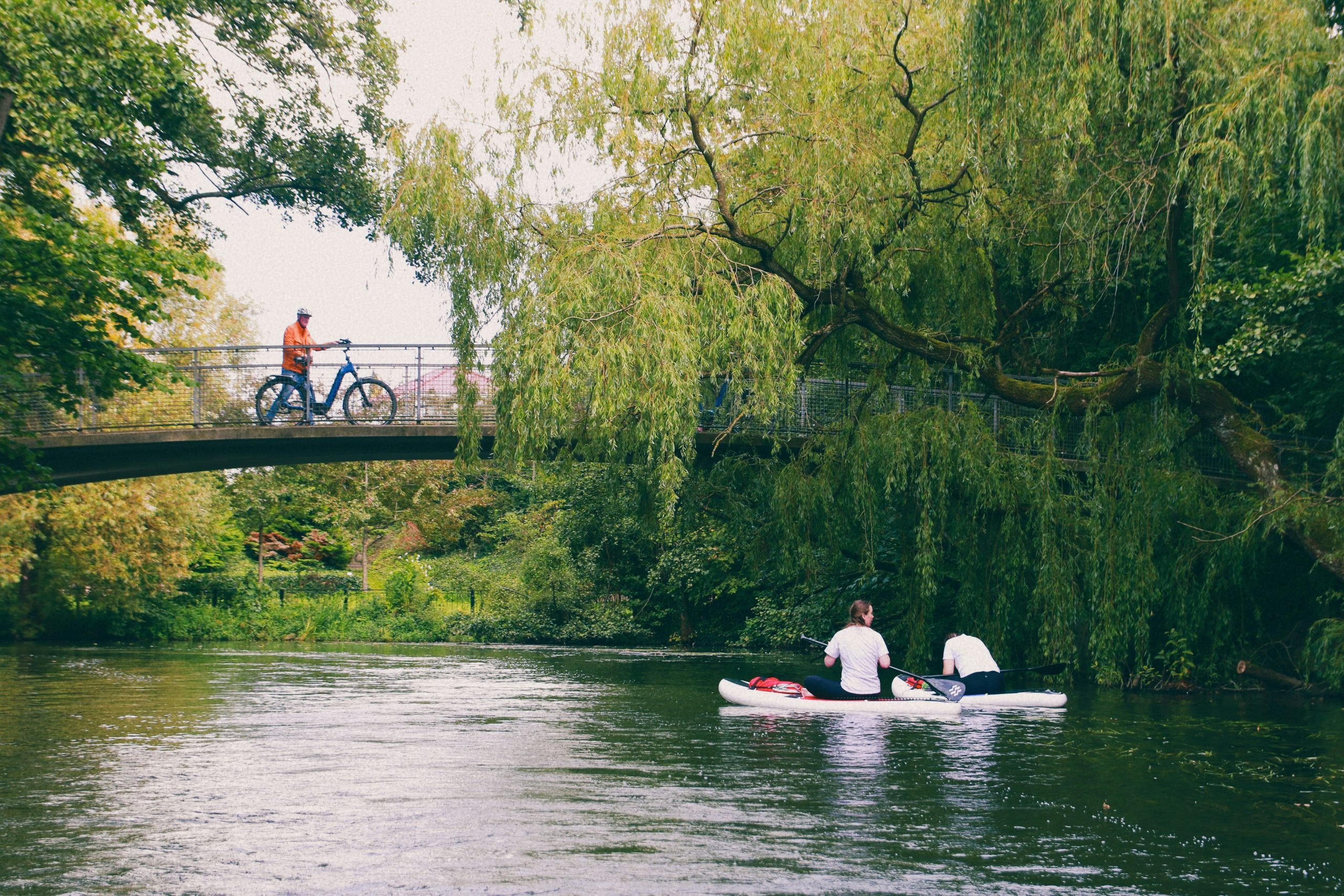
Hans Christian Andersen's town, halfway between Copenhagen and Aarhus, with a museum built underground around the house he was born in and a castle in a moat nearby.
Odense is the main city on Funen, the island between Denmark's two halves, and it is where Hans Christian Andersen was born in 1805 to a shoemaker and a washerwoman.
The town has built its identity on him, and since 2021 it has had a museum worth the trip: a partly underground building by Kengo Kuma wrapped around the tiny yellow house he was born in, which handles his life as something stranger and sadder than the stories suggest.
Beyond Andersen, Odense is a cycling city with a compact centre, a river running through parkland, and Egeskov — a Renaissance castle standing in its own lake — half an hour away.
It sits midway between Copenhagen and Aarhus, which makes it the natural stop rather than a destination people plan around.
A day and a night.
A small centre with the river and the parks on one side and the station on the other.
Around Vestergade and the cathedral: the Andersen museum, restaurants, bars and everything walkable.
North of the centre, five minutes on foot, with cheaper beds and fast trains both ways.
South towards Munke Mose and the river path, residential, with parkland and a walk into town.
Map © MapTiler © OpenStreetMap contributors.
The H.C. Andersen Museum, rebuilt in 2021 by Kengo Kuma, is the reason to stop. It is largely underground, built in circles around the yellow house where he was born, and it treats him as a difficult and strange man rather than a children's author — which is accurate. Entry is about €22.
The old quarter around it, Andersen's childhood home on Munkemøllestræde and the cathedral with the tomb of Canute the Saint, fill a morning.
Egeskov Castle, half an hour south, is a Renaissance castle built on oak piles in the middle of a lake, with gardens, a treetop walkway and a car museum in the outbuildings.
The river path through Munke Mose and out to Fruens Bøge is the local walk, and there are river boats in summer.
The old quarter's cobbled streets and yellow houses cost nothing, and Andersen's birth house is seen from the outside for free.
Saint Canute's Cathedral is free, and holds the remains of the king killed in a church in 1086.
Munke Mose park and the river path south to Fruens Bøge are free and are where the city walks.
The Brandts art complex in a former textile mill has free areas, and the city's cycle network is extensive and flat.
Several Andersen sculptures and a marked trail through the centre are free to follow.
Cheaper than Copenhagen and with a decent scene for the size. A restaurant main is €18 to €28 and a street food plate €8 to €13.
Storms Pakhus, a street food market in a former warehouse by the station, is the reliable affordable option and has a good beer selection.
Smørrebrød is the traditional lunch at €7 to €13 a piece, and Funen is farming country, so the produce is good.
Brunsviger, a sweet yeasted cake with a brown sugar topping, is the Funen speciality and appears at every birthday on the island.
A beer is €5.50 to €8.
Modest, and student-driven — the university has around 20,000 people and they keep the centre going.
Vestergade and the streets around Brandts have the bars, busiest from Thursday in term time.
A beer is €5.50 to €8, and there are a few clubs and live music venues around the centre.
It is not a nightlife destination, and Copenhagen is an hour and a quarter away by train, which shapes most people's weekends.
In summer the river and the parks take over, as they do everywhere in Denmark.
The centre is small, flat and walkable, and the city has invested heavily in cycling — bike rental is €10 to €15 a day.
A light rail line opened in 2022 and connects the station, the centre and the university, with buses covering the rest at about €3 a ride.
Trains put Copenhagen at an hour and a quarter and Aarhus at an hour and a half, which is why most people see Odense as a stop rather than a base.
Egeskov Castle is reached by train to Kværndrup and then a short walk or bus, about 45 minutes in total.
Billund airport is around an hour by bus.
The cheapest of the three main Danish cities. Dorms are €22 to €38, a restaurant main €18 to €28, and a beer €5.50 to €8.
A day is €50 to €85.
The Andersen museum at about €22 and Egeskov at about €30 in summer are the two real costs, and Egeskov is noticeably cheaper out of season when parts of it close.
Denmark uses the krone at around 7.45 to the euro, and cards and MobilePay work everywhere, so there is no reason to carry cash.
Odense is a safe, quiet city with low crime and a comfortable centre at night.
The cycling rules apply here as across Denmark: do not walk in the bike lanes, and look before crossing one.
Petty theft happens around the station and in the bar streets at weekends, at ordinary levels.
The river through the parks is shallow and slow, but the paths are unlit in stretches south of the centre.
Emergency number is 112.
A castle in a lake, an island of orchards, and both big cities.
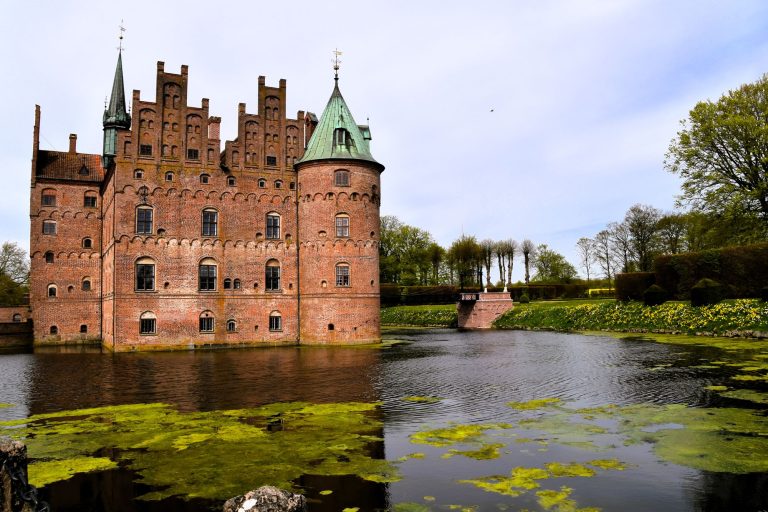
A Renaissance castle built on oak piles in the middle of a lake, with gardens, a treetop walk and a vintage car collection.
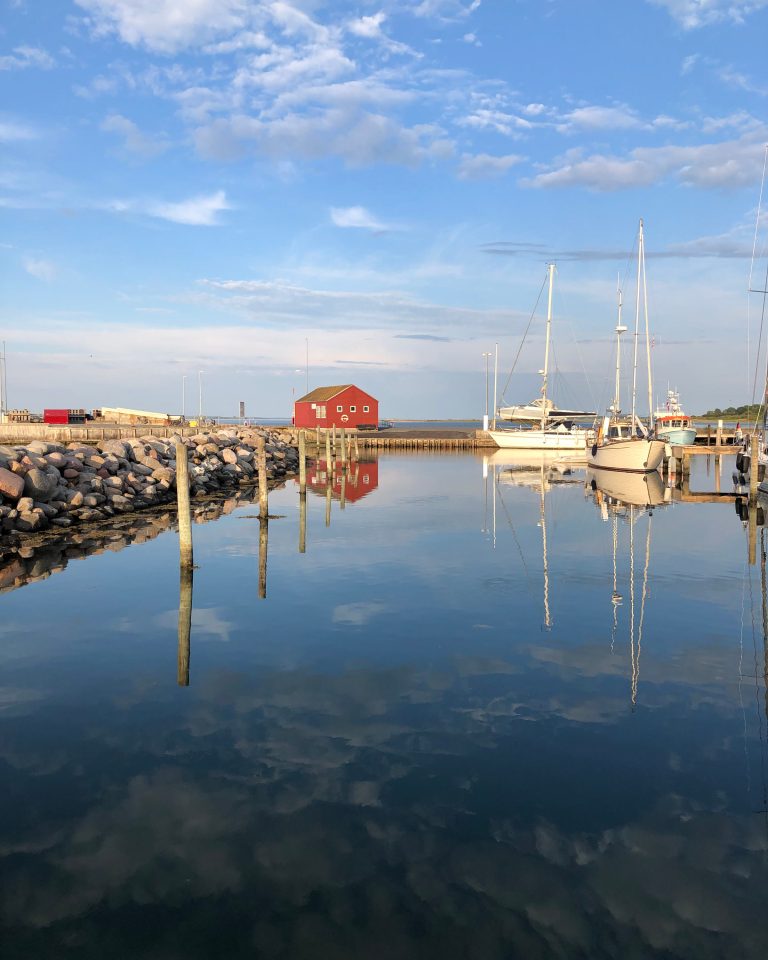
A harbour town and the gateway to a scatter of small islands, with sailing in summer.
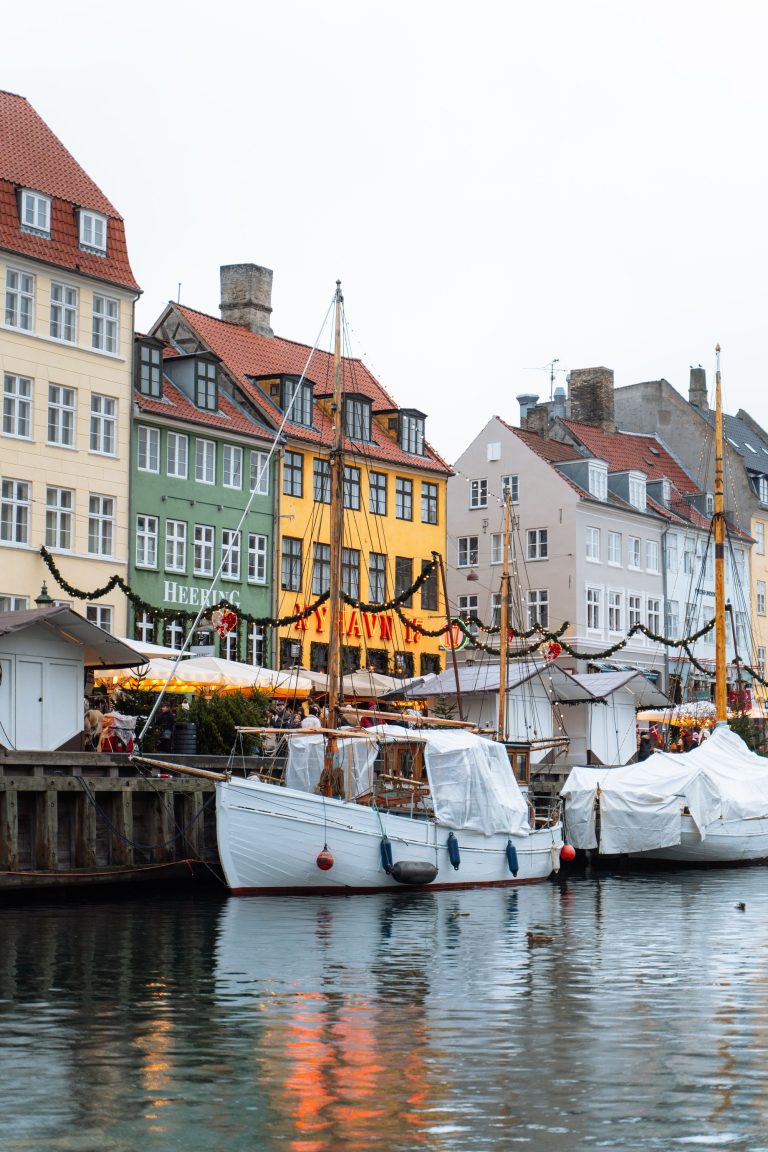
The capital, close enough to do as a long day from here.
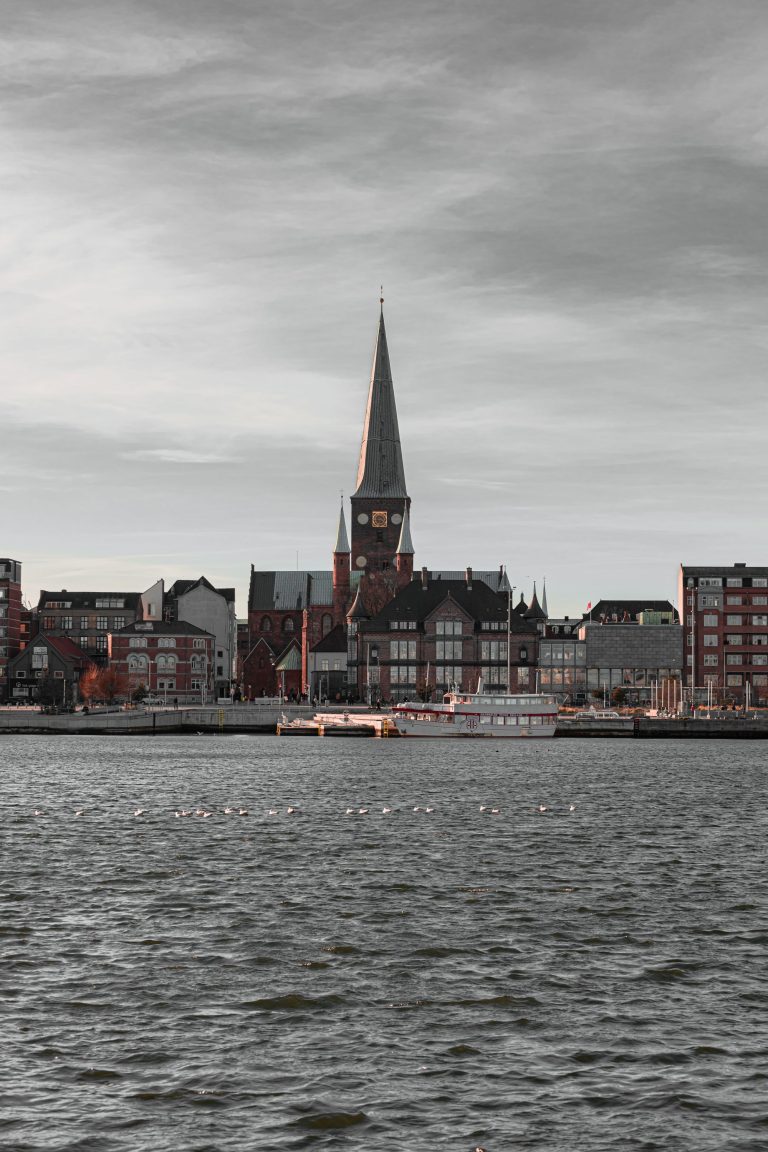
The second city, the Rainbow Panorama and Den Gamle By.
A festival built around the fairytales, and a flower festival in August.

This new musical tells the tale of a woman who dared to break the barriers of racism, sexism, and ageism to become the worldwide…
May to September. Winter is dark and the outdoor attractions close.
Average highs. Funen is the mildest part of Denmark and calls itself the garden of the country, which shows in April and May more than anywhere else.
Pick how you travel. Per person per night, in euros.
Prices are in kroner at about 7.45 to the euro. The Andersen museum and Egeskov are the two main entries.
The ones we get asked most.

Compare Odense hostels — live prices, real reviews and free cancellation on most bookings. Then meet the people already there in the app.

 Get the App.
 Get the App.