Old Batumi
First-timersBehind the seafront: belle époque facades, squares, restaurants and the best beds for atmosphere.

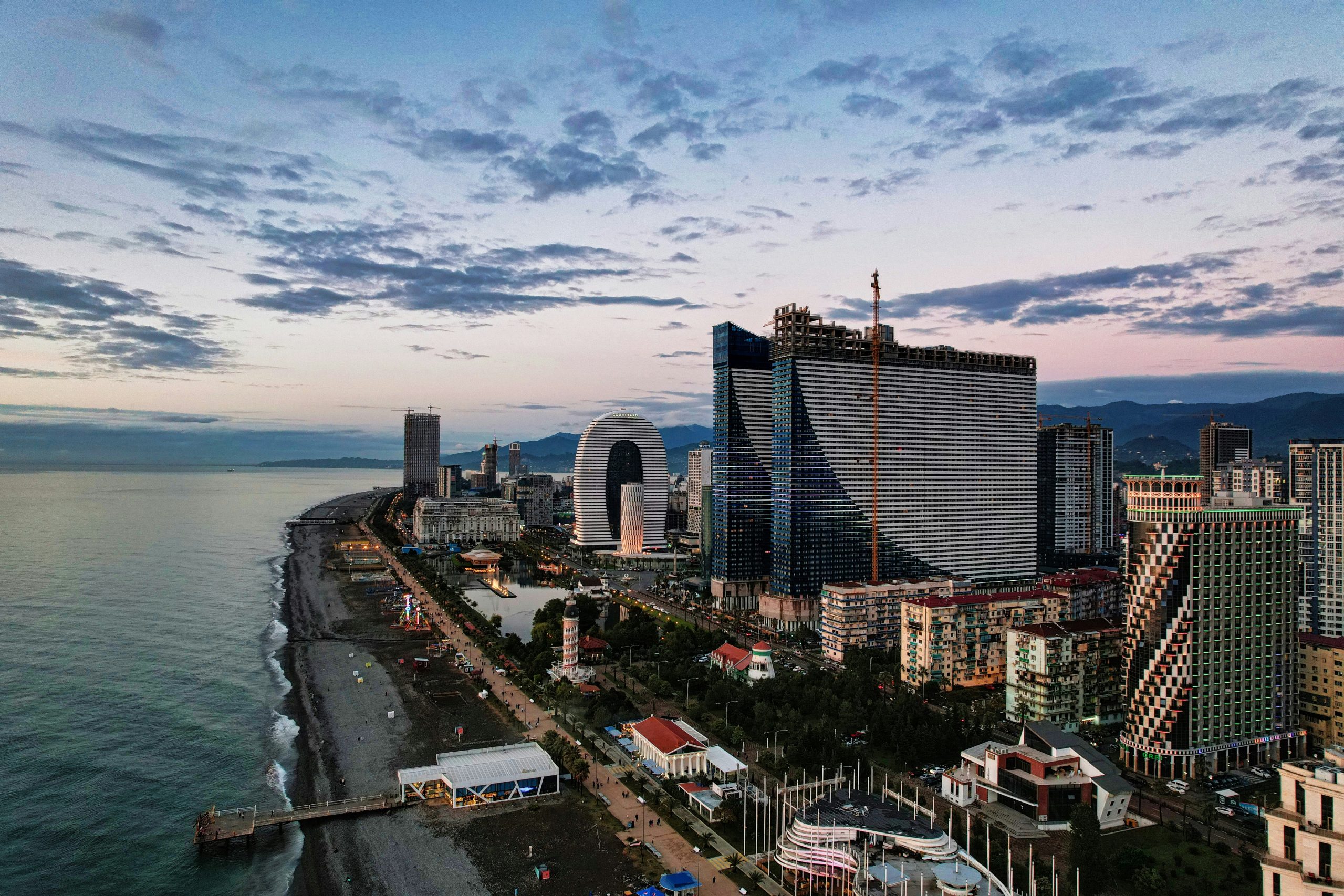
The Black Sea city: casinos, a pebble beach, subtropical gardens, and a skyline that looks like several architects were working from different briefs.
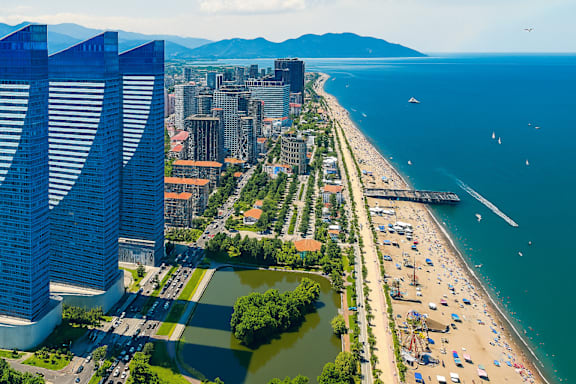
Batumi spent the 2000s deciding to become a resort and built accordingly, with no obvious plan. There is a half-scale Eiffel Tower on an apartment block, a tower with a Ferris wheel embedded in its side, an alphabet tower shaped like DNA, and a good deal of genuine belle époque underneath it all.
The casinos are the economic engine. Gambling is illegal in Turkey and the border is fifteen kilometres away, which fills the city with Turkish visitors and pays for the skyline.
The beach is pebbles, the sea is the Black Sea, and the season runs roughly June to September. Outside it, a lot of the city closes.
What genuinely justifies the trip is the subtropical setting: Batumi is on the same latitude as the Mediterranean but far wetter, and the botanical garden north of town is one of the best in the region.
Two days, and it works best as a break on the way to or from Turkey.
A seafront strip with an older quarter behind it.
Behind the seafront: belle époque facades, squares, restaurants and the best beds for atmosphere.
Along the sea: the promenade, the beach, the casinos and the tower skyline.
South towards Turkey: cheaper beds, clearer water and a calmer stretch of pebble beach.
Orange labels are neighbourhoods, dots are the 10 top-rated hostels. Map © MapTiler © OpenStreetMap contributors.
Walk the boulevard. Seven kilometres of seafront promenade with gardens, fountains, cafés and a cycle path, and it is free. At the northern end stands Ali and Nino, two steel figures that move towards each other, merge and pass through one another every ten minutes — a genuinely good piece of public sculpture in a city full of strange ones.
The Batumi Botanical Garden, about 15 GEL and nine kilometres north, is the real attraction: subtropical planting across a headland above the sea, founded in 1912, and two hours well spent.
Old Batumi, the quarter behind the seafront, has the belle époque buildings and the squares worth sitting in, including the Piazza.
Gonio fortress, fifteen kilometres south, is a Roman fort near the Turkish border with a reputed apostle's grave inside.
And swim — the sea is warm from June to September, the beach is pebbles, and the water is cleaner south of the city.
The boulevard and the beach are free, the full seven kilometres of them.
Ali and Nino, the moving steel sculpture at the north end, is free and performs its cycle every ten minutes.
Old Batumi and the Piazza cost nothing to walk, and the Astronomical Clock and the strange towers are free to look at, which is all they ask.
The dancing fountains on the boulevard run on summer evenings and are free.
Walking or cycling south along the coast towards Gonio is free, and the water gets clearer the further you go from the city.
Adjarian khachapuri is the local dish and this is where it comes from: a bread boat filled with cheese, topped with butter and a raw egg that you stir into the melted cheese. It is enormous, it costs 12 to 20 GEL, and one is enough for two people at lunch.
Black Sea fish is the other strength, grilled and sold by weight at 25 to 45 GEL.
The Turkish influence is strong given the border, so kebabs and baklava are everywhere and good.
A full meal with wine is 35 to 70 GEL, slightly above Tbilisi because of the season.
A beer is 7 to 14 GEL, and the seafront terraces charge more than the streets behind them, as always.
Seasonal and casino-shaped. From June to September the boulevard bars, beach clubs and casinos run hard, with a crowd that is heavily Turkish, Israeli and Russian-speaking.
The casinos are the centre of the city's night economy and most are attached to hotels.
Old Batumi and the Piazza have the more ordinary bars, and a beer is 7 to 14 GEL.
Outside the season the nightlife largely disappears — Batumi in February is a quiet provincial city with the shutters down.
It is a different proposition from Tbilisi, which has the serious music scene. Batumi is a beach resort that happens to be in Georgia.
The city is walkable along the boulevard, with old town to beach ten minutes on foot.
Buses cost under 1 GEL and Bolt taxis are a few lari across town.
The airport is 20 minutes south and handles seasonal European routes as well as domestic flights.
Trains to Tbilisi take about five hours and cost around 25 GEL, and are considerably more comfortable than the six-hour marshrutka. Book the fast service.
The Turkish border at Sarpi is fifteen kilometres south, about 30 minutes by marshrutka, with onward buses to Trabzon and Istanbul. It is a normal crossing and many nationalities need no visa for either side, though you should check your own.
Cheap by European standards and Georgia's most seasonal prices. Dorms are 30 to 70 GEL in summer, roughly €10 to €25, and considerably less outside the season.
A meal with wine is 35 to 70 GEL and a beer 7 to 14 GEL.
A day is €20 to €45 in season.
The beach, the boulevard and the sculpture are free. The botanical garden at about 15 GEL is the one entry worth paying.
July and August are the peak, when Georgians and Turkish visitors arrive together and beds tighten. May and September give you warm water and far fewer people.
Batumi is a safe city and the crime affecting visitors is petty theft around the casinos and the boulevard at night.
The Black Sea here has strong undertows and the beach shelves steeply in places. Lifeguards operate on the main beaches in season only, and drownings happen most summers. Do not swim after drinking and do not swim outside patrolled areas.
Pebbles are hard and slippery at the waterline — water shoes are sold everywhere and make a real difference.
Traffic is the same hazard as everywhere in Georgia: aggressive driving, and crossing roads needs more care than the lights suggest.
The city is the wettest in Georgia and rain arrives hard and fast even in August. Emergency number is 112.
Subtropical forest, a Roman fort and the Turkish border.
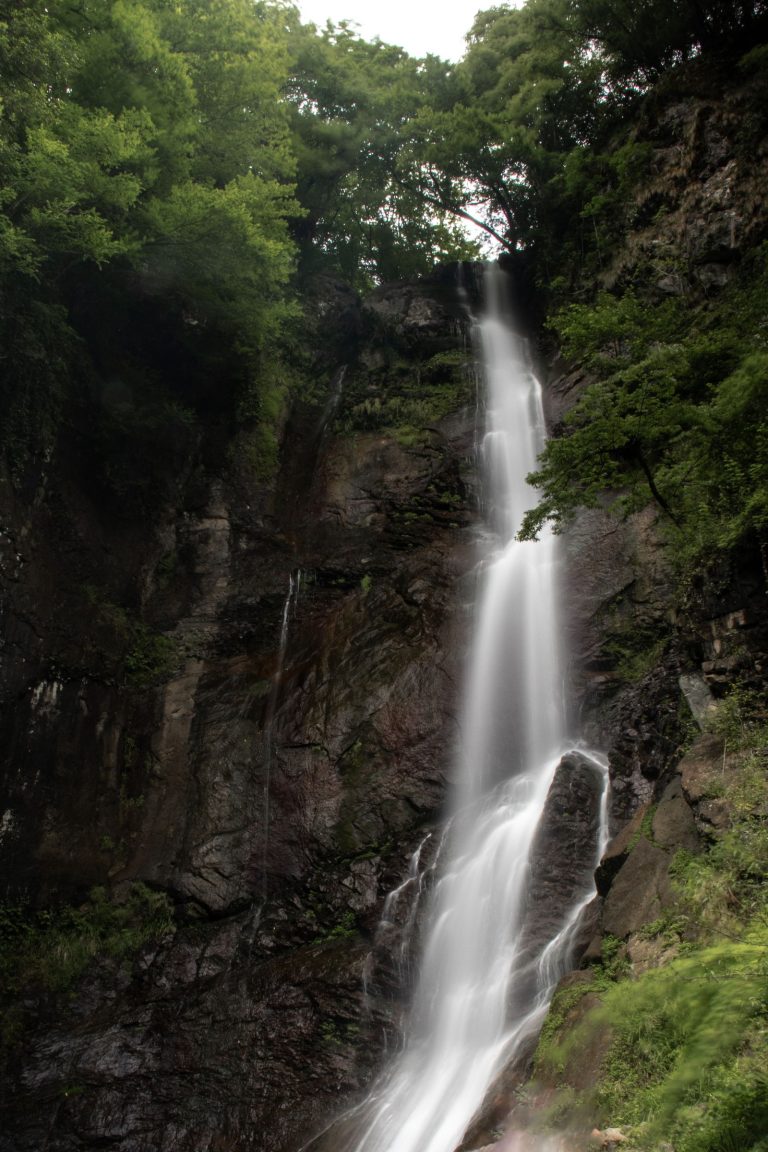
A waterfall and an arched stone bridge attributed to Queen Tamar's reign, with chacha distilleries on the way.
A short, loud summer season and very little outside it.
When the beach clubs, casinos and boulevard bars all run and the city is at full volume.
The city's own festival, marking the end of the summer season with music and food along the boulevard.
A long-running festival bringing international acts to the seafront venues.
When much of the seafront closes and the city becomes quiet and provincial.
The main Georgian holiday, and one of the few times the city fills in winter.
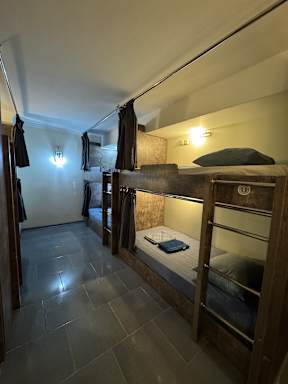
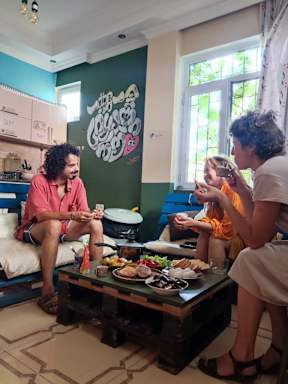
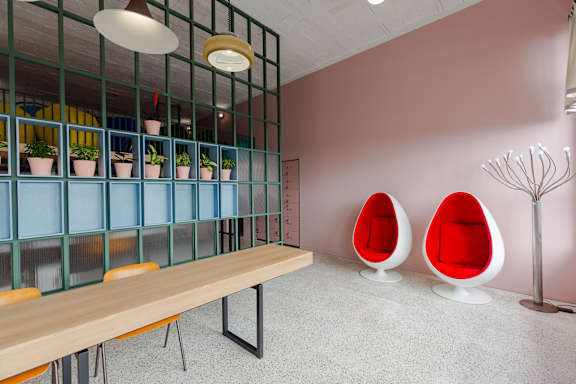
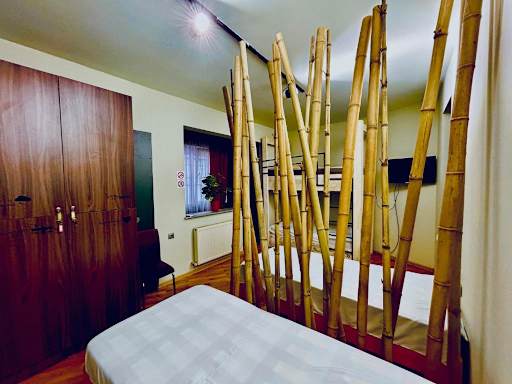
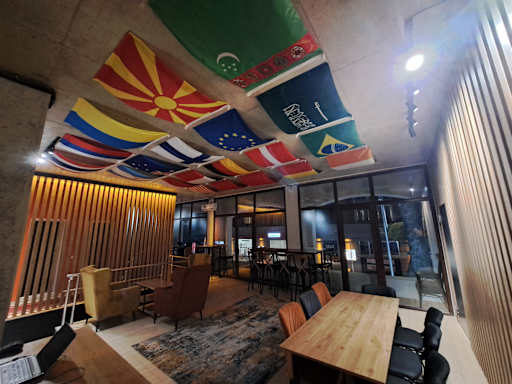
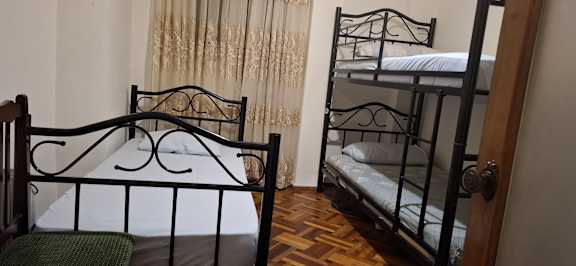
A seasonal scene near the old town and the seafront, tightest in July and August. Live from Hostelworld.
June to September for the sea. Outside it, a lot of Batumi is shut.
Average highs. Batumi is subtropical and the wettest city in Georgia — it gets more rain than almost anywhere in Europe, and downpours arrive suddenly even in peak summer.
Pick how you travel. Per person per night, in euros.
Prices are shown in euros for comparison, but you will pay in lari. These are summer figures — outside the season beds are considerably cheaper.
The ones we get asked most.

Compare Batumi hostels — live prices, real reviews and free cancellation on most bookings. Then meet the people already there in the app.

 Get the App.
 Get the App.