City centre and Ropewalks
First-timers and nightlifeBetween the docks and the cathedrals: bars, Bold Street, the Cavern and most of the beds.

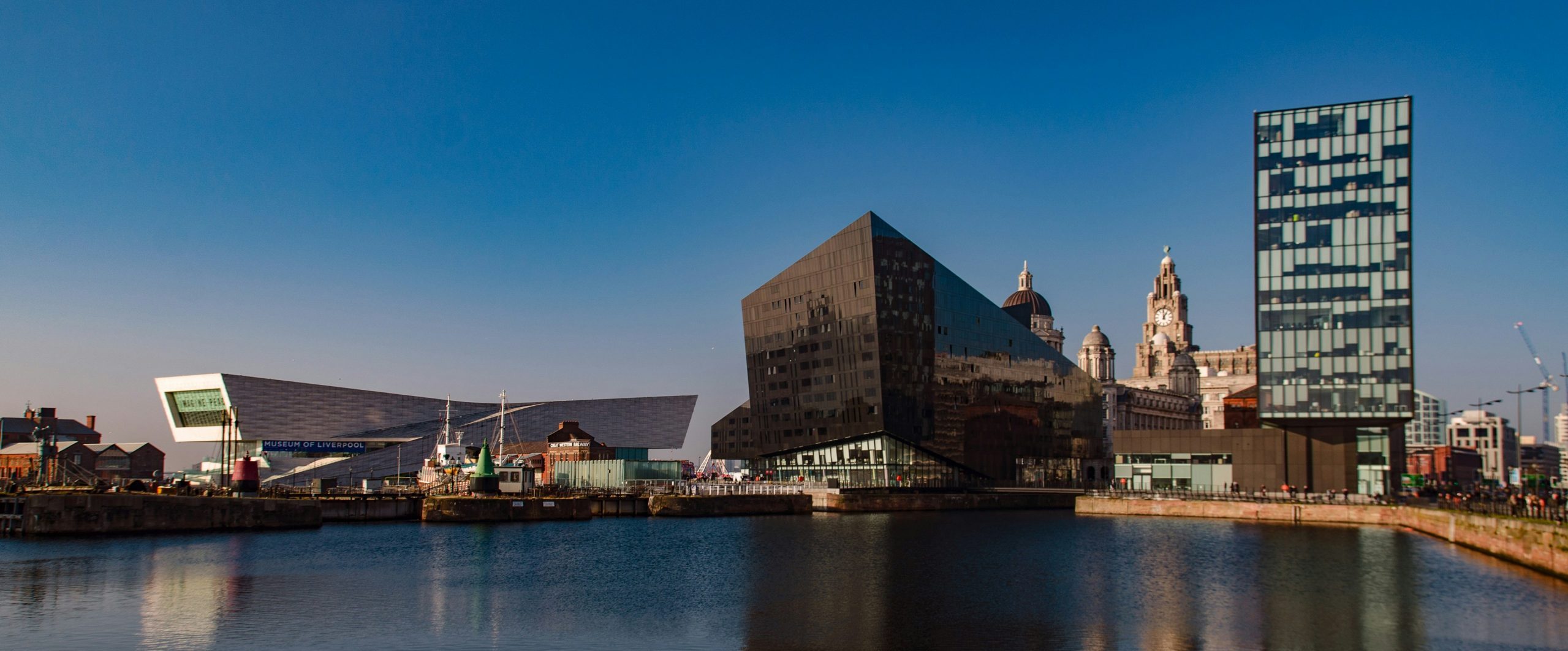
Two cathedrals, the most successful band in history, a waterfront built on Atlantic trade, and a city that will start a conversation with you at a bus stop.
Liverpool made its money on Atlantic shipping, including a central role in the transatlantic slave trade that the city now confronts directly in the International Slavery Museum on the dock — one of the few places in Britain that does.
The waterfront is the legacy: the Three Graces, the Albert Dock warehouses and a skyline built to be seen from the water.
The Beatles are unavoidable and mostly worth it — the Cavern, the Beatles Story, and the childhood homes run by the National Trust.
It also has two cathedrals half a mile apart on the same street, one Gothic and enormous and one a 1960s concrete cone, and the local nickname for the second is not affectionate.
The accent is strong, the humour is relentless, and people talk to strangers. Two days.
A compact centre between the waterfront and the cathedrals.
Between the docks and the cathedrals: bars, Bold Street, the Cavern and most of the beds.
The restored warehouses: Tate Liverpool, the Slavery Museum, the Beatles Story and the river.
Up the hill around Hope Street: Georgian terraces, both cathedrals and good restaurants.
Orange labels are neighbourhoods, dots are the 6 top-rated hostels. Map © MapTiler © OpenStreetMap contributors.
The International Slavery Museum at the Albert Dock is the most important thing here. It sets out Liverpool's role in the transatlantic trade honestly, in the buildings that trade paid for, and very few British cities have done anything comparable.
The Museum of Liverpool and the Walker Art Gallery are both free and both good — the Walker holds one of the best collections outside London.
Walk Hope Street between the two cathedrals. The Anglican one is the largest cathedral in Britain and you can go up the tower; the Metropolitan Cathedral is a 1967 concrete cone with a stained glass lantern, known locally as Paddy's Wigwam.
For the Beatles: the Cavern Club on Mathew Street is a reconstruction on roughly the original site, and the National Trust runs tours of the Lennon and McCartney childhood homes, which are the genuinely moving version.
Every major museum is free: the Walker, the Museum of Liverpool, the Maritime and Slavery museums, and Tate Liverpool's collection.
The waterfront, the Three Graces and the Albert Dock are free to walk, and the Mersey Ferry runs as normal public transport if you take the commuter crossing rather than the tour.
Both cathedrals are free to enter, with charges only for the Anglican tower.
Bold Street, the Bombed Out Church and the Georgian Quarter cost nothing, and Sefton Park with its Victorian palm house is free.
Crosby beach, twenty minutes out on Merseyrail, has Antony Gormley's Another Place — a hundred iron figures standing in the sand and the tide.
Bold Street is the food street — Middle Eastern, Caribbean, Japanese and a lot of independents, with plates at £9 to £15.
Scouse, the lamb or beef stew the city is named after, is on pub menus and is worth ordering once, particularly in winter.
The Baltic Triangle has street food markets and warehouse bars, and the Georgian Quarter has the smarter restaurants.
A pint is £4.50 to £6, and the Philharmonic Dining Rooms on Hope Street is worth going into for the Victorian gents' toilets alone, which are Grade I listed.
Sunday lunch is a serious event here, and the roast is the meal to plan around.
Concert Square and the Ropewalks are the loud end — student bars, cheap drinks and a night out that has a national reputation.
The Baltic Triangle has the warehouse venues and the better clubs, and the Georgian Quarter has the quieter bars.
Mathew Street is Beatles-themed and aimed squarely at visitors, with live covers in every doorway.
A pint is £4.50 to £6 and cocktails £8 to £12, among the cheapest of any English city.
Liverpool dresses up more than most British cities on a Saturday, and matchdays for either club fill the pubs from morning.
The centre is walkable and the waterfront is ten minutes from most of it.
Buses are about £2.50 a journey, and Merseyrail's underground loop connects the centre, with lines out to Crosby, Southport and the Wirral.
The Mersey Ferry runs a commuter service at a normal fare and a River Explorer cruise at tourist prices — the commuter crossing gives the same view for a fraction.
The airport is 30 minutes by bus for about £3.
Trains reach Manchester in 50 minutes, London in two hours fifteen, and Chester in 45 minutes.
One of the cheapest major English cities. Dorms are £16 to £30, a pub main £12 to £17, and a pint £4.50 to £6.
A day is £40 to £75.
Every significant museum is free, which covers the daytime entirely. The paid things are the Beatles Story at about £20, stadium tours at £25 to £30, and the childhood homes tour at about £30.
Trains are the usual variable — book ahead and London is £25 to £45, book late and it doubles.
Liverpool is a friendly city and the centre is fine, with the usual caution around closing time.
Concert Square and the Ropewalks get very busy and very drunk at weekends, and that is where most trouble happens.
Phone theft and pickpocketing occur in the nightlife streets late on.
Matchdays for Liverpool and Everton fill the city; rival fans are separated for good reason and the pubs near the grounds are not the place to be neutral about it.
Use licensed taxis or an app. Emergency number is 999, or 112.
A beach full of iron men, a walled city and the Welsh mountains.
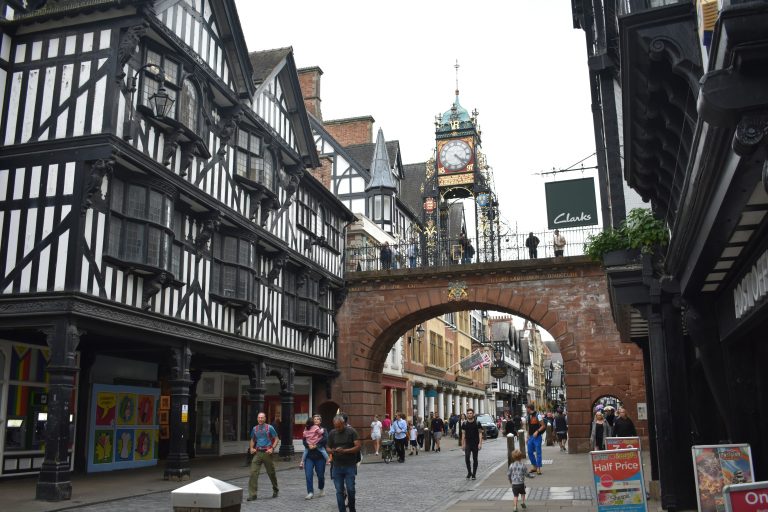
A complete circuit of Roman and medieval walls, Tudor rows and a Roman amphitheatre.
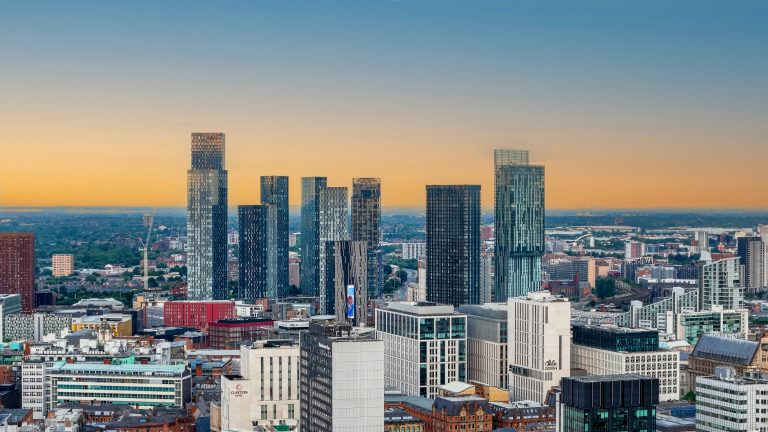
Music, football and the best nightlife in the north.
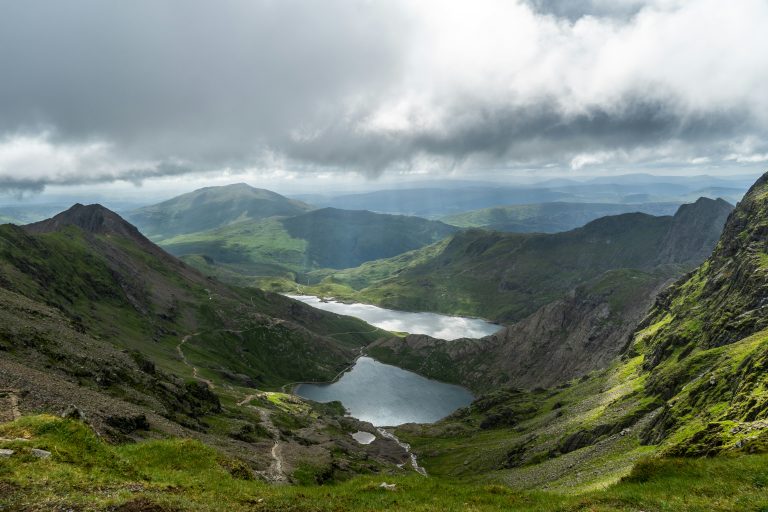
The Welsh mountains, with Snowdon itself reachable by train or on foot.
A horse race the whole country bets on, and a Beatles week in August.
 Staff pick
Van Morrison is a Northern Irish record producer and instrumentalist. He is a multiple award winner who rose to prominence in the '60s as…
 Staff pick
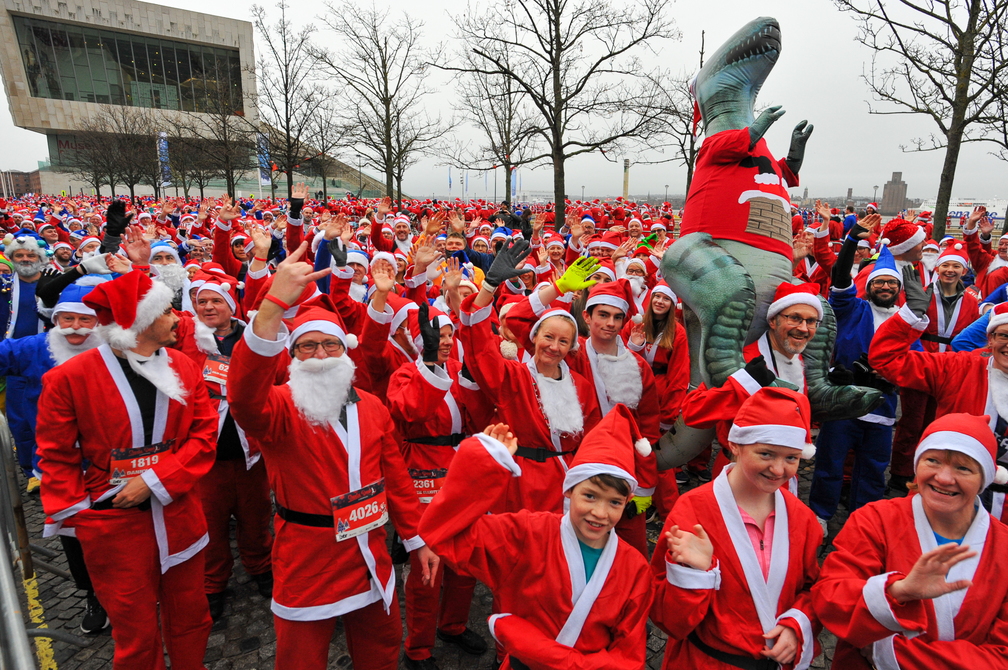
The Liverpool Santa Dash transforms the city into a sea of red and blue Santa suits as thousands of participants of all ages run…
 Staff pick
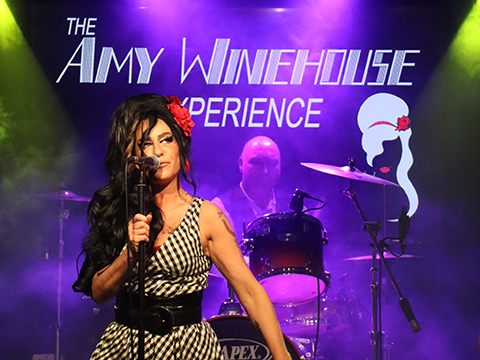
The Amy Winehouse Experience is a live tribute show that recreates Amy’s distinctive voice, style, and energy through faithful renditions of her greatest hits.…
 Staff pick
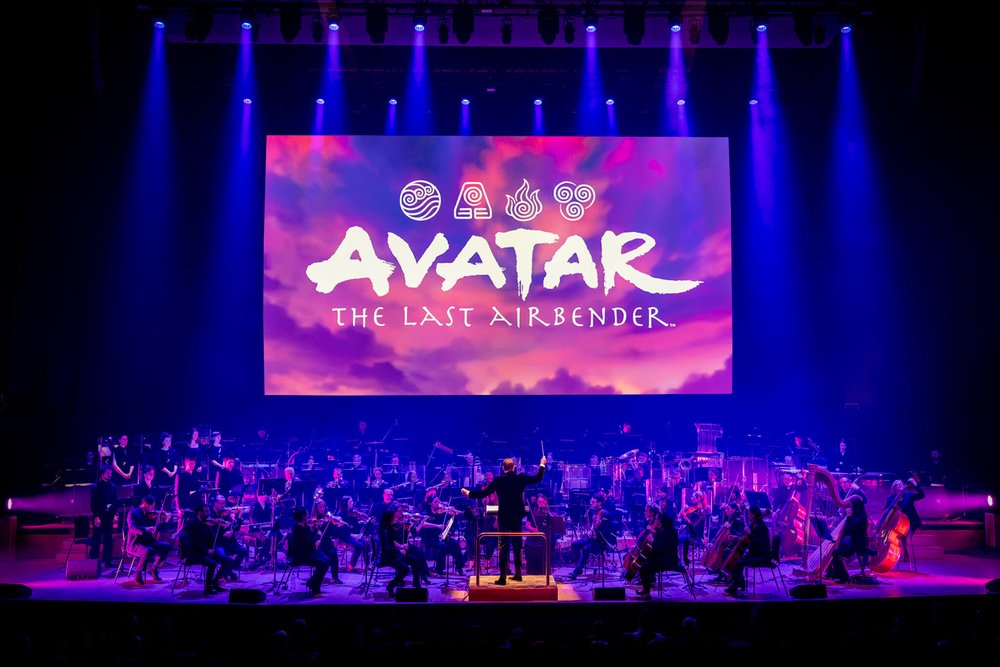
Avatar – The Last Airbender live event features a full orchestra performing music from the beloved animated series, paired with scenes from the show.…
 Staff pick
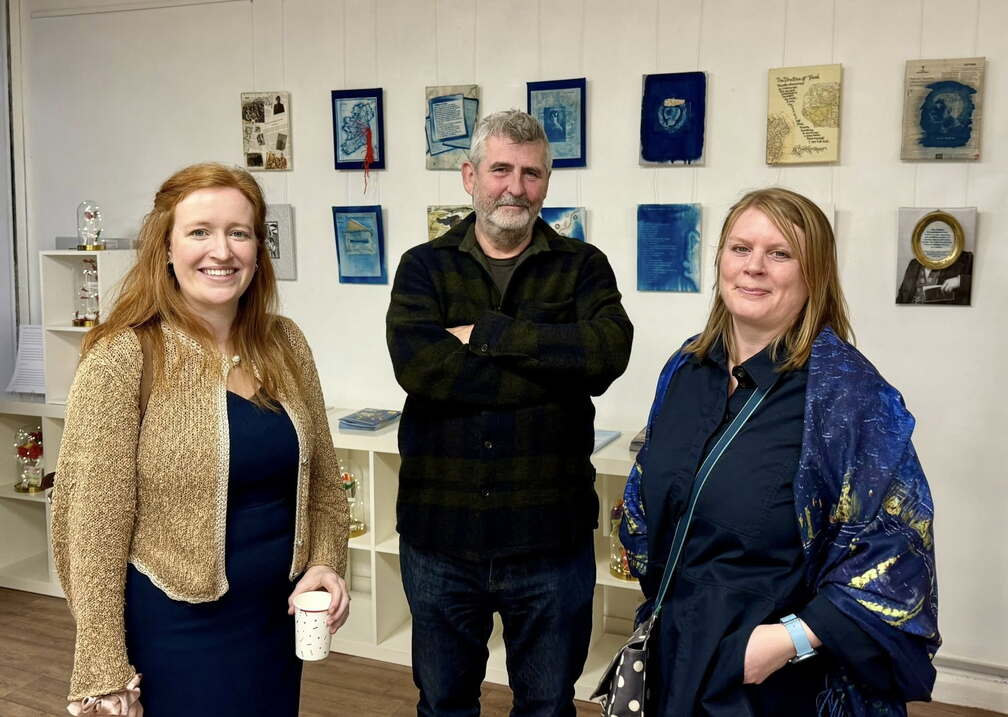
The Liverpool Irish Festival in Liverpool, United Kingdom, is a dynamic celebration of Irish arts, culture, and heritage, connecting communities across Liverpool and Ireland.…
 Staff pick
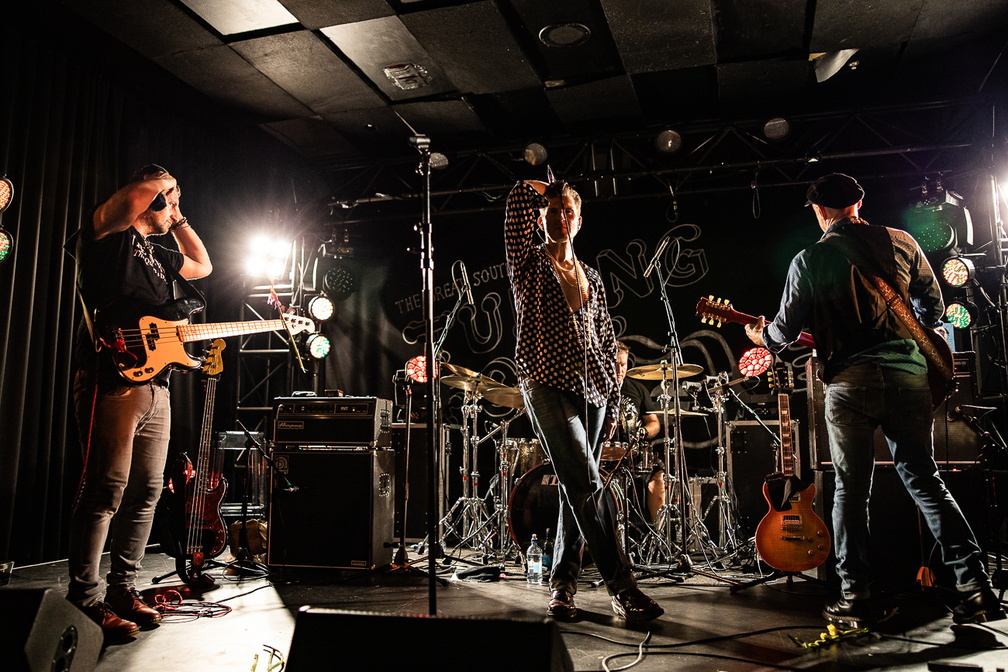
The Smyths are a tribute band dedicated to recreating the sound and spirit of The Smiths. Their performances capture the energy and emotion of…
 Staff pick
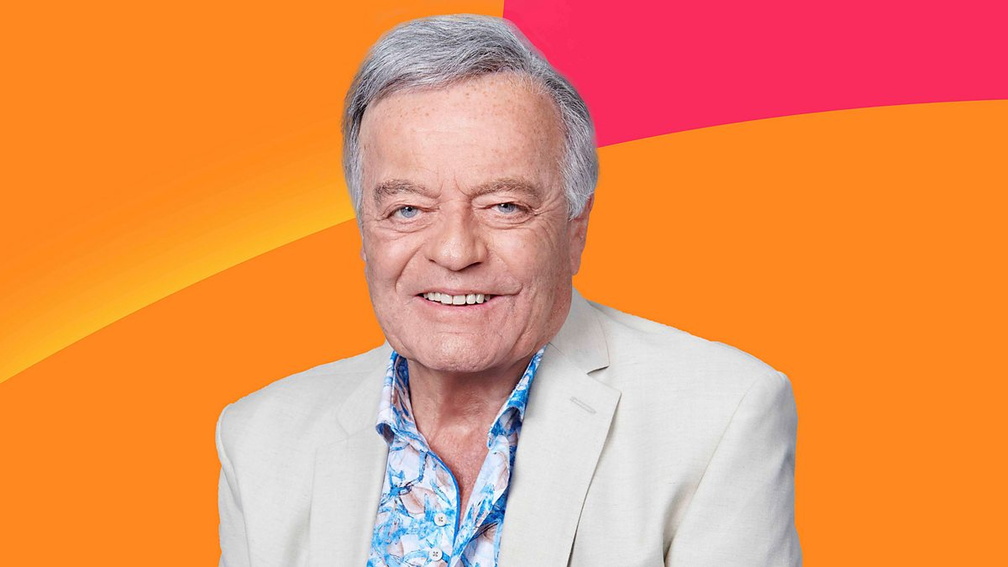
Tony Blackburn is a legendary British radio DJ and presenter known for his long career on BBC Radio and his upbeat, nostalgic music sets.…
 Staff pick
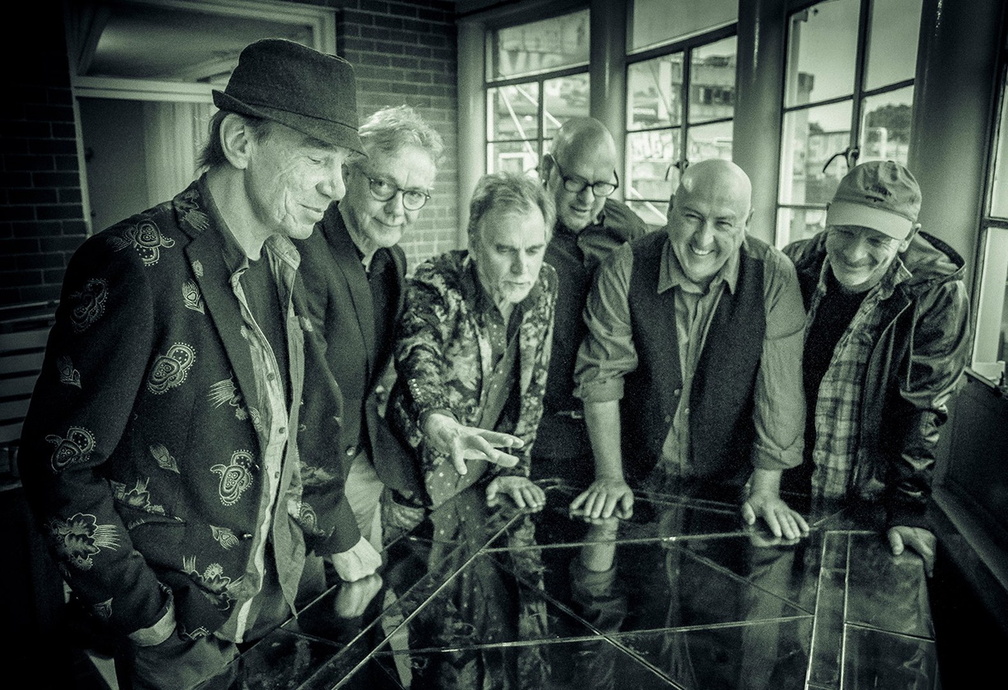
Moving Pictures is a tribute band dedicated to celebrating the music of Rush. They perform faithful renditions of Rush’s classic songs, capturing the energy…
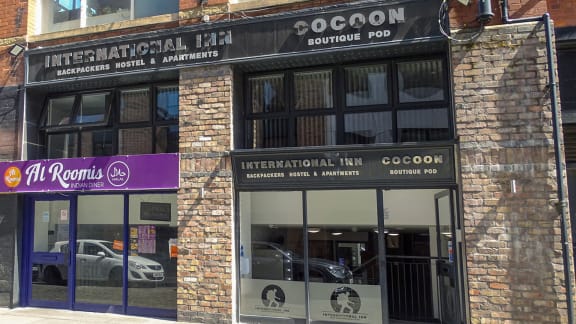
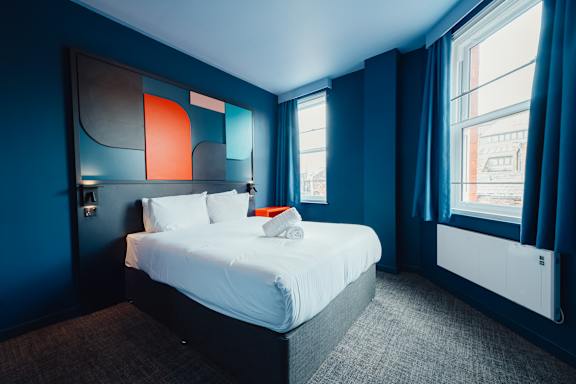
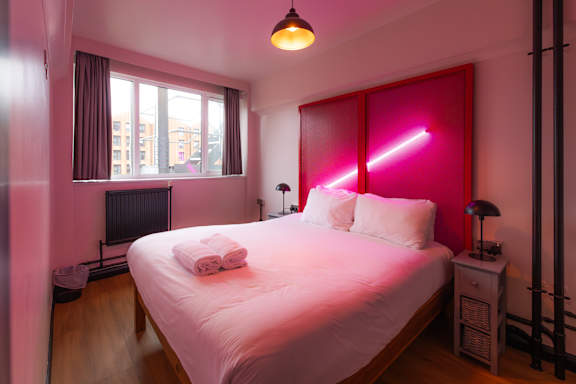
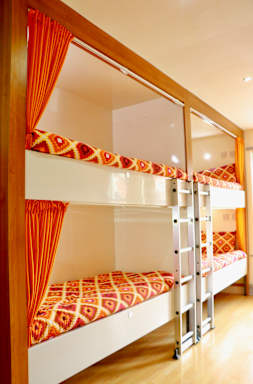
A good scene at low prices, mostly in the centre and around the Ropewalks. Live from Hostelworld.
 Sustainable
 Sustainable
May to September for weather, and any time for the museums.
Average highs. The Mersey keeps Liverpool mild and windy, and rain is spread across the year rather than concentrated in a season.
Pick how you travel. Per person per night, in pounds.
Museums are free, so the doing line is Beatles attractions and stadium tours if you want them.
The ones we get asked most.

Compare Liverpool hostels — live prices, real reviews and free cancellation on most bookings. Then meet the people already there in the app.

 Get the App.
 Get the App.