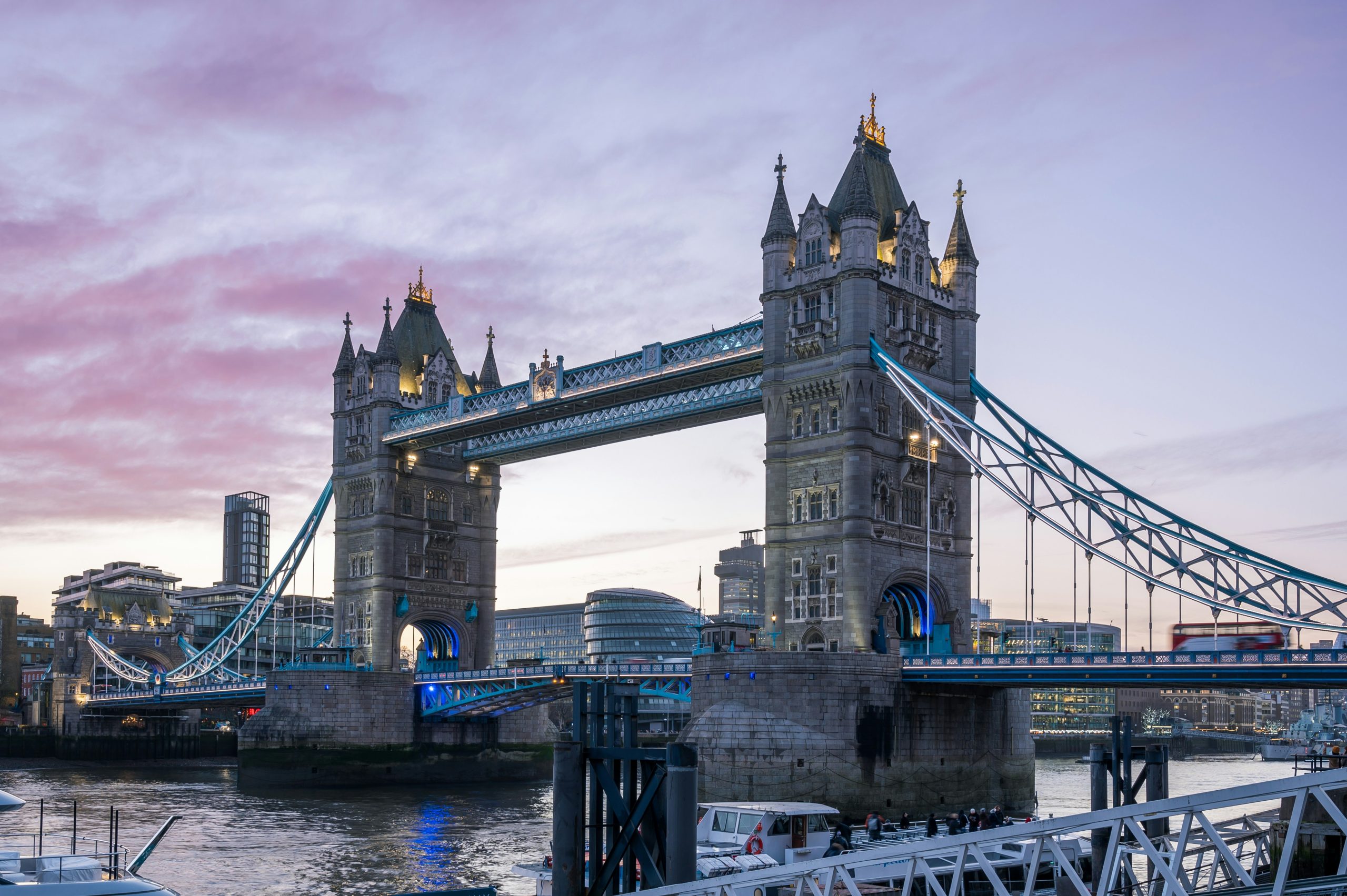
England
England country guide

Things To Do In England

London is the reason most people come and the most expensive part of the country by a wide margin. Two hours north, the same money buys twice as much and the accents change every forty miles.

£28
Dorm bed, from
Free
Every national museum
2h
London to Manchester by train
3,000
Years of visible history

London, and the country people skip

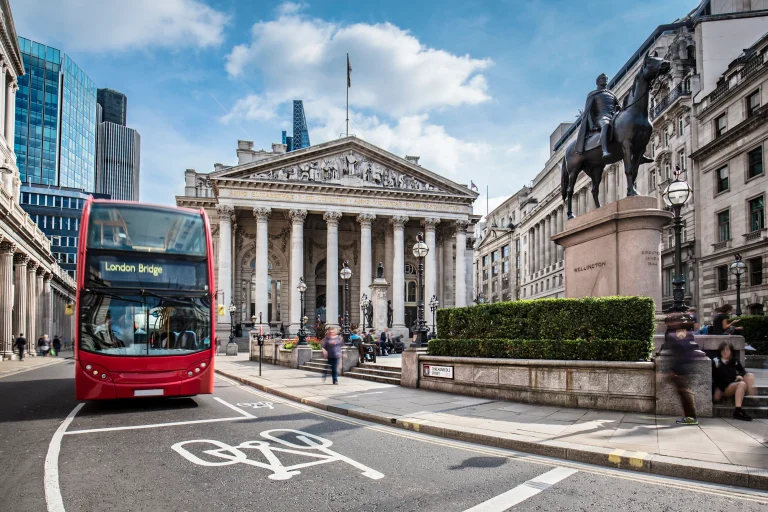
England is small and densely packed, and almost every visitor spends their whole trip in one corner of it. London earns that — it is one of the great cities, with free national museums, a thousand years of layered history and the best theatre anywhere — but it is also two or three times the price of everywhere else in the country.

Go north and it changes completely. Manchester and Liverpool are music cities with a fraction of London's prices and more nightlife per pound than anywhere. York is a walled medieval city you can walk in an hour. Bristol is the most independent-minded city in the country.

The countryside is the other half of the argument. The Lake District, the Peak District, the Cotswolds and the Cornish coast are all two to five hours from London by train, and the footpath network means you can walk across most of it legally and for free.

Where to go

Trains reach everywhere and are cheapest booked weeks ahead. Coaches cost a fraction and take twice as long.

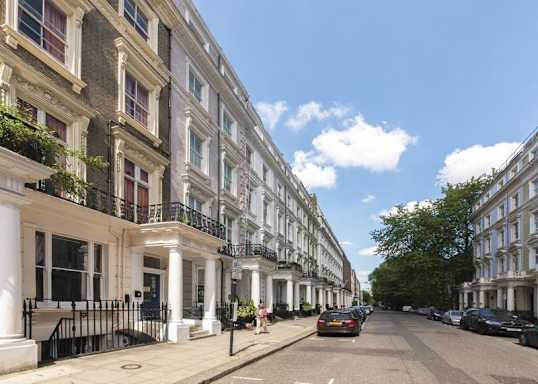
London

London

92 hostels · dorms from £15

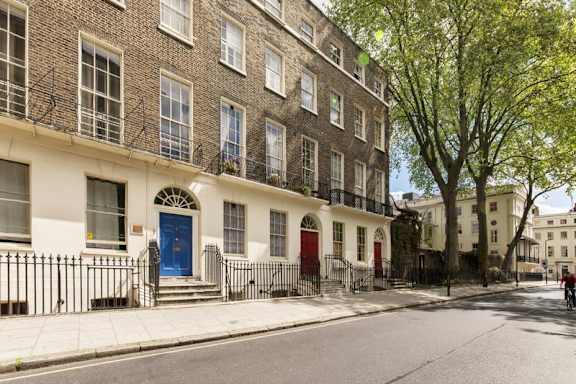
Free world-class museums, a thousand years of history, and the highest prices in the country.

Just remember to pack appropriately for the weather in London and that it might change at the drop of a hat and foremost remember that the city is huge. It is over on hour east to west and north to south and there will be many things that need their own day to get to so, plan accordingly. Don’t worry though, it’s worth it once you get there.

A traveller, on Hostelworld
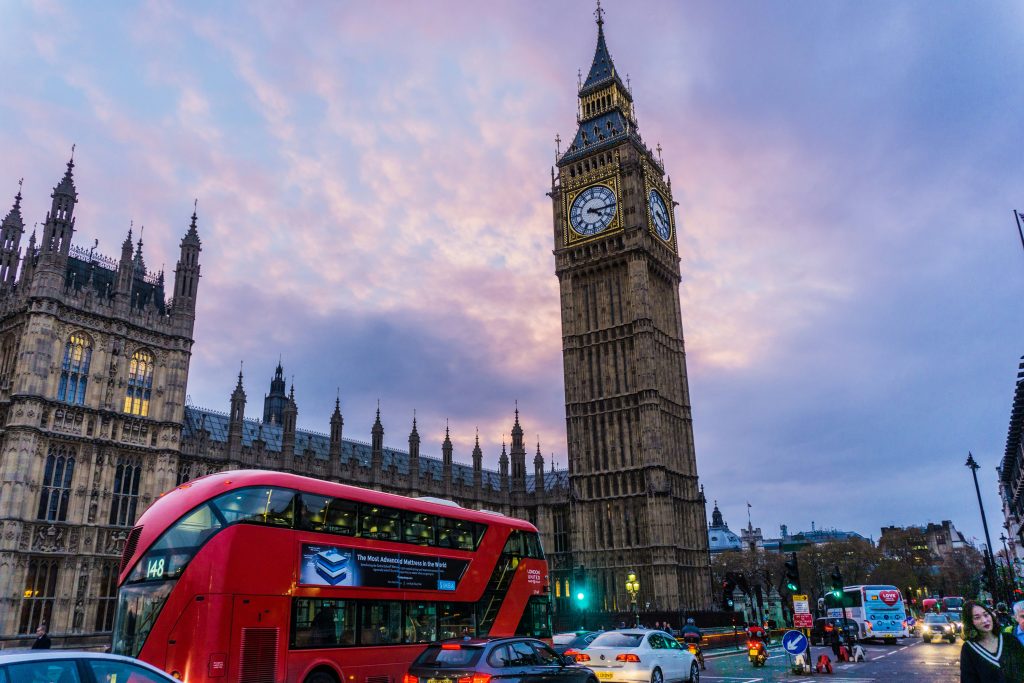
The London guide
Manchester

Manchester

9 hostels · dorms from £19

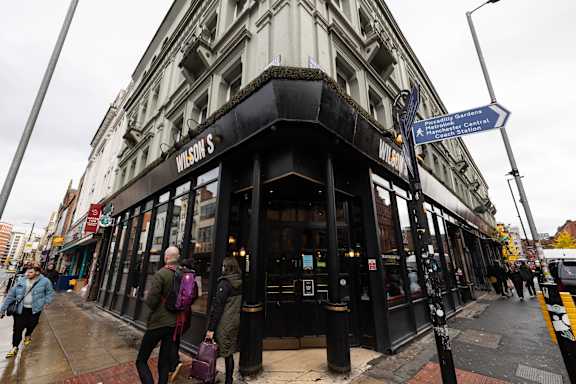
Music, football and the best nightlife outside London, at half the price.

Manchester was a great surprise, very cultured rich, easy to get around, lots of museums, events, bars and clubs.

A traveller, on Hostelworld
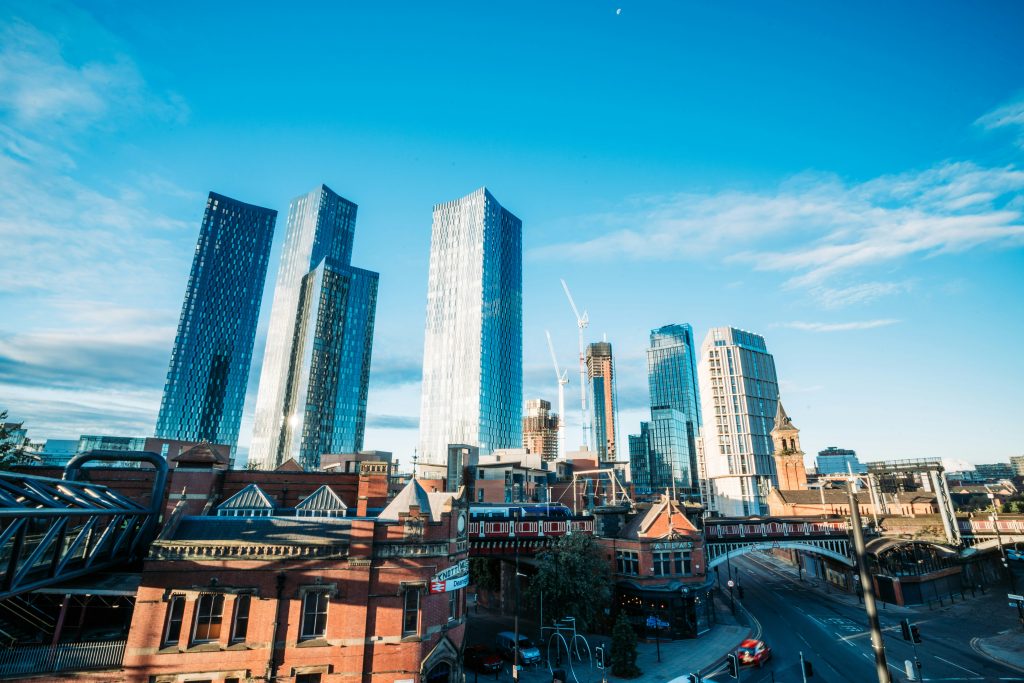
The Manchester guide
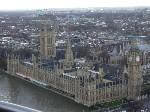
Liverpool

Liverpool

11 hostels · dorms from £19

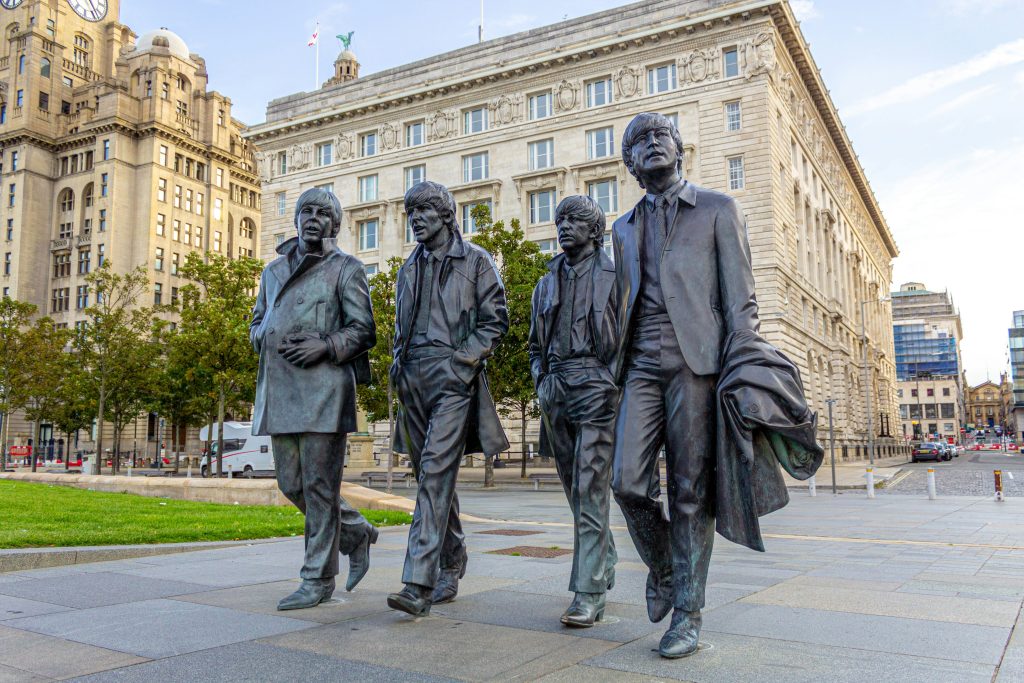
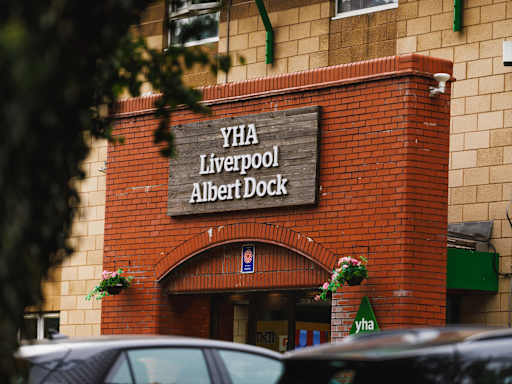
The Beatles, two cathedrals, a waterfront and a city that talks to strangers.

Liverpool has been a fantastic destination. As many of us, I arrived here seeking for The Beatles everything. However, once here, I fell in love with the places, the sightseeing, the people. It really is stunning, when you stop to think about all the history behind all these walls, streets and docks that have moved the city for years.

A traveller, on Hostelworld
The Liverpool guide
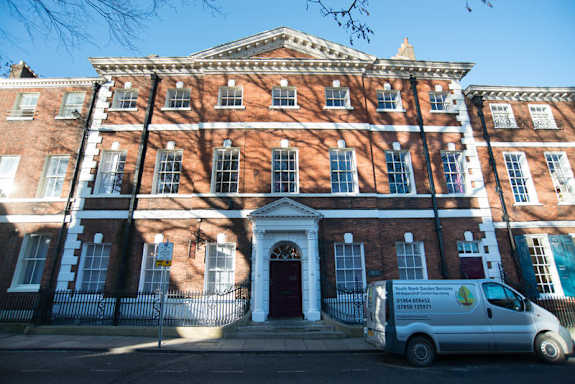
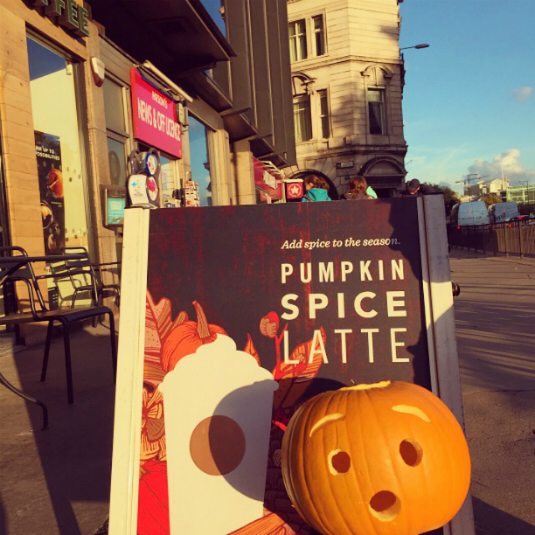
York

York

3 hostels · dorms from £15

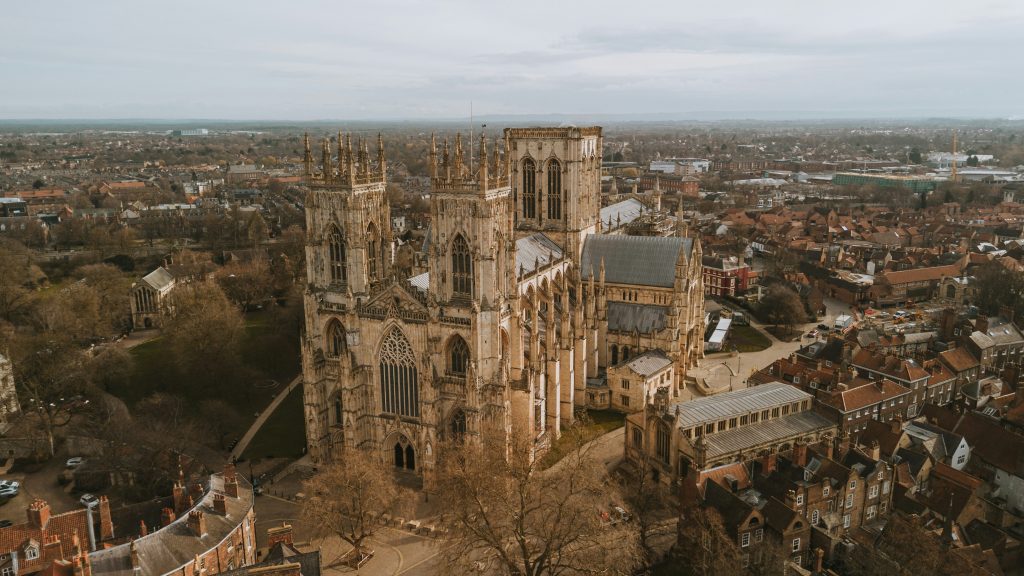
Roman walls, a Viking past and a Gothic minster, all walkable in an afternoon.

York was excellent. Roman, Viking, and Medieval history is excellent. Nightlife was excellent on Friday and Saturday night.

A traveller, on Hostelworld
The York guide
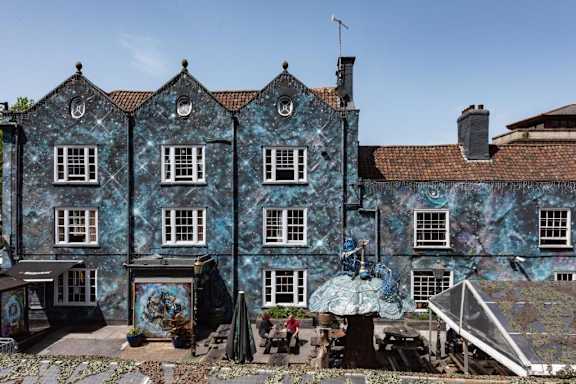
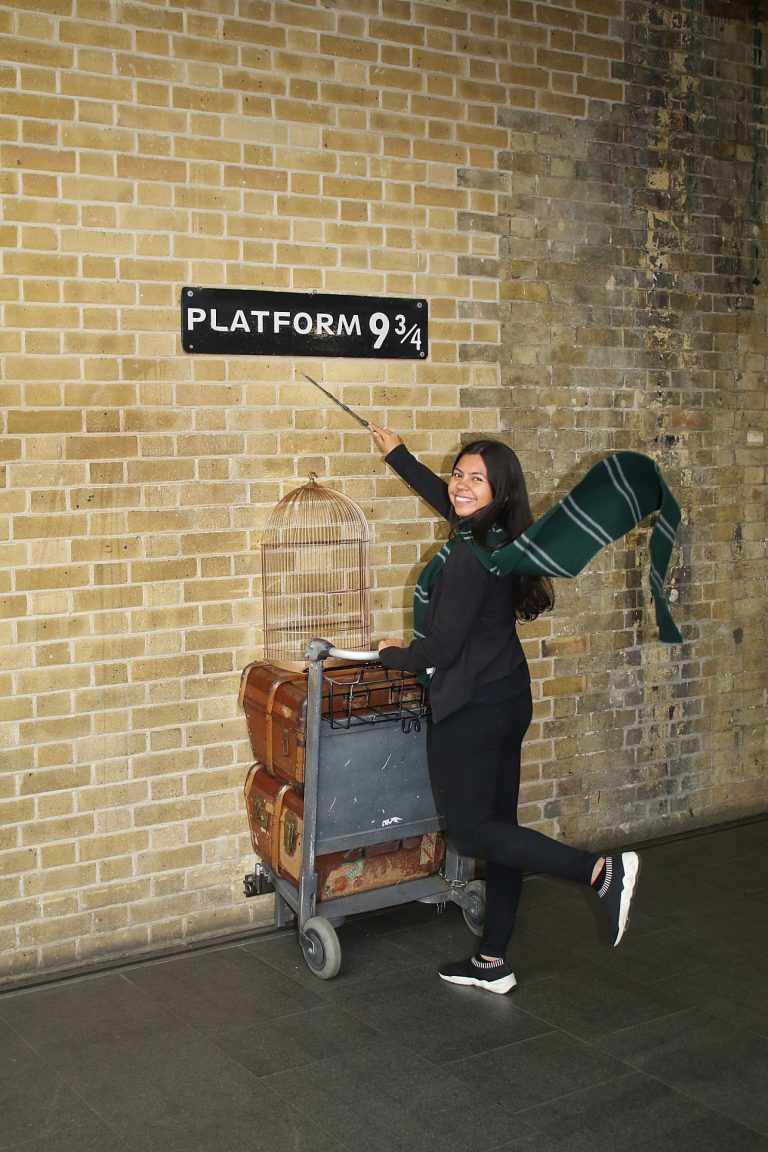
Bristol

Bristol

5 hostels · dorms from £25

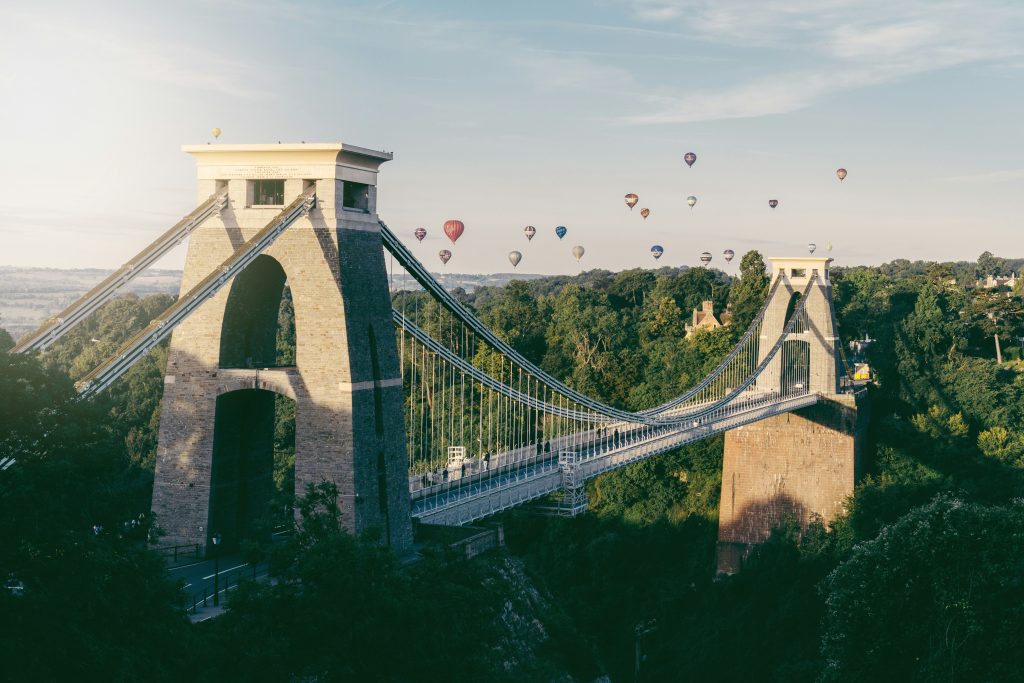
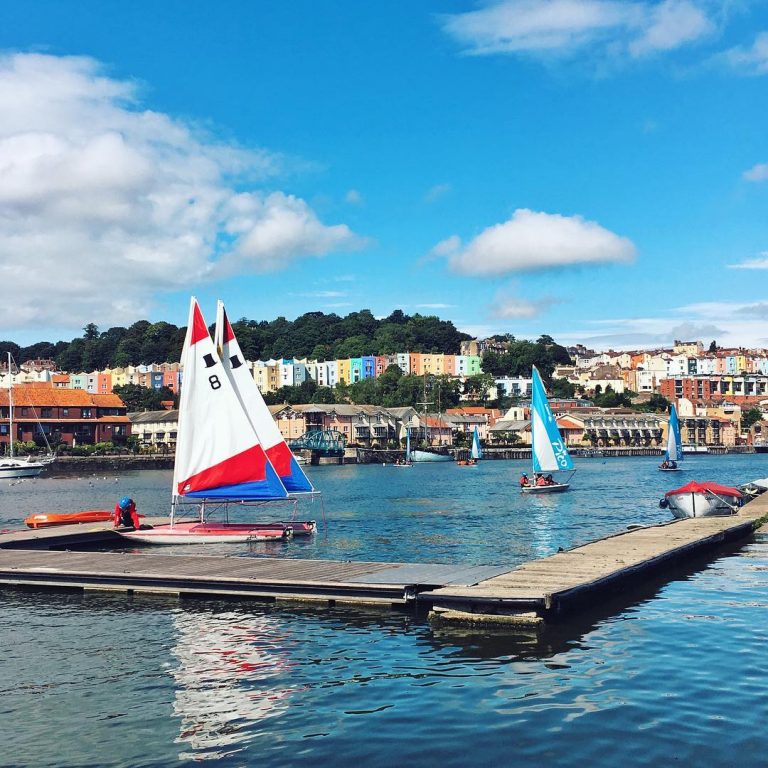
Street art, independent everything, and the gateway to Bath and the west.

Loved the vibe! I saw 8 different original Banksy pieces of art around Bristol. Plus are at Kooch, Vegan Mezze Restaurant. Some of the best food I’ve had in the world.

A traveller, on Hostelworld
The Bristol guide
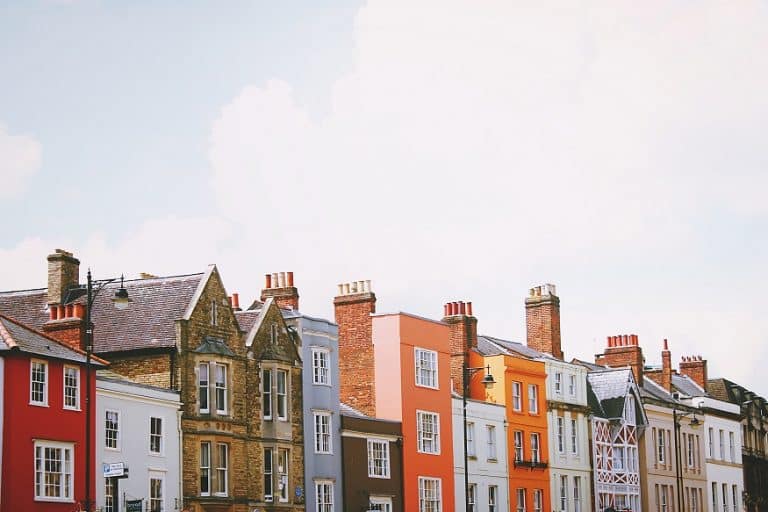
Brighton

Brighton

6 hostels

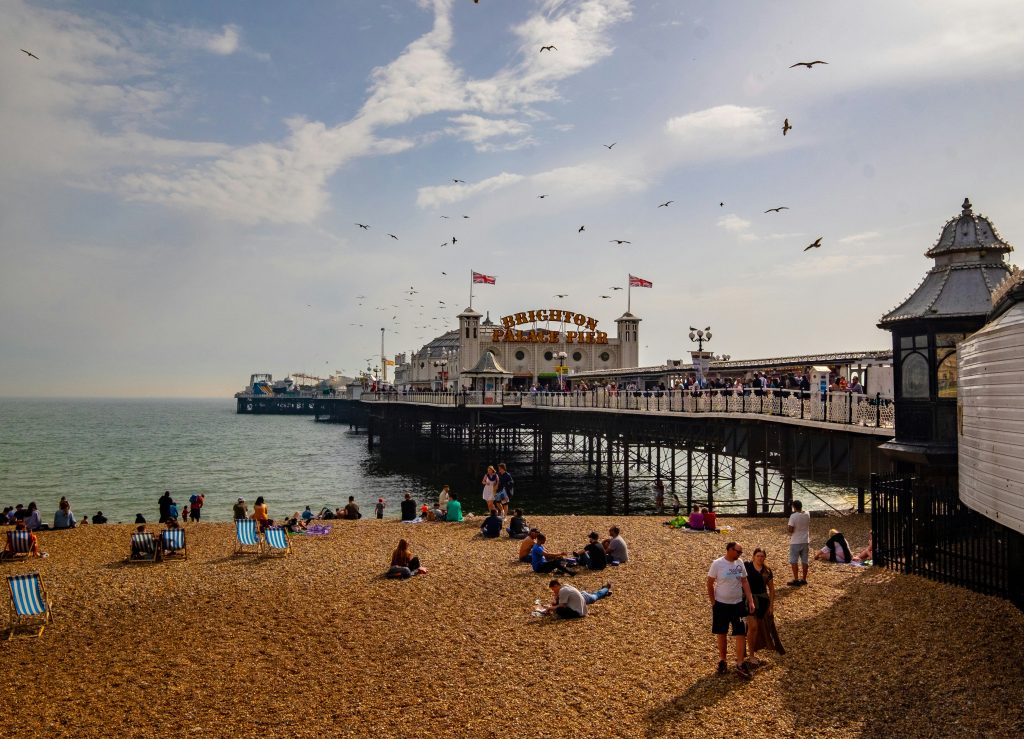
An hour from London: a pebble beach, a pier, and the most eccentric city on the coast.

Brighton has everything you could possibly want, from cafe culture to night life. I came for live music, then had a chilled morning looking round the lanes. Next time I'm going to eat out in an evening, visit the Pavillion and people watch outside the bakery in the lanes.

A traveller, on Hostelworld
The Brighton guide
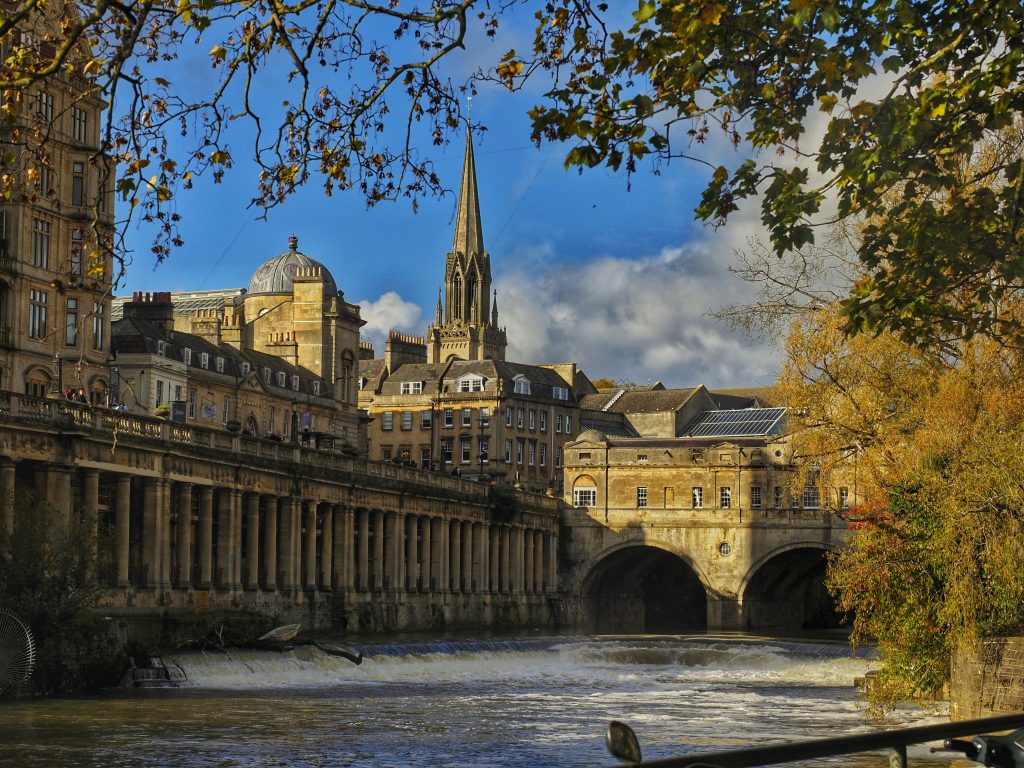
Bath

Bath

5 hostels

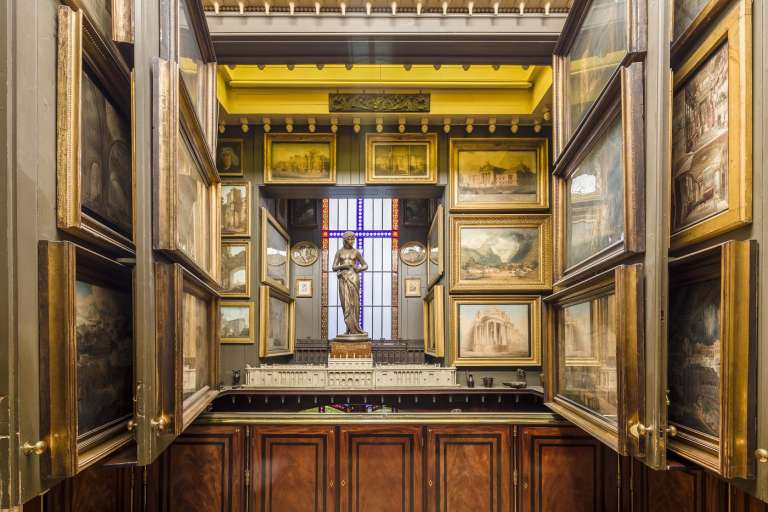
Georgian crescents and Roman baths in a small walkable city, and a day trip that deserves two.

Beautiful and elegant city with long culture and great entertainment!

A traveller, on Hostelworld
The Bath guide
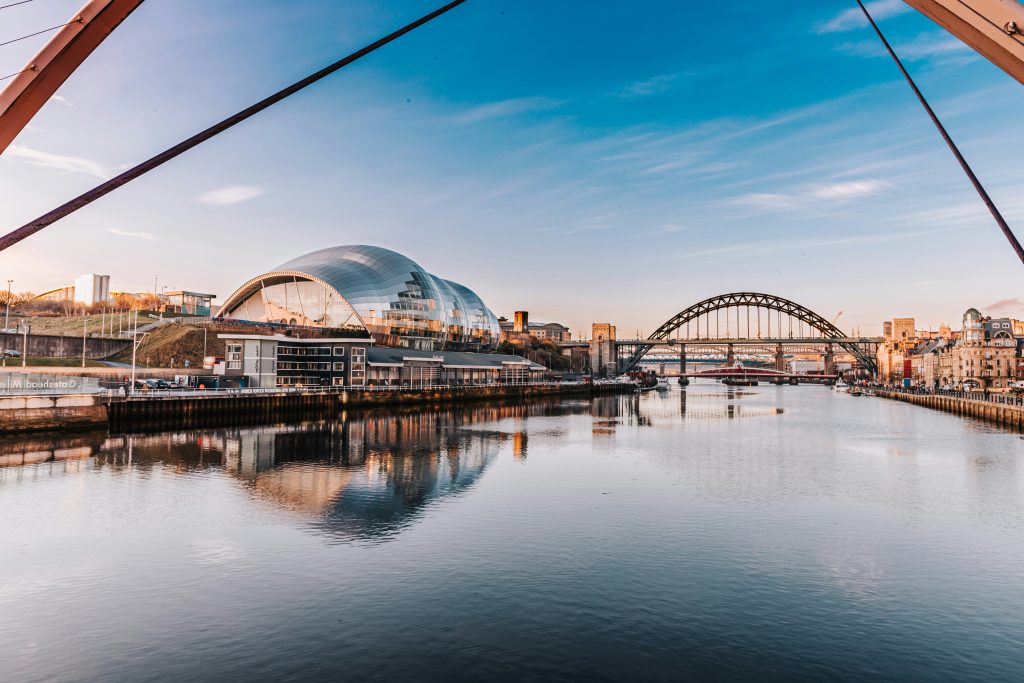
Newcastle

Newcastle

2 hostels

The north-east: a famous night out, seven bridges over the Tyne, and Hadrian's Wall nearby.

It’s a nice little town. The museum is worth seeing. The Beechs are lovely and the food is good. It’s a bit expensive. Sydney prices but not a Sydney place. I stayed for two days.

A traveller, on Hostelworld

The Newcastle guide
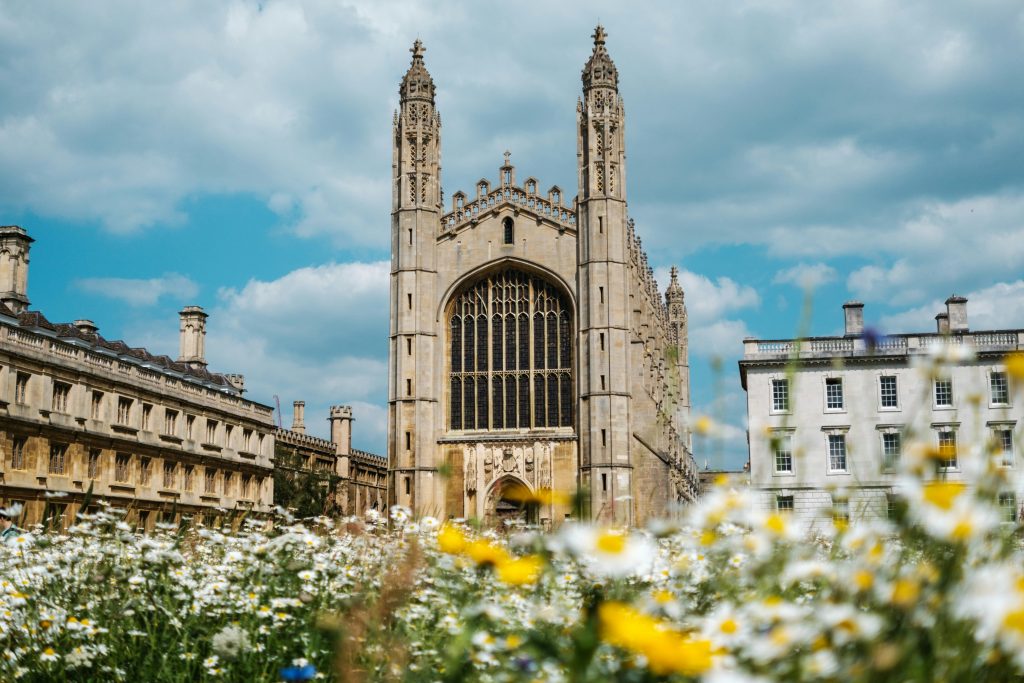
Cambridge

Cambridge

3 hostels

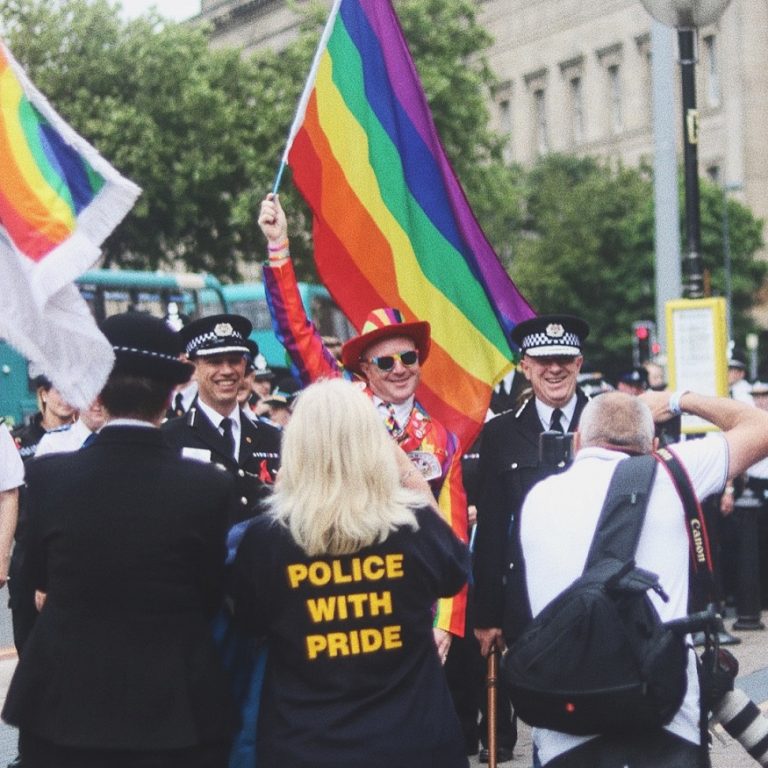
Colleges, punting and the best small-city museums in England, most of them free.

The old university buildings and relaxed atmosphere make this town perfect for a day trip. Or add an extra day if you like to go punting on the river or visit a couple of musea.

A traveller, on Hostelworld
The Cambridge guide
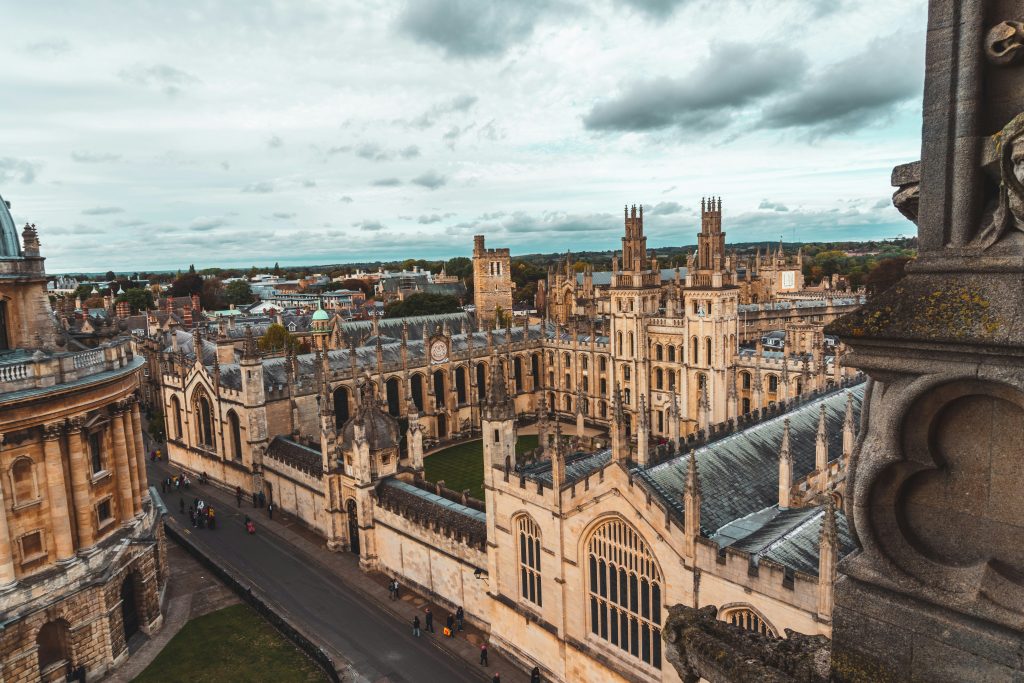
Oxford

Oxford

1 hostel

The other one: older colleges, covered market, and a pub where Tolkien and Lewis drank.

- Oxford was such a nice break from London - Had some lovely historic areas and museums to see - Easy enough to get around - Lots of shops for all of your needs - Not a big party scene - Would recommend booking a tour privately to do surrounding areas if you don’t have a car,

A traveller, on Hostelworld
The Oxford guide

What kind of trip is this?

England does cities, coast and countryside within a few hours of each other.

City break in England

Three or four days, one city, and free museums.

What to do

  • British Museum, free
  • A walk along the South Bank
  • A pub with no music

Spots to visit

  • Southbank
  • Manchester Northern Quarter
  • York walls

Best cities for it

Things to do

Things to do in England

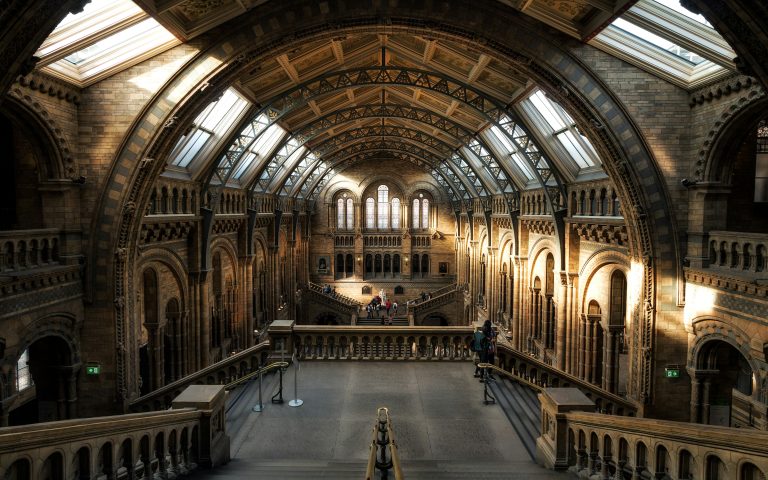
London's national museums are free — the British Museum, the National Gallery, Tate Modern, the V&A, the Natural History Museum — which makes it possible to spend a week there on very little once the bed is paid for. Special exhibitions charge; the permanent collections do not.

Theatre is the other London argument. Day seats and lottery tickets put West End shows at £15 to £25 if you plan for them, and the National Theatre and the Globe are cheaper again.

Outside London, the national parks are free to walk and England's right-of-way network means public footpaths cross private land legally, which is unusual and worth using. The Lake District, the Peaks and the South West Coast Path are the three obvious ones.

Food and drink

Eating in England

English food has improved beyond its reputation and the best of it is cheap. A full English breakfast is £8 to £12 and will see you through until evening. Pub lunches, curry houses and the country's enormous range of immigrant cooking are where the value is.

Curry is effectively a national cuisine — Birmingham's balti houses and Manchester's Curry Mile do it best, and a good meal runs £10 to £15. Fish and chips from a proper chip shop is £8 to £12.

Wetherspoons pubs are a national institution in the same way milk bars are in Poland: cheap, everywhere, and serving a pint and a meal for under £10. Nobody will judge you and almost everyone uses them.

Nightlife

Going out in England

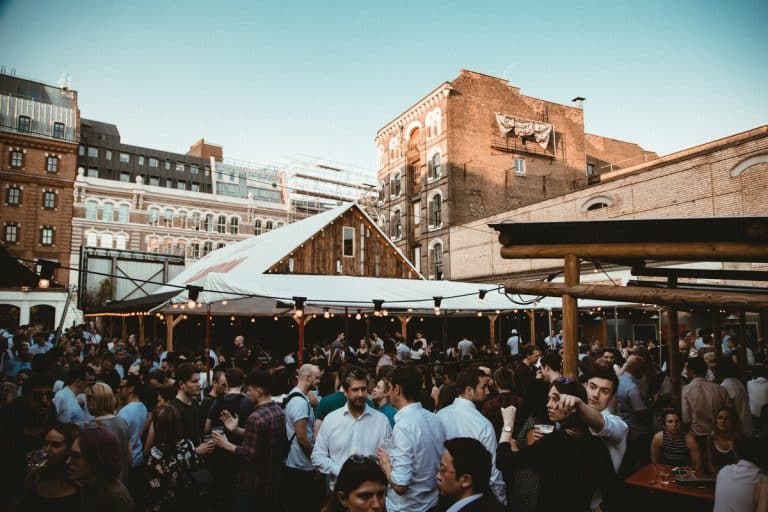
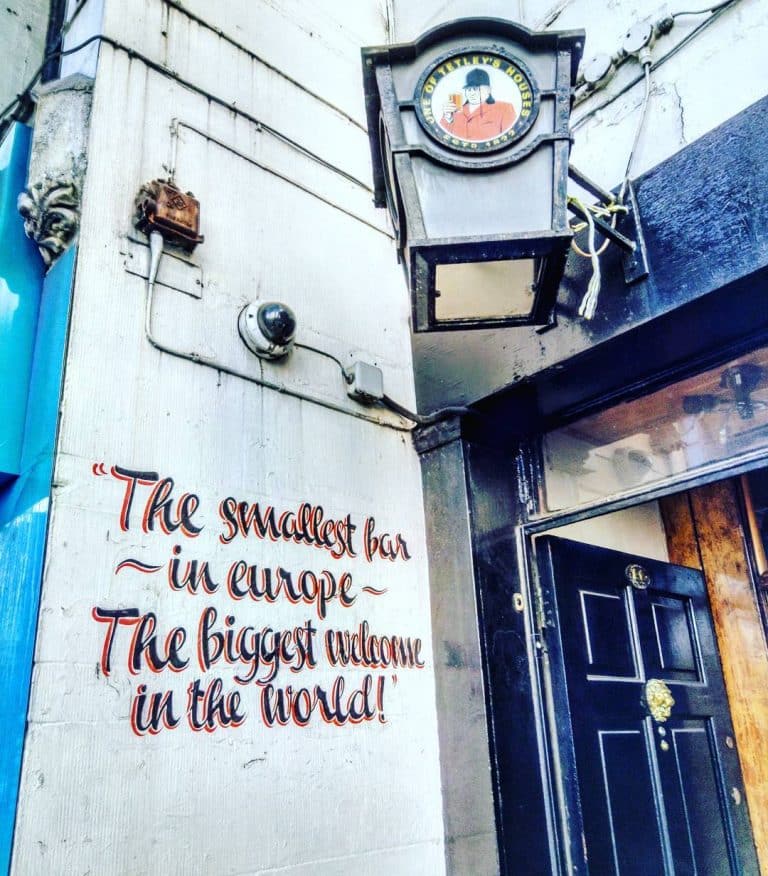
The pub is the institution and it is not a bar: you order at the counter, nobody tips, and the good ones have no music. English pubs close earlier than continental Europe — many at 23:00 — which is why the night starts at six rather than ten.

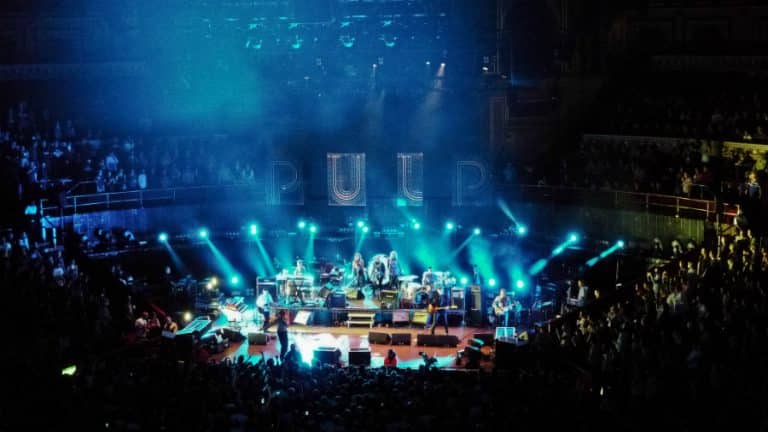
Manchester and Liverpool are the value nights out. Both are music cities with genuine scenes rather than tourist strips, and drinks cost roughly half of London's £6 to £8 a pint.

London's clubbing is world class and priced accordingly, spread from Shoreditch to south of the river, and the last tube goes around midnight with night tubes on Friday and Saturday on some lines.

Getting around

Getting around England

Trains are fast and expensive unless you book ahead. Advance fares are released around twelve weeks before travel and cost a third of the walk-up price — London to Manchester can be £25 booked early and £90 on the day. Split-ticketing sites often find further savings on the same train.

A 16-25 or 26-30 Railcard cuts a third off most fares for £35 a year and pays for itself in two journeys. National Express and Megabus undercut the trains everywhere if time matters less.

In London, contactless bank cards work on everything with a daily cap, so an Oyster card is no longer necessary. Walking is underrated — central London is smaller than the tube map suggests.

Costs

What England costs

London is the expense. Dorms start around £28 and rise sharply for events and in summer; in Manchester, Liverpool or York the same bed is £18 to £24.

What pulls it back is that so much is free. Every national museum, the parks, the markets and the walking. A day in London with a hostel bed, supermarket lunch, pub dinner and museums costs around £60 to £80; two or three restaurant meals a day doubles it.

Transport is the other lever. Booking trains in advance and carrying a railcard is the difference between a £25 journey and a £90 one, on the same seat.

Safety

Staying safe in England

England is safe for travellers, with the ordinary caution of any big country. In London, phone snatching from mopeds is the specific and well-publicised problem — do not stand at the kerb using a phone, particularly in the West End and Westminster.

Pickpocketing happens on the Underground at peak times and around Oxford Street and Camden. Night-time city centres in any English city can be rowdy at weekends, which is more about noise than danger.

Weather causes more problems than crime, particularly in the hills. The Lake District and the Peaks look gentle and produce mountain rescue callouts every week — go equipped, check the forecast, and tell someone your route.

Entry and documents

Entry and documents

England is part of the United Kingdom, which is not in the EU or Schengen. Time spent here does not count against the 90-day Schengen allowance, which is useful when planning a longer European trip.

EU, US, Canadian and Australian visitors need an ETA — an Electronic Travel Authorisation — applied for online before travel. It costs a small fee, is usually approved quickly and lasts two years. Check the official UK government site, because the rollout has changed repeatedly.

EU citizens now need a passport rather than an ID card, which catches out people who travelled here before Brexit.

When to go

It rains in every month, so pick for daylight and events. May to September gives long evenings; December gives Christmas markets and dark by four.

8°
Jan
Grey and cheap. Museums are empty
8°
Feb
Still winter. Cheapest month for beds
11°
Mar
Days lengthening, daffodils, still quiet
14°
Apr
Spring proper. Easter lifts prices for a week
17°
May
Excellent. Two bank holidays and long evenings
20°
Jun
The best month. Festival season starts
22°
Jul
Peak. School holidays from late in the month
22°
Aug
Busiest. Edinburgh pulls people north, London stays full
19°
Sep
Superb value. Warm enough, crowds gone
15°
Oct
Cool and quiet. Good for cities
11°
Nov
Dark and wet. Lowest prices of the year
8°
Dec
Christmas markets, then a spike over the holidays
Bar height is temperature. Colour is how busy it gets: quiet busy peak

Average highs for London. The north and the coast are several degrees cooler, and rainfall is spread across every month rather than concentrated.

What your trip will cost

Pick how you travel and how long for. Per night, for one person, in pounds. London adds roughly a third to the bed and the pint.

Excludes intercity trains, which swing from £25 booked early to £90 on the day. The doing column can be zero in London because the national museums are free.

—
  • Beds—
  • Food and drink—
  • Getting around—
  • Doing things—
What's on

What is on while you are there

Several of these fill their cities entirely. Book beds early or plan around them.

England travel questions

The ones we get asked most.

How many days do you need in England?
Four days for London alone, given the museums and the size of it. A week lets you add Manchester, Liverpool or York, or a few days in the Lake District or Cornwall — all within a few hours by train.
Is England expensive?
London is; the rest is mid-priced. Dorms from £28 in London against £18 to £24 in the north, and a pint at £6 to £8 versus £4 to £5. Free national museums pull a London day down to £60 to £80.
Are museums in London really free?
Yes. The British Museum, National Gallery, Tate Modern, V&A and Natural History Museum all have free permanent collections. Special exhibitions charge, but you can fill several days without paying anything.
How do I get cheap train tickets?
Book advance fares when they release, around twelve weeks before travel — London to Manchester is about £25 booked early and £90 on the day. A railcard costs £35 a year and takes a third off, paying for itself in two journeys.
Do I need a visa for England?
Most visitors now need an ETA, an Electronic Travel Authorisation applied for online before travel. EU citizens also need a passport rather than an ID card since Brexit. Check the official UK government site, as the rules have changed repeatedly.
Does time in England count towards Schengen 90 days?
No. The UK is outside the EU and Schengen, so time here is separate. That makes it useful as a break in the middle of a long European trip.
What is worth seeing outside London?
Manchester and Liverpool for music and nightlife at half the price, York for a walled medieval city, Bristol for independence and street art, and the Lake District or Cornwall for walking and coast.

Say yes to hostels, meet the world
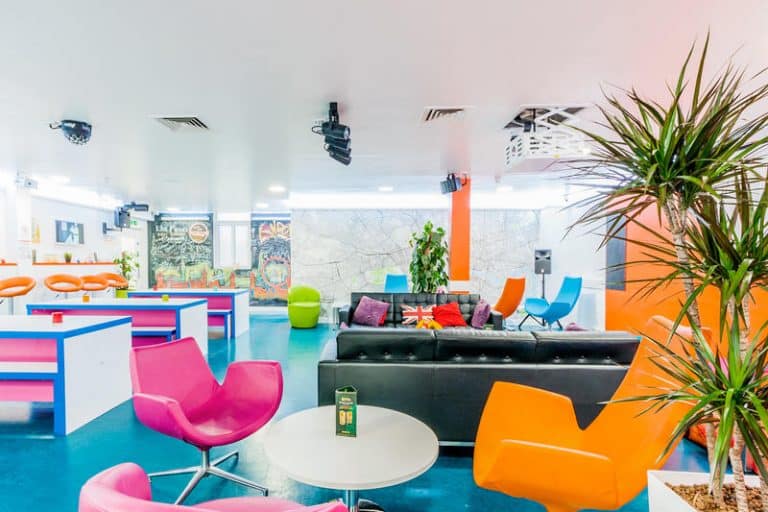
Compare hostels across England — live prices, real reviews and free cancellation on most bookings. Then meet the people already there in the app.

Get the App. QRGet the App.
Get the App. QR  Get the App.
Scroll to Top