Centre and Grande Plage
First-timersThe main beach and the old casino: shops, restaurants and most of the beds.

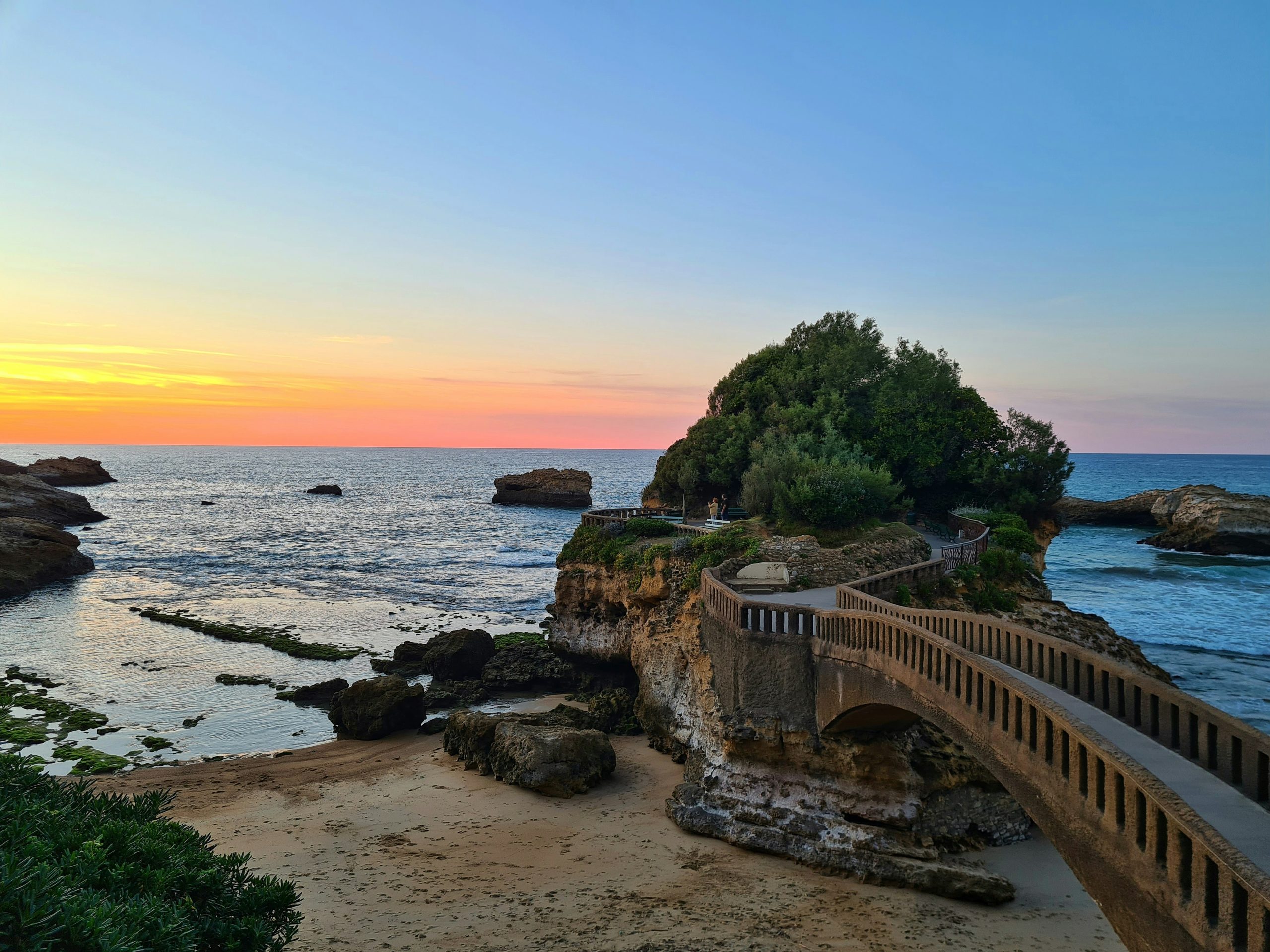
Atlantic surf town on the Basque coast: an imperial resort that became a surfing capital, with Spain twenty minutes away and the Pyrenees behind it.
Biarritz was a whaling village until 1854, when Empress Eugénie persuaded Napoleon III to build her a villa on the beach and the European aristocracy followed. The villa is now the Hôtel du Palais and the town kept the promenades and the belle époque frontage.
Surfing arrived in 1957, brought by an American screenwriter working on a film nearby, and the Côte des Basques became the first surf break in Europe. The town has been a surf capital ever since, and the two identities sit together without much friction.
It is properly Basque rather than generically French — the language is on the signs, the food is its own thing, and Bayonne next door is the cultural centre of the French Basque Country.
The Atlantic here is powerful. It is excellent for surfing and genuinely dangerous for casual swimming, with rip currents that catch people out every summer.
Two days, plus whatever the coast and the border get.
A small town strung between beaches, walkable throughout.
The main beach and the old casino: shops, restaurants and most of the beds.
South along the cliff: the original surf break, surf schools and a younger crowd.
Inland towards Bayonne: cheaper beds, the train line and a bus into the centre.
North towards Bayonne: a long run of sand beaches, surf camps and lower prices.
Orange labels are neighbourhoods, dots are the 8 top-rated hostels. Map © MapTiler © OpenStreetMap contributors.
Learn to surf, or watch people who can. Group lessons run €35 to €50 including board and wetsuit, and the Côte des Basques is where European surfing started in 1957 — it is a long, forgiving beach break at the right tide and the schools cluster there.
Walk the Rocher de la Vierge, a rock stack reached by a footbridge attributed to Eiffel's workshop, with a statue on top and the Atlantic breaking around it. Free.
The Cité de l'Océan and the Aquarium, around €15 to €20 each, cover the ocean and the Bay of Biscay properly.
Walk the cliff path from the Grande Plage south past the Côte des Basques towards Bidart — free, and the best hour here.
Then go to Bayonne, ten minutes by train: the Basque cultural capital, with chocolate makers that have been there since the sixteenth century, cured ham and a Gothic cathedral.
The beaches are all free, including the Grande Plage and the Côte des Basques.
The cliff path from the centre south towards Bidart is free and runs above the surf for kilometres.
The Rocher de la Vierge and its footbridge cost nothing, and the Atlantic breaking around it in a swell is the best free show in town.
The port des Pêcheurs, a small huddle of fishermen's cottages below the cliff now holding a few restaurants, is free to walk through.
The Halles de Biarritz market is free to browse and is where the town shops, and watching the surf at the Côte des Basques at sunset costs nothing and is what most of Biarritz does.
Basque food, which is its own cuisine and one of the best in Europe. Pintxos — the Basque version of tapas, served on bread with a stick — are eaten standing, at €2 to €4 each, and a few of them plus a glass is dinner.
Bayonne ham, cured for months and sliced thin, and piperade, a pepper, tomato and onion dish with egg, are the local staples.
Axoa, a veal and Espelette pepper stew, is the mountain dish, and Espelette itself is a village twenty minutes inland that grows the pepper on the house fronts.
Gâteau basque, a dense almond cake filled with cream or black cherry jam, is the pastry.
A glass of Irouléguy, the local wine, is €4 to €6, and txakoli poured from a height is the Spanish-side equivalent. A beer is €5 to €7.
Seasonal and surf-shaped. From June to September the bars around the Halles and the port des Pêcheurs are busy every night with a young international crowd, a lot of them on surf trips.
A beer is €5 to €7 and cocktails €10 to €14.
The Basque pattern is a txikiteo — moving between bars for one pintxo and one drink at each rather than settling in one place, and it is how the evening works on both sides of the border.
Bayonne has the bigger nights, particularly during its summer festival, and San Sebastián across the border has the best of all of it.
Out of season the town is very quiet, with a residential population and surfers who go to bed early.
The town is small and walkable, with the main beaches ten to twenty minutes apart on foot along the cliff.
Local buses cost about €1 and connect Biarritz, Anglet and Bayonne, which function as one urban area.
The airport is ten minutes away and the bus into town costs about €1, which is among the cheapest airport transfers in Europe.
Trains run to Bayonne in ten minutes, Saint-Jean-de-Luz in fifteen, Hendaye on the border in about thirty, and Paris in four hours by TGV.
San Sebastián is about forty-five minutes: train to Hendaye, then the Euskotren across the border, all for a few euros.
Expensive in summer, reasonable outside it. Dorms are €28 to €50 in July and August and €20 to €35 in the shoulder months.
A beer is €5 to €7, pintxos €2 to €4 each, and a day runs €55 to €95.
Anglet, ten minutes north, is noticeably cheaper for beds and has the same beaches.
The beaches, the cliff path and the Rocher de la Vierge are free. A surf lesson at €35 to €50 is the spend worth making.
Crossing into Spain is cheap and San Sebastián, though not cheap itself, makes the trains worth it — the whole journey is a few euros each way.
The Atlantic is the serious risk here and it should not be underestimated. This coast has powerful surf and strong rip currents, and people drown on it every summer, including strong swimmers.
Swim only on lifeguarded beaches and only between the flags, which mark the patrolled area and are moved daily according to conditions. Outside the summer season most beaches are not patrolled at all.
If you are caught in a rip, do not swim against it. Swim parallel to the beach until you are out of the pull, then come in. Raise an arm and shout if you need help.
Surf lessons matter here more than in gentler places — the schools know the tides and the currents, and going out alone as a beginner is a bad idea.
The cliff paths have unfenced sections and undercut edges. Emergency number is 112.
The Basque country on both sides of the border, and the Pyrenees behind.
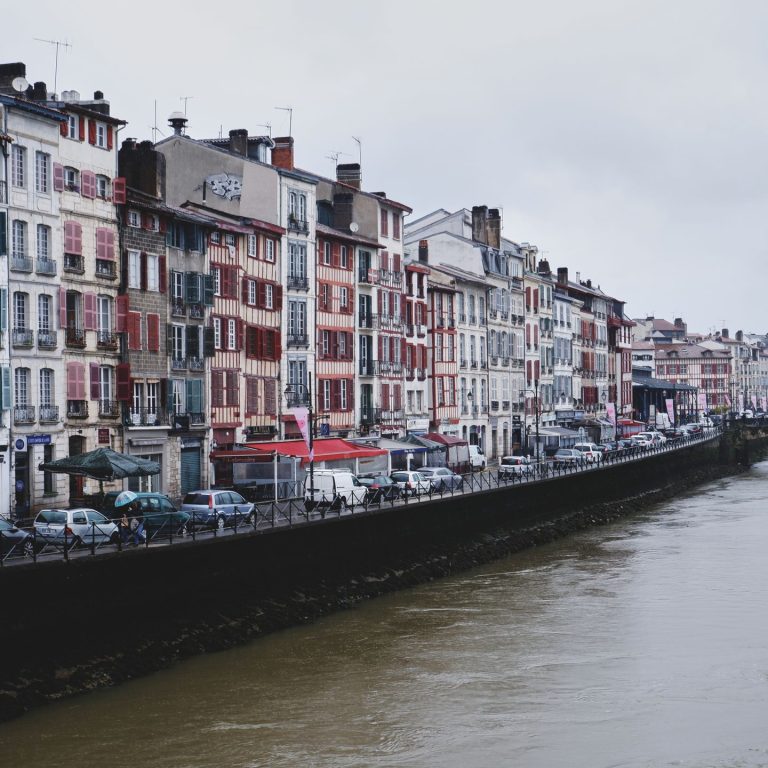
The Basque cultural capital: chocolate makers since the sixteenth century, cured ham, a Gothic cathedral and the July festival.
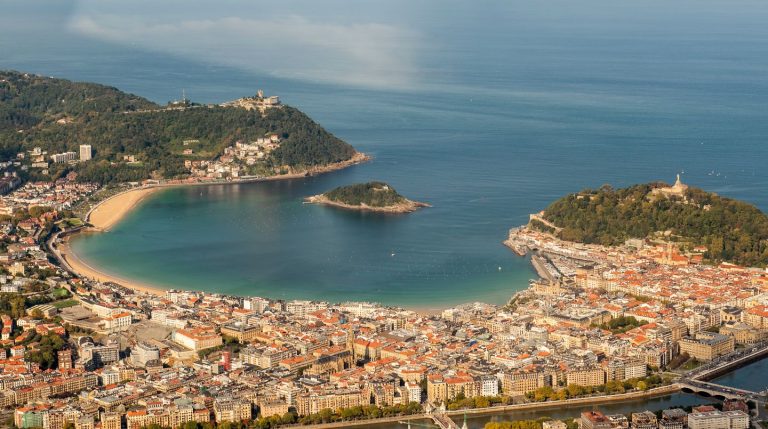
A shell-shaped bay, the best pintxos in the world by common agreement, and a different country.
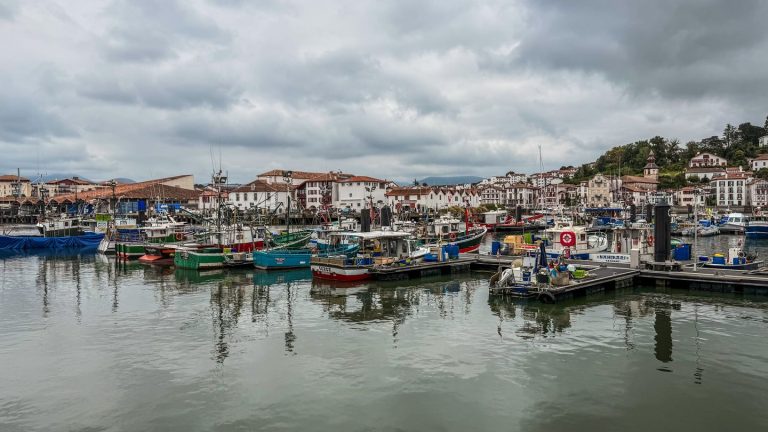
A sheltered bay safe for swimming, a working fishing port and the church where Louis XIV married.
Bayonne's festival in July puts a hundred thousand people in red and white.
 Staff pick
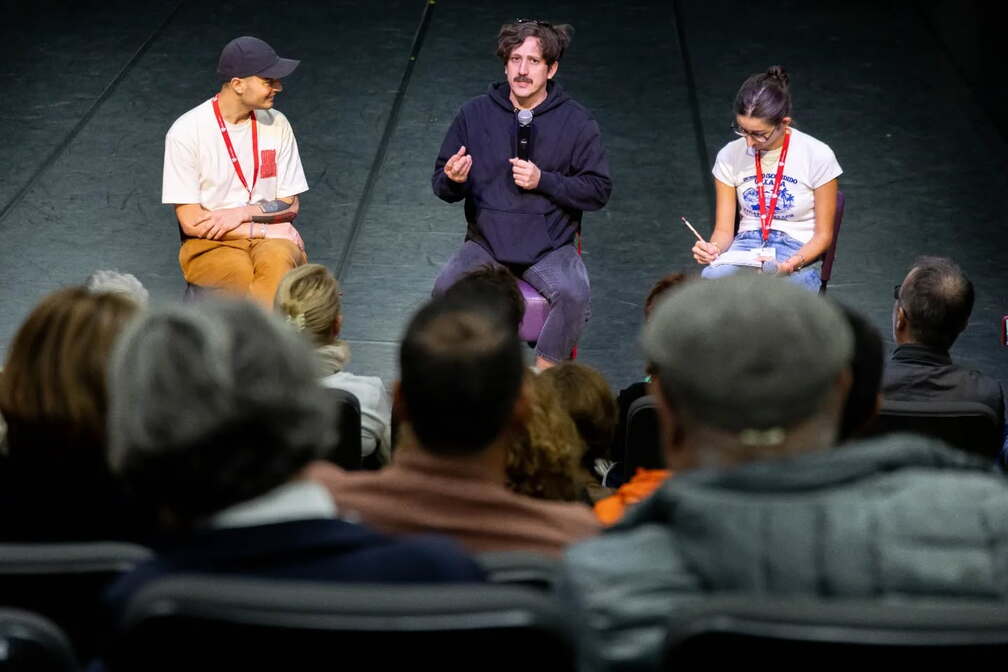
The Biarritz Latin America Film Festival (FBAL) in Biarritz, France, has been celebrating Latin American cinema and culture since 1979. Held across iconic venues…

The Biarritz Latin America Festival, a staple since 1979, is a celebration of Latin American cinema featuring competitions for feature films, short films, and…
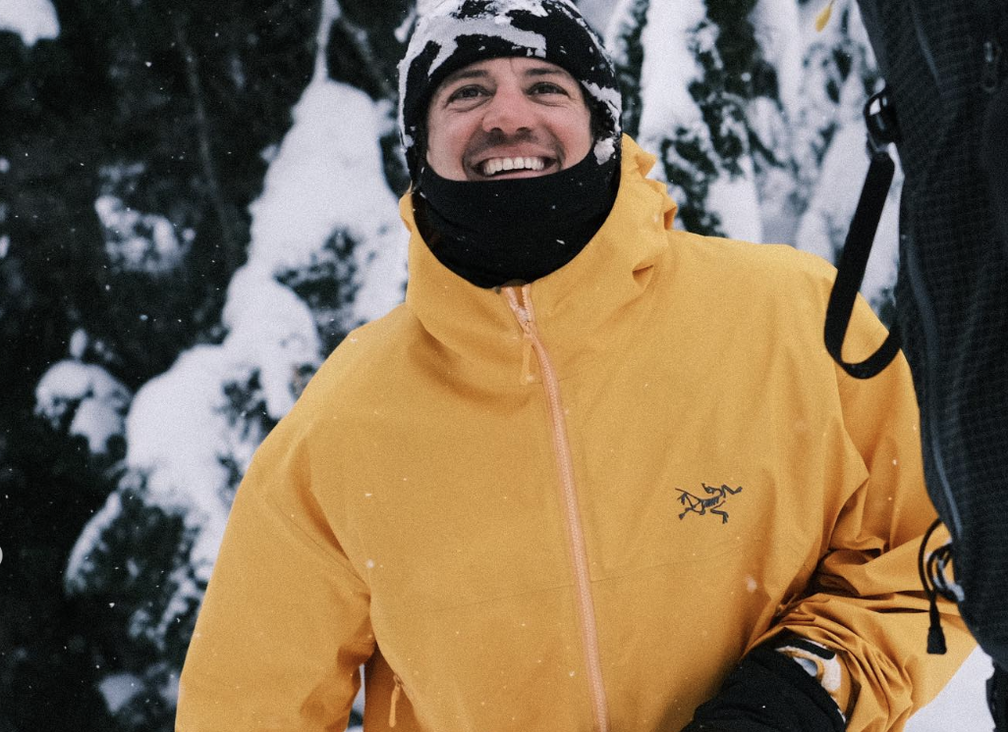
ATABAL X BCE (Board Culture Exposure) is an opening night event for the OFF segment of the Board Culture Exposure Festival. It combines a…

Sniper is a major French rap group formed in 1997 in Val-d’Oise, known for their socially engaged albums blending city life experiences and social…
Imagine Dragons is a Grammy-winning pop-rock band from Las Vegas formed in 2008. Since their award-winning debut studio album, Night Visions was released in…
Candlelight promises an enchanting musical journey, illuminated by the soft glow of numerous candles. Attendees can look forward to a special tribute concert dedicated…
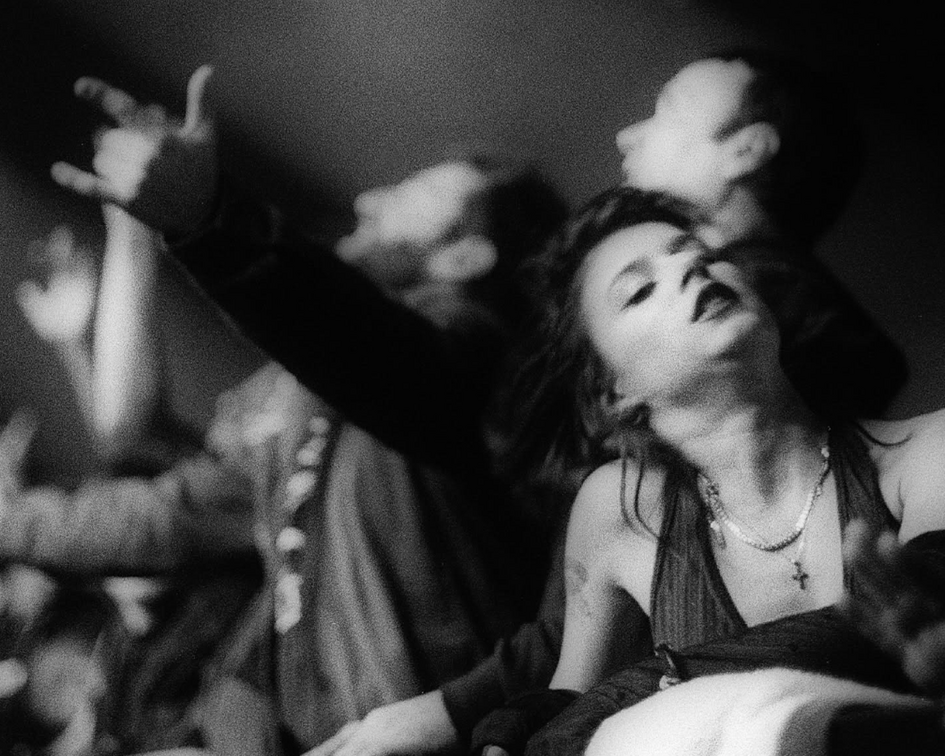
Simon Pernin captures the raw energy of live concerts through his 35mm analog photography, focusing on the texture and grain that make each image…

Puppetmastaz is a quirky collective of terrestrial and extraterrestrial creatures known as the world's first "toy group." Since their debut album in 2002, they…
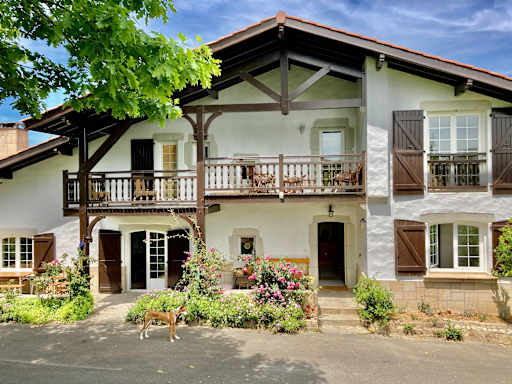
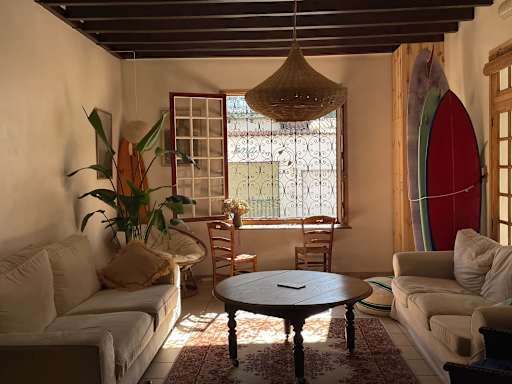
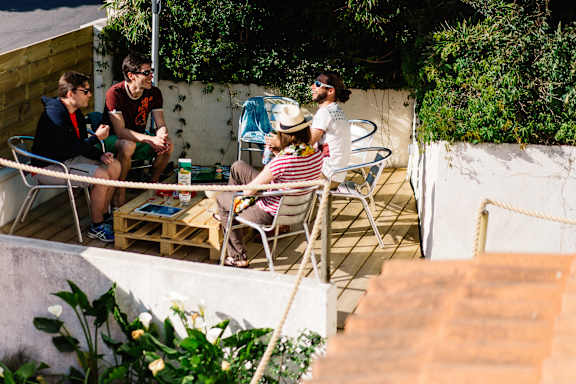
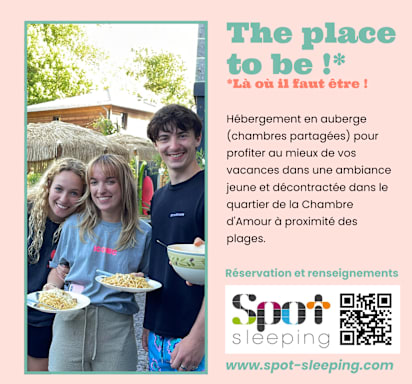
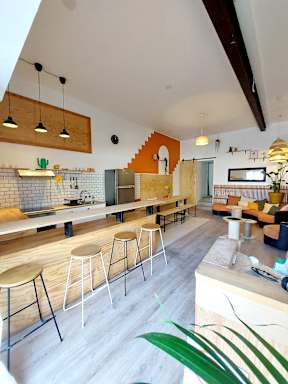
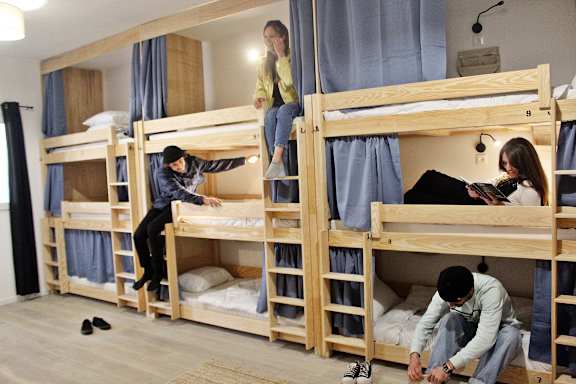
A good surf-camp scene here and in Anglet, with prices spiking in July and August. Live from Hostelworld.

June and September for surf and space. July and August are packed and expensive.
Average highs. The Atlantic is cold — a wetsuit is normal here even in August, and the water is at its warmest in September at around 21°C. Autumn and winter bring the biggest swell, which is for experienced surfers only.
Pick how you travel. Per person per night, in euros.
These are summer figures — May and October run about a third lower. A surf lesson at €35 to €50 sits in the doing line.
The ones we get asked most.

Compare Biarritz hostels — live prices, real reviews and free cancellation on most bookings. Then meet the people already there in the app.

 Get the App.
 Get the App.