Chamonix centre
First-timersThe town: the Aiguille du Midi station, the Mer de Glace train, bars, gear shops and most beds.

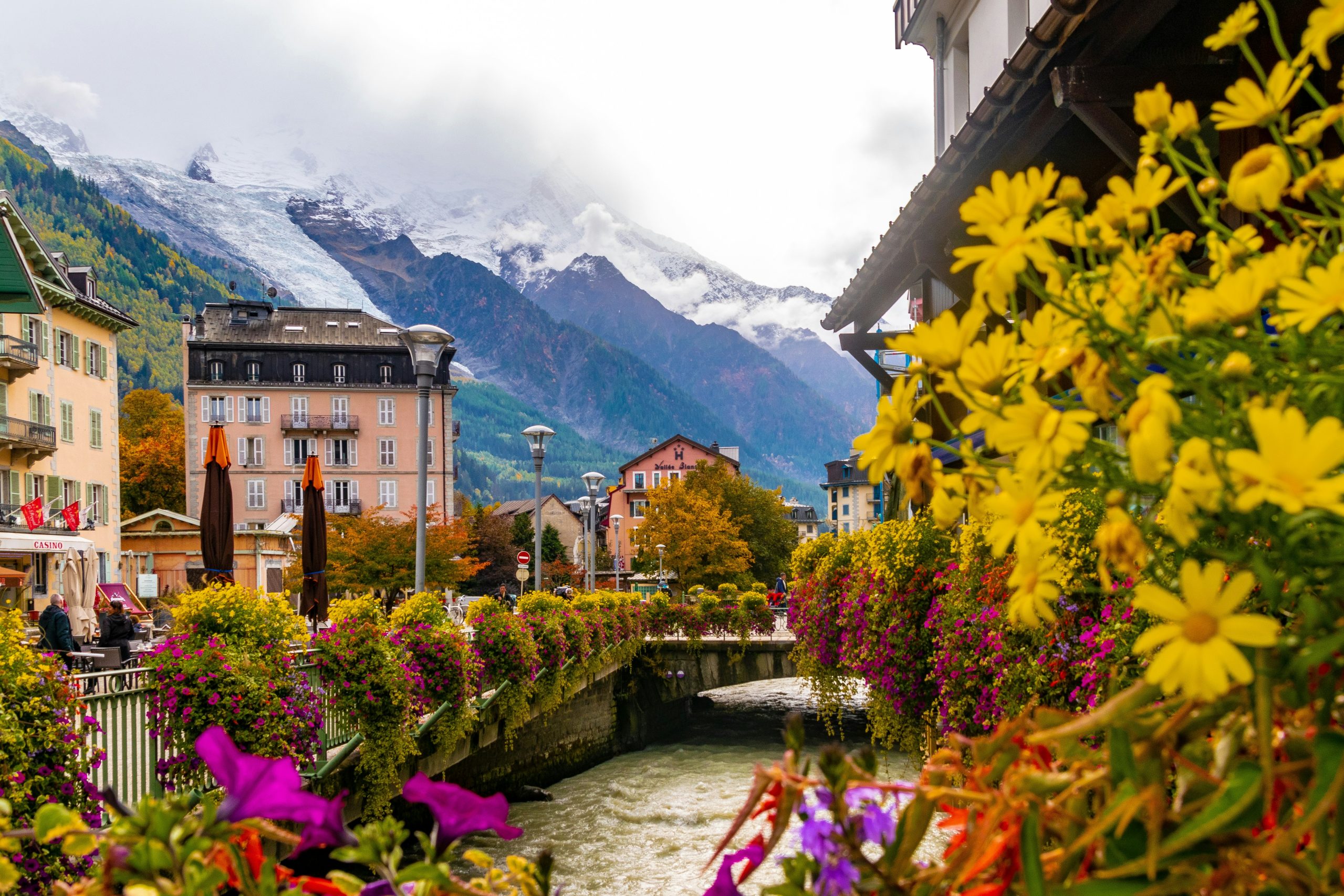
Under Mont Blanc: skiing in winter, alpinism in summer, and a cable car that lifts you to 3,842 metres in twenty minutes whether your body is ready or not.
Chamonix sits in a narrow valley directly under Mont Blanc, and modern alpinism effectively began here in 1786 when two locals made the first ascent. It has been a climbing town ever since, and it feels more like a working base than a resort.
The Aiguille du Midi cable car is the headline: from the valley floor at about a thousand metres to a rock spire at 3,842 in twenty minutes, with a viewing platform, a glass box to stand in, and the whole Mont Blanc massif at eye level.
That speed is also the problem. Going from 1,000 to 3,842 metres in twenty minutes gives a lot of people altitude sickness — headache, nausea, dizziness — and the station has oxygen on hand for a reason.
The Mer de Glace, France's largest glacier, is reached by a rack railway from the town. It has retreated dramatically, and the staircases built down to it get longer every few years, which is a lesson in itself.
Two or three days, and it is expensive.
A valley town with satellite villages strung along it, all linked by free buses.
The town: the Aiguille du Midi station, the Mer de Glace train, bars, gear shops and most beds.
Up the valley: closer to the Grands Montets, quieter, and on the free bus into town.
Down the valley: cheaper beds, a gentler ski area, and fifteen minutes into Chamonix.
Orange labels are neighbourhoods, dots are the 8 top-rated hostels. Map © MapTiler © OpenStreetMap contributors.
The Aiguille du Midi, about €75 return, is the thing people come for: twenty minutes from the valley to 3,842 metres, a viewing terrace, a glass box called the Step into the Void, and Mont Blanc close enough to read the routes on it. Go early — cloud builds through the day — and book the time slot ahead in summer.
Take the altitude seriously. The ascent is fast enough that headaches and nausea are common. Move slowly at the top, do not run up the stairs, and come down if you feel bad.
The Montenvers rack railway, about €40, climbs to the Mer de Glace, France's largest glacier, with an ice cave cut fresh each year. The staircase down to it has been extended repeatedly as the ice retreats.
In summer, the hiking is the real draw: the Grand Balcon Sud, the Lac Blanc, and the start of the Tour du Mont Blanc.
In winter it is a serious ski area across several separate sectors, with a lift pass around €65 to €75 a day.
The valley trails are free and extensive. The Petit Balcon Sud runs above the town with the massif opposite and needs no lift at all.
The riverside path along the Arve runs the length of the valley, flat and free.
Valley buses and trains are free with the guest card your accommodation issues, which makes moving between Les Houches, Chamonix and Argentière cost nothing.
The town itself is free to walk, with the Alpine cemetery holding generations of climbers, and gear shops that function as a museum of the sport.
Watching the paragliders land in the field by the centre on a clear afternoon is free and better entertainment than it sounds.
Savoyard, which means cheese. Fondue, raclette and tartiflette at €22 to €30 a head, usually with a two-person minimum, and they suit a day in the cold considerably better than a day in August.
Restaurant prices are resort prices: a main is €20 to €30 and a pizza €14 to €18.
The supermarkets in town are the real budget answer, and most hostels have kitchens because everyone here knows it.
Mountain refuges serve lunch on the trails at €15 to €22, which is reasonable given where they are.
A beer is €6 to €9, higher on the terraces facing the mountain, and the après-ski crowd keeps the bars busy from four in the afternoon in season.
Après-ski rather than nightlife. Bars fill from four in the afternoon in winter as people come off the lifts, and the crowd is international — a lot of seasonal workers from Britain, Scandinavia and Australia.
The centre has the bars, mostly within five minutes of each other, and a couple of clubs run late in season.
A beer is €6 to €9 and cocktails €11 to €16.
In summer the crowd is climbers and hikers, which means earlier nights — alpine starts are at two or three in the morning and people plan around them.
May and November are the two dead months, when the lifts close between seasons and much of the town shuts with them.
Valley buses and the local train are free with the guest card your accommodation gives you, and they run the length of the valley between Les Houches, Chamonix, Les Praz and Argentière. This is genuinely useful and a lot of visitors never realise it.
The town centre is walkable in ten minutes.
Geneva airport is about an hour away by shared shuttle at €30 to €50 return, which is the standard arrival. Trains involve a change at Saint-Gervais and take longer.
Annecy is about two hours, Turin about three through the Mont Blanc tunnel.
Lift passes are separate from transport and cost €65 to €75 a day in winter, with multi-day and multi-valley options.
Expensive, and the lifts are why. Dorms are €30 to €55 in season and €22 to €38 in the shoulder months.
A main is €20 to €30 and a beer €6 to €9, so a day is €70 to €130 before you go up anything.
The lifts are the real budget: the Aiguille du Midi is about €75 return, the Mer de Glace about €40, and a ski pass €65 to €75 a day. Two or three of those adds €150 to €250 per person.
The free version is genuinely good though — the valley trails, the Petit Balcon Sud and the free buses cost nothing and the views are the same mountains.
May and November are cheapest because almost everything is closed.
This is a high mountain environment and the risks are real rather than theoretical. Chamonix has one of the busiest mountain rescue services in the world.
Altitude: the Aiguille du Midi takes you from about 1,000 to 3,842 metres in twenty minutes, which is far faster than the body adjusts to. Headache, nausea and dizziness are common. Move slowly at the top, do not exert yourself, and descend if symptoms get worse rather than better.
Weather changes fast and visibility can close in within minutes. Check the forecast and, in winter, the avalanche bulletin every day.
Do not go onto glaciers without a guide. Crevasses are covered by snow and are not visible, and this kills people every year including experienced ones.
Tell someone your route, carry more layers and water than you expect to need, and turn back earlier than feels necessary. Emergency number is 112.
Three countries meet within an hour and a half of the valley.
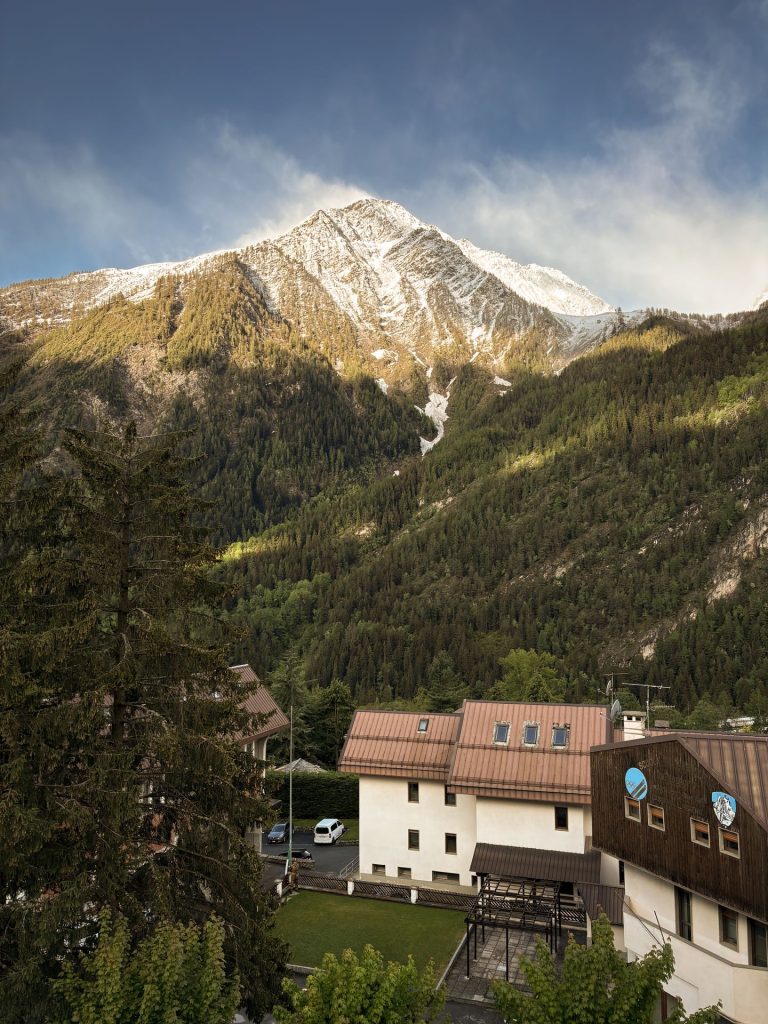
The other side of Mont Blanc, with better food and a different view of the same mountain.
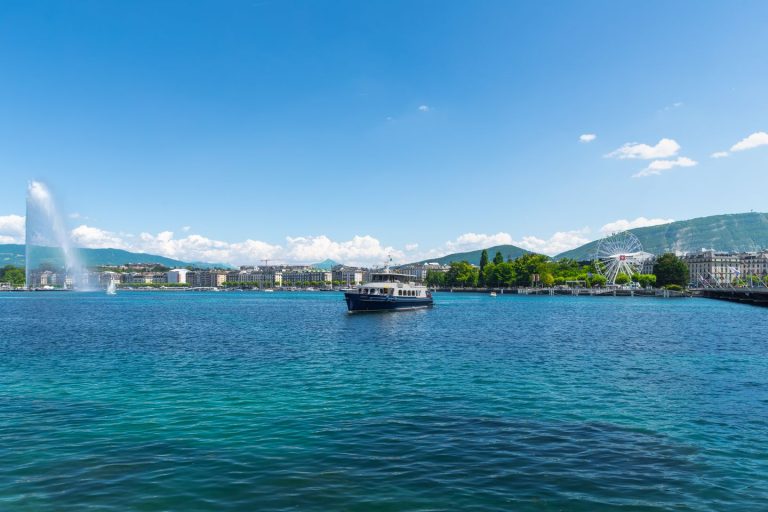
A different country, a lake city, and the airport most people fly into.
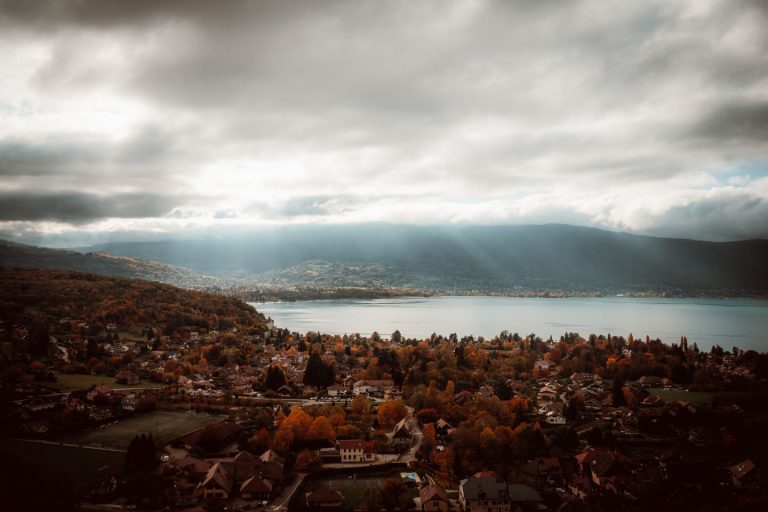
A canal town on an alpine lake with swimming and a flat cycle path.
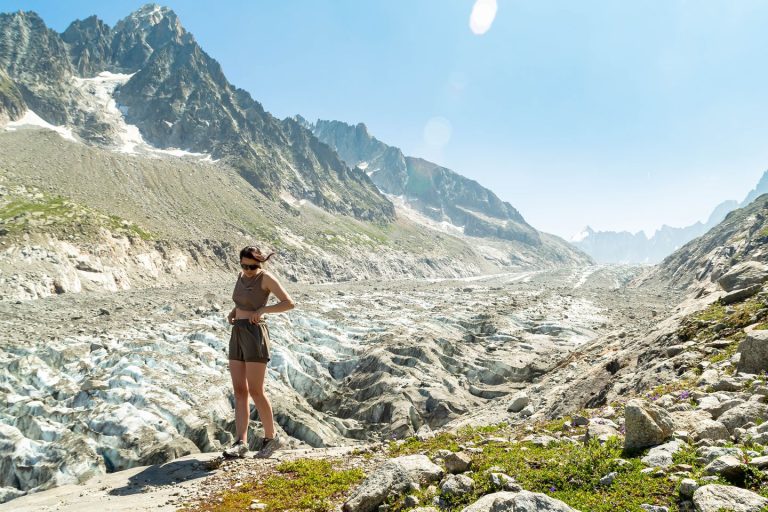
France's largest glacier, with an ice cave and a staircase that gets longer as the ice retreats.
An ultramarathon round Mont Blanc fills the valley every August.
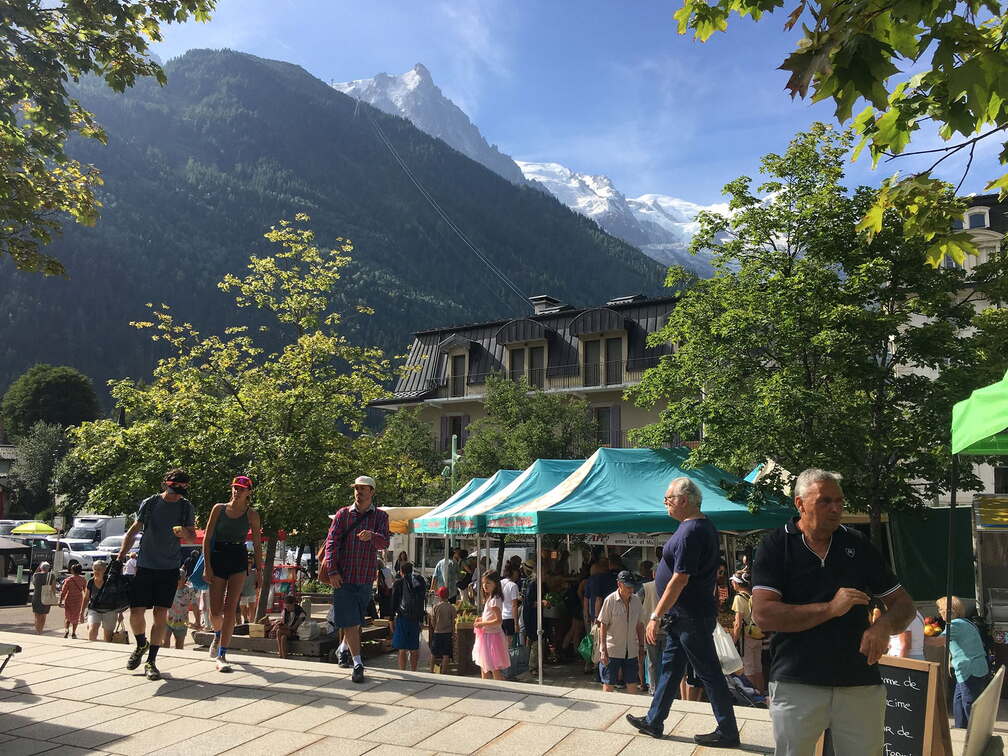
The Saturday market is the largest and most popular market in the Chamonix valley. Held every Saturday morning in the town centre on Place…
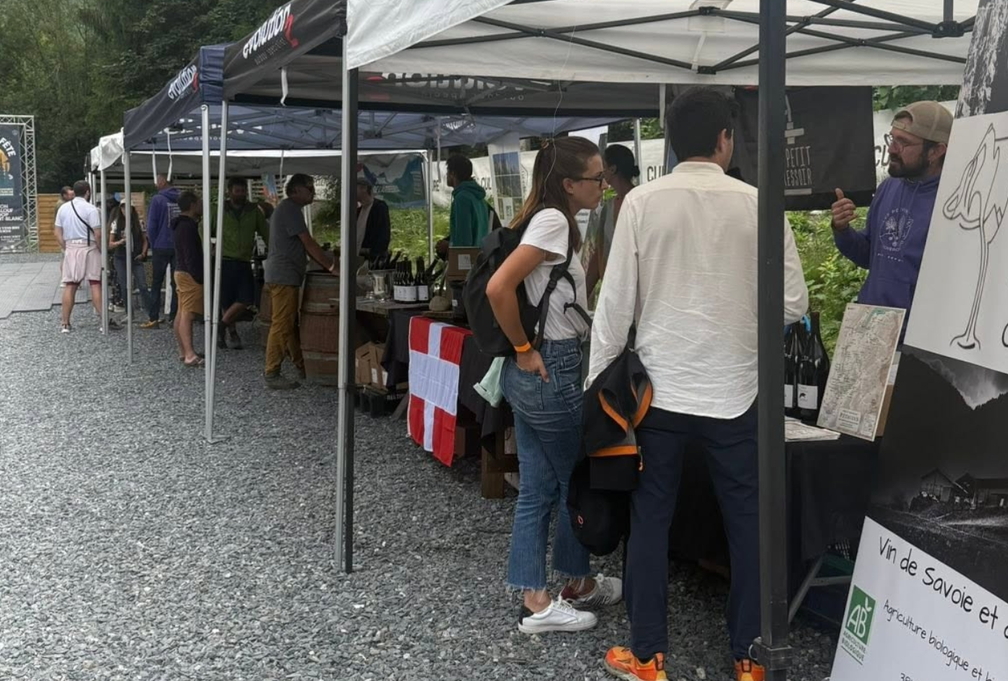
More than 60 organic winemakers from across the Alpine Arc gather at this autumn festival set in a woodland clearing opposite Mont Blanc. Giant…
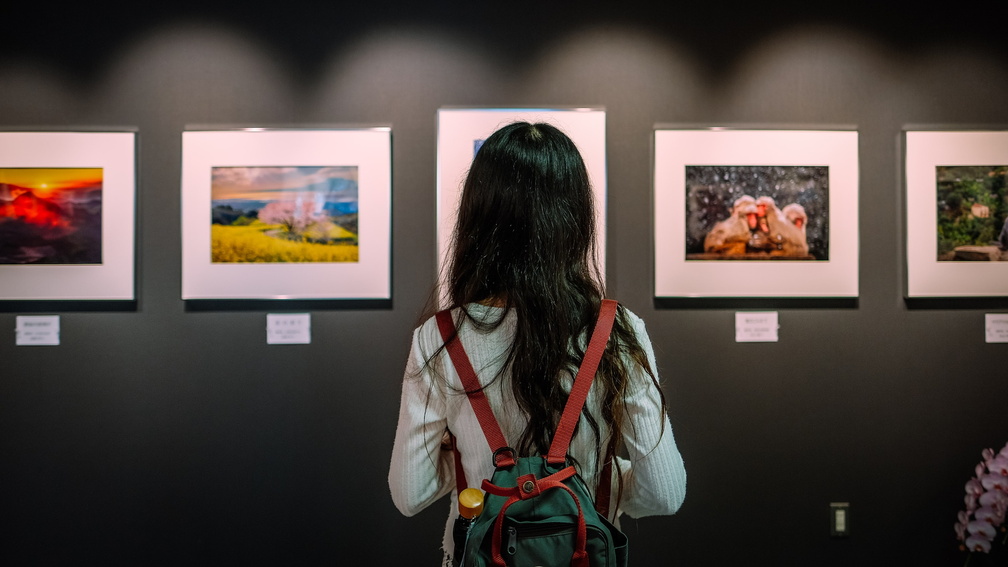
Chamonix transforms into a gathering point for nature photography lovers each autumn, when the valley is at its most visually striking. The festival brings…
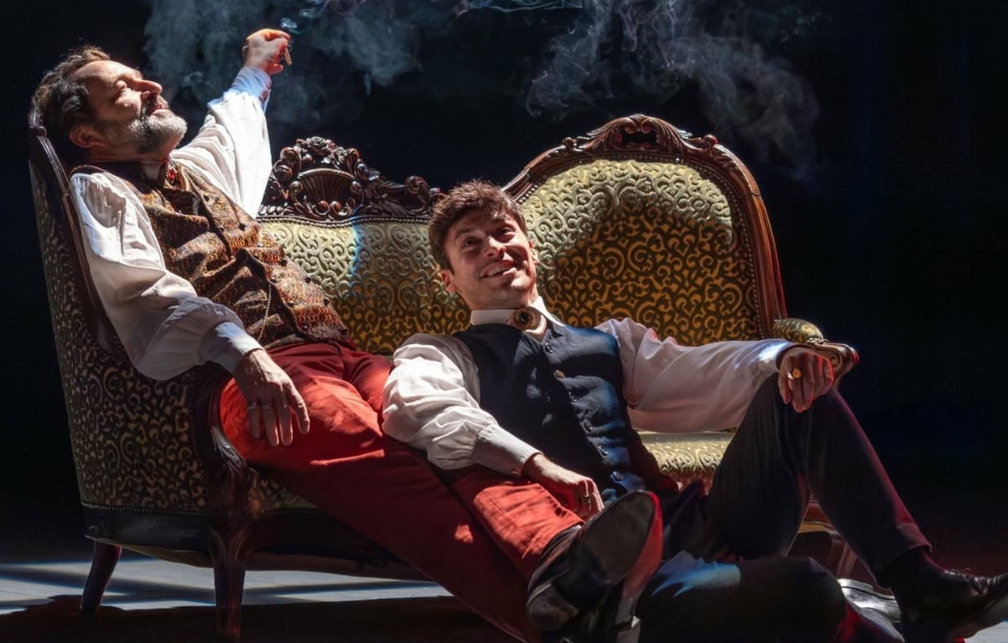
Oscar Wilde's tale of vanity and corruption comes to life in this adaptation, following the beautiful Dorian Gray as he trades his soul for…
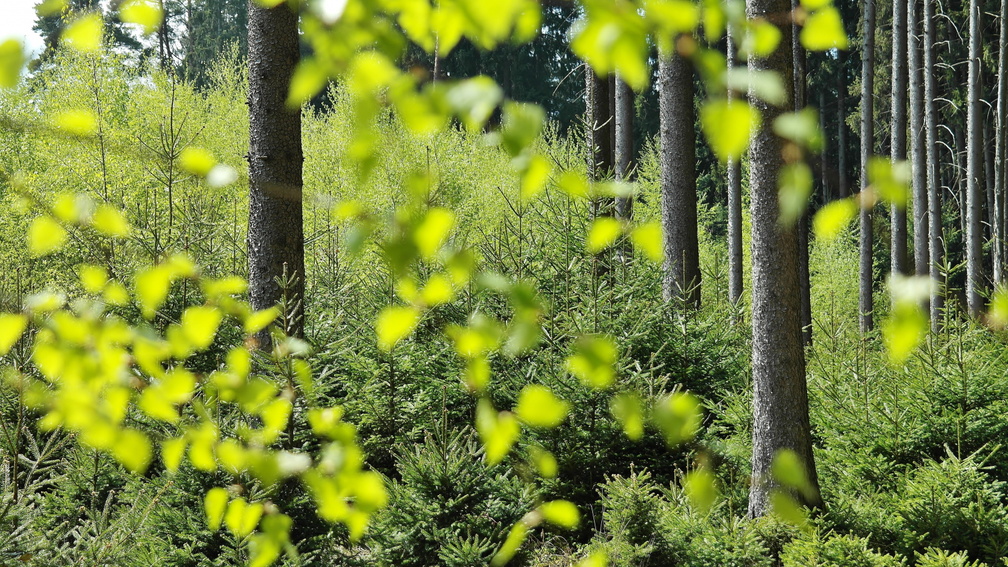
CREA Mont-Blanc celebrates three decades of mountain science with a weekend packed with conferences, hands-on activities, and field trips at the Observatoire Mont-Blanc. Friday…
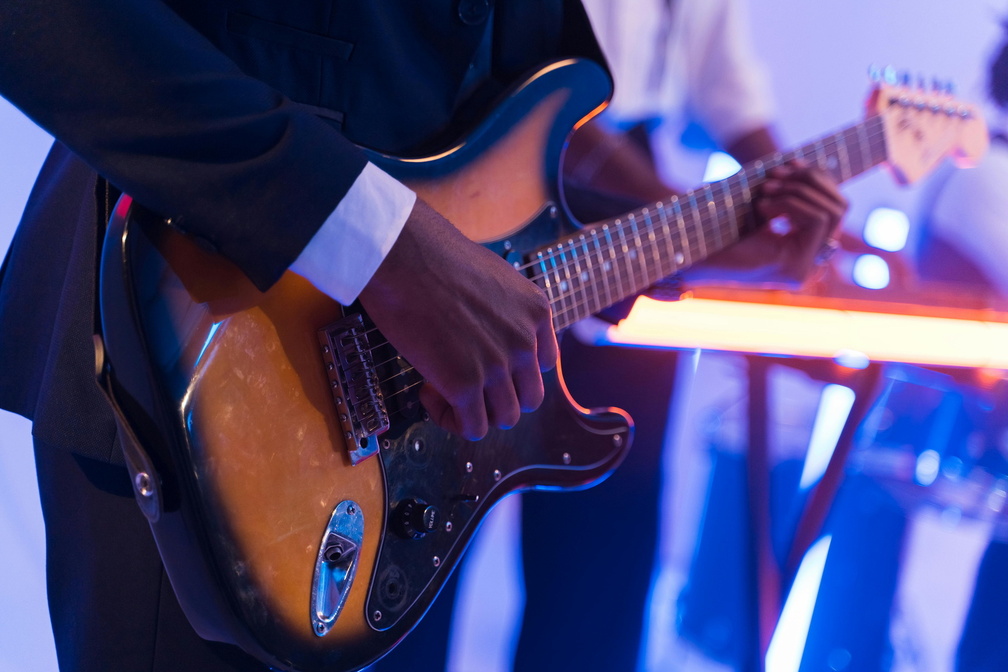
A jazz fusion quintet with African roots takes the stage, performing original compositions that blend tradition with something fresh and modern. The music moves…
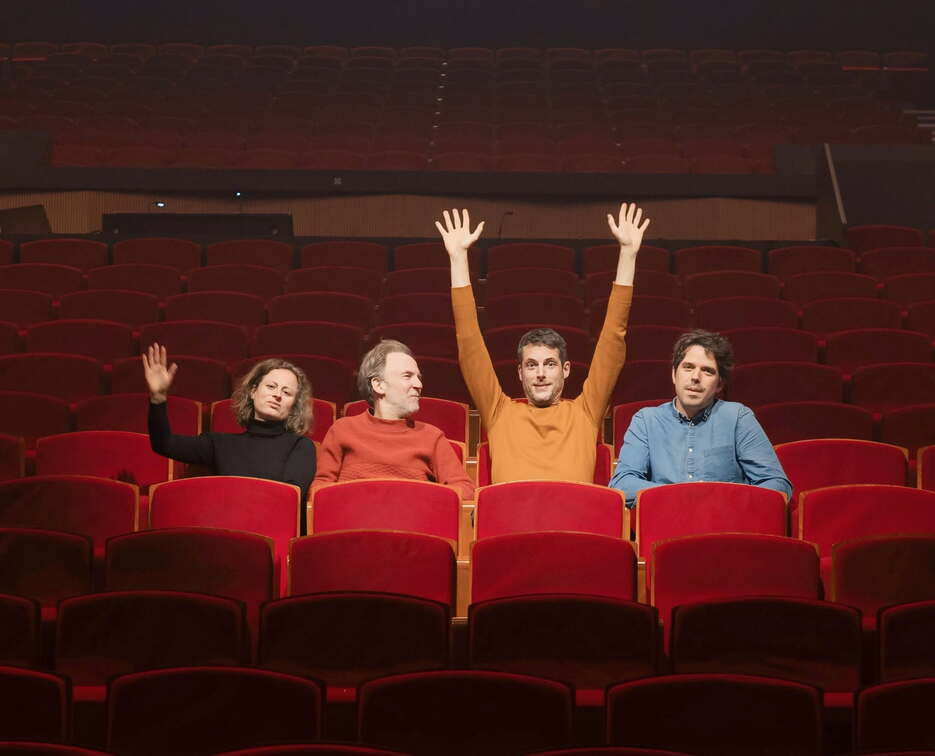
Four comedians who revived the French chansonnier tradition and performed at legendary venues like the Olympia are back on the road with a completely…

What shapes your food preferences — your brain, your childhood, your culture, or your grandmother insisting you finish that third helping of dessert? This…
A decent scene for a mountain town, spread along the valley and linked by free buses. Live from Hostelworld.
 Sustainable
January to March for skiing, July to September for hiking. May and November are closed.
Average valley temperatures — it is far colder at altitude, and the Aiguille du Midi can sit below freezing on a warm August day. May and November are genuinely dead months when the lifts shut for maintenance.
Pick how you travel. Per person per night, in euros.
Local transport is zero because valley buses and trains are free with the guest card. The doing line is lifts, and it is where the money goes.
The ones we get asked most.

Compare Chamonix hostels — live prices, real reviews and free cancellation on most bookings. Then meet the people already there in the app.

 Get the App.
 Get the App.