Hanok village
First-timersSleep in a traditional hanok guesthouse, on a heated floor, with the village's alleys on your doorstep at dawn and after dark.

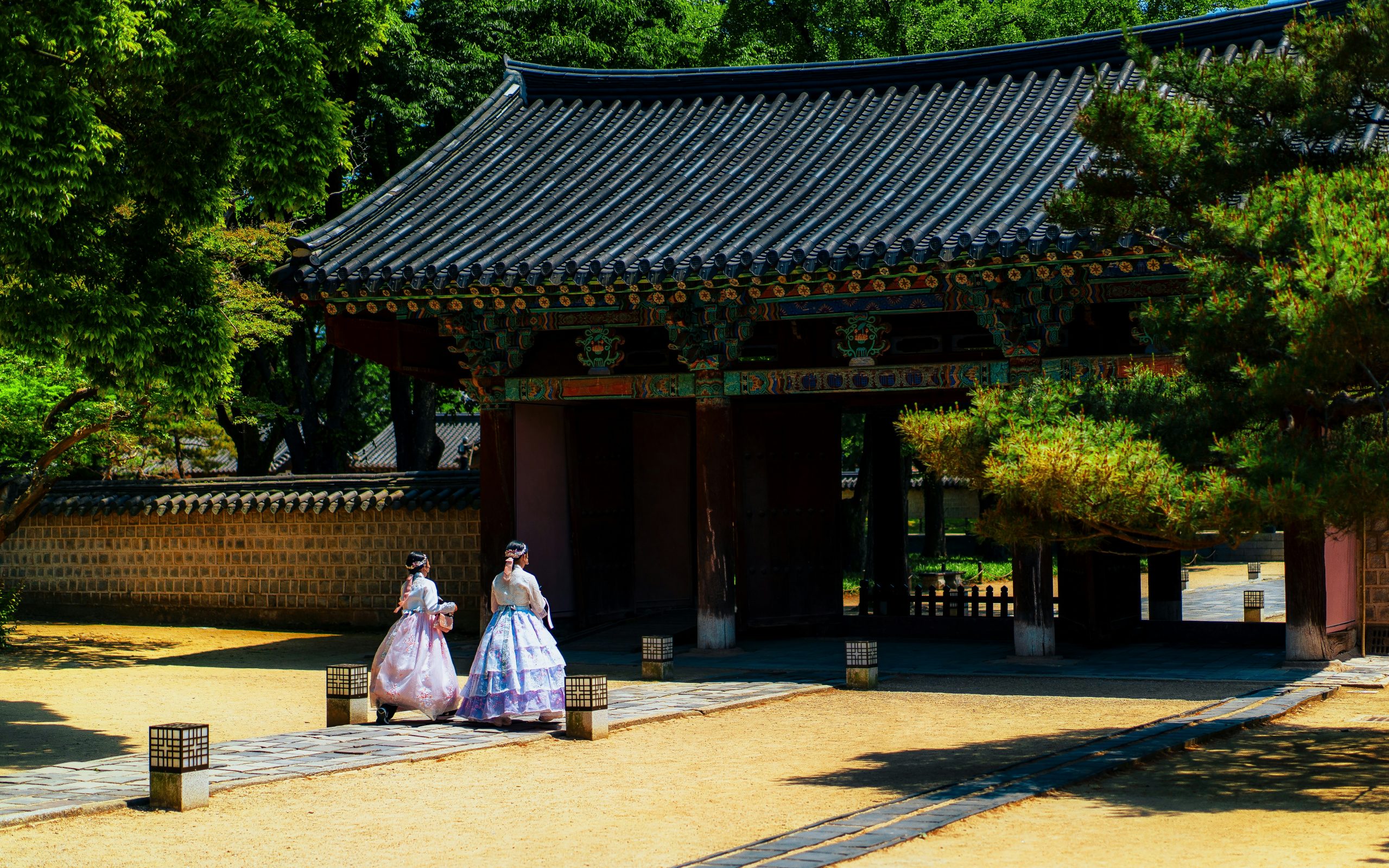
Korea's food capital: a village of seven hundred traditional hanok houses, the home of bibimbap, alleys where makgeolli arrives with a table of free dishes, and a weekend night market.
Jeonju was the ancestral home of the Joseon dynasty, which ruled Korea for five hundred years, and its hanok village, with more than seven hundred traditional tiled-roof houses, is one of the largest in the country. Many of them are now guesthouses, cafés and craft workshops, and spending a night in one is the best way to see the village.
Koreans call Jeonju the country's food capital, and it is a UNESCO City of Gastronomy. It is the home of bibimbap, of bean-sprout soup for breakfast, and of makgeolli houses where each kettle of rice wine arrives with a table of side dishes.
One or two days is right: a day in the hanok village, and an evening in the makgeolli alleys or at the weekend night market.
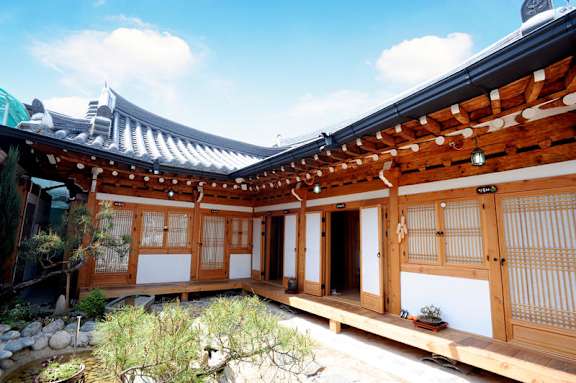
Stay in the hanok village, in a traditional guesthouse.
Sleep in a traditional hanok guesthouse, on a heated floor, with the village's alleys on your doorstep at dawn and after dark.
Orange labels are neighbourhoods, dots are the 4 top-rated hostels. Map data from OpenStreetMap contributors.
Walk the hanok village early, before the day visitors arrive, then climb to Omokdae, a small pavilion on the hill above it, for the view over the curved tiled roofs. It is free and open all the time.
Visit Gyeonggijeon Shrine, built in 1410 to hold the portrait of Taejo, the founder of the Joseon dynasty. It is open from 9am until 6pm in winter and 8pm in summer, with last entry an hour before closing. Across the road, Jeondong Cathedral, finished in 1914, stands on the site where Korea's first Catholic martyrs were executed.
Rent a hanbok for an hour or two to wander the lanes, then cross the bridge to the Jaman Mural Village, a hillside of painted houses and cafés.
On Friday and Saturday evenings, from 5pm to 11pm, Nambu Market turns into a night market of food stalls, with small shops and cafés on the rooftop Youth Mall. Finish in a makgeolli alley.
The hanok village is free to walk around, day and night, and it's at its most beautiful early in the morning and when the lanterns come on in the evening.
Omokdae, the Jaman Mural Village and the outside of Jeondong Cathedral are all free. So is browsing Nambu Market, though you'll want to eat once you're there.
The riverside path along the Jeonjucheon, next to the village, is a good free walk at sunset.
Jeonju bibimbap is the famous dish: rice topped with dozens of seasoned vegetables, beef and a raw egg, served in a hot brass or stone bowl. For breakfast, locals eat kongnamul gukbap, bean-sprout soup with rice, around 8,000 won and the classic cure after a night of makgeolli. Tteokgalbi, grilled minced short rib, is the other local speciality.
PNB bakery's choco pie, about 2,300 won, is the souvenir everyone takes home.
In the makgeolli alleys, you order kettles of rice wine and the side dishes keep coming with each one. A meal is €6 to €12 (about 9,000 to 18,000 won), and there's no tipping.
Jeonju's night out is the makgeolli alley. In the Samcheon-dong area, each kettle of rice wine comes with a spread of side dishes, which gets bigger with every kettle you order. Share a table with a group.
At weekends, the Nambu Market night market and the bars around the hanok village keep things going until late. A kettle of makgeolli with dishes is €15 to €25 to share.
KTX trains reach Seoul's Yongsan station in about 1 hour 40 minutes. Jeonju station is outside the centre: take a city bus or a taxi to the hanok village, about 20 to 30 minutes.
Express and intercity buses from the bus terminals reach Seoul in about three hours. Once you're in the hanok village, everything is walkable.
Jeonju is cheap for Korea. Dorms start around €15 and a night in a hanok guesthouse costs a little more. A careful day costs €30 to €45.
Most of the hanok village is free, and entry fees are small. The night market and makgeolli alleys are a cheap way to eat well.
The currency is the won (KRW): about 1,530 to the euro. Cards work almost everywhere and there's no tipping. A T-money card covers buses and convenience stores.
Jeonju is very safe. The hanok village gets very crowded at weekends and on public holidays, so come on a weekday if you can.
People live in many of the hanok houses: keep your voice down at night and don't walk into courtyards. Winters are cold, and hanok rooms rely on heated floors, so bring warm layers.
Emergency: 112 police, 119 fire and ambulance. 1330 is the free tourist helpline, in English.
Twin peaks and a temple of stone towers, and the capital by fast train.
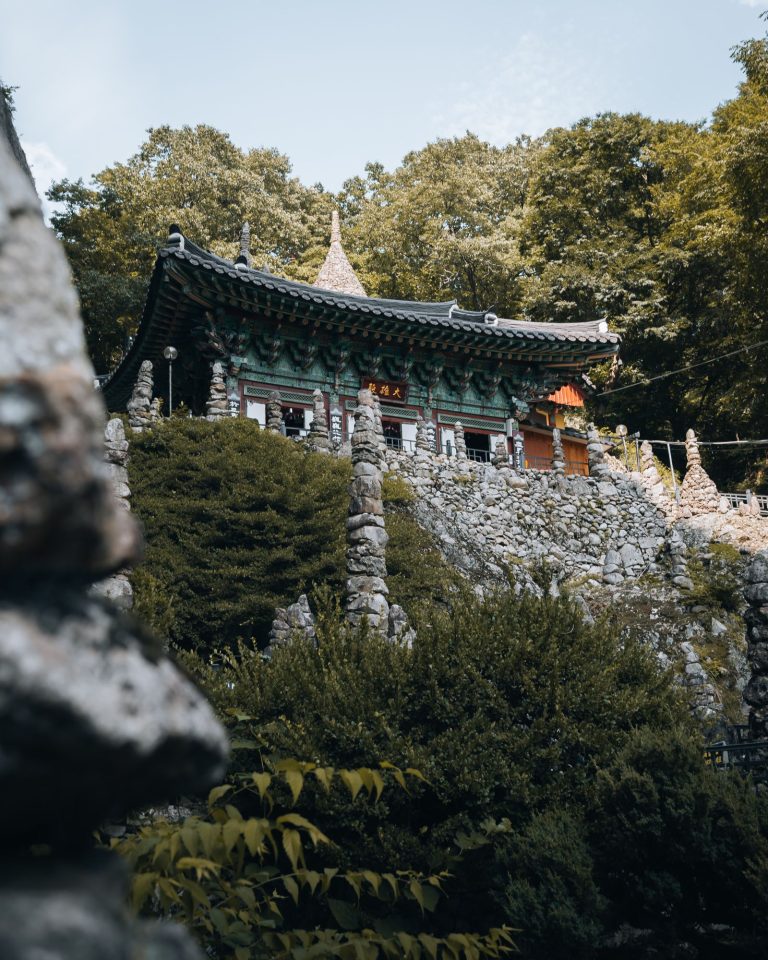
Two horse-ear-shaped peaks and Tapsa, a temple surrounded by more than 80 stone towers piled by hand without mortar.
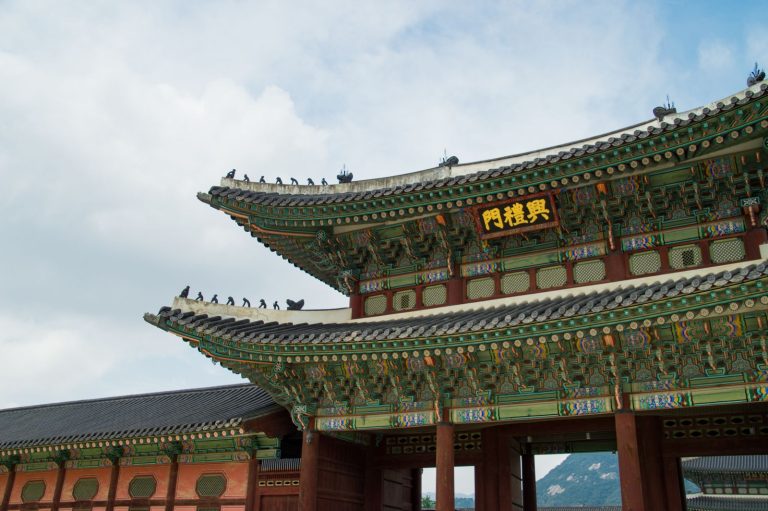
Palaces, markets and nightlife, an easy hop by KTX.
The Jeonju International Film Festival fills the city in spring.
Independent film.
A festival of the dish.
The top-rated places to stay in Jeonju right now, live from Hostelworld.
April and May, and October. Late April to early May brings the Jeonju International Film Festival; October brings autumn colour.
Average highs.
Pick how you travel. Per person per night, in euros.
Prices are in won locally; these are euro equivalents.
The ones we get asked most.

Compare Jeonju hostels — live prices, real reviews and free cancellation on most bookings. Then meet the people already there in the app.

 Get the App.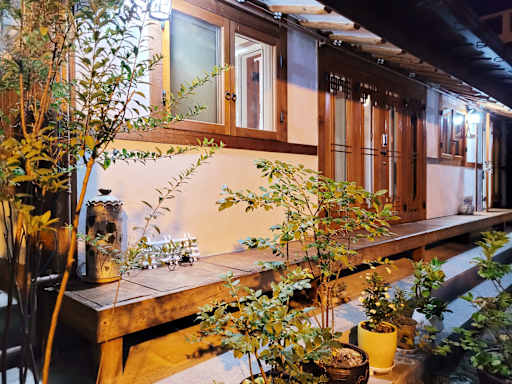
 Get the App.