Hongdae
NightlifeThe university district: live music, street performers, cheap eats and the city's best clubs. Good for meeting people.

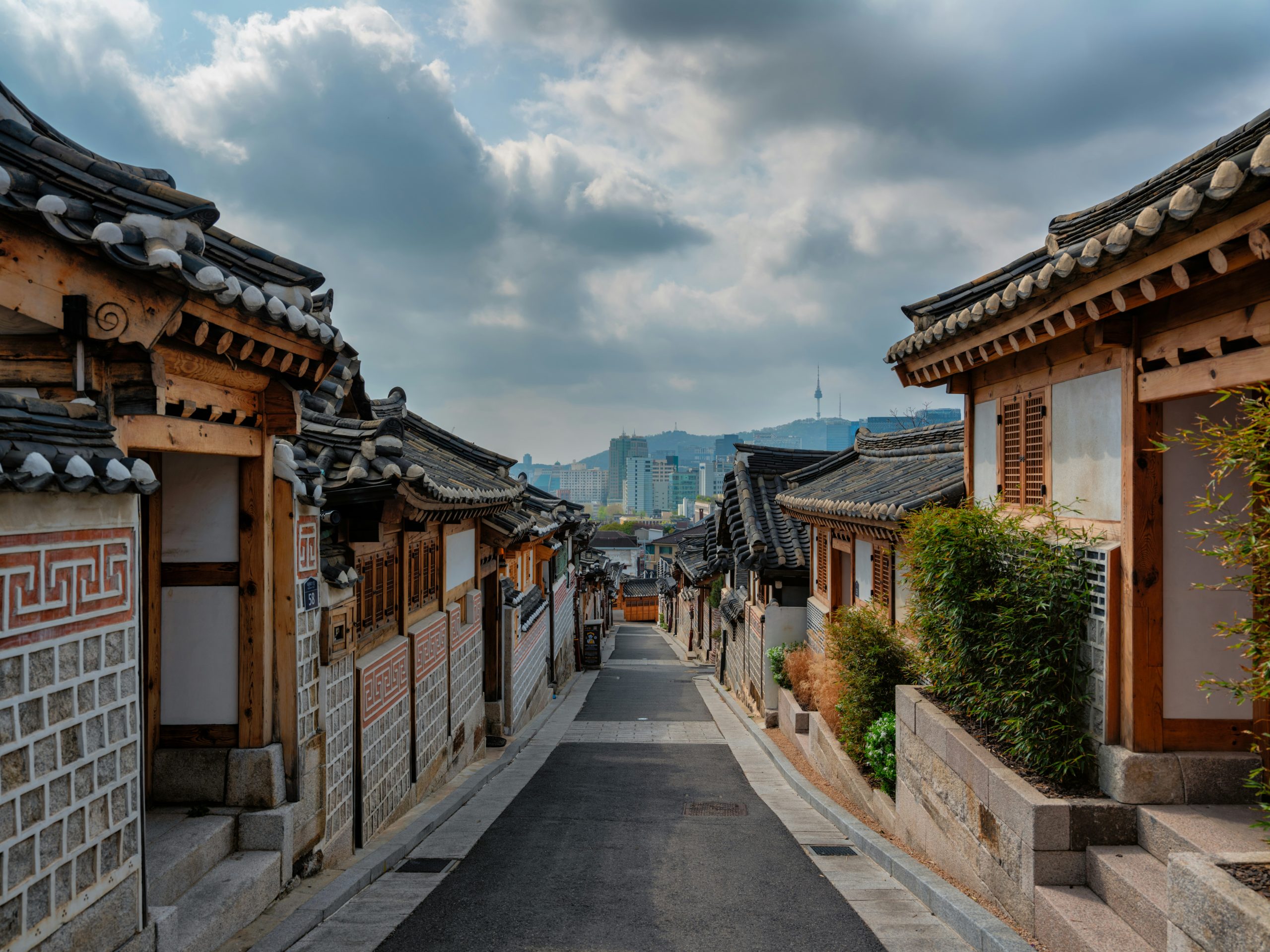
Royal palaces beneath granite mountains, night markets, cafés and some of the best nightlife in Asia, in a capital that never seems to sleep.
Seoul has been Korea's capital for more than six hundred years. Five Joseon dynasty palaces still stand among the office towers, and the city is ringed by granite mountains, with a national park, Bukhansan, inside its limits.
It is also one of the most energetic cities in the world: 24-hour cafés and convenience stores, street food markets, K-pop, skincare shops and nightlife that runs until the first trains. Each district feels different, from the student bars of Hongdae to the hanok alleys of Jongno and the glossy towers of Gangnam.
A week would not be too long, but four or five days covers the palaces, the markets, a hike and a night or two out, with a day trip to the DMZ or Suwon.
Stay in Hongdae for nightlife, Myeongdong or Jongno for the palaces.
The university district: live music, street performers, cheap eats and the city's best clubs. Good for meeting people.
The historic centre, close to the palaces, Insadong and Bukchon. Quieter at night.
Shopping streets and an evening street-food strip, with direct buses from the airport.
Orange labels are neighbourhoods, dots are the 12 top-rated hostels. Map data from OpenStreetMap contributors.
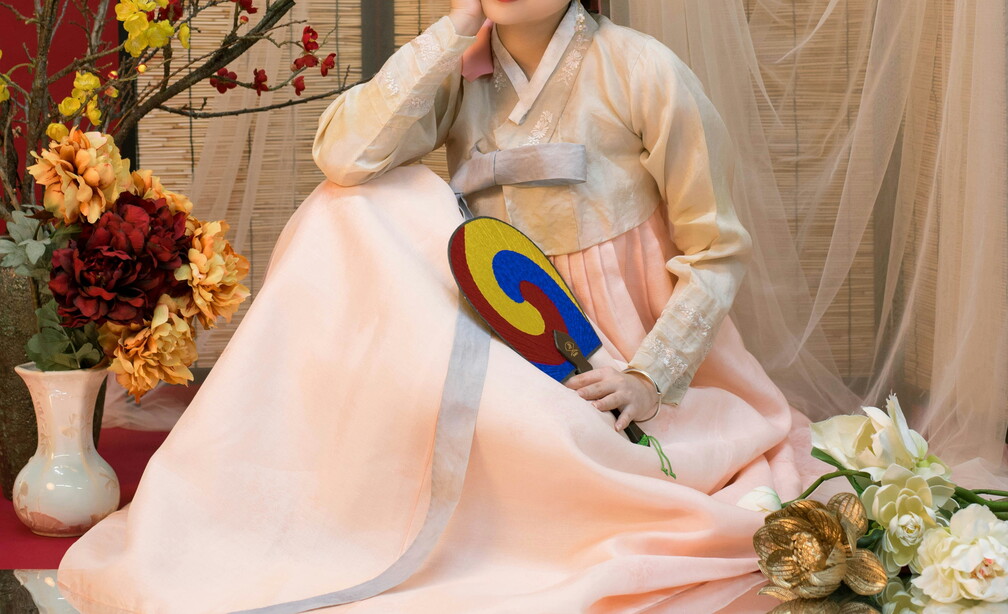
Start at Gyeongbokgung, the main royal palace (3,000 won, closed Tuesdays). The changing of the guard happens at the main gate at 10am and 2pm. Rent a hanbok, the traditional dress, for 15,000 to 30,000 won and you get into all the palaces for free.
Next door, Changdeokgung (closed Mondays) is a UNESCO site, and its Secret Garden can only be seen on a guided tour (8,000 won with palace entry). Tickets go online six days ahead at 10am and sell out fast in spring and autumn.
Walk through Bukchon Hanok Village, a neighbourhood of traditional tiled-roof houses where people still live. The busiest lanes are closed to visitors from 5pm to 10am and fines apply, so go late morning and keep your voice down. Insadong, next to it, is the place for tea houses and crafts.
Eat your way through Gwangjang Market, climb or take the cable car up Namsan to N Seoul Tower for the view, and hike Bukhansan for granite peaks an hour from the centre. A DMZ tour visits the border with North Korea; bring your passport.
Wear a hanbok and every palace is free. Rentals near Gyeongbokgung cost 15,000 to 30,000 won for a few hours, less than you'd save in entry fees on a full palace day.
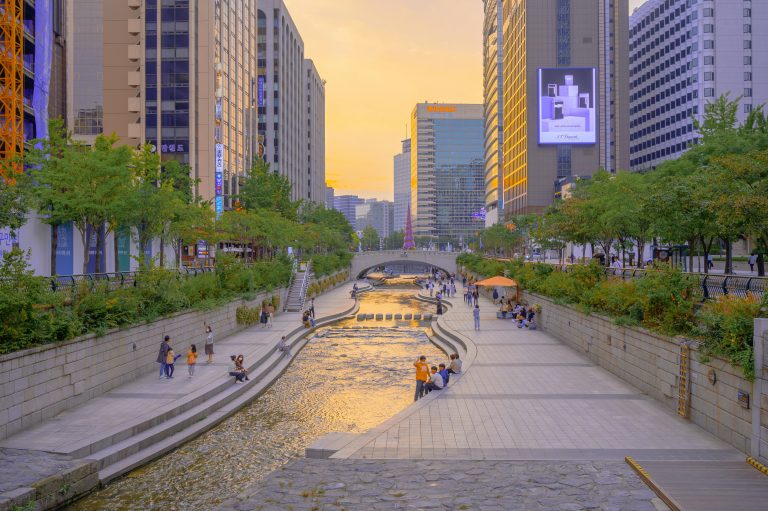
Walking the Cheonggyecheon stream, which runs for kilometres through the centre, is free, and it is lit up at night. So are the Namsan trails up to N Seoul Tower (you only pay for the observatory), the street performers in Hongdae and the lanes of Bukchon and Ikseon-dong.
Bukhansan National Park costs nothing to enter, and the subway gets you to the trailheads. The changing of the guard outside Gyeongbokgung is free to watch too.
Korean barbecue is the classic night out: grill pork belly (samgyeopsal) at the table and wrap it in lettuce with garlic and ssamjang paste. Bibimbap, kimchi jjigae (kimchi stew) and fried chicken with beer (chimaek) are the other staples, and every meal comes with free side dishes, refilled for free.
Gwangjang Market is the best place for street food: bindaetteok (crispy mung bean pancakes), mayak gimbap (mini rice rolls) and yukhoe (raw beef). Myeongdong's street stalls open in the evening.
Convenience stores sell good, cheap food around the clock. A meal is €6 to €12 (about 9,000 to 18,000 won), and there's no tipping.
Hongdae is the student district, with live music, street performers, cheap bars and clubs that fill up after midnight. Itaewon is the most international, with craft beer and rooftop bars. Gangnam is glossier and pricier, and Euljiro has small bars hidden in old print shops.
Nights run late. The subway stops around midnight, so many people stay out until the first trains at 5:30am. Soju is the national drink, often mixed with beer (somaek). A beer costs €3 to €6 and a bottle of soju less than that in restaurants.
From Incheon Airport, the AREX express train reaches Seoul Station in 43 minutes for 11,000 won. The all-stop train takes about an hour and costs less than half that, using a T-money card.
The subway is fast, clean and signposted in English. A ride costs 1,550 won with a T-money card, which you can buy and top up at any convenience store. Visitors can also buy a Climate Card for unlimited rides over a set number of days.
Google Maps doesn't give proper directions in Korea, so download Naver Map or KakaoMap. KTX trains reach Busan in about two and a half hours.
Seoul is mid-priced. Dorms start around €18 and a careful day costs €40 to €60. Palaces are cheap at 3,000 won (or free in a hanbok), and street food keeps eating costs down.
The currency is the won (KRW): about 1,530 to the euro. Cards work almost everywhere, even for small amounts, and there's no tipping. Get a T-money card when you arrive; it covers the subway, buses and convenience stores.
Seoul is very safe, day and night, and the subway is fine late in the evening. Phones and bags left on café tables are usually still there when you come back, but keep an eye on them in crowded markets.
In Bukchon, people live in the houses: keep quiet, don't go into courtyards, and respect the visiting hours, as fines apply.
Emergency: 112 police, 119 fire and ambulance. 1330 is the free tourist helpline, in English.
A UNESCO fortress an hour away, the island from the dramas, and the border with North Korea.
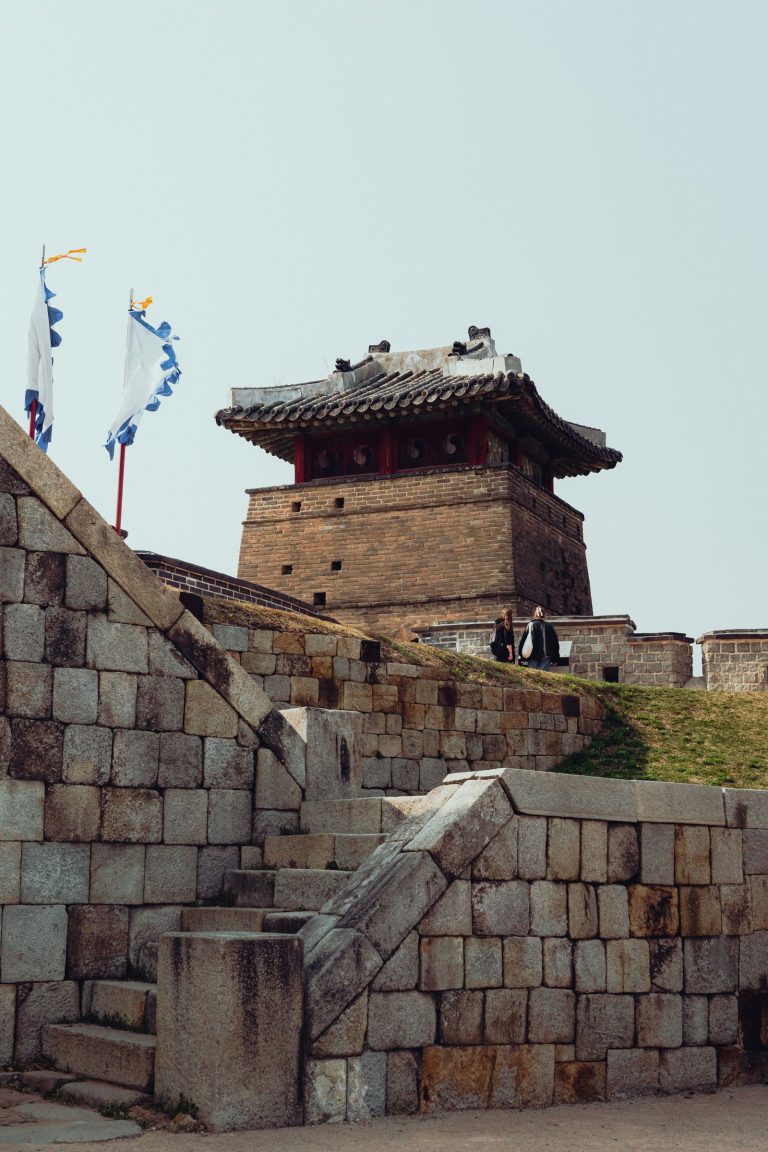
Walk the 5.7 km of Hwaseong Fortress walls, a UNESCO site built in the 1790s, then eat Suwon's famous marinated galbi.
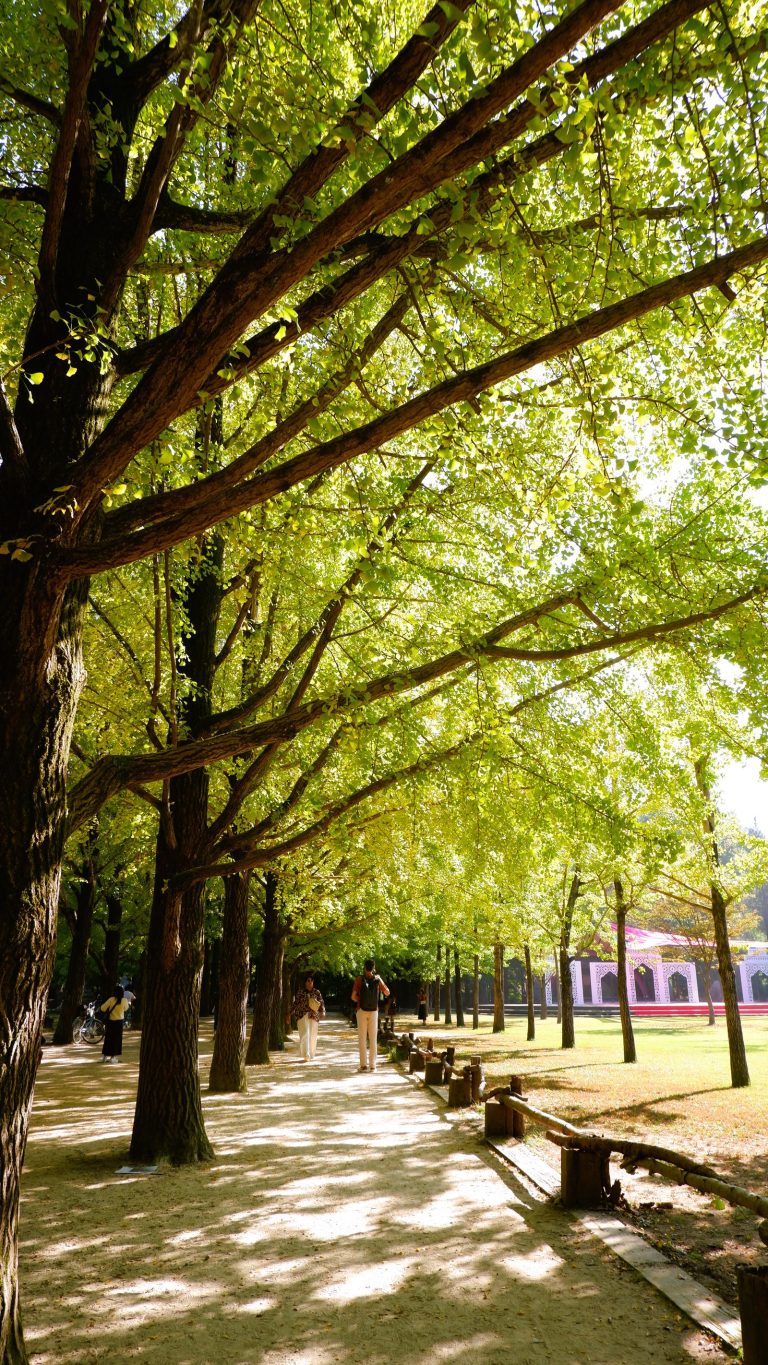
Tree-lined avenues made famous by the drama Winter Sonata, at their best with the autumn colours in late October.
The Lotus Lantern Festival lights up the city in May.
 Staff pick
Seoul Autumn Festa transforms Seoul, South Korea, into a citywide celebration of performing arts each autumn, connecting over 110 public and private performances and…
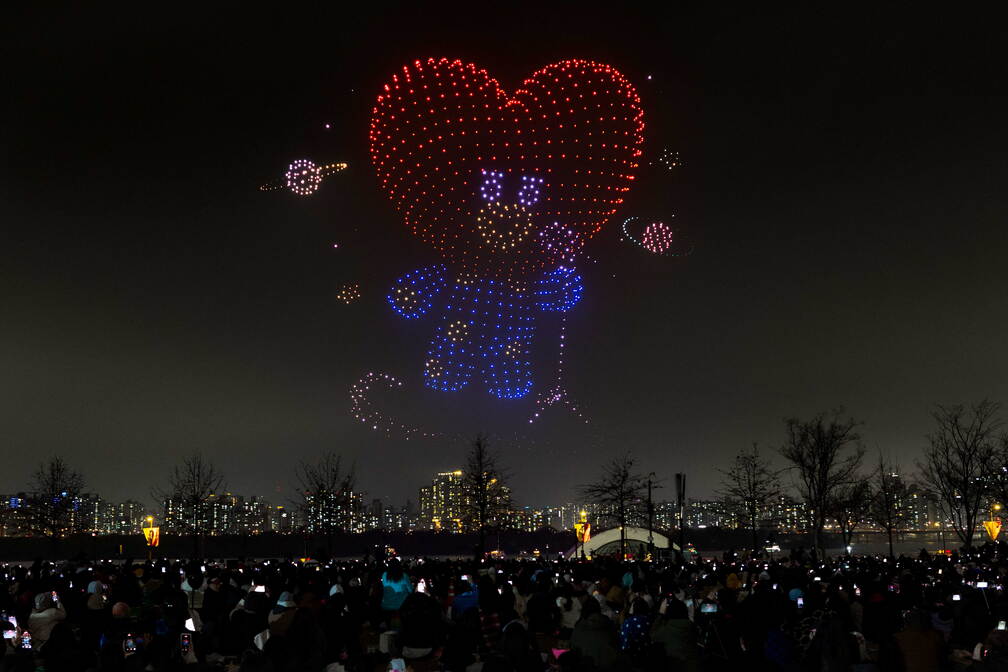
Hundreds of drones take to the sky above the Han River, forming illuminated shapes and patterns against the darkness in a display that draws…
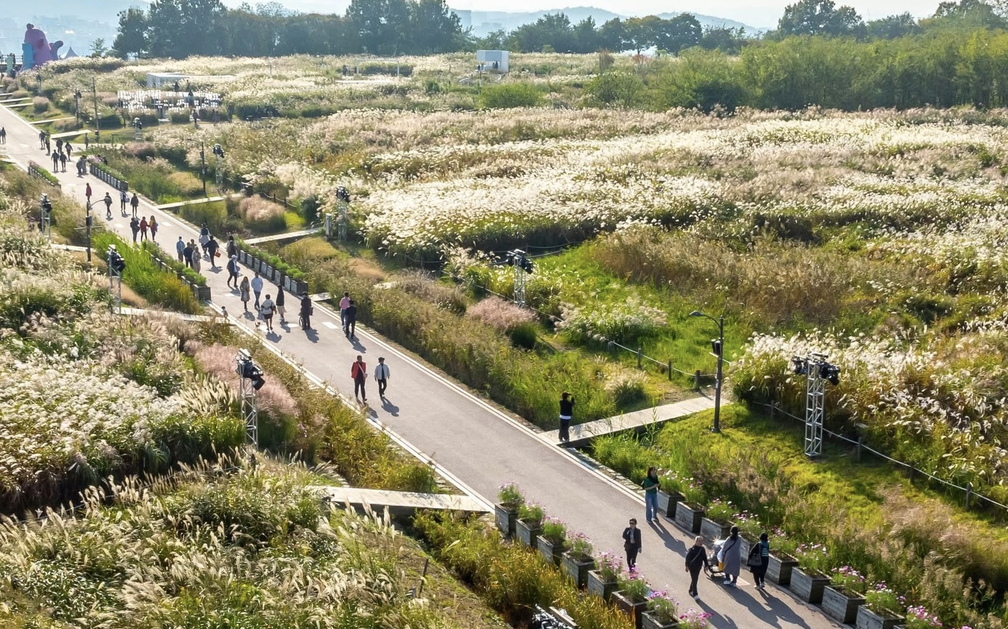
Silver grass fields blanketing Haneul Park turn golden each autumn, drawing visitors to one of Seoul's most photogenic seasonal moments. Walking trails wind through…
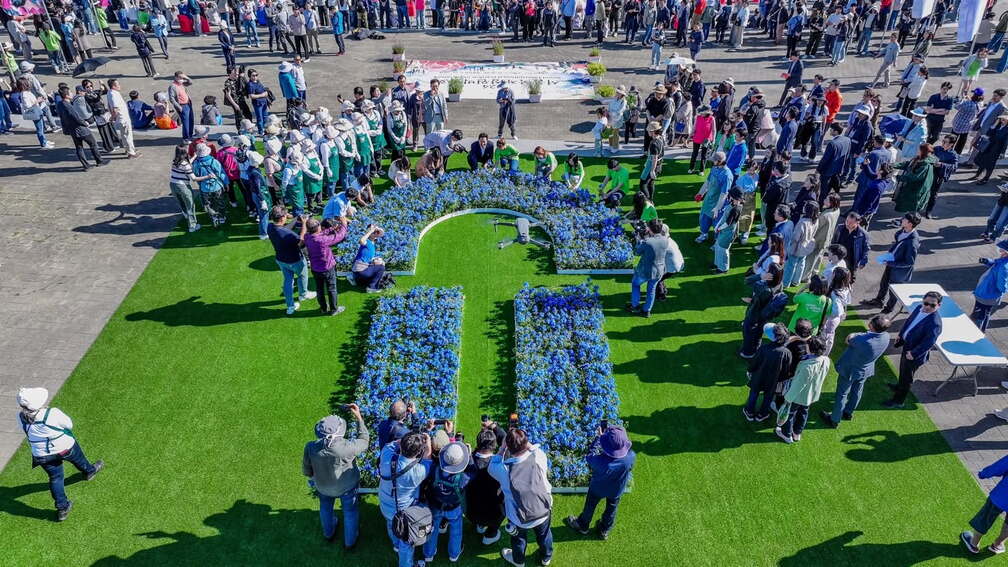
The fall edition of the 2026 Seoul International Garden Show takes over Maeheon Citizens' Forest from October 1 to 27, featuring around 50 gardens…
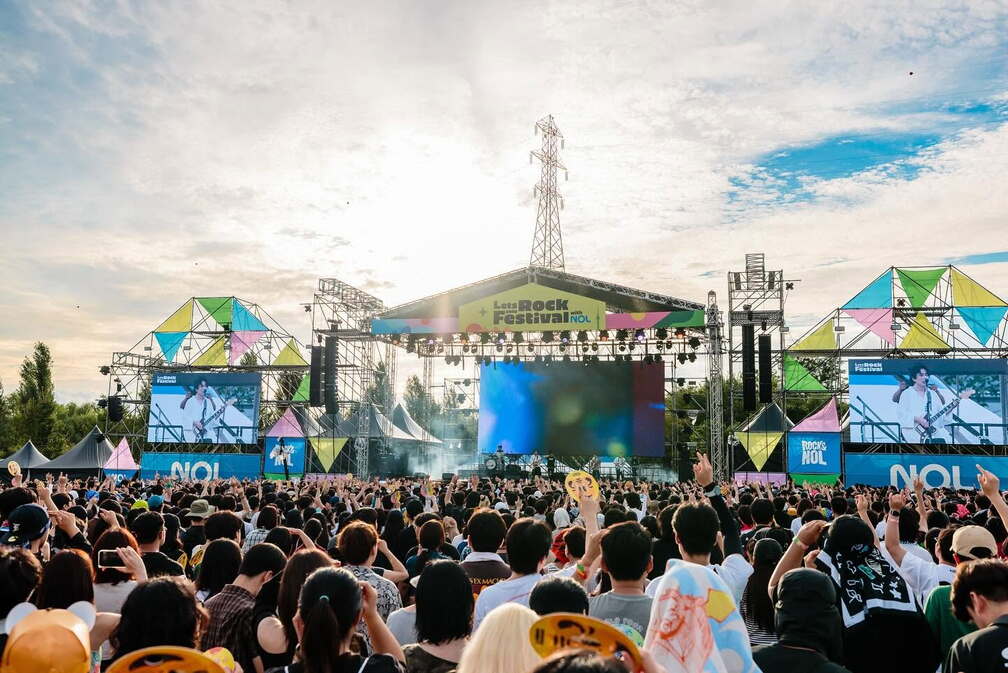
A two-day outdoor rock festival takes over Nanji Hangang Park with a diverse lineup of live performances along the Han River. The event welcomes…
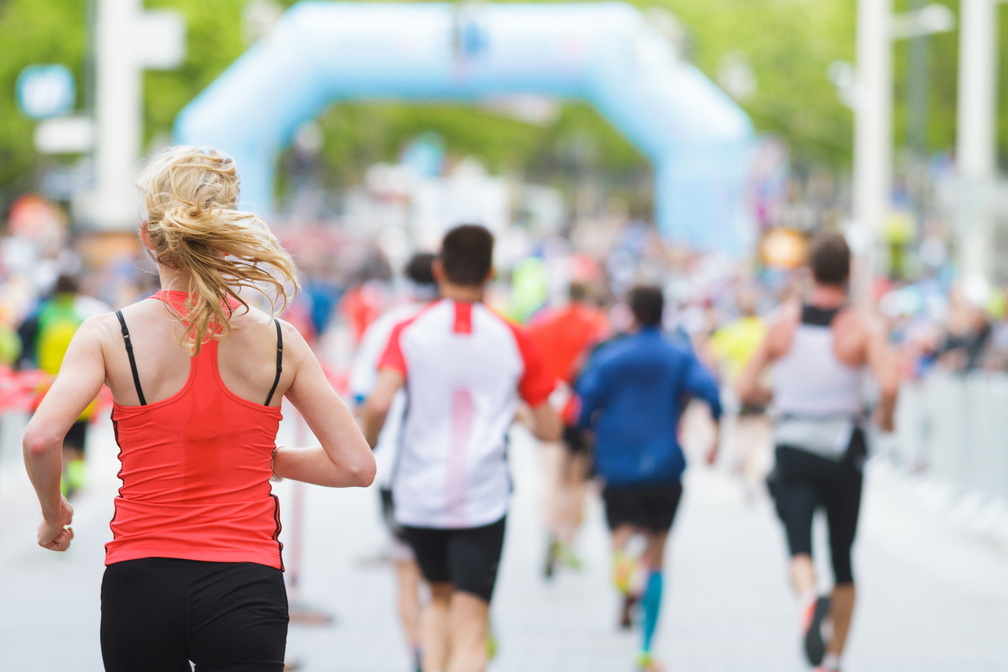
Marvel fans lace up for this themed running event that brings the comic universe to the streets of Seoul. You can choose between a…
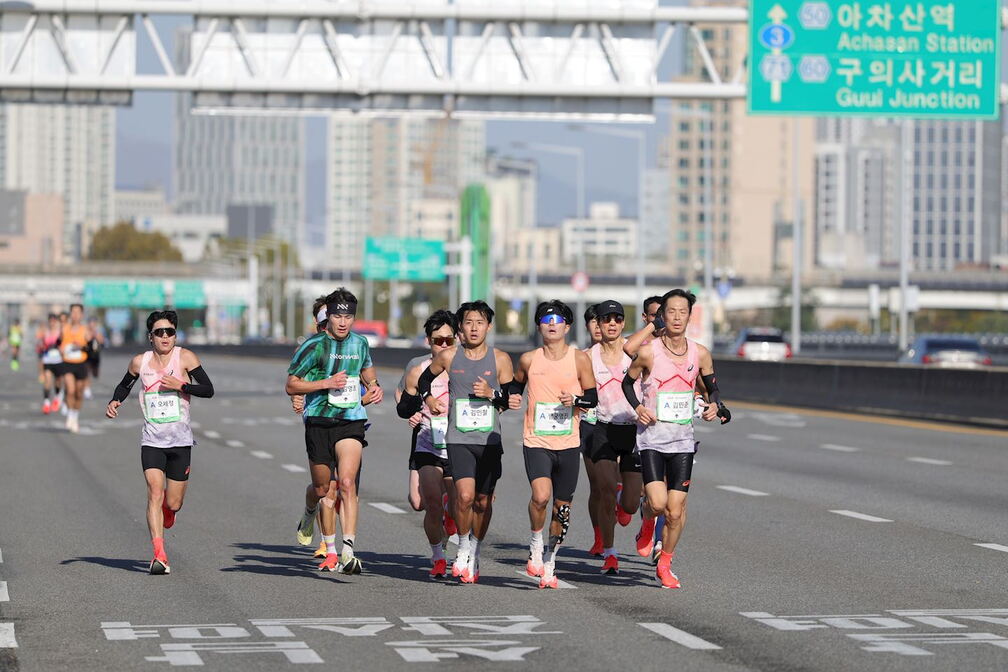
The JTBC Seoul Marathon offers a scenic course through the heart of Seoul, passing major historical sites and Olympic landmarks. This popular race draws…
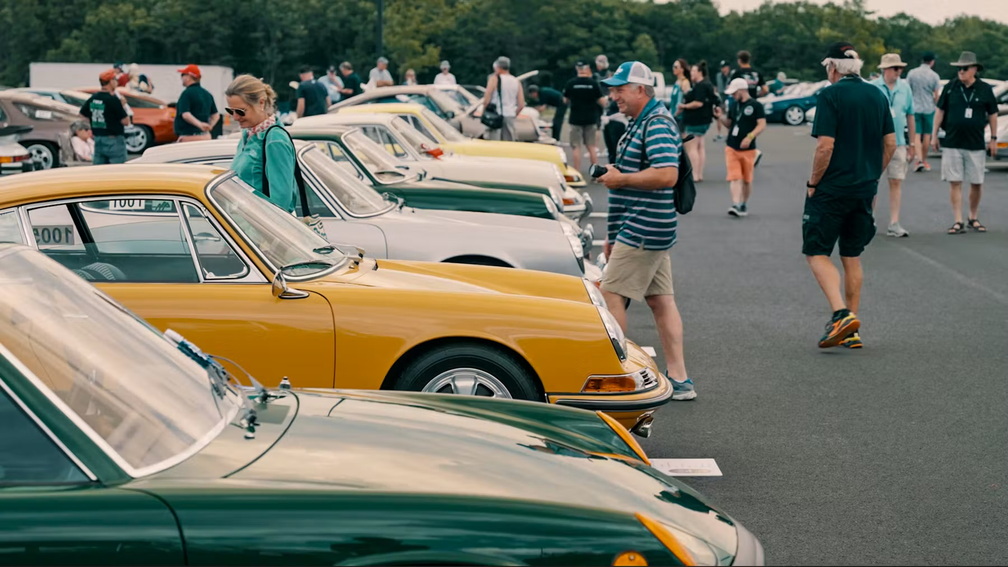
Porsche Vibe Seoul brings the brand's global culture together with Korean lifestyle at Oil Tank Culture Park, a striking urban regeneration space where past…
The top-rated places to stay in Seoul right now, live from Hostelworld.
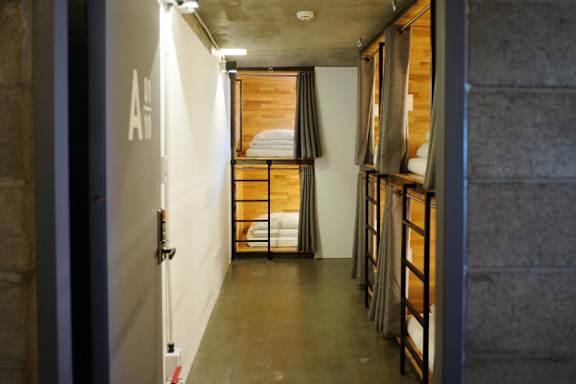
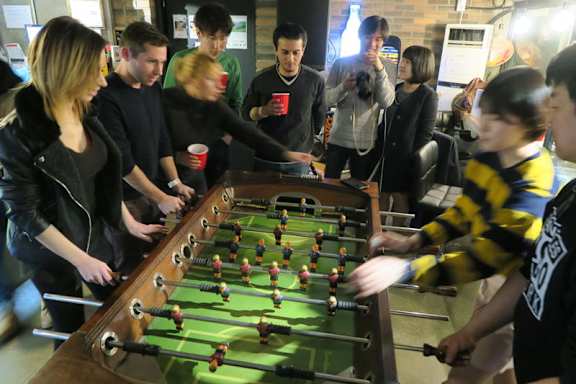
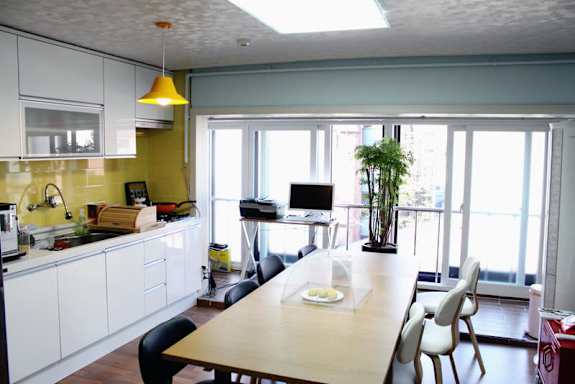
April and May bring cherry blossom and warm days; September to November brings clear skies and autumn colour. July and August are hot and humid, with the monsoon.
Average highs. Winters are cold, summers hot and wet.
Pick how you travel. Per person per night, in euros.
Prices are in won locally; these are euro equivalents.
The ones we get asked most.

Compare Seoul hostels — live prices, real reviews and free cancellation on most bookings. Then meet the people already there in the app.

 Get the App.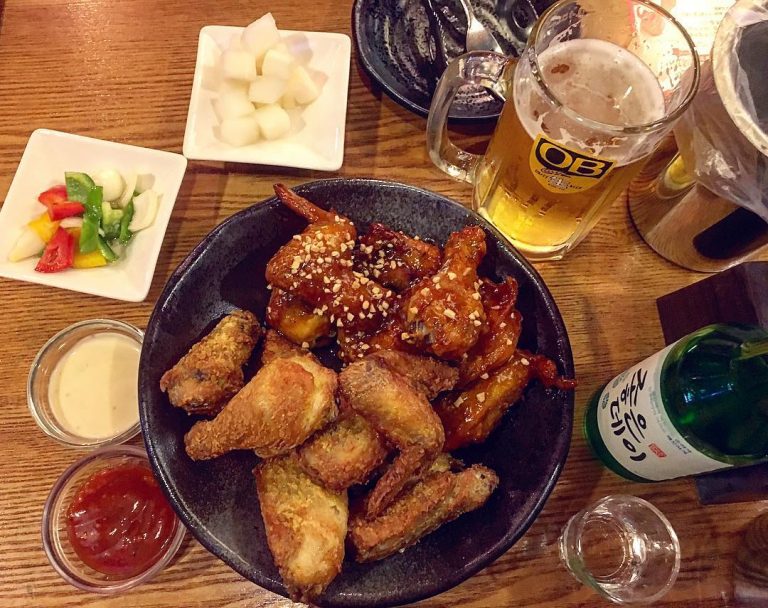
 Get the App.