Bikini beach
First-timersThe west-facing swimwear beach, about 10 minutes' walk from most guesthouses, with sunset views and the house reef just offshore.

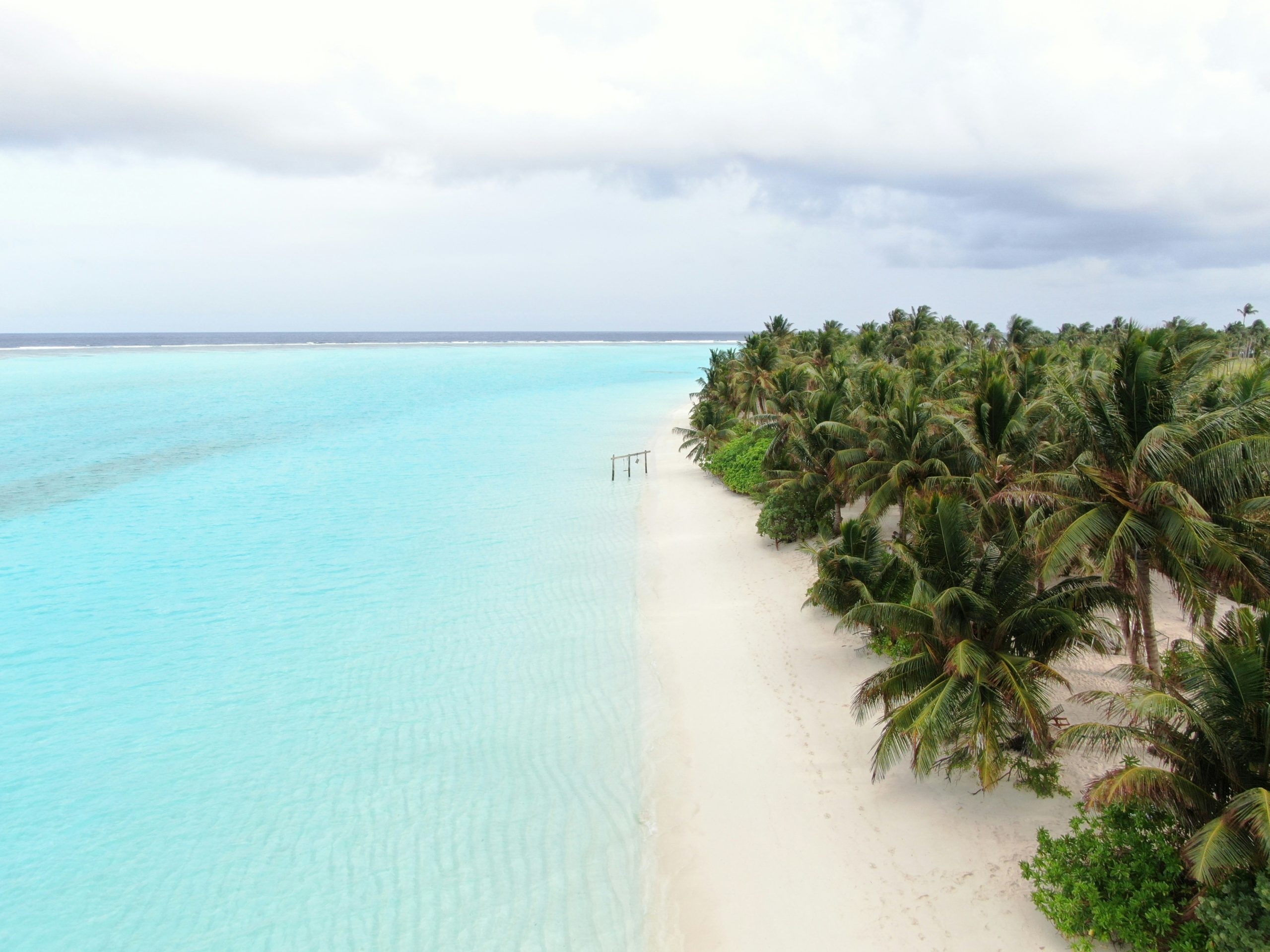
A quiet farming island in Alif Alif Atoll, growing watermelons and papayas, with a long bikini beach, a house reef full of turtles and the ruins of an ancient Buddhist temple.
Thoddoo is a local island in Alif Alif Atoll, about an hour and a half from Malé by speedboat, and it is known across the Maldives for its farms. Watermelons, papayas, bananas and chillies grow in fields across the island, and much of it ends up in Malé's markets.
It is quieter and more traditional than Maafushi, with sandy lanes, a long bikini beach on its western side and a house reef close to shore, where turtles are a common sight. It is small enough to cycle round in under an hour.
Thoddoo also has the ruins of a Buddhist temple from before the Maldives converted to Islam in the twelfth century. Three or four days is right.
Stay near the bikini beach.
The west-facing swimwear beach, about 10 minutes' walk from most guesthouses, with sunset views and the house reef just offshore.
Map data from OpenStreetMap contributors.
Snorkel the house reef off the bikini beach, on the west side of the island. Turtles feed here most days, and you may see eagle rays and harmless reef sharks. Go at high tide for easier access over the shallows, and bring your own mask or borrow one from your guesthouse.
Borrow a bicycle and ride out to the farms. Many farmers are happy to show you round, and you can eat watermelon or papaya picked that morning.
Look for the ruins of the Buddhist temple, a reminder that the Maldives was Buddhist for centuries before Islam arrived in the twelfth century.
Book boat trips through your guesthouse. Dolphin-watching, manta snorkelling, sunset cruises and sandbank picnics cost $20 to $50, and Rasdhoo, with its own reef and dive sites, is about 30 minutes away.
The bikini beach is free, and so is the house reef just offshore, one of the best you can reach from the beach on any local island. All you need is a mask and snorkel.
Cycling the island and visiting the farms costs nothing, though buying fruit from the growers is the polite thing to do.
The sunset from the bikini beach is the free evening entertainment, followed by a sky full of stars, as there is little light pollution.
Thoddoo's food is about what grows on the island. Guesthouses serve fruit from the farms at breakfast, alongside mas huni, tuna with coconut and chilli, and roshi flatbread.
Dinner is usually grilled reef fish or a Maldivian curry, often fish or chicken in coconut milk. A few cafés and restaurants in the village serve Maldivian, Indian and Italian dishes.
A meal costs €5 to €12, plus tax and service charge in many places.
Thoddoo has no nightlife, and that is its appeal. There's no alcohol on local islands and no floating bars here.
Evenings are for sunset at the bikini beach, dinner at your guesthouse, and stargazing. If you want drinks and parties, Maafushi is the better choice.
Shared speedboats run from Malé and the airport, take 1.5 to 2 hours and cost $35 to $50 per person. Most guesthouses arrange them and meet you at arrivals.
The public ferry on the Malé, Rasdhoo, Ukulhas and Thoddoo route costs only a few dollars but takes about five hours and runs only a few days a week, never on Fridays. Check the timetable on mtcc.mv before you plan around it.
On the island, walk or cycle: most guesthouses lend bicycles free or cheaply.
Thoddoo is affordable for the Maldives. Guesthouse beds start around €35 and a careful day costs €60 to €90.
Room prices are usually quoted before 17% tourism tax, often a 10% service charge, and a $6 per person per night green tax, so check the final price before you book.
The rufiyaa (MVR) is the local currency, but prices are in US dollars and dollars are accepted everywhere. Bring enough cash, in small notes, for trips, food and tips; card payments aren't always possible on smaller local islands.
Thoddoo is safe and very relaxed. It is a conservative Muslim community: there's no alcohol, and you should cover your shoulders and knees away from the bikini beach. During Ramadan, eat and drink discreetly in public during the day.
On the house reef, check the current before you swim out, never snorkel alone, and don't touch turtles or coral. The sun is strong, so use reef-safe sunscreen.
Emergency: 119 police, 102 ambulance.
Mantas, a neighbouring island and an empty sandbank, all by boat from the harbour.
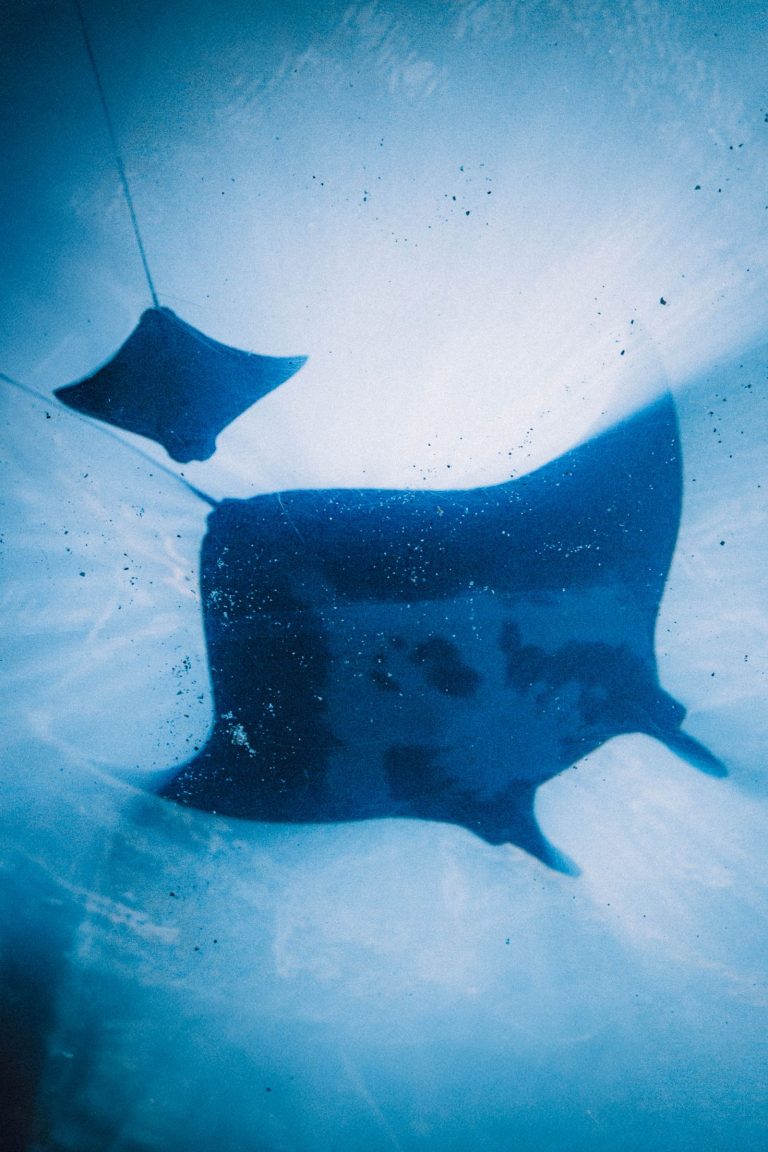
Snorkel with manta rays as they're cleaned by small fish at reef stations in Ari Atoll. Trips go where the mantas are that season.
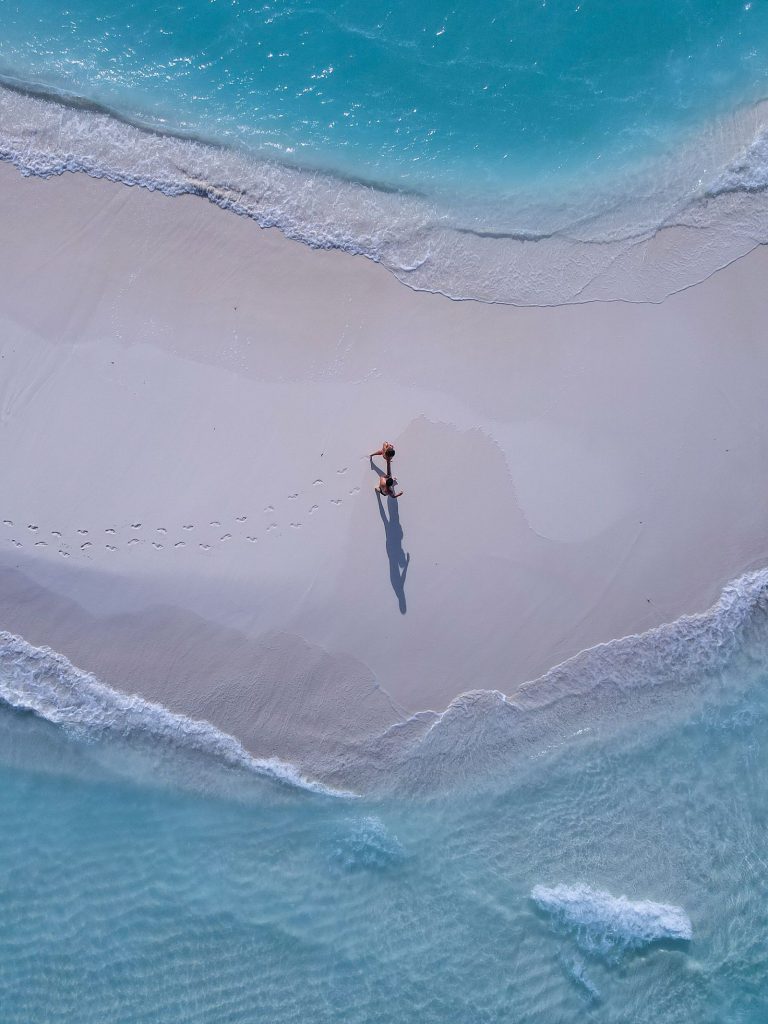
A neighbouring local island with its own reefs, dive centres and a sandbank of its own nearby.
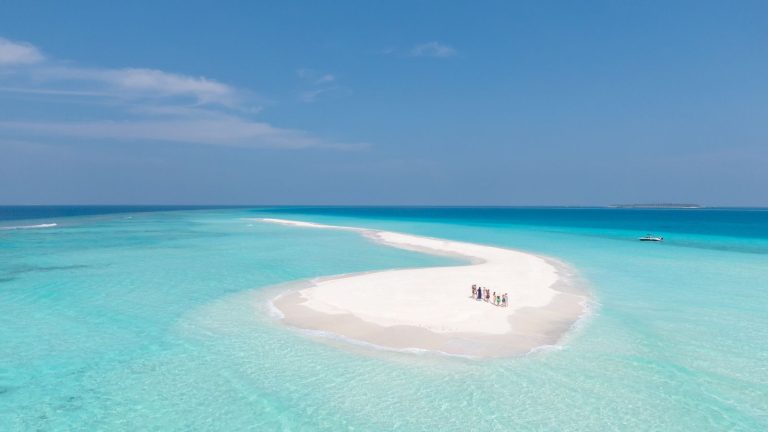
A picnic on a strip of white sand in the middle of the lagoon, usually with snorkelling on the way.
The fruit harvest keeps the farms busy.
Calm seas.
Farms in season.
December to April is the dry season, with calm seas and the clearest water. May to November is wetter and windier, but cheaper and quieter.
Average highs.
Pick how you travel. Per person per night, in euros.
Prices are euro equivalents. Excludes trips and taxes.
The ones we get asked most.

Compare Thoddoo hostels — live prices, real reviews and free cancellation on most bookings. Then meet the people already there in the app.

 Get the App.
 Get the App.