Town
First-timersHostels, restaurants and transport, on the hillside above the valley.

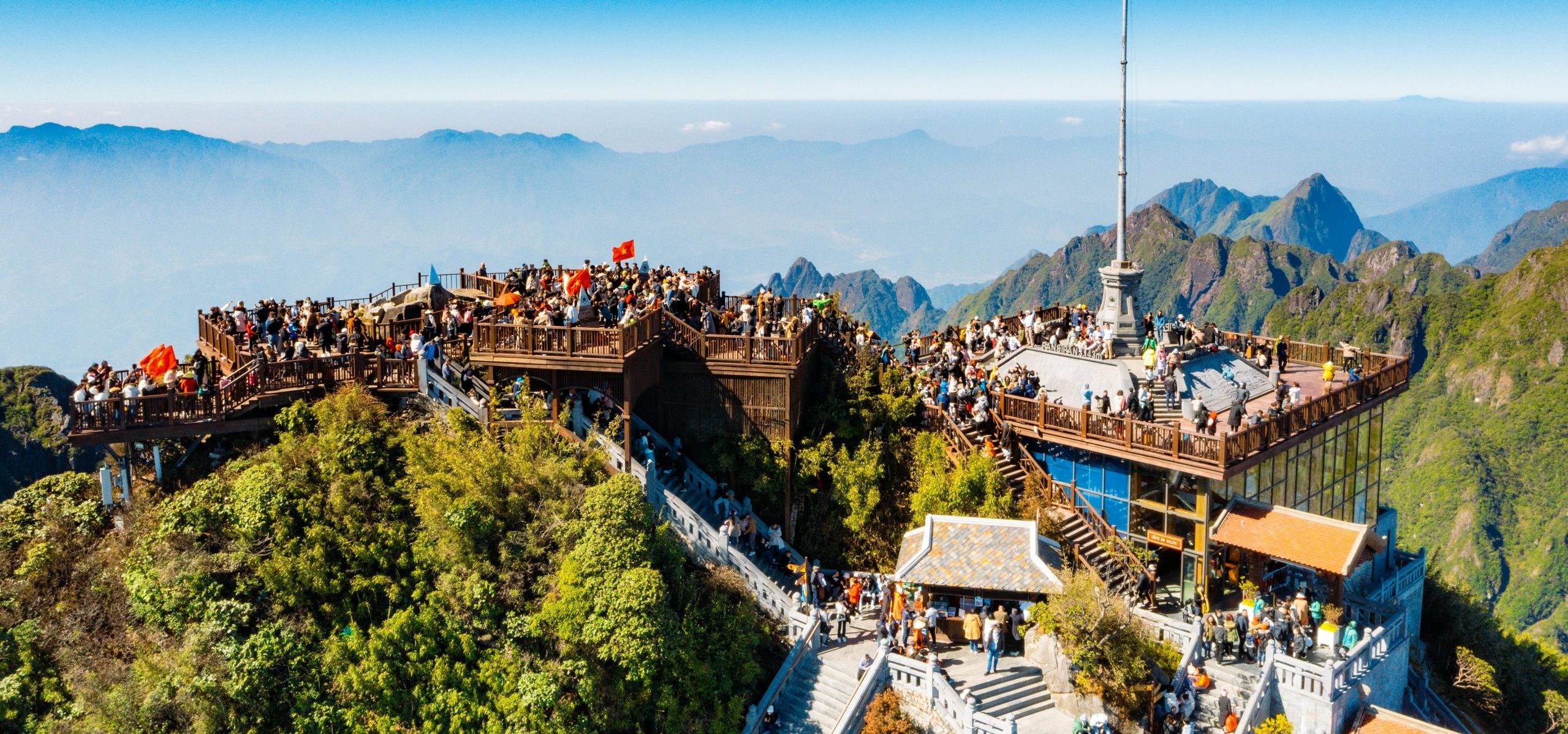
A mountain town above the rice terraces of the far north, where you trek between villages of Hmong and Red Dao families, stay in homestays and ride a cable car to Vietnam's highest peak.
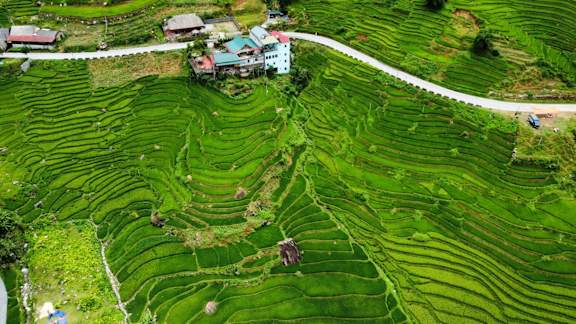
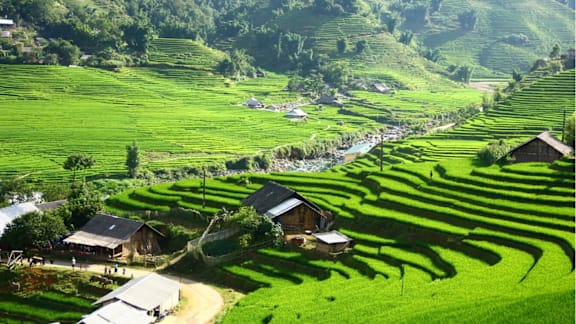
Sapa was a French hill station in the mountains near the Chinese border, and it is now the trekking capital of Vietnam. Below the town, the Muong Hoa valley is carved into rice terraces, home to Hmong, Red Dao and other ethnic minority villages.
The town itself has become busy and built up, but the valleys and homestays are the reason to come.
Three days is right, with at least one night in a village homestay.
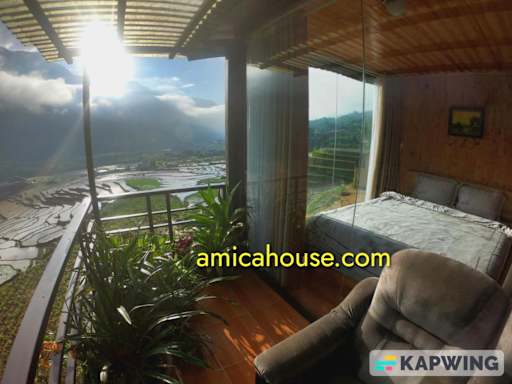
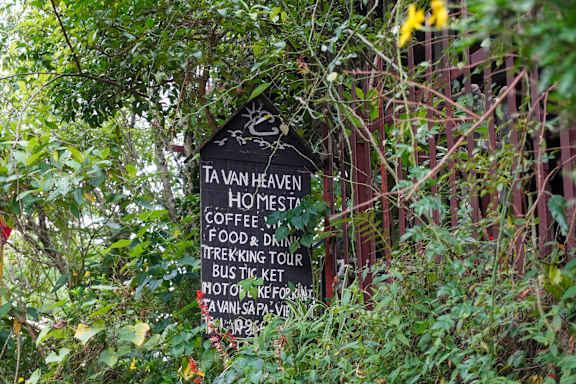
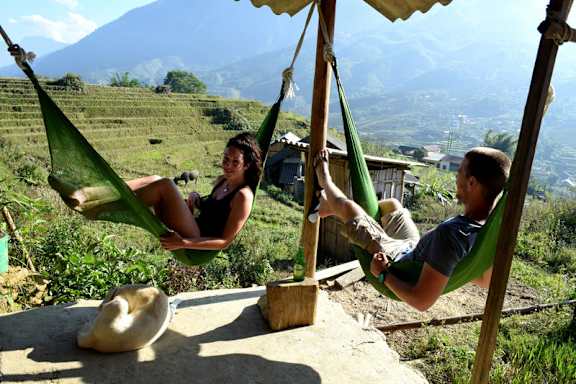
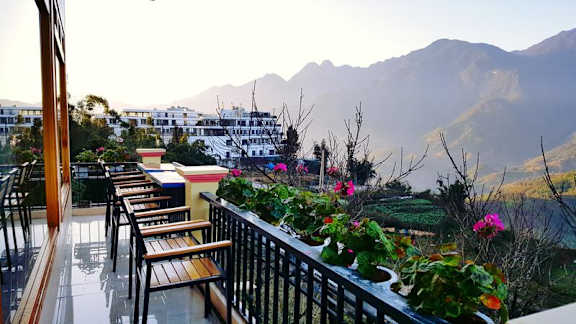
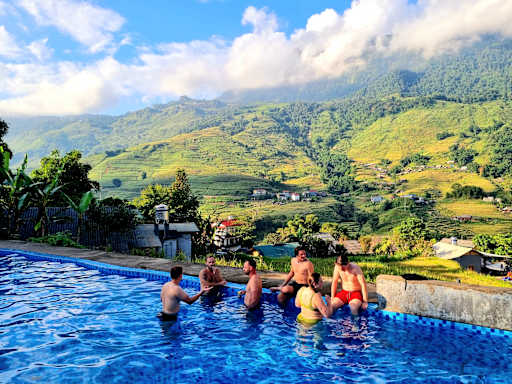
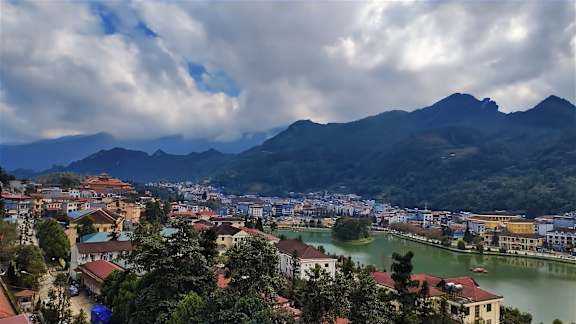
Sapa town has the hostels, restaurants and transport, on a hillside above the valley. For the rice terraces, stay in a homestay in the Muong Hoa valley villages, such as Ta Van or Lao Chai, a few hours' walk or a short ride down.
Hostels, restaurants and transport, on the hillside above the valley.
A valley village among the terraces, about 10 km down.
A Black Hmong village on the classic trek, closer to town.
Orange labels are neighbourhoods, dots are the 11 top-rated hostels. Map data from OpenStreetMap contributors.
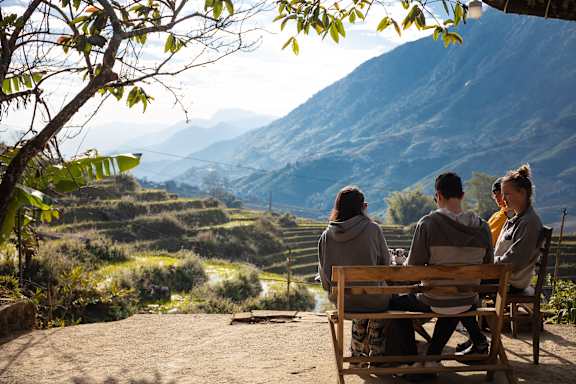
Trekking through the Muong Hoa valley is the reason to come: rice terraces carved into the mountainsides, and villages of Black Hmong, Red Dao and Giay people. The classic route walks from Sapa down through Lao Chai to Ta Van, about 12 kilometres, and many people stay overnight in a homestay to walk further the next day. Go with a guide from a registered company or a local Hmong-run outfit; the paths are muddy and unmarked in places.
Fansipan, at 3,143 metres the highest mountain in Indochina, can be reached by cable car, followed by a funicular and a final climb of stairs to the summit, or on a hard two-day trek. Clear mornings are rare, so check the forecast.
Cat Cat village, a short walk below town, is the most visited and most commercial; it charges an entry fee. O Quy Ho Pass, the highest road pass in Vietnam, has views over the Hoang Lien Son range, with Silver Falls and Love Waterfall nearby.
On Sundays, Bac Ha, two hours away, holds the region's biggest market, where Flower Hmong come to trade buffalo, horses and textiles.
Walking the trails around town and through the villages is free, though some villages charge a small entry fee, and a guide is worth paying for on longer routes.
Sapa Lake and the town's stone church, built by the French, are free to see, and the market in town is lively in the mornings.
The views are free: from the town's viewpoints on a clear day, the terraces and Fansipan's ridge stretch across the valley.
Sapa's speciality is food from the mountains: grilled meat skewers, sticky rice cooked in bamboo tubes over charcoal, and thang co, a strong Hmong stew traditionally made with horse. Salmon and sturgeon are farmed in the cold streams, and hot pot is the dish for cold evenings.
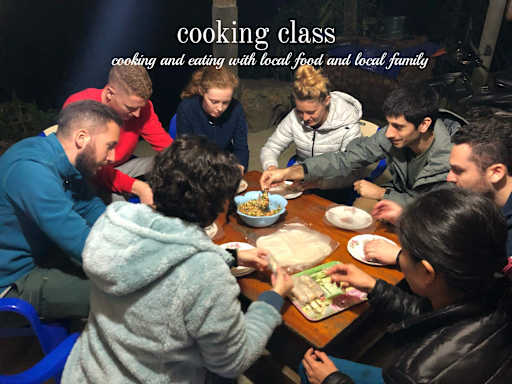
In homestays, families cook a dinner of several dishes, often with home-brewed rice wine. The town has plenty of restaurants for travellers.
A meal is €2 to €6.
Sapa is quiet at night and cold for much of the year. Evenings are spent around the street grills near the market, where skewers and corn are roasted, or in a few bars in town.
In the villages, nightlife means rice wine with the homestay family.
A beer is €1.50 to €3.
Sapa is in the far north, near the Chinese border. Sleeper buses and limousine vans from Hanoi take five to six hours on the expressway, dropping you in town. The alternative is the overnight train from Hanoi to Lao Cai, about eight hours, then a bus or minibus up the mountain, about an hour.
In town, everything is walkable. Motorbike taxis and Grab reach Cat Cat, the viewpoints and the cable car station.
Buses run from Sapa and Lao Cai to Bac Ha for the Sunday market, and to Ha Giang.
Sapa is cheap. Dorms start around €5 and a careful day is €18 to €28; a homestay with dinner and breakfast is usually €8 to €15.
A guided trek is the main cost, around €15 to €35 a day depending on the route and group. The Fansipan cable car is the most expensive thing in Sapa, roughly €30 or more return. Cat Cat and some other villages charge small entry fees.
The currency is the Vietnamese dong (VND); prices here are euro equivalents, at roughly 30,000 VND to the euro. There are ATMs in town but not in the villages.
Sapa is safe. The weather is the thing to plan for: it is cold from November to March, sometimes close to freezing, and mist can make trails slippery. Bring a warm layer and proper shoes.
On treks, local women often walk alongside you for hours and then ask you to buy textiles. A polite, early no is kinder than letting them walk with you all day.
Use registered guides on longer treks and on Fansipan; paths can be confusing in fog.
Emergency: 113 police, 115 ambulance, 114 fire.
A Sunday market, the roof of Indochina and valley villages.
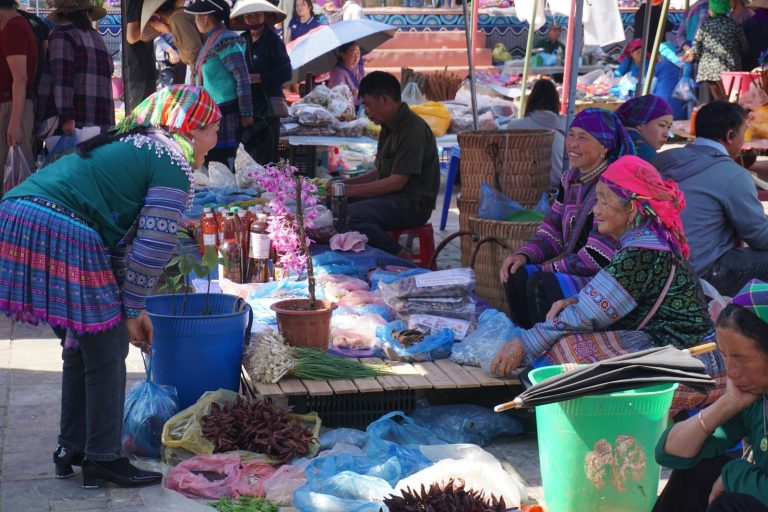
The Sunday market, where Flower Hmong trade buffalo, horses and textiles.
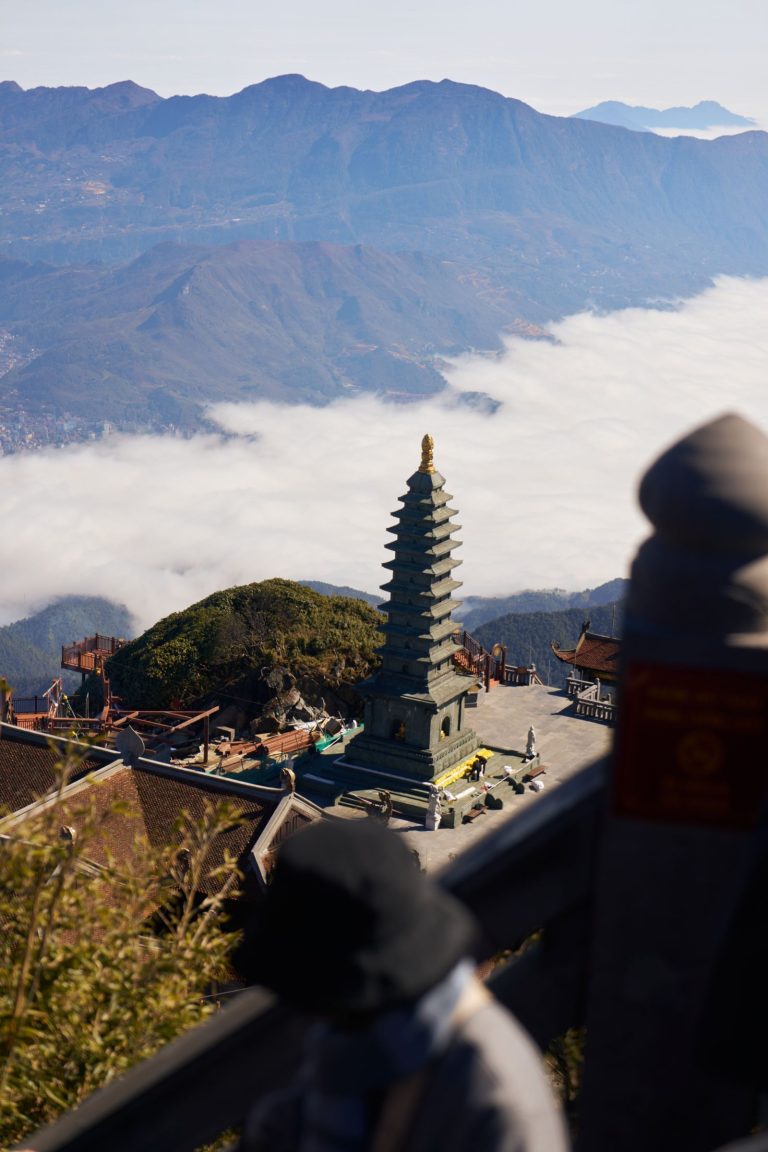
The highest peak in Indochina, 3,143 m.
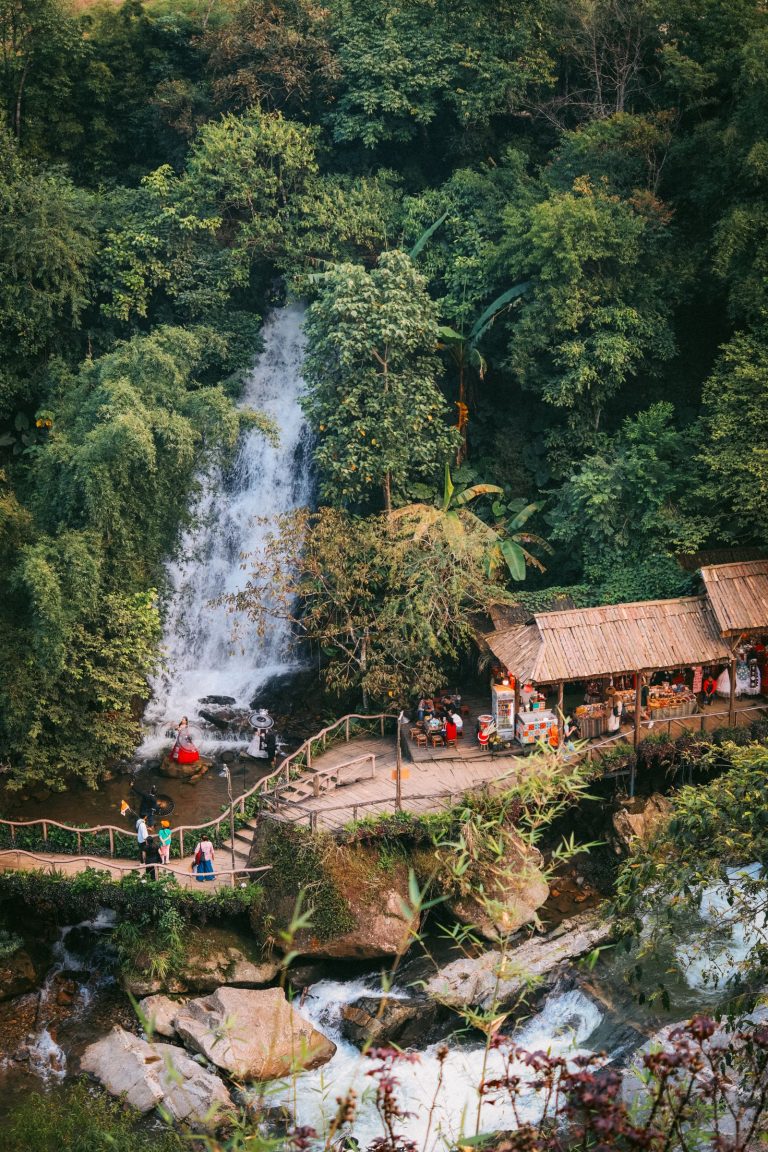
A valley village on the classic trek, with homestays.
Harvest season turns the terraces gold in September.
Golden terraces.
The lunar new year.
The top-rated places to stay in Sapa right now, live from Hostelworld.
September to November, and March to May. The terraces are green from June to August and golden in September.
Average highs. Cool and often foggy.
Pick how you travel. Per person per night, in euros.
Prices are in dong locally; these are euro equivalents. Excludes guides.
The ones we get asked most.

Compare Sapa hostels — live prices, real reviews and free cancellation on most bookings. Then meet the people already there in the app.

 Get the App.
 Get the App.