Centre
First-timersNear Sükhbaatar Square, with hostels, restaurants and tour agencies.

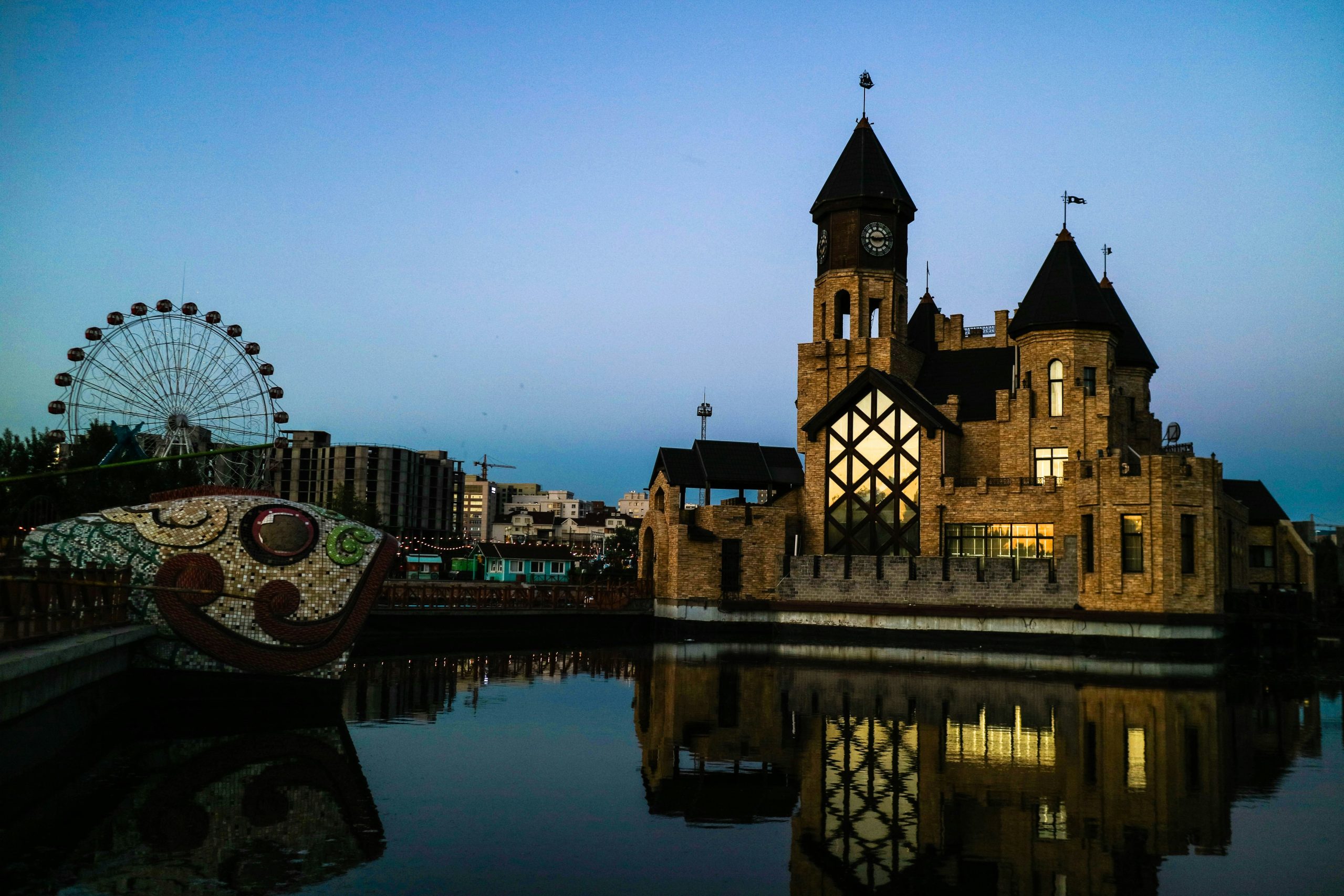
The coldest capital on earth and the start of every Mongolian adventure: a Buddhist monastery, a giant Chinggis Khaan, throat singing and museums, with the steppe beginning where the city ends.
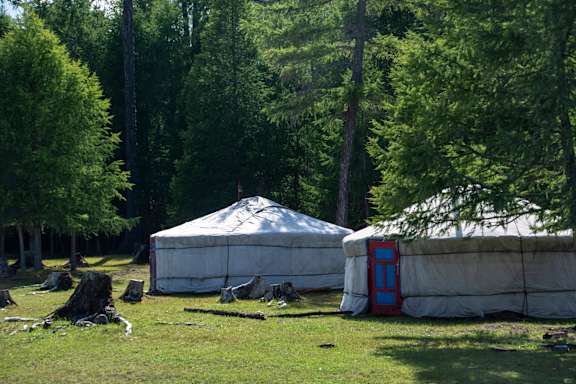
Ulaanbaatar is home to about half of Mongolia's people, in a country of more livestock than humans. It grew from a moving monastery into a Soviet-planned capital of apartment blocks, and it is now a fast-growing city surrounded by districts of gers, the traditional felt tents.
It is the coldest capital in the world, with January days far below freezing, and every trip into the steppe, the Gobi and the lakes starts here.
Two or three days in the city is right, before a tour.
Stay in the centre, within walking distance of Sükhbaatar Square, where most hostels, restaurants and tour agencies are. The traffic is so bad that being central saves hours. Beyond the centre, the city spreads into Soviet-era apartment blocks and then the ger districts on the hills.
Near Sükhbaatar Square, with hostels, restaurants and tour agencies.
Orange labels are neighbourhoods, dots are the 5 top-rated hostels. Map data from OpenStreetMap contributors.
Gandan Monastery is the heart of Mongolian Buddhism, one of the few monasteries to survive the purges of the 1930s, when thousands of monks were killed. Come in the morning, when monks chant in the halls, and see the 26-metre statue of Avalokiteshvara, Migjid Janraisig, covered in gold; the temple building charges a small fee.
Sükhbaatar Square, also called Chinggis Square, is the city's centre, with a seated statue of Chinggis Khaan in front of the Government Palace. The Chinggis Khaan National Museum, opened in 2022, covers the Mongol Empire and the steppe peoples before it, and is the best museum in the country.
The Choijin Lama Temple Museum, a monastery complex surrounded by modern towers, and the Winter Palace of the Bogd Khan, Mongolia's last king, show the city before the Soviets.
In the evening, watch a folk show at the Tumen Ekh ensemble or the national theatre: khöömii throat singing, the horse-head fiddle, contortionists and dance. Climb to the Zaisan Memorial, a Soviet-era monument on the hill south of the city, for a view over the whole valley.
Day trips go to Gorkhi-Terelj National Park, with rock formations and ger camps, the giant stainless-steel Chinggis Khaan equestrian statue at Tsonjin Boldog, forty metres tall, and Hustai National Park, where wild takhi horses have been reintroduced.
Sükhbaatar Square is free, and so are Gandan Monastery's grounds and the morning chanting you can hear from the courtyards; only the main temple charges.
The view from the Zaisan Memorial is free, and so is walking along Peace Avenue, the main street. The State Department Store, a Soviet-era shop, is a free look at the city's history and the easiest place to buy souvenirs.
Mongolian food is built for a cold, nomadic life: meat, usually mutton, and dough. Buuz, steamed dumplings, are eaten in huge numbers at Tsagaan Sar, the Lunar New Year. Khuushuur, fried meat pastries, are the street snack, especially at Naadam. Tsuivan, stir-fried noodles with meat and vegetables, is everyday food.
Khorkhog, mutton cooked with hot stones in a sealed churn, is a countryside feast; ask a tour to arrange it. Airag, fermented mare's milk, slightly alcoholic and sour, is the summer drink, and suutei tsai, salty milk tea, is drunk all year.
The city also has a growing range of Korean, Japanese and European restaurants. A local meal is €3 to €8.
Ulaanbaatar has a lively nightlife for its size: bars, clubs and a craft-beer scene in the centre, busiest on Thursday to Saturday nights. Karaoke is popular, and vodka is the national drink.
Late at night, drunken fights and harassment happen, especially around clubs; go out in groups, and take a booked taxi back.
A beer is €2 to €4.
The new Chinggis Khaan International Airport, opened in 2021, is about 50 kilometres from the centre, about an hour by taxi or the airport bus. Book a taxi through the UBCab app or your hostel to avoid overcharging.
Traffic jams in Ulaanbaatar are among the worst in Asia; walk in the centre whenever you can. City buses use a prepaid U Money card. Taxis are cheap, and any car may act as an unofficial taxi; agree the price first.
The Trans-Mongolian Railway runs to Beijing and to Irkutsk in Russia. For the steppe, the Gobi and the lakes, join a shared multi-day tour in a Russian UAZ van, with a driver, guide and cook, arranged through hostels and agencies; roads are rough and distances long.
Ulaanbaatar is mid-priced. Dorms start around €8 and a careful day is €25 to €35.
Multi-day tours are the main cost, about €50 to €80 a day per person shared, including the driver, guide, food and ger stays. The museums and Gandan's main temple charge a few euros each, and a folk show about €10 to €15.
The currency is the tögrög (MNT); prices here are euro equivalents. Cards and phone payments work in the city; carry cash for the countryside, where there are few ATMs.
Ulaanbaatar is generally safe, but pickpockets and bag slashers work the markets, buses and crowds, especially the Naran Tuul market, the 'black market'; carry little, and keep bags in front.
At night, stay in groups and avoid drunken confrontations.
In winter, air pollution from coal stoves in the ger districts is among the worst in the world, and temperatures fall below -30°C; dress in serious layers.
In the countryside, carry water and sun protection, and tell people your plans.
Emergency numbers are 102 for police and 103 for ambulance.
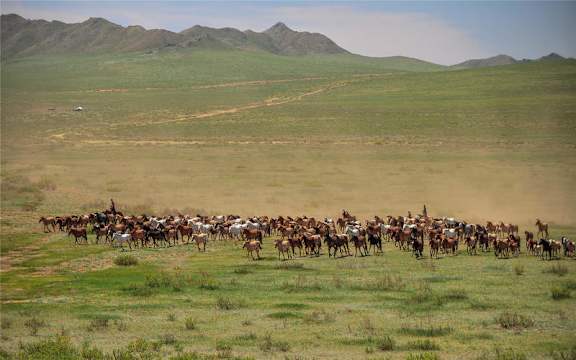
The steppe begins at the city's edge.
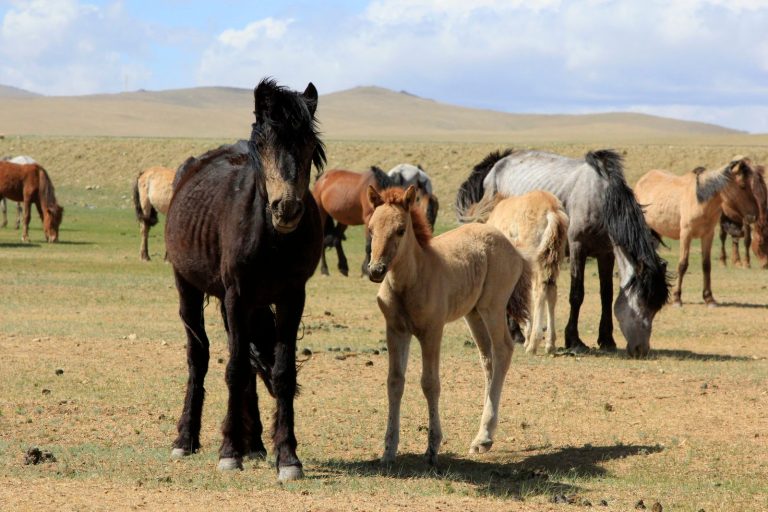
Rock formations, rivers and ger camps.
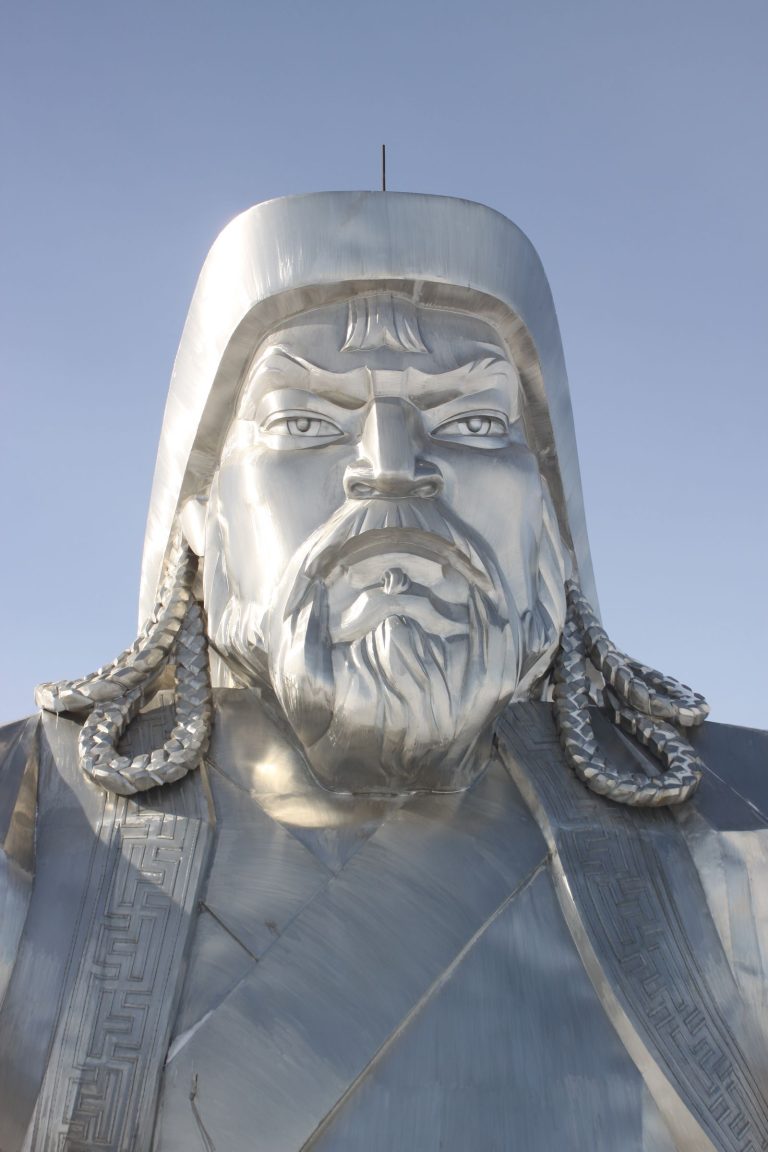
A forty-metre stainless-steel equestrian statue.
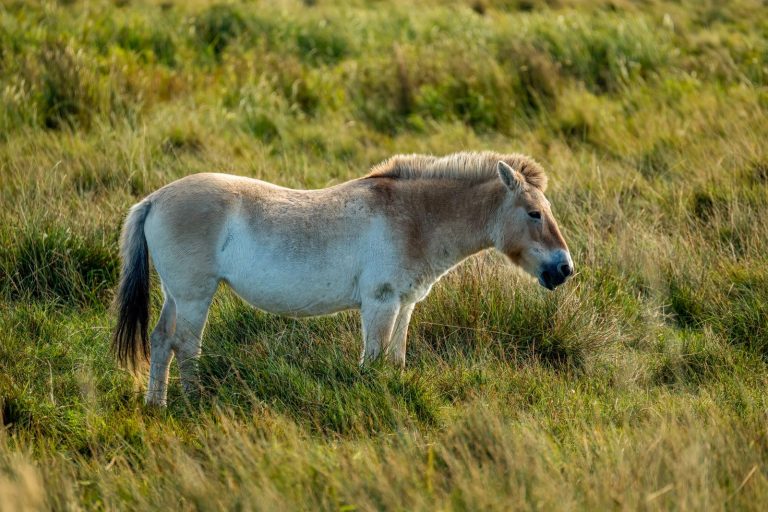
Wild takhi horses, reintroduced to the steppe.
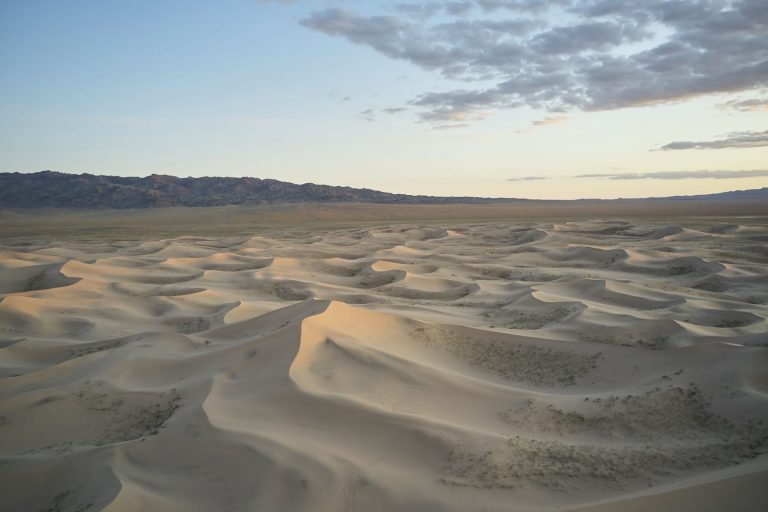
Dunes, canyons, cliffs and camels.
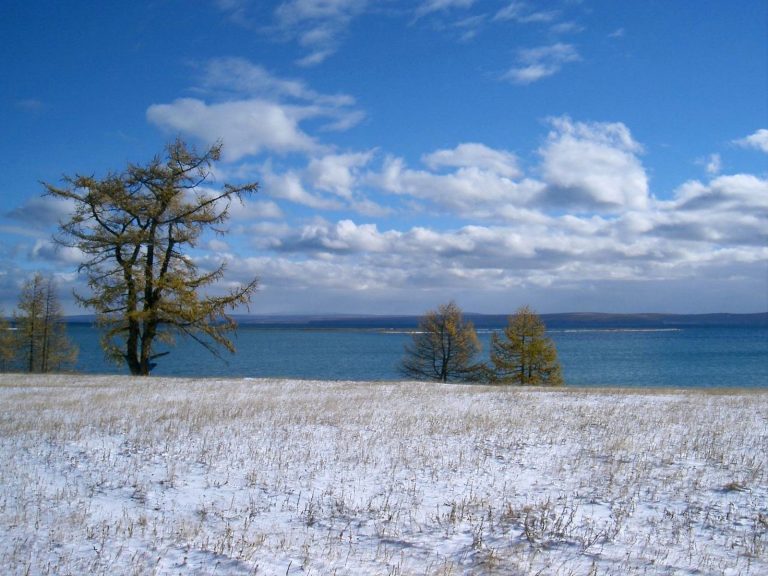
A vast, clear northern lake.
Naadam, in July, is the great festival of wrestling, archery and horse racing.
The Lunar New Year.
Wrestling, archery and horse racing.
Eagle hunters in the far west.
The top-rated places to stay in Ulaanbaatar right now, live from Hostelworld.
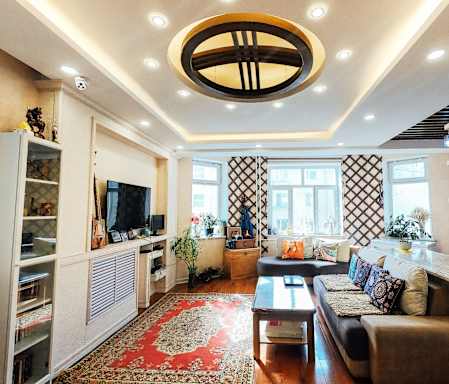
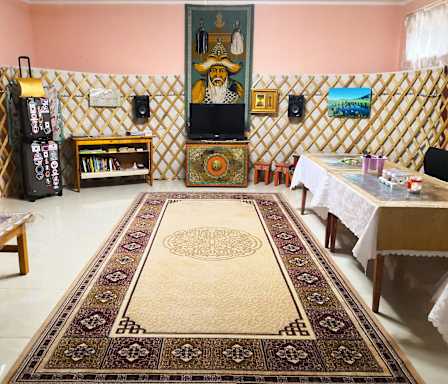
June to September, with Naadam in July. Winters are brutally cold.
Average highs. January days are far below freezing.
Pick how you travel. Per person per night, in euros.
Prices are in tögrög locally; these are euro equivalents. Excludes tours.
The ones we get asked most.

Compare Ulaanbaatar hostels — live prices, real reviews and free cancellation on most bookings. Then meet the people already there in the app.

 Get the App.
 Get the App.