Pub Street
NightlifeThe centre, with hostels and bars.

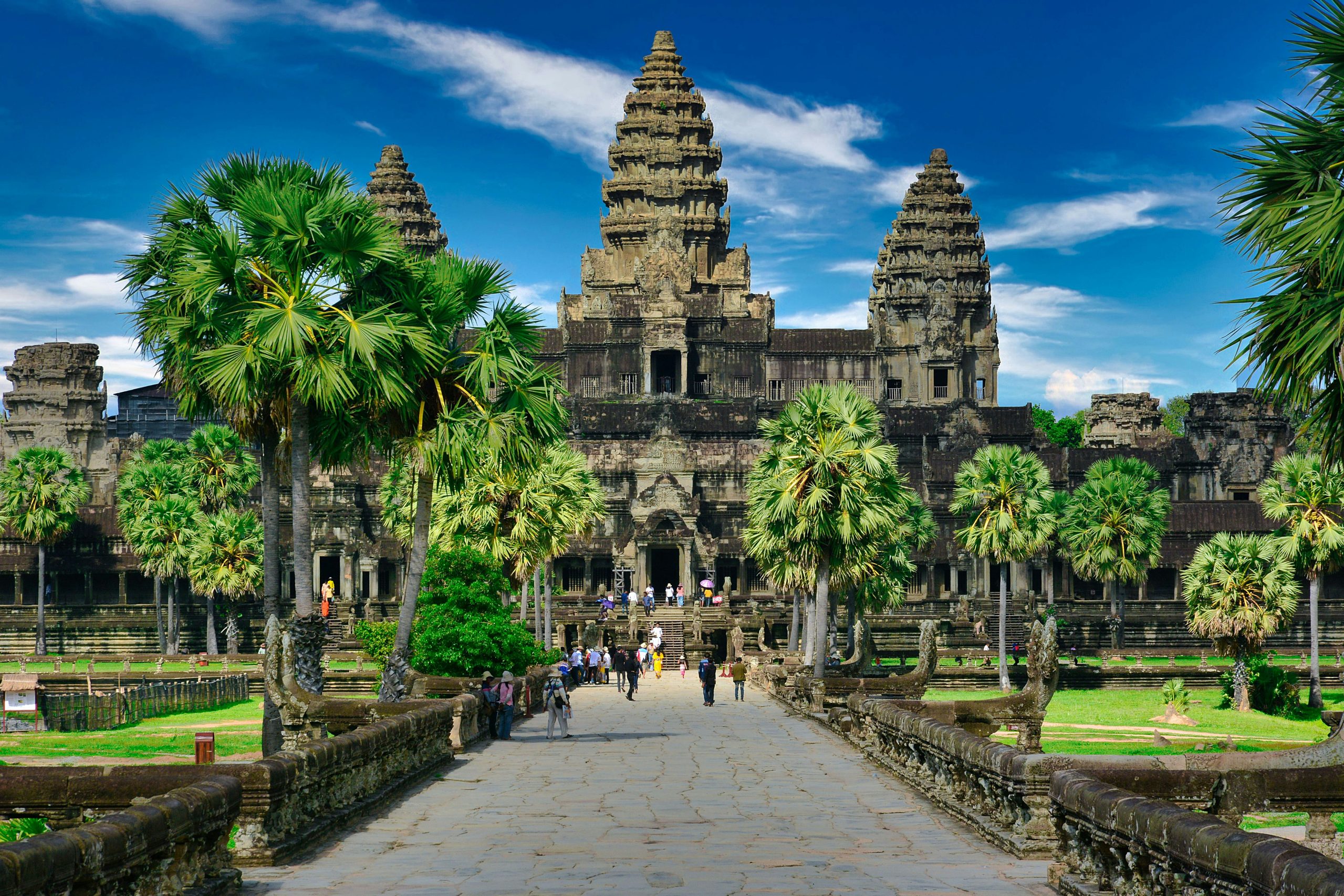
The gateway to Angkor, the largest religious monument on earth, with jungle temples wrapped in tree roots, and a lively town of markets and Pub Street to come back to.
Between the ninth and fifteenth centuries, the Khmer Empire built its capital at Angkor, just north of Siem Reap. The Angkor Archaeological Park now covers hundreds of temples across the forest, from Angkor Wat, the largest religious monument in the world, to the stone faces of the Bayon and the jungle-strangled Ta Prohm. It is a UNESCO World Heritage Site.
Siem Reap, the town beside it, has grown into Cambodia's tourist capital, with a big backpacker scene, markets and Pub Street.
Three days at Angkor is the classic, with a day for the floating villages of the Tonlé Sap.
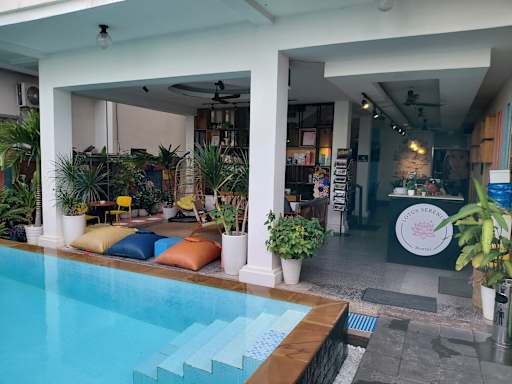
Pub Street and the Old Market area are the centre, with most hostels, restaurants and bars, and are walkable. The riverside, along the Siem Reap river, is quieter with guesthouses in gardens. Wat Bo, east of the river, is a calm, local neighbourhood a short walk from the centre.
The centre, with hostels and bars.
Guesthouses in gardens along the river.
A calm neighbourhood east of the river.
Orange labels are neighbourhoods, dots are the 12 top-rated hostels. Map data from OpenStreetMap contributors.
Siem Reap is the gateway to Angkor, the capital of the Khmer Empire from the ninth to the fifteenth centuries and one of the largest religious monuments in the world, a UNESCO World Heritage Site since 1992.
Angkor Wat is best at sunrise, reflected in the pond in front of it; arrive before 5.30am, then explore the galleries after the crowds leave for breakfast. Climbing to the upper level requires shoulders and knees covered. Angkor Thom, the walled city, holds the Bayon, a temple of over 200 serene stone faces. Ta Prohm, where giant tree roots grip the ruins, is the 'jungle temple'.
Buy the Angkor pass online or at the official ticket office: $37 for one day, $62 for three days within ten days, and $72 for seven days within a month. Hire a tuk-tuk for the day, an e-bike or a bicycle; the 'small circuit' and 'grand circuit' cover the main temples.
Further out, Banteay Srei, a tenth-century temple of pink sandstone with fine carvings, and Beng Mealea, a collapsed jungle ruin, are worth a day.
In the evening, Phare, The Cambodian Circus, performs acrobatic theatre by graduates of a social enterprise school, one of the best shows in Southeast Asia.
Siem Reap town is free to explore: the Old Market, the riverside, Wat Bo and Wat Preah Prom Rath pagodas, and the Royal Gardens.
The temples themselves need the Angkor pass, but driving past the outer moats and gates, and watching sunset over the moat, costs nothing.
Siem Reap has a wide range of restaurants for travellers. Fish amok and Khmer curry, a mild coconut curry with lemongrass, are the classics; try nom banh chok from street stalls in the morning.
The night markets have cheap food stalls, and Pub Street's restaurants serve everything. Several training restaurants for disadvantaged young people, such as Marum and Haven, serve excellent food.
A street meal is €1.50 to €3; a restaurant meal €5 to €12.
Pub Street is the centre of the nightlife, with bars, music and happy-hour draught beer from 50 cents, busy until late. The lanes around it have quieter cocktail bars.
Most people go to bed early before a sunrise at Angkor Wat.
A beer is €0.50 to €3.
The town is walkable. For the temples, hire a tuk-tuk for the day, about €15 to €20, an e-bike, or a bicycle. Book tuk-tuks through PassApp or Grab to avoid haggling.
Siem Reap Angkor International Airport, opened in 2023, is about an hour from town; shuttle buses run to the centre.
Buses reach Phnom Penh in about six hours and Battambang in about three. In the wet season, a boat runs to Battambang across the Tonlé Sap.
Land crossings with Thailand have been closed or heavily restricted since mid-2025 because of a border dispute and fighting; check the current situation before planning to travel overland, and expect to fly between the two countries.
Siem Reap is cheap, but the Angkor pass is the big cost: $37 for one day, $62 for three days and $72 for seven. Dorms start around €5 and a careful day is €20 to €30, plus the pass.
A tuk-tuk for a day at the temples is €15 to €20, and Phare tickets €15 to €35.
Cambodia uses two currencies: US dollars for most prices, and the riel (about 4,000 to the dollar) for small change. Prices here are euro equivalents. Bring clean, untorn dollar notes; ATMs dispense dollars but charge fees. Cards work only in hotels and upmarket places.
Siem Reap is safe.
The heat at the temples is intense from March to May; carry water, wear a hat, and start early. Monkeys at the temples snatch food and bags.
At the temples, cover shoulders and knees, especially for Angkor Wat's upper level, and do not climb on fragile structures.
Emergency: 117 police, 119 ambulance.
Pink sandstone, a jungle ruin, floating villages and riverbed carvings.
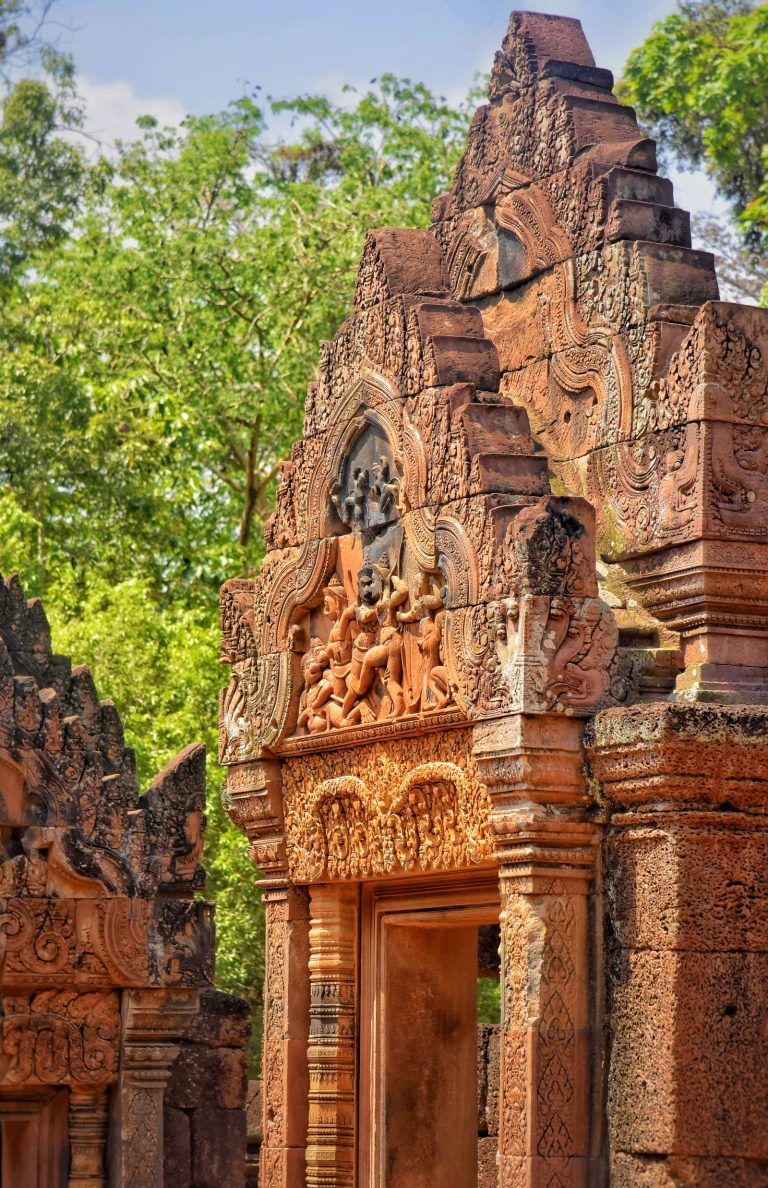
A tenth-century temple of pink sandstone.
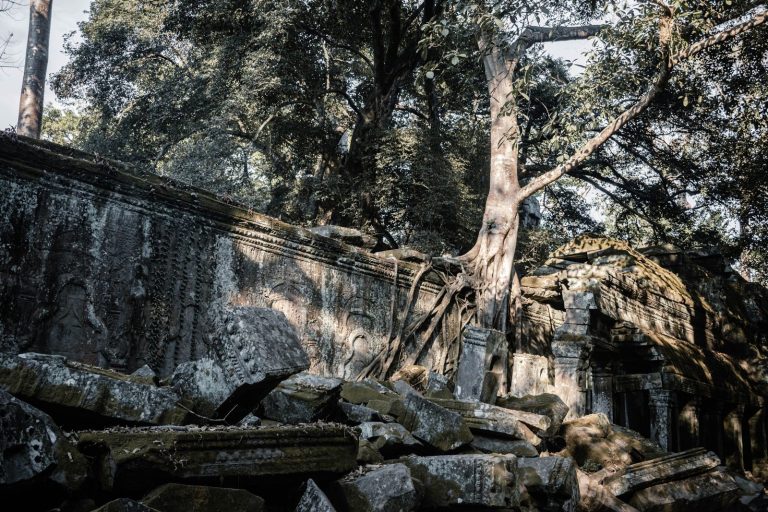
A collapsed jungle ruin.
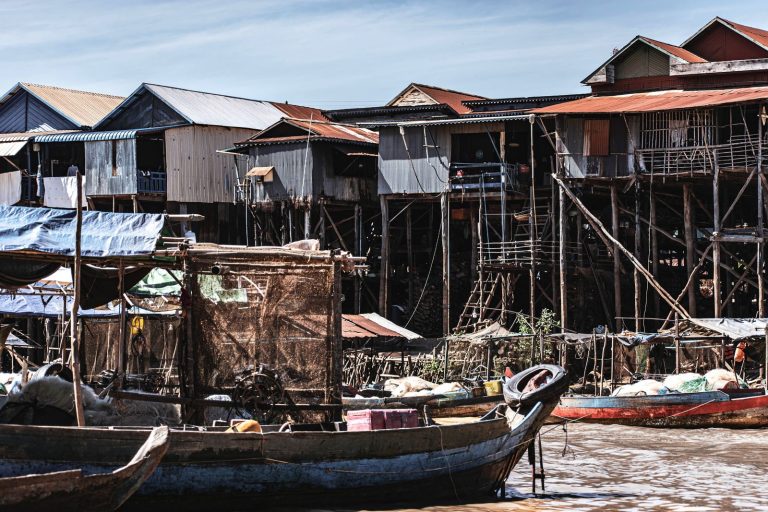
Stilt and floating villages on the lake.
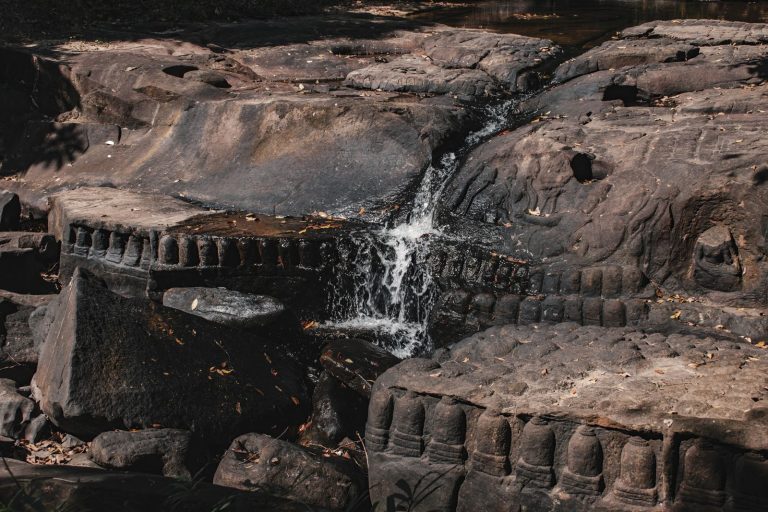
Carvings in a riverbed.
At the equinoxes, the sun rises directly over Angkor Wat's central tower.
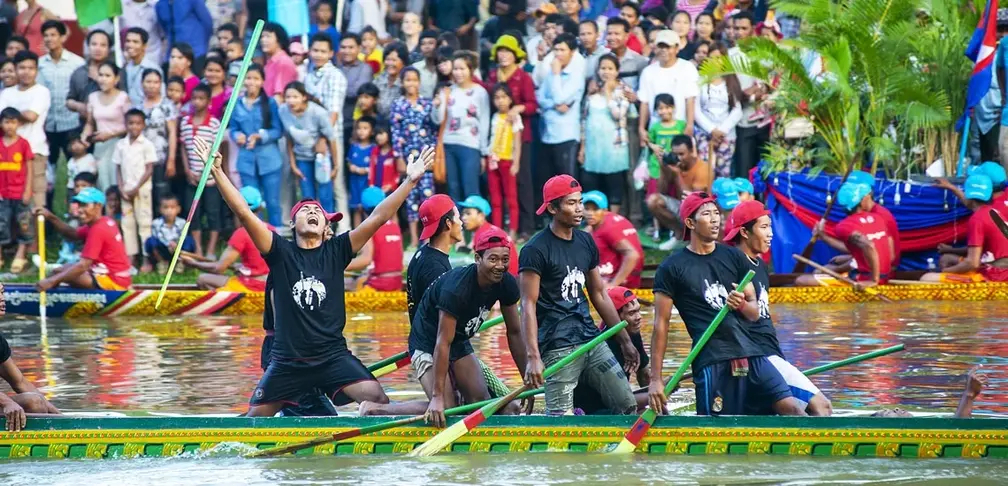 Staff pick
Experience the magic of Bon Om Touk, the Water Festival in Siem Reap, Cambodia, where the city comes alive with glowing lanterns, floating markets,…
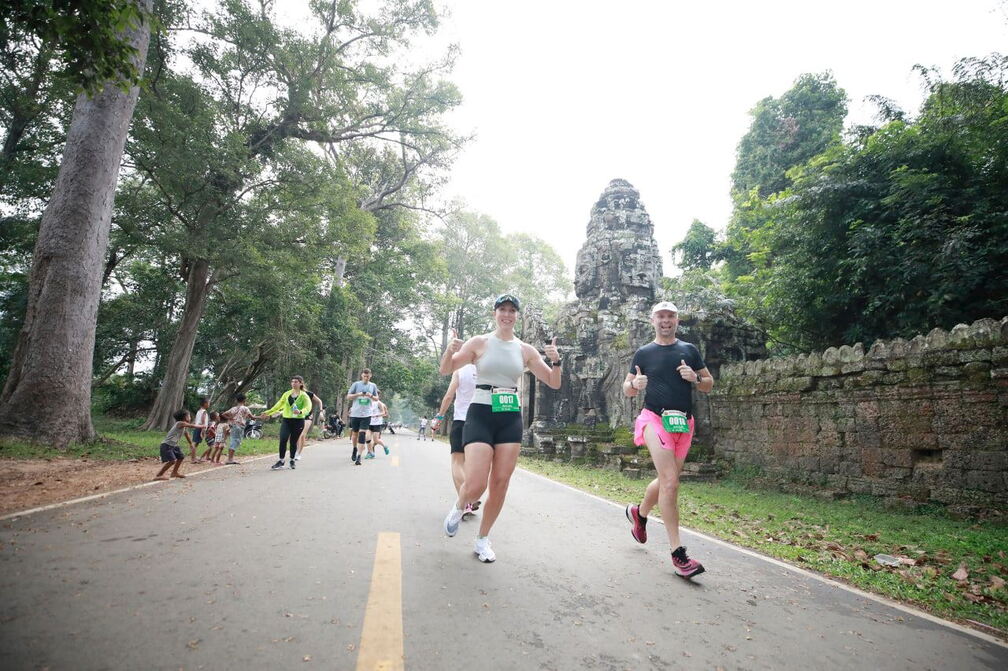 Staff pick
The Angkor Wat International Half Marathon in Siem Reap, Cambodia, invites runners from around the globe to race through the breathtaking ruins of the…
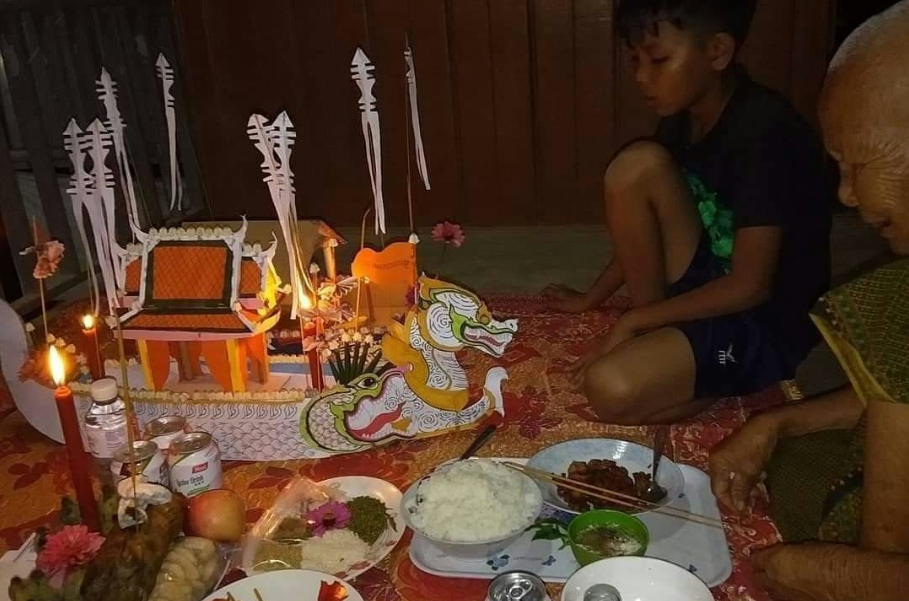
Pchum Ben is a 15-day festival culminating in three public holidays where families visit pagodas to offer food to their ancestors. It is one…
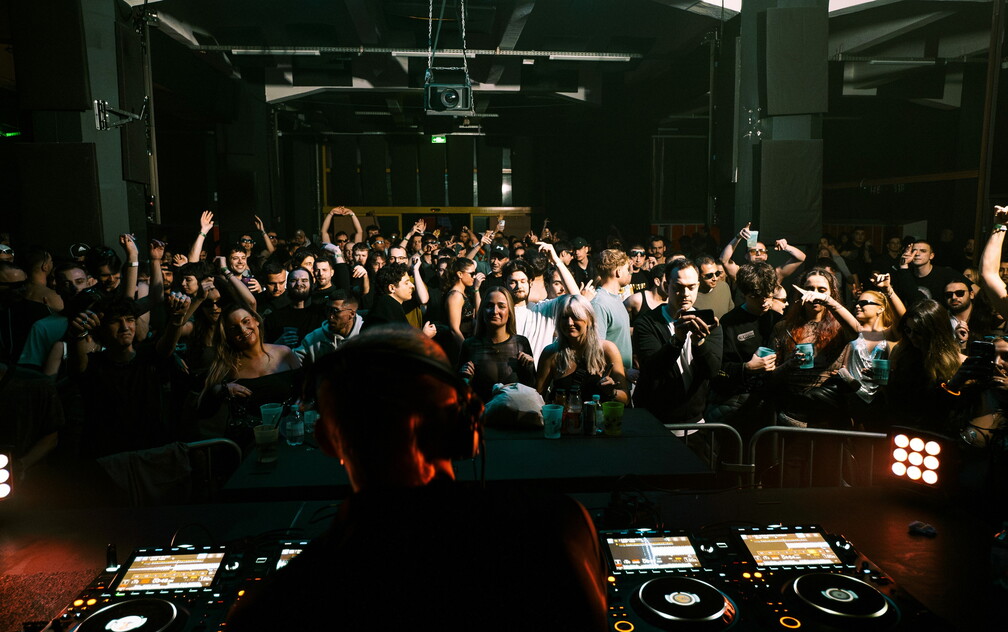
MIROKU 369 is a gathering built on warmth, trust, and genuine connection, where the door is always open and the energy is always right.…
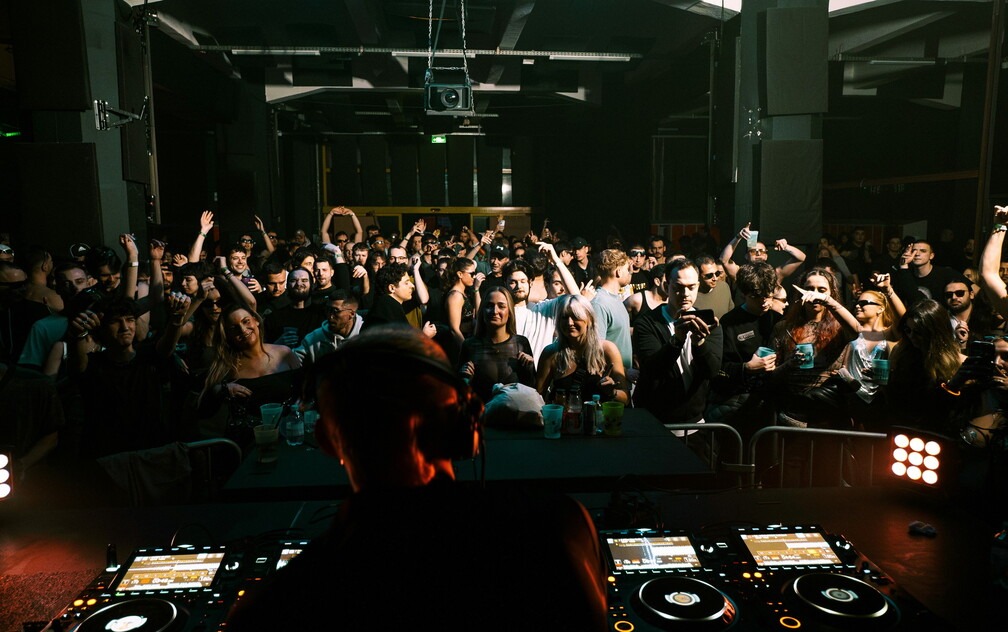
MIROKU 369 is a gathering built on warmth, trust, and genuine connection where the door is always open and the energy is right. Expect…
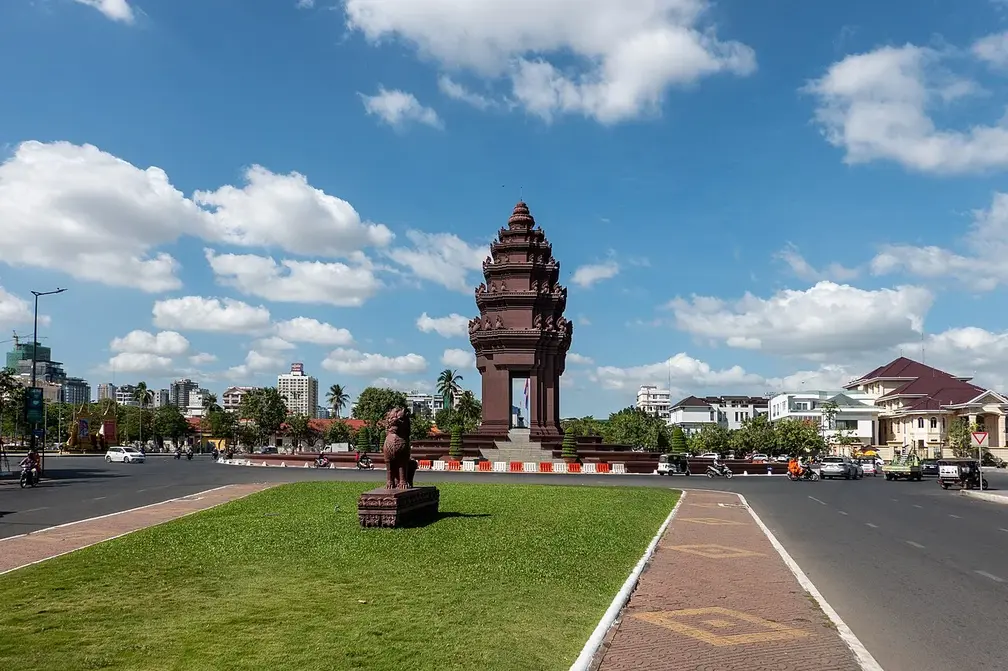
Cambodia's Independence Day marks the country's freedom from French colonial rule in 1953. You will find official ceremonies, flag-raising, and cultural performances throughout the…

Imagine starting your day watching the golden light in Cambodia's ancient sites. This event invites you to explore the rich culture and serene landscapes…
The top-rated places to stay in Siem Reap right now, live from Hostelworld.
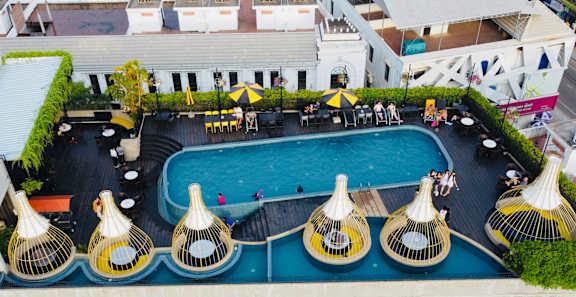

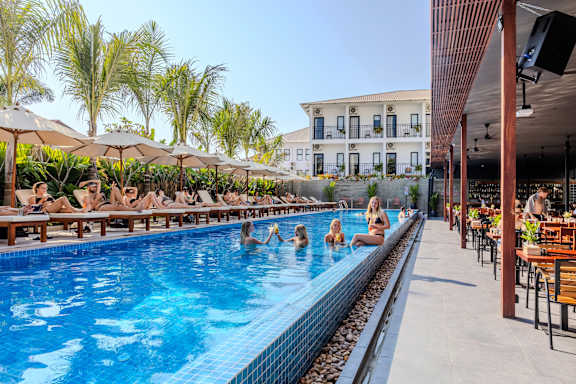
 Sustainable
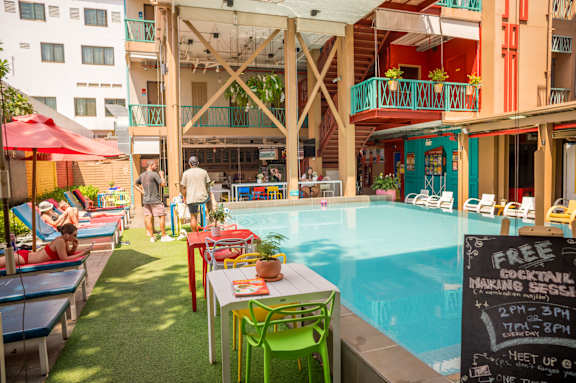
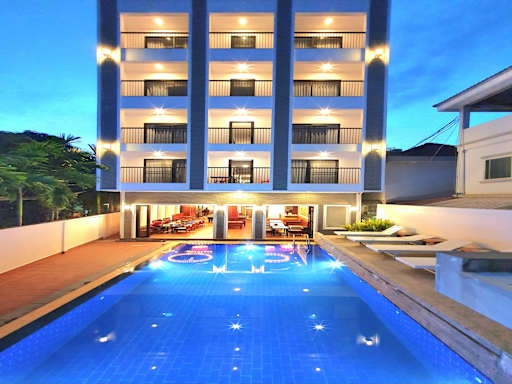
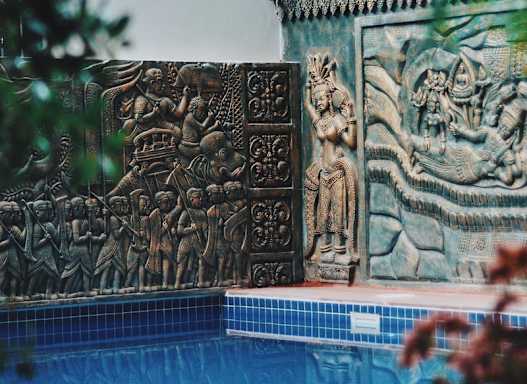
November to February is cool and dry. The wet season, May to October, turns the temples green and quieter.
Average highs. April is the hottest month.
Pick how you travel. Per person per night, in euros.
Excludes the Angkor pass: $37 one day, $62 three days, $72 seven days.
The ones we get asked most.

Compare Siem Reap hostels — live prices, real reviews and free cancellation on most bookings. Then meet the people already there in the app.

 Get the App.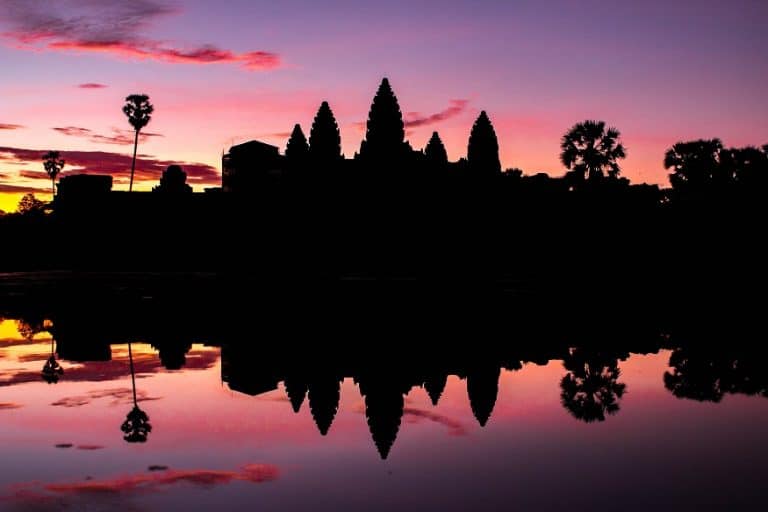
 Get the App.