Shinjuku
NightlifeNeon, bars and the busiest station in the world.

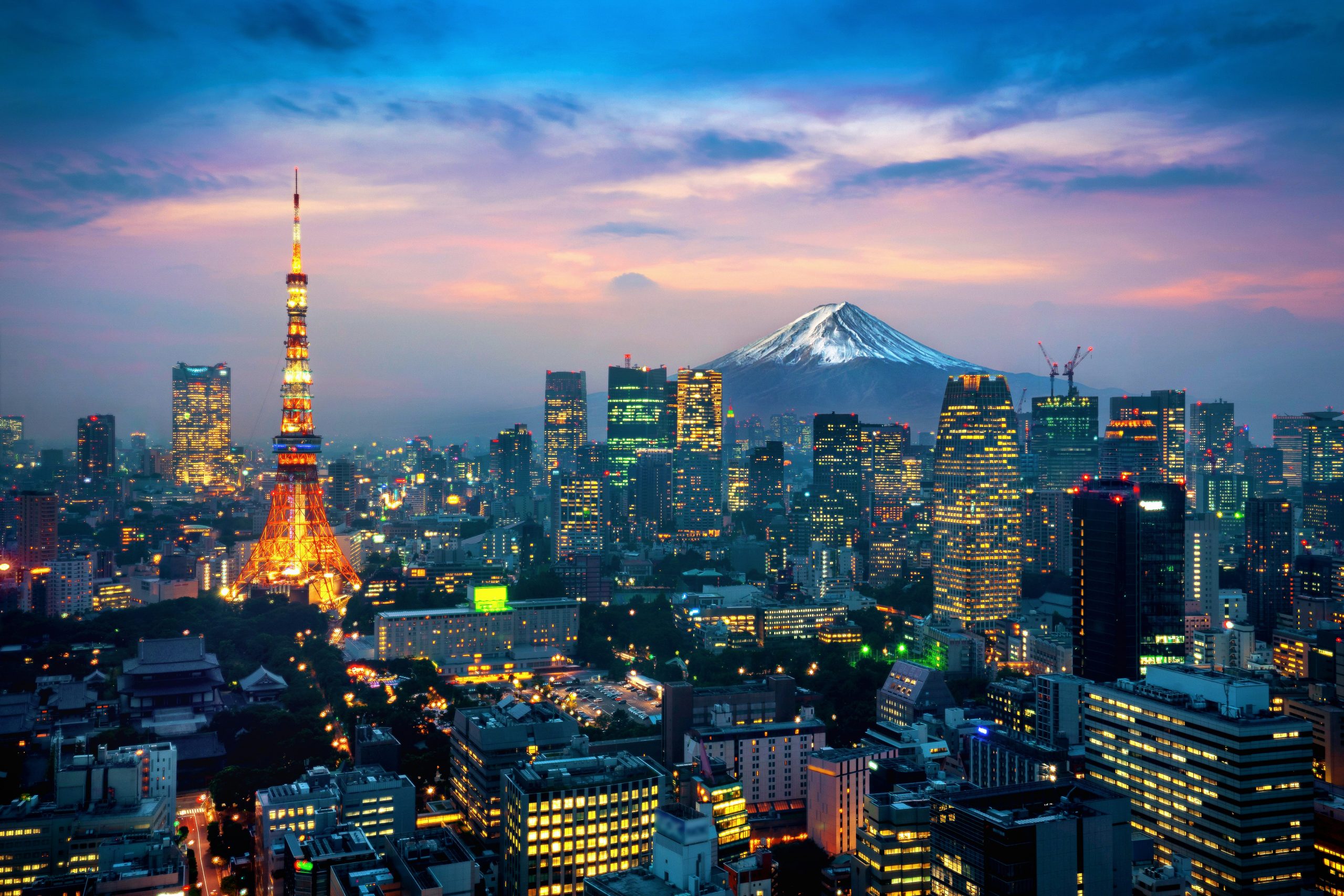
Twenty-three wards that each feel like a separate city: neon crossings, ancient temples, tiny bars, and the best food density on earth, with trains that run to the second.
Tokyo is the largest metropolitan area in the world, but it does not feel like one place. Each district has its own character: Shinjuku and Shibuya for neon and crowds, Asakusa for temples and old Edo, Shimokitazawa for vintage shops and small bars, Yanaka for the quiet streets that survived the war.
It is also one of the safest and most efficient cities in the world, with an enormous rail network, and more Michelin stars than anywhere else, alongside cheap ramen counters.
Four or five days is the minimum.
Tokyo is a cluster of cities, each with its own character. Shinjuku and Shibuya are the neon-lit hubs, with the most nightlife and transport. Asakusa is old Tokyo, around Senso-ji, and calmer at night. Ueno has parks, museums and good-value hostels. All are linked by fast trains, so pick one near a station on the JR Yamanote loop line.
Neon, bars and the busiest station in the world.
The crossing, shopping and nightlife.
Senso-ji and quieter streets.
Parks, museums and good-value hostels.
Orange labels are neighbourhoods, dots are the 12 top-rated hostels. Map data from OpenStreetMap contributors.
In Asakusa, Senso-ji, Tokyo's oldest temple, is reached through the Kaminarimon gate and a street of snack stalls; go early or after dark, when it is quieter and lit up. Meiji Jingu, a Shinto shrine in a forest beside Harajuku, is a calm contrast to Takeshita Street's teenage fashion next door.
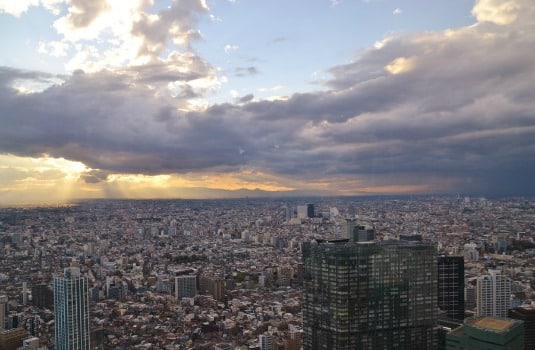
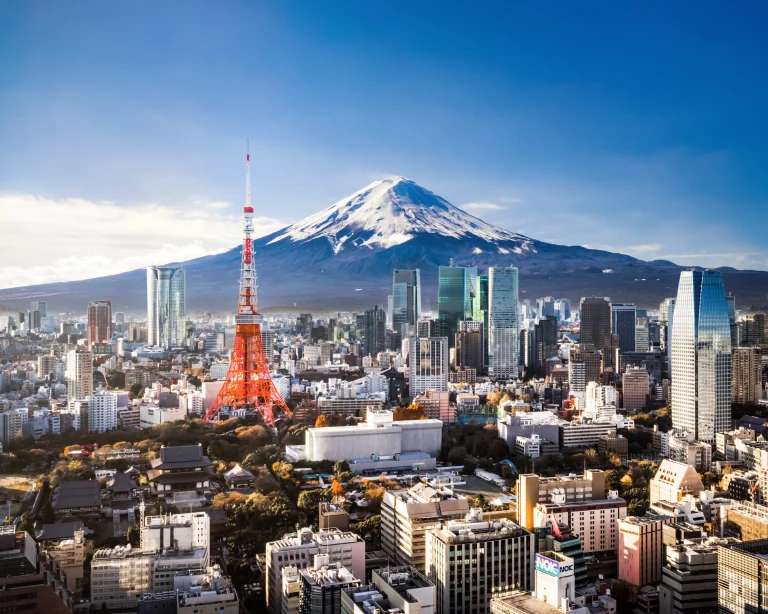
Watch the scramble crossing at Shibuya, where thousands cross at once, from above at Shibuya Sky, a rooftop observation deck; book a sunset slot ahead. The Tokyo Metropolitan Government Building in Shinjuku has free observation decks with a view of Mount Fuji on clear days.
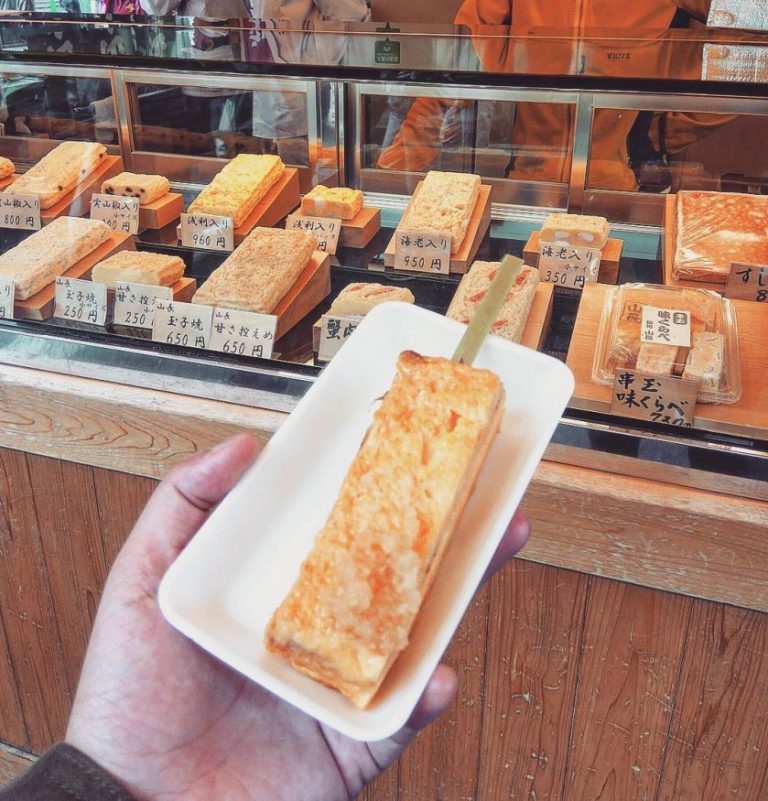
The Tsukiji Outer Market still sells sushi, tamagoyaki and street snacks, though the wholesale fish market has moved to Toyosu. teamLab Planets and teamLab Borderless are immersive digital art museums; book ahead.
In the evening, explore Golden Gai, a warren of tiny bars in Shinjuku, Omoide Yokocho's smoky yakitori alleys, and the electric towns of Akihabara. Yanaka, near Ueno, is an old neighbourhood that survived the war and the 1923 earthquake, with temples and cats.
The Imperial Palace East Gardens are free (closed Mondays and Fridays). Day trips go to Kamakura's Great Buddha, Nikko's carved shrines and Hakone's hot springs.
Senso-ji, Meiji Jingu and most shrines and temples are free. The Tokyo Metropolitan Government Building's observation decks are free, with a view of Fuji on clear winter mornings.
The Imperial Palace East Gardens are free (closed Mondays and Fridays), and so are Yoyogi Park, the Shibuya crossing, Harajuku, Akihabara and the backstreets of Yanaka. Department-store food halls, depachika, often hand out free samples.
Tokyo has more Michelin stars than any city in the world, but its everyday food is just as good and cheap. Ramen shops, where you order from a ticket machine, serve a bowl for €6 to €10; conveyor-belt sushi from €1 a plate; and tonkatsu, breaded pork cutlet, gyudon beef bowls and udon are everywhere.
Izakaya, Japanese pubs, serve small plates with drinks in the evening. Convenience stores, konbini, sell onigiri, sandwiches and hot snacks that are genuinely good, and depachika food halls in department stores sell bento and sweets.
Tsukiji Outer Market is best in the morning. A cheap meal is €5 to €10; a mid-range dinner €15 to €30.
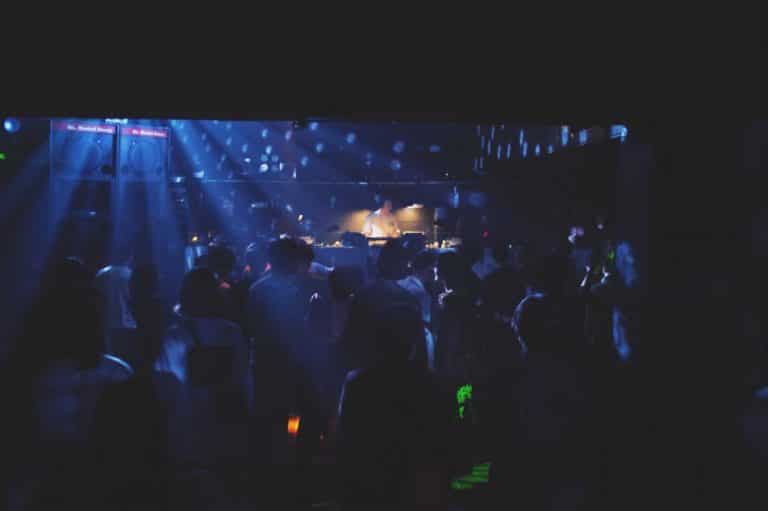
Shinjuku has Golden Gai, a warren of tiny bars seating a handful each, some with a cover charge, and Omoide Yokocho's yakitori alleys. Shibuya has clubs and bars, Roppongi international clubs, and Shimokitazawa and Koenji relaxed live-music bars.
Trains stop around midnight, so many nights either end early or run until the first train at about 5am.
A beer is €4 to €7 in a bar, much less from a konbini.
From Narita, the Keisei Skyliner reaches Ueno in about 40 minutes and the Narita Express reaches Tokyo and Shinjuku in about an hour. From Haneda, the monorail or Keikyu line reaches the centre in 20 to 30 minutes.
Trains and the metro go everywhere. Use a Suica or PASMO IC card, or a contactless bank card, which also pays in shops. Last trains run around midnight.
The shinkansen reaches Kyoto in about two hours and fifteen minutes and Osaka in about two and a half. The Japan Rail Pass rarely pays off for a simple Tokyo–Kyoto–Osaka trip; compare single fares first.
Tokyo is cheaper day to day than its reputation. Dorms start around €22 and a careful day is €45 to €70.
A bowl of ramen is €6 to €10, a metro ride €1 to €2, and Shibuya Sky or teamLab €15 to €25. Many temples, shrines and viewpoints are free. Tipping is not practised and can cause confusion.
Since July 2026, the international tourist tax added to flights out of Japan is ¥3,000. From November 2026, tax-free shopping works as a refund: you pay the 10% consumption tax in the shop and claim it back at the airport when you leave.
The currency is the yen (JPY); prices here are euro equivalents. Cards and IC cards work widely in cities, but carry cash: small restaurants, temples and rural places are often cash-only. Convenience store ATMs (7-Eleven, Lawson, FamilyMart) take foreign cards.
Tokyo is one of the safest cities in the world.
In Kabukicho and Roppongi, ignore street touts offering bars or clubs: some lead to huge bills. Earthquakes happen; learn the exits, and follow staff instructions.
Etiquette matters: queue for trains, keep phone calls off trains, do not eat while walking in busy areas, and take bins home, as public bins are rare.
Emergency: 110 police, 119 ambulance and fire.
The Great Buddha, carved shrines, hot springs and an easy mountain.
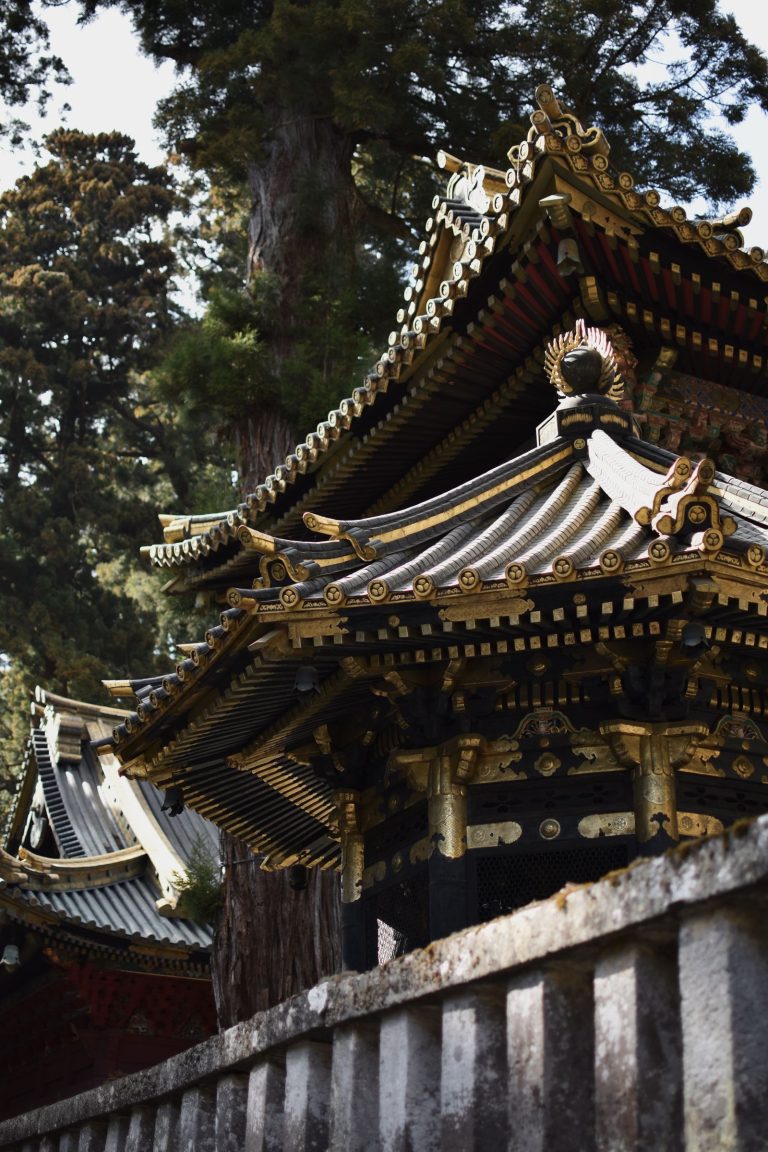
A carved shrine complex, waterfalls and a lake.
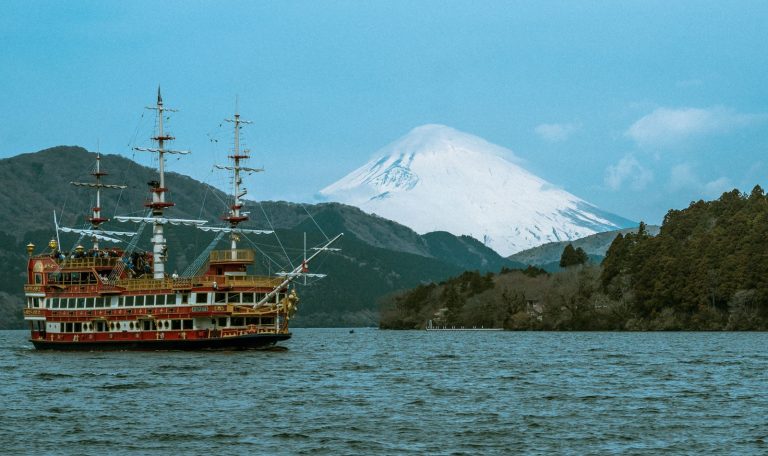
Hot springs and Fuji views.
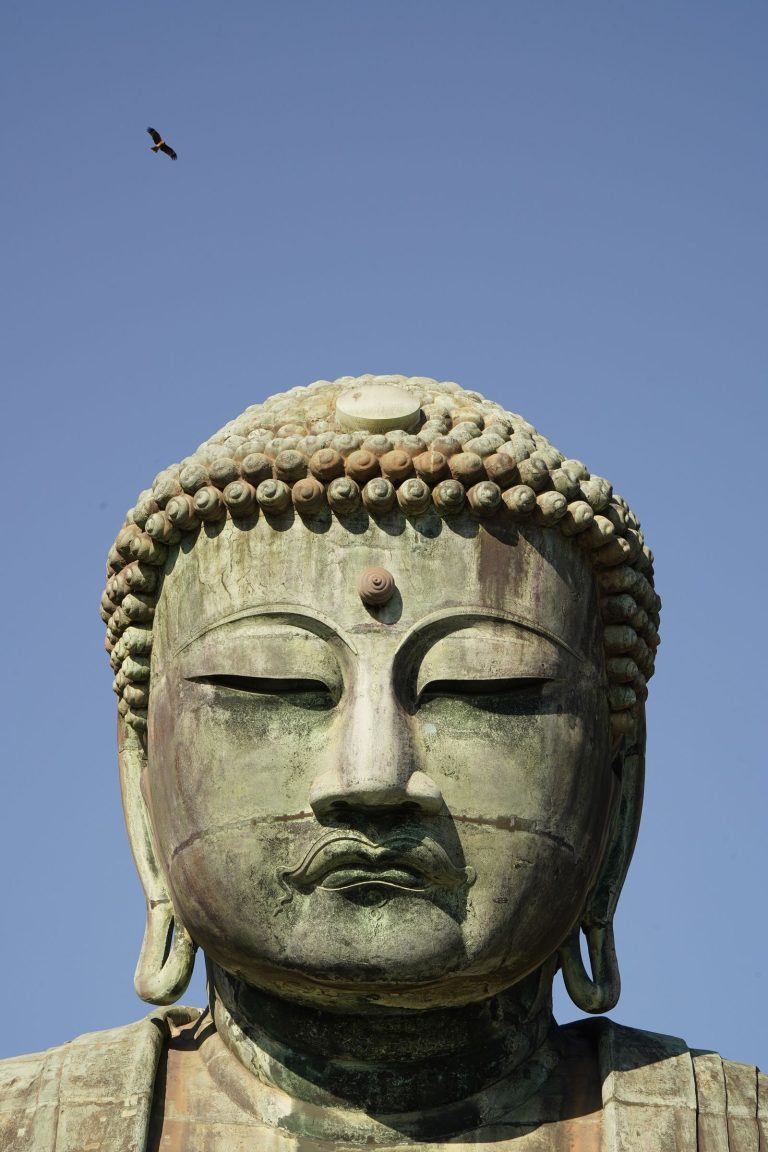
The Great Buddha and temples by the sea.
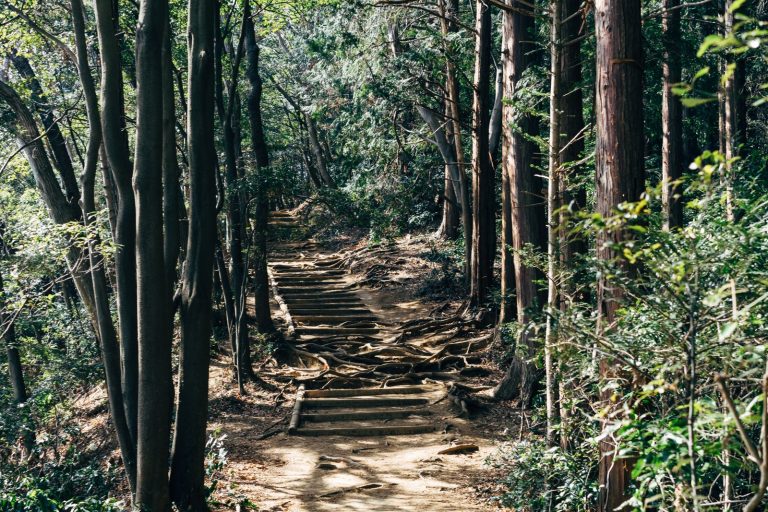
An easy mountain hike with a temple.
Cherry blossom and the summer fireworks are the city's big seasons.
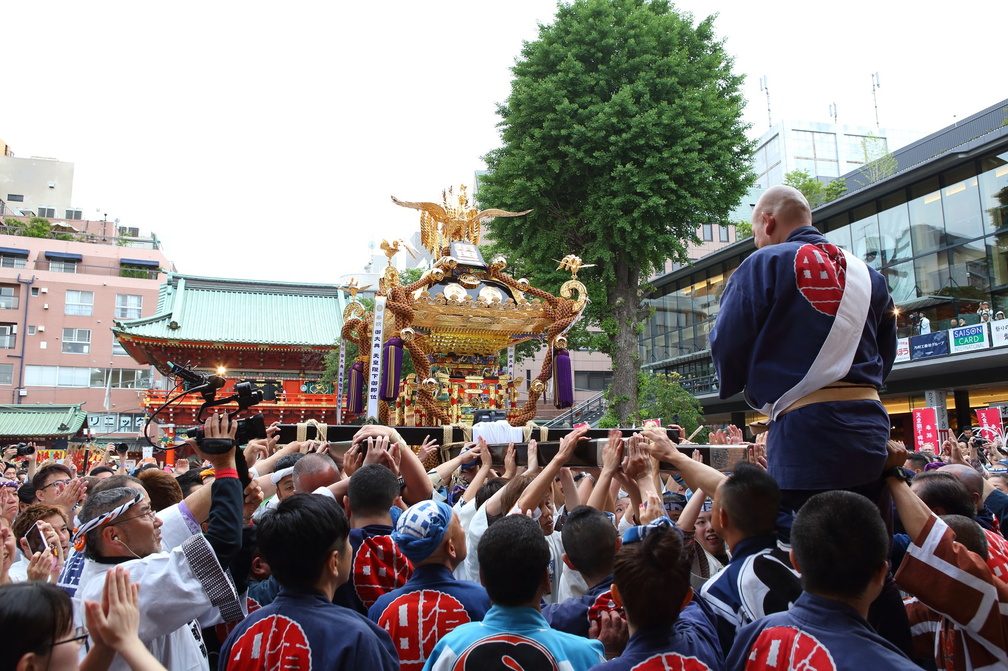 Staff pick
Experience the tradition of Hatsumode at Sensoji Temple in Tokyo, where thousands gather each New Year to offer their first prayers and wishes for…
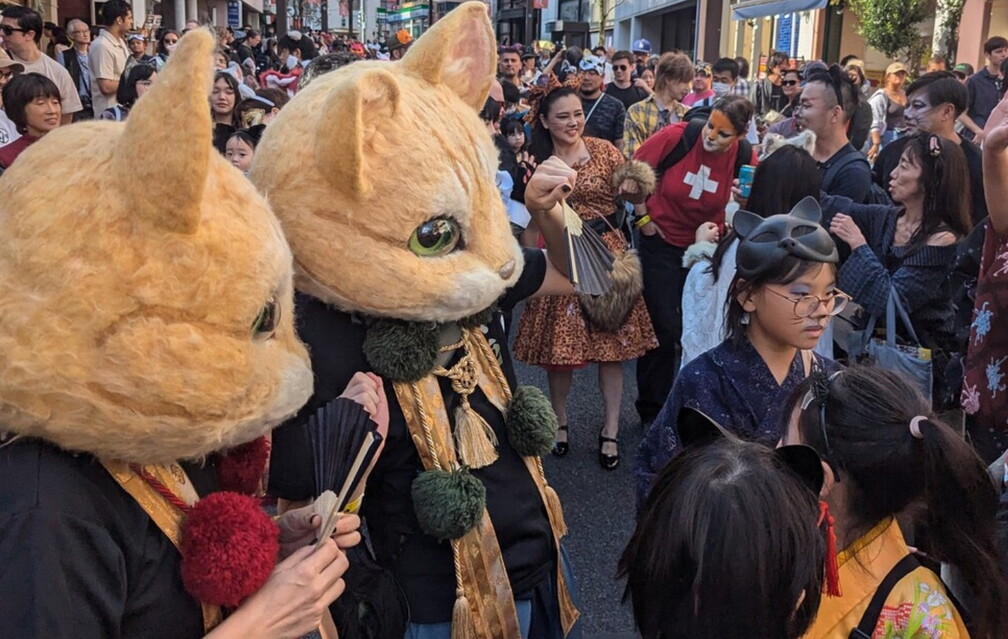 Staff pick
Join the spirited revelry at the Kagurazaka Bakeneko Festival in Tokyo, celebrating Japan's folklore creatures, the mischievous "bakeneko." This vibrant event attracts over 30,000…
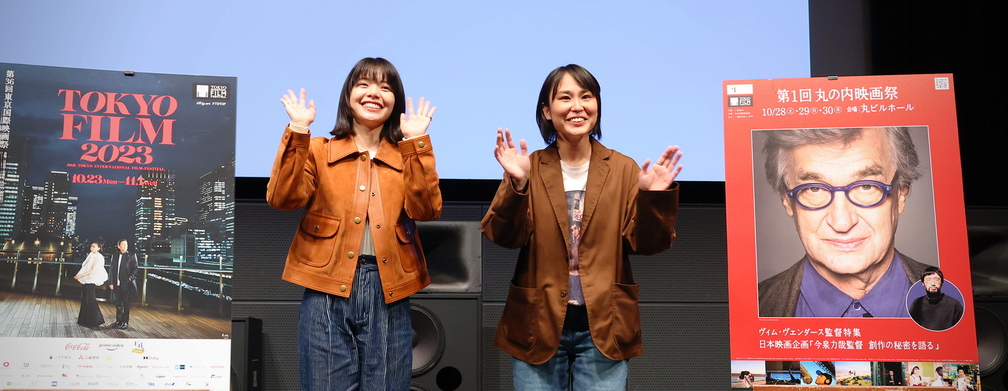 Staff pick
The Tokyo International Film Festival is a prestigious event that celebrates cinematic excellence and showcases a diverse range of films from around the world.…
 Staff pick
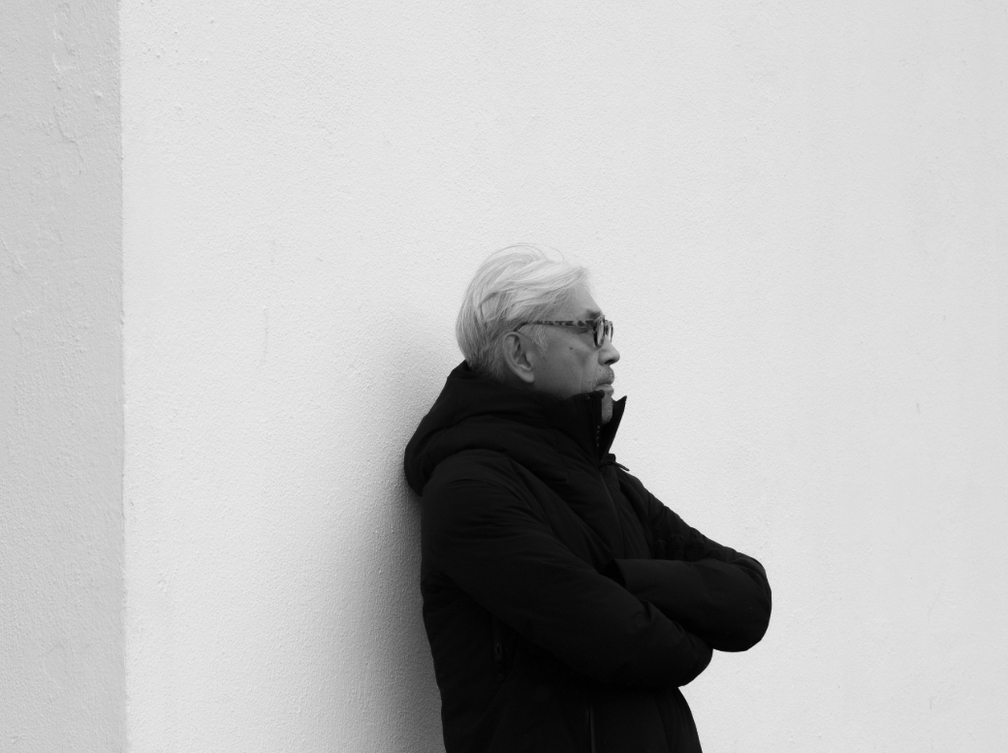
The Ryuichi Sakamoto Exhibition in Tokyo, Japan, offers an immersive journey through the life and artistry of the legendary composer. Held at the Azabudai…
 Staff pick
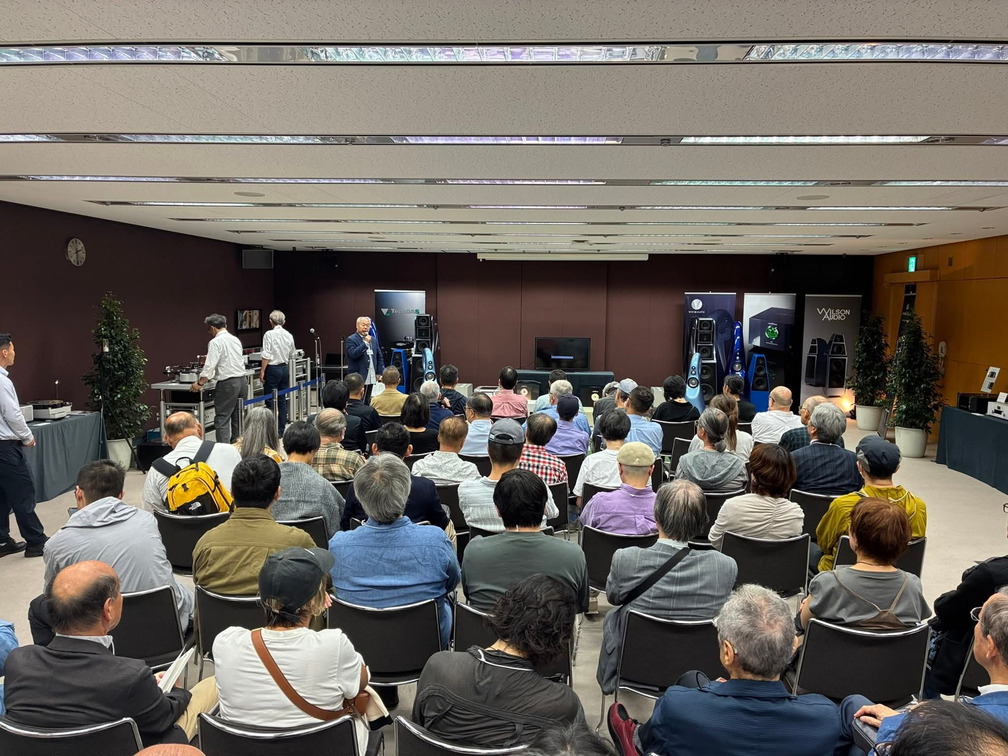
The Tokyo International Audio Show at the Tokyo International Forum in Tokyo, Japan, is a premier gathering for audiophiles and industry professionals. Showcasing the…
 Staff pick
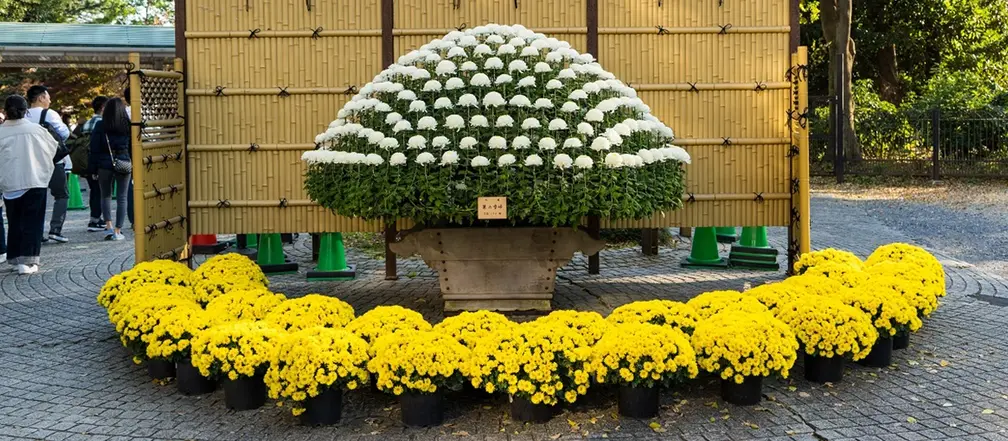
The Chrysanthemum Exhibition at Shinjuku Gyoen National Garden, Tokyo, celebrates the artistry and tradition of chrysanthemum cultivation in Japan. Visitors can stroll through the…
 Staff pick
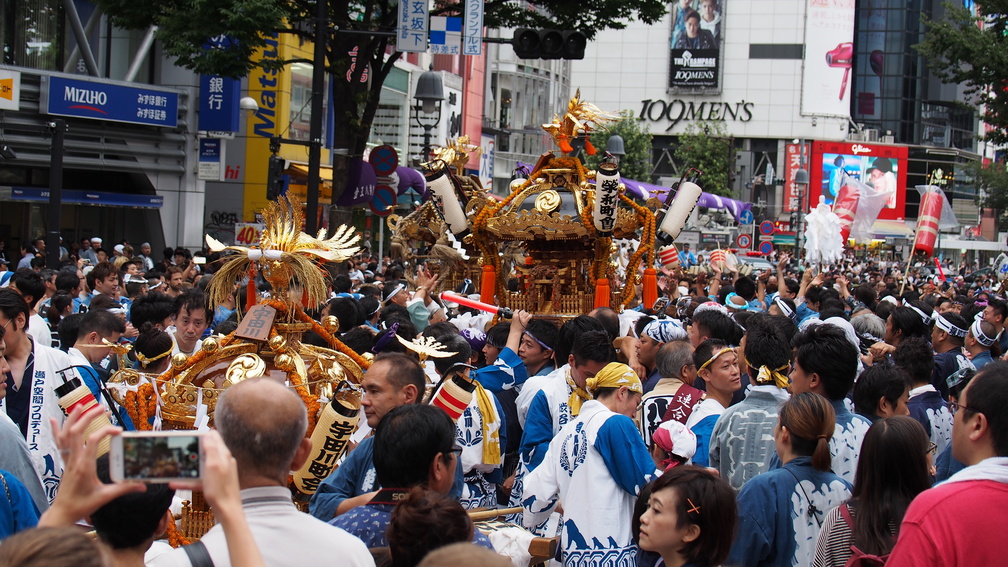
Held each October at Tokyo’s Yasukuni Shrine, the Autumn Festival is a solemn and celebratory three-day event honoring tradition and gratitude. The festival includes…
 Staff pick
Design Matters Tokyo brings together digital designers and creative professionals from around the world to explore the latest trends, ideas, and innovations in digital…
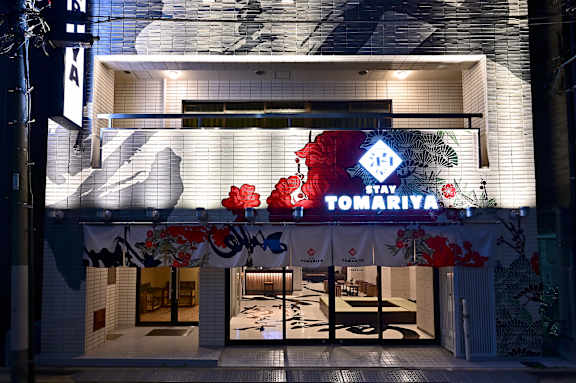
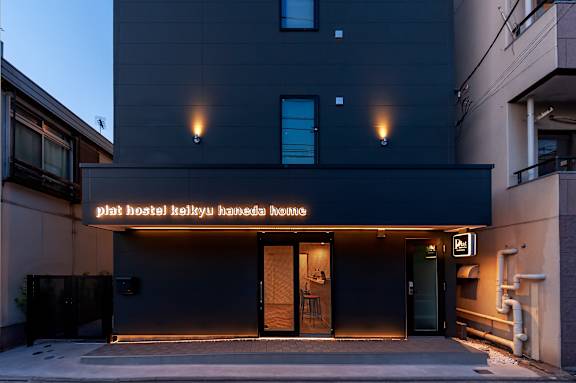
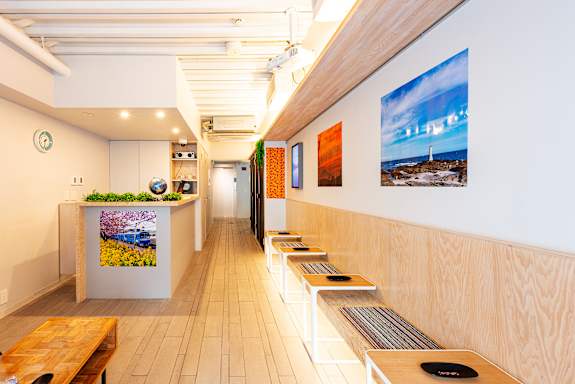
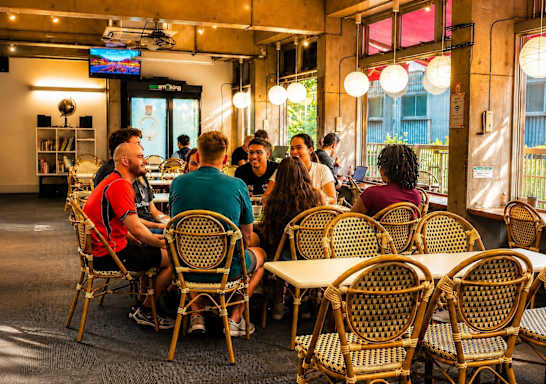
The top-rated places to stay in Tokyo right now, live from Hostelworld.
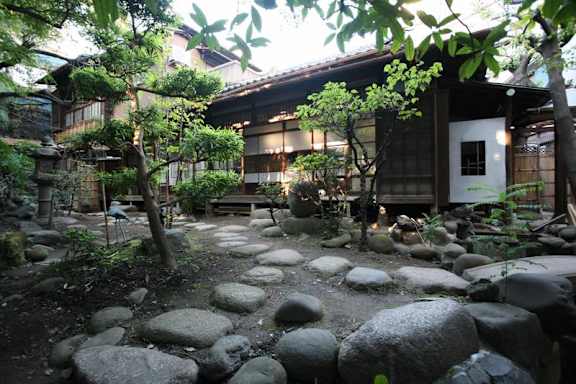
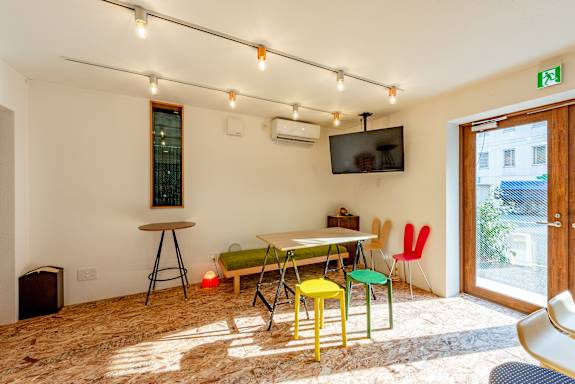
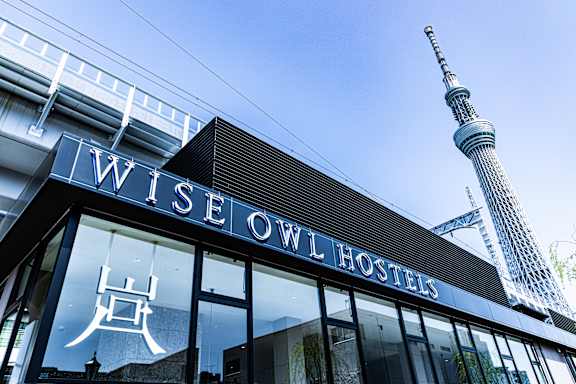
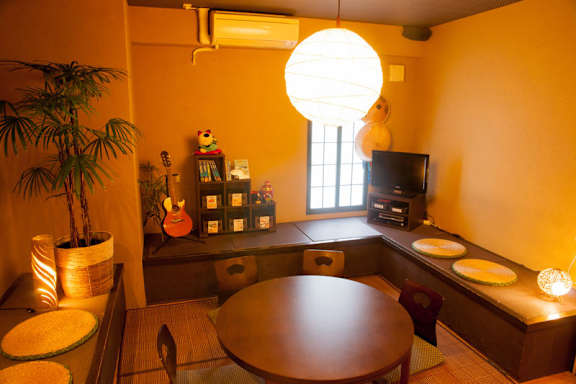
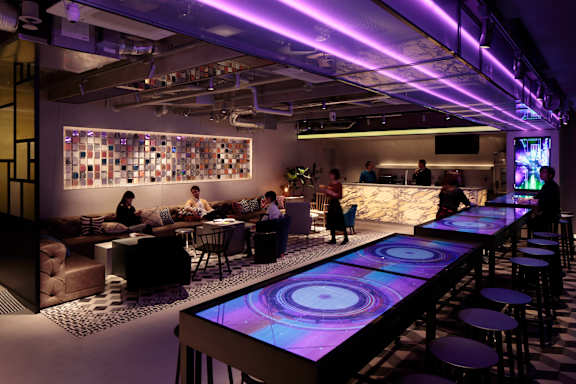
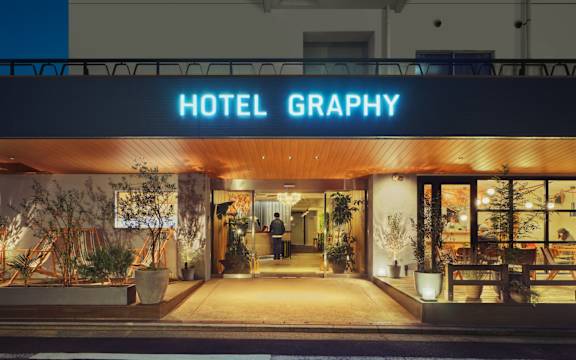
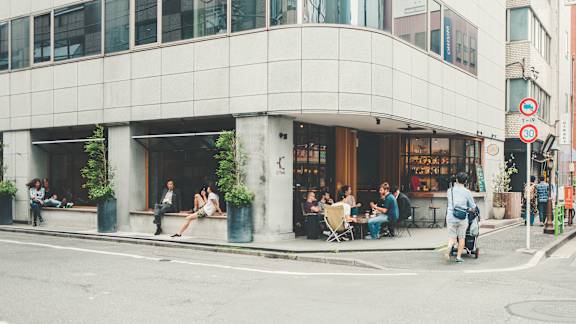
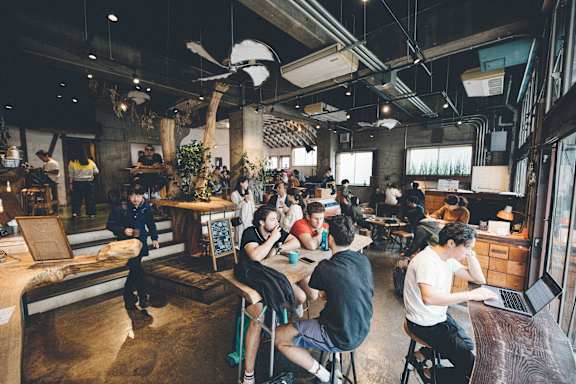
Spring and autumn are best. Summers are hot and humid.
Average highs.
Pick how you travel. Per person per night, in euros.
Prices are in yen locally; these are euro equivalents.
The ones we get asked most.

Compare Tokyo hostels — live prices, real reviews and free cancellation on most bookings. Then meet the people already there in the app.

 Get the App.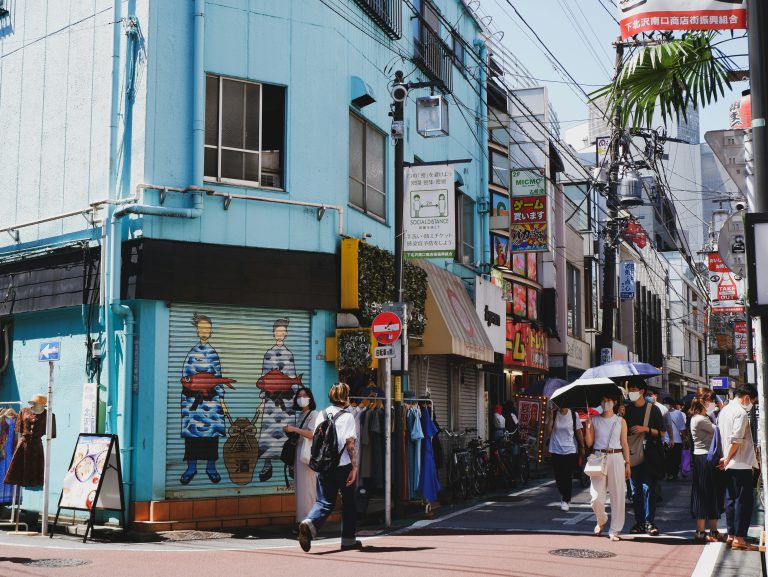

 Get the App.