Rattanakosin
SightsThe Grand Palace and the river.

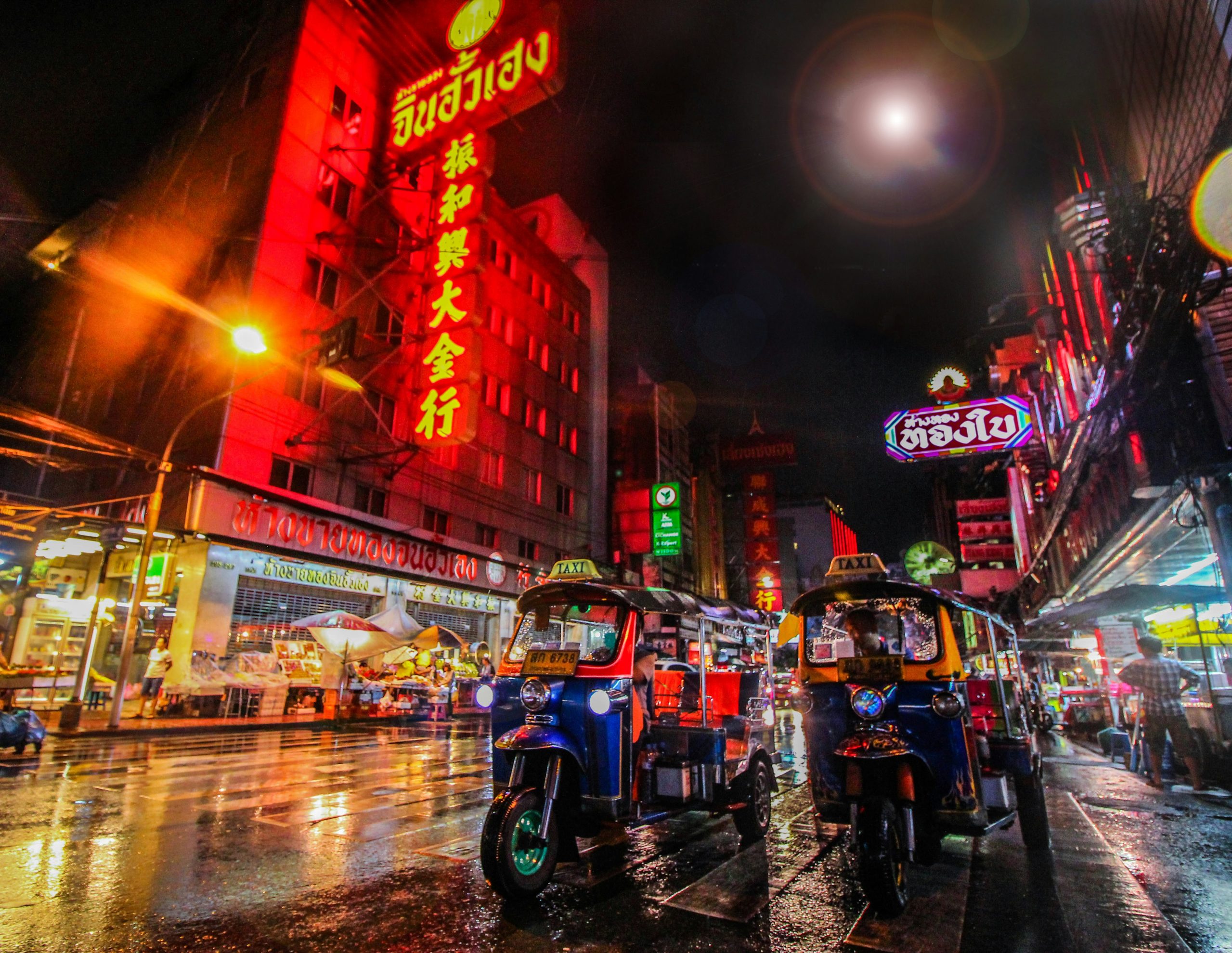
Golden temples, river boats, the best street food on earth and every level of nightlife from rooftop bars to Khao San Road. Loud, hot, overwhelming and worth four days, not the usual two.
Bangkok became the Thai capital in 1782, after the old capital at Ayutthaya was destroyed, and the kings built the Grand Palace and the great temples on the banks of the Chao Phraya river. Its full ceremonial name is one of the longest place names in the world; Thais call it Krung Thep, the city of angels.
It is now a megacity of over ten million people, with skytrains over traffic jams, canals, markets and malls side by side, and the best street food scene in the world.
Most travellers rush through on the way to the islands or the north. Stay four days, and add a day trip to the ruins of Ayutthaya.
Rattanakosin, the old royal island, is beside the Grand Palace and the river. Khao San Road, nearby, is the famous backpacker street, loud and cheap. Sukhumvit, along the BTS Skytrain, has the nightlife, malls and transport, and Chinatown, around Yaowarat Road, the best street food.
The Grand Palace and the river.
The famous backpacker street.
Bars, clubs and the BTS.
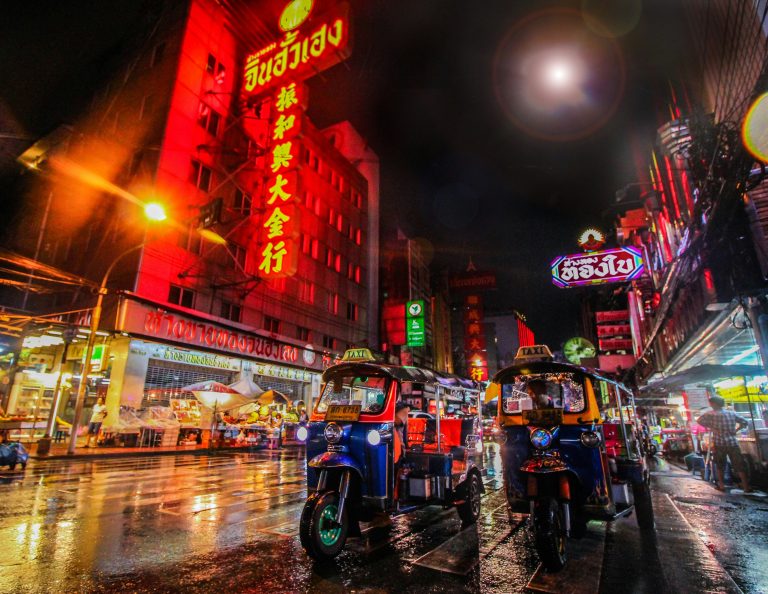
Yaowarat Road.
Orange labels are neighbourhoods, dots are the 12 top-rated hostels. Map data from OpenStreetMap contributors.
Bangkok, Thailand's capital since 1782, is a city of golden temples, river life, street food and rooftop bars, with over ten million people.
The Grand Palace, the former royal residence, encloses Wat Phra Kaew, home of the Emerald Buddha, Thailand's most sacred image; go early, and dress with shoulders and knees covered. Wat Pho, next door, has a 46-metre gold reclining Buddha and the country's most famous massage school, where you can book a traditional Thai massage. Across the river, Wat Arun, the Temple of Dawn, is covered in porcelain mosaic; climb it, then watch the sunset from the other bank.
Ride the Chao Phraya Express boats along the river, and explore the canals, khlongs, of Thonburi by long-tail boat. At weekends, Chatuchak Market has over 15,000 stalls. The Jim Thompson House is a teak home built by the American who revived Thai silk, and Lumpini Park has giant monitor lizards among the joggers.
In the evening, eat your way along Yaowarat Road in Chinatown, then drink at a rooftop bar with views over the city.
Ayutthaya, the ruined old capital, is about an hour and a half by train, and the Maeklong Railway Market folds its stalls back as the train passes.
Many temples are free, including Wat Saket, the Golden Mount's neighbourhood temples, and the smaller wats of the old town. Lumpini Park and its monitor lizards are free, and so is wandering Chinatown, the flower market at Pak Khlong Talat and Chatuchak.
The Chao Phraya ferries cost under €1, a cheap river tour. Watching the sunset over Wat Arun from the Tha Tien side is free.
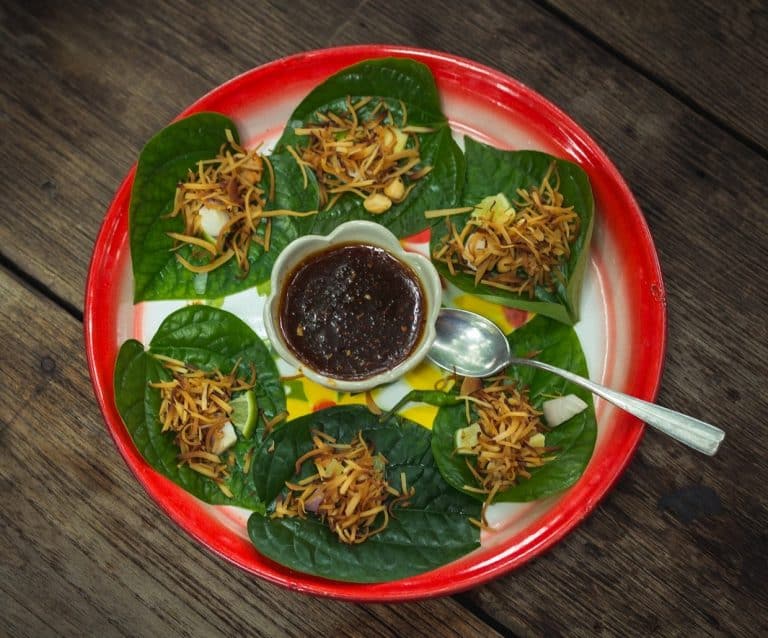
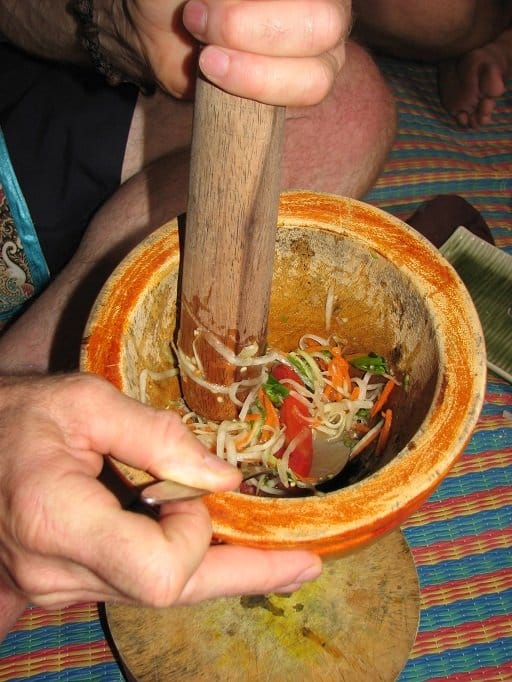
Bangkok is one of the world's great street-food cities. Pad thai, rice noodles stir-fried with egg, tofu and shrimp; som tam, spicy green papaya salad; tom yum, a hot and sour soup; and khao man gai, poached chicken on rice, cost €1 to €3 from stalls.
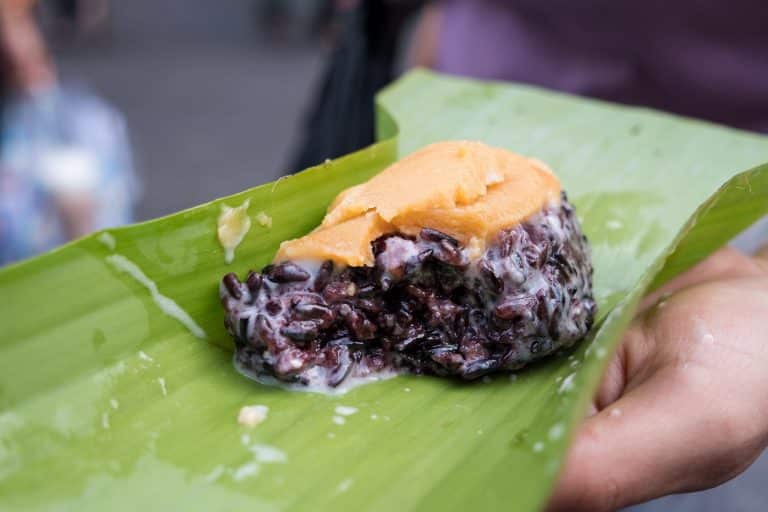
Yaowarat Road in Chinatown is the best street-food street, with stalls selling crab, noodles and sweets at night. Mango sticky rice is the classic dessert. Several street stalls have Michelin recognition, and the food courts in malls are cheap and clean.
A street meal is €1 to €3; a restaurant meal €6 to €15.
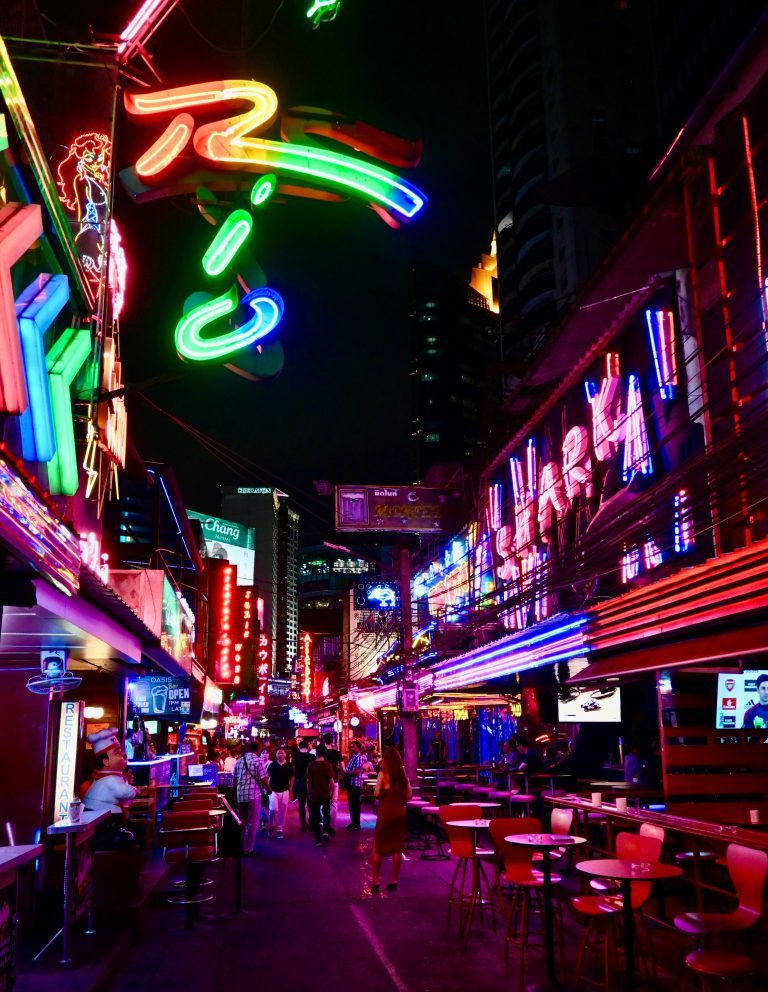
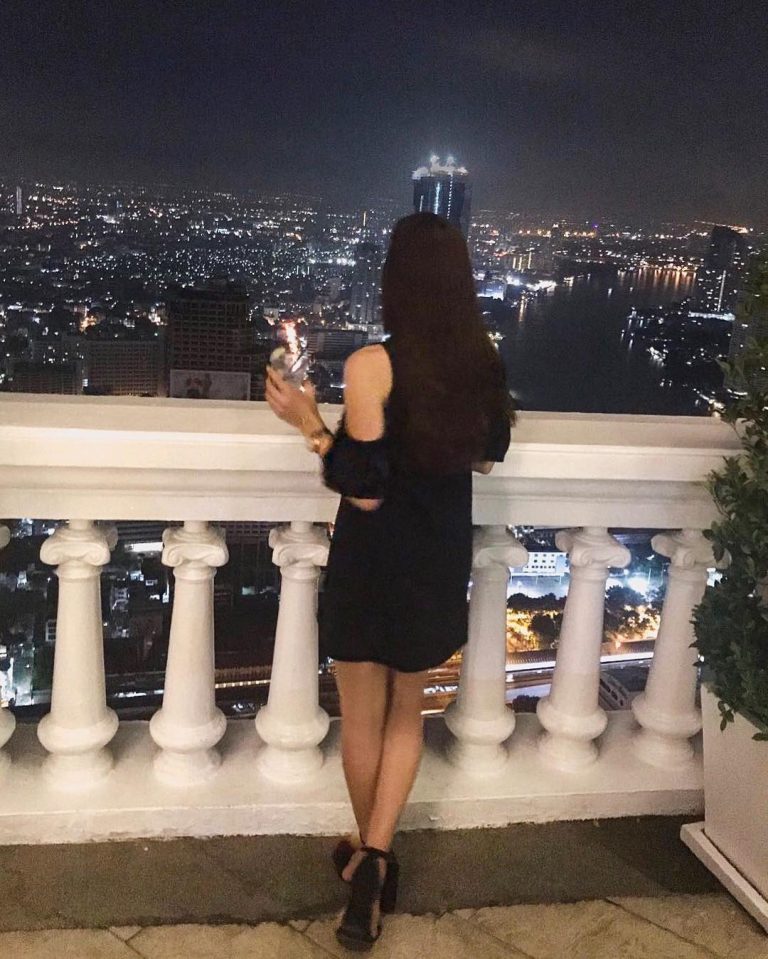
Bangkok's nightlife is enormous. Khao San Road is the backpacker party street, with cheap buckets and bars until late. Sukhumvit has clubs, cocktail bars and live music, around Soi 11 and Thonglor. Rooftop bars, some of the highest in the world, have views over the city.
Alcohol is not sold on Buddhist holidays and on election days.
A beer is €2 to €5; rooftop cocktails €10 to €20.
The BTS Skytrain and MRT metro avoid the traffic; tap a contactless bank card or buy a Rabbit card for the BTS. River boats are cheap and scenic.
From Suvarnabhumi Airport, the Airport Rail Link reaches the city in about thirty minutes. Don Mueang, the budget-airline airport, has the SRT Red Line.
Use Grab or metered taxis, and agree tuk-tuk prices first. Trains leave Krung Thep Aphiwat Central Terminal for Chiang Mai and the south.
Land crossings into Cambodia have been closed or heavily restricted since mid-2025; check the current situation and expect to fly.
Bangkok is cheap to mid-priced. Dorms start around €8 and a careful day is €25 to €40.
The Grand Palace is about €14, Wat Pho about €8, Wat Arun about €5. A Skytrain ride is under €2, and a Thai massage at Wat Pho about €12 to €18.
The currency is the baht (THB), at roughly 37 to 40 baht to the euro; prices here are euro equivalents. Thai ATMs charge foreign cards about 220 baht per withdrawal, so take out larger amounts. Cards work in cities and resorts; street food is cash or QR payment.
Bangkok is safe, but the scams are famous. Anyone telling you the Grand Palace is closed today is starting one. Avoid tuk-tuk tours that stop at gem shops, and agree fares first.
Traffic is dangerous; cross with care. The heat is intense from March to May.
At temples and palaces, cover shoulders and knees, take off your shoes, and never point your feet at a Buddha image.
Since June 2025, cannabis flower has been a controlled substance: visitors may not buy or use it without a prescription from a licensed Thai doctor, even though some shops still operate.
Since 15 September 2026, eligible visitors get 30 days visa-free, for tourism only, extendable once by 30 days at an immigration office, and fewer nationalities qualify, so check whether you now need a visa. All visitors must complete the Thailand Digital Arrival Card (TDAC) online within three days before arriving.
Tourist Police: 1155. Emergency: 191 police, 1669 ambulance.
The ruined capital, the Death Railway and markets.
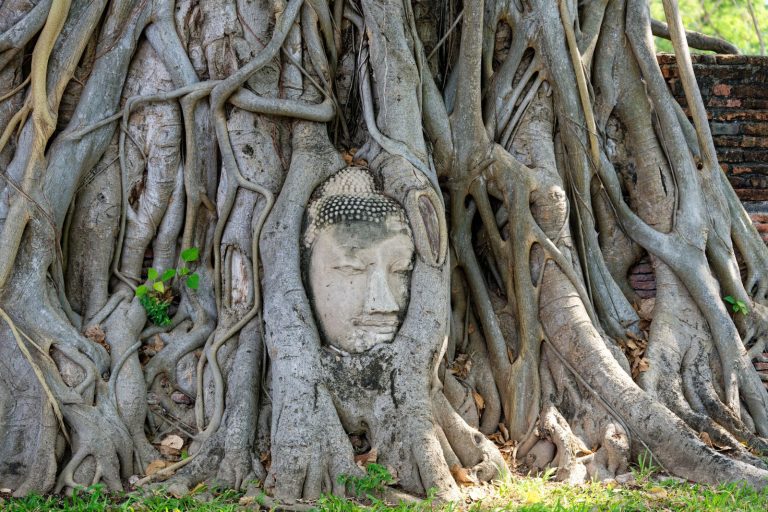
The ruined old capital, a UNESCO site.
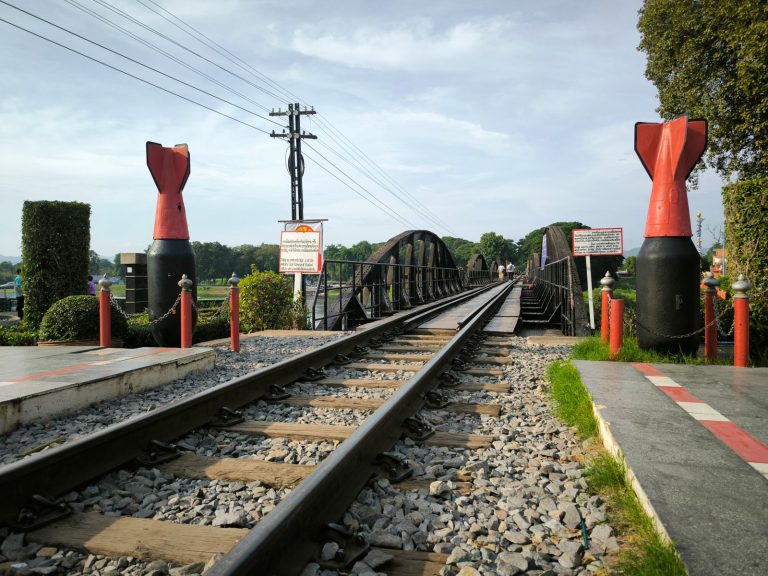
The River Kwai and the Death Railway.
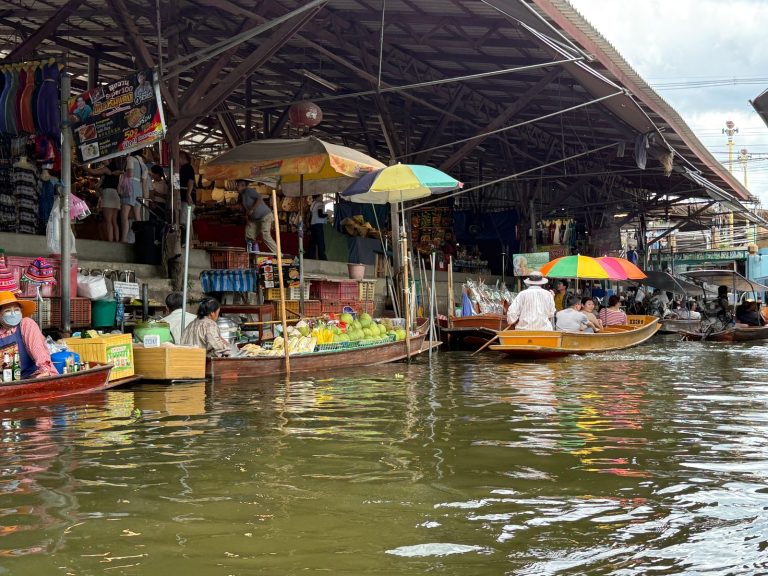
The famous floating market.
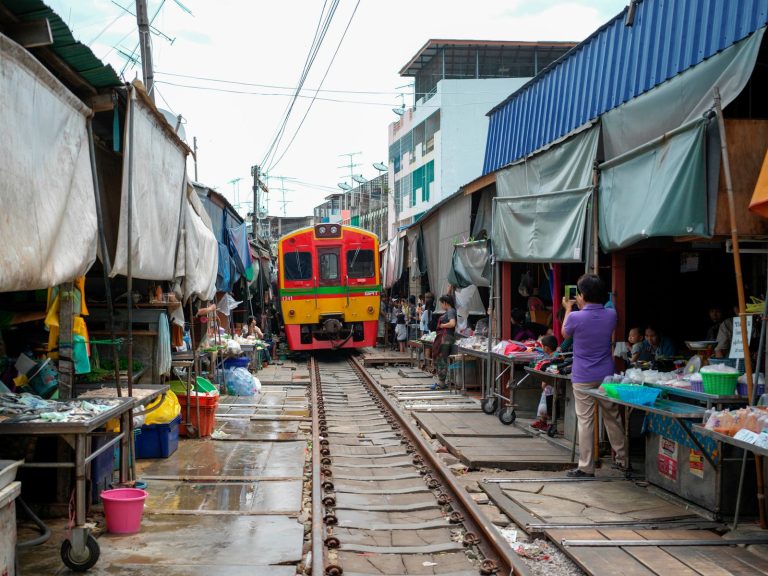
A market on the train tracks.
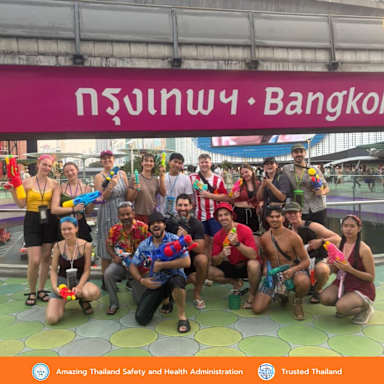
Songkran in April is the biggest water fight in the world.
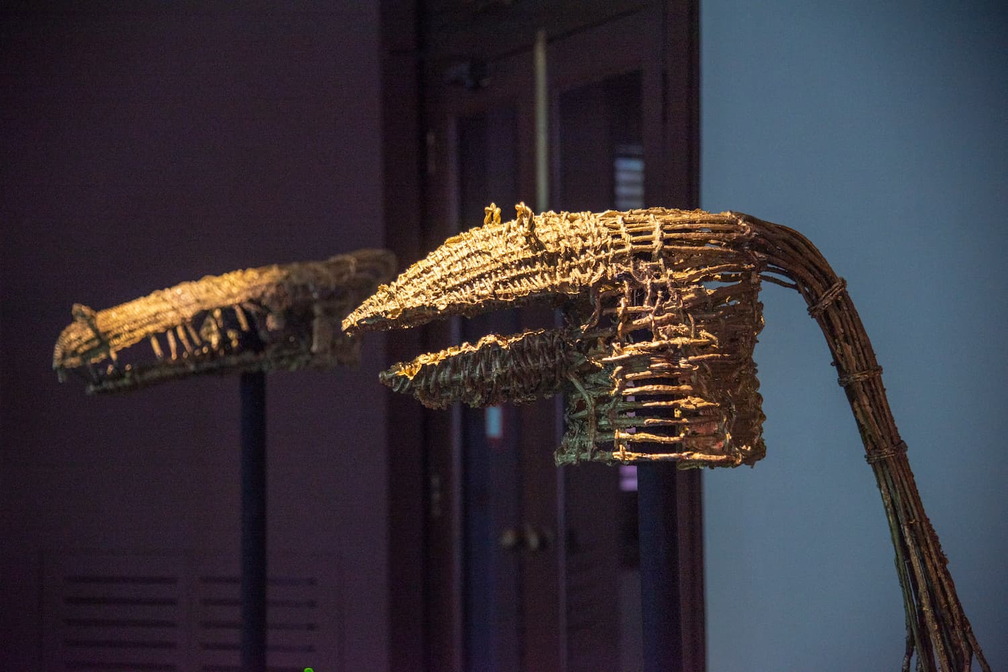 Staff pick
The Bangkok Art Biennale transforms Thailand’s capital into a dynamic hub for contemporary art, showcasing works from over 300 international artists across public spaces,…
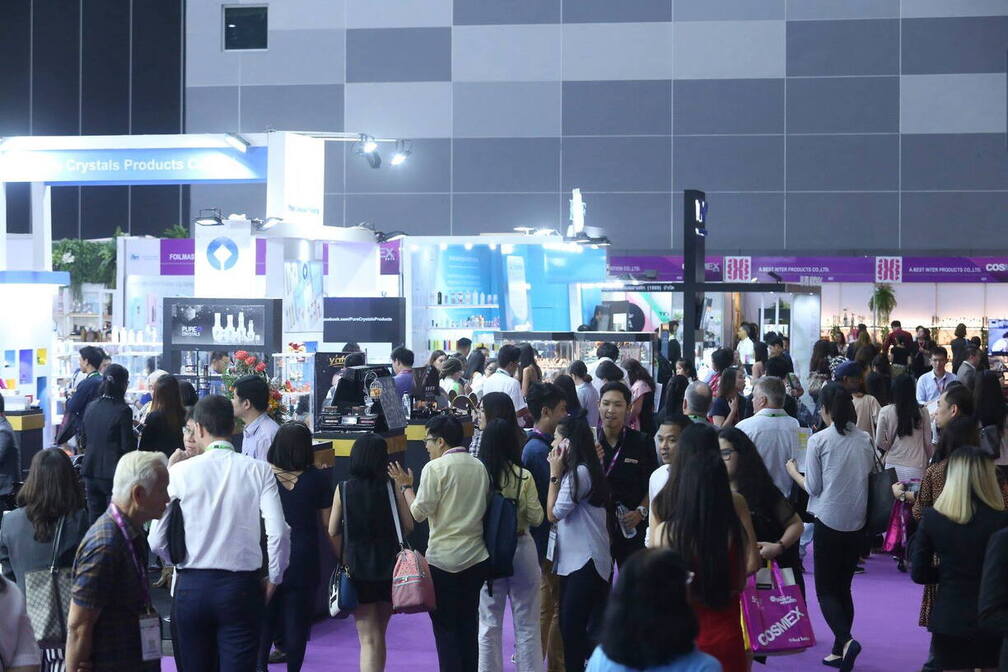 Staff pick
The Thailand Beauty Expo is a premier event that showcases the latest trends and innovations in the beauty and cosmetics industry, connecting industry professionals,…
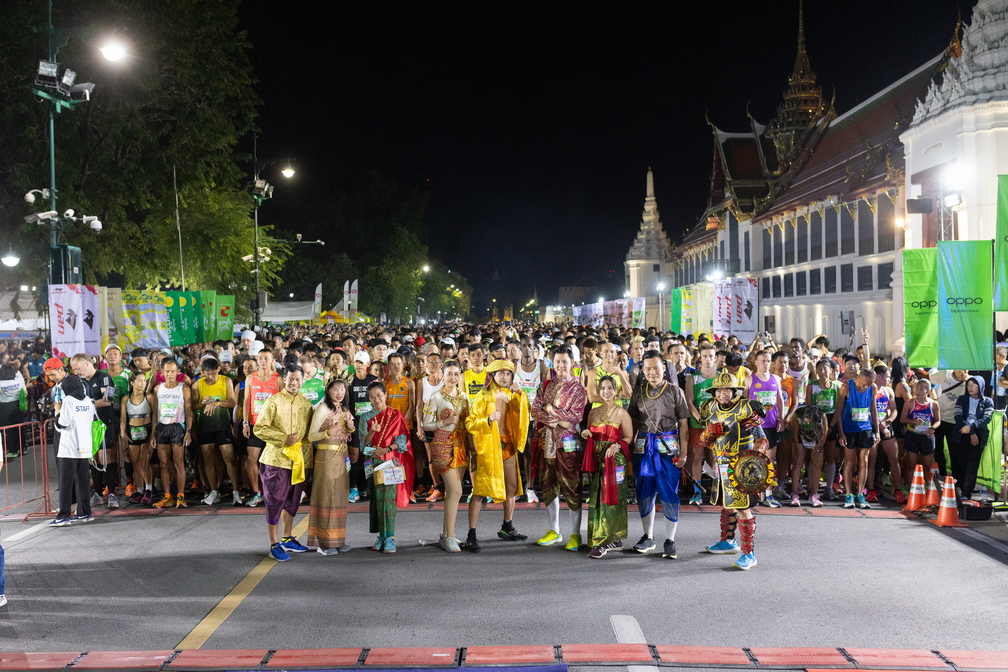 Staff pick
Athletes and running enthusiasts will participate in the Bangkok Marathon, an annual event that attracts thousands of runners to compete in various race categories…
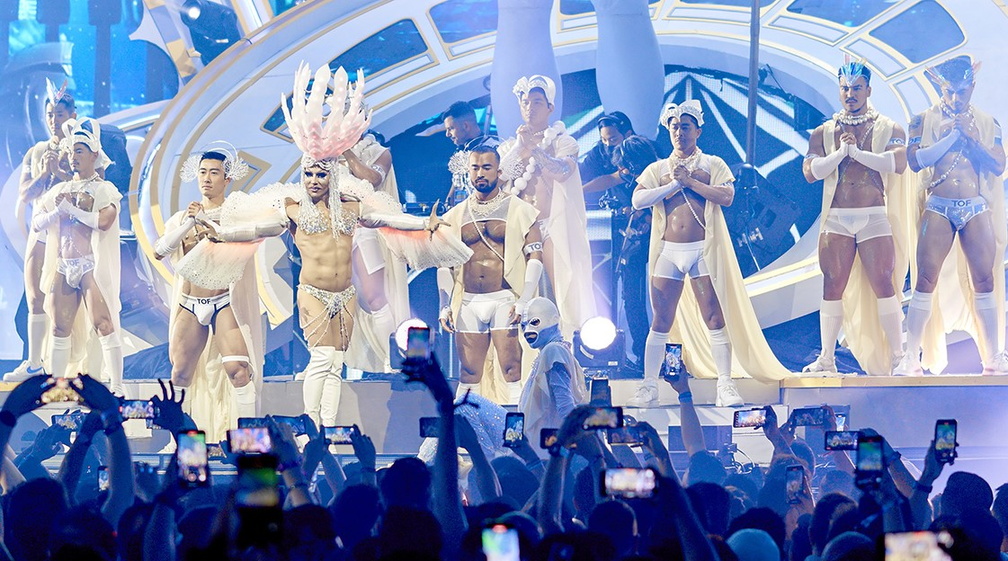 Staff pick
White Party New Year Festival in Bangkok is one of the world’s most spectacular LGBTQ+ celebrations, drawing tens of thousands of visitors from across…
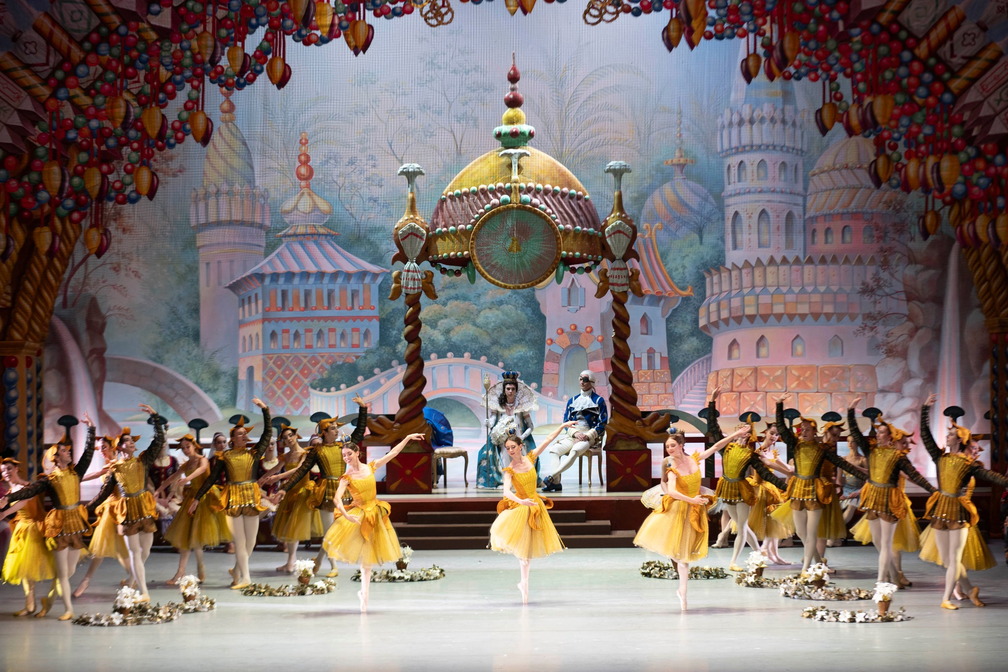 Staff pick
Bangkok's International Festival of Dance & Music is a premier cultural event that has brought world-class performances to Thailand since 1999. Hosted at the…
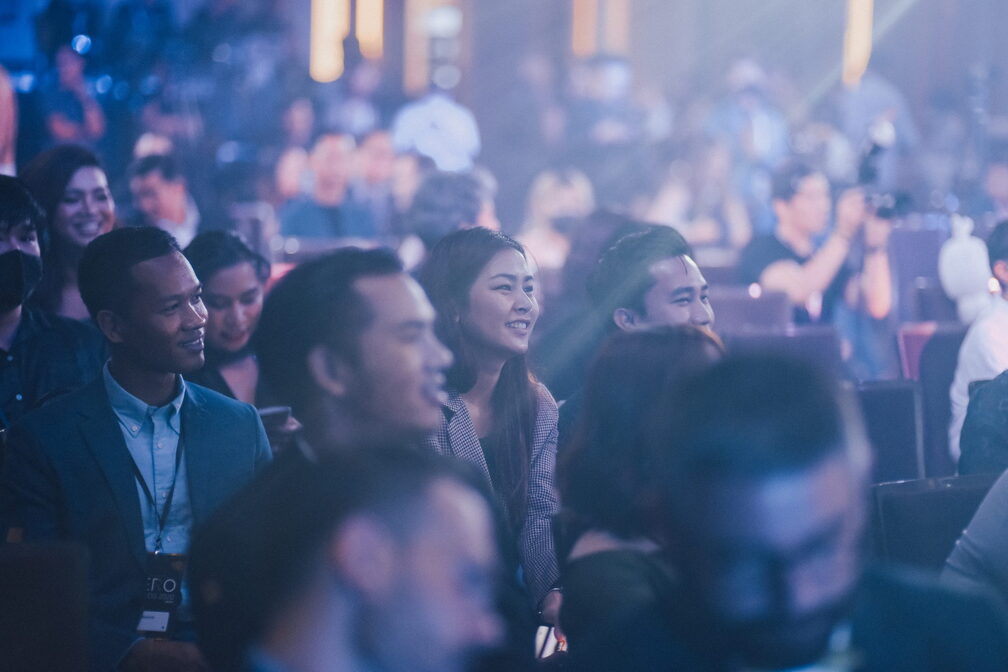 Staff pick
The HERO Awards in Bangkok, Thailand, is a distinguished gala celebrating individuals and organizations making significant strides in LGBTQI rights, HIV advocacy, health equity,…
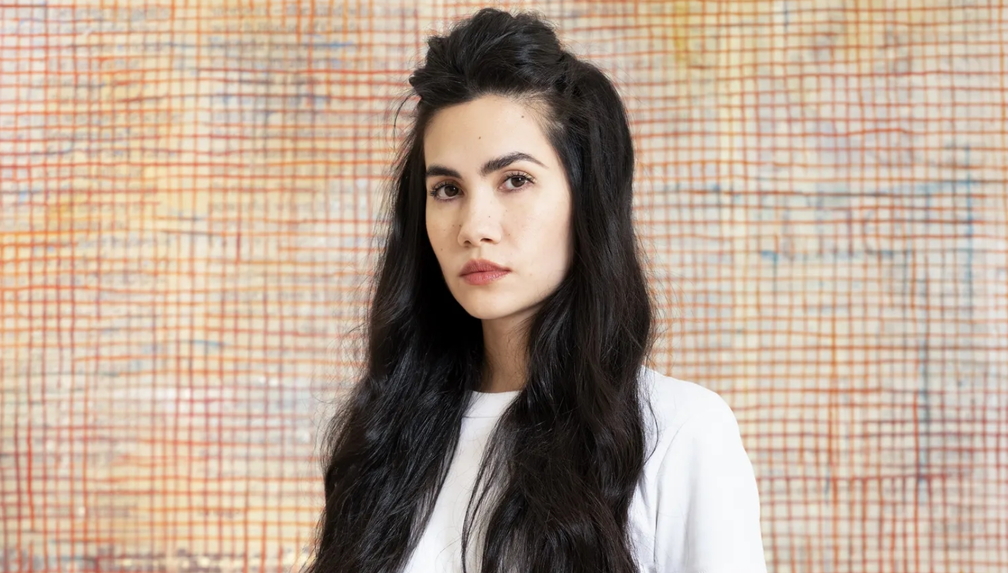
Mandy El-Sayegh is one of the commissioned artists featured in the Bangkok Art Biennale 2026. The event explores the theme Angels and Mara, which…
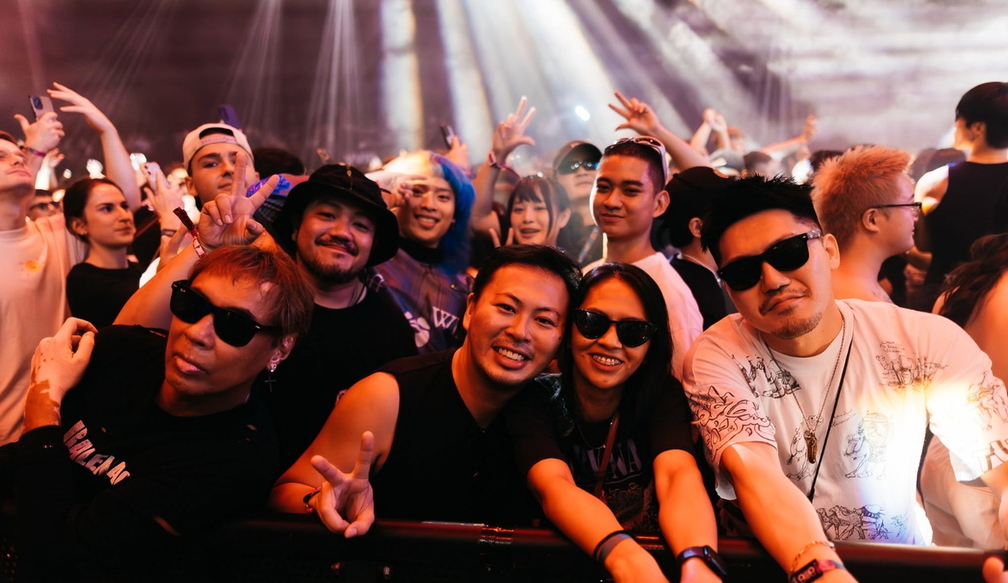
808 Festival 2026 brings two nights of world-class electronic music to Bangkok with top international DJs and rising regional talent. The event promises powerful…
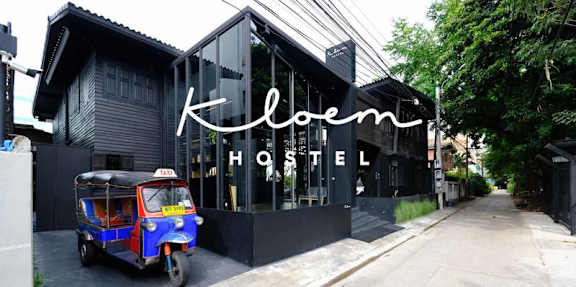
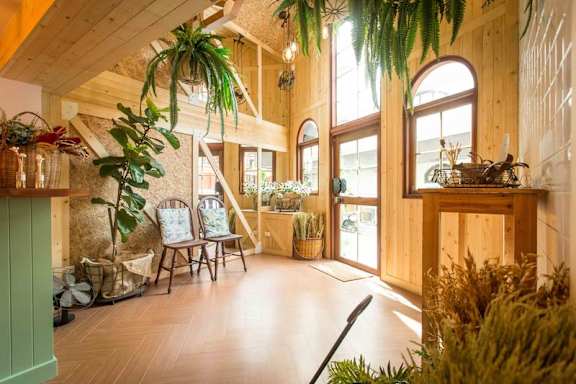
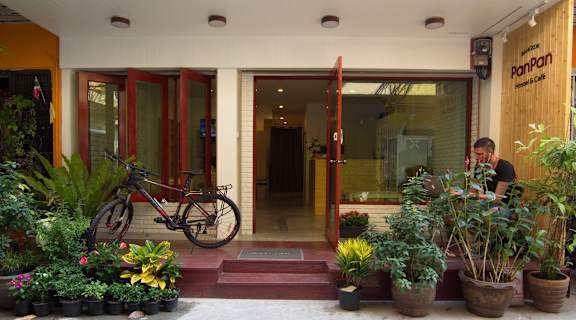
The top-rated places to stay in Bangkok right now, live from Hostelworld.
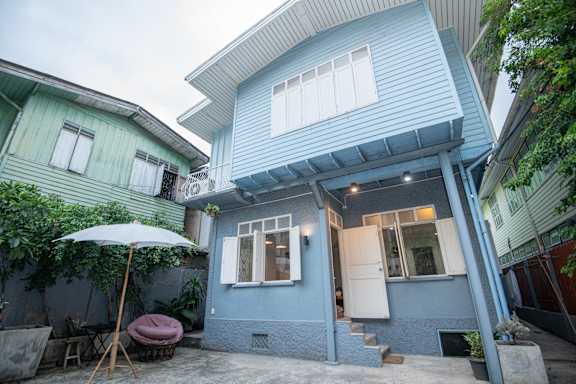
 Sustainable
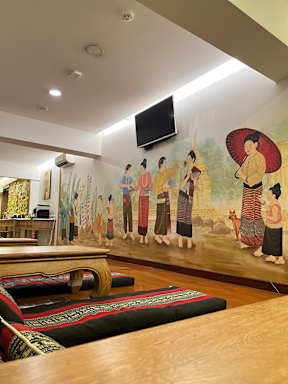 Sustainable
November to February is the cool, dry season. March to May is very hot; June to October is the rainy season.
Average highs. It is hot all year.
Pick how you travel. Per person per night, in euros.
Prices are in baht locally; these are euro equivalents. Excludes temple entry.
The ones we get asked most.

Compare Bangkok hostels — live prices, real reviews and free cancellation on most bookings. Then meet the people already there in the app.

 Get the App.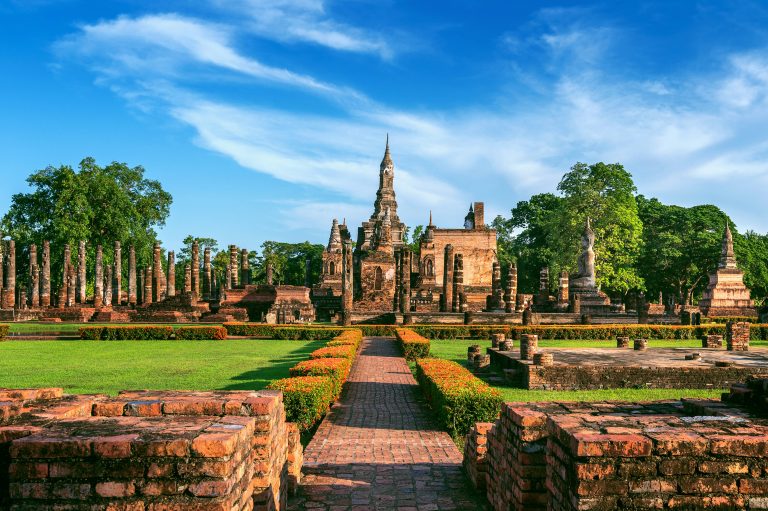

 Get the App.