Thailand
Thailand country guide

Things To Do In Thailand

The country that invented the backpacker trail and still does it better than anywhere. Bangkok, a mountainous north, two coasts with different monsoons, and prices that have barely moved in a decade.

€7
Dorm bed, from
1,430
Islands
€1.50
A plate of pad thai
2
Coasts with opposite monsoons

Three countries in one, depending where you land

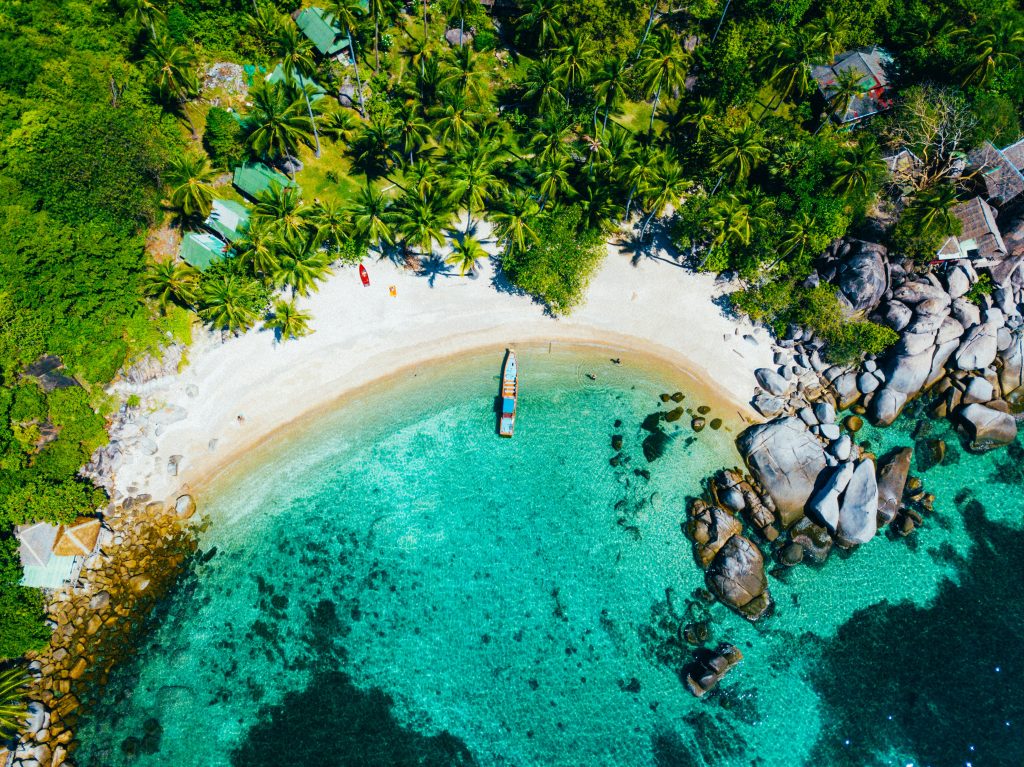
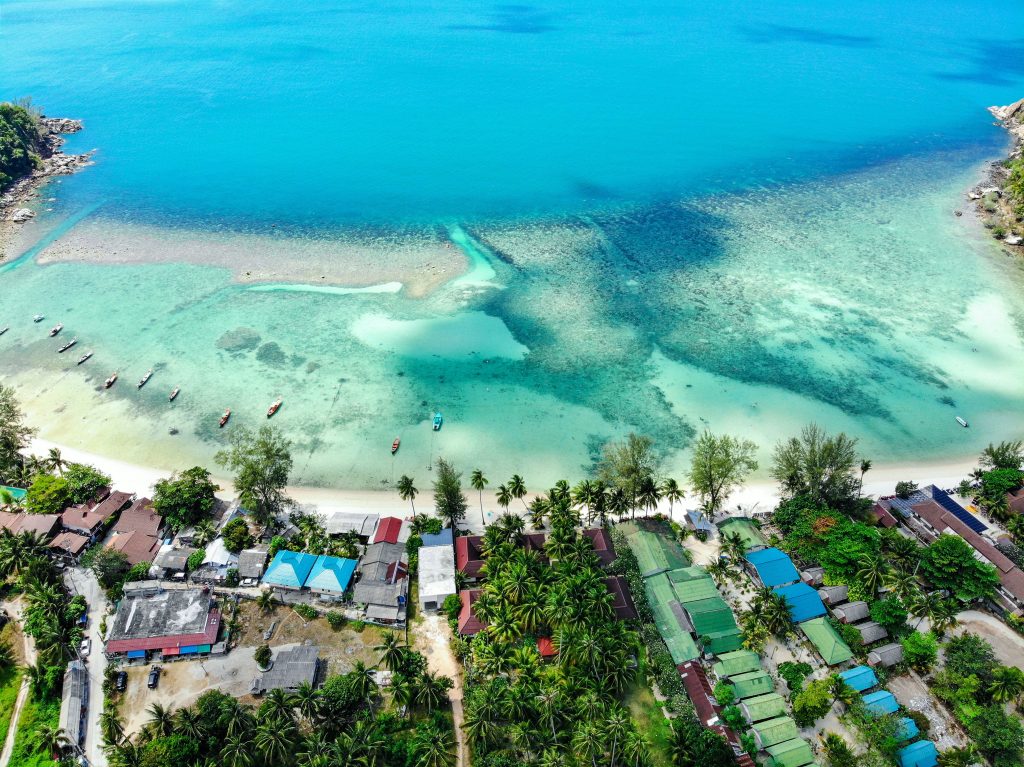
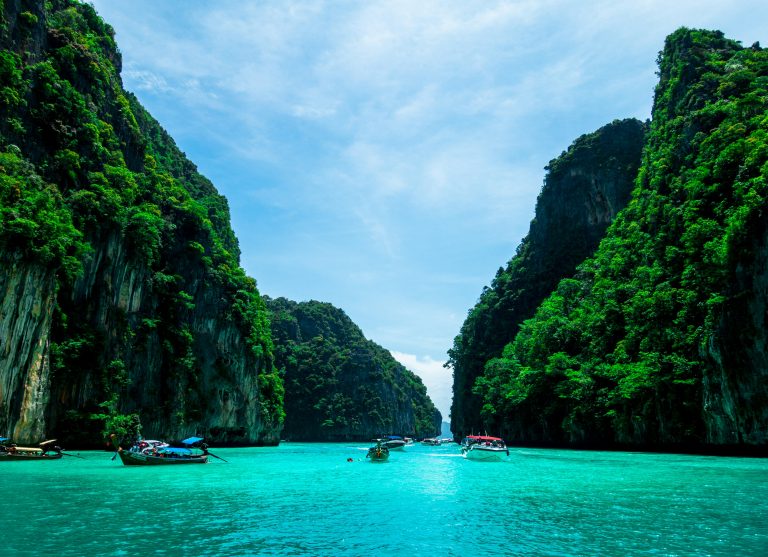
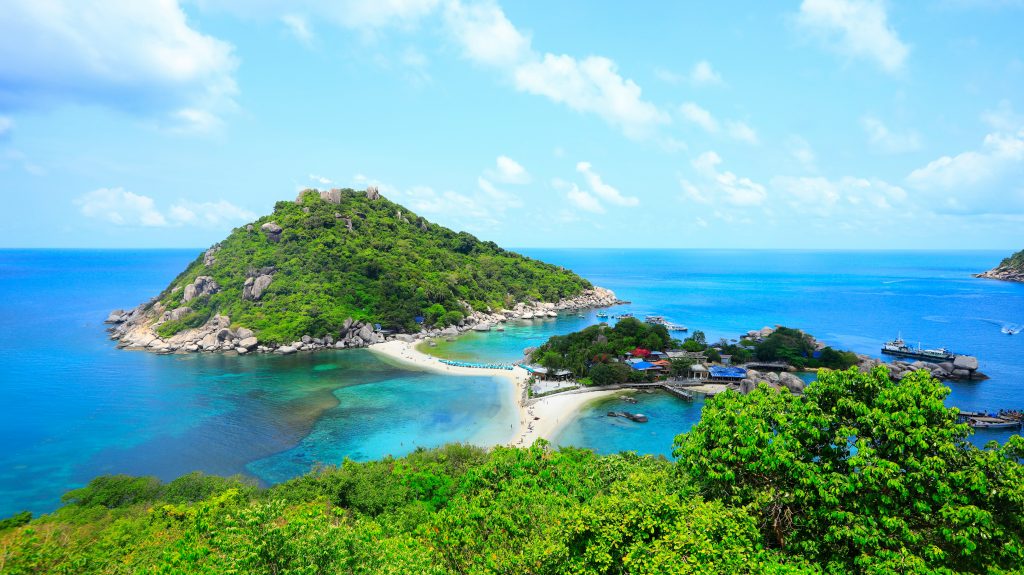
Thailand divides into three trips and most people try to do all of them. Bangkok is the arrival point and deserves more than the two days it usually gets — street food, temples, river boats and a nightlife that runs at every price level. The north around Chiang Mai and Pai is mountains, cooler air, trekking and the best food in the country by many Thais' reckoning. The islands are the postcard, and they split into two coasts with opposite weather.

That last point is the one that catches people out. The Andaman side — Phuket, Krabi, Koh Lanka — is best from November to April. The Gulf side — Koh Samui, Koh Phangan, Koh Tao — runs later and stays good through much of the Andaman's wet season. If your dates are fixed, pick the coast that suits them rather than the island a friend recommended.

Two weeks does Bangkok, the north and one coast. A month does the country properly, and Thailand is set up for exactly that.

Where to go

Flights, trains and overnight buses link everything cheaply. Bangkok is the hub for all of it.

Bangkok

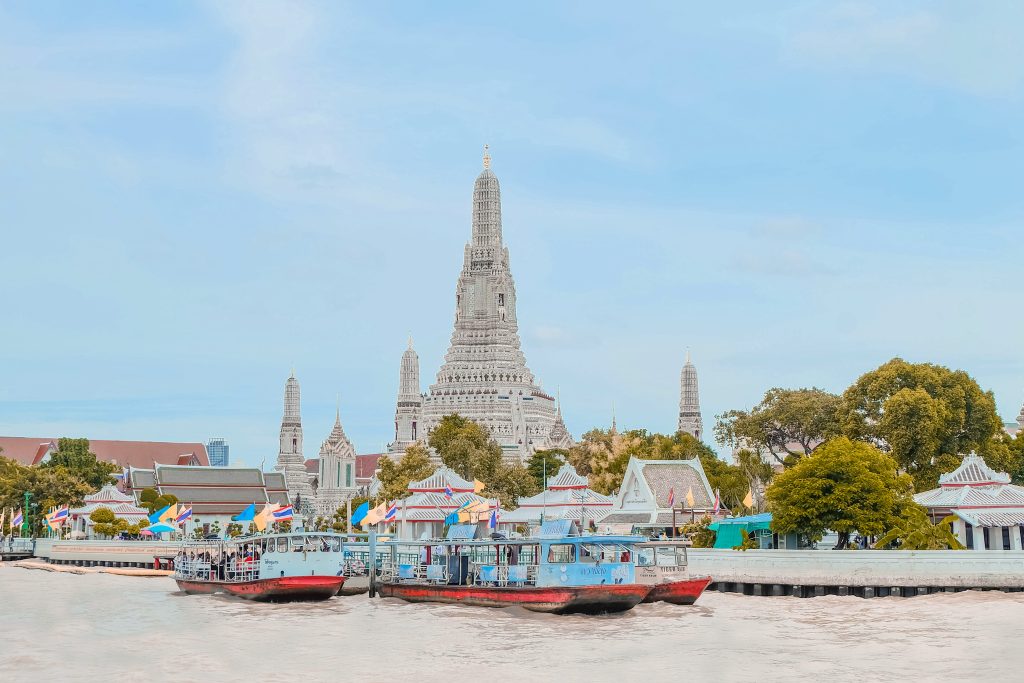
Bangkok

322 hostels · dorms from €9

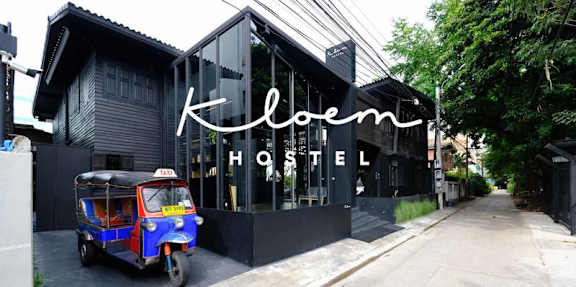
Street food, temples, river boats and every level of nightlife. Worth four days, not the usual two.

Such an enjoyable city, great food, so many sites to see

A traveller, on Hostelworld
The Bangkok guide
Chiang Mai

Chiang Mai

188 hostels · dorms from €3

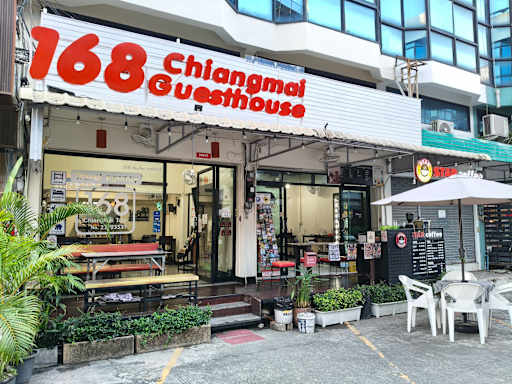
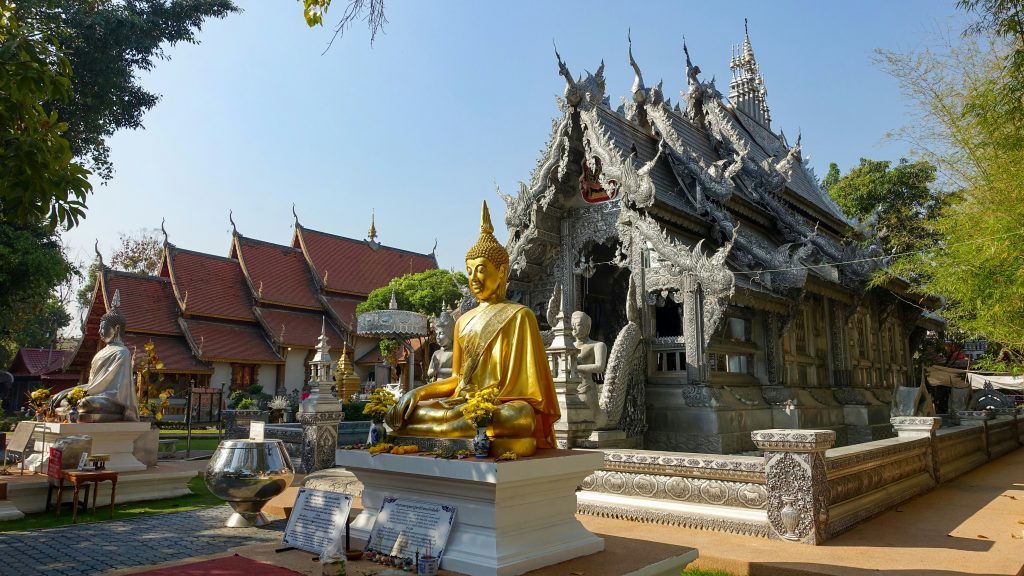
The northern capital: old city temples, cooking schools, mountains and ethical elephant sanctuaries.

This is a very vibrant buzzing place with excellent places to eat, especially the market where the food is very cheap and excellent. Lovely bars and night clubs open till 8am where the misoc is top notch.

A traveller, on Hostelworld
The Chiang Mai guide
Chiang Rai

Chiang Rai

27 hostels

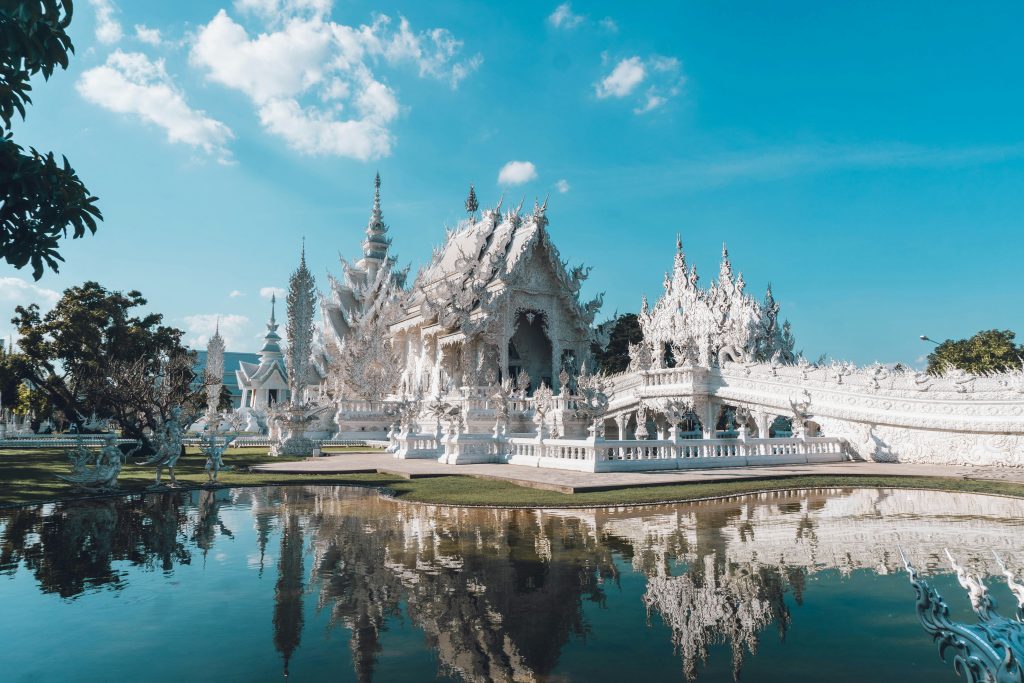
The far north: a white temple, a blue temple, hill tribe villages and the Golden Triangle where three countries meet.

Chiang Rai is a beautiful and peaceful place. The scenery is amazing and the people are very friendly. I really enjoyed my trip!❤️

A traveller, on Hostelworld
The Chiang Rai guide
Pai

Pai

67 hostels

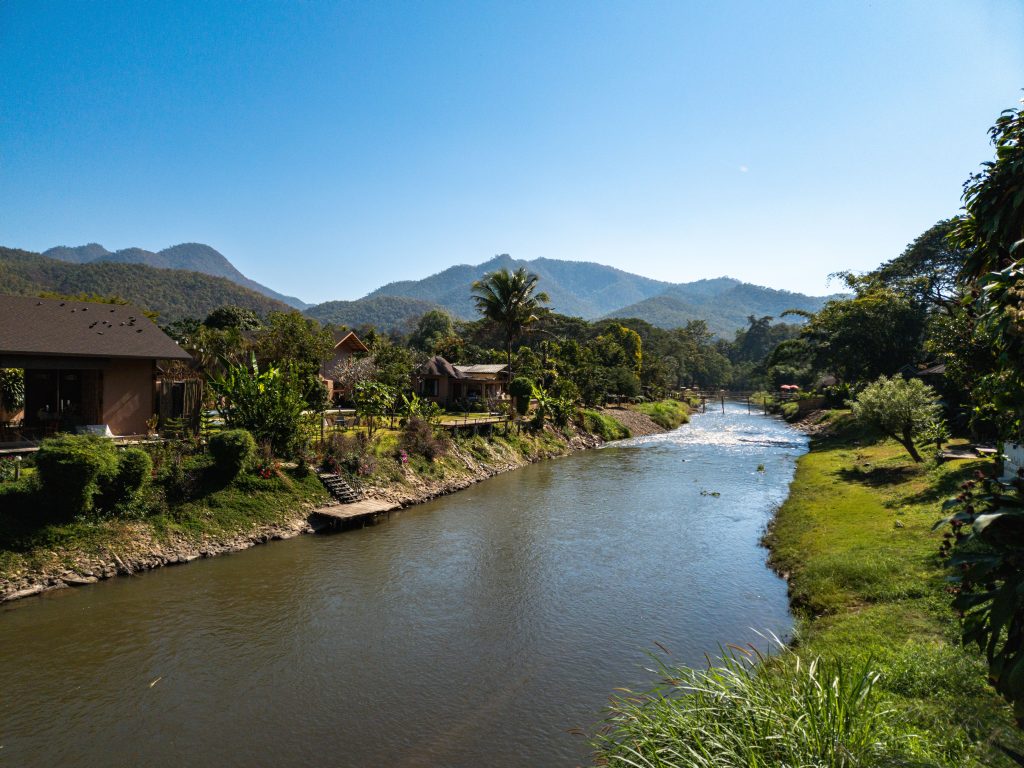
A mountain town three hours north of Chiang Mai, on 762 bends, with hot springs and canyons.

The Pai guide
Sukhothai

Sukhothai

1 hostel

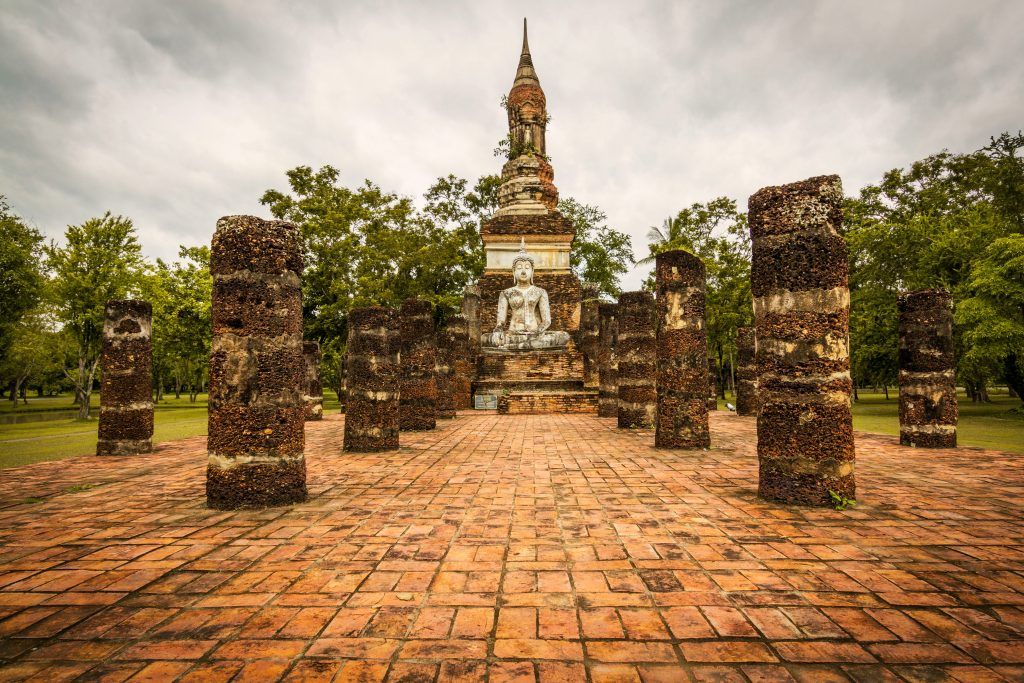
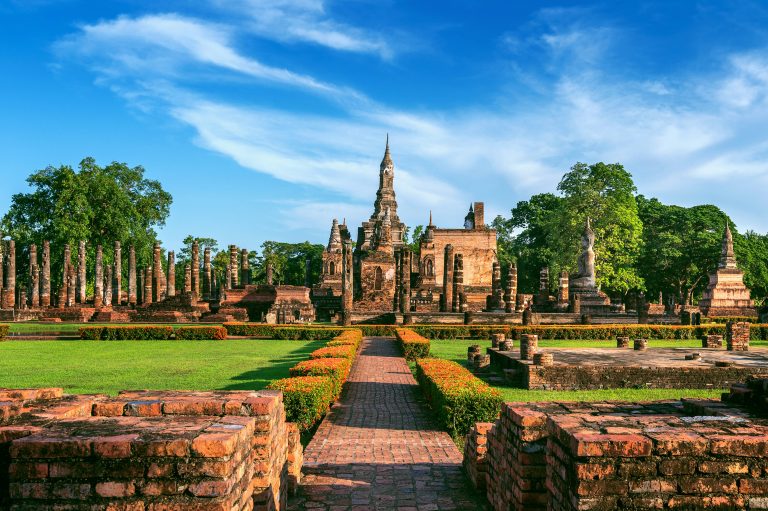
The first Thai capital, older and quieter than Ayutthaya, best seen by bicycle at dawn among the lotus ponds.

Sukhothai has great Thai kingdom, history & culture. There are several historical places and sites to explore & learn about Thailand.

A traveller, on Hostelworld
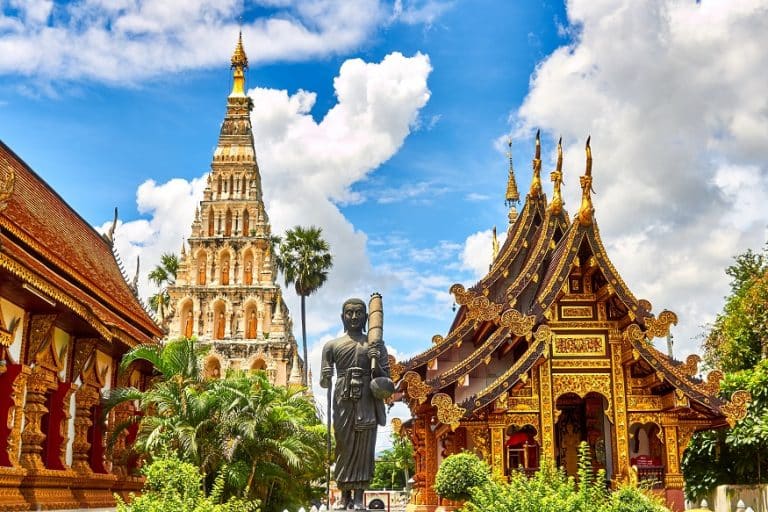
The Sukhothai guide
Kanchanaburi

Kanchanaburi

16 hostels

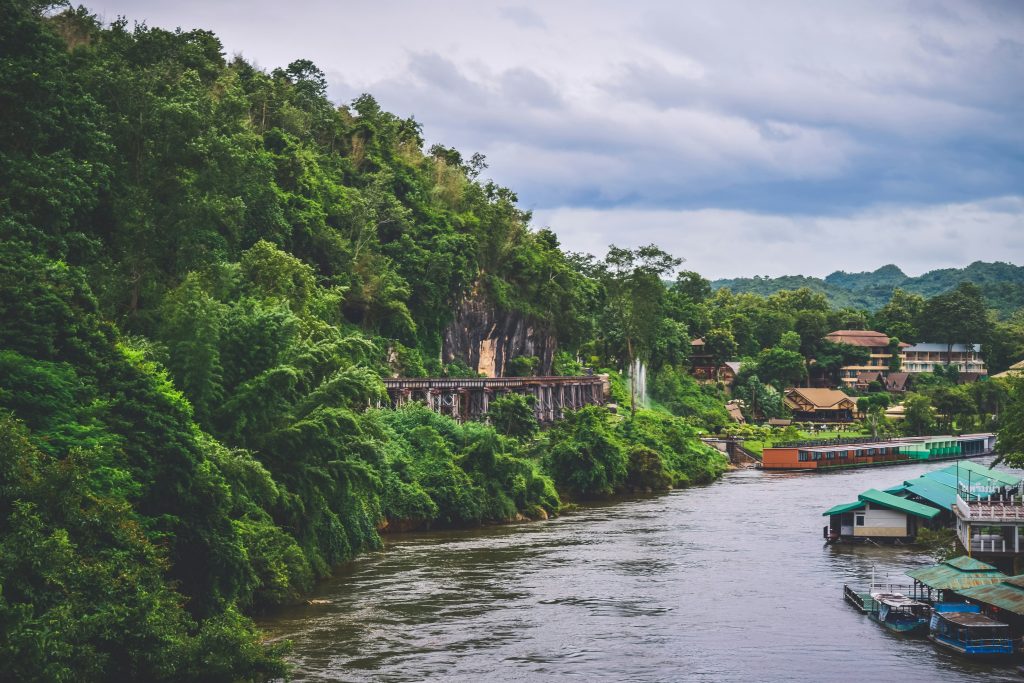
The bridge over the River Kwai, war cemeteries, waterfalls and the Death Railway along a cliff.

People were friendly it was easy to get around the national park near by was beautiful

A traveller, on Hostelworld
The Kanchanaburi guide
Krabi

Krabi

62 hostels · dorms from €6

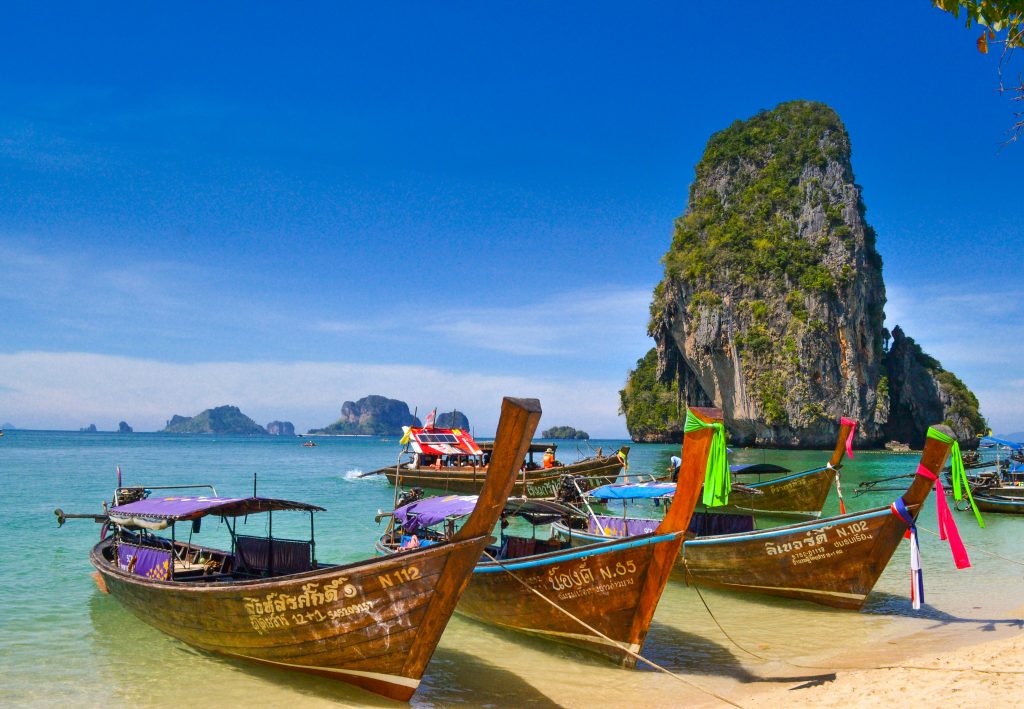
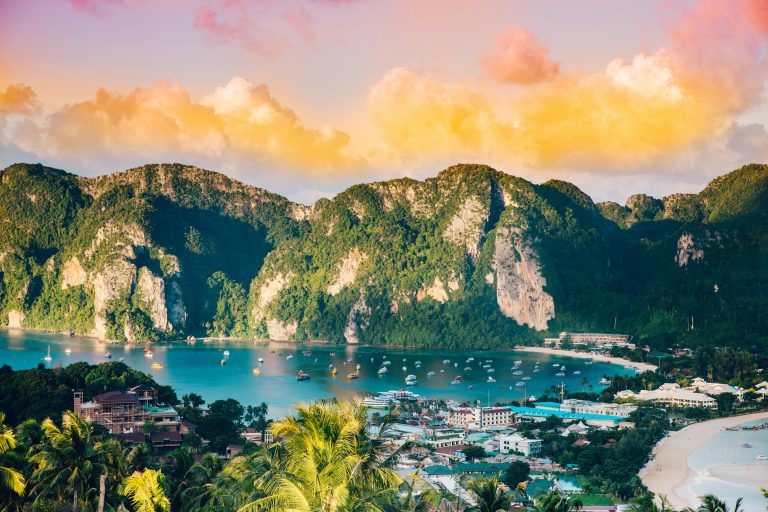
Limestone cliffs, Railay beach and the boats out to Koh Phi Phi and the Andaman islands.

So far Krabi has been my top Place in Thailand by far! Great place to get away especially for college spring break, friends and/or solo travellers. Beach is clean and nice everything is walking distance other than island tours. But all activities have been super accurate and affordable.

A traveller, on Hostelworld
The Krabi guide
Koh Lanta

Koh Lanta

31 hostels

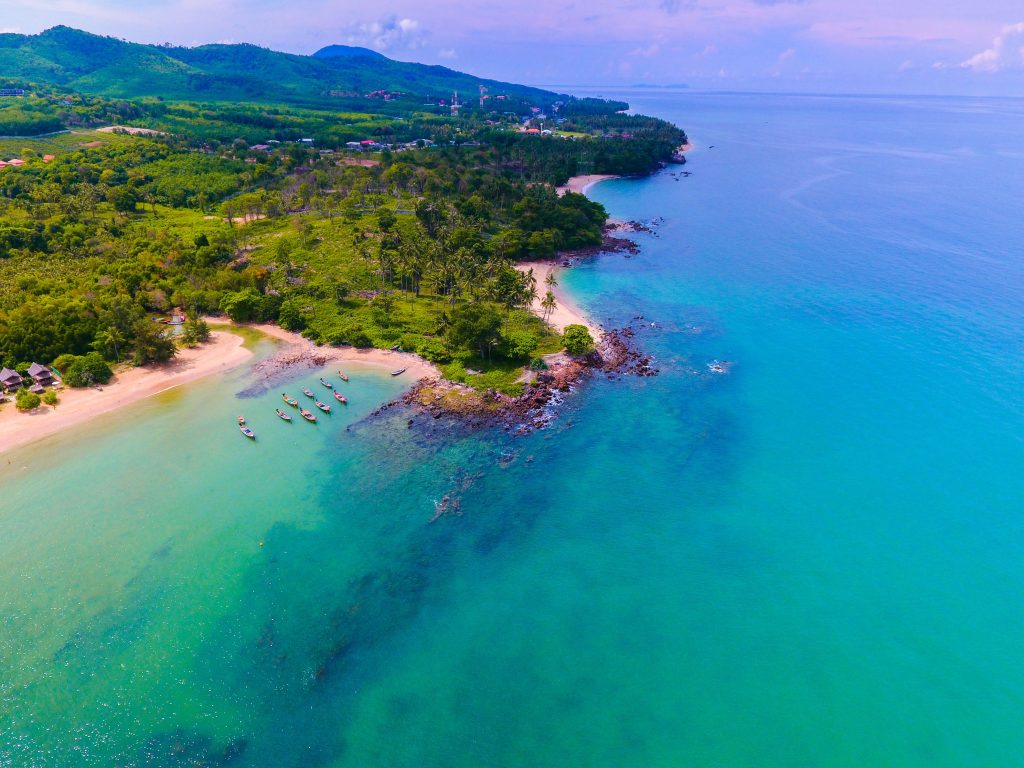
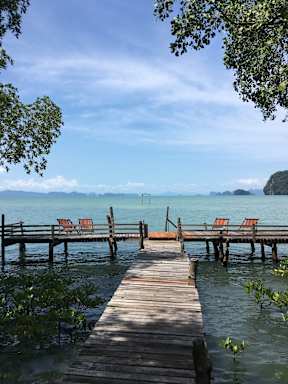
Long quiet beaches on the Andaman side, a slower pace than Phi Phi, and the best sunsets in the south.

Lovely and very chill place with a party available when needed. Great food options and loved the pace of the options.

A traveller, on Hostelworld
The Koh Lanta guide
Phuket

Phuket

154 hostels · dorms from €9

The biggest island, on the Andaman coast, with the most infrastructure and the most crowds.

Great place, definitely stay here, I extended my stay

A traveller, on Hostelworld
The Phuket guide
Koh Phi Phi

Koh Phi Phi

37 hostels

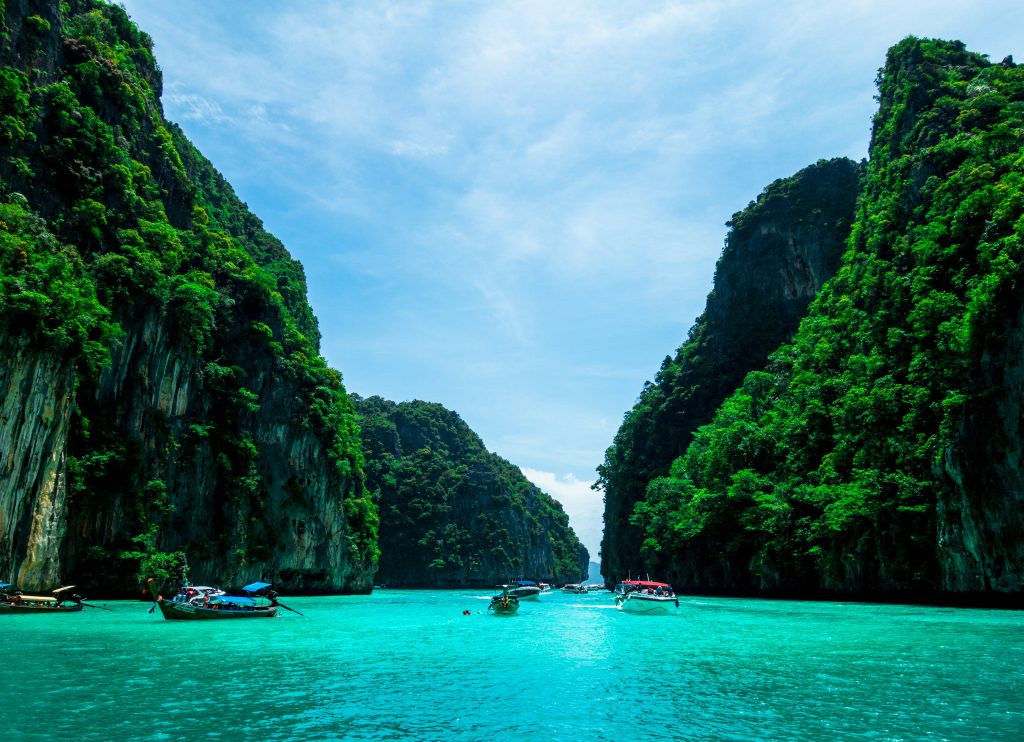
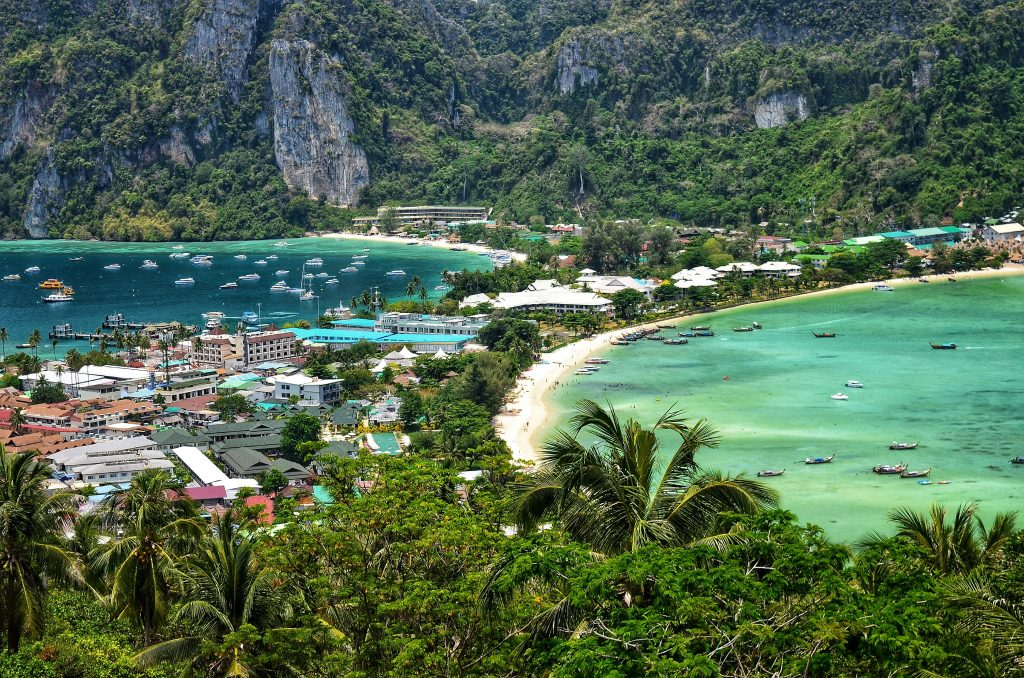
Cliffs, Maya Bay and a party reputation that is entirely deserved. Loud, beautiful and busy.

The islands of Phi Phi are truly a site to see! Hike to viewpoint and see some of the best sites you will ever view in your life! Lots of excursions to be had for very little money and great food was all around! Keep in mind that this is a pretty destination. There will be loud music playing every night until late at night. It shakes the whole island!

A traveller, on Hostelworld
The Koh Phi Phi guide
Koh Tao

Koh Tao

74 hostels · dorms from €12

The cheapest place in the world to learn to dive, and a small island built around it.

Koh Tao is an incredible island with beautiful beaches, crystal-clear water, amazing people, and great vibes everywhere. The diving and sunsets are unforgettable, and the legendary Escobar Jungle Party made the trip even more special. Definitely a must-visit destination in Thailand!

A traveller, on Hostelworld
The Koh Tao guide
Koh Phangan

Koh Phangan

62 hostels

The Full Moon Party island, and far quieter than that suggests for the other 27 nights of the month.

The Koh Phangan guide
Koh Samui

Koh Samui

67 hostels

The biggest Gulf island, with an airport, a wide range of beaches and more resorts than hostels.

I was looking for a quiet, beautiful place to relax for a few days after a very busy few weeks travelling SE Asia. Koh Samui was perfect! It has beautiful beaches and quieter locations as well as party locations if that’s what you’re looking for. The food is fantastic and very cheap if you’re used to £. Also so many options for massages and nail salons, and shopping options too. It also has unique tourist attractions like pig island and pink dolphins, and fantastic snorkelling close by. Amazing!

A traveller, on Hostelworld
The Koh Samui guide

What kind of trip is this?

Thailand handles every version of a trip, which is why so many people start here.

Things to do

Things to do in Thailand

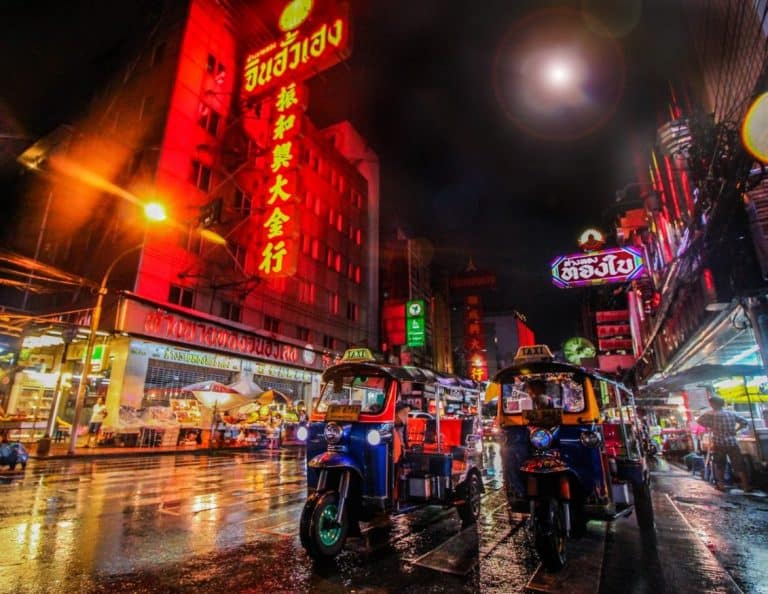
In Bangkok, the Grand Palace and Wat Pho are the essentials and both need covered shoulders and knees. Take the Chao Phraya express boat rather than taxis — it costs almost nothing and is the best way to see the city — and eat in Yaowarat, the Chinatown street food district, after dark.

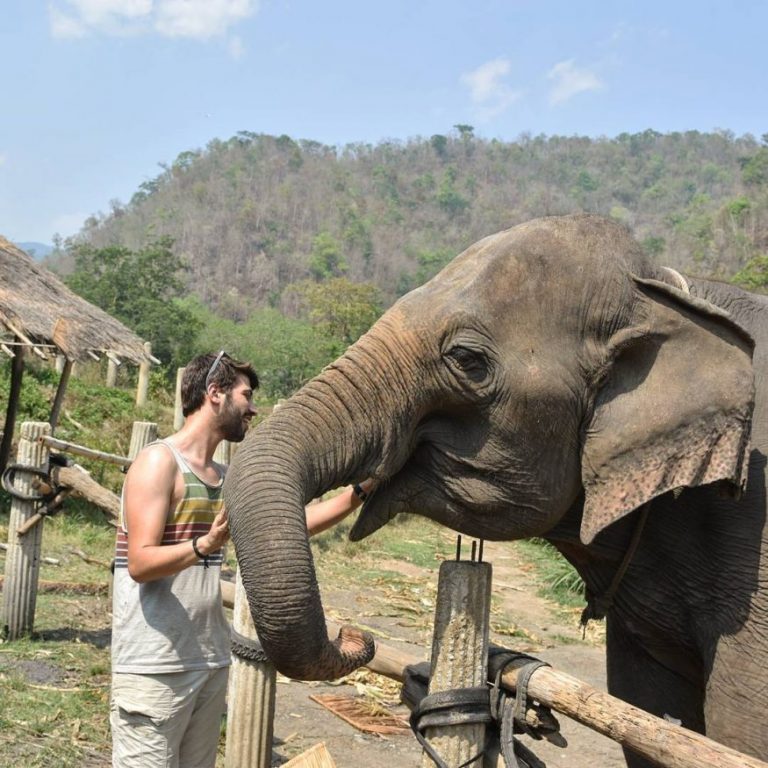
Chiang Mai is the northern base: temples inside the old city walls, cooking schools that cost €25 for a day, and treks into the hills. Choose elephant experiences carefully — sanctuaries that let you ride or bathe with elephants are not sanctuaries, and the genuinely ethical ones are observation only.

On the islands, Koh Tao is where most of the world learns to dive, at around €250 for an open water course. Railay, near Krabi, is a rock climbing centre reachable only by boat, and the Andaman islands off Krabi and Trang are quieter than Phuket by a wide margin.

Food and drink

Eating in Thailand

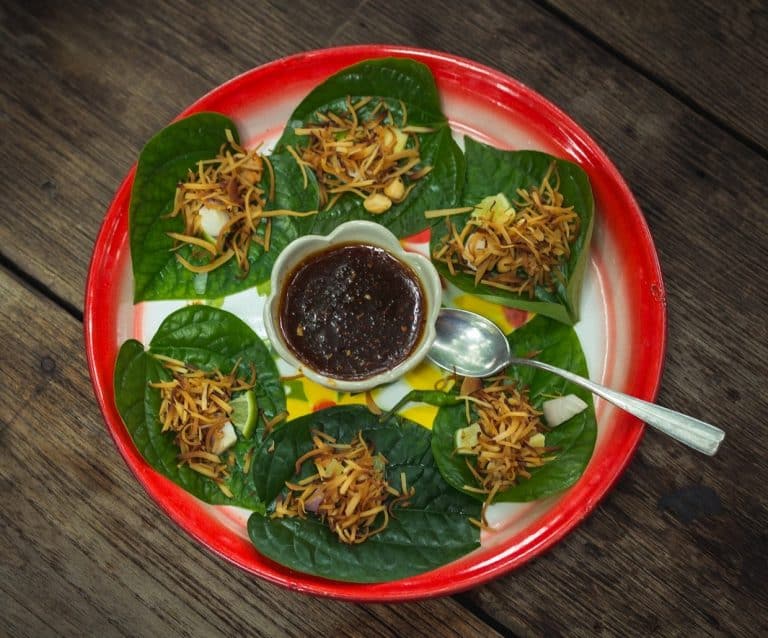
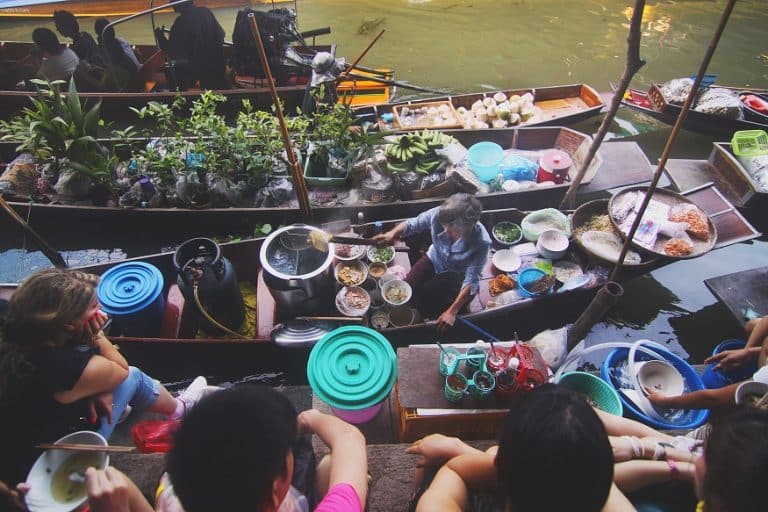
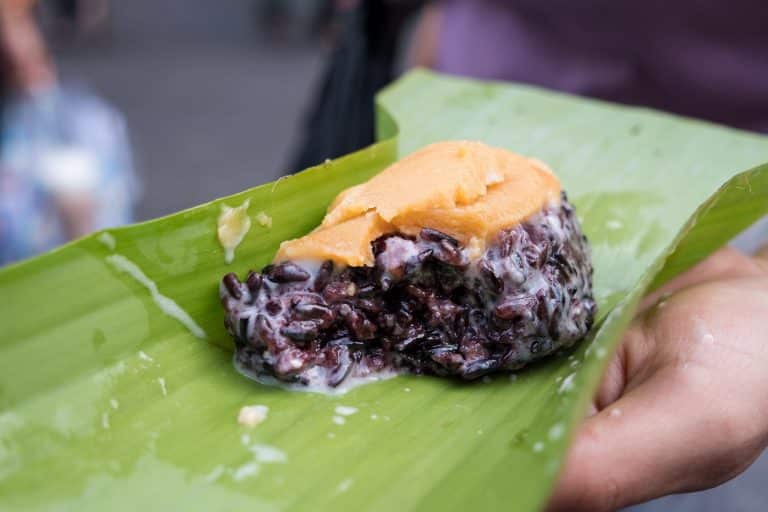
Street food is the national achievement. A plate of pad thai, a bowl of boat noodles or a green curry from a pavement stall costs €1.50 to €3, and it is usually better than the restaurant version. The rule that works: eat where there is a queue of Thais and a high turnover of ingredients.

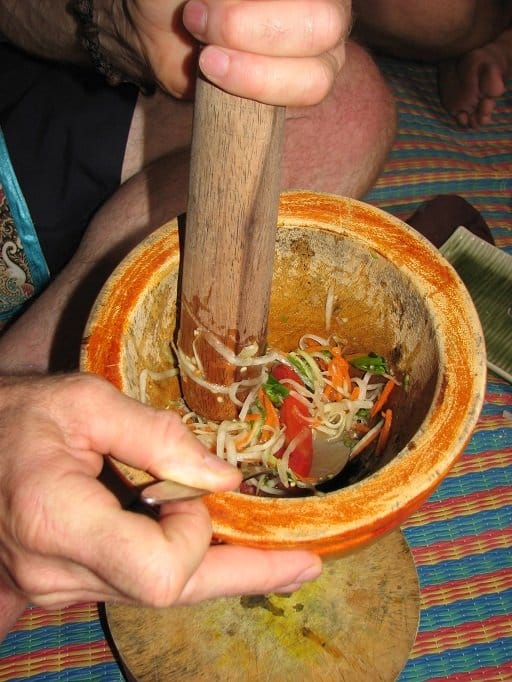
Regional cooking varies more than the export version suggests. The north does khao soi, a coconut curry noodle soup, and sticky rice rather than steamed. Isaan in the northeast does som tam, larb and grilled meats, and it is the spiciest food in the country.

Say phet nit noi for mildly spicy and mai phet for not spicy, and understand that Thai definitions of both are generous. Fruit shakes and iced coffee from carts cost under a euro.

Nightlife

Going out in Thailand

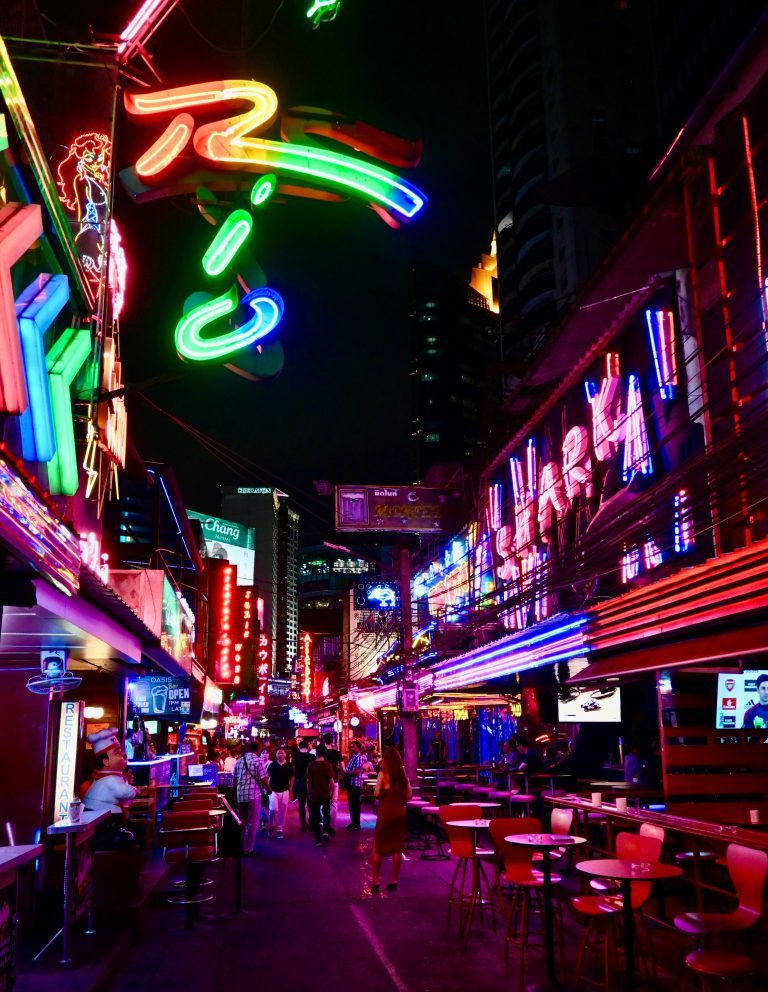
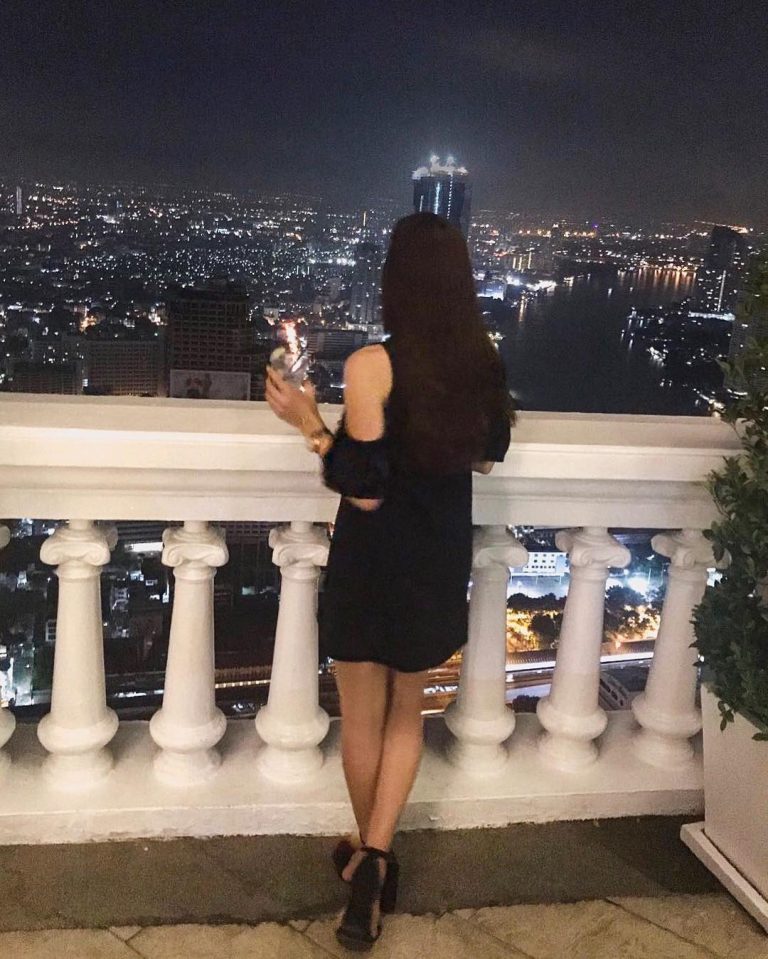
Bangkok runs at every level: rooftop bars with dress codes and city views, Khao San Road for the backpacker version, and neighbourhood streets like Thonglor and Ekkamai where Bangkokians actually drink.

The islands do beach bars and buckets, and the Full Moon Party on Koh Phangan draws tens of thousands once a month. It is exactly what you expect it to be — enormous, messy and worth knowing the date of whether you want to attend or avoid it.

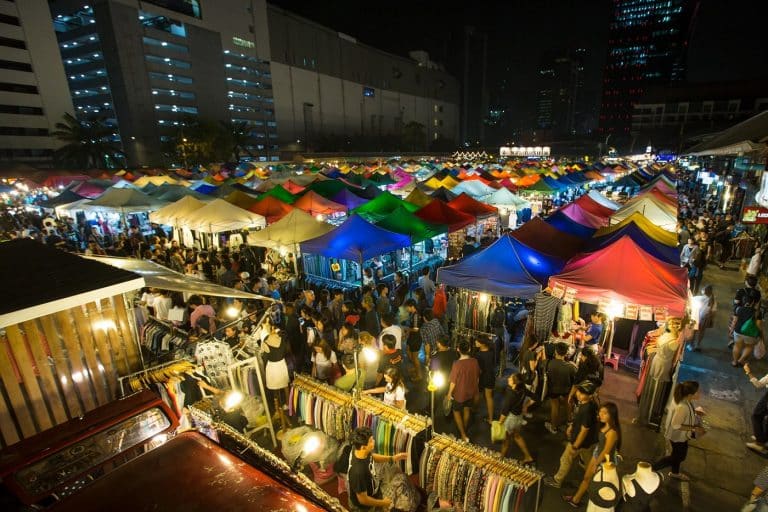
Chiang Mai is calmer, with night markets, live music bars and a large digital nomad crowd. Alcohol sales are officially restricted to certain hours nationwide, which most places work around, and there are dry days on major Buddhist holidays and around elections.

Getting around

Getting around Thailand

Overnight trains are the best way to cover distance: Bangkok to Chiang Mai takes around twelve hours in a sleeper berth, costs €25 to €40 and saves a night's accommodation. Book a few days ahead in high season.

Domestic flights on AirAsia, Nok Air and Thai Lion are often cheaper than the train and turn a twelve-hour journey into ninety minutes. Buses cover everything else, and VIP overnight coaches are comfortable.

For islands, ferries and combined bus-boat tickets are sold everywhere and are straightforward. In Bangkok, use the BTS Skytrain and the river boats rather than taxis, which sit in traffic for hours. Scooters are everywhere and are the single biggest cause of traveller injury in the country.

Costs

What Thailand costs

Thailand remains one of the best value destinations in the world. Dorms start around €7, street meals are €1.50 to €3, a beer is €1.50 from a shop, and a long-distance sleeper train is €25 to €40.

A comfortable backpacker day — hostel, three meals, transport, a couple of drinks and an activity — lands between €25 and €40. Islands run higher than the mainland, and Phuket and Koh Samui higher than the rest.

The big one-off costs are diving courses at around €250, and tours. ATMs charge a fixed fee of around €5 per withdrawal regardless of amount, so take out larger sums rather than topping up daily.

Safety

Staying safe in Thailand

Thailand is safe for travellers in the ordinary sense — violent crime against visitors is rare and the country handles millions of them a year. The dangers are traffic and water.

Scooters cause more traveller deaths and injuries here than anything else. Many travel insurance policies exclude riding without the correct licence, which means an accident becomes a bill running into tens of thousands. Wear a helmet, check your policy, and photograph any rental's existing damage before you leave.

The other recurring problems are drink spiking on the islands, scams around gem shops and Grand Palace closures, and rip currents on the Andaman coast in the wet season. Buy travel insurance that covers hospital treatment, and use the tourist police line, 1155, which operates in English.

Entry and documents

Entry and documents

Most Western nationalities enter Thailand visa-free for a period that has changed several times in recent years — it has been extended and adjusted repeatedly, so check the official Thai immigration position before booking rather than relying on any article, including this one.

Passports must be valid for at least six months from entry, which is stricter than the European three-month rule and catches people out.

Immigration may ask for proof of onward travel, and airlines sometimes ask at check-in. Thailand also introduced a small tourist entry fee that has been announced and postponed more than once, so check its status too.

When to go

November to February is the dry, cooler season nationwide and the best time overall. After that the coasts diverge — and the north has a smoke season that nobody mentions.

32°
Jan
Peak season. Dry, cooler and busy everywhere
33°
Feb
Still excellent. Prices at their highest
34°
Mar
Hot, and burning season smoke hits the north
35°
Apr
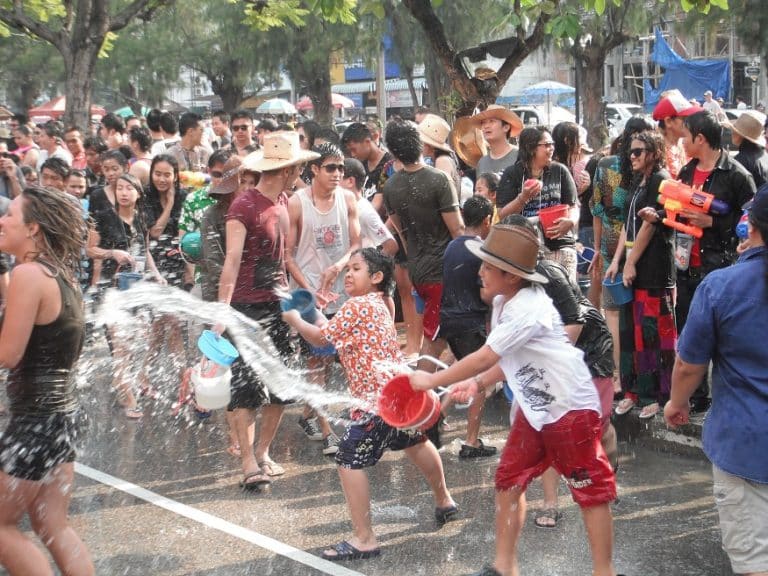
Hottest month. Songkran water festival mid-month
34°
May
Wet season begins on the Andaman coast
33°
Jun
Rain in short heavy bursts. Cheapest prices
32°
Jul
Gulf islands are good. Andaman is wet
32°
Aug
Same split. Green, cheap and humid
32°
Sep
The wettest month on the Andaman side
32°
Oct
Rain easing. Gulf coast turns wetter
31°
Nov
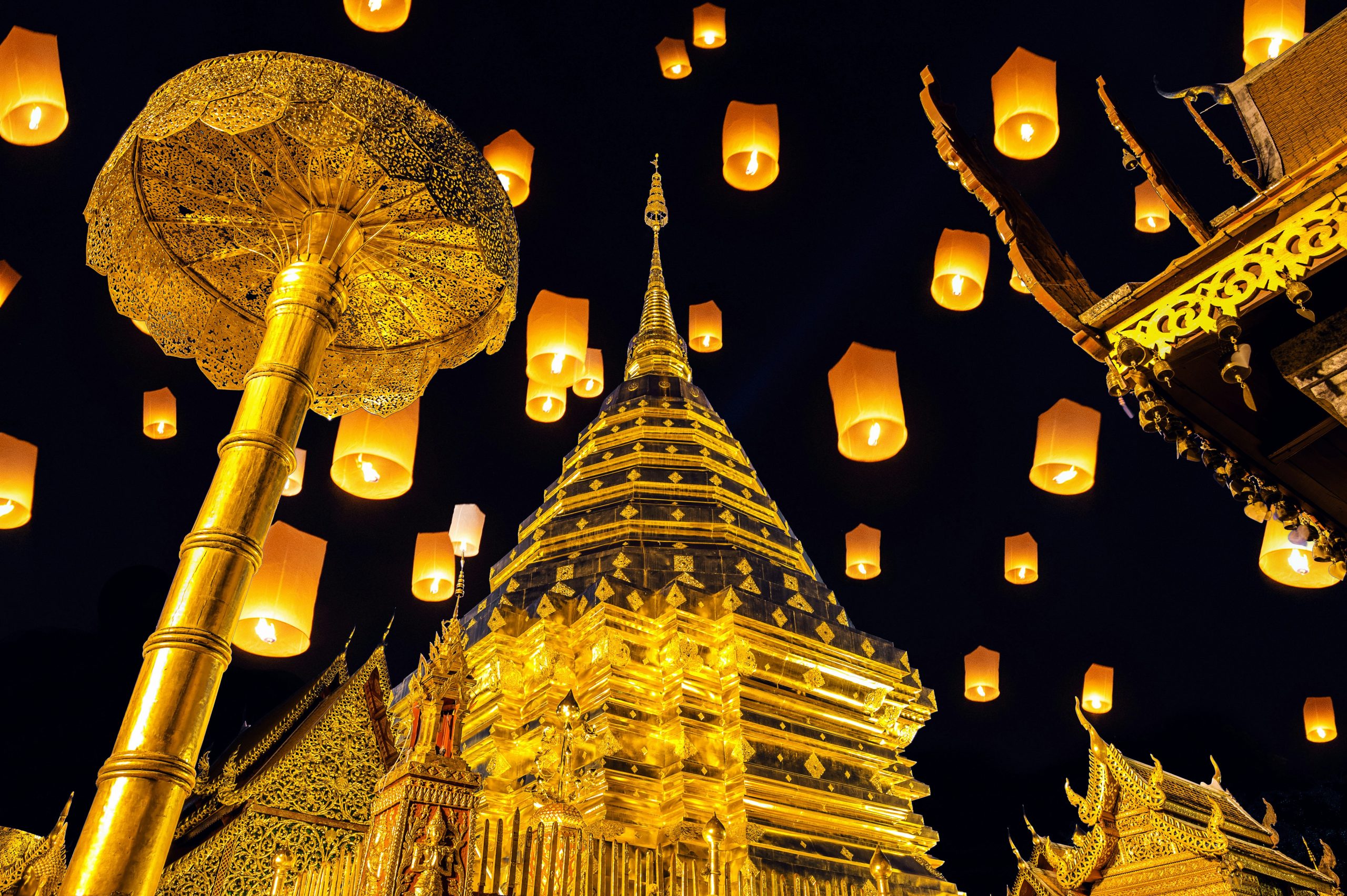
Dry season returns. Loy Krathong lanterns
31°
Dec
Excellent, and the busiest weeks of the year
Bar height is temperature. Colour is how busy it gets: quiet busy peak

Average highs for Bangkok. The two coasts have opposite monsoons — Andaman is wettest May to October, the Gulf November to December — and the north is cool from November to February and smoky from burning in March and April.

What your trip will cost

Pick how you travel and how long for. Per night, for one person, in euro equivalents of Thai baht.

Prices are in baht locally; these are euro equivalents. Diving courses at around €250 and domestic flights are the main one-off costs.

—
  • Beds—
  • Food and drink—
  • Getting around—
  • Doing things—
What's on

What is on while you are there

Two of these are among the best festivals in the world, and one involves the entire country throwing water.

Thailand travel questions

The ones we get asked most.

How long do you need in Thailand?
Two weeks covers Bangkok, the north around Chiang Mai and one coast. A month lets you do all three properly, and the country is set up for long trips with cheap transport and beds everywhere.
When is the best time to visit Thailand?
November to February is dry and cooler nationwide. After that the coasts split: the Andaman side is best November to April, the Gulf islands stay good through much of the Andaman wet season. Pick the coast that fits your dates.
Is Thailand cheap?
Among the best value countries in the world. Dorms from €7, street meals at €1.50 to €3, and a comfortable day between €25 and €40. Islands cost more than the mainland.
Is it safe to rent a scooter?
It is the single biggest cause of traveller injury and death in Thailand, and most insurance policies exclude riding without the correct licence — which turns an accident into a bill of tens of thousands. If you do it, get the licence, wear a helmet and check your policy first.
How do I visit elephants ethically?
Choose observation-only sanctuaries. Anywhere offering riding or bathing with elephants is not a sanctuary regardless of what it calls itself, and the genuinely ethical places book out weeks ahead.
Do I need a visa for Thailand?
Most Western nationalities enter visa-free, but the permitted length has changed several times recently. Check the official Thai immigration site before booking. Your passport needs six months' validity from entry.
Bangkok to Chiang Mai — train or plane?
The overnight sleeper takes about twelve hours, costs €25 to €40 and saves a night's accommodation, which many people find worth it once. Flights are often cheaper and take ninety minutes.

Say yes to hostels, meet the world
Compare hostels across Thailand — live prices, real reviews and free cancellation on most bookings. Then meet the people already there in the app.

Get the App. QRGet the App.
Get the App. QR  Get the App.
Scroll to Top