Chembe village beach
Backpackers and lodgesThe main beach with lodges, bars and fishing boats.

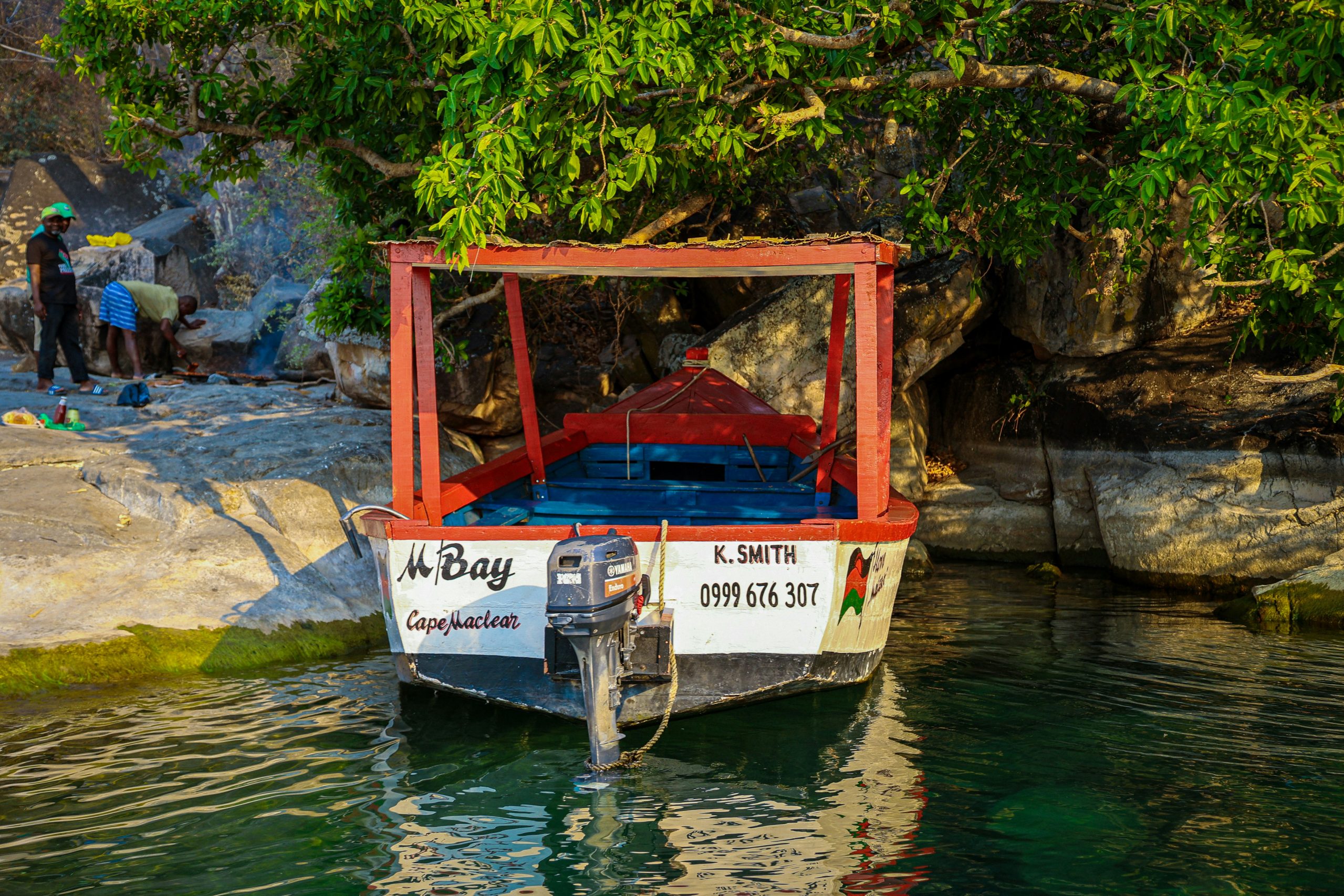
Cape Maclear is a sandy fishing village at the southern tip of Lake Malawi, inside a UNESCO-listed national park. Snorkel among hundreds of colourful cichlid fish, kayak to rocky islands, watch fish eagles at sunset and eat fresh chambo on the beach. It's one of the great backpacker hangouts of southern Africa.
Cape Maclear sits on the Nankumba Peninsula, at the southern end of Lake Malawi. The village, also known as Chembe, is a long strip of sand lined with fishing boats, lodges and houses, backed by wooded hills.
It lies inside Lake Malawi National Park, the world's first freshwater national park and a UNESCO World Heritage site. The park protects the lake's extraordinary fish life: hundreds of species of cichlids, small, brightly coloured fish found nowhere else, which make the snorkelling here world famous.
The village is a working fishing community, and life happens on the beach: fishermen mending nets, women washing clothes, kids playing football and dugout canoes heading out at dusk.
For travellers, it's a place to slow down. Days revolve around snorkelling, kayaking to the islands offshore, boat trips to watch fish eagles, hiking in the park and lazing at the lodges. Some lodges offer overnight camping trips on the islands.
Cape Maclear also has bilharzia in parts of the lake, a parasite you can catch from fresh water, so it's worth getting tested and treated after your trip.
Three to five nights is ideal, and many travellers stay longer.
Stay on the beach in Chembe village, where the lodges and backpackers sit side by side along the sand. Everything is walkable.
The main beach with lodges, bars and fishing boats.
Rocky headland west of the village with clear water.
Island a short paddle offshore, in the national park.
Town about 20 km away, with the minibus stop and Ilala ferry port.
Orange labels are neighbourhoods, dots are the 2 top-rated hostels. Map data from OpenStreetMap contributors.
Snorkelling is the highlight. The clear water around the rocks is full of cichlids in every colour, and you can snorkel right off the beach or take a boat to the islands. Otter Point, a rocky headland a short walk from the village, is one of the best spots and is good for seeing otters and fish.
Kayaking is the best way to reach Thumbi West Island, a short paddle offshore, for snorkelling, rock jumping and monkey-spotting. Lodges rent kayaks and run guided trips, and some offer multi-day kayak trips with camping on Mumbo and Domwe islands.
Boat trips go to the islands, and many include fish eagle feeding, where the guide throws a fish and an African fish eagle swoops down to catch it, a classic Cape Maclear experience.
Diving is possible in the lake, with dive centres offering courses in the calm, warm fresh water.
Hiking trails in Lake Malawi National Park climb into the hills behind the village for views over the lake and islands. Park entry for hikes is about US$10.
In the village, visit the graves of the early Scottish missionaries who settled here in the 1870s, and watch the fishermen return at dusk.
Much of Cape Maclear is free to enjoy.
Snorkel off the beach in front of the lodges, where you'll see cichlids in the shallows. Borrow or rent cheap gear.
Walk the beach through Chembe village, where fishermen mend nets and dry fish.
Walk to Otter Point for the rocks, views and snorkelling.
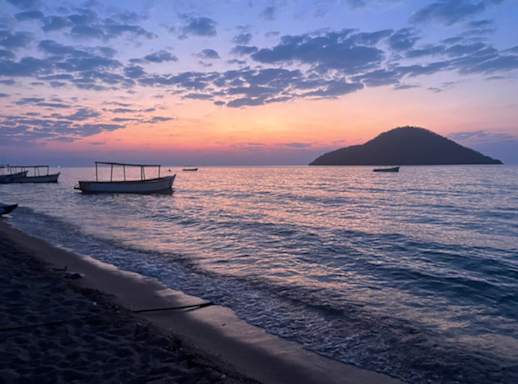
Watch the sunset over the lake and the fishermen heading out in dugout canoes with lanterns.
Visit the old missionary graves near the village.
Fresh fish is the star. Chambo, the lake's tilapia, is grilled or fried at local restaurants and lodges, and a large fillet costs a couple of euros at a local place.
Chips are sold by vendors on the main road, and you can ask for them extra crispy.
Lodges serve burgers, pizzas, curries and fresh fish, plus breakfasts and smoothies.
The beach boys can arrange a fish dinner on the beach, cooked over a fire. Agree the price clearly in advance.
Nsima, the maize staple, is served with fish or beans at local eateries.
Carlsberg greens and Malawi Gin are the drinks. Don't drink the tap water, which comes straight from the lake.
Cape Maclear is relaxed after dark. Evenings mean sundowners at the lodge bars, bonfires on the beach and the occasional party at the backpackers, especially at weekends.
Some lodges have live music or themed nights.
Village bars play music and are a chance to meet locals, but go with others.
Don't walk the village alone late at night, and carry a torch, as there's little lighting.
Cape Maclear is about 250 km south-east of Lilongwe. From Lilongwe's main bus station, take a minibus to Monkey Bay, then a pick-up or matola truck for the last 20 km or so to Cape Maclear. The trip is slow, so allow a full day, and if you get stuck, stay the night in Monkey Bay.
From Blantyre, take a minibus to Mangochi or Monkey Bay and change there.
The MV Ilala ferry calls at Monkey Bay, near Cape Maclear, once a week, heading north up the lake.
Private transfers from Lilongwe, Blantyre or the airports are quicker and can be arranged through lodges.
In the village, everything is walkable along the beach.
Travel by road only in daylight.
Cape Maclear is one of the cheapest places on the lake. Hostelworld lists dorm beds from about US$10 to US$12, and camping at the lodges costs less.
Food is cheap: a large chambo fillet at a local restaurant is about €2, and lodge meals cost around €5 to €10.
Park entry for hikes is about US$10. Snorkel gear, kayak hire and boat trips are cheap compared with other lake and ocean destinations; check prices at your lodge.
Island camping trips and diving cost more.
There are no reliable ATMs in Cape Maclear, so bring enough kwacha from Lilongwe, Blantyre or Mangochi.
On a budget, allow around €20 to €30 a day.
Cape Maclear is relaxed and friendly, but take a few precautions.
Bilharzia is present in parts of the lake. The parasite can enter through the skin in fresh water. Symptoms can take months to appear, so get tested and treated after your trip; treatment is cheap and easy to find in Malawi.
Malaria is a high risk all year. Use repellent, cover up after dark and sleep under a net.
The beach boys who sell trips, souvenirs and dinners can be persistent. Agree prices clearly upfront and be firm but polite.
Don't leave valuables unattended on the beach, and walk with a torch at night.
Don't drink the tap water, which comes from the lake.
Cape Maclear is the base for the islands and hills of Lake Malawi National Park.
Snorkelling, rock jumping and monkeys on a national park island.
Island camping trips with snorkelling and sunsets.
Rocky point with clear water and fish.
Transport hub and Ilala ferry port.
Cape Maclear's calendar follows Malawi's national holidays and the lake seasons.
Public holiday.
Music festival on the lake; venue varies by year.
Public holiday.
Busy at the lodges.
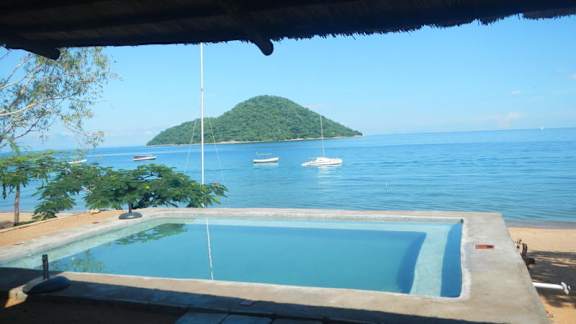
Cape Maclear's backpackers and lodges sit right on the beach, with kayaks, snorkel gear and bars.
Rated 10 from 1 review, with dorm beds from about US$10, about 2 km from the centre.
Lodge with dorms from about US$12 and private rooms from US$17.50. Listed as a hotel on Hostelworld, with no rating yet.
Cape Maclear is warm all year, with highs of 26°C to 32°C. The dry season from May to October has calm, clear water for snorkelling, while October and November are hottest. The rains run from December to March.
Average daily highs from weather2travel's Monkey Bay climate data, about 20 km away. Crowd levels are our rough guide.
Pick a style and a number of nights for a rough total, per person, in euros.
Estimates in euros, converted from kwacha and US dollar prices. Beds are based on Hostelworld prices in October 2026; doing includes snorkelling, kayaking and a boat trip spread over a few days.
Prices and timetables change. Check before you travel.

Compare Cape Maclear hostels: live prices, real reviews and free cancellation on most bookings. Then meet the people already there in the app.

 Get the App.
 Get the App.