Menteng
First-timersCentral, near the MRT.

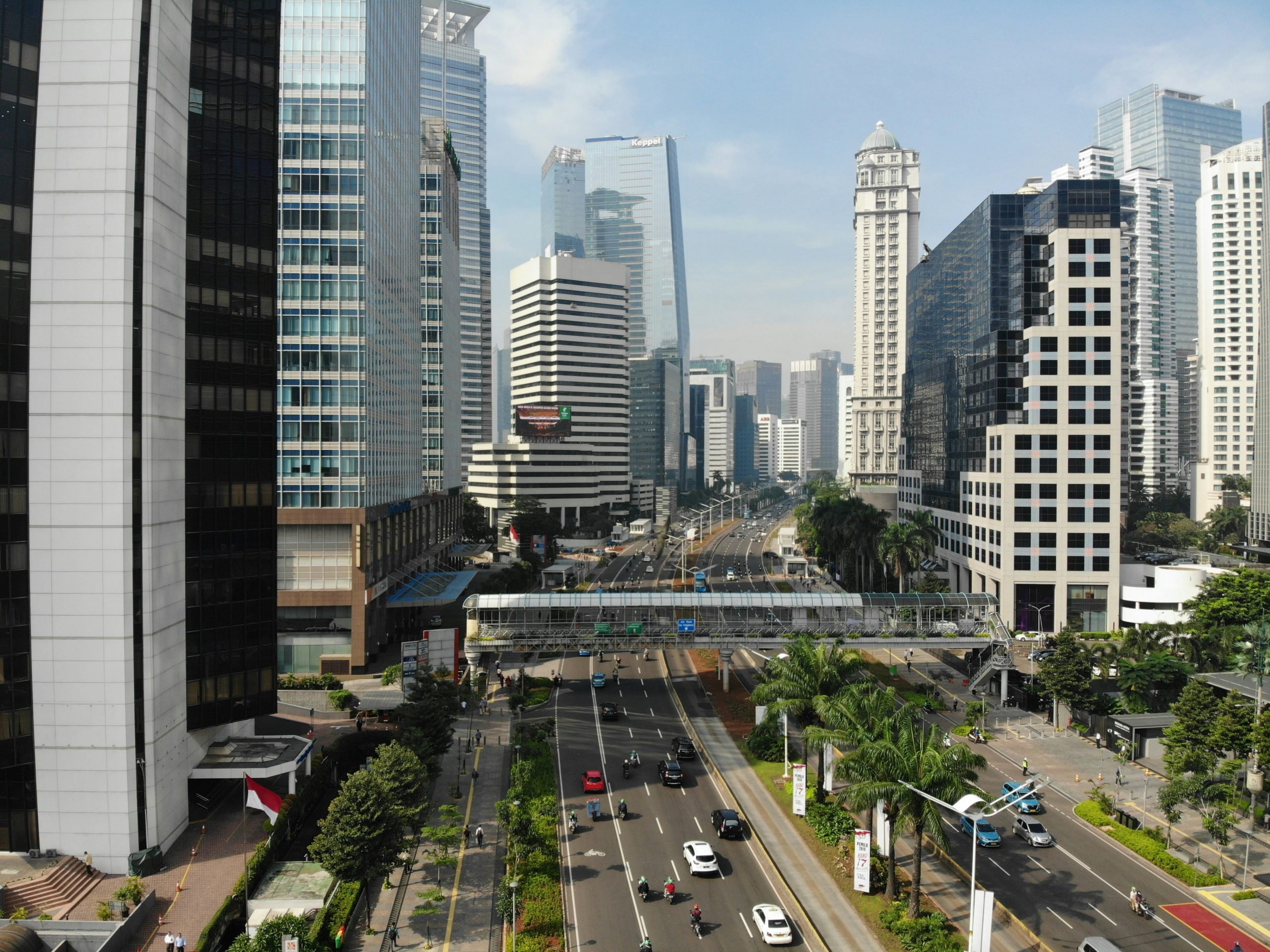
Indonesia's enormous capital: a Dutch colonial old town, a harbour of wooden schooners, the largest mosque in Southeast Asia, great street food and nightlife, and where most international flights land.
Jakarta was Batavia, the capital of the Dutch East Indies, and its old town, Kota Tua, still has the colonial square and warehouses. Today it is a megacity of more than ten million people, with traffic to match, though a new MRT and bus network have made it easier.
The government is building a new capital, Nusantara, on Borneo, but Jakarta remains the country's centre.
Most travellers spend a day or two here on the way to Java and Bali. Two days is right.
Menteng, the leafy colonial district in the centre, is the most pleasant base, near the MRT and National Monument. Kota Tua, the Dutch old town in the north, has history but little at night. The Jalan Jaksa area, near Menteng, is the old backpacker street, and the business districts of SCBD and Sudirman have the nightlife.
Central, near the MRT.
The Dutch old town.
Rooftop bars and clubs.
Orange labels are neighbourhoods, dots are the 4 top-rated hostels. Map data from OpenStreetMap contributors.
Jakarta, a vast, sprawling megacity of over ten million people, is Indonesia's commercial heart and still its capital in practice while the new capital, Nusantara, is built in Borneo.
Kota Tua, the old Dutch town of Batavia, centres on Fatahillah Square, with the old town hall, now the Jakarta History Museum, and the Wayang Museum of shadow puppets. Rent a colourful bicycle in the square, and walk to the old harbour of Sunda Kelapa, where traditional wooden pinisi schooners still unload cargo.
The National Monument, Monas, a 132-metre obelisk topped with a flame covered in gold leaf, stands in Merdeka Square; take the lift to the top for the view. Next to it, the Istiqlal Mosque, the largest in Southeast Asia, welcomes visitors with a guide, and faces Jakarta Cathedral across the road, a symbol of religious tolerance.
The National Museum has one of Asia's best collections of Hindu-Buddhist sculpture and ethnographic objects from across the archipelago.
The Thousand Islands, a chain of islands about two hours north by boat, have beaches and snorkelling. Bogor's botanical gardens are an hour away by train.
Fatahillah Square in Kota Tua and Merdeka Square around Monas are free, and so is the Istiqlal Mosque, visited with a guide.
Jakarta Cathedral and Sunda Kelapa harbour are free to see. Car-free Sunday mornings on Jalan Sudirman and Thamrin turn the main boulevards into a space for cycling, running and street food.
Jakarta has food from across Indonesia. Nasi goreng, fried rice, and mie goreng, fried noodles, are everywhere. Soto Betawi, a beef soup with coconut milk, and kerak telor, a spicy omelette with sticky rice cooked over charcoal, are local Betawi dishes.
Satay, gado-gado, vegetables with peanut sauce, and nasi padang, rice with a spread of Padang dishes from Sumatra, are cheap staples. Warungs, small family restaurants, and street carts are the cheapest places to eat.
A warung meal is €1.50 to €4; a restaurant meal €6 to €15.
Jakarta has a big nightlife: rooftop bars and clubs in SCBD and Senopati, live music bars, and the bars around Kemang, popular with expats.
Indonesia's large Muslim majority means alcohol is expensive and less common outside these areas.
A beer is €3 to €6.
A train links Soekarno-Hatta Airport with the centre in about forty-five minutes, avoiding the traffic.
The MRT, TransJakarta buses and Grab or Gojek cover the city; traffic is severe, so use the MRT where possible and avoid rush hours. Pay with a JakLingko or bank card on public transport.
Trains reach Yogyakarta in about seven or eight hours and Bandung in under an hour by the Whoosh high-speed train.
Jakarta is mid-priced. Dorms start around €7 and a careful day is €20 to €35.
Monas's lift to the top is a few euros, and the National Museum about €1. A Grab across the city is €2 to €6, depending on traffic.
The currency is the rupiah (IDR), at roughly 17,000 to 18,000 rupiah to the euro; prices here are euro equivalents. Cards work in tourist areas; carry cash for warungs, boats and small islands, where ATMs are few.
Jakarta is generally safe, with pickpockets in crowds and on buses. The heavy rains of January and February cause flooding. Traffic is dangerous; cross with care.
Dress modestly at mosques; women need to cover their heads, and robes are lent at Istiqlal.
Most visitors need a visa on arrival, best bought online as an e-VOA before you fly, and must complete Indonesia's online arrival declaration, All Indonesia, before landing; check the current rules for your passport.
Emergency number is 112.
Islands, botanical gardens and Java's cultural heart.
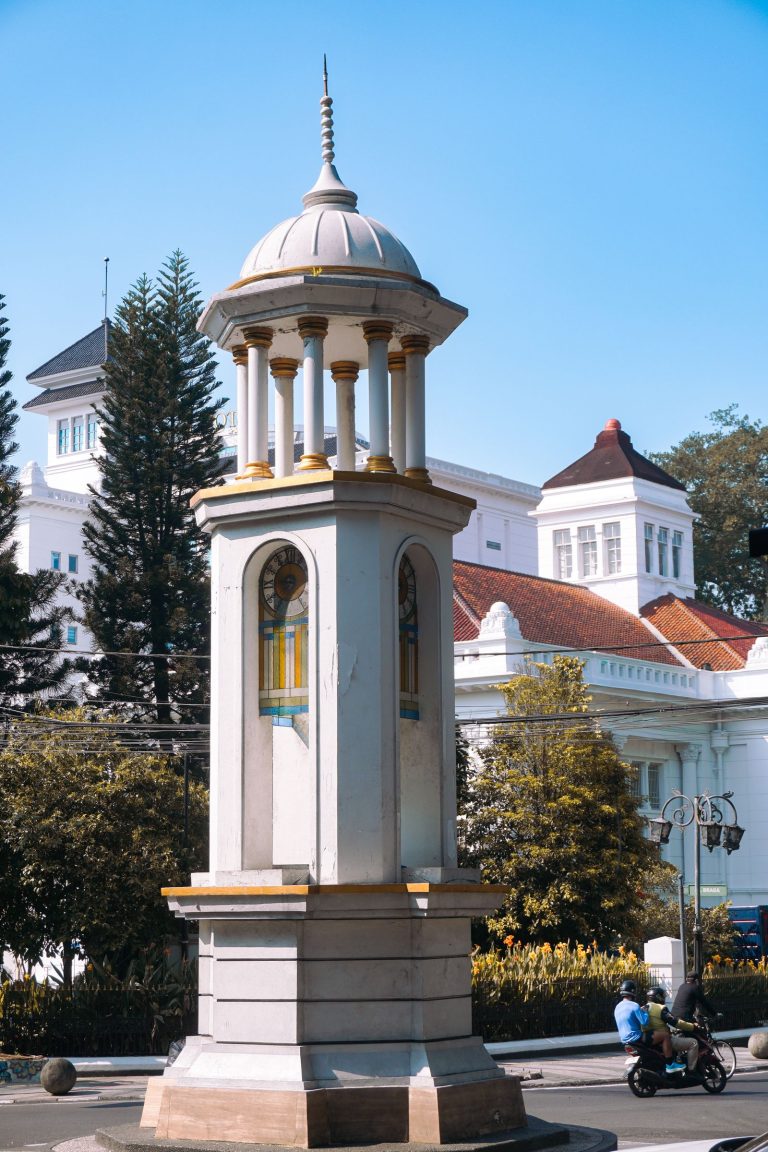
Volcanoes and tea.
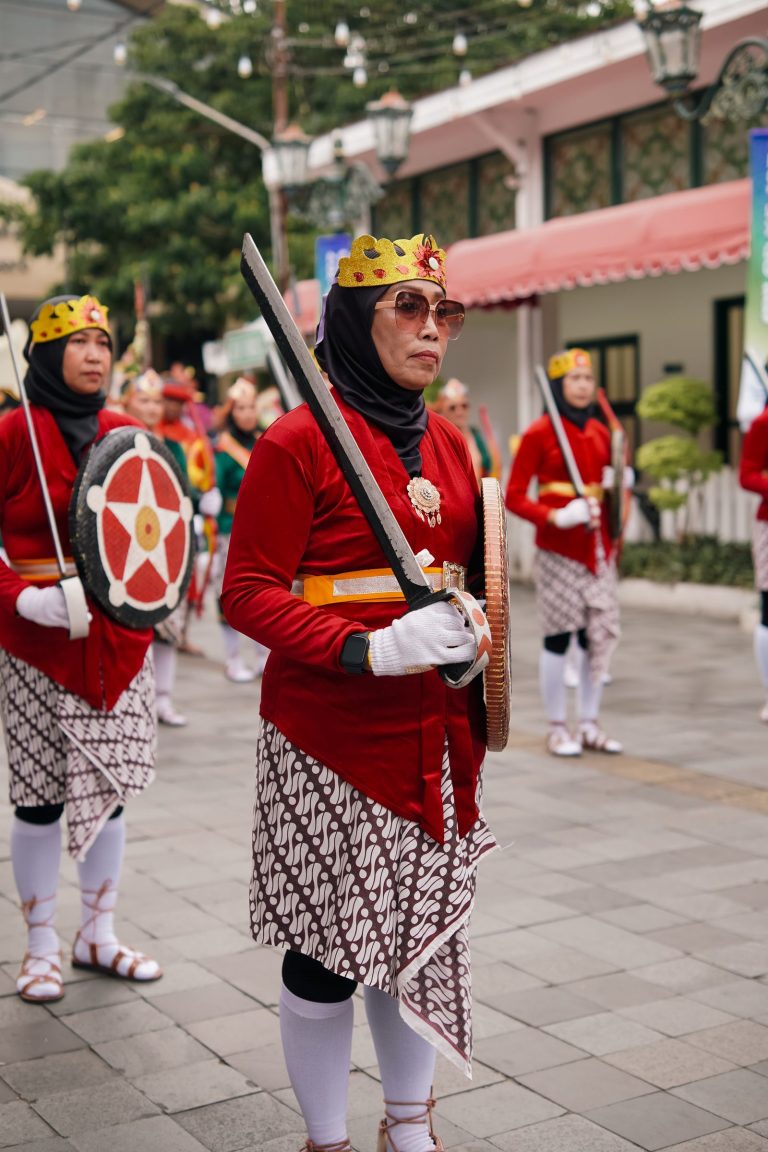
Java's cultural heart.
Independence Day on 17 August is the big day.
 Staff pick
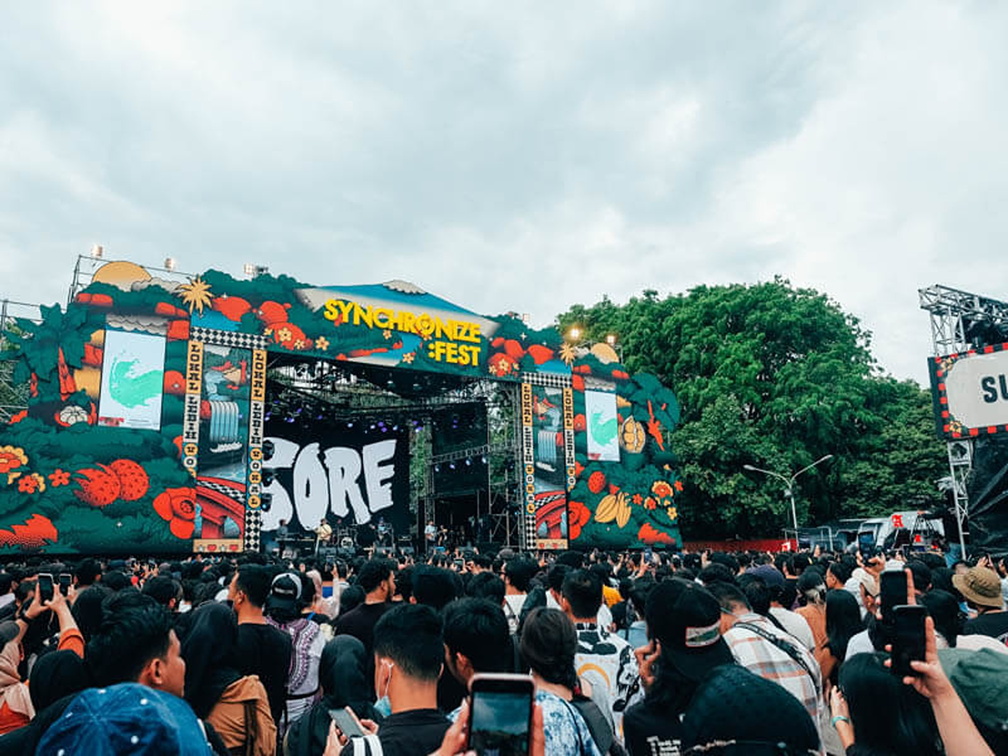
Synchronize Festival is a dynamic multi-genre music event celebrating the diversity of Indonesia’s music scene across generations. Since its founding in 2000, the festival…
 Staff pick
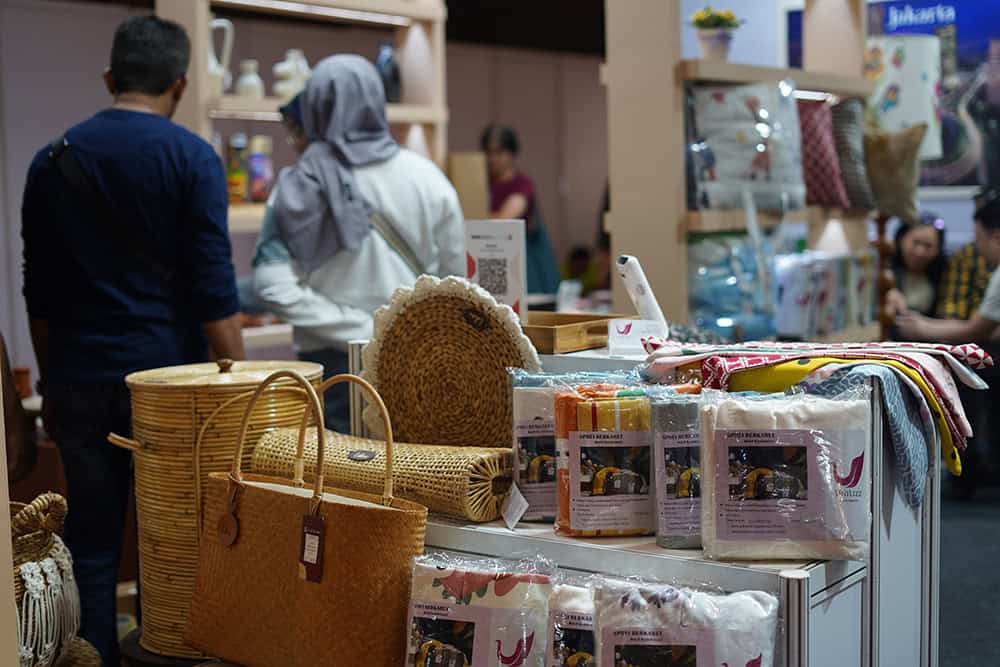
The Asia, Baby, Children & Maternity Expo (ABC&MOM) in Jakarta, Indonesia, is a leading international trade show focused on the mom and baby product…
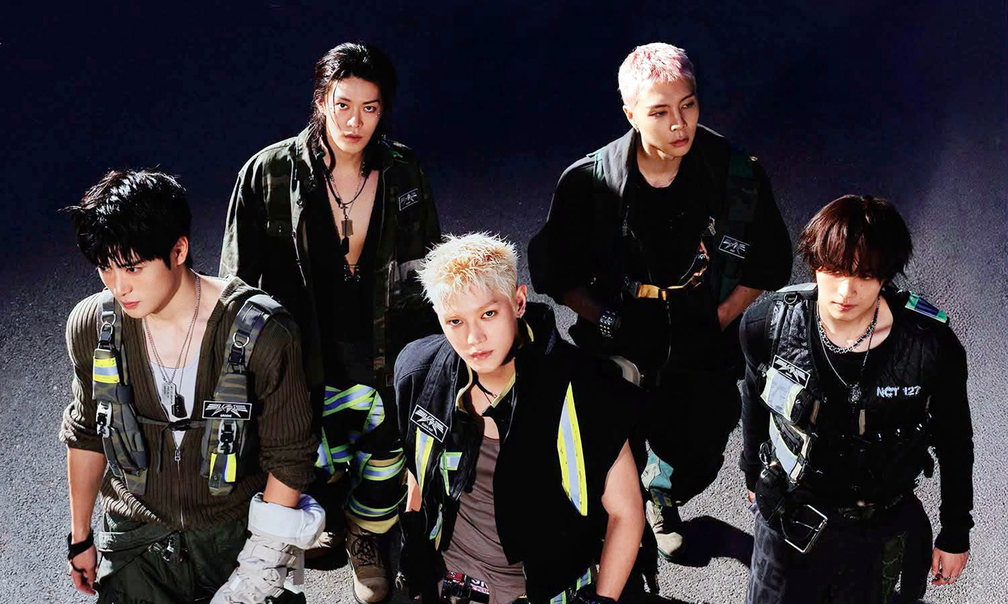
NCT 127 brings their fifth NEO CITY world tour to Jakarta, making Indonesia Arena the first international stop outside South Korea. Johnny, Taeyong, Yuta,…
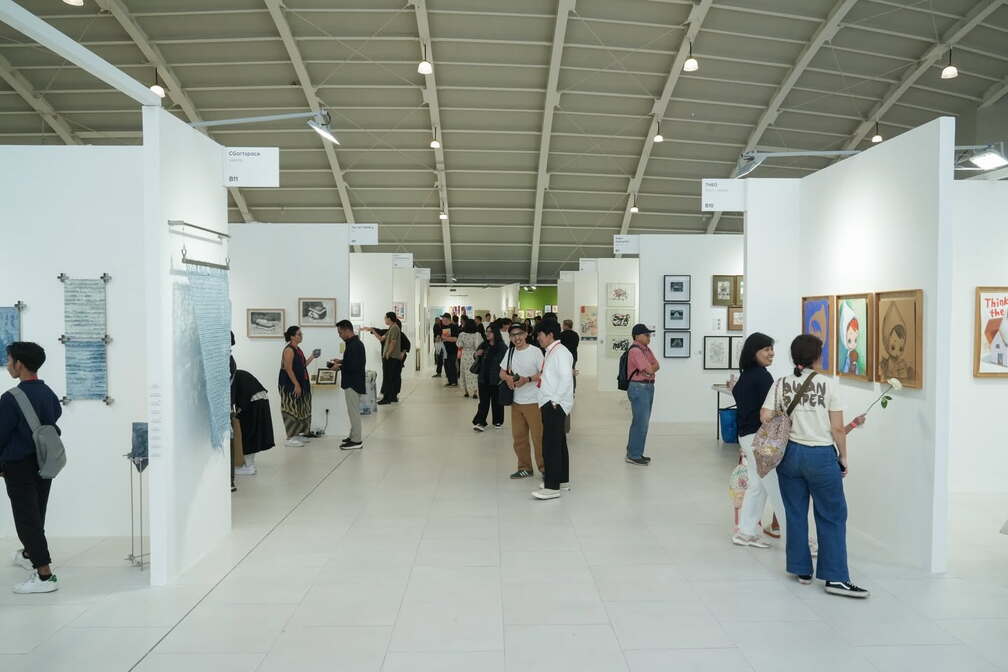
Over 70 galleries gather at Jakarta International Expo to present contemporary works with a strong Southeast Asian focus. The fair draws collectors, artists, and…
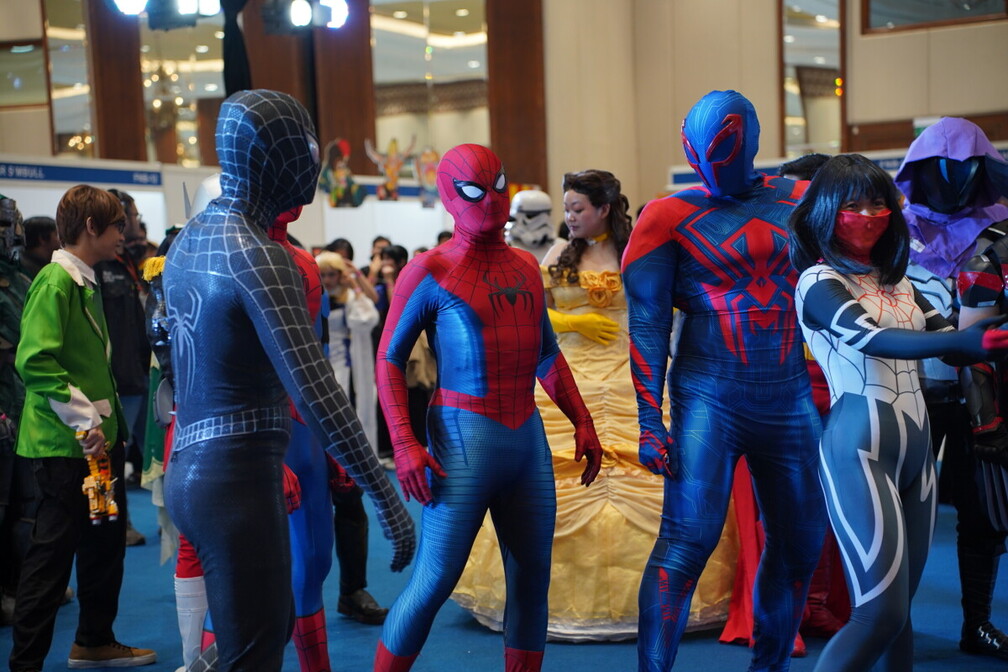
A decade of pop culture comes together under one roof, bringing comics, toys, movies, games, and cosplay fans to Jakarta International Expo. Expect world-class…
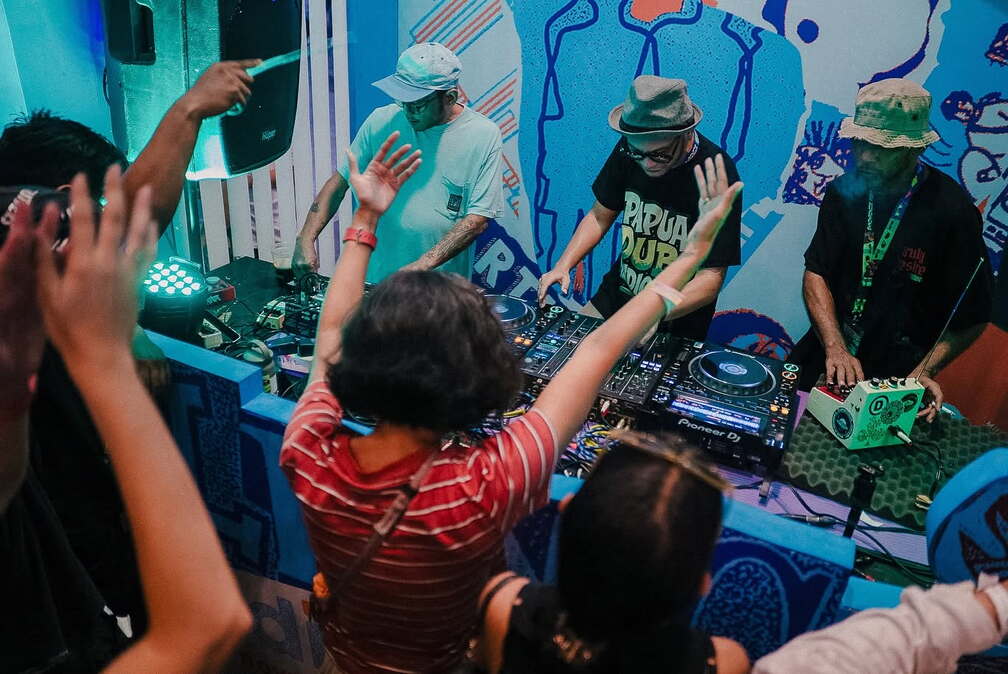
Synchronize Fest is a large-scale national annual multi-genre music event celebrating the diversity of Indonesian music by featuring musicians from different generations. The 2026…
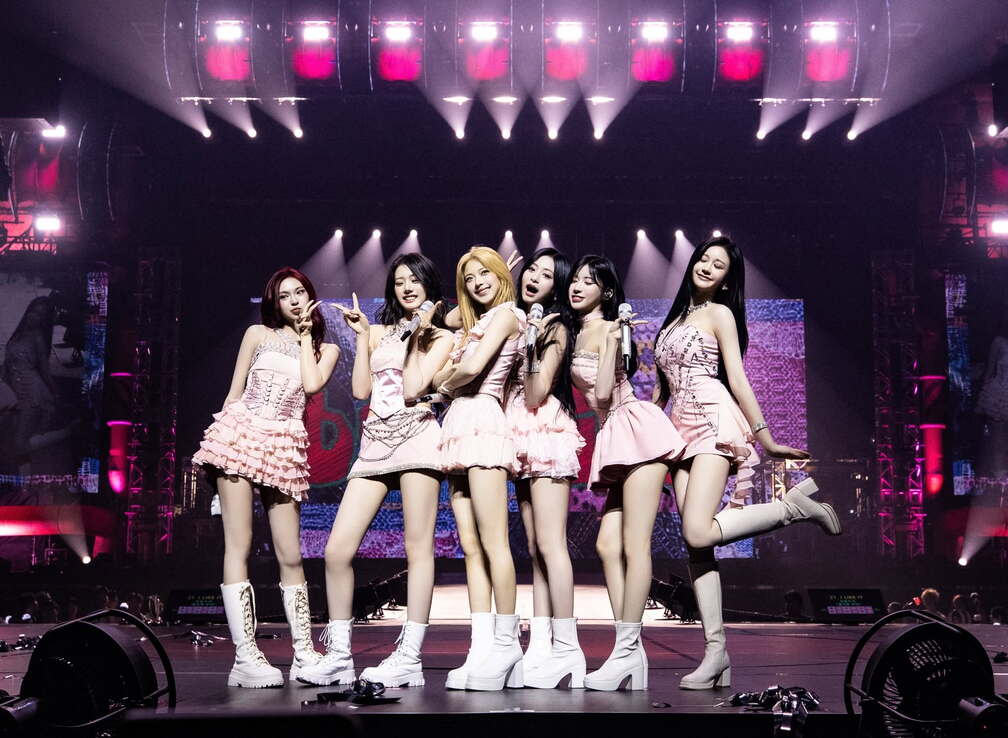
BABYMONSTER brings their explosive K-pop energy to Indonesia Arena, showcasing the multinational talent that earned them "Monster Rookie" status since their record-breaking 2024 debut.…
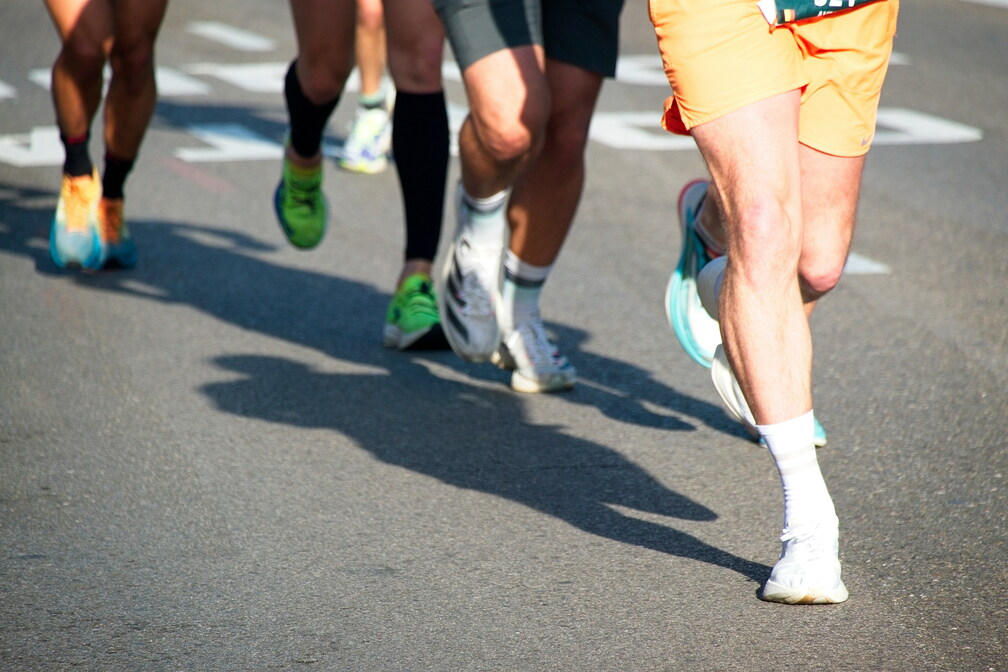
Jakarta Running Fest 2026 spans two race days, opening the event to more runners than a typical marathon weekend. Routes are certified by the…
The top-rated places to stay in Jakarta right now, live from Hostelworld.
May to September is dry. January and February bring floods.
Average highs. Hot and humid all year.
Pick how you travel. Per person per night, in euros.
Prices are in rupiah locally; these are euro equivalents.
The ones we get asked most.

Compare Jakarta hostels — live prices, real reviews and free cancellation on most bookings. Then meet the people already there in the app.

 Get the App.
 Get the App.