Station
TransportNear the shinkansen and the bus terminal.

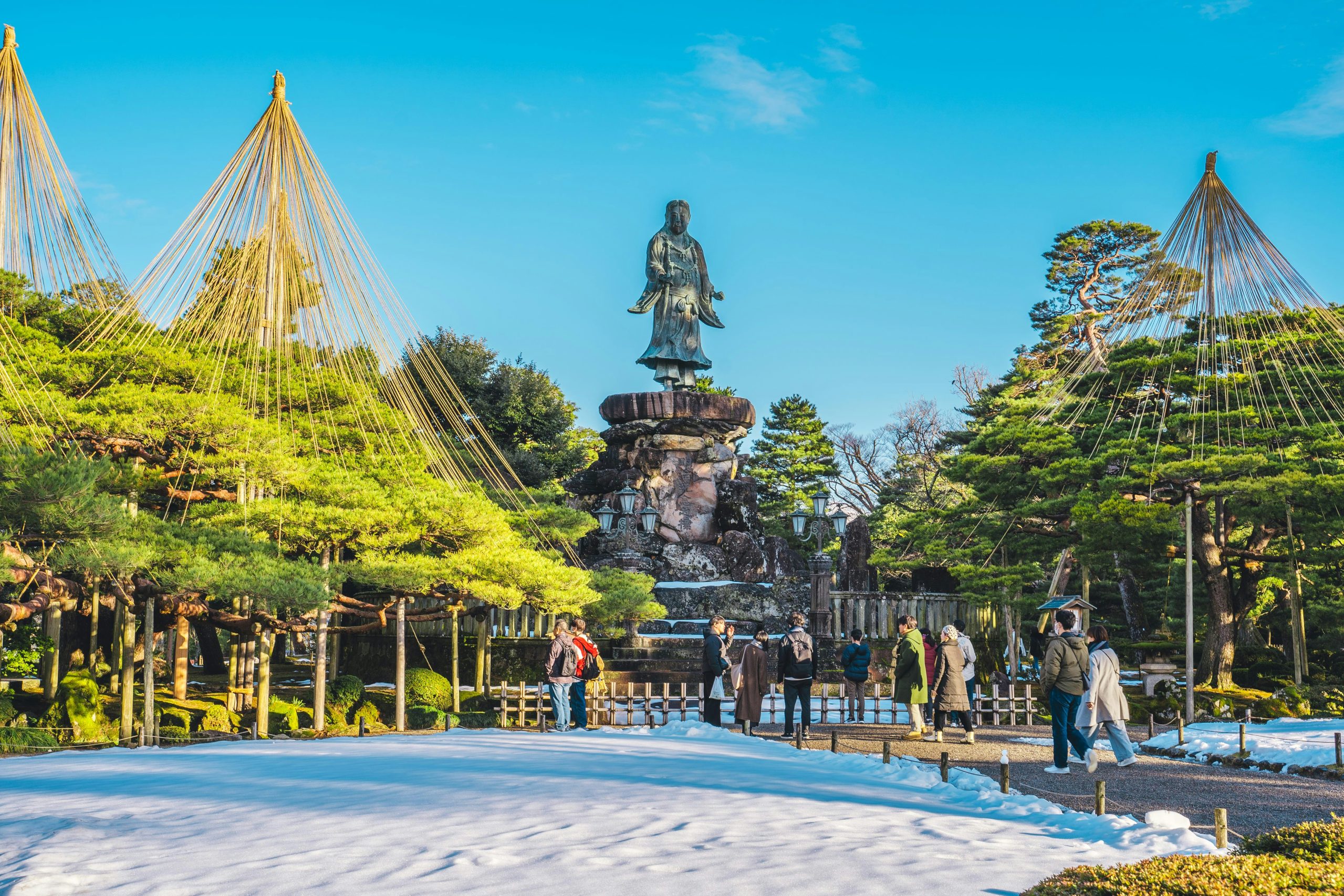
A castle town on the Sea of Japan, with one of the three great gardens of Japan, preserved geisha and samurai districts, gold leaf on everything and superb seafood.
Kanazawa was the seat of the Maeda clan, one of the richest in Japan, and it escaped bombing in the Second World War. Its garden, Kenroku-en, is counted among the three great gardens of Japan, and its teahouse and samurai districts are among the best preserved in the country.
It produces almost all of Japan's gold leaf, and its Omicho market is famous for seafood from the Sea of Japan.
The Hokuriku shinkansen puts it about two and a half hours from Tokyo. Two days is right.
Around Kanazawa Station, with its giant wooden Tsuzumi gate, are most hotels and the bus terminal. Higashi Chaya, the teahouse district, is the most atmospheric place to stay, a short bus ride away. Korinbo and Katamachi, in the centre between the castle and the river, have the bars and restaurants.
Near the shinkansen and the bus terminal.
The teahouse district.
Central, near the castle and Katamachi.
Orange labels are neighbourhoods, dots are the 4 top-rated hostels. Map data from OpenStreetMap contributors.
Kanazawa was the seat of the Maeda clan, the richest lords in Japan after the shogun, and was spared bombing in the war, so its old districts survive.
Kenroku-en is one of the three great gardens of Japan, with ponds, stone lanterns and pines held up in winter by rope supports, yukitsuri, against the snow. It is open early, and quietest at opening. Next door, the grounds of Kanazawa Castle are free, with restored gates and turrets.
Higashi Chaya is a district of wooden teahouses where geisha still entertain; visit Shima, a preserved teahouse, and shops selling gold leaf, for Kanazawa makes almost all of Japan's. Try ice cream covered in gold leaf. Nagamachi, the old samurai district, has earthen walls and the Nomura family house and garden.
Omicho Market has been Kanazawa's kitchen for nearly three centuries; come for a seafood rice bowl, kaisendon, at lunch. The 21st Century Museum of Contemporary Art is famous for Leandro Erlich's Swimming Pool, where visitors appear to stand underwater; its free zones and lawns are open to all. The D.T. Suzuki Museum, a calm space devoted to the Zen writer, is nearby.
Shirakawa-go, a UNESCO village of thatched gassho-zukuri farmhouses, is about an hour and a quarter by bus.
The Kanazawa Castle grounds are free, and so are the 21st Century Museum's free zones and lawns, Higashi Chaya's streets and Nagamachi's lanes.
Omicho Market is free to wander, and the Tsuzumi gate at the station is free to see. Kenroku-en charges a small fee, but opens free at dawn in some seasons.
Kanazawa sits by the Sea of Japan, and its seafood is superb: kaisendon at Omicho Market, sushi, and nodoguro, blackthroat seaperch, a prized local fish. In winter, snow crab is the speciality.
Jibuni, duck stew, and Kanazawa curry, thick and dark with a breaded cutlet, are local dishes. Gold-leaf ice cream is a tourist classic. A meal is €8 to €20.
Kanazawa's nightlife is in Katamachi and Kiguramachi, with izakaya, sake bars and small bars along narrow lanes.
A beer is €4 to €6.
The Hokuriku shinkansen reaches Tokyo in about two and a half hours, and the line now continues to Tsuruga for trains to Kyoto and Osaka.
The Kanazawa Loop Bus runs around the main sights from the station; a day pass saves money. The centre is walkable between the castle, Kenroku-en and Higashi Chaya.
Buses reach Shirakawa-go and Takayama; book seats ahead.
Kanazawa is mid-priced. Dorms start around €20 and a careful day is €45 to €65.
Kenroku-en and the 21st Century Museum's paid zone are a few euros each. A kaisendon at Omicho Market is €15 to €30.
Since July 2026, the international tourist tax added to flights out of Japan is ¥3,000.
The currency is the yen (JPY); prices here are euro equivalents. Cards and IC cards work widely in cities, but carry cash: small restaurants, temples and rural places are often cash-only. Convenience store ATMs (7-Eleven, Lawson, FamilyMart) take foreign cards.
Kanazawa is very safe.
Winters bring snow; wear shoes with grip. The Noto peninsula, north of Kanazawa, was hit by a major earthquake in January 2024; check current conditions before travelling there.
In Higashi Chaya, respect the teahouses' privacy and do not photograph geisha without permission.
Emergency: 110 police, 119 ambulance and fire.
Thatched villages, the Alps town and the peninsula.
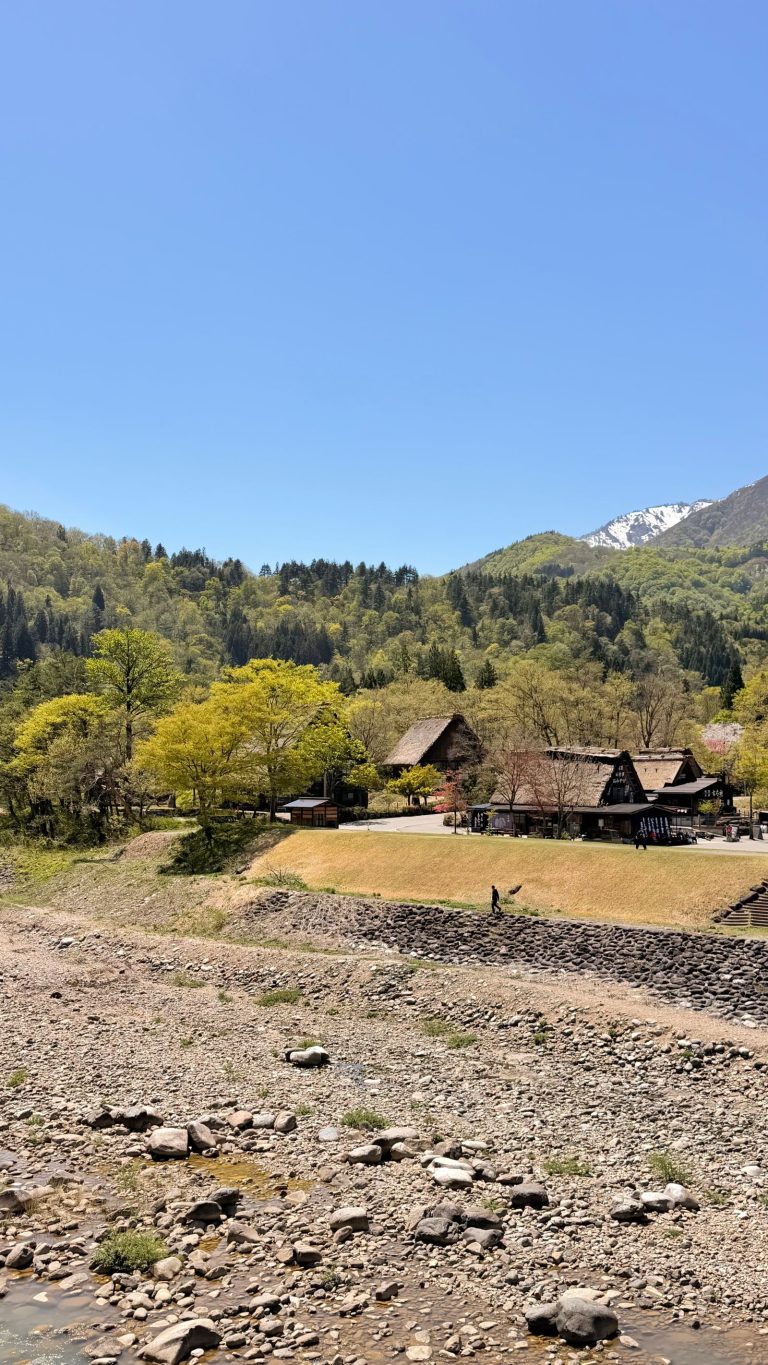
A UNESCO village of thatched farmhouses.
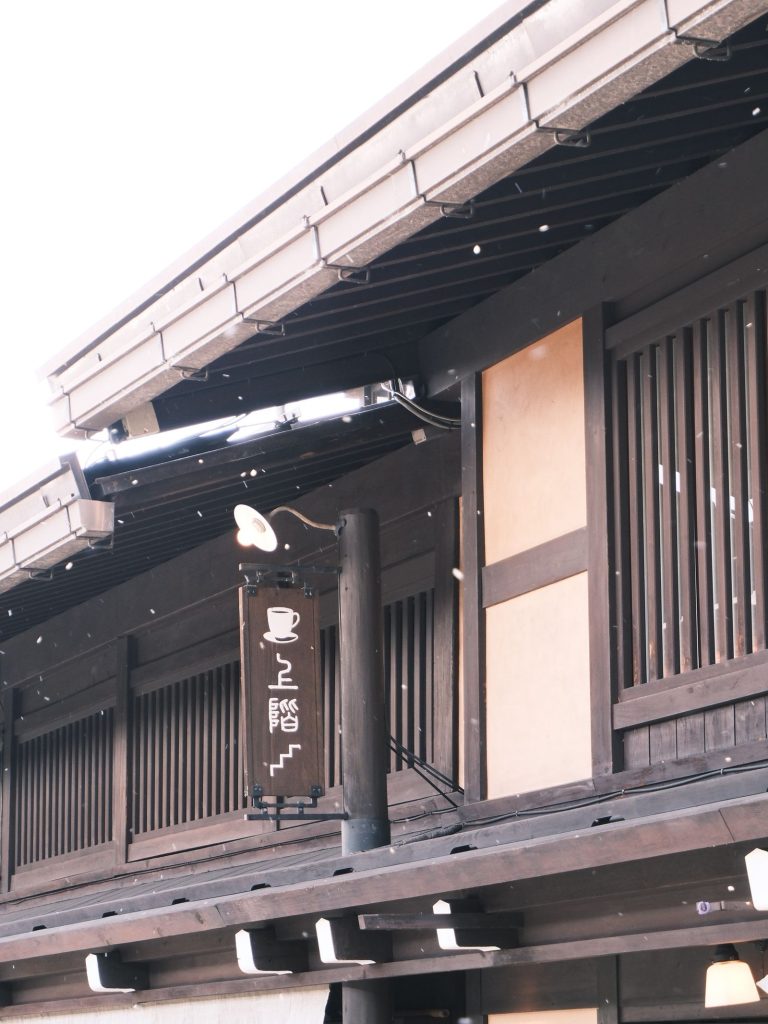
An Edo-era town in the Alps.
The Hyakumangoku festival in June celebrates the Maeda lords.
A parade celebrating the Maeda lords.
Snow ropes on the trees.
The top-rated places to stay in Kanazawa right now, live from Hostelworld.
Spring and autumn are best; winter brings snow to the garden.
Average highs.
Pick how you travel. Per person per night, in euros.
Prices are in yen locally; these are euro equivalents.
The ones we get asked most.

Compare Kanazawa hostels — live prices, real reviews and free cancellation on most bookings. Then meet the people already there in the app.

 Get the App.
 Get the App.