Bukit Bintang
NightlifeMalls, Jalan Alor and the Changkat bars.

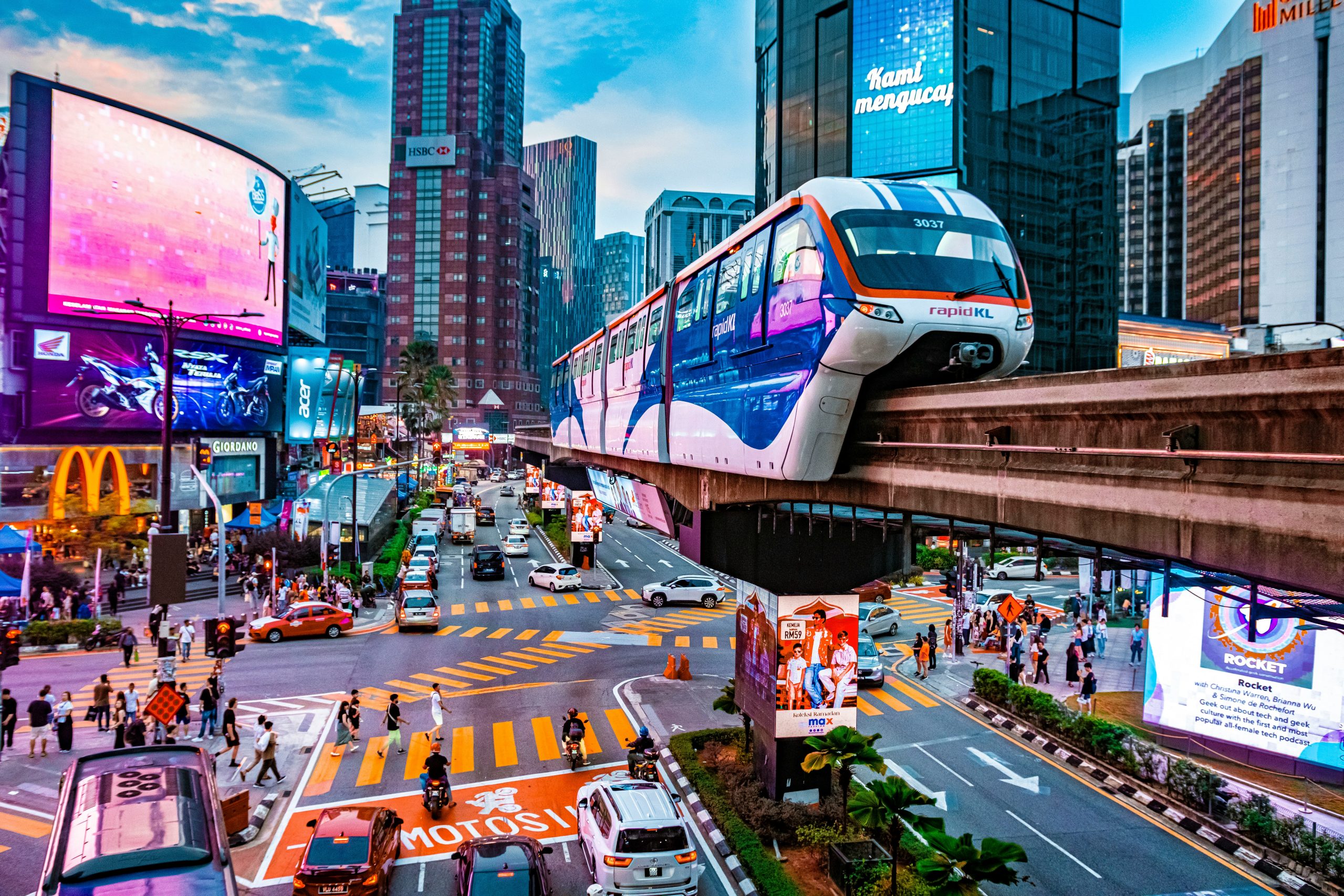
Malaysia's capital: the Petronas Towers, a Hindu cave temple up 272 rainbow steps, Chinese, Malay and Indian neighbourhoods side by side, and some of the best street food in Asia.
Kuala Lumpur grew from a tin-mining camp where two rivers meet, and today it is a modern capital of glass towers around a core of colonial buildings, Chinese shophouses and mosques.
Malay, Chinese and Indian cultures live side by side, and it shows in the food: nasi lemak for breakfast, char kway teow at lunch and roti canai at midnight.
KL is the main travel hub of the region, with cheap flights everywhere. Three days is right.
Bukit Bintang is the busiest base, with malls, Jalan Alor's food street and the Changkat bars. Chinatown, around Petaling Street, has the cheapest hostels and is close to the old colonial centre. KLCC, around the Petronas Towers, is modern and pricier, with the park on the doorstep.
Malls, Jalan Alor and the Changkat bars.
The cheapest hostels, near the colonial centre.
Around the Petronas Towers and the park; pricier.
Orange labels are neighbourhoods, dots are the 12 top-rated hostels. Map data from OpenStreetMap contributors.
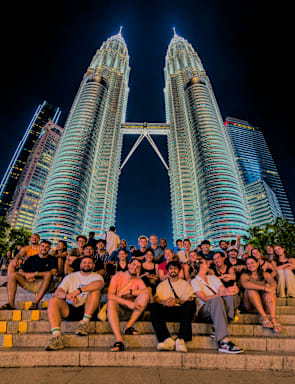
The Petronas Twin Towers, 452 metres tall, were the world's tallest buildings until 2004. The Skybridge and observation deck tickets, released in timed slots, sell out; book ahead. The KLCC Park below is free, with an evening fountain show at Lake Symphony.
Batu Caves, thirty minutes by train, is a Hindu temple inside a limestone cave, reached up 272 rainbow-painted steps beside a 43-metre golden statue of Lord Murugan. It is free; cover knees and shoulders, and watch your belongings around the monkeys. At Thaipusam, in January or February, hundreds of thousands of pilgrims climb the steps.
The old centre has Merdeka Square, where independence was declared in 1957, with the Moorish-style Sultan Abdul Samad Building, and the Masjid Jamek mosque at the river confluence that gave the city its name. The Islamic Arts Museum is one of the best in Asia.
Chinatown's Petaling Street market, the Sri Mahamariamman Temple and the Central Market, a 1930s Art Deco building of crafts, are side by side. Thean Hou Temple, a six-tiered Chinese temple on a hill, is beautiful at night.
KL Forest Eco Park, a patch of rainforest in the city centre, has a canopy walkway below the KL Tower. Kampung Baru, a Malay village surrounded by skyscrapers, is best at dinnertime.
Batu Caves is free, and so are KLCC Park and its evening fountain show, Merdeka Square and the colonial buildings around it.
Chinatown, Petaling Street and the Central Market cost nothing to wander, nor do Jalan Alor's food street and Kampung Baru. The city's temples and mosques are free to visit, dressed respectfully; the National Mosque lends robes to visitors.
The free GO KL City Bus loops around the centre, linking the main areas.
Kuala Lumpur's food mixes Malay, Chinese and Indian cooking. Nasi lemak, rice cooked in coconut milk with sambal, anchovies, peanuts and egg, is the national dish, eaten for breakfast. Roti canai, flaky flatbread with curry, is served all day at mamak stalls, Indian-Muslim restaurants open late and often around the clock.
Jalan Alor in Bukit Bintang is the famous food street, with grilled satay, chicken wings and seafood; locals prefer the hawker centres and kopitiams, old coffee shops. Try char kway teow, banana-leaf rice in Brickfields, and teh tarik, pulled milk tea.
A hawker meal is €2 to €4; a restaurant meal €6 to €12.
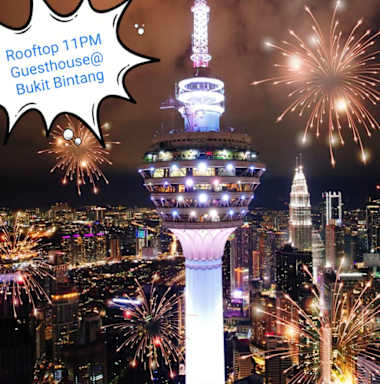
Changkat Bukit Bintang has the busiest strip of bars, from expat pubs to cocktail bars, and the city has rooftop bars with views of the Petronas Towers. Clubs are in Bukit Bintang and around TREC.
Alcohol is heavily taxed in Malaysia, so drinks are pricey; happy hours help. Mamak stalls stay open late for food after a night out.
A beer is €4 to €8 in a bar.
KLIA, the main airport, is about 30 minutes from KL Sentral on the KLIA Ekspres train, or an hour by bus or Grab.
The LRT, MRT and monorail cover the centre; use a Touch 'n Go card or a contactless bank card. Grab is cheap and avoids the taxis that refuse meters. The free GO KL buses loop around the centre.
KL Sentral is the hub: ETS trains reach Ipoh in about two and a half hours and Butterworth, for Penang, in about four. Buses from TBS terminal reach Melaka in about two hours and the Cameron Highlands in about four.
Kuala Lumpur is mid-priced. Dorms start around €8 and a careful day is €20 to €35.
The Petronas Skybridge is the big ticket, around €20; Batu Caves and most temples are free. A hawker meal is €2 to €4, and train rides under €1.50.
Foreign visitors pay a tourism tax of RM10 per room per night, added to accommodation bills.
The currency is the Malaysian ringgit (MYR or RM); prices here are euro equivalents, at roughly 5 ringgit to the euro. Cards and e-wallets work widely in cities; carry cash for hawker stalls and smaller towns.
Kuala Lumpur is safe, but snatch theft by motorcyclists happens: walk with bags on the side away from the road, and keep phones in hand away from the kerb.
Dress modestly at mosques and temples. Drug laws are severe, including the death penalty for trafficking.
Complete the Malaysia Digital Arrival Card online within three days before arriving.
Emergency number is 999.
Temple caves, tea, the old port and fireflies.
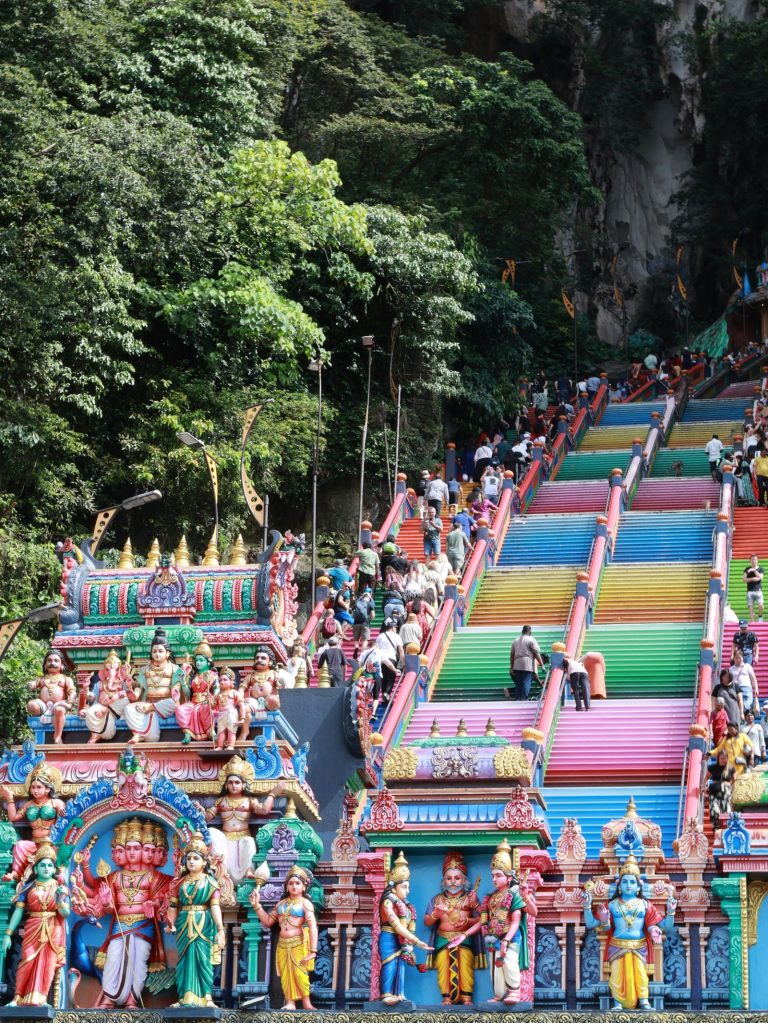
A Hindu temple in a limestone cave, up 272 steps.
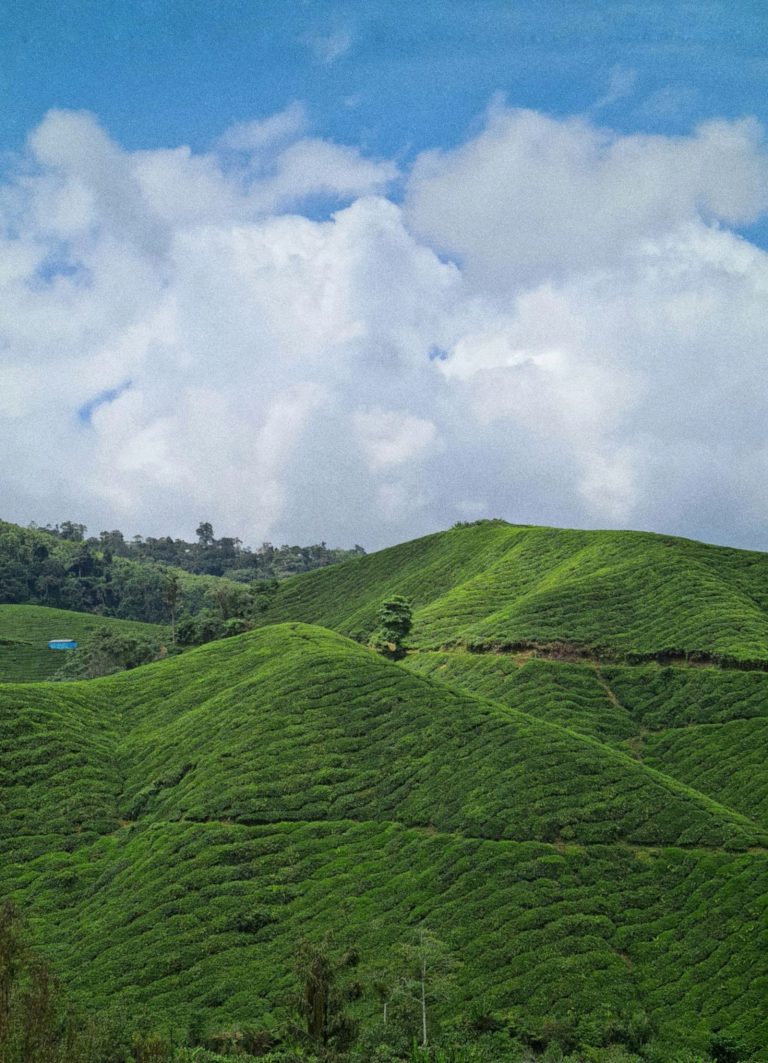
Tea plantations and cool air.
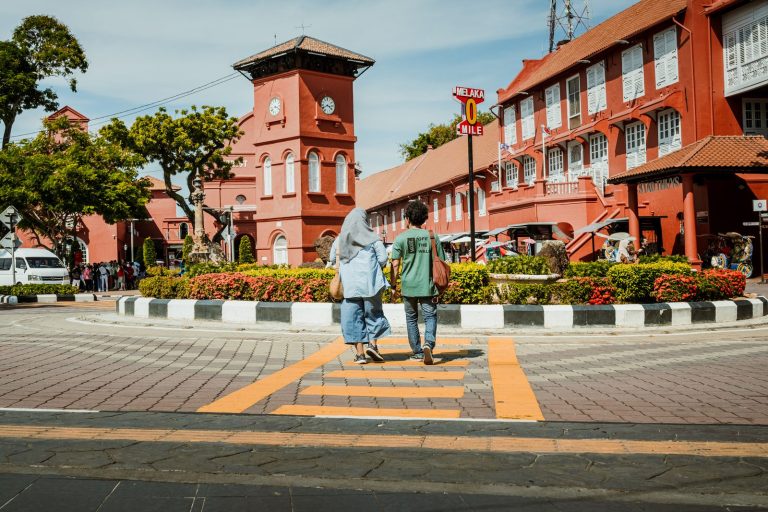
The heritage port town.
Thaipusam at Batu Caves is one of Asia's most extraordinary festivals.
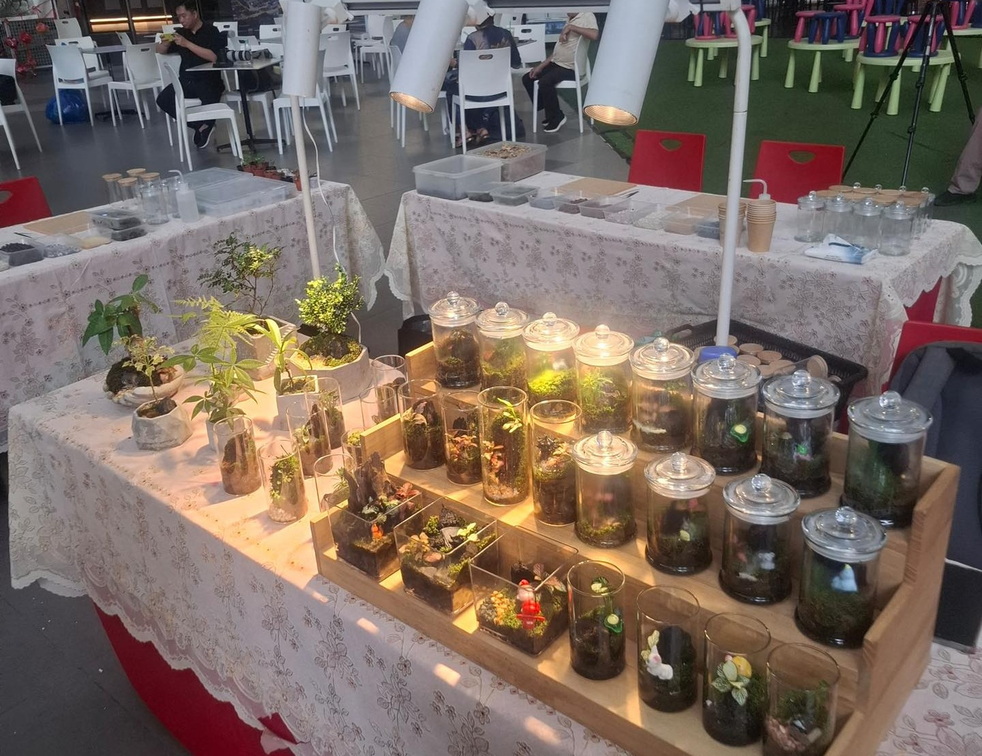 Staff pick
Experience the Mid-Autumn Unity Lantern Festival, where communities come together to celebrate tradition and togetherness. Enjoy cultural performances, a lively bazaar, interactive games, lantern…
 Staff pick
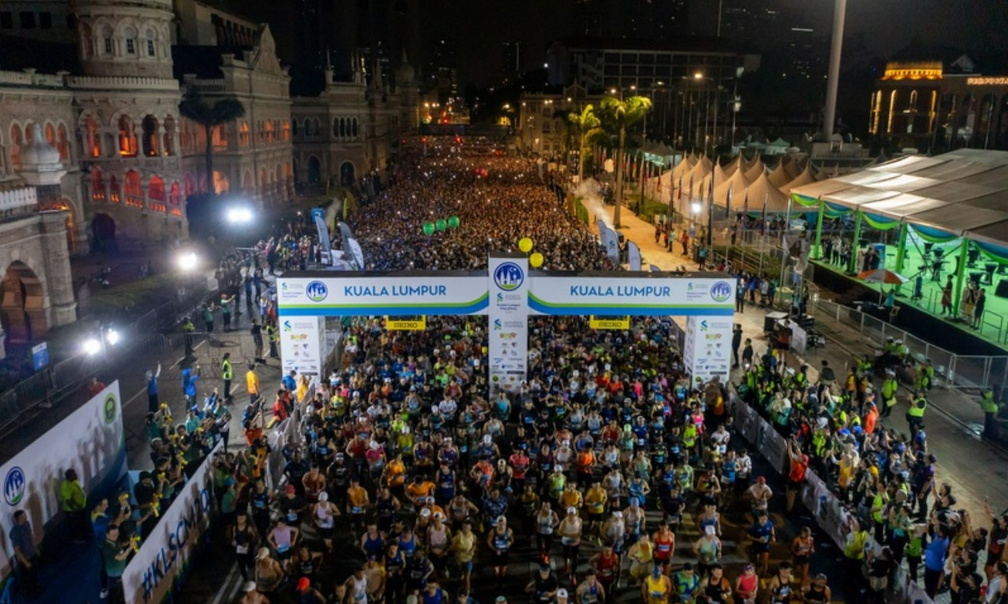
The Kuala Lumpur Standard Chartered Marathon is Malaysia’s premier running event, drawing athletes and enthusiasts from around the world to the heart of its…

MJ116 brings their "OGS" tour to Kuala Lumpur, carrying the momentum of sold-out arena shows across Asia and a reputation as one of Chinese…
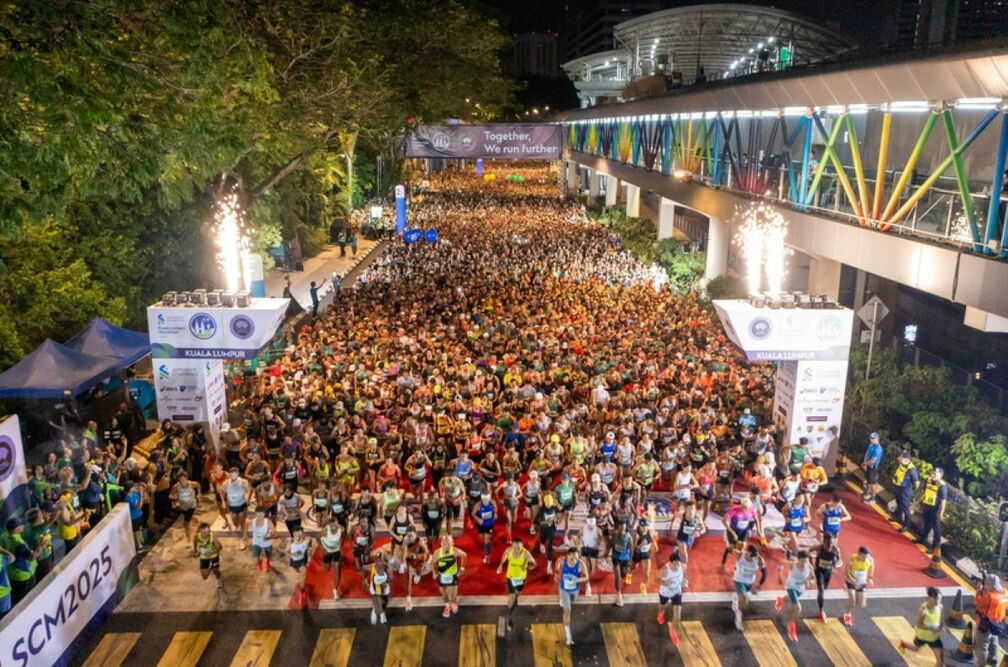
The Kuala Lumpur Marathon 2026 invites running enthusiasts to experience a vibrant urban race in the heart of Malaysia's capital. The event features multiple…

The Allstar Legends Football Match brings together iconic football players for a memorable game at TM National Stadium Bukit Jalil. You will experience prime…
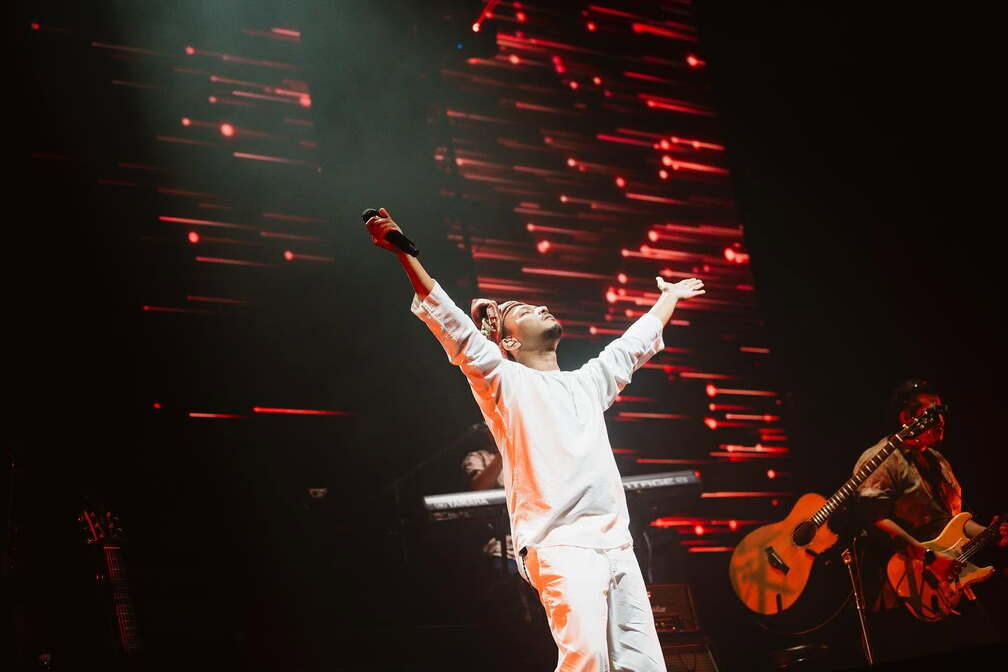
Faizal Tahir: Suara Rakyat is a concert event held at Unifi Arena Bukit Jalil in Kuala Lumpur. The event features a fully seated layout…

Konsert Gema Bumantara Dato' Sri Siti Nurhaliza is a concert event held at the National Stadium Bukit Jalil in Kuala Lumpur. The event features…
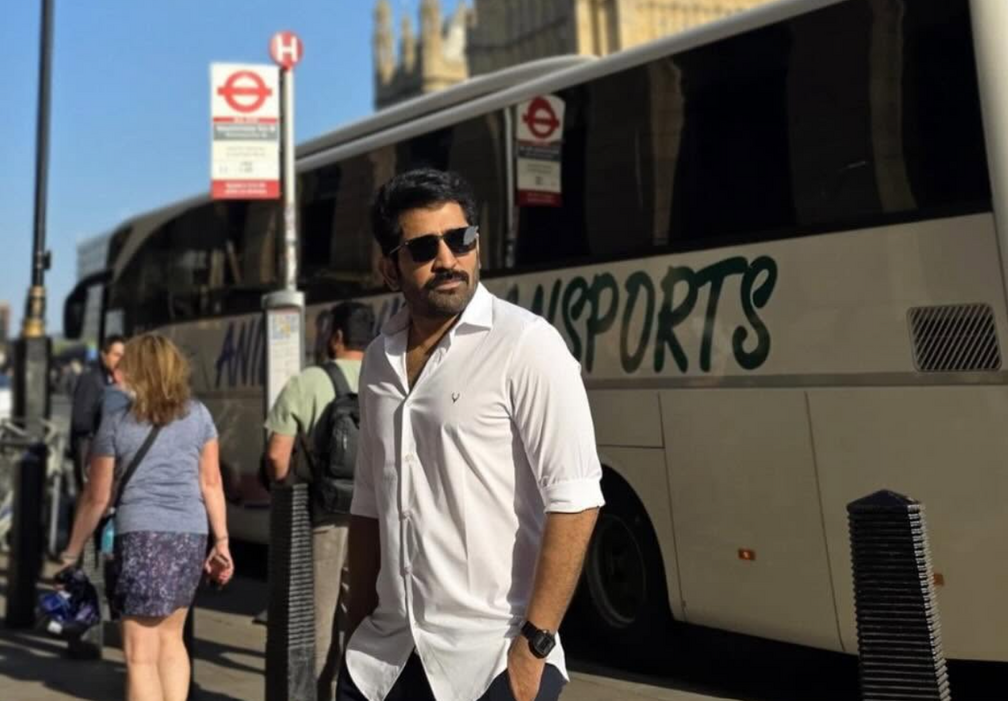
BNPL - Vijay Antony Live in Concert 2026 brings a vibrant musical experience to Kuala Lumpur. The event is set at the National Hockey…
The top-rated places to stay in Kuala Lumpur right now, live from Hostelworld.
 Sustainable
 Sustainable
 Sustainable
Warm all year. May to July and December to February are driest.
Average highs. Afternoon storms are common.
Pick how you travel. Per person per night, in euros.
Prices are in ringgit locally; these are euro equivalents.
The ones we get asked most.

Compare Kuala Lumpur hostels — live prices, real reviews and free cancellation on most bookings. Then meet the people already there in the app.

 Get the App.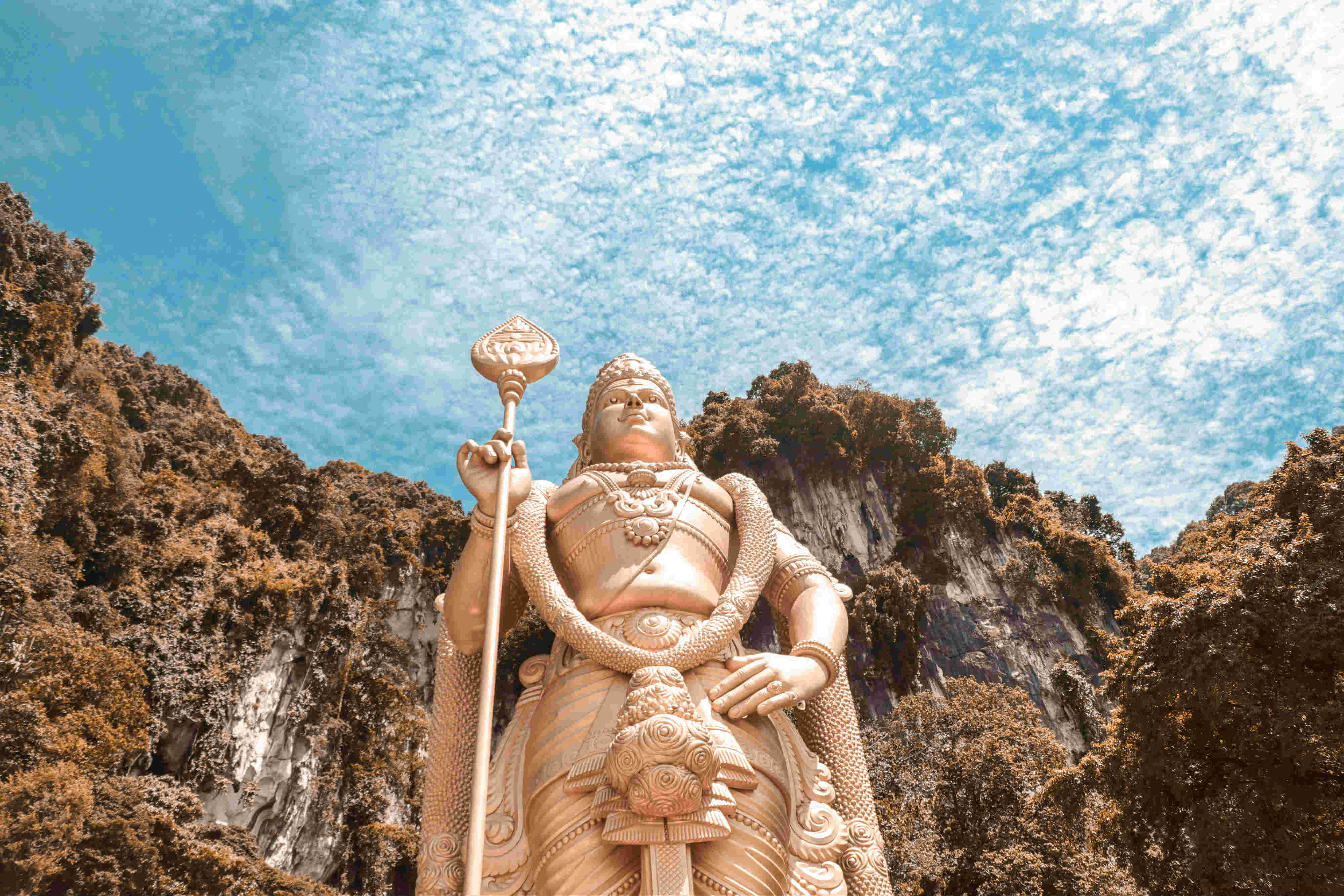
 Get the App.