Galle Fort
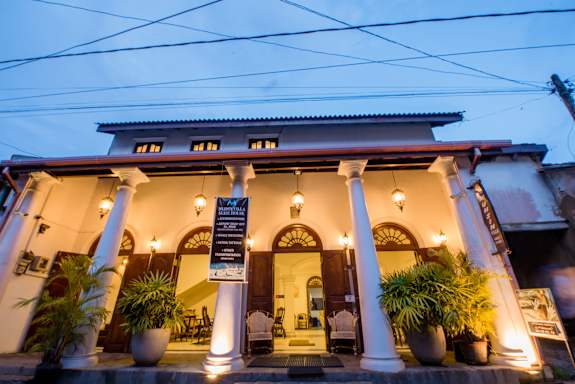
AtmosphereRestored colonial houses inside the ramparts; walk to everything.

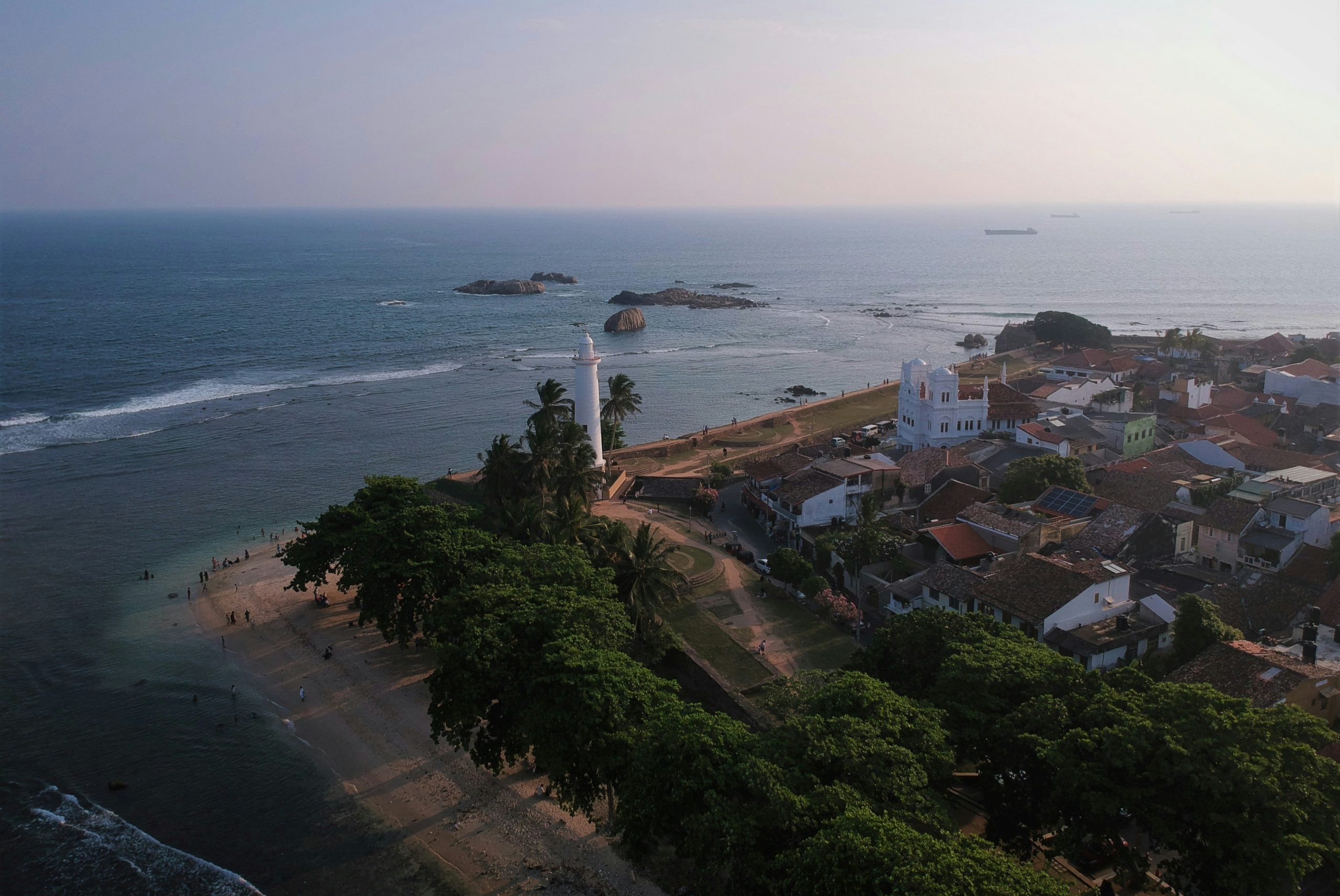
A seventeenth-century Dutch fort on a headland, its ramparts perfect for sunset walks, with a walled town of cafés, boutiques and guesthouses inside and beaches along the coast.
Galle Fort was built by the Portuguese and rebuilt by the Dutch in the seventeenth century, and it is the best-preserved European fortified town in South Asia. It is a UNESCO World Heritage Site.
Inside its ramparts is a small town of colonial streets, churches, a lighthouse and a lively scene of cafés and boutiques, while the modern city lies outside.
Galle is a good base for the south coast beaches. Two days is right.
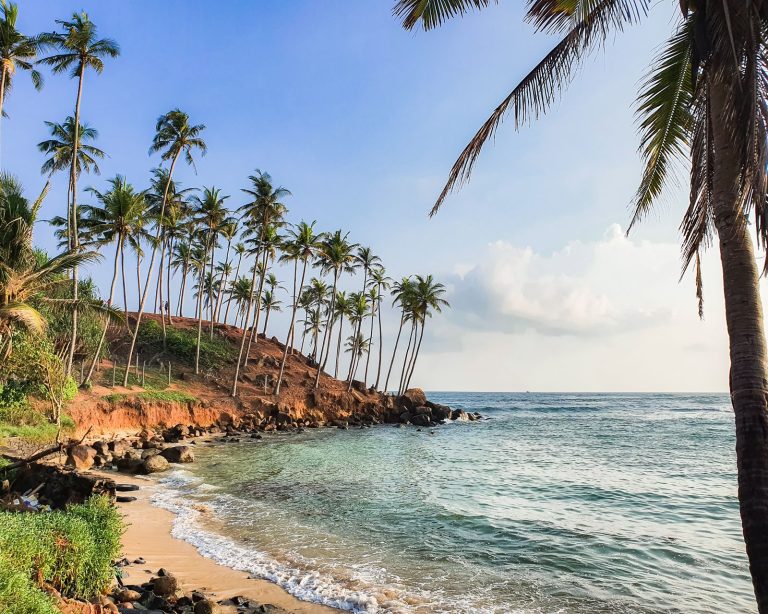
Inside the fort, guesthouses fill restored colonial houses, and you can walk to everything; it is the most atmospheric choice. Unawatuna, fifteen minutes east, has a sheltered beach and more hostels. Further along, Thalpe and Dalawella have quieter beaches and natural rock pools.
Restored colonial houses inside the ramparts; walk to everything.
A sheltered bay with hostels and bars, 15 minutes east.
Quieter beaches and natural rock pools further east.
Orange labels are neighbourhoods, dots are the 12 top-rated hostels. Map data from OpenStreetMap contributors.
Walk the ramparts, which run almost all the way round the fort. Start at the lighthouse, built in 1939, and go on past Flag Rock, once a signal station, where local boys used to dive from the rocks for tips, to the Clock Tower bastion. Sunset is the time, when half the town comes out.
Inside the walls, the streets are laid out on the Dutch grid. See the Dutch Reformed Church, rebuilt in 1755, with tombstones set into its floor; the Maritime Museum in a seventeenth-century warehouse; and the old Dutch hospital. The Historical Mansion museum is a cluttered private collection of colonial antiques.
Unawatuna, a fifteen-minute tuk-tuk ride, has a curved, sheltered beach. Walk over the hill to Jungle Beach, a small cove for snorkelling, and the white Japanese Peace Pagoda on Rumassala hill above it.
Further east, at Koggala and Ahangama, stilt fishermen perch on poles in the surf, though most now pose for tips rather than fish. Koggala Lake has boat trips to small islands with a cinnamon farm and a temple.
Galle Fort is free to enter and explore. The ramparts, the lighthouse, the church and the streets cost nothing, and sunset on the walls is the best free show on the south coast.
The Japanese Peace Pagoda above Jungle Beach is free, as are the beaches at Unawatuna and Dalawella. On Sundays, local families and cricket players fill the green below the walls.
Inside the fort, cafés and restaurants serve everything from Sri Lankan curries to Western brunch, at prices well above the rest of the island. For better value, eat at local rice-and-curry places just outside the walls, near the bus station.
Galle's fish market, by the harbour, shows the morning catch, and many restaurants grill fish to order. Try a fish ambul thiyal, a sour, dry tuna curry from the south coast.
A meal is €3 to €10.
Galle Fort is quiet at night, with a few wine bars and hotel bars rather than anything lively.
For more of a scene, Unawatuna's beach bars have music and sometimes parties in the high season, and the surf towns of Ahangama and Weligama further east have a growing bar scene.
A beer is €2.50 to €4, more inside the fort. Every full-moon day is a Poya holiday, when alcohol sales are banned and most bars close or serve only quietly; check the calendar before planning a night out.
The fort is walkable, and tuk-tuks wait outside the main gate for Unawatuna and the beaches.
The coastal train runs to Colombo in two to three hours, along the sea for much of the way; the line is fully working. Express buses on the Southern Expressway are faster, about an hour and a half to the edge of Colombo.
Buses run along the coast to Unawatuna, Weligama and Mirissa, about an hour, and on to Matara. The airport is about two and a half hours by car via the expressway.
Galle is mid-priced, but the fort is the most expensive place to sleep and eat on the south coast. Dorms start around €8 and a careful day is €20 to €35.
The fort itself is free; the Maritime Museum and the Historical Mansion are a few euros. A tuk-tuk to Unawatuna is €2 to €4, and a coffee in the fort costs what it would in Europe.
The currency is the Sri Lankan rupee (LKR); prices here are euro equivalents. There are ATMs in the fort and the new town.
Galle is safe. Inside the fort, touts offer guided walks and gem shops; a polite no is enough.
The sea on the south-west coast is rough from May to October, with strong currents. Swim only on sheltered beaches such as Unawatuna and Jungle Beach, and never where red flags are flying.
Traffic on the coast road is fast; take care crossing and on scooters.
Emergency: 119 police, 1990 ambulance (Suwa Seriya, free). Tourist Police: 1912.
Beaches, stilt fishermen and lake islands along the south coast.
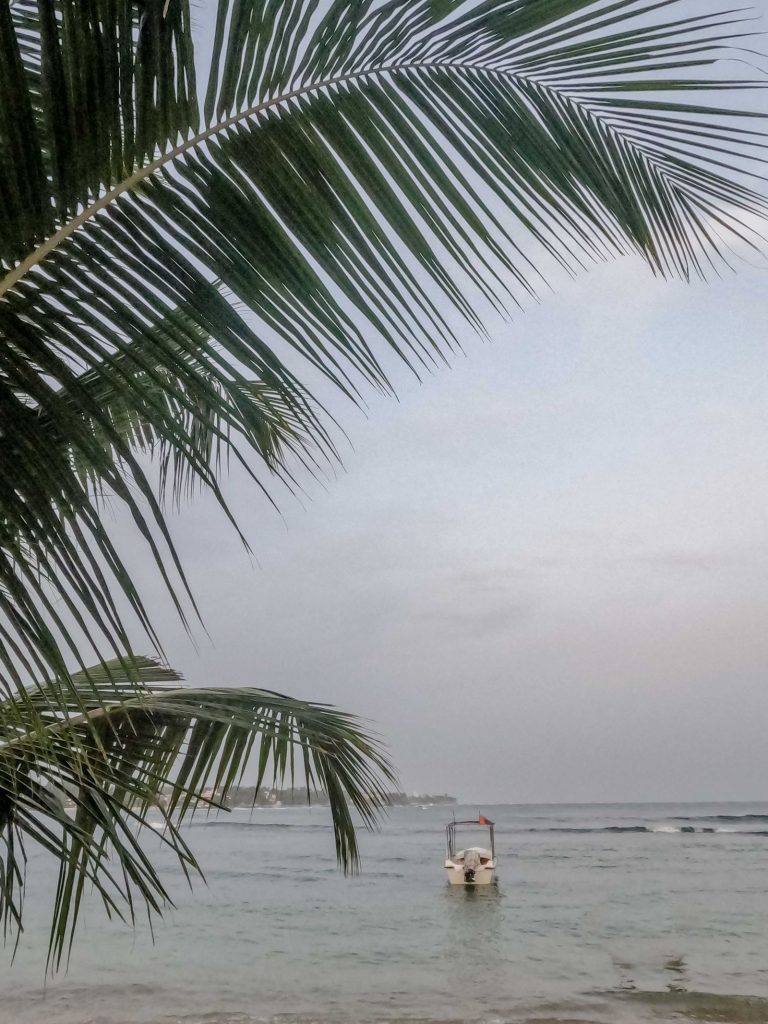
A sheltered beach bay, with Jungle Beach over the hill.
Whale watching from November to April.
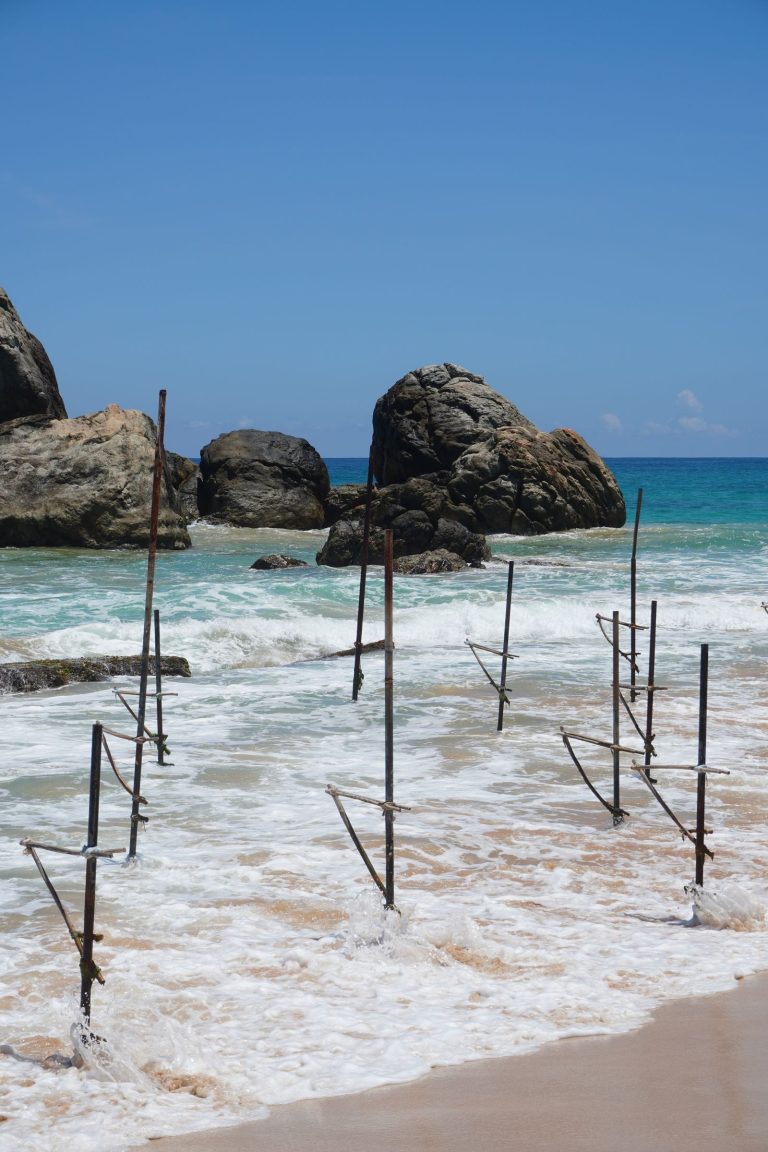
Stilt fishermen and boat trips to the islands of Koggala Lake.
The Galle Literary Festival is held in January.
A literary festival.
Calm seas.
The top-rated places to stay in Galle right now, live from Hostelworld.
 Sustainable
 Sustainable
 Sustainable
 Sustainable
 Sustainable
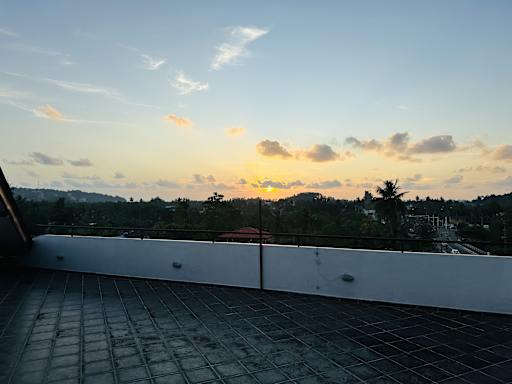 Sustainable
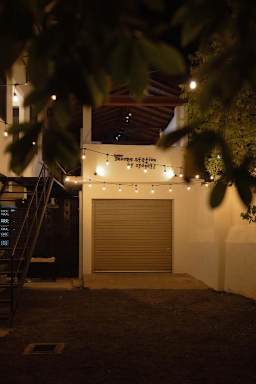 Sustainable
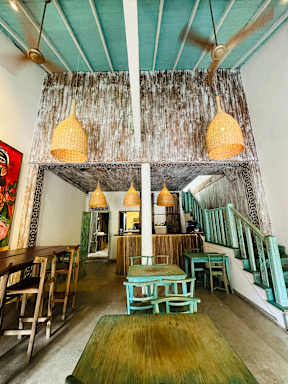
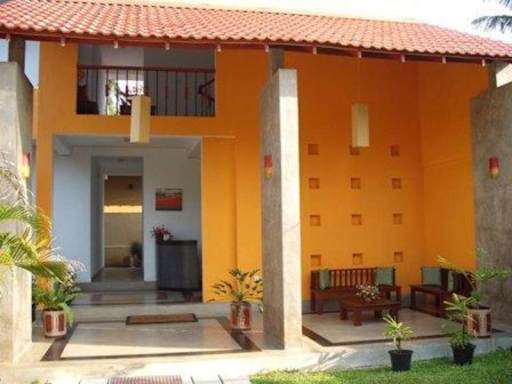
December to April is the season on the south-west coast.
Average highs.
Pick how you travel. Per person per night, in euros.
Prices are in rupees locally; these are euro equivalents.
The ones we get asked most.

Compare Galle hostels — live prices, real reviews and free cancellation on most bookings. Then meet the people already there in the app.

 Get the App.
 Get the App.