
Backpacker Guide To Getting Deliveries On The Road
Nobody tells you this before your first long trip, but at some point you will need something sent to you. A replacement passport. A specific medication. Hiking boots that finally fit properly after six weeks of blisters. A birthday present from your family that means more than anything in the nearest gift shop. The thing you forgot to pack that you now desperately need.
The assumption most backpackers make is that getting a delivery while travelling is complicated, unreliable, or basically impossible. It’s not. Millions of long-term travellers receive packages on the road every year, and the systems for doing it have got significantly better over the last decade. Amazon ships internationally. Hostels hold mail. Poste restante still exists. Forwarding services exist specifically for this problem.
This guide covers every method available for getting a delivery while backpacking, when each one works best, what to watch out for, and how to handle the logistics in practice. Whether you need something urgently in the next 48 hours or you’re planning ahead for a package arriving in three weeks, there’s a workable option here.
The key, as with most travel logistics, is knowing what you’re working with before you need it.

🏠 Using Your Hostel as a Delivery Address
This is the first option and often the best one for backpackers. Most hostels will accept packages on behalf of guests, and many do it regularly enough that they have a system for it. It’s one of those hostel features that rarely gets mentioned in listings but is genuinely useful when you need it.
How to make it work:
- Contact the hostel before shipping anything. Don’t assume. Call or email, explain what’s coming, confirm they’re happy to receive it, and get the exact address including any reference number or attention line they want on the package.
- Book enough nights to cover the delivery window. If the package is arriving in five days, make sure you’re booked for at least five nights, with some buffer.
- Address it clearly. Your full name, “c/o [hostel name]”, the full street address, and the hostel’s phone number.
- Keep the hostel updated on tracking. If the delivery is delayed, let them know in advance.
Quick tip: Some hostels charge a small fee for holding packages, particularly for non-guests or extended storage. Ask upfront. Most don’t charge anything for current guests, and many will hold it for a day or two after checkout if you ask nicely.
📬 Poste Restante: The Old-School Solution That Still Works
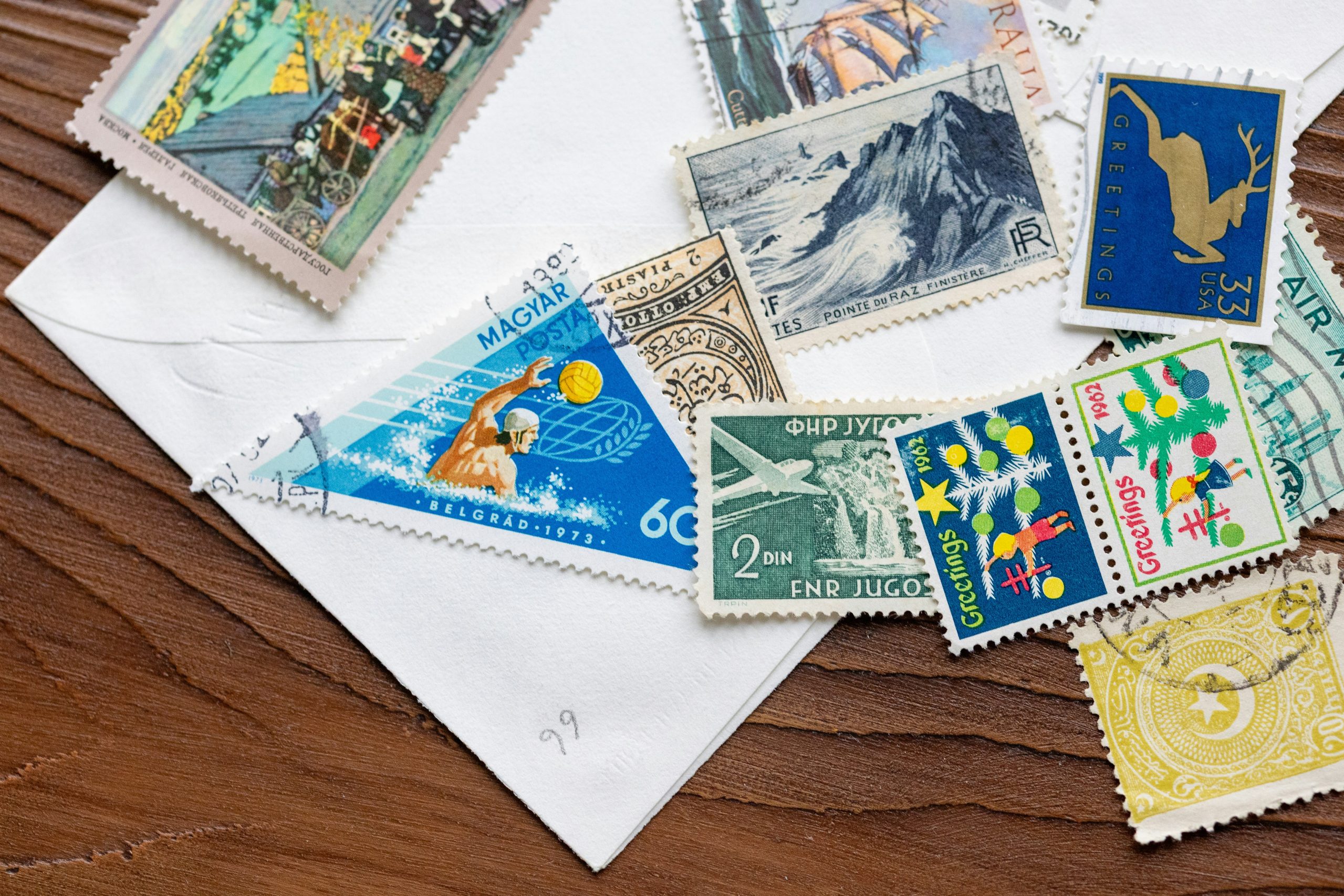
Poste restante is a postal system that predates backpacking itself. It allows you to receive mail and packages at a post office in any city without a fixed address. The post office holds it until you collect it in person, with your passport as identification.
It still works in 2026, and it’s available in most countries that have a national postal service. The reliability varies, but for non-urgent correspondence and smaller packages, it’s a genuinely useful option.
How it works in practice:
- Find the main post office (central branch) in the city you’re heading to
- Have the sender address the package: Your Full Name, Poste Restante, [City], [Country]
- Collect it at the post office with your passport
- Items are typically held for two to four weeks before being returned
The practical limitations: poste restante works best in larger cities with a reliable postal infrastructure. In remote areas or countries with underdeveloped postal systems, it’s less dependable. For anything valuable or time-sensitive, it’s not the right choice.
It’s still the best option for receiving letters, documents, or light packages when you’re moving slowly through a country and know your general route in advance.
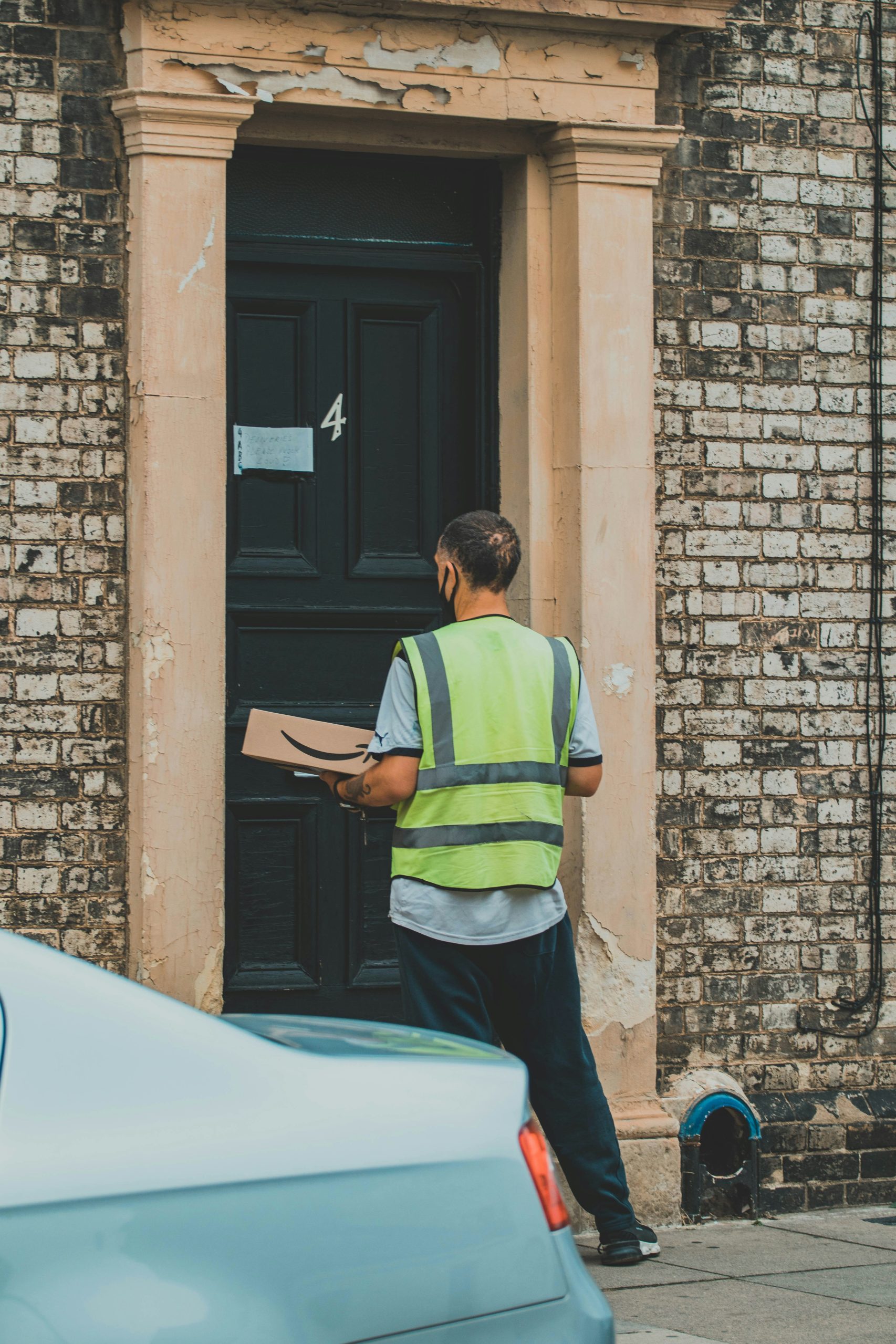
📦 Amazon and International Shipping: What Actually Works
Amazon ships to more countries than most people realise, and the international shopping landscape in 2026 is significantly better than it was five years ago. Knowing the options before you need them saves a lot of stress.
Amazon options by region:
| Region | What works |
|---|---|
| Europe | Amazon ships across the EU freely. Order to any address, hotel, or hostel. |
| Southeast Asia | Amazon.com ships selectively. Shopee and Lazada are the dominant local platforms and ship domestically fast. |
| Latin America | Amazon ships to Mexico and Brazil directly. Other countries are patchier. Mercado Libre covers the gap. |
| South Asia | Amazon India ships domestically well. International shipping into India is complex due to customs. |
| Africa | Amazon ships to South Africa and some North African countries. Jumia is the main local platform elsewhere. |
| Middle East | Amazon.ae covers UAE and regional shipping well. |
The important thing to know: customs duties apply to international shipments above a certain value threshold, and those thresholds and rates vary by country. Sending a €200 piece of gear through customs into a country with high import duties can result in an unexpected bill. Always check the customs rules for the destination country before shipping anything of significant value.

🔄 Mail Forwarding Services: For Long-Term Travellers
If you’re travelling for six months or more, a mail forwarding service is worth knowing about. These are companies that give you a permanent postal address (usually in the US, UK, or EU), receive your mail on your behalf, and forward it to wherever you are in the world.
The main services:
- US Global Mail (US address, ships internationally)
- Earth Class Mail (US address, scans and digitises mail as well as forwarding)
- UK Postbox (UK address, good for EU-based travellers)
- Anytime Mailbox (multiple address options globally)
These services typically cost €10-25 per month, with forwarding costs on top. They’re most useful for travellers who still have ongoing mail arriving at home (bank statements, official correspondence, renewal notices) and need a way to manage it without a fixed address.
The forwarding part works like any international courier shipment, so the same customs considerations apply. The advantage is that you can consolidate several items into one shipment rather than paying multiple forwarding fees.
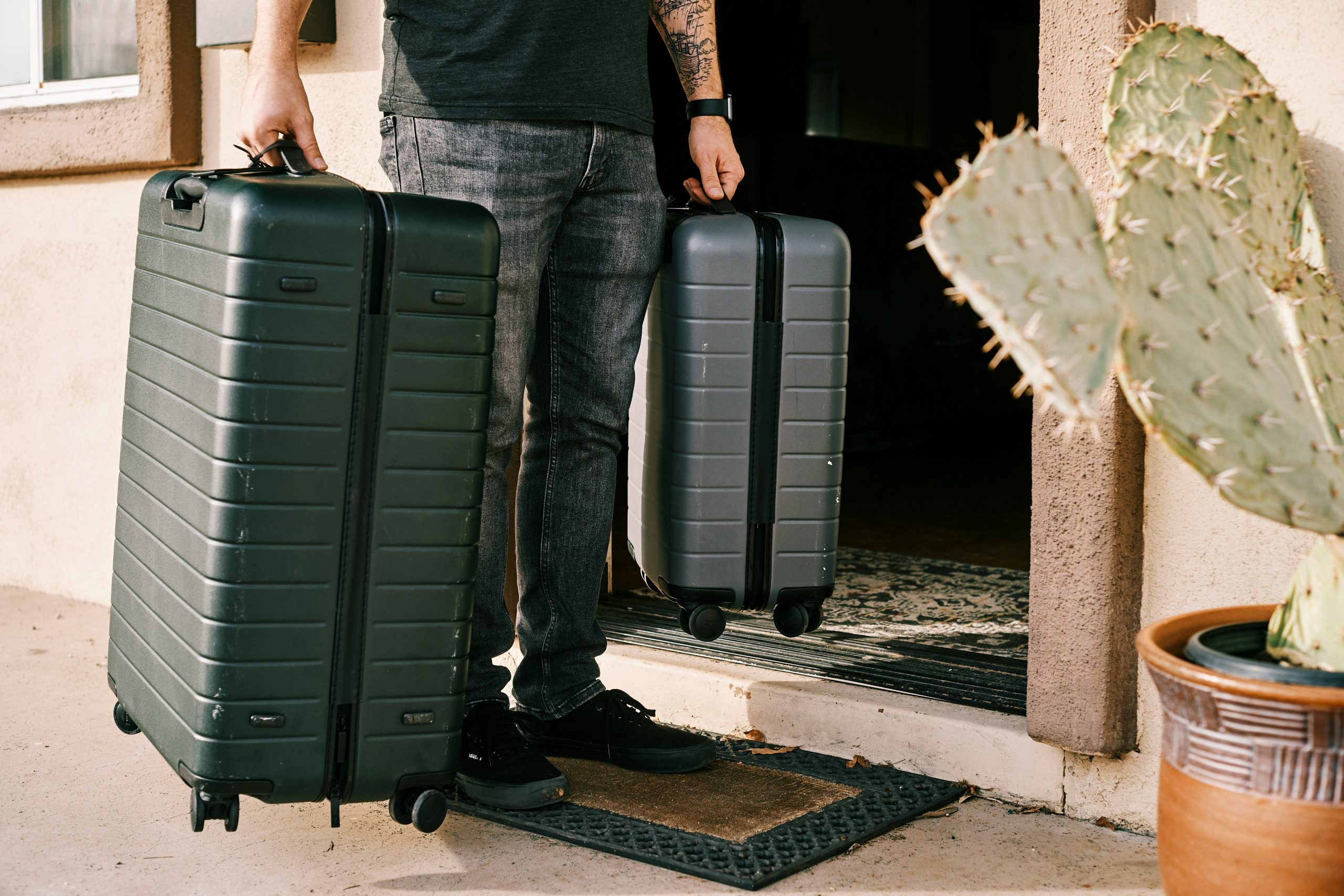
✈️ Shipping to Yourself: The Luggage Depot Strategy
Here’s a less obvious one. Some long-term travellers ship gear ahead of themselves rather than carrying it, or store seasonal gear at a shipping hub and have it forwarded when they need it.
This makes sense in specific situations:
- You’re heading into a cold-weather section of your trip and your winter gear is stored at home
- You’ve accumulated too much stuff and want to send some home rather than carry it
- You need a specific piece of gear that’s only available in your home country
Services worth knowing about:
- SendMyBag: specialises in luggage shipping internationally, good rates, door-to-door
- Ship Smart: US-focused but handles international routes
- UPS, FedEx, DHL: more expensive but reliable and widely available for urgent shipments
The cost calculation usually comes down to weight and distance. For anything under 5kg, international courier services (DHL, FedEx) are often competitive. For heavier or bulkier items, freight forwarding services can work out significantly cheaper.
Worth knowing: if you’re shipping gear home rather than forward, flat-rate international boxes from national postal services (USPS, Royal Mail, Australia Post) are often the cheapest option for items under a certain weight, if you’re not in a hurry.
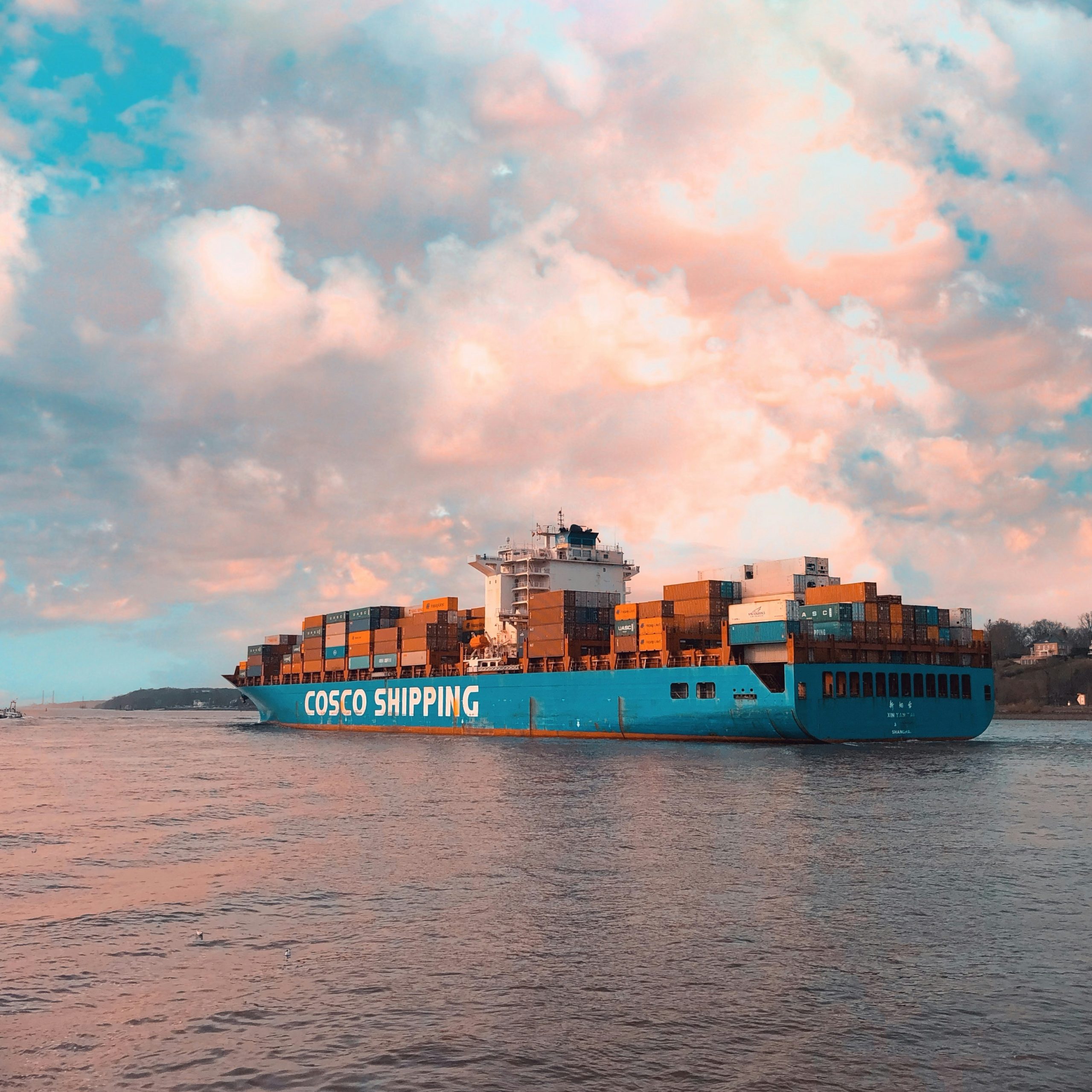
🧾 Dealing with Customs: What You Need to Know
Customs is the part of international shipping that catches most people out. The rules are different in every country, but a few principles apply almost everywhere.
Declared value matters. Most countries have a de minimis threshold below which no customs duty applies. In the EU it’s €150. In the US it’s $800. In many developing countries it’s much lower, sometimes as little as $20-50.
Personal use vs commercial import. Items clearly for personal use are treated differently from commercial goods. A single pair of shoes sent to yourself is personal use. Ten pairs start to look like stock.
What to do when you’re expecting a customs charge:
- Check tracking obsessively. Packages held in customs show up on the tracking system.
- Have a local contact who can help navigate collection if the package is held.
- Know where the customs clearance office is in the city you’re in.
- Carry the original purchase receipt for anything valuable, as customs agents may request it.
The honest advice: for anything genuinely valuable or irreplaceable, use a tracked international courier with declared value insurance, not standard post. The cost difference is usually worth it.
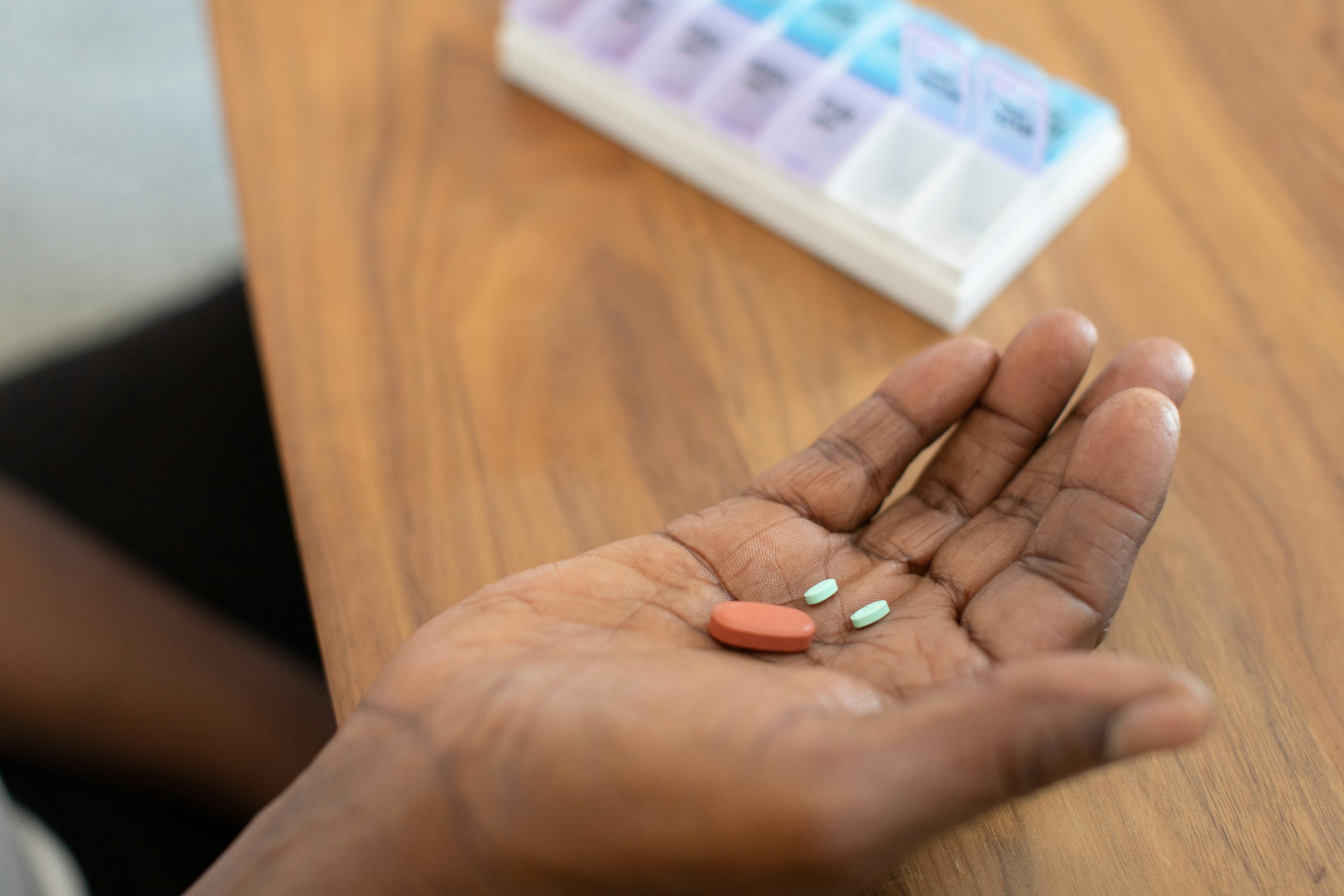
💊 Receiving Medications While Travelling
This deserves its own section because it’s both more urgent and more complicated than other deliveries.
The general rules for receiving medication internationally:
- Prescription medications must usually be accompanied by documentation: a prescription, a doctor’s letter, and sometimes a letter from a pharmacist
- Some medications are controlled substances in certain countries and may be seized regardless of documentation
- Many countries allow a limited personal supply (often 30 to 90 days) to be imported without special permits
Before travelling long-term:
- Get a letter from your doctor on headed paper explaining your condition and medication
- Carry a translated version of the letter for countries where English is not widely spoken
- Research the legal status of your specific medication in each country you’re entering
If you run out of a medication on the road, the best first step is finding a local doctor or pharmacy rather than trying to have it shipped internationally. Many common medications are available over the counter in other countries (often cheaper), and a local prescription is usually easier to obtain than navigating international pharmaceutical shipping.
For urgent medication needs, contact your country’s embassy or consulate in the destination country. They can refer you to doctors who work with foreign nationals and understand international prescription requirements.

📱 Tech Tools That Make All of This Easier
A few apps and tools that genuinely help with managing deliveries on the road:
For tracking:
- Parcel (iOS/Android): aggregates tracking from multiple carriers in one app
- 17track: covers an enormous range of carriers including many regional ones
- AfterShip: good for e-commerce orders from multiple retailers
For translation: Google Translate’s camera function reads customs forms, package labels, and post office signs in real time. Genuinely useful when navigating a post office in a country where you don’t read the script.
For finding post offices and customs offices:
- Google Maps is usually reliable for locating post offices
- The website of the national postal service often has a branch locator
For Amazon internationally: set your delivery address before checkout and let the system tell you what ships to your destination. Amazon is usually upfront about what it can and can’t deliver to a specific address. If something doesn’t ship internationally, a third-party forwarding service can receive it in the US or UK and forward it on.
🏡 Staying Long Enough: The Core Logistics Rule
All of the above methods share one underlying requirement: you need to be in one place long enough for the package to arrive.
This sounds obvious, but it’s the thing that catches most people out. Booking a delivery to a hostel you’re leaving in three days when the package takes five days to arrive is a problem. Building in buffer time is the solution.
Practical rules that work:
- Add at least two to three days of buffer to any estimated delivery window before your planned checkout
- Book a flexible hostel that you can extend if the package is delayed, rather than locking in a checkout date you can’t change
- For anything time-critical, pay for express shipping and track obsessively rather than hoping standard post makes it in time
- If you’re moving around fast, use a hostel in a city you’re planning to return to rather than a one-night stop
Slowing down slightly around a delivery isn’t a bad thing. Some of the best hostel stays happen when an unexpected package delay gives you an extra two days somewhere you were planning to leave.
✅ Final Thoughts: The Delivery-Friendly Backpacker
Getting deliveries on the road is genuinely possible, and knowing the options in advance makes the whole thing much less stressful when you actually need them. The hostel address method handles most situations. Poste restante handles the gaps. International couriers handle the urgent ones. Mail forwarding handles the long-term logistics.
The most important habit to build: contact the recipient address before shipping anything. Whether it’s a hostel, a post office, or a friend’s apartment, confirming they can receive the package and getting the exact address details right saves the most common problems.
Everything else is tracking numbers, buffer time, and the occasionally maddening joy of picking up a package in a foreign post office and having it actually be the right thing.
Download the Hostelworld app to start booking now


❓ FAQs: Getting Deliveries While Backpacking
What is poste restante?
Poste restante is a postal service that lets you receive mail at a post office without a fixed address. The post office holds it until you collect it with your passport. It's available in most countries with a national postal service and works best in major cities.
Does Amazon ship internationally?
Yes, to many countries, though availability varies by destination. Amazon also has regional platforms (Amazon.de, Amazon.co.uk, Amazon.co.jp and others) that ship within their own regions more efficiently. Local platforms like Shopee, Mercado Libre, and Jumia cover gaps in Southeast Asia, Latin America, and Africa respectively.
How do I receive prescription medications abroad?
Carry a doctor's letter on headed paper explaining your medication and condition. Research the legal status of your medication in each destination country. For running out of medication unexpectedly, contact a local pharmacy or doctor first, as many medications are available locally. Your country's embassy can refer you to suitable doctors.
What happens if my package gets stuck in customs?
Track it closely. Packages held in customs show up on tracking systems. You may need to visit the customs office in person with your passport and the purchase receipt. For international courier shipments (DHL, FedEx, UPS), the courier usually contacts you directly with instructions for clearing the package.
What's the best way to ship gear home during a long trip?
For items under 5kg, national postal services (USPS flat-rate, Royal Mail, Australia Post) offer competitive rates if you're not in a hurry. For heavier items, compare SendMyBag and similar luggage shipping services against standard courier rates. Always weigh and measure before deciding.
How long will a hostel hold a package after I check out?
This varies by hostel. Most will hold it for a day or two out of goodwill. Some charge a small daily storage fee for extended holding. Ask when you make the arrangement, not after you've already checked out.


 Get the App.