
Getting Sick While Travelling: What To Do & How To Get Help Fast
Getting sick while travelling is one of those things nobody plans for and almost everyone experiences eventually. A dodgy meal in Morocco, a chest infection that comes on slowly in a cold week in Eastern Europe, food poisoning that arrives at 2am in a hostel dorm, a fever that won’t break in the middle of a trek in Nepal. It happens. And when it does, knowing what to do makes an enormous difference to how quickly it resolves.
The good news is that most travel illnesses are manageable, temporary, and resolvable with the right approach. Pharmacies are more accessible than people expect. Doctors are findable in almost every city. Hostels are often the best first source of local medical guidance. Travel insurance, when you have it, covers most of the cost.
This guide covers what to do when you get sick while travelling: how to assess what you’re dealing with, when to self-treat and when to get professional help, how to find a doctor abroad, how to navigate pharmacies and hospitals in different countries, and what to have in place before you leave that makes all of this significantly easier.
Being prepared is not pessimism. It’s the thing that lets you travel with confidence.

🤒 First Step: Assess What You’re Actually Dealing With
Not every travel illness requires a doctor. The first and most important step is figuring out what you’re dealing with.
Common and usually self-resolving:
- Traveller’s diarrhoea (the most common travel illness globally, typically resolves in 1-3 days)
- Mild food poisoning without fever or blood in stool
- Motion sickness
- Mild cold or upper respiratory infection
- Sunburn and mild heat exhaustion
- Jet lag-related fatigue
Needs medical attention sooner rather than later:
- Fever above 38.5°C, especially with rigors (shaking chills)
- Symptoms that are getting worse rather than better after 48 hours
- Blood in stool or vomit
- Severe headache with stiff neck or light sensitivity
- Difficulty breathing
- Chest pain
- Any rash that spreads rapidly
Go immediately:
- High fever with confusion or altered consciousness
- Signs of severe dehydration (no urination for 8+ hours, extreme dizziness)
- Suspected dengue, malaria, or typhoid in a region where these are present
When in doubt, get it checked. The cost of a doctor’s visit in most parts of the world is low, and the peace of mind is worth it. In Southeast Asia, a clinic visit often costs €15-30. In Latin America, similar. You don’t need to be certain something is serious to seek help.
💊 Self-Treatment: What to Have and When to Use It
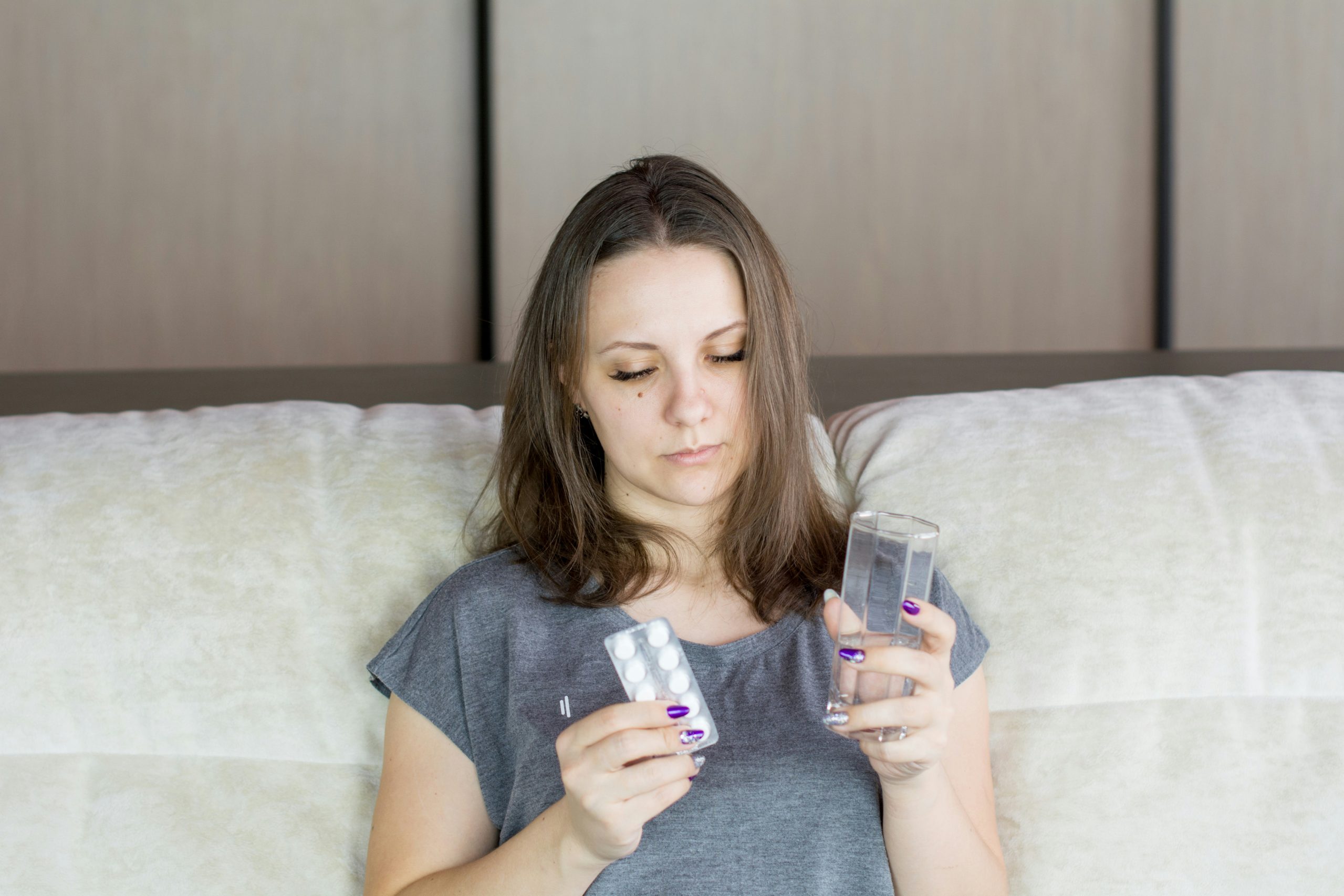
A well-stocked travel health kit covers most minor illnesses without a pharmacy run at an inconvenient hour.
The core travel health kit:
| Item | What it’s for |
|---|---|
| Oral rehydration salts (ORS) | Diarrhoea, vomiting, dehydration |
| Loperamide (Imodium) | Slows diarrhoea when you need to travel |
| Paracetamol/Ibuprofen | Fever, headache, pain |
| Antihistamine | Allergic reactions, insect bites, hay fever |
| Antiseptic cream and plasters | Minor cuts and wounds |
| Thermometer | Checking fever |
| Antifungal cream | Fungal skin infections common in humid climates |
| Rehydration electrolyte sachets | Faster recovery from any dehydrating illness |
A note on antibiotics: some doctors prescribe standby antibiotics for traveller’s diarrhoea, particularly for trips to higher-risk regions. This is worth discussing with your GP before you leave. Do not take antibiotics without medical guidance unless you’ve been specifically briefed on when and how to use a standby prescription.
🏥 Finding a Doctor When You’re Abroad
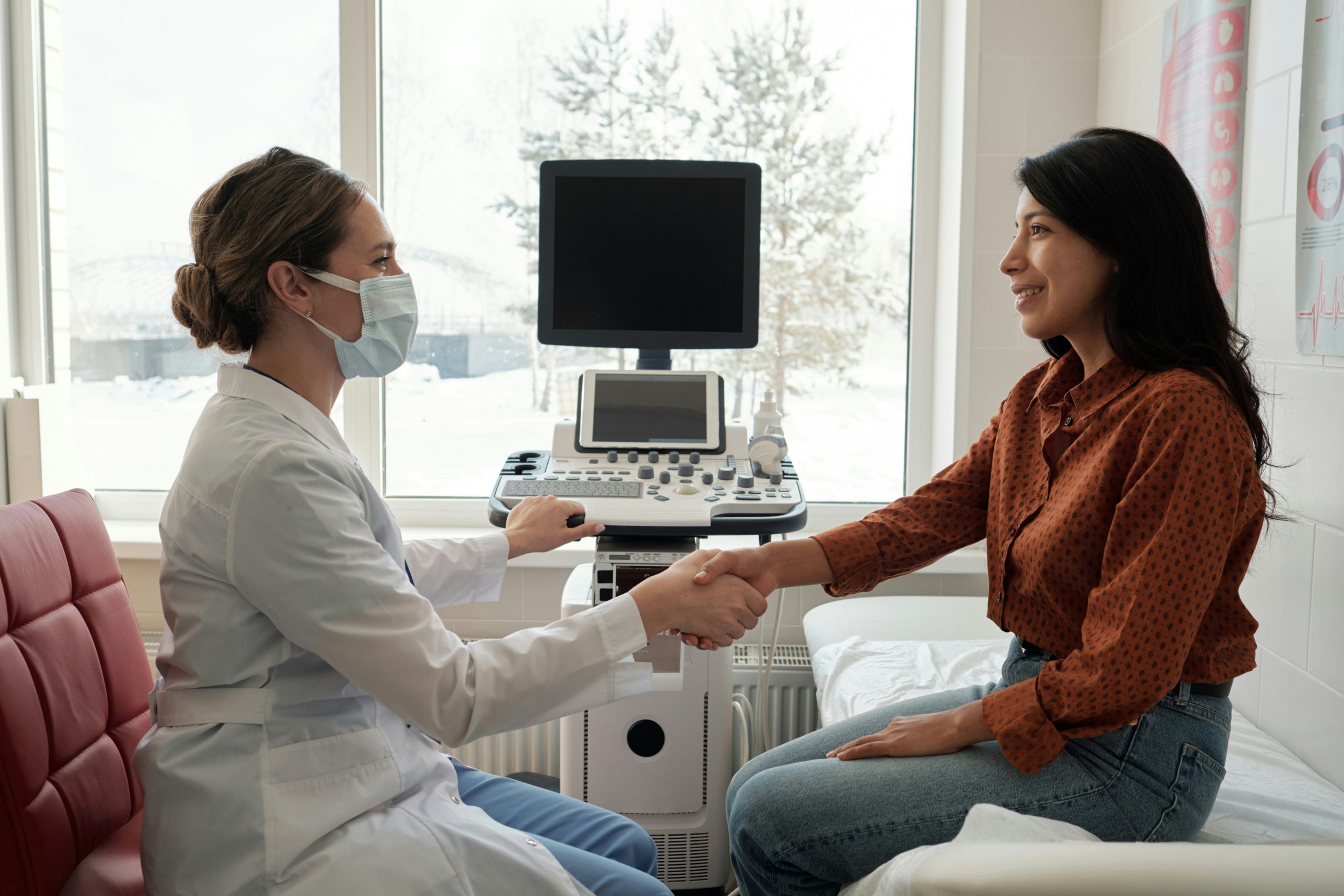
Finding a doctor is easier than most travellers expect, and knowing the options in advance removes a lot of the anxiety.
The fastest routes to medical care:
- Ask at your hostel. This is consistently the fastest and most reliable first step. Hostel staff know the local medical landscape, which clinics are good, which are tourist-facing and overpriced, which pharmacies are trustworthy. They’ve directed sick guests before. Use this resource.
- IAMAT (International Association for Medical Assistance to Travellers): maintains a directory of English-speaking doctors worldwide at iamat.org. Free membership, genuinely useful.
- Google Maps: search “doctor,” “clinic,” or “hospital” near your location. Reviews from other travellers are often the most honest assessment of quality and cost.
- Your travel insurance provider: most policies have a 24-hour assistance line that can locate and book local medical care. Call them before you go to a hospital, not after, as some policies require pre-authorisation for certain treatments.
For EU citizens: the EHIC or GHIC card provides access to state healthcare in EU countries and some others at reduced or no cost. Carry it alongside your travel insurance.

💉 Navigating Pharmacies Abroad
Pharmacies are your first port of call for minor illnesses, and pharmacists in many countries have significantly more prescribing authority than in the UK or US. In France, Italy, Southeast Asia, and much of Latin America, a pharmacist can advise on, and often dispense, medications that would require a prescription elsewhere.
How to get what you need:
- Walk in and describe your symptoms clearly. “I have a fever and a sore throat for three days” is enough for a trained pharmacist to advise you.
- Show the medication you’re used to taking on your phone if you know what helps.
- Google Translate can bridge the language gap for written descriptions and packaging.
A few practical things:
- Generic medications are significantly cheaper than branded equivalents in most of the world. Ask for the generic version.
- In Southeast Asia and South Asia, most common medications are available over the counter at very low cost. Paracetamol, antibiotics, antihistamines, and antifungals are accessible at any pharmacy.
- In Europe and North America, more medications are prescription-only. Go to a doctor if the pharmacy can’t help.
- Always check expiry dates, particularly in smaller pharmacies in developing countries.

🌡️ The Most Common Travel Illnesses and What to Do
A practical rundown of the illnesses backpackers encounter most often.
Traveller’s diarrhoea
The most common. Usually caused by bacteria in food or water, resolves in 1-3 days. Treatment: oral rehydration salts, rest, bland food, plenty of water. Use loperamide only if you need to travel and can’t rest. If it persists beyond 72 hours or is accompanied by fever or blood, see a doctor.
Food poisoning
Often similar to traveller’s diarrhoea but can come on harder and faster. Rest, rehydration, and time resolve most cases. Seek help if symptoms are severe or if vomiting prevents you from keeping any fluids down for more than 12 hours.
Dengue fever
Present across tropical regions. Symptoms: high fever, severe joint and muscle pain, rash. No specific treatment exists. Rest and paracetamol (not ibuprofen or aspirin, which affect clotting). Dengue requires medical diagnosis because complications can be serious. Go to a clinic if you suspect it.
Malaria
Preventable with prophylaxis. Symptoms often resemble flu with cyclical fevers. Seek medical attention immediately if suspected. Malaria can progress rapidly and the treatment depends on the strain and region.
Chest and respiratory infections
Common in travellers moving between climates. Rest, steam, and time for mild cases. See a doctor if it doesn’t improve after five to seven days or if breathing becomes difficult.
🛌 Recovering in a Hostel: How to Make It Work
Getting sick in a hostel dorm is nobody’s ideal situation, but it’s manageable with the right approach.
Talk to hostel staff. They’ve dealt with sick guests before. Most will offer practical help: recommending a nearby clinic, finding you a quieter room if one’s available, or simply pointing you toward the nearest pharmacy. Good hostel staff take care of their guests. Let them.
Consider a private room. If you’re unwell, a private room gives you rest, quiet, and the ability to recover without the guilt of being in a shared space with other travellers. Many hostels have private rooms at hostel prices. If you’re sick enough that sleep matters, it’s worth the extra cost.
Communicate with dorm mates. A simple “I’m under the weather, sorry if I’m disrupting your night” goes a long way. Most travellers have been the sick person in the dorm and understand.
Stay hydrated and rest first. The instinct to push through and keep travelling can make a two-day illness into a five-day one. A day of rest in a hostel bed is almost always the faster route back to feeling good.
📋 Travel Insurance: Why It’s Non-Negotiable
This section is blunt: travel without insurance is a serious financial risk, and travel health insurance is the most important item in any backpacker’s kit.
A night in a private hospital in Southeast Asia can cost €500-2,000. Emergency evacuation from a remote location costs tens of thousands. A single serious illness without insurance can end a trip, drain savings, and create debt that takes years to clear.
What to look for in travel health insurance:
- Medical expenses covered to at least €1-2 million
- Emergency medical evacuation included
- 24-hour emergency assistance line
- Coverage for the activities you’re doing (some policies exclude adventure sports, trekking above a certain altitude, or motorbike riding without a licence)
- Pre-existing conditions clearly addressed
Recommended providers used by long-term travellers: World Nomads, SafetyWing, and True Traveller are consistently recommended on the backpacker circuit for their combination of coverage, price, and claims process. SafetyWing is popular for its subscription model that allows purchase after departure.
One critical detail: contact your insurer before seeking non-emergency hospital treatment. Some policies require pre-authorisation. Not doing this can affect your claim.
🆘 When It’s Serious: Getting Emergency Help Abroad
Knowing the emergency number is the most basic preparation and one many travellers skip.
Emergency numbers by region:
| Region | Emergency Number |
|---|---|
| European Union | 112 (works across all EU countries) |
| USA and Canada | 911 |
| Australia | 000 |
| UK | 999 |
| India | 112 |
| Thailand | 1669 (medical), 191 (police) |
| Japan | 119 (ambulance), 110 (police) |
| Mexico | 911 |
| Brazil | 192 (SAMU ambulance) |
| South Africa | 10177 (ambulance), 112 (mobile) |
Save the number for your destination before you arrive. Also save your travel insurance emergency line. Put both in your phone and write them on a piece of paper in your bag.
If you’re in a hospital and overwhelmed: contact your country’s embassy or consulate. They cannot pay your bills or provide medical care, but they can help locate interpreters, contact family, and navigate the local system. This service exists specifically for situations like this.

🧳 Before You Leave: The Preparation That Matters Most
Most travel health problems are significantly easier to handle when the preparation is done before departure.
The pre-trip health checklist:
- Get travel health advice from a travel clinic or GP 6-8 weeks before departure. Vaccines take time to become effective.
- Vaccinations: requirements and recommendations vary by region. Hepatitis A and B, typhoid, rabies, Japanese encephalitis, and yellow fever are among those relevant for many destinations. Check with a travel health clinic specific to your itinerary.
- Dental check: dental pain abroad is both common and difficult to deal with. A pre-trip check prevents most of it.
- Prescriptions: if you take regular medication, get enough supply for your trip plus buffer. Carry a doctor’s letter for anything controlled or potentially restricted.
- Blood type and allergies: write these on a card in your wallet. In a medical emergency, this information matters and you may not be able to communicate it yourself.
- GP referral letter: a brief letter from your doctor summarising your medical history is useful for any doctor treating you abroad.
✅ Final Thoughts: Confidence Comes from Preparation
Getting sick while travelling is genuinely not the disaster most people fear when they imagine it in advance. The medical care available in most of the world is good, pharmacists are accessible and knowledgeable, and most travel illnesses resolve on their own with rest and rehydration.
What makes the difference is not luck. It’s preparation before you leave, good travel insurance, and the ability to ask for help when you need it. Hostel staff, pharmacists, and local doctors have collectively solved every travel health situation imaginable. You don’t need to navigate it alone.
Rest when you need to rest. Seek help when the symptoms warrant it. Get insured. Know the emergency number.
Everything else follows from those four things.
Download the Hostelworld app to start booking now


❓ FAQs: Getting Sick While Travelling
How do I find a doctor abroad?
Ask your hostel first. Use IAMAT (iamat.org) for a directory of English-speaking doctors worldwide. Google Maps search for clinics and hospitals near your location. Your travel insurance provider has a 24-hour line that can locate and book local medical care.
Is it safe to go to a hospital abroad?
In most countries, yes. Standards vary, and private hospitals or international clinics are generally better equipped for travellers in developing countries. Your travel insurer can recommend appropriate facilities. In some countries, going to a private clinic rather than a state hospital is faster and more English-friendly.
What travel insurance do backpackers recommend?
World Nomads, SafetyWing, and True Traveller are the most consistently recommended among long-term backpackers. Each has different strengths: SafetyWing's subscription model allows purchase after departure, World Nomads covers adventure sports well, and True Traveller is popular with European travellers for its value.
What is the most common illness when travelling?
Traveller's diarrhoea is by far the most common, affecting an estimated 20-50% of international travellers. It's caused by bacteria in food and water, usually resolves within 1-3 days, and is managed with oral rehydration salts and rest.
Do I need vaccinations before travelling?
It depends on your destination. Some vaccinations are required for entry (yellow fever into certain African and South American countries). Others are strongly recommended based on your itinerary. See a travel health clinic or GP 6-8 weeks before departure to get destination-specific advice.
What should I do if I suspect malaria or dengue?
Go to a clinic or hospital immediately. Both require medical diagnosis and cannot be reliably self-diagnosed. Do not take aspirin or ibuprofen if you suspect dengue, as these affect platelet function. Paracetamol is safe for fever management while you seek care.


 Get the App.