
Best Backpacking Destinations for Digital Nomads
Working from a laptop doesn’t mean giving up the parts of backpacking that make it magic: the shared kitchens, the rooftop sunsets with strangers who become friends, the feeling that home can be wherever your bag lands next. The good news is you don’t have to choose between a productive workday and a social hostel scene anymore.
The best backpacking destinations for digital nomads in 2026 all share a few things in common. Fast, dependable wifi. Private rooms with an actual desk, not just a bed squeezed into a corner. Visa setups that let you stay long enough to build a routine. And a critical mass of other remote workers so you’re not the only one on a laptop in the common room at 9am.
Whether you want cheap private rooms with good wifi for digital nomads in Southeast Asia or a European base with better visa options, here are eight cities that get the balance right, plus what to actually look for when you book.

🏍️ Chiang Mai, Thailand: Why is it still the digital nomad capital of Asia?
Chiang Mai earned its reputation the old-fashioned way: it’s cheap, the wifi is fast almost everywhere, and there are thousands of other remote workers to meet on any given week. A private room with a desk and reliable internet regularly costs less than a coffee subscription back home.
The Yard Hostel Chiang Mai, tucked into a quiet alley in the Old Town, is built with exactly this crowd in mind. WiFi speeds run over 300 Mbps, and the hostel’s large green common area doubles as an easy spot to open a laptop between meetings.
A few reasons Chiang Mai keeps winning digital nomads over:
- The Nimman neighborhood is packed with coworking spaces and speciality coffee shops
- Cost of living is genuinely low, often $800 to $1,200 a month for a comfortable setup
- The nomad community runs its own meetups, workshops and language exchanges most weeks
Old City hostels tend to be quieter and cheaper, while Nimman leans social and coworking-dense. Either way, this is one of the best hostel destinations for digital nomads on a budget.

🇵🇹 Lisbon, Portugal: What makes the wifi and visa situation so nomad-friendly?
Lisbon offers something Chiang Mai can’t: an EU visa pathway. Portugal’s digital nomad visa lets remote workers stay well beyond a tourist stamp, and the city’s infrastructure was basically built for people who need to be online all day, every day.
Lisbon Destination Hostel sits inside the historic Rossio train station, which sounds like a gimmick until you see the light pouring through the high windows onto long communal desks. Private rooms run from around €55 a night, with faster, quieter options through the hostel’s Flexi Pass for longer stays.
Lisbon is walkable, which matters more than people expect. You can live in one neighborhood, work in a café in another, and meet friends for dinner in a third, all without touching a car. Add reliable public wifi in most cafés and a fairly active nomad meetup scene, and it’s easy to see why this city keeps topping lists of the best digital nomad backpacking destinations for 2026.
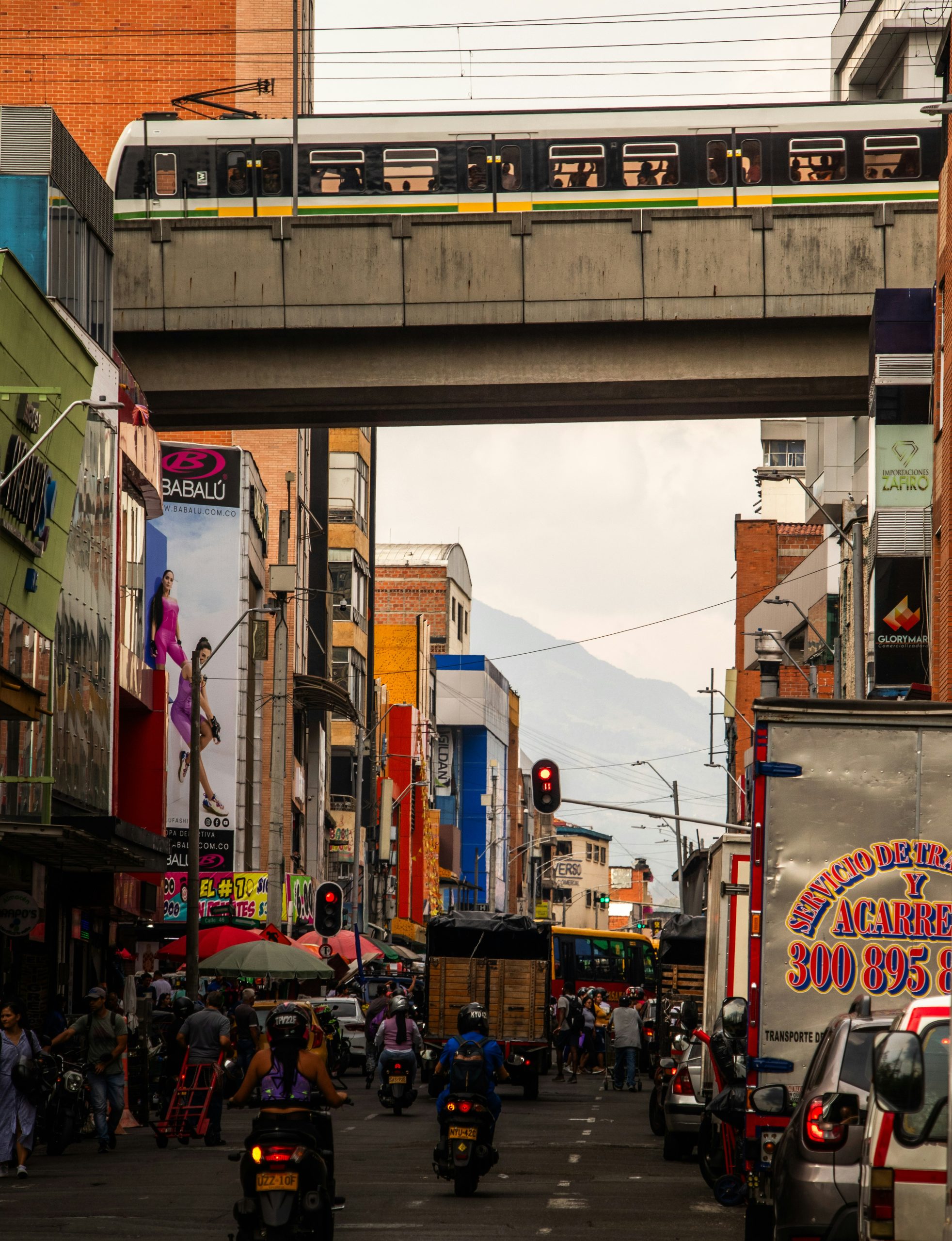
🌸 Medellín, Colombia: Is the “city of eternal spring” actually good for remote work?
Medellín’s climate does a lot of quiet work here. Sitting at altitude in a valley, the temperature barely shifts year round, so there’s no need to plan your workday around brutal heat or a rainy season shutting down your favorite café’s wifi.
El Poblado is where most remote workers land, and for good reason:
| What you get | Why it matters |
|---|---|
| Coworking spaces within walking distance | No commute eats into your day |
| Desks in most private rooms | You’re not working from a bed |
| Strong nomad and expat scene | Easy to build a social life fast |
Vida Hostel is a four-minute walk from El Poblado Park, with air-conditioned private rooms that include a work desk, free wifi, and a terrace for the inevitable coffee break. It’s an easy, affordable base for a city that consistently ranks among the best remote work backpacking destinations with private rooms in South America.
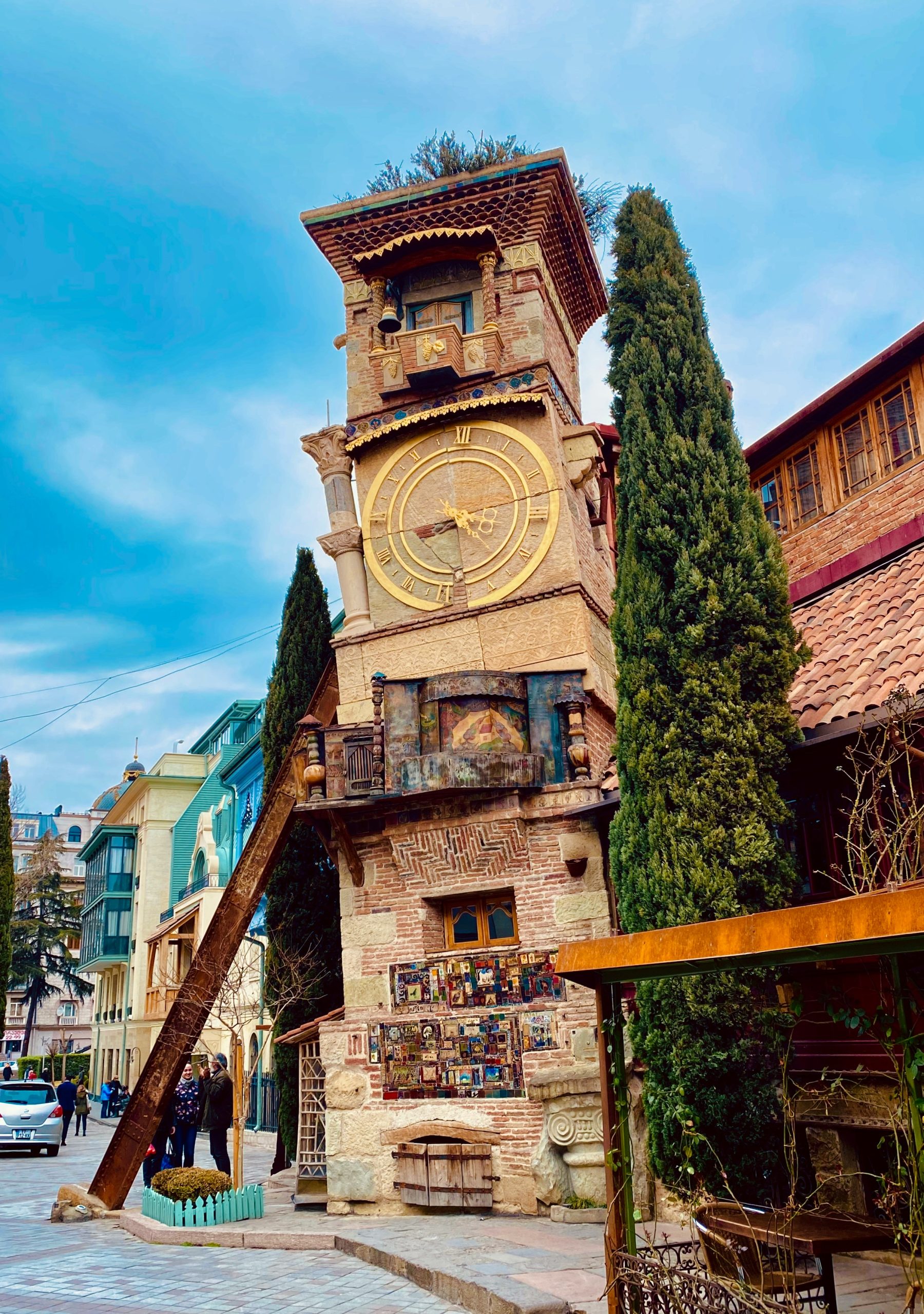
🍷 Tbilisi, Georgia: How far does a nomad’s budget really stretch here?
Georgia offers one of the world’s most generous entry policies for remote workers: many nationalities get a year-long stay without needing to apply for anything special in advance. Combine that with prices that are still low by European standards, and Tbilisi becomes an easy sell.
The city’s Old Town is charming but the real nomad energy is in the industrial-chic spaces that have popped up around it. Fabrika Hostel & Suites, built inside a former Soviet sewing factory, has become something of a hub: free wifi throughout, dedicated coworking space, a large courtyard, and a genuinely creative crowd of artists, musicians and remote workers passing through.
Quick notes on Tbilisi:
- Dorm beds start around €10 to €12
- Private rooms are widely available from roughly €40 to €50
- The welcoming visa policy plus low cost of living make it one of the more overlooked cheap private rooms with good wifi options for digital nomads
It won’t have Lisbon’s polish, but it makes up for it in affordability and warmth.
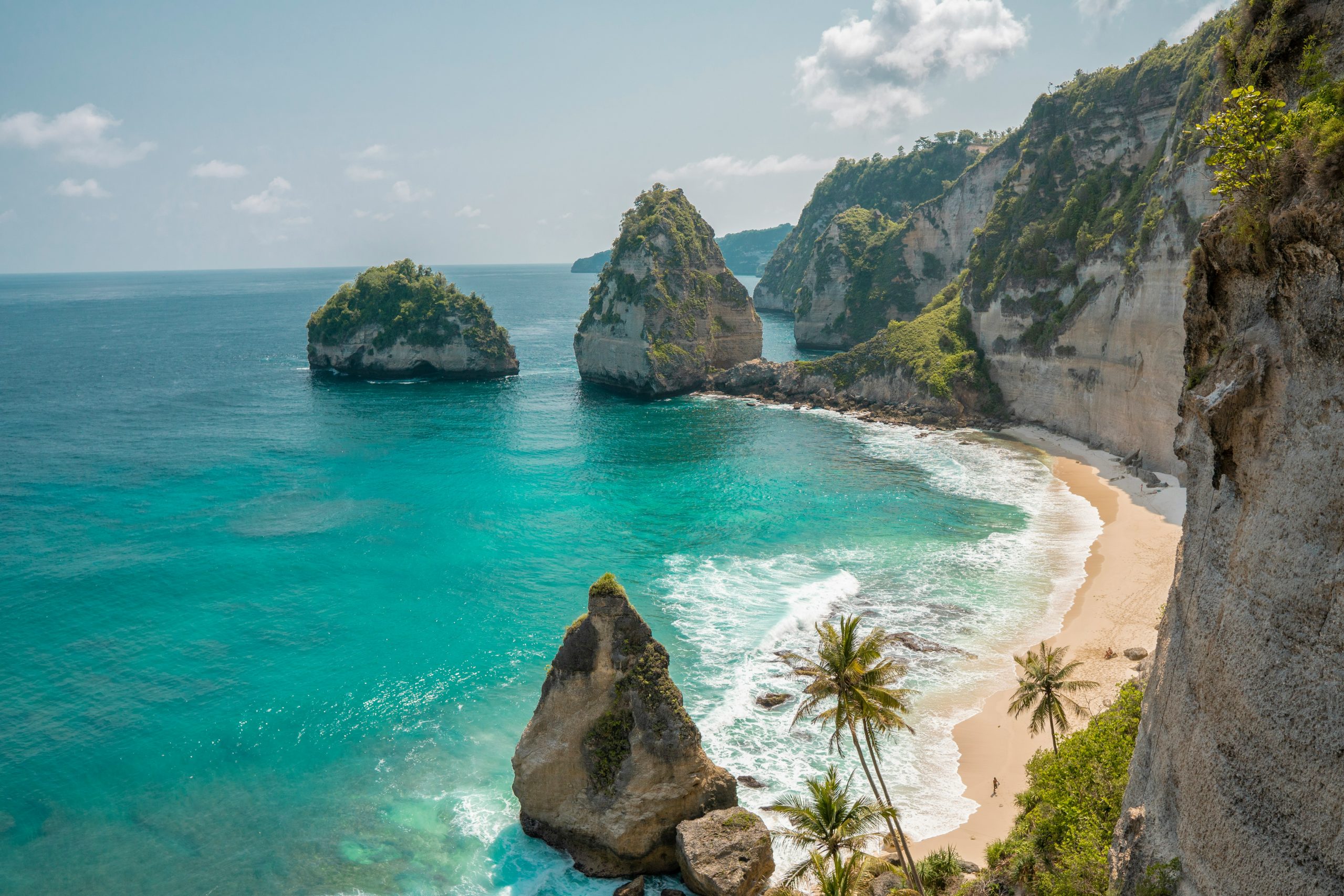
🌴 Bali (Canggu and Ubud), Indonesia: Does the wifi actually hold up to the hype?
Bali’s reputation as the digital nomad island is well earned, though wifi reliability genuinely varies by property, so this is one destination where checking amenities before you book matters more than usual.
Canggu is the surf-and-work capital, and Tribal Bali is arguably the clearest example of a hostel built entirely around remote work. The downstairs coworking space has standing desks, private booths, high-speed wifi and a genuinely social café attached, while private rooms upstairs come with air conditioning and their own bathrooms.
Ubud, meanwhile, leans slower and greener: think jungle views, yoga studios, and a quieter pace better suited to deep focus work.
A few things worth knowing:
- Canggu is louder, more social, better for networking
- Ubud suits people who want fewer distractions
- Both areas have extensive coworking networks like Outpost and Hubud
- Monthly costs can range from $700 on a tight budget to $1,500 for comfort
Bali remains one of the best digital nomad backpacking destinations for 2026, wifi variability and all.
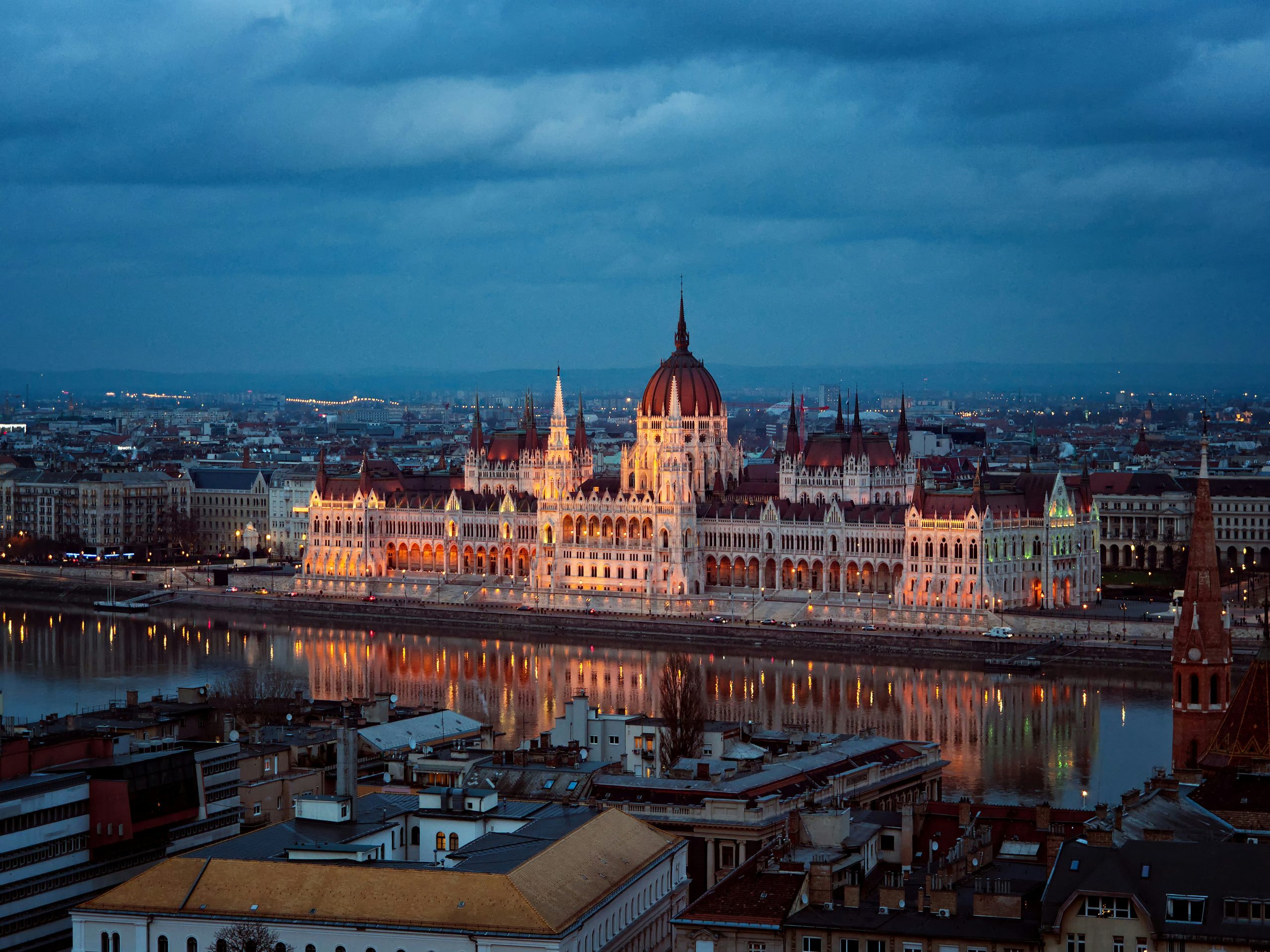
♨️ Budapest, Hungary: What’s the appeal beyond the thermal baths?
Budapest doesn’t always make the first cut of nomad city lists, and that’s exactly why it’s worth a look. Prices are noticeably lower than Western Europe, private rooms with real amenities are affordable, and the café-and-coworking culture across the city is strong.
Maverick Budapest Soho sits in the heart of downtown and has built a reputation specifically among remote workers, thanks to dorms and private rooms with air conditioning, secure lockers and free wifi throughout the building. There’s enough social energy to meet people without it overwhelming a workday, which is a harder balance to strike than it sounds.
Districts worth knowing:
- District V for architecture and central location
- District VII for the bohemian, ruin-bar-heavy Jewish Quarter
- District VI if you want a multicultural, slightly grittier base
Budapest is a strong pick if Lisbon or Barcelona feel overrun and you want a European base without the premium price tag.
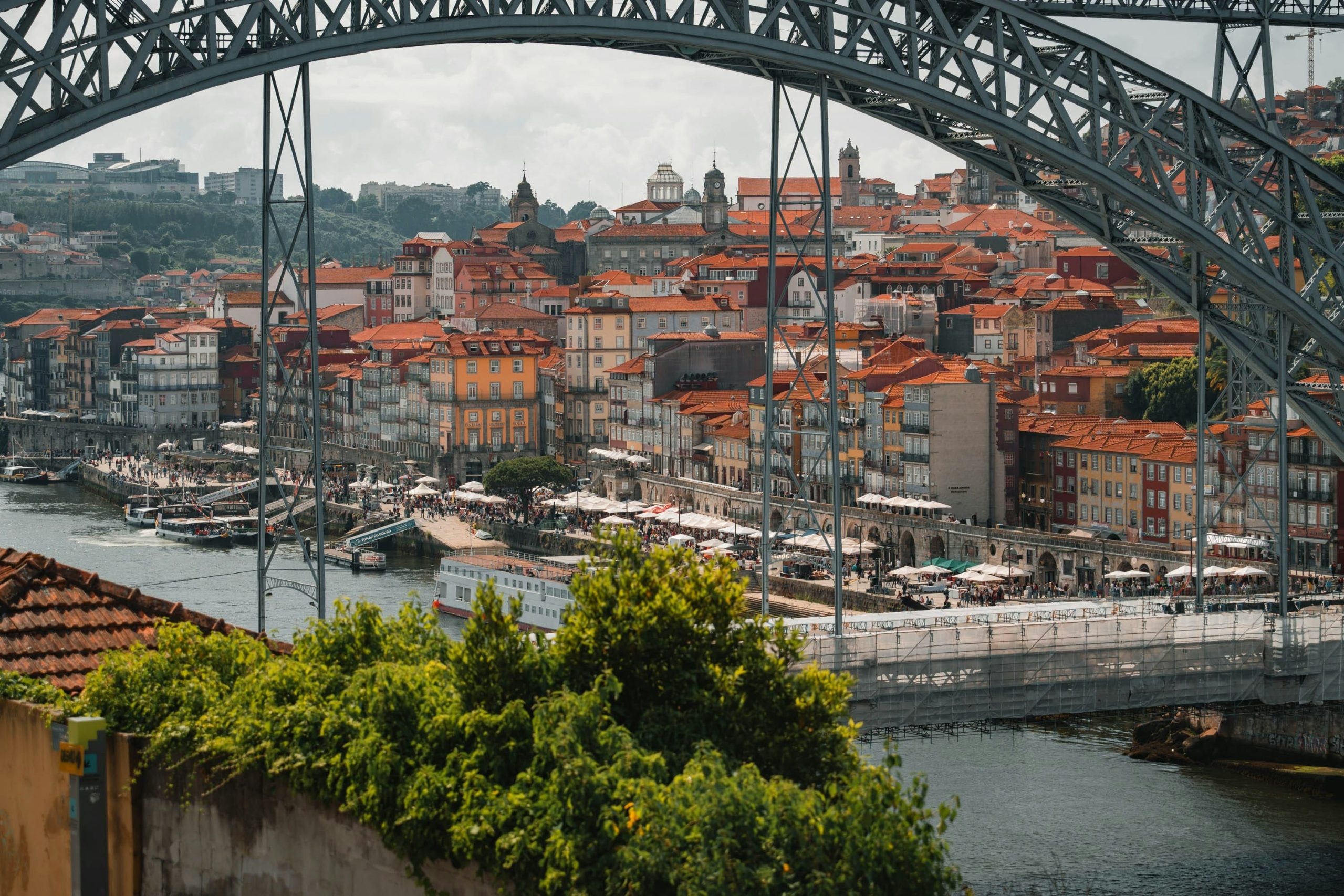
🌊 Porto, Portugal: A quieter alternative to Lisbon, or something better?
Porto trades some of Lisbon’s polish for a slower pace, cheaper rent, and river views that never really get old. It’s become one of the better cheap private rooms with good wifi options for digital nomads who still want Portugal’s visa access but don’t need the capital’s crowds.
The Passenger Hostel, set inside Porto’s beautiful São Bento train station, offers free wifi throughout and a library-style common space that’s quieter than most hostel lounges, useful when you actually need to concentrate. It regularly holds a rating above 9 out of 10 from Hostelworld travellers.
Compared to Lisbon, Porto generally runs:
- 15 to 20% cheaper on rent and daily costs
- Less crowded, especially outside peak summer months
- Just as connected, with strong wifi in most cafés and coworking spaces
Madeira is worth a mention too. It runs its own dedicated digital nomad village with subsidised coworking, though it leans more remote-village than backpacker hostel scene, so it suits a different kind of trip.
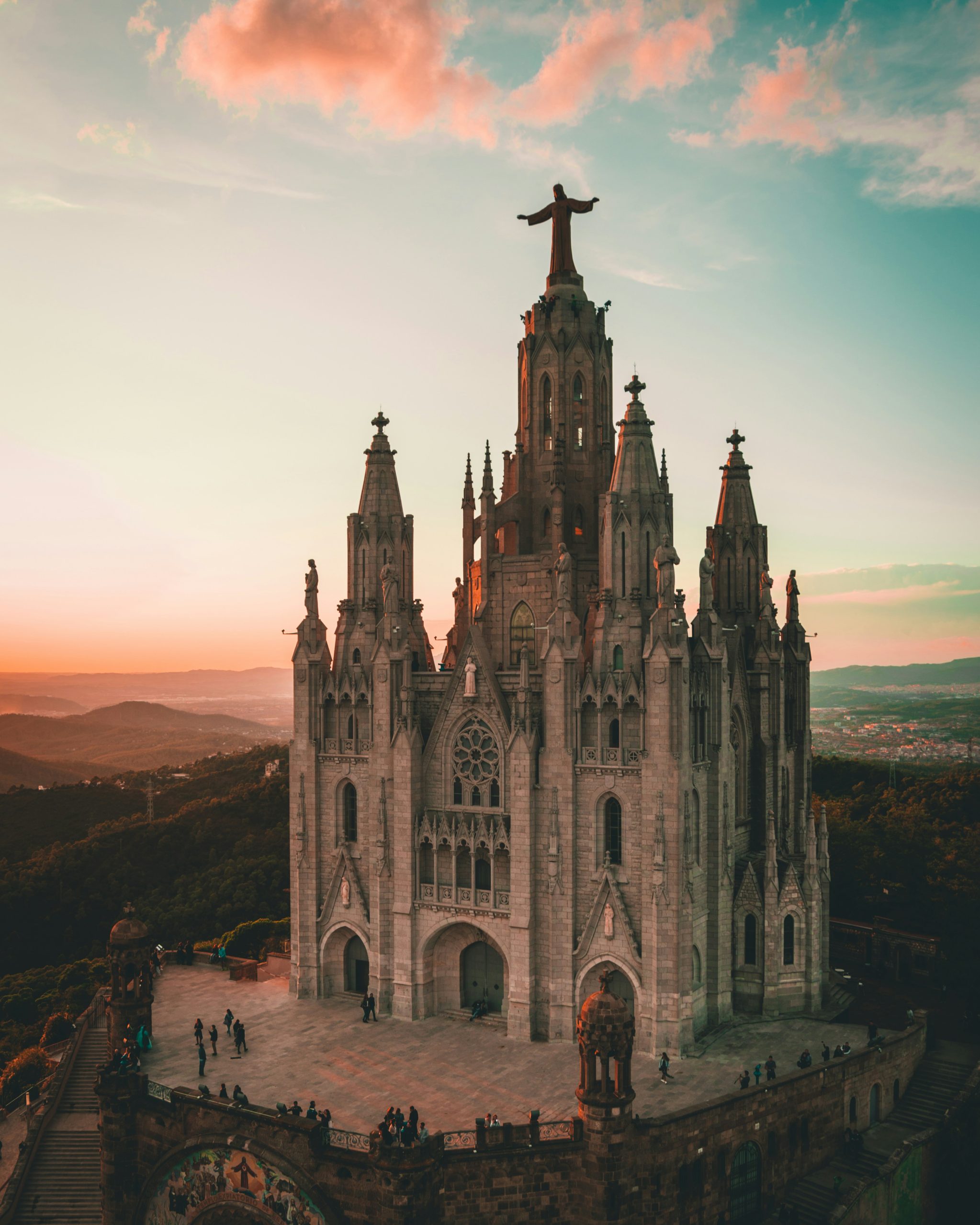
☀️ Barcelona or Valencia, Spain: Which one actually suits a working traveller better?
Barcelona brings the bigger nomad community, the more famous skyline, and, honestly, the higher prices. Valencia brings almost everything Barcelona offers at a noticeably gentler cost, plus a beach that’s a metro ride away rather than a tourist scrum.
River Hostel in Valencia sits right across from the Turia Gardens, a converted riverbed turned park that runs almost the length of the city, perfect for a midday walk between calls. The hostel offers free wifi throughout, a communal kitchen, and a genuinely social atmosphere without being overwhelming.
If you’re deciding between the two:
- Choose Barcelona for the bigger expat and nomad network, more events, more nightlife
- Choose Valencia for lower costs, less crowding, and an easier pace of daily life
Both cities have reliable internet almost everywhere and a Spanish digital nomad visa route that makes longer stays realistic.
What should you actually look for when booking?
Not every hostel labelled “digital nomad friendly” delivers. Before you book, check for:
- Wifi speed, not just availability. Look for listed Mbps or recent reviews mentioning video calls specifically, since “has wifi” and “wifi that survives a Zoom call” are different promises.
- A desk in the private room. Working from a bed for weeks wears on your back and your focus.
- Visa options for the country. A great hostel doesn’t help much if you can only legally stay for two weeks.
- Community size and vibe. Bigger nomad hubs mean easier networking; quieter towns mean deeper focus.
📶 Quick tip: message the hostel directly on Hostelworld before booking a longer stay and ask about current wifi speeds. Listings can lag behind real-world upgrades or issues.

Comparison table: how do these cities stack up?
| City | Avg. private room | Wifi reliability | Visa ease | Nomad community |
|---|---|---|---|---|
| Chiang Mai | $12 to $20/night | High | Visa runs common | Very large |
| Lisbon | €55 to €80/night | Very high | Strong (D8 visa) | Large |
| Medellín | $15 to $25/night | High | Moderate | Large |
| Tbilisi | €40 to €50/night | High | Very easy (1-year stay) | Medium |
| Bali (Canggu) | $20 to $35/night | Variable | Moderate | Very large |
| Budapest | €30 to €50/night | High | Moderate (Schengen limits) | Medium |
| Porto | €40 to €60/night | Very high | Strong (D8 visa) | Medium |
| Valencia | €35 to €55/night | High | Strong (Spain nomad visa) | Growing |
Final thoughts
There’s no single “best” city here, only the best fit for how you like to work and travel. Chiang Mai and Medellín win on price. Lisbon, Porto and Valencia win on visa security. Tbilisi wins on sheer ease of entry. Bali wins on sheer scale of community, wifi hiccups aside.
What ties them together is that none of them ask you to trade the social, spontaneous side of backpacking for a productive workday. The right hostel, checked carefully before booking, gets you both.
Download the Hostelworld app to start booking now


❓FAQs: Best Backpacking Destinations for Digital Nomads


 Get the App.