Near the gondola
SkiersThe eastern end of town by the lift station, with ski hire, the morning queue and the après bars.

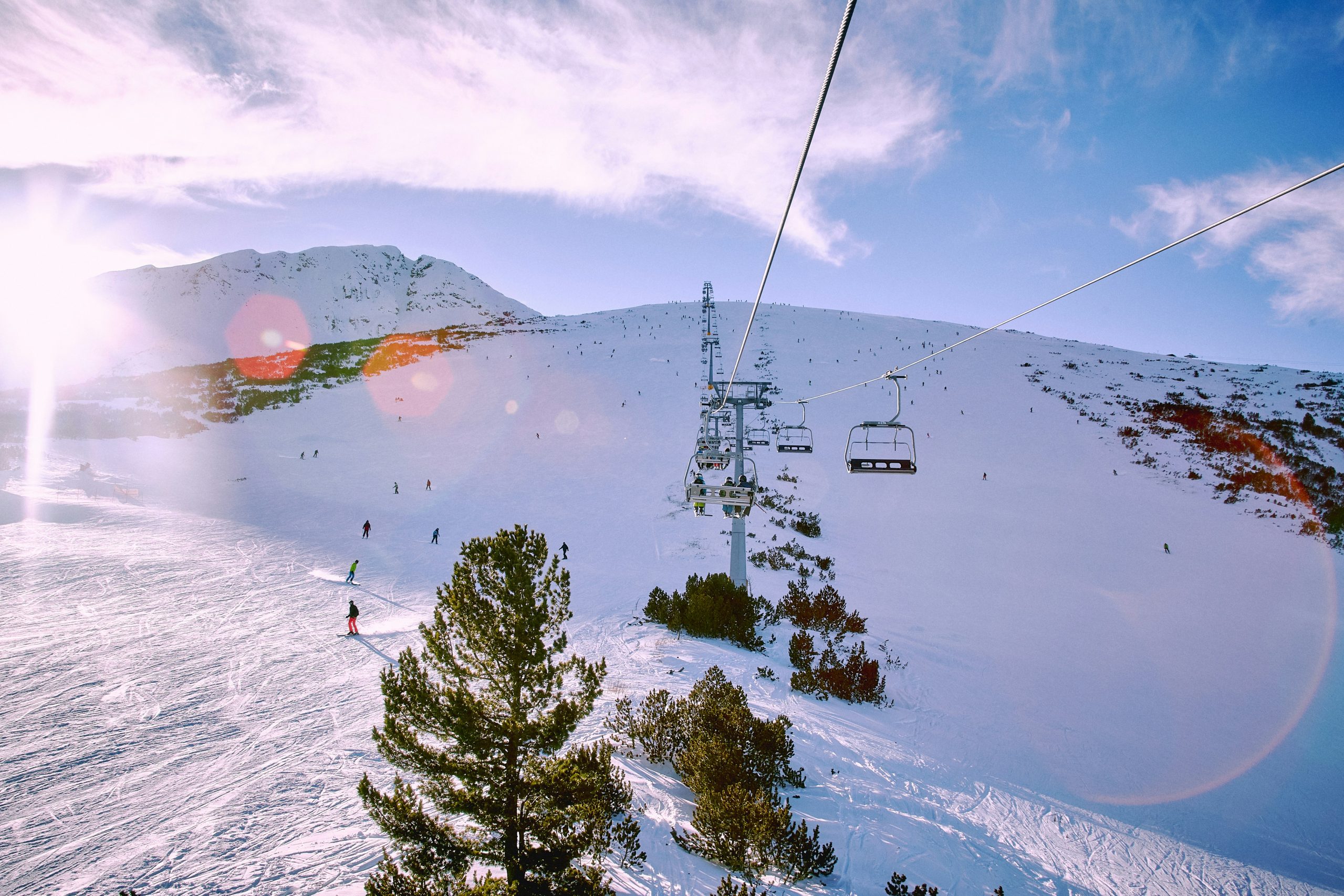
The cheapest serious skiing in Europe, under the Pirin mountains, with a stone old town behind the lift queue and a long season that runs into April.
Bansko sits at 925 metres below the Pirin mountains, and the gondola from the edge of town climbs to 2,000 metres and a ski area topping out around 2,600.
The numbers are the point: a day pass is €35 to €45 against €60 to €70 in Austria and more in Switzerland, rental is €10 to €18 a day, and a beer at the bottom of the run is €2. The season usually runs mid-December into April.
Behind the resort infrastructure is an actual town — a stone old quarter of National Revival houses, mehanas with fireplaces, and a history as a merchant centre that predates anyone thinking about lifts.
In summer it becomes a hiking base for the Pirin national park, with glacial lakes and 2,900-metre peaks, and prices drop through the floor.
Four days to a week in winter, or two or three in summer.
A small town with the gondola at one end and the old quarter at the other.
The eastern end of town by the lift station, with ski hire, the morning queue and the après bars.
Stone houses, mehanas and the church, ten minutes west of the gondola and much more characterful.
Between the two, with supermarkets, cheaper beds and the ski bus passing through.
Orange labels are neighbourhoods, dots are the 2 top-rated hostels. Map © MapTiler © OpenStreetMap contributors.
Ski, obviously. Seventy-five kilometres of piste, mostly intermediate, with a long run back to the gondola station and a season that holds into April thanks to snowmaking.
The gondola is the bottleneck: in the peak weeks of January and February the morning queue can be an hour or more. Going up before 8.30, or staying somewhere with a shuttle to the mid-station, solves most of it.
The old town is genuinely worth an afternoon: Bansko was a merchant town in the eighteenth and nineteenth centuries and the stone houses with high walls and heavy gates are National Revival architecture at its most defensive.
In summer, the Pirin national park is the draw — Vihren at 2,914 metres is climbed in a long day, and the Baikusheva Mura pine is over 1,300 years old.
Walking the old town and its stone streets costs nothing, and the Holy Trinity church with its bell tower is free.
In summer, the Pirin national park trails are free once you are at a trailhead, and the walk up to the Bezbog and Vihren huts is the best free thing in the region.
The Neofit Rilski house museum and the Velyanov house are a couple of euros each rather than free, but the streets they sit on are the attraction.
Watching the après crowd come off the mountain at four, from a bench with a €2 beer, is a Bansko institution and costs almost nothing.
Mehanas are the format: stone-walled taverns with open fires, long wooden tables, folk music and enormous portions of grilled meat. A full meal with wine or rakia is €10 to €18 and you will not finish it.
Bansko-style kapama is the local speciality — layers of meat, sausage, sauerkraut and rice sealed in a clay pot and slow-baked — and it needs ordering in advance in some places.
Banski starets is the local dry-cured sausage, and it is on every board.
A beer is €1.50 to €3, mountain restaurant prices are only slightly higher than in town, and rakia is poured generously and often free with dessert.
Bansko has a big, cheap après scene and a reputation to go with it. The bars near the gondola fill from four in the afternoon, and there are clubs that run until five in the morning in season.
It is largely British, Irish, Romanian and Israeli in the peak weeks, and it is loud.
A beer is €1.50 to €3 and shots are frequently free or near it, which is the reason the reputation exists.
The mehanas in the old town are the alternative — folk music, fires and long dinners — and they are a better evening if the club strip is not your thing. In summer, most of the nightlife closes and the town is quiet.
Buses from Sofia take about three hours for €10, and in winter private transfers run from Sofia airport for €25 to €40 a head.
The town is walkable end to end in twenty minutes, and a free or cheap ski bus loops between the accommodation areas and the gondola station through the season.
The gondola itself is the main piece of transport, and it is included in the lift pass.
There is a scenic narrow-gauge railway from Septemvri to Bansko, which takes five hours to cover a route a bus does in two — it is a journey rather than a connection, and it is lovely.
This is the cheapest serious ski destination in Europe. Beds are €12 to €35 in season, a lift pass €35 to €45 a day, rental €10 to €18, and a full meal €10 to €18.
A ski day is €60 to €90 all in, against €120 to €180 for the equivalent in the Alps.
In summer it collapses further: beds from €10, no lift pass needed for hiking, and a day around €25 to €35.
Bulgaria switched to the euro on 1 January 2026, so prices are in euros and the lev is no longer in use. Cards work widely; carry some cash for small places.
The town is safe and the mountain is the risk.
Bansko's pistes are busy in peak weeks and the standard of skiing is mixed, which makes collisions the most common injury here. Helmets are normal and worth wearing.
Off-piste in the Pirin is serious avalanche terrain and the bulletins are published daily — do not follow tracks without knowing where they go.
In summer, Vihren and the high Pirin are proper mountains with fast weather changes and long days above the treeline. Tell someone your route.
Check your insurance covers winter sports and mountain rescue. Emergency number is 112.
Monasteries, hot springs and glacial lakes, all within two hours.
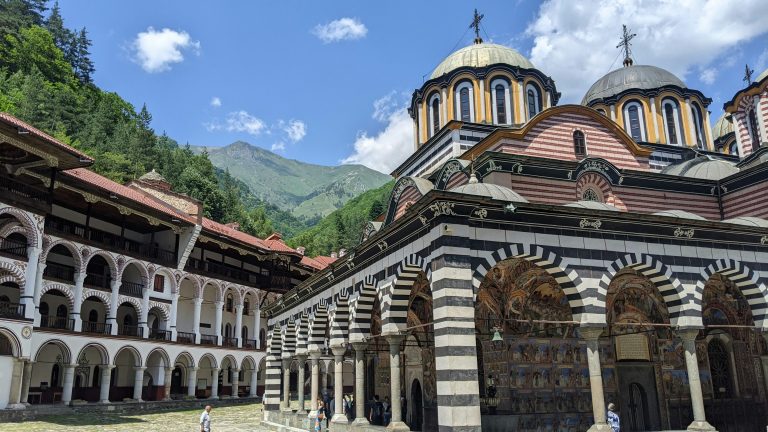
Bulgaria's most important monastery, UNESCO-listed, with striped arcades and frescoes in a mountain valley.
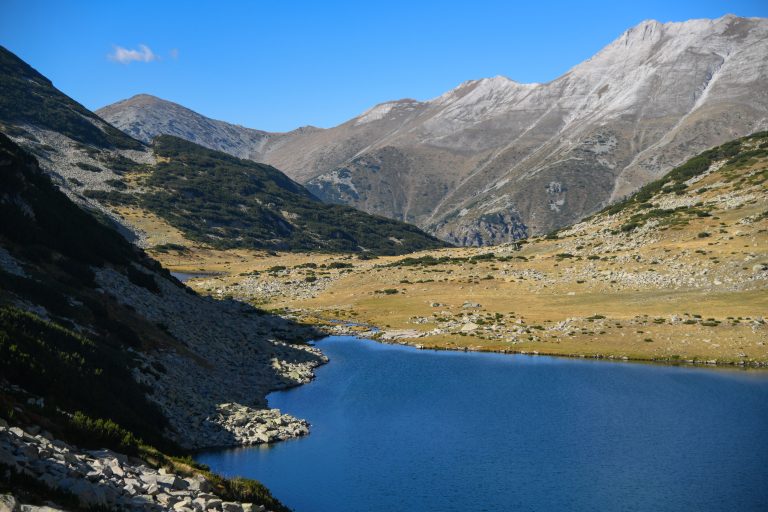
Glacial lakes and the second highest peak in Bulgaria at 2,914m, in a national park of granite and pine.
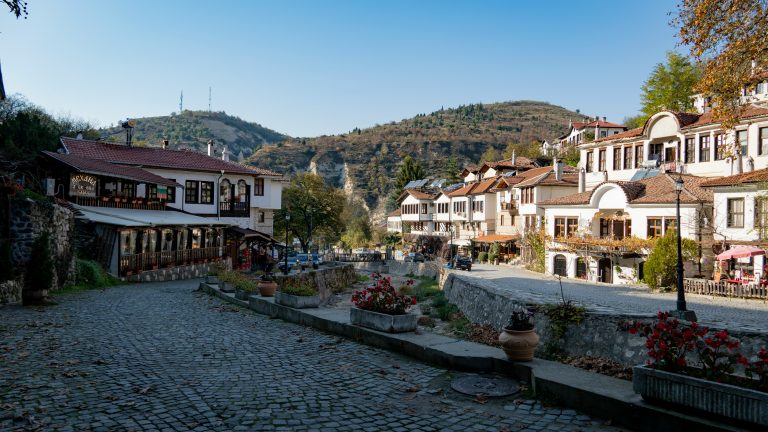
The smallest town in Bulgaria, under eroded sandstone pyramids, with wine cellars cut into the rock.
A ski season, a jazz festival and a great deal of grilled meat.
Seventy-five kilometres of piste at a third of Alpine prices, with a season held together by snowmaking.
A week of free open-air jazz in the middle of the old town, and one of the best summer events in Bulgaria.
Glacial lakes, 2,900m peaks and mountain huts, with the town at a fraction of winter prices.
Bansko has hosted World Cup alpine races, usually in late February.
A celebration of the local clay-pot dish, with mehanas competing.
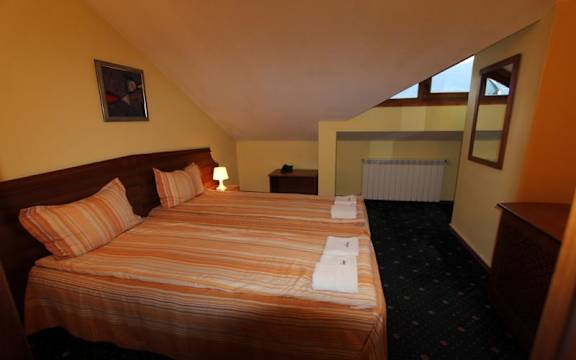
Cheap hostels, apartments and pensions, most within walking distance of the gondola or on the ski bus route. Live from Hostelworld.
December to April for skiing, June to September for the Pirin. May and November are shut.
Average highs in the town at 925m. The top of the ski area is around 2,600m and considerably colder, with a season usually running mid-December to mid-April.
Pick how you travel. Per person per night, in euros, in ski season.
The doing line is the lift pass and rental. In summer it drops to almost nothing and beds start around €10.
The ones we get asked most.

Compare Bansko hostels — live prices, real reviews and free cancellation on most bookings. Then meet the people already there in the app.

 Get the App.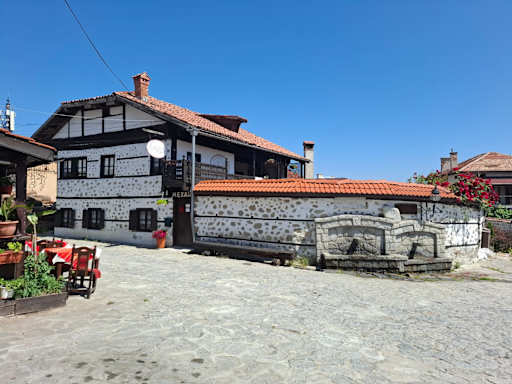
 Get the App.