Copacabana
First visits, beach, valueThe famous beach, with the most hostels and easy metro links. Busy and lively, take care at night.
9 hostels · from €7


Granite peaks rising out of the sea, beaches inside the city, samba in the streets of Lapa and Christ the Redeemer watching over it all. Few cities on earth look like this.
Rio de Janeiro is built into the gaps between forested mountains and the Atlantic. The Zona Sul, the south zone, is where most travellers stay: Copacabana and Ipanema with their famous beaches, Leblon at the far end, and Botafogo on the bay below Sugarloaf. The historic Centro and the bohemian hills of Santa Teresa sit to the north, with Lapa's arches and samba bars in between.
Life here happens outdoors. Cariocas, as locals are called, spend weekends on the beach, run and cycle along the seafront, hike the peaks before work and drink cold beer in botecos on the pavement. On Sundays, the beachfront road along Copacabana and Ipanema closes to cars and becomes a giant promenade.
Give Rio five days at least. That is enough for Christ the Redeemer, Sugarloaf, a beach day, a hike, a night of samba and a football match at the Maracanã. Go with street smarts: Rio rewards visitors who carry little, keep phones out of sight and use apps for taxis at night.
Most travellers stay in the Zona Sul, near the beaches and the metro. Santa Teresa and Lapa suit those who want nightlife and character over sand.
The famous beach, with the most hostels and easy metro links. Busy and lively, take care at night.
Rio's best-known beach and a stylish neighbourhood behind it, close to Arpoador for sunset.
On the bay below Sugarloaf, with the city's best bar scene and good metro links.
A hilltop neighbourhood of old mansions, studios and bars. Atmospheric, but hilly and quiet late.
The calmer end of Copacabana beach, with a small fort and a fishing community.
Close to Lapa's samba clubs and the Centro. Great for going out, less so for the beach.
The historic centre and port area, busy by day and empty at night.
Orange labels are neighbourhoods, dots are the 12 top-rated hostels. Map data from OpenStreetMap contributors.
Christ the Redeemer stands on Corcovado, 700 metres above the city, and the rack railway through the Tijuca forest or the official vans take you to the top. Go early or late in the day for fewer crowds and better light, and check the weather: cloud can hide everything. Sugarloaf, reached by two cable cars from Urca, is at its best at sunset, when the city lights come on below.
Then do as the cariocas do. Spend a day on Ipanema or Copacabana, watch the sunset applauded from the rocks at Arpoador, and hike Dois Irmãos through Vidigal or Pedra Bonita for views over the coastline. The Selarón Steps, the colourful tiled stairway between Lapa and Santa Teresa, and the Museum of Tomorrow in the regenerated port area show two very different sides of the city.
Football at the Maracanã is an experience even if you do not follow it, and the Botanical Garden and Tijuca National Park, one of the largest urban forests in the world, are calm escapes from the heat.
The beaches are free, and in Rio they are a whole social world: footvolley, vendors selling everything from grilled cheese to caipirinhas, and each stretch of sand with its own crowd. On Sundays and holidays, the seafront road closes to cars for walking, running and cycling.
The Selarón Steps, the Lapa arches and the colonial streets of the Centro are free to explore, and free walking tours run from the Centro and Copacabana. The Pedra do Sal, birthplace of samba, hosts free outdoor samba nights.
Many hikes cost nothing, including the trail up Morro da Urca, the first stop on the Sugarloaf cable car, which you can walk up and then pay only for the second car if you want to.
Feijoada, a rich black bean and pork stew served with rice, farofa, greens and orange, is Rio's Saturday ritual, eaten slowly over a long lunch. Churrascarias serve grilled meat carved at your table until you give up, and por quilo restaurants, where you pay for your plate by weight, are the everyday budget option.
On the beach, try biscoito Globo, the airy crackers sold from bags, and mate gelado, iced tea poured from tanks on vendors' backs. Açaí is eaten as a frozen bowl with granola, and juice bars on every corner blend fresh fruit to order.
Botecos, simple neighbourhood bars, are the soul of Rio's food scene: ice-cold chopp (draught beer), pastéis, coxinhas and bolinhos de bacalhau. A caipirinha made with cachaça and lime is the classic drink.
Lapa is Rio's nightlife district, with samba clubs, street parties under the arches and crowds spilling across the streets from Thursday to Saturday. Venues with live samba and choro run late, and the Friday street party is enormous.
In the Zona Sul, Botafogo has the best bar scene, with craft beer and botecos on every block, while Ipanema and Leblon are more upmarket. Santa Teresa's bars are smaller and bohemian, and the Pedra do Sal in the port hosts free samba on Monday and Friday nights.
In the months before Carnival, samba schools hold open rehearsals, a chance to see the spectacle up close. Use apps to get home at night and carry only what you need.
The metro is fast, clean and covers the Zona Sul, Centro and the Maracanã. Buy a rechargeable card at stations, or pay with a contactless bank card on many lines. City buses go everywhere but are confusing at first; the VLT light rail links the Centro, port area and the domestic airport.
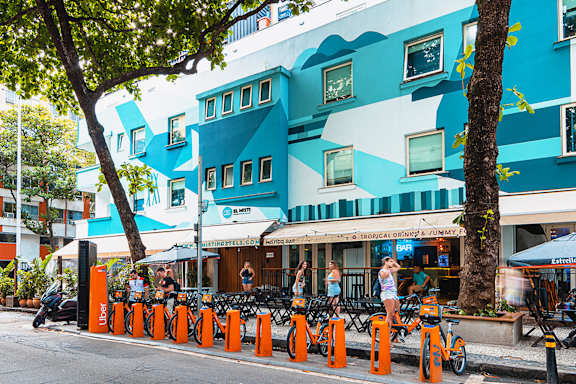
Uber and 99 are cheap, widely used and the safest way to get around at night. Yellow taxis are metered. Bike-share stations line the seafront.
From Galeão international airport, around 20km north, take an app car or the airport bus to the Zona Sul, around an hour depending on traffic. Santos Dumont, the domestic airport, is right in the centre. The Rodoviária Novo Rio bus terminal has buses to Paraty, Ilha Grande, São Paulo and beyond.
Rio is one of the more expensive cities in Brazil, but still reasonable by European standards. Dorm beds start around €10, with well-rated hostels in Copacabana, Ipanema and Botafogo around €12 to €25. Prices rise sharply at New Year and Carnival, when beds can triple and sell out months ahead.
A por quilo lunch costs €5 to €10, a chopp in a boteco €2 to €3, and a metro ride around €1. The big sights are the main extras: Christ the Redeemer and the Sugarloaf cable car each cost more than a night in a dorm.
Cards are accepted almost everywhere, and Pix, Brazil's instant payment system, is everywhere too. Carry a little cash for beach vendors and small bars.
Rio needs more street awareness than most cities. Phone snatching and robbery are the main risks, especially on the beach, in crowds and on quiet streets at night. Carry as little as possible, keep your phone out of sight on the street, take only what you need to the beach and never leave things unattended on the sand.
Use Uber or 99 at night rather than walking, especially in the Centro, Lapa and on empty beachfront stretches. If you are robbed, hand everything over and do not resist. Visit favelas only with a reputable, community-based tour.
The sea is the other risk: Rio's beaches have strong currents and heavy waves, so swim near lifeguard posts and follow the flags. In an emergency, call 190 for police or 192 for an ambulance.
Islands, colonial towns and mountain hideaways, all within a few hours.

A car-free island of jungle trails and beaches. Stay a few nights.
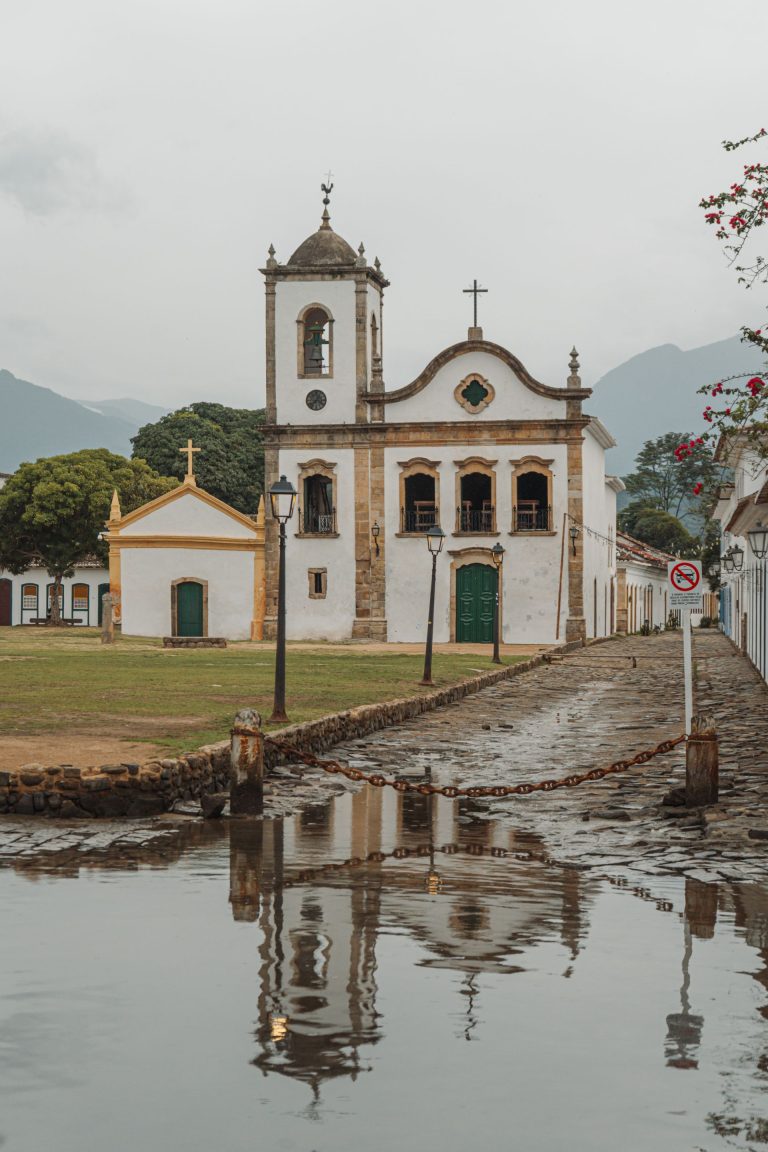
A colonial port with waterfalls and boat trips.
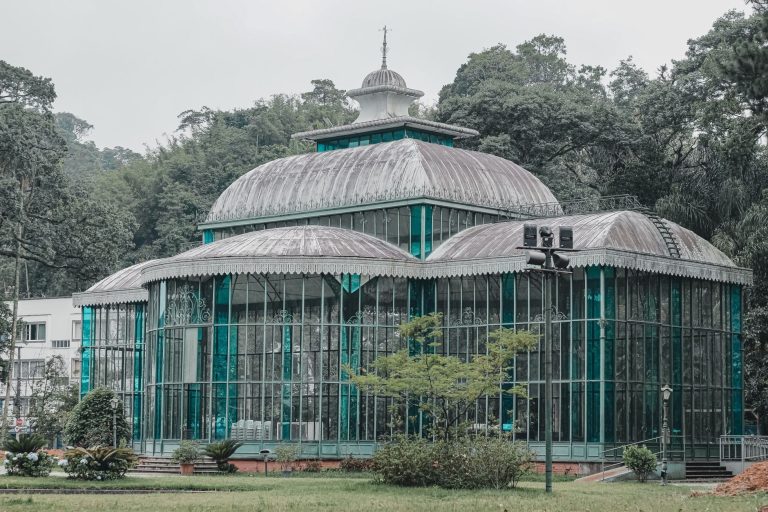
The imperial summer city in the mountains, with a palace museum.
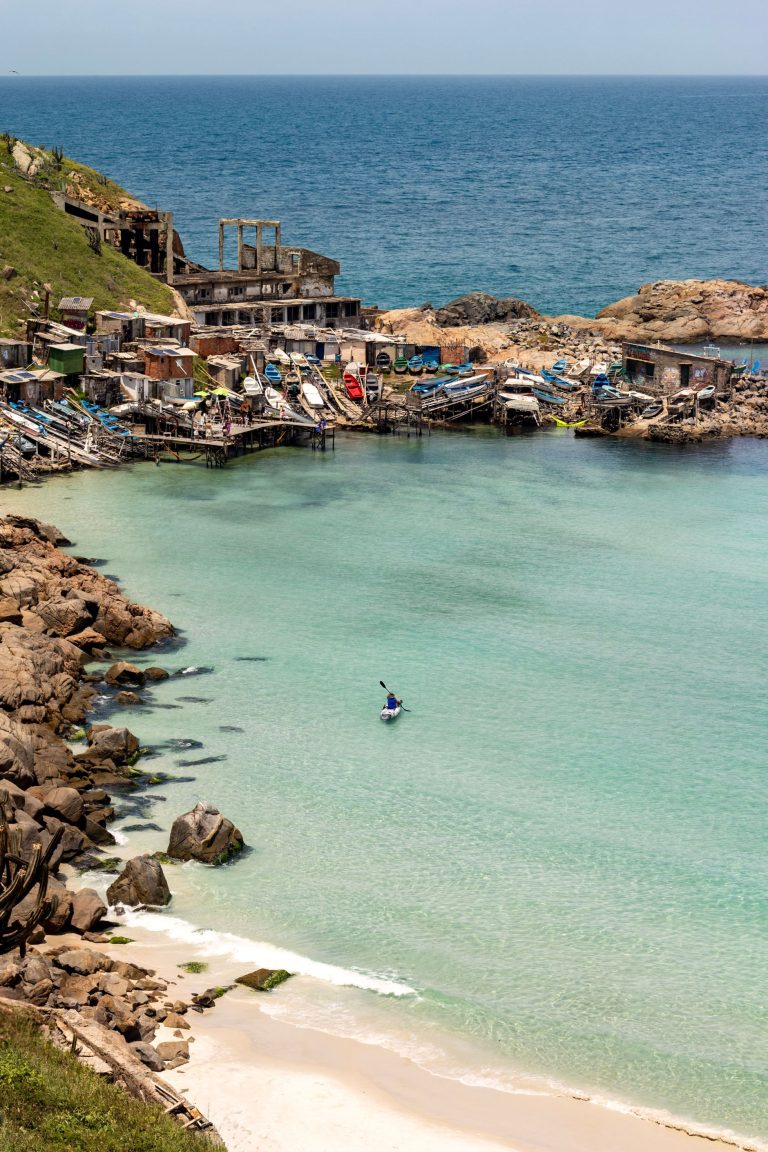
White sand and clear turquoise water east of the city.
Carnival and New Year are the big two, but something is always happening in Rio.
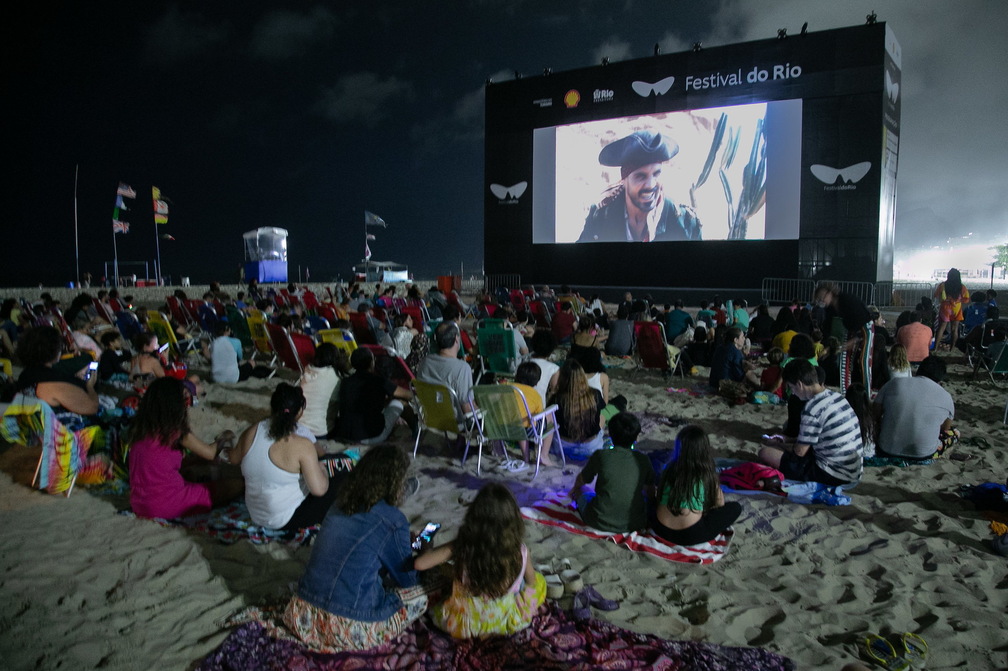 Staff pick
The Rio de Janeiro International Film Festival is a cinematic extravaganza that attracts film enthusiasts from around the world. With a diverse selection of…
 Staff pick
Festival Moto Brasil in Rio de Janeiro is a major gathering for motorcycle enthusiasts, bringing together fans, riders, and industry leaders from across Brazil.…
 Staff pick
The 90’s Festival in Rio de Janeiro invites guests to relive the unforgettable sounds and styles of the 1990s with a lively mix of…

Festival Moto Brasil 2026 is a major motorcycle festival held at Riocentro in Rio de Janeiro. The event spans three days in October, offering…

Japanese culture takes over Riocentro for three days of taiko drumming, martial arts demonstrations, traditional dances, and authentic cuisine. The festival blends ancient Japanese…

Mariah Carey will be performing at Jeunesse Arena on November 21, 2026. The event gates open at 4 PM, with the exact start time…

Experience a live tribute to the beloved Outlander series with a talented string quartet performing its hauntingly beautiful melodies. The concert takes place in…

Latin America's largest film festival brings together thousands of national and international features, including acclaimed works fresh from Cannes, Berlin, Venice, and Toronto. You'll…
The highest-rated hostels in Rio, straight from Hostelworld. Prices and availability are live on each property page.









Rio is warm all year. December to March is hot, humid and busy, with Carnival; May to October is drier and milder, the most comfortable time to visit.
Average highs, rounded. Summer brings heavy afternoon storms.
Per night, for one person, based on Rio prices outside Carnival.
Treat these as a guide. Carnival and New Year cost far more, and the big sights are extra.
The ones we get asked most.

Compare hostels across Rio: live prices, real reviews and free cancellation on most bookings. Then meet the people already there in the app.

 Get the App.






 Get the App.