City centre
First-timersAround the cathedral and the pedestrian streets: museums, Roman baths, restaurants and most of the hostels.

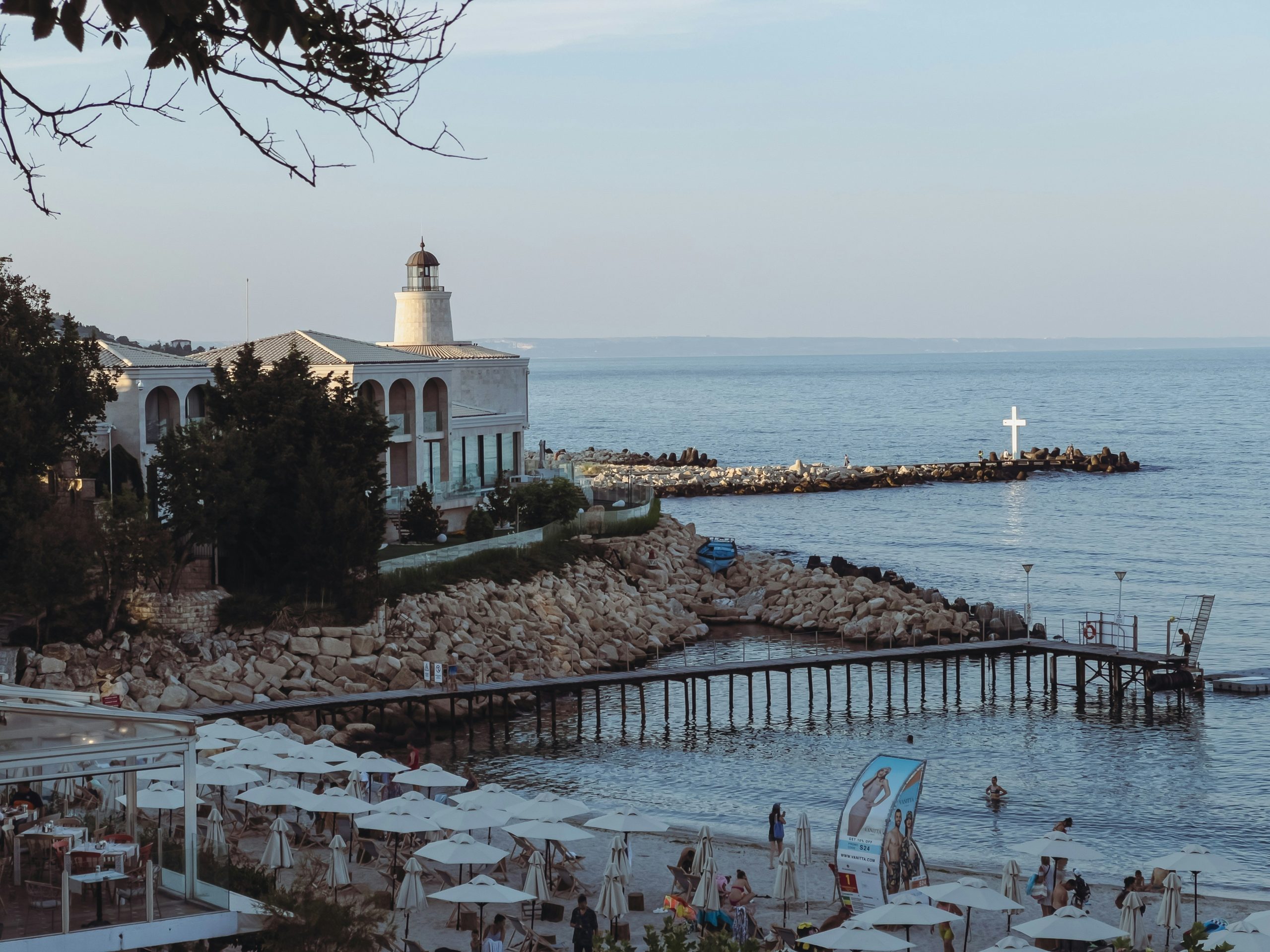
The Black Sea's biggest Bulgarian city, with the oldest worked gold in the world in its museum, Roman baths in the middle of town and a sea garden running the length of the coast.
Varna is Bulgaria's third city and its maritime capital — a port, a naval base and a university town, with a long beach and an eight-kilometre park running along the coast above it.
The thing most visitors do not know is in the archaeological museum: gold objects from a necropolis here dated to around 4600 BC, the oldest worked gold ever found anywhere, made by a culture that vanished without leaving writing.
The Roman baths in the centre are the largest in the Balkans, and the city has the scruffy, functional energy of a place that does other things besides tourism.
The resorts north and south — Golden Sands, Sunny Beach further down — are a different proposition entirely, and worth understanding before you book.
Two or three days, and it makes a good base for the coast.
The centre, the Sea Garden along the coast, and the resorts further out.
Around the cathedral and the pedestrian streets: museums, Roman baths, restaurants and most of the hostels.
The park and beachfront east of the centre, with bars, the aquarium and a ten-minute walk into town.
North-east towards the resorts, residential and cheaper, with buses into the centre.
Orange labels are neighbourhoods, dots are the 5 top-rated hostels. Map © MapTiler © OpenStreetMap contributors.
The Archaeological Museum holds the Varna gold — more than 3,000 objects from a necropolis dated to around 4600 BC, which is the oldest worked gold found anywhere on earth, made by a Copper Age culture about which almost nothing else is known. Entry is a few euros and it is the most significant thing on the Bulgarian coast.
The Roman Thermae in the middle of town are the largest Roman baths in the Balkans and the fourth largest in Europe, and you walk through the ruins.
The Sea Garden runs eight kilometres along the coast above the beach, with a planetarium, an aquarium, a dolphinarium and a great deal of shade.
The cathedral, the naval museum with a torpedo boat outside, and the city beach fill the rest.
The Sea Garden is free and enormous, with shaded paths, gardens and a promenade above the beach.
The city beach is free, though sunbeds are not, and it runs for several kilometres.
The Roman Thermae are visible from the street, and the exterior of the Dormition cathedral and the pedestrian streets cost nothing.
The Aladzha rock monastery and Golden Sands nature park north of the city are cheap rather than free, but the coastal paths are open.
In summer there are free concerts in the open-air theatre in the Sea Garden and along the promenade.
Fish is the point, and Black Sea rather than Mediterranean: tsatsa, small fried sprats eaten whole with beer for €4 to €6, is the summer standard, and grilled turbot and mussels are the sit-down options.
A full meal with wine is €10 to €18 in the centre and more on the beachfront.
Bulgarian staples fill the rest of the menu — shopska, kavarma, grilled meat — and a set lunch inland from the water is €6 to €10.
The beach bars charge a premium for the sand; two streets back is a third cheaper for the same food.
Local white wine from the northern Black Sea vineyards is €3 to €4 a glass and is better than it gets credit for.
In summer the beach clubs along the city shore run from the afternoon into the morning, and they are the main event — open-air, loud and cheap by any European standard.
The centre has a year-round scene around the pedestrian streets and the university, with bars and live music that survive the winter.
A beer is €1.50 to €3 and cocktails €4 to €7.
Golden Sands, eighteen kilometres north, is the package-resort version with a much more aggressive club strip. It is a different night out, reachable by bus, and worth knowing about before you accidentally book a hotel in it.
The centre is walkable and the beach is ten minutes from it through the Sea Garden.
City buses cost about €0.80, and buses 409 and others run north to Golden Sands and the resorts in about 30 minutes.
Sofia is six hours by bus or train for €15 to €20, and there are cheap domestic flights that take an hour and are often worth it.
Buses south along the coast reach Burgas in two hours and Nessebar in two and a half, and north to Balchik and Kaliakra in under an hour.
Romania is close: Bucharest is about four hours by bus, and the border crossing at Durankulak is an hour away.
Cheap outside July and August, and still reasonable in them. Dorms are €10 to €25 with a clear summer peak, a full meal €10 to €18, and a beer €1.50 to €3.
A day is €28 to €48 in summer.
Museums are €3 to €6, the beach is free and sunbeds €5 to €10 a pair.
Bulgaria switched to the euro on 1 January 2026, so prices are in euros and the lev is no longer in use. Cards work widely; carry some cash for small places.
Varna is a normal working city and generally safe, with petty theft on the beach and in the summer crowds the main issue.
Leaving valuables on the sand while swimming is the most common way people lose things here.
The Black Sea has rip currents and the beaches outside the guarded central section have no lifeguards. Swim between the flags.
The resort strips north of the city have a reputation for inflated bar bills, spiked drinks and aggressive touts in high summer — the city beach clubs are a different and better scene.
Taxi overcharging happens at the station and airport; use an app. Emergency number is 112.
Cape, monastery, and a UNESCO town along the coast.
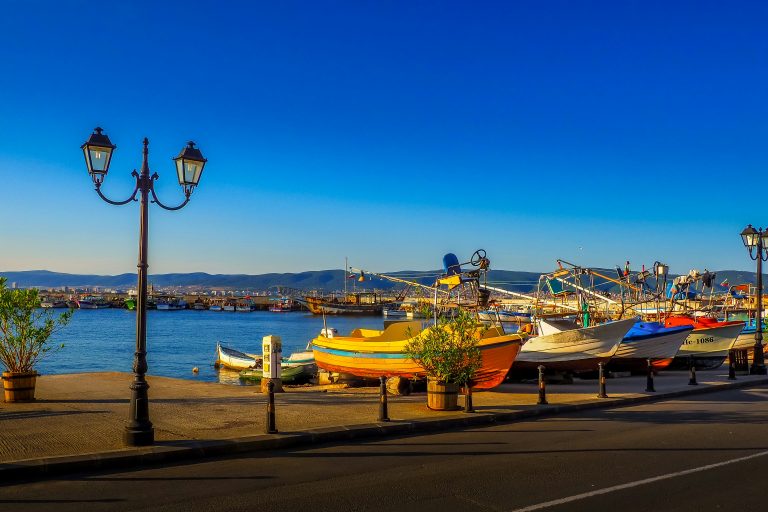
A UNESCO-listed old town on a rocky peninsula, with medieval churches and far too many people in August.
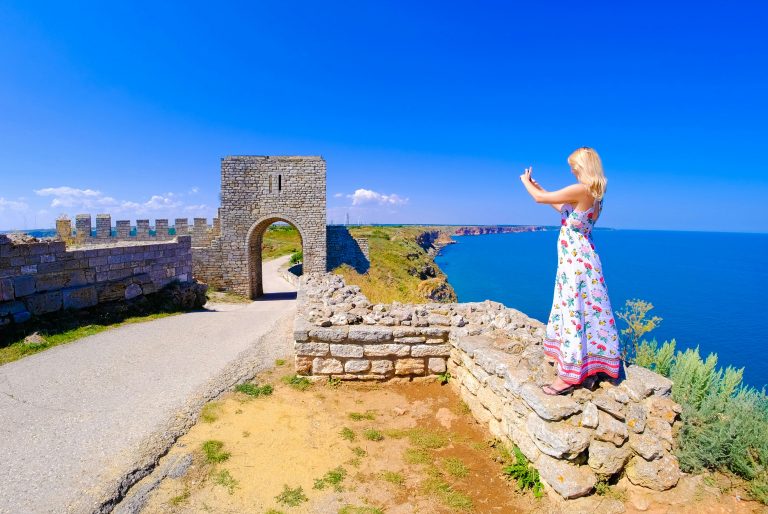
A red cliff headland running two kilometres into the sea, with a fortress, dolphins offshore and a grim legend attached.
One of the oldest festivals in Europe runs here every summer.
Running since 1926 and one of the oldest festivals in Europe, covering classical music, theatre and ballet.
When the beach clubs open and the coast fills.
The oldest ballet competition in the world, held in the Sea Garden.
The patron saint of sailors, taken seriously in a port city, with fish on every table.
A small market in the pedestrian centre.
A seasonal scene in the centre and near the Sea Garden, with far more supply in summer. Live from Hostelworld.
June and September for the sea without the crush. The city works year-round.
Average highs. The Black Sea is warmest in late August and September, which is why September beats July for swimming, and the city stays busy year-round because it is a real city.
Pick how you travel. Per person per night, in euros, in summer.
July and August run above these figures. May, June and late September are considerably cheaper for the same weather.
The ones we get asked most.

Compare Varna hostels — live prices, real reviews and free cancellation on most bookings. Then meet the people already there in the app.

 Get the App.
 Get the App.