Lower Town
First-timersAround Ban Jelačić square and the Green Horseshoe of parks: trams, museums, most hostels and the station.

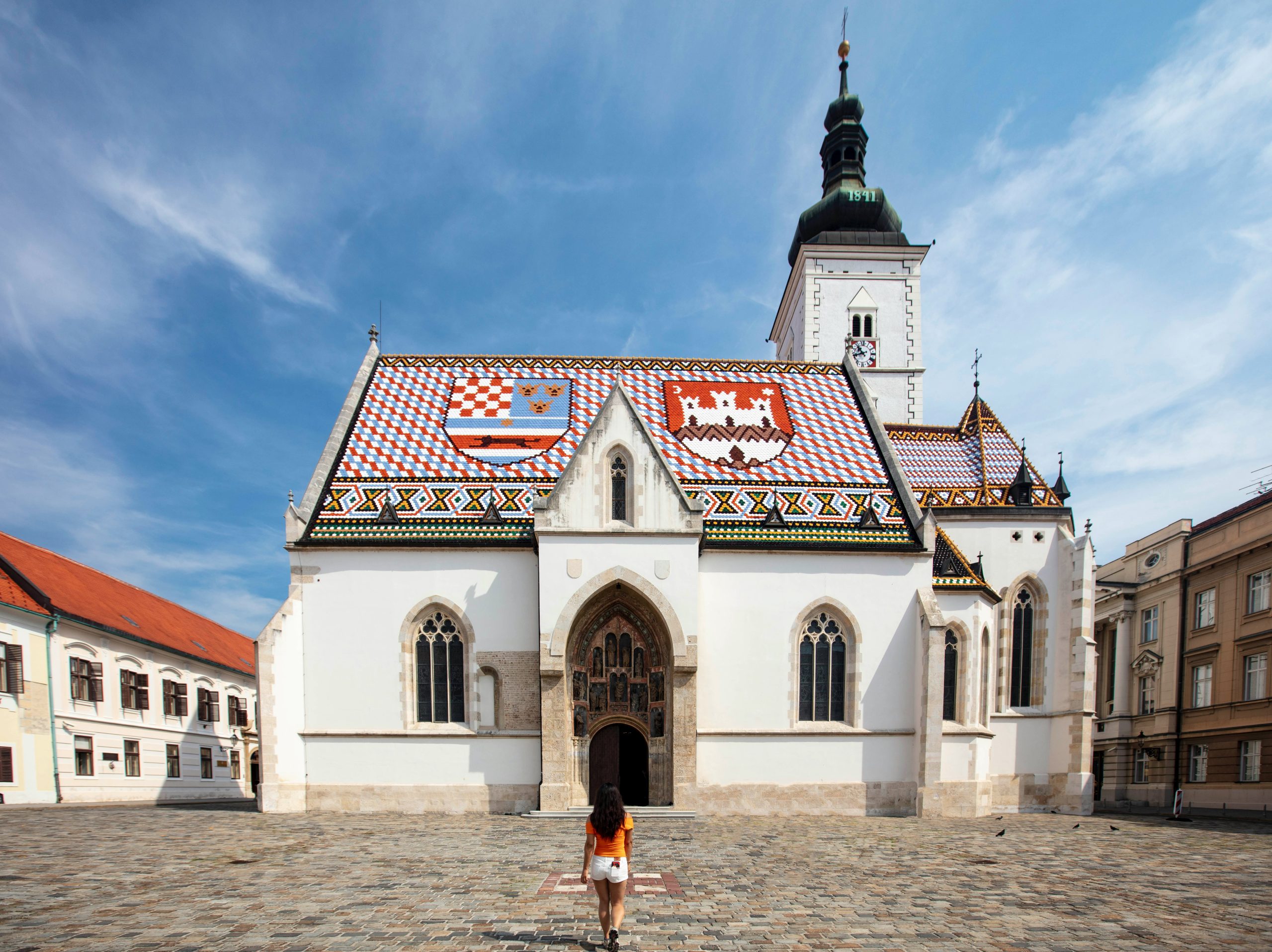
The capital everyone skips on the way to the coast: Austro-Hungarian streets, a museum of failed relationships, the shortest funicular in the world and half the price of Dubrovnik.
Most people land in Zagreb and get straight on a bus to the sea, which is why the capital stays cheap and unbothered.
It is an Austro-Hungarian city of yellow facades, arcades and parks, split between the medieval Upper Town on the hill and the nineteenth-century Lower Town below, joined by a funicular that runs 66 metres and is the shortest public funicular in the world.
Zagreb's coffee culture is a genuine institution: Saturday morning špica, when the whole city sits on Tkalčićeva and the surrounding terraces from ten until two, is a social event rather than a caffeine habit.
The Museum of Broken Relationships — donated objects from ended relationships, with the stories attached — is the best small museum in the Balkans and started here.
Two or three days, and it costs about half what the coast does.
Upper Town on the hill, Lower Town below, and everything within twenty minutes on foot.
Around Ban Jelačić square and the Green Horseshoe of parks: trams, museums, most hostels and the station.
The medieval hill: St Mark's tiled roof, the cannon, cobbled lanes and the quietest evenings.
The bar street running up from the centre, with terraces on both sides and the best café culture in the city.
West and south of the centre, residential and cheaper, with trams in within ten minutes.
Orange labels are neighbourhoods, dots are the 12 top-rated hostels. Map © MapTiler © OpenStreetMap contributors.
The Museum of Broken Relationships is the one to do first. Objects donated by people from relationships that ended, each with the story attached, and it is funny, devastating and entirely unlike any other museum. Entry is about €7.
Take the funicular up — 66 metres, under a minute, and the shortest public funicular in the world — to the Upper Town for St Mark's Church with its tiled coat-of-arms roof, the Lotrščak Tower and the cannon that has fired at noon every day since 1877.
Dolac market sits above the main square under red umbrellas and is where the city buys its food, best before ten.
Mirogoj cemetery, a fifteen-minute bus ride out, is an arcaded nineteenth-century necropolis that is one of the most beautiful in Europe and is free.
The Green Horseshoe — a U of parks and squares laid out in the nineteenth century through the Lower Town — is free and takes an hour to walk.
Dolac market is free to wander and is the best hour of the morning here.
Mirogoj cemetery costs nothing and is worth the bus ride for the arcades alone.
St Mark's Square, the Stone Gate shrine with its candles, and the Upper Town streets are all free, and the noon cannon costs nothing to hear.
Maksimir Park, a large English-style landscape park with lakes, is free, and in summer the city runs free concerts in the squares.
Continental Croatian food, which is closer to Austria and Hungary than to the coast: štrukli, a baked cheese pastry that is the city's own dish, at €6 to €10; sarma in winter; and grilled meats year-round.
A full meal is €12 to €20, well below the coast, and a set lunch in a local place is €8 to €12.
Dolac market's upper level has cheese and cured meat stalls, and the fish hall below it is the best in inland Croatia.
Coffee is the real culture. A coffee is about €2 and buys you a table for as long as you want it, and Saturday špica is when the entire city does exactly that from ten until two.
Tkalčićeva is the obvious strip — a pedestrian street running uphill with terraces on both sides, busy every night in summer.
The better places are around it: Opatovina behind the market, Martićeva for craft beer, and the student clubs around the Lake Jarun area in summer.
A beer is €2.50 to €4 and a coffee €2, both well under coastal prices.
Zagreb has a strong live music and alternative scene, and things run to two or three at weekends. In summer the terraces spill everywhere and half the city is outside until late.
Trams are the city's transport, running frequently and costing about €0.70 for a 30-minute ticket bought from a kiosk and validated on board, or about €1 from the driver.
The centre is walkable and flat, and the funicular between the Lower and Upper Towns costs about €0.70.
The airport bus takes 30 minutes to the main station for about €8.
Buses to the coast are the main intercity option: Split is five hours, Zadar three and a half, Dubrovnik nine or ten. The train network is slow and limited, which is why almost nobody uses it.
Ljubljana is two and a half hours by bus and Budapest about five.
About half the price of the Croatian coast in summer, and that is the headline. Dorms are €15 to €28, a full meal €12 to €20, a coffee €2 and a beer €2.50 to €4.
A day is €40 to €65.
Croatia adopted the euro in 2023, so there is no currency conversion to think about.
Museums run €5 to €8 each. The Green Horseshoe, Mirogoj and Dolac are free, and the funicular and the cannon cost almost nothing.
Zagreb is a safe, calm capital with low crime, and the centre is comfortable at night.
Pickpocketing happens on busy trams and around the main station at ordinary levels.
Tram tickets must be validated on board and inspectors do check, with fines for travelling without.
The city sits in an earthquake zone and was damaged by a significant quake in March 2020 — some buildings in the Upper Town are still under scaffolding and a few remain closed.
Football matchdays around the Maksimir stadium can be lively. Emergency number is 112.
Lakes, a castle and two more countries, all within a few hours.
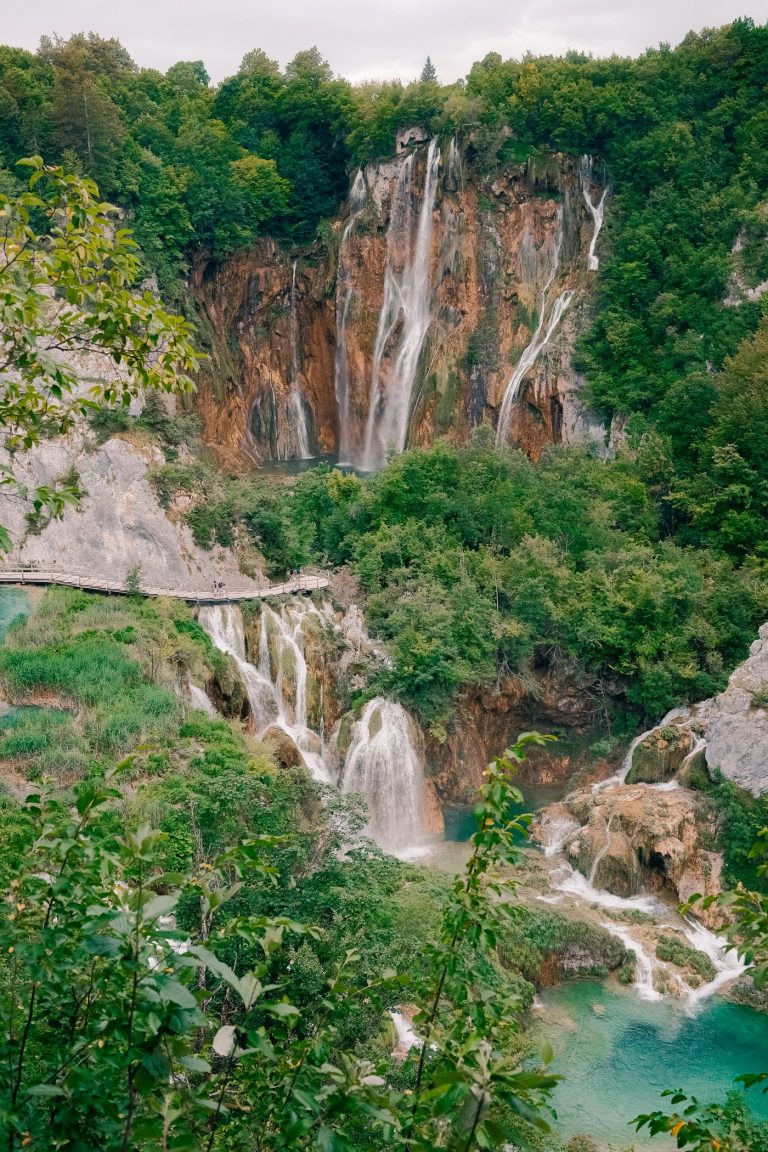
Sixteen terraced lakes linked by waterfalls, on boardwalks through a gorge. Go on the first bus and buy tickets online in summer.
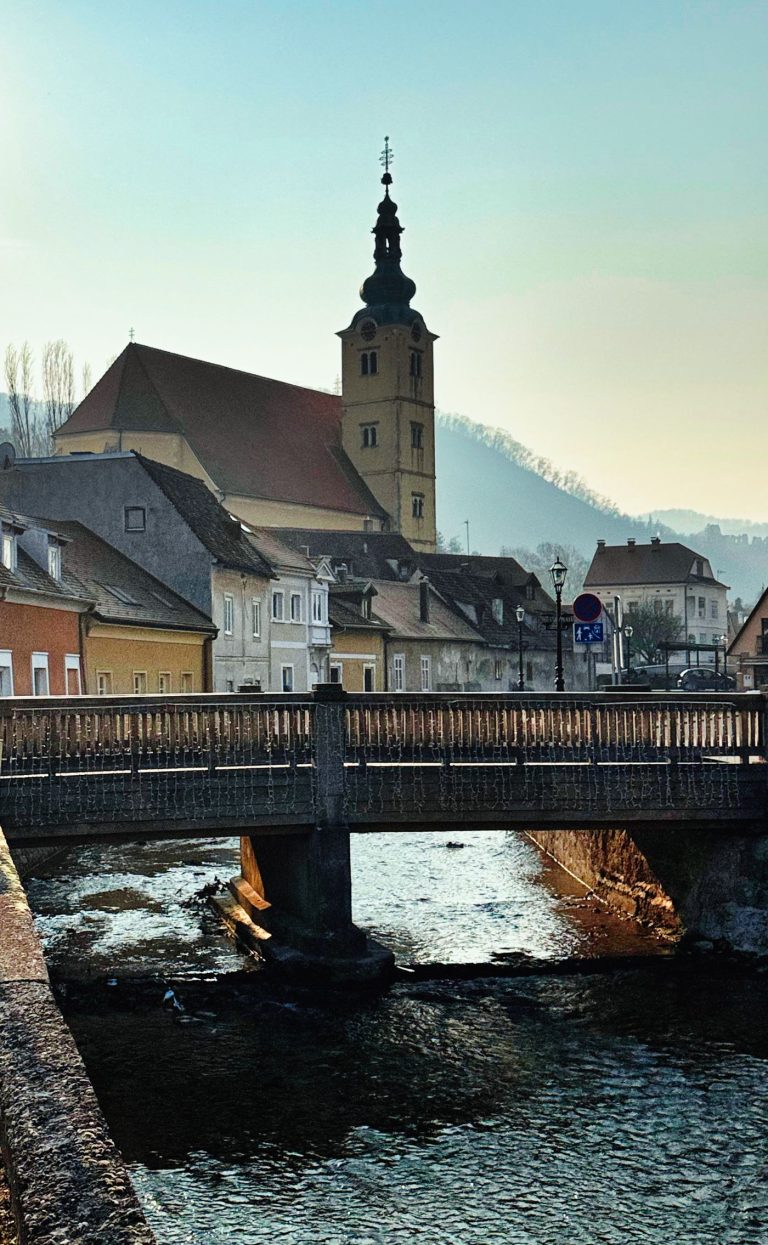
A small town in the hills with a cream cake it is famous for and walking above it.
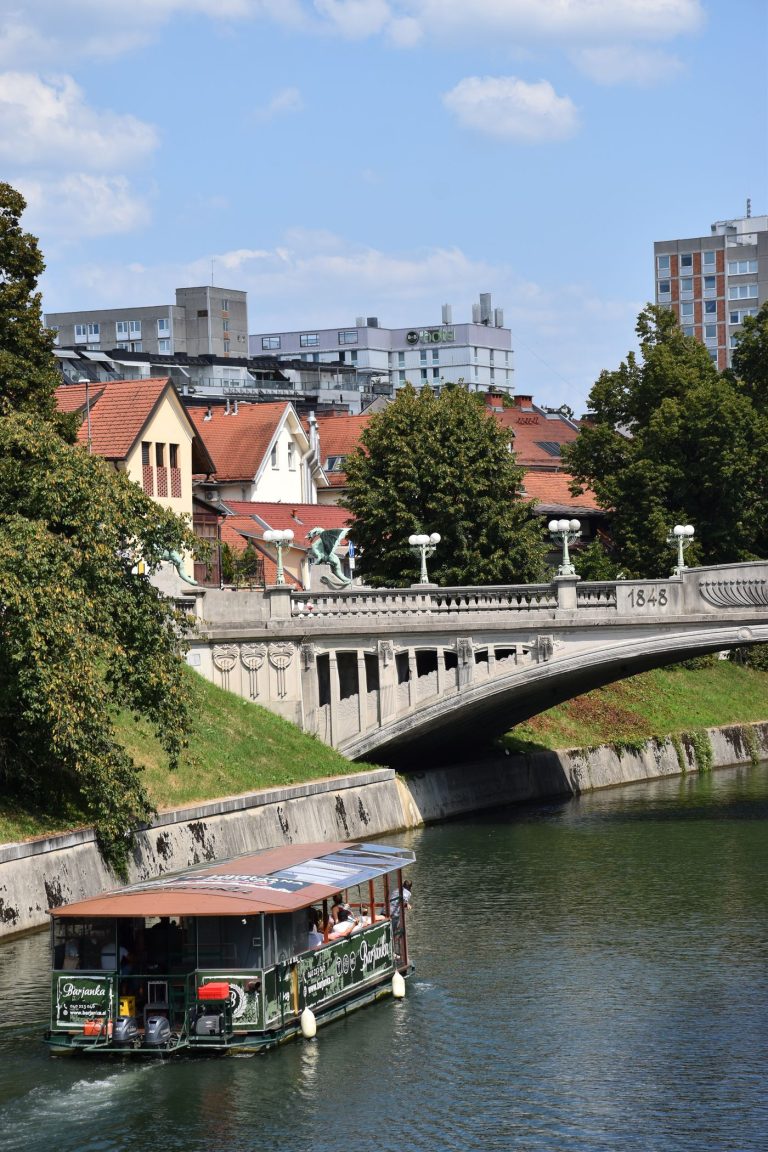
Slovenia's capital, small, green and easily done as a day trip or an onward stop.
The Christmas market here has won best in Europe more than once.
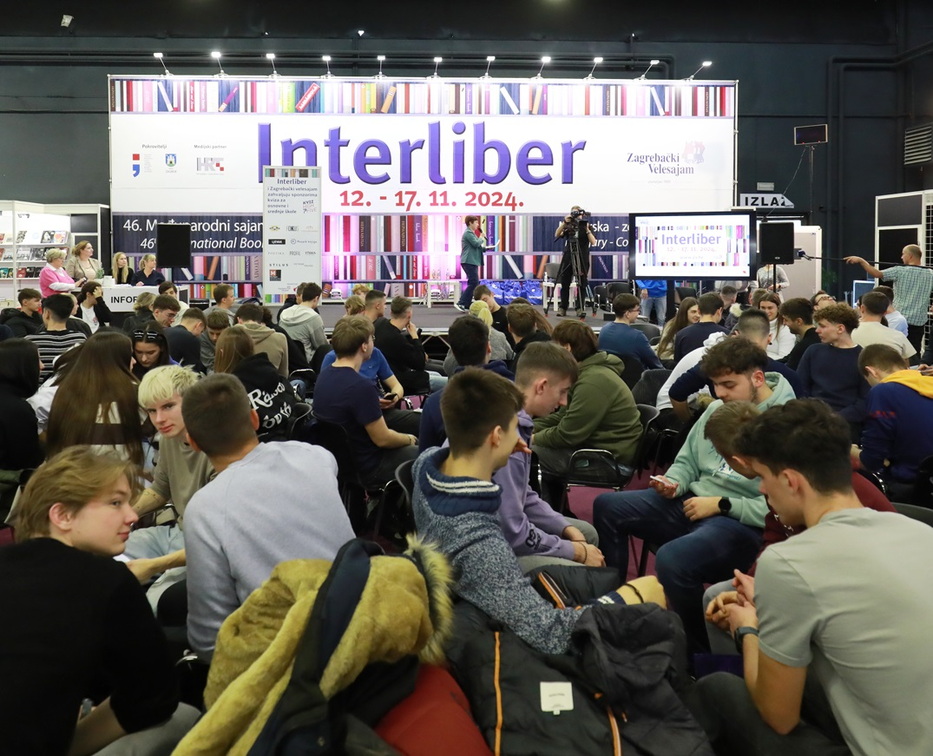 Staff pick
Interliber, taking place in Zagreb, Croatia, is a book lover's paradise and the largest annual book fair in the region. This six-day event features…
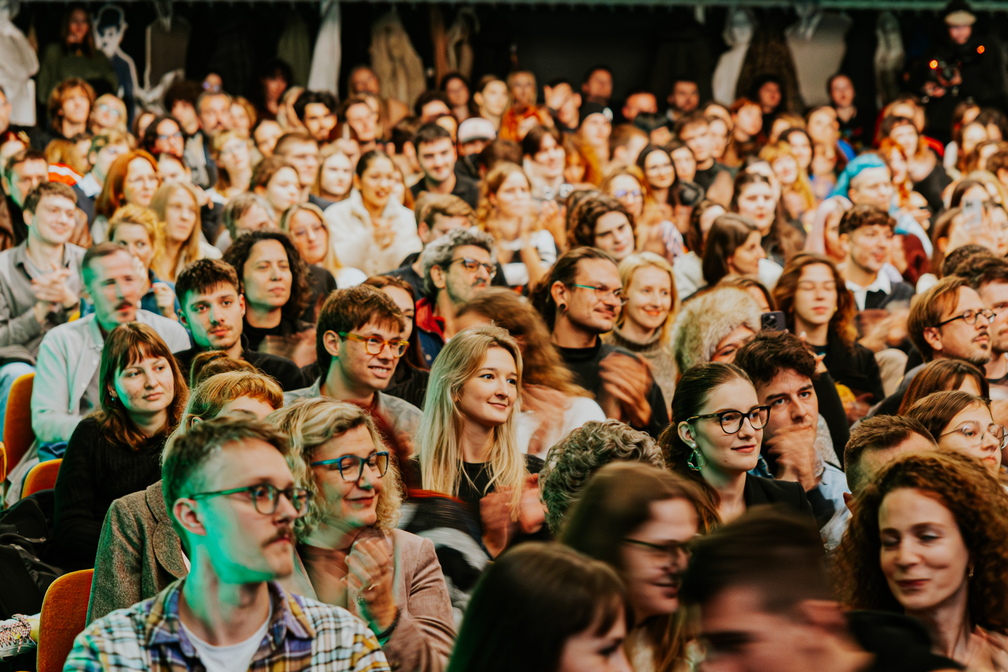 Staff pick
The Zagreb Film Festival, held annually in Zagreb, Croatia, is the country’s largest international film festival and a major highlight of the cultural calendar.…
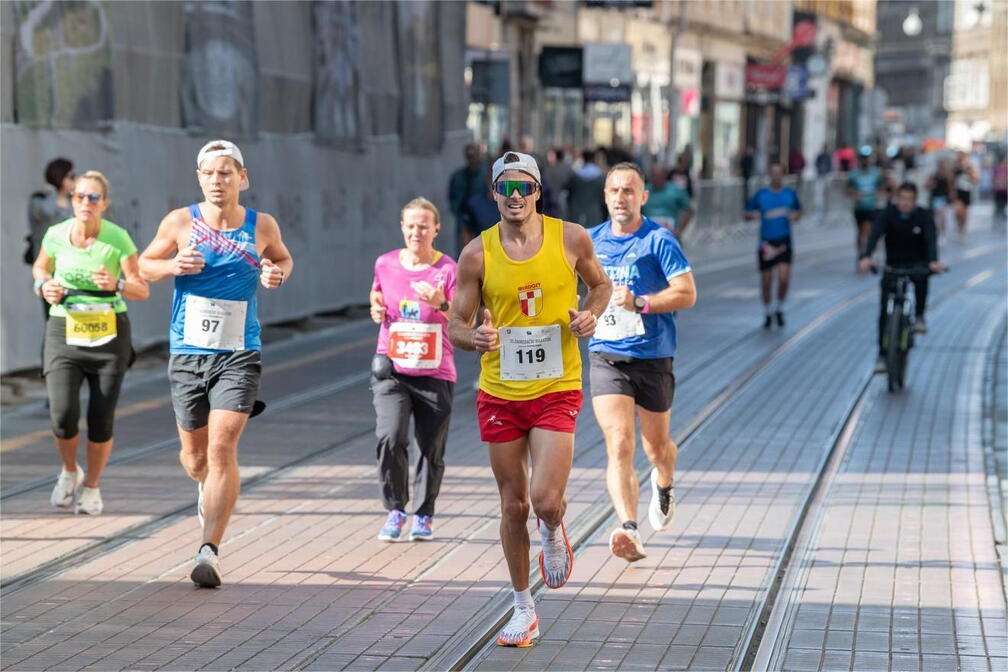 Staff pick
The Zagreb Marathon draws seasoned runners from across the globe to the heart of Croatia, offering a unique race experience in the city’s historic…
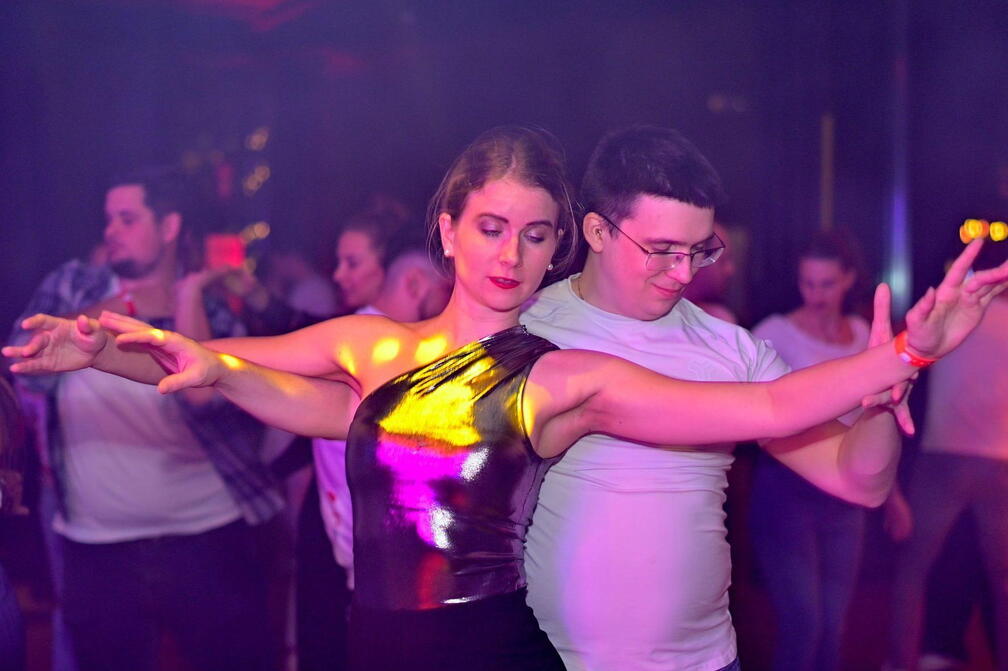 Staff pick
Zagreb Bachata Festival transforms the city into a hub of Latin dance, drawing enthusiasts from all over Europe for a weekend of connection and…
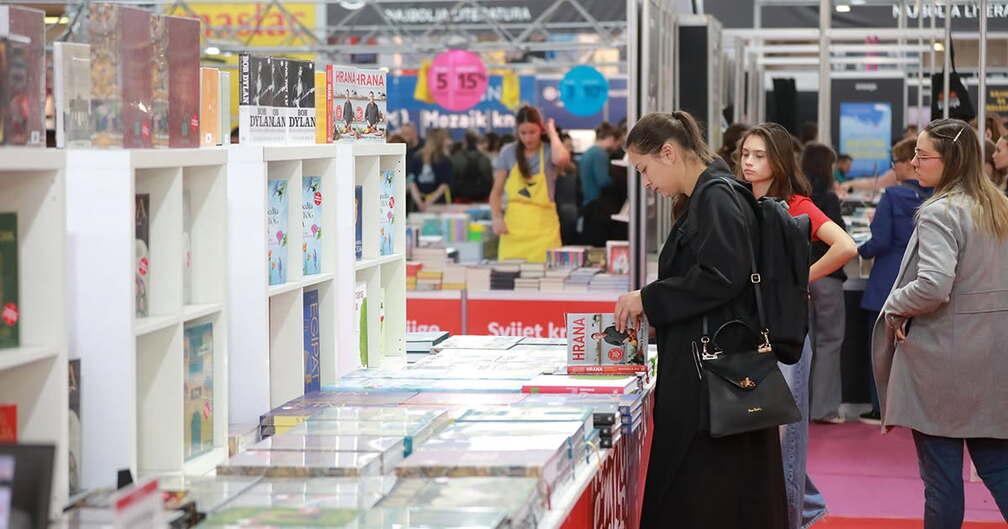
INTERLIBER is the 48th International Book Fair held in Zagreb. The event showcases a wide range of books and literature from various publishers. It…
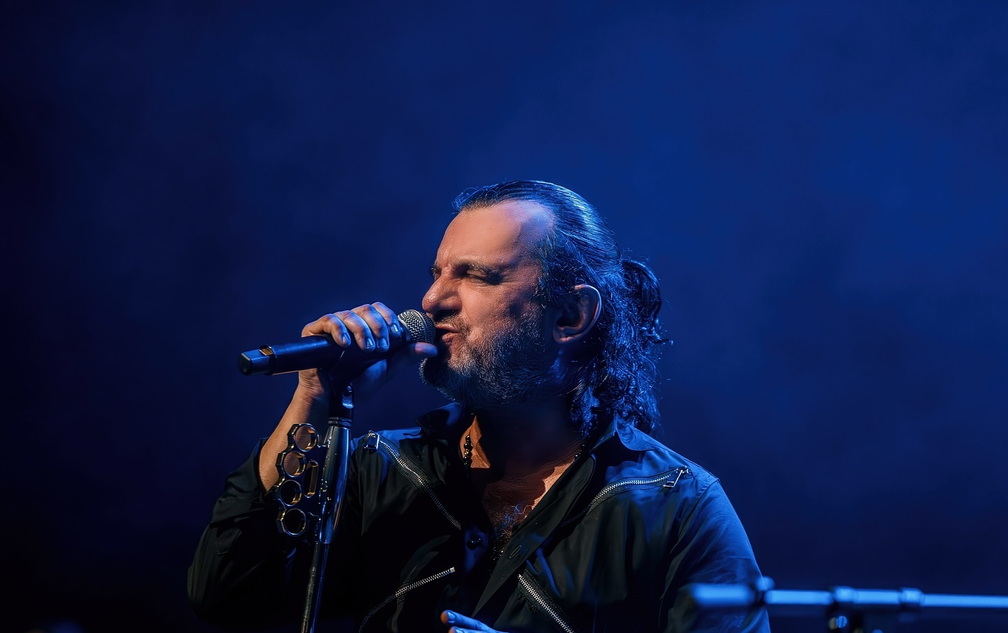
Aca Lukas, a prominent figure in the regional pop-folk music scene, will hold a major solo concert at Arena Zagreb on October 3, 2026.…
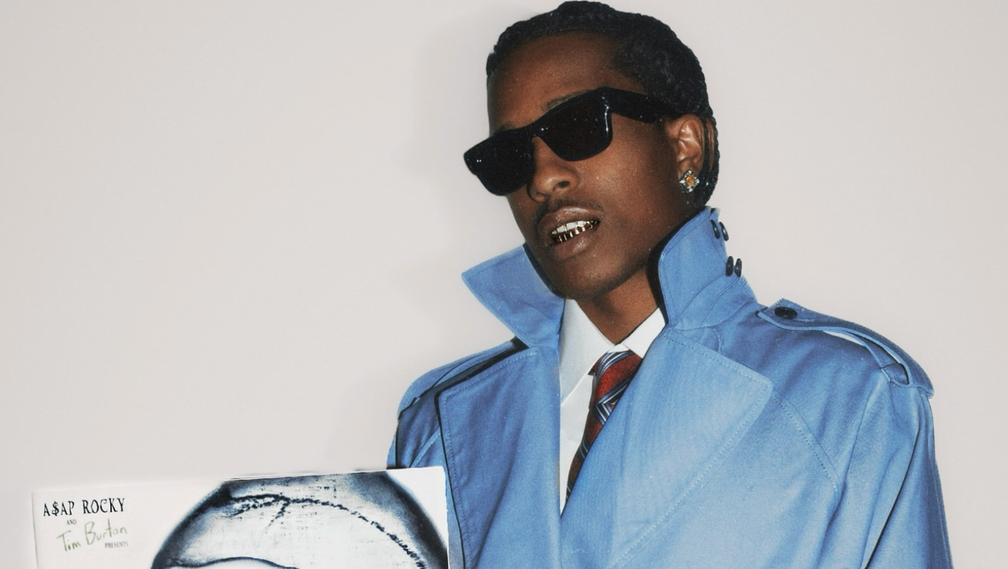
A$AP Rocky is performing at Arena Zagreb, bringing his distinctive style and energy to the stage. This concert is a chance to experience one…

Senidah will perform a concert titled "Welcome to My World" at Arena Zagreb. The show features strong visual production, special effects, and various segments…
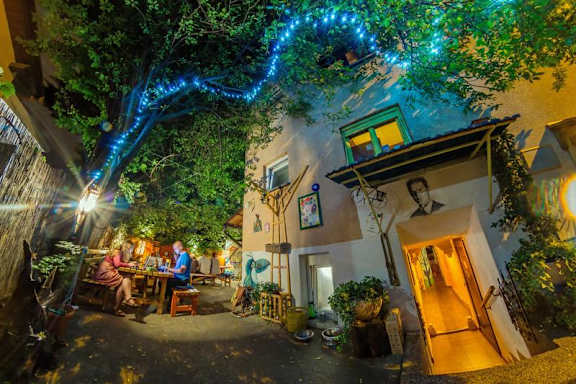
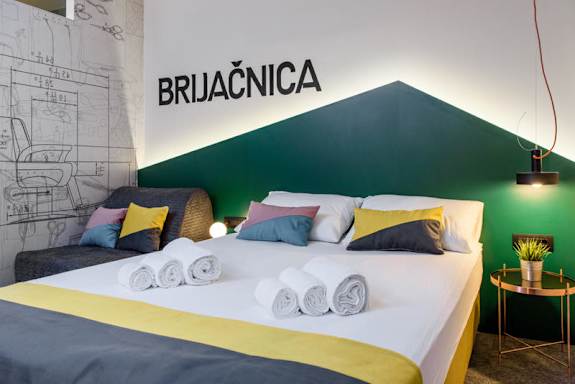
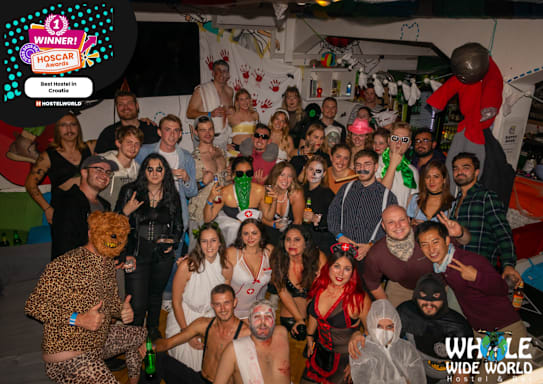
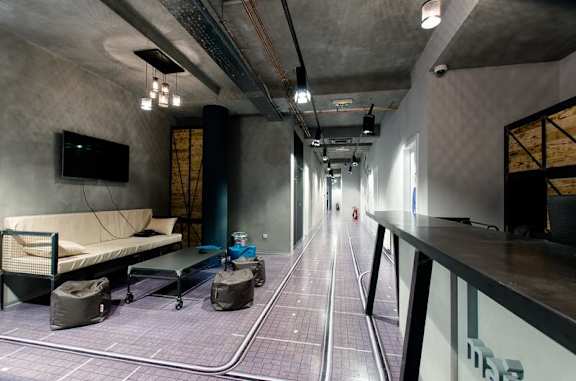
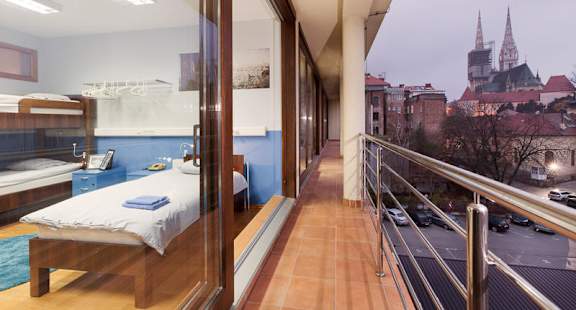
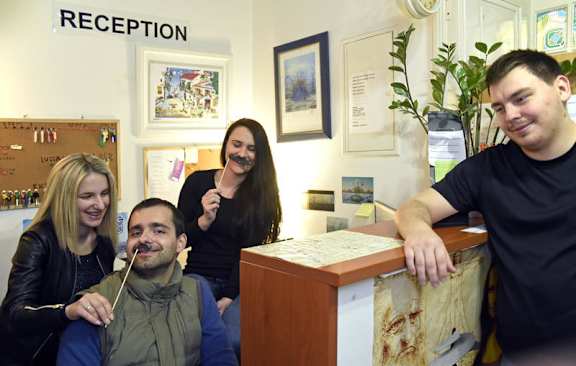
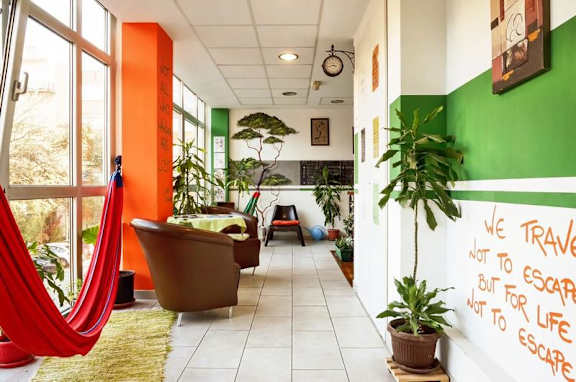
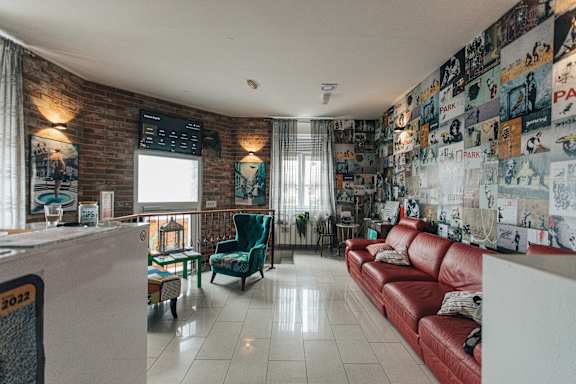
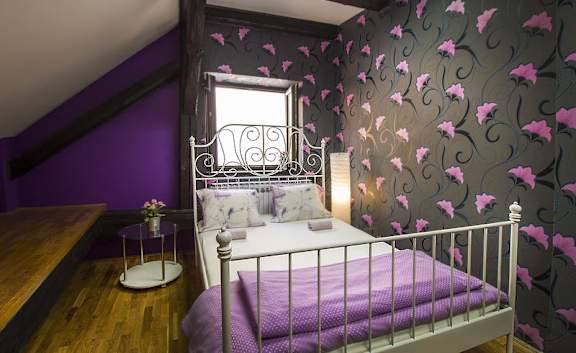
A good scene at inland prices, concentrated in the Lower Town near the station and the centre. Live from Hostelworld.
Spring and autumn, or December for one of the best Christmas markets in Europe.
Average highs. Zagreb is continental — proper cold winters and hot summers — and unlike the coast it is busiest in spring and autumn, because locals leave in August.
Pick how you travel. Per person per night, in euros.
A Plitvice day trip adds about €30 in bus fares plus entry, which varies sharply by season.
The ones we get asked most.
Compare Zagreb hostels — live prices, real reviews and free cancellation on most bookings. Then meet the people already there in the app.

 Get the App.
 Get the App.