City centre
First-timersAround Svobody square and the cathedral: bars, cafés, the ossuary and most of the beds.

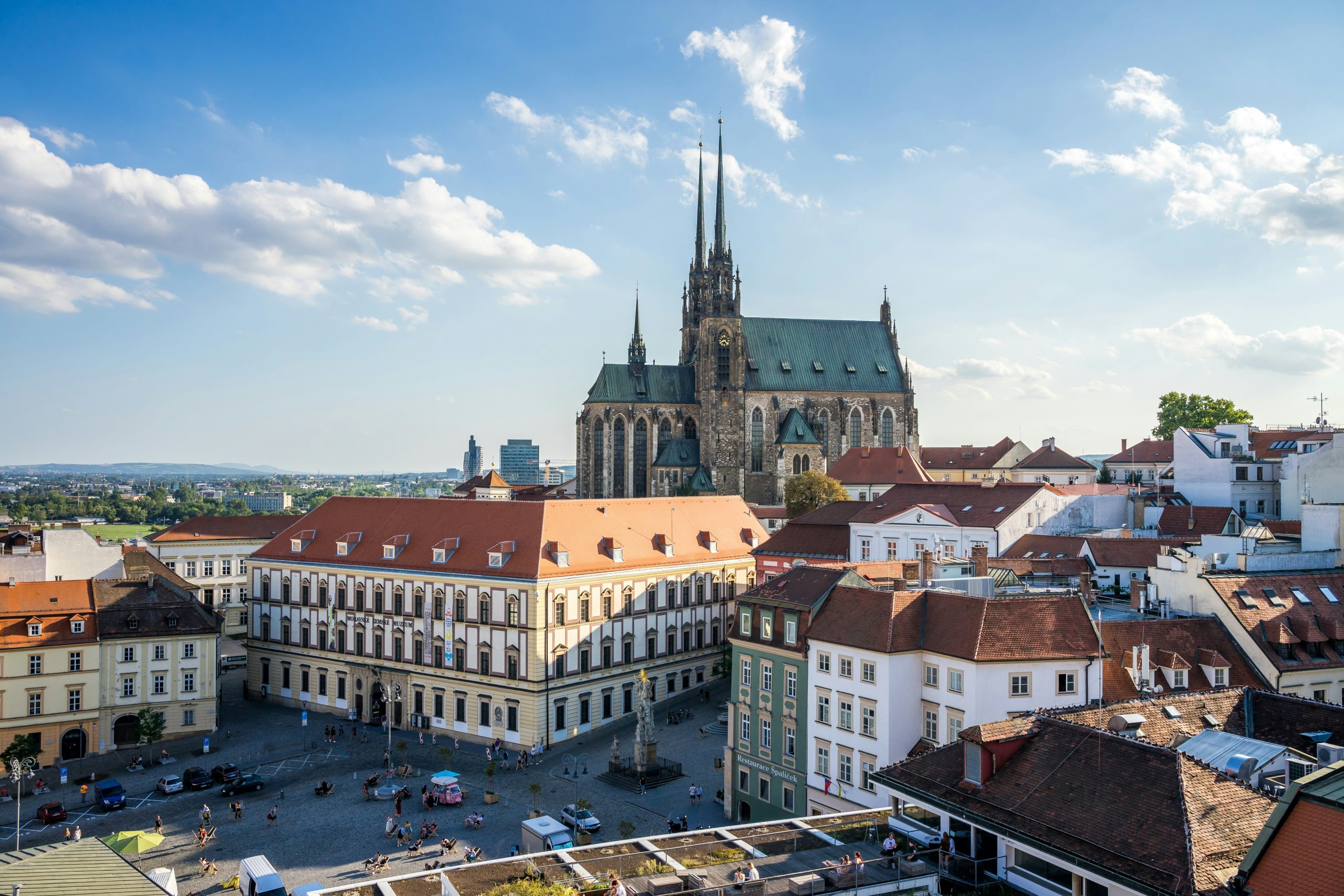
The second city, with 90,000 students, a UNESCO functionalist villa, an ossuary holding 50,000 people, and the best coffee and bars in the country.
Brno is the Moravian capital and the country's second city, with around 90,000 students in a population of 380,000, which sets the tone entirely: cheap, young, and with a café and bar culture that Czechs will tell you beats Prague's.
It is also an architecture city. Villa Tugendhat, built by Mies van der Rohe in 1930, is UNESCO-listed and one of the foundational buildings of modernism, and the city is full of interwar functionalism.
Under the church of St James is an ossuary holding the remains of around 50,000 people, discovered in 2001 and the second largest in Europe after Paris.
The cathedral bells ring noon at eleven, a tradition dating to a Swedish siege in 1645, and the city has been doing it ever since.
Two days, and it is a fraction of Prague's prices.
A compact centre with tram links out to the student districts.
Around Svobody square and the cathedral: bars, cafés, the ossuary and most of the beds.
North-west of the centre, with student bars, cheap food and a ten-minute walk in.
Further north, residential, with trams into the centre in fifteen minutes.
Orange labels are neighbourhoods, dots are the 6 top-rated hostels. Map © MapTiler © OpenStreetMap contributors.
Villa Tugendhat is the one to book before you arrive. Mies van der Rohe finished it in 1930 for a Jewish industrialist family who fled in 1938, and it is one of the buildings that defined modernism — an onyx wall, retractable windows, and a sense of space that still looks contemporary. Tours are limited and sell out weeks ahead.
The ossuary under St James holds the bones of around 50,000 people, stacked and arranged after the city's cemeteries were cleared, and it was only rediscovered in 2001. Entry is a few euros.
Špilberk castle above the city was a Habsburg prison with casemates cut into the rock, and the view from the walls covers the whole city.
The Capuchin crypt holds mummified monks and nobles, preserved by the airflow in the vaults, laid out in their habits.
The centre is free to walk and small: Svobody square with its black plague column and an astronomical clock shaped in a way the city jokes about constantly.
The Špilberk castle grounds and the park around it are free, with the view over the city, and the cathedral is free to enter.
The Villa Tugendhat garden can be visited without the interior tour for a much smaller fee, if the tours are sold out.
Lužánky park, the oldest public park in the country, and the Brno reservoir with its swimming and boat trips are free or nearly so.
And the cathedral bells ringing noon at eleven costs nothing to hear.
Brno has the best coffee scene in the Czech Republic, which Czechs will confirm and Praguers will dispute, and a serious craft beer culture alongside the standard Moravian lagers.
Moravia is wine country rather than beer country, and the vineyards south of the city produce whites — Veltlínské zelené and Ryzlink — at €3 to €5 a glass, with wine cellars in the villages.
A pub meal is €6 to €11 and a weekday lunch menu €5 to €8, both below Prague.
Svíčková, goulash and roast pork are the staples, and the market at Zelný trh — the cabbage market — has run in the same square since the thirteenth century.
Ninety thousand students make this the best value night out in the country. The bars around the centre and Veveří fill from nine in term time and run late, and a beer is €1.50 to €2.20.
Brno has a strong independent scene — Kabinet Múz, Bar, který neexistuje for cocktails, and a cluster of small music venues.
Moravian wine bars are the local alternative to pubs, and they are everywhere.
Term time is the thing to know: from July to September the students go and a noticeable share of the nightlife closes with them.
The MotoGP weekend in August fills the city entirely.
Trams are the network and they are frequent and cheap — about €1 for 20 minutes, or €2.50 for 24 hours. Validate on board.
The centre is walkable and everything else is a short tram ride.
Trains reach Prague in two and a half hours, Vienna in an hour and a half and Bratislava in an hour and a half, which makes Brno an easy stop between the three.
Buses do the same routes more cheaply.
The airport has limited connections, and Vienna's airport is often the practical option at about two hours by bus.
Considerably cheaper than Prague. Dorms are €12 to €25, a pub meal €6 to €11, and a beer €1.50 to €2.20.
A day is €32 to €55.
Villa Tugendhat is about €14 with a tour and needs booking weeks ahead; the ossuary and Špilberk are a few euros each.
The koruna runs at roughly 25 to the euro and cards work everywhere, so the exchange scams that plague Prague are not an issue here.
Brno is a safe, comfortable city with low crime and none of Prague's scam economy.
Petty theft happens around the main station, which is scruffier than the rest of the city, particularly late at night.
Tram tickets must be validated and inspectors do check.
Czech beer is strong and served in half litres, and the student areas on a Thursday reflect that.
Pavements in the centre are cobbled and slippery in rain. Emergency number is 112.
Caves, a battlefield, wine villages and a chateau, all within an hour.
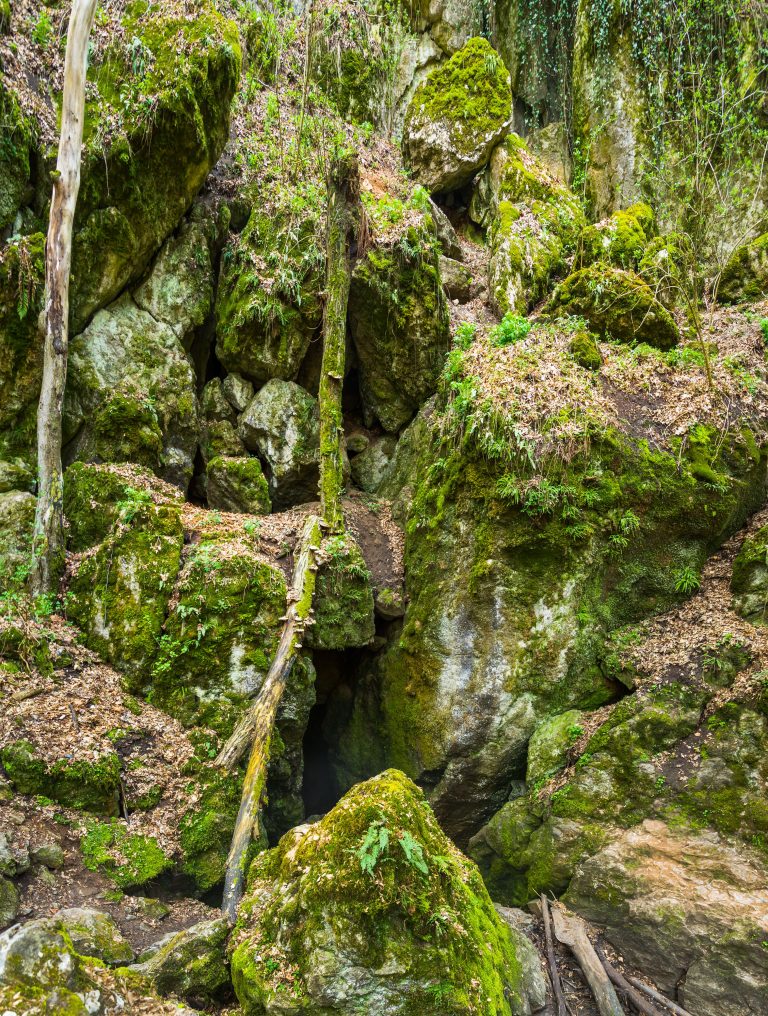
A cave system with an underground river you travel by boat, and the Macocha abyss, a 138-metre sinkhole.
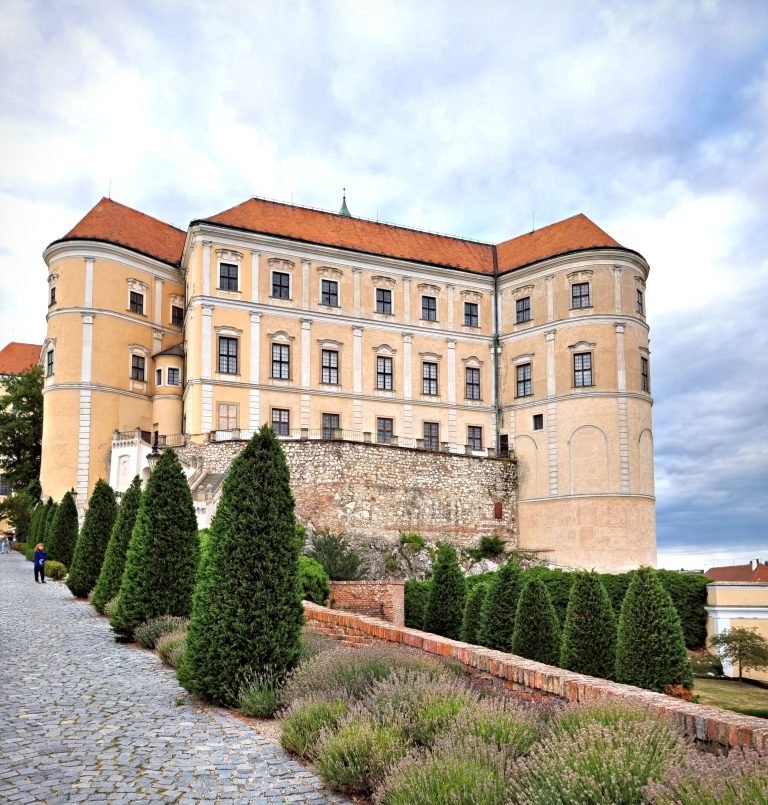
A chateau town on the Austrian border, surrounded by vineyards and cellars, and the centre of Moravian wine.
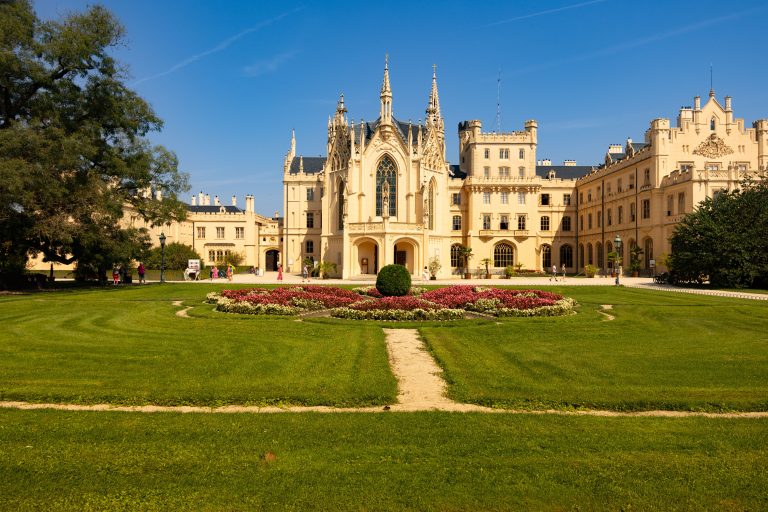
A UNESCO-listed landscape of chateaux, follies and parkland, laid out as one enormous garden.
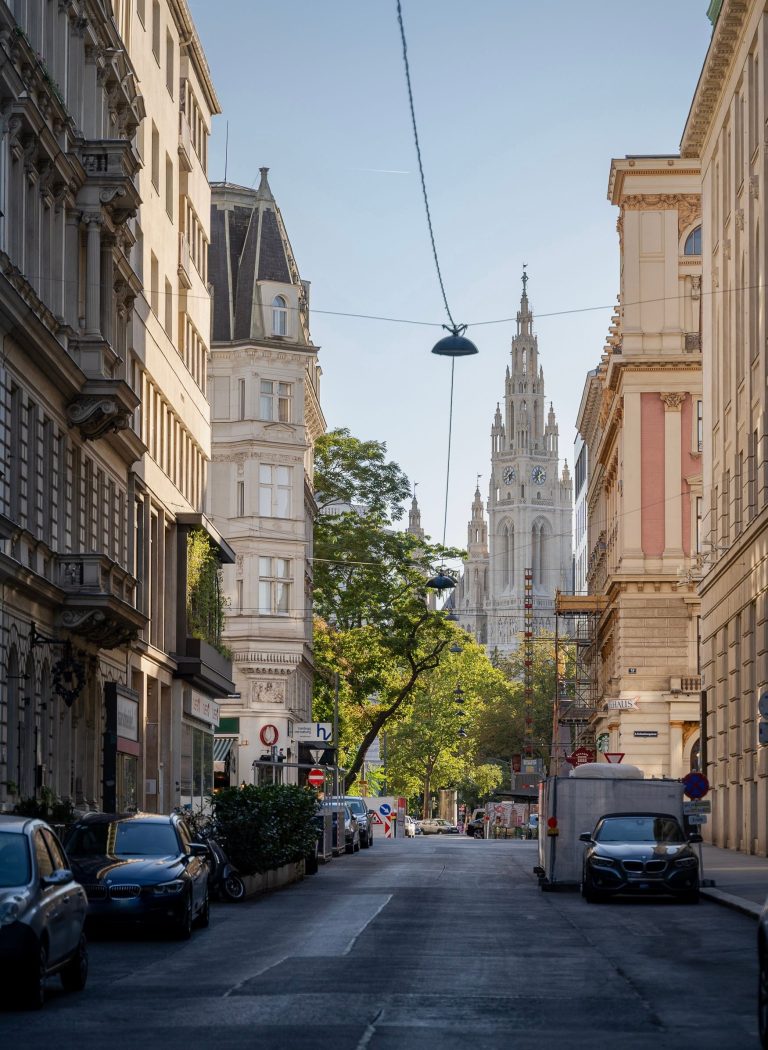
The Austrian capital, close enough for a comfortable day out.
A MotoGP weekend, a fireworks contest and a young wine season.
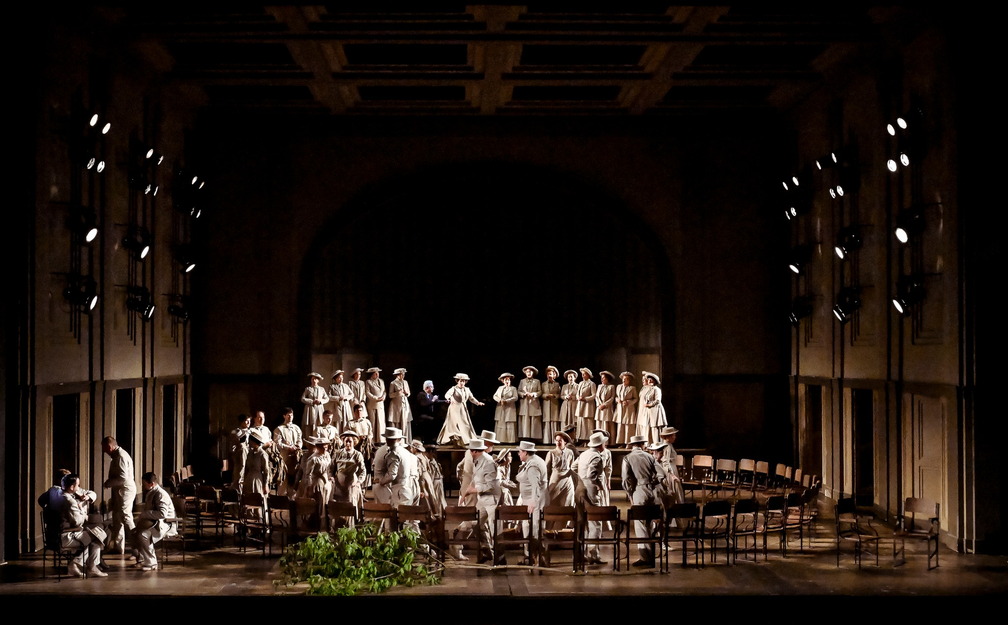 Staff pick
Janáček Brno, held in Brno, Czech Republic, is a renowned international opera and music festival celebrating the legacy of composer Leoš Janáček. Recognized with…
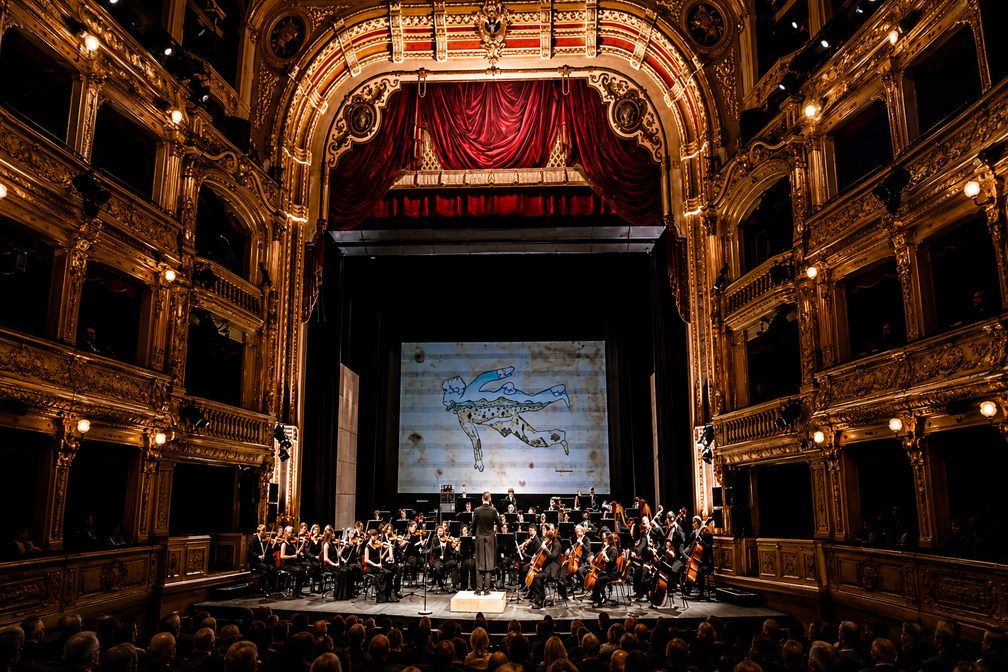 Staff pick
The Janáček Brno Festival in Brno, Czech Republic, is a world-renowned celebration of composer Leoš Janáček’s legacy, drawing music lovers from over 30 countries.…
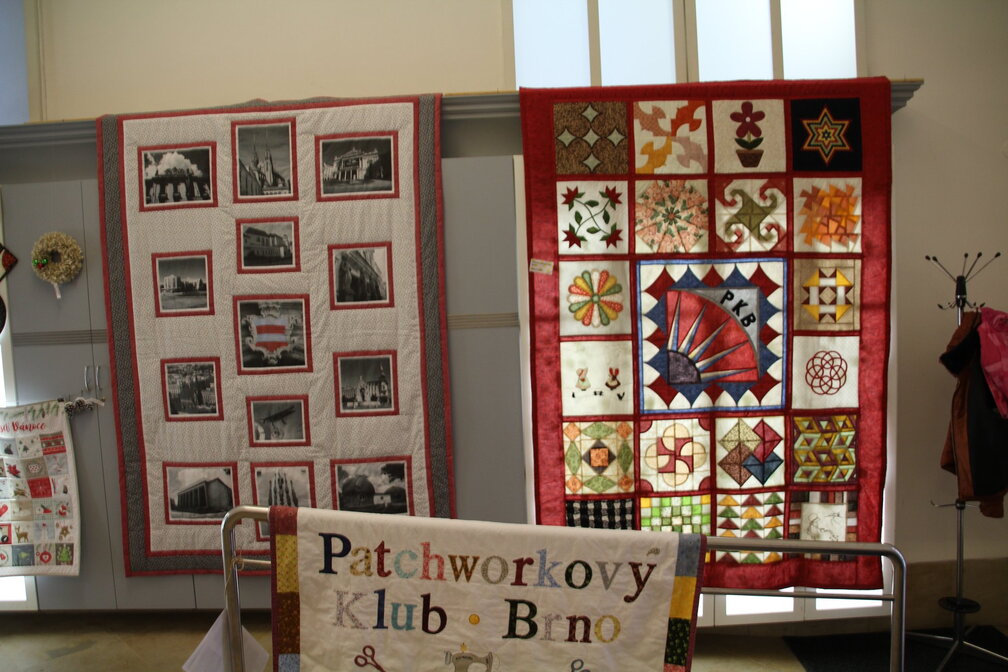 Staff pick
Exhibit: PATCHWORK or When You Turn Scraps into Art in Brno, Czech Republic, is a beloved annual textile showcase organized by the Brno Patchwork…
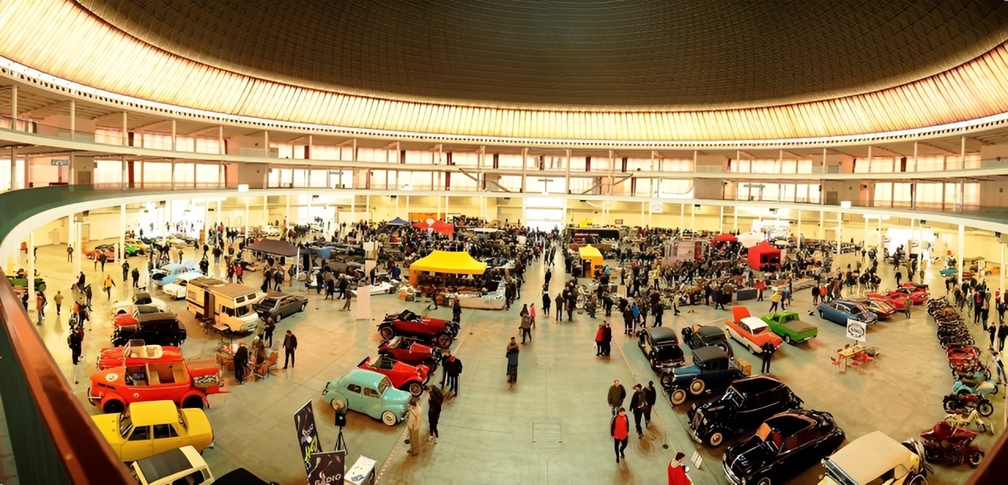
Traditional VeteranTechna Brno is the largest historical vehicle market in the Czech Republic, featuring an autojumble and exhibition of historical vehicles. It is organized…
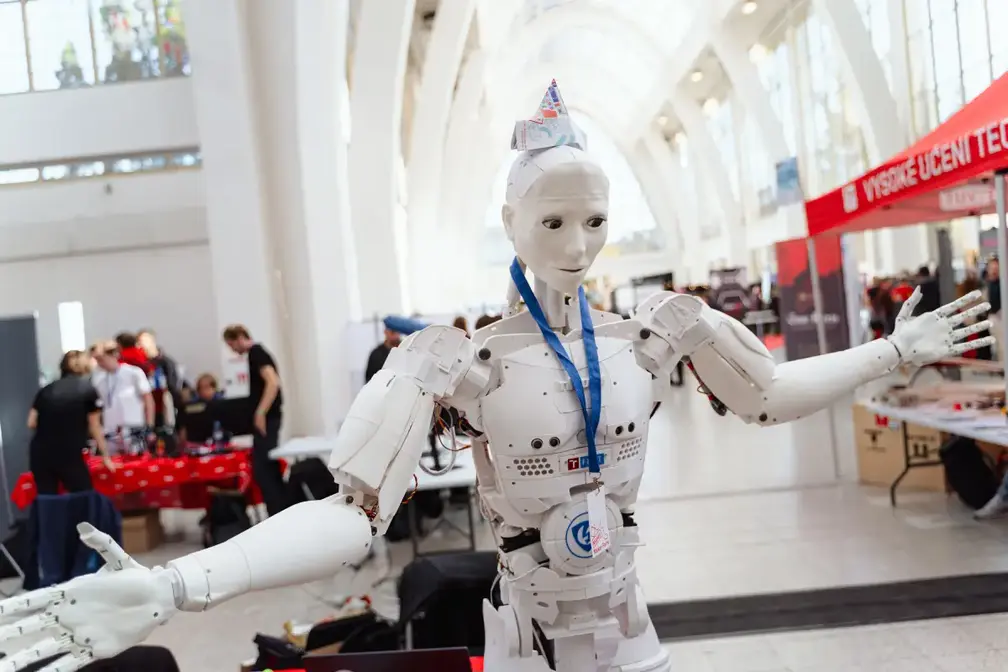
Maker Faire Brno is a festival celebrating innovation, creativity, and fun. It features a variety of activities including workshops, exhibitions, and competitions that engage…
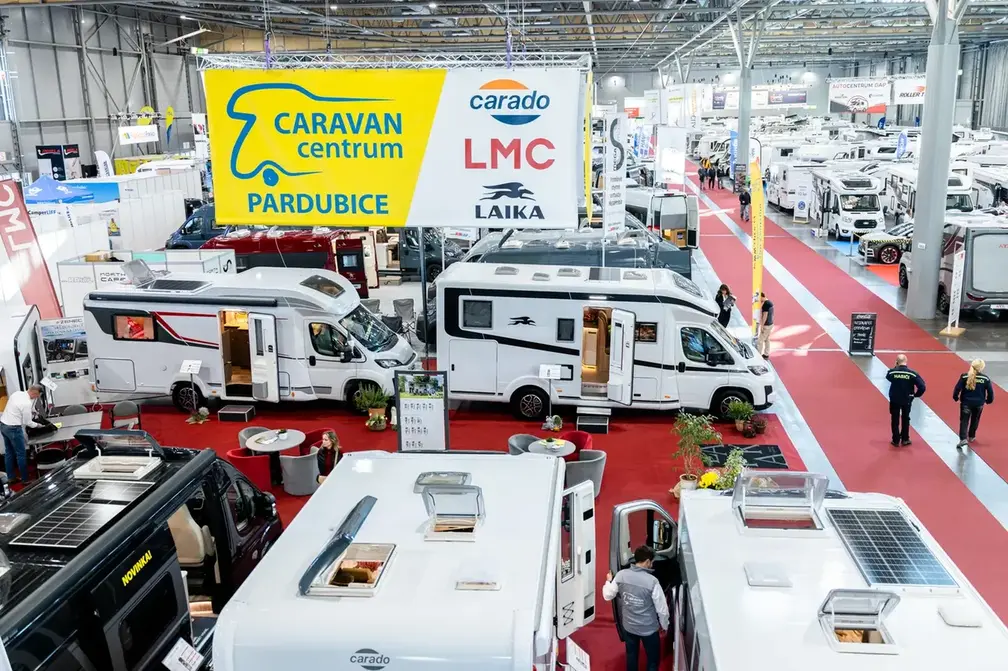
Caravaning Brno is one of the most significant exhibitions in the Czech Republic focused on caravans, motorhomes, and travel on four wheels. The event…
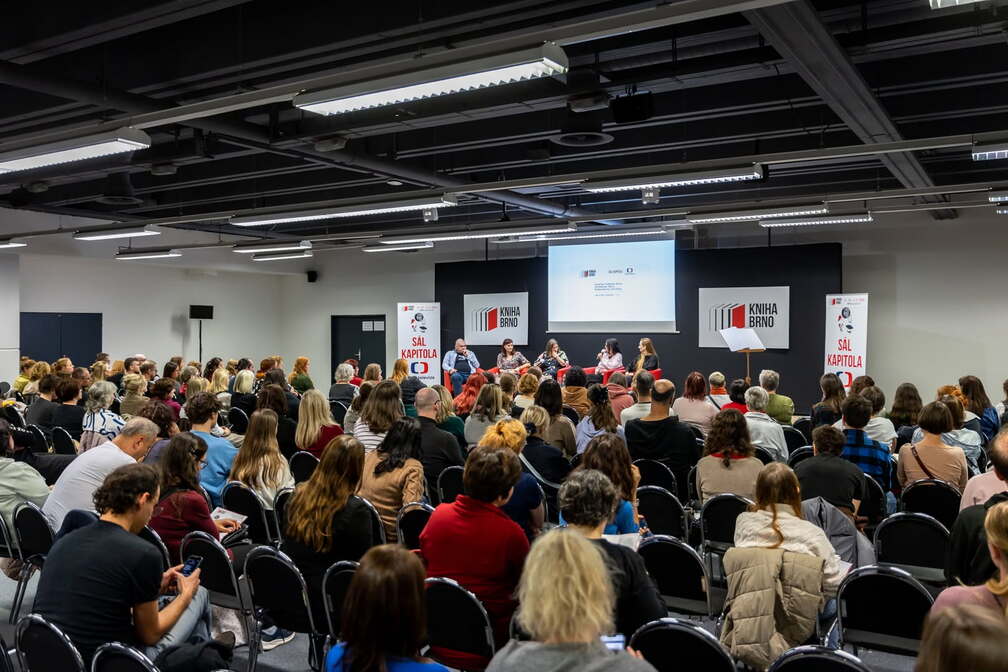
Kniha Brno 2026 is the third edition of a major book fair held in the heart of Moravia. You will find thousands of new…
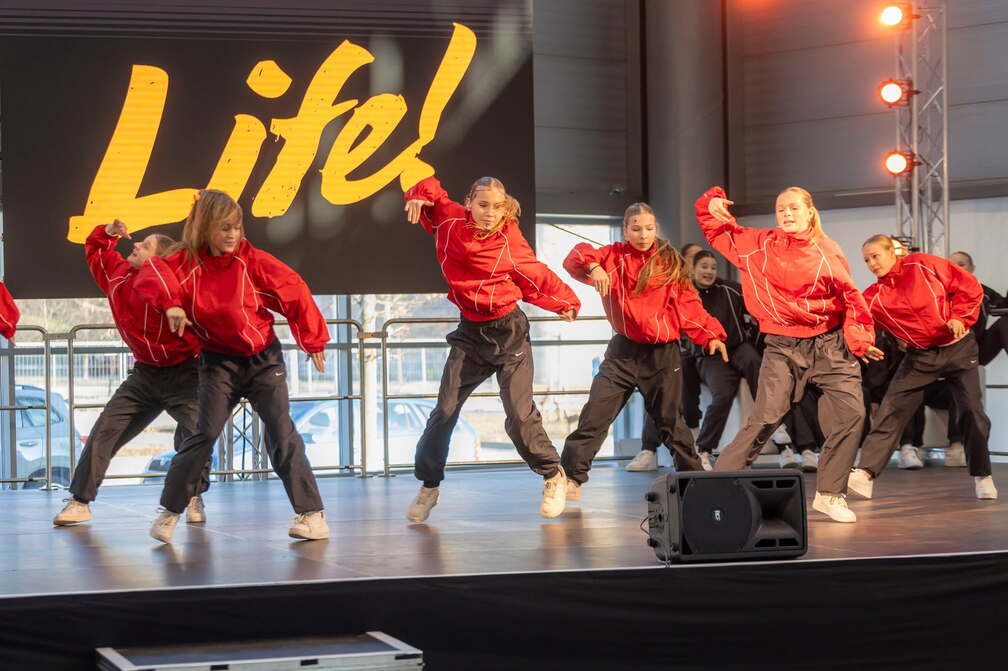
The Festival Life! celebrates movement, joy, and shared experiences over three energetic days. Attendees can participate in various sports, dance workshops, and e-sport competitions,…
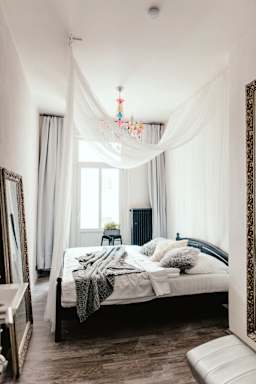
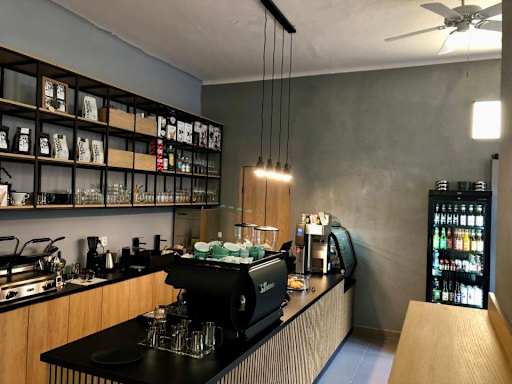
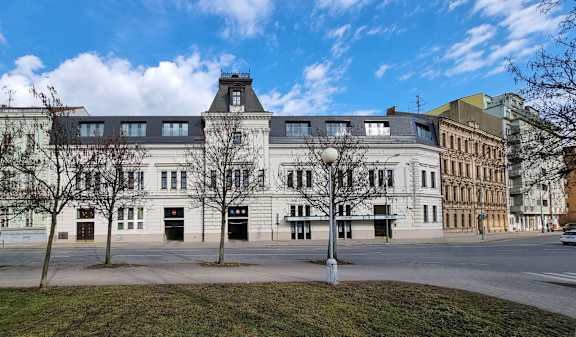
A small, cheap scene in the centre and the student districts. Live from Hostelworld.
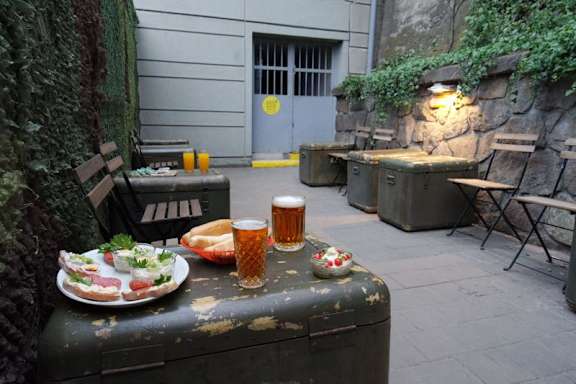
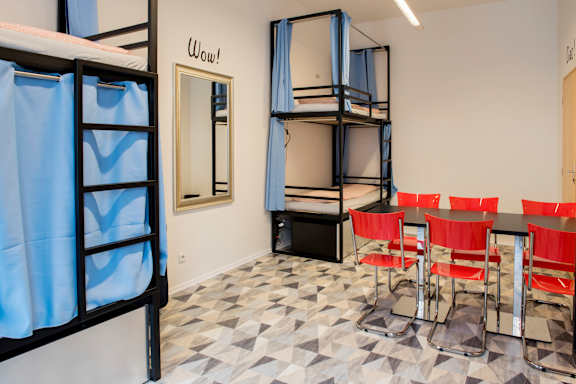
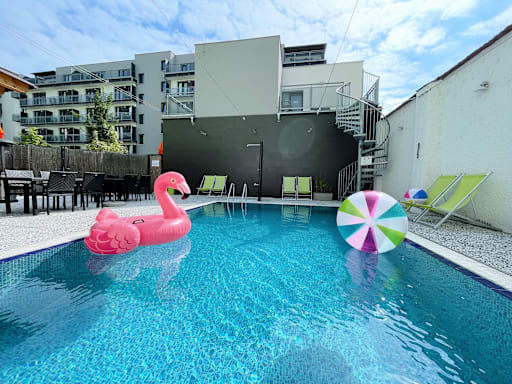
Term time for the city, September for the wine harvest in Moravia.
Average highs. Moravia is slightly warmer than Bohemia, and September and October bring burčák — partially fermented young wine — which is a seasonal event across the region.
Pick how you travel. Per person per night, in euros.
Villa Tugendhat at about €14 is the main fixed cost, and it needs booking weeks in advance.
The ones we get asked most.

Compare Brno hostels — live prices, real reviews and free cancellation on most bookings. Then meet the people already there in the app.

 Get the App.
 Get the App.