Taghazout village
Surfers and social travellersThe heart of the scene, with surf houses on the hill, cafés on the main road and Hash Point and La Source on the doorstep.

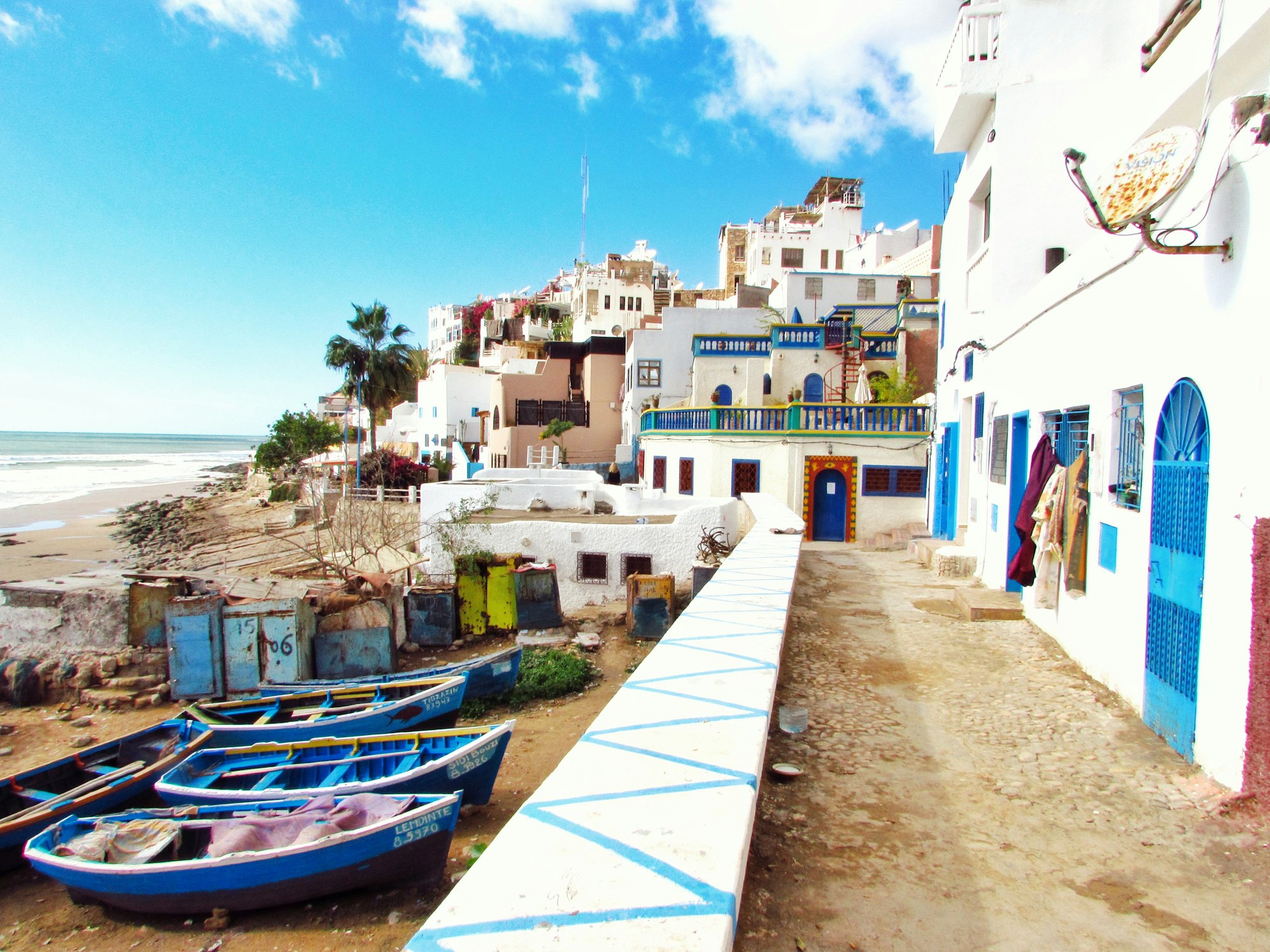
Taghazout is a small fishing village 19 km north of Agadir that became Morocco's surf capital: right-hand point breaks, rooftop surf hostels and sunset yoga above the Atlantic. Beginners learn on the gentle beaches nearby, while experienced surfers come for Anchor Point from October to April.
Taghazout is one long main road, a tangle of steep lanes, a beach full of fishing boats and a lot of surfboards. A couple of decades ago it was a quiet fishing village; now around 40 hostels and surf houses are listed here on Hostelworld, and almost every building seems to rent boards, teach yoga or serve smoothie bowls. It still feels like a village though, with goats on the rocks, fishermen mending nets and the call to prayer over the waves.
Surfing is the reason to come. The famous breaks, Anchor Point, Killer Point, Hash Point and La Source, are right-hand points that light up when big North Atlantic swells arrive between roughly October and April. They're for confident surfers. Beginners are better off at the softer beach breaks nearby, such as Banana Point near Tamraght, and most surf houses drive their students to whichever spot suits the day.
Just south, Tamraght and Aourir are quieter, cheaper extensions of the same scene, linked by the coastal road and the local buses. Further south again, the resort of Taghazout Bay has big hotels, a golf course and the closest thing to nightlife. Agadir, about 30–45 minutes away by taxi, is where you go for the airport, ATMs, supermarkets and the bus station.
Most people stay a week, often on a surf package with lessons, board hire and meals included. Even non-surfers stay longer than planned: the rhythm of a morning session, lunch on a terrace, yoga at sunset and dinner on a rooftop is easy to get used to. Three or four days is the minimum if you want to get in the water a few times.
Go between October and April for surf. Winter days are warm, with highs around 20–23°C, but the water stays cool all year, between about 16°C and 20°C, so you'll want a wetsuit whenever you come. Summer has smaller waves, which suits total beginners and longboarders, though some smaller surf schools reduce services in July and August.
Taghazout village is the most social base, with surf breaks a walk away. Tamraght and Aourir, a few kilometres south, are cheaper and quieter, and closer to the beginner breaks.
The heart of the scene, with surf houses on the hill, cafés on the main road and Hash Point and La Source on the doorstep.
Just north of the village, right above Morocco's best-known right-hand point. Rooftops here watch the line-up.
Quieter village a few kilometres south, close to the beginner waves at Banana Point, with surf camps and yoga studios.
Small town known for its bananas, with the nearest ATMs, a local market feel and easy buses to Agadir.
Orange labels are neighbourhoods, dots are the 9 top-rated hostels. Map data from OpenStreetMap contributors.
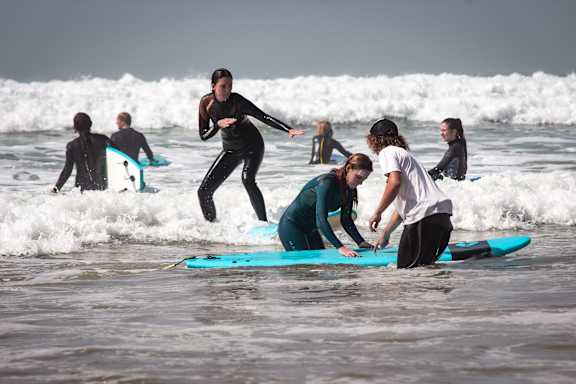
Surfing comes first, and how you do it depends on your level. Complete beginners usually book a lesson or a surf package through their hostel: Roof House Hostel, for example, charges €35 for a two-and-a-half-hour lesson with board and wetsuit. Lessons usually happen at Banana Point near Tamraght, a gentle beach break, or at Taghazout's own beach on smaller days. If you already surf, board hire runs at roughly 80 MAD for a half day, and wetsuits cost extra.
The point breaks are the big draw for experienced surfers. Anchor Point, just north of the village, is Morocco's best-known right-hand point and can peel for hundreds of metres in a winter swell. Killer Point, further north, gets its name from the orcas once seen there rather than the wave itself. Hash Point and La Source are closer to the village. All of them break over rock and reef, so they aren't for beginners, and they get crowded in peak season.
Yoga is the other half of life here. Many surf houses run sunrise or sunset classes on their rooftops, and there are dedicated shalas in Taghazout and Tamraght. Even if you've never done it, a session after a morning in the water is a good way to stop your shoulders seizing up.
Away from the water, walk north along the coast towards Devil's Rock and Panorama beach, about 6.5 km of beaches and rocky coves, or catch the sunset from the cliffs above Anchor Point. Paradise Valley, a palm-filled gorge with natural pools in the foothills of the Atlas, is the classic half-day trip, and Imsouane, further north, has one of the longest beginner-friendly waves in Morocco.
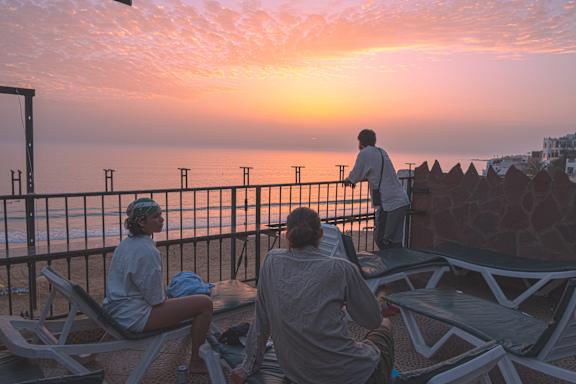
Taghazout is mostly a free-entertainment kind of place. Sit on the rocks at Anchor Point and watch the best surfers in town on a big day; it's a spectacle even if you never paddle out. The cliffs above the break are also the best free sunset spot in the village.
Walk the coast. North of the village, a path and the beach lead past Anchor Point and Killer Point towards Panorama beach and Devil's Rock, about 6.5 km of coastline with rock pools and empty coves. South, you can walk to Tamraght along the road and the beaches.
In the morning, watch the fishermen bring in their catch on Taghazout beach and haul the boats up the sand. The village lanes behind the main road, painted with surf murals and full of cats, are worth a slow wander.
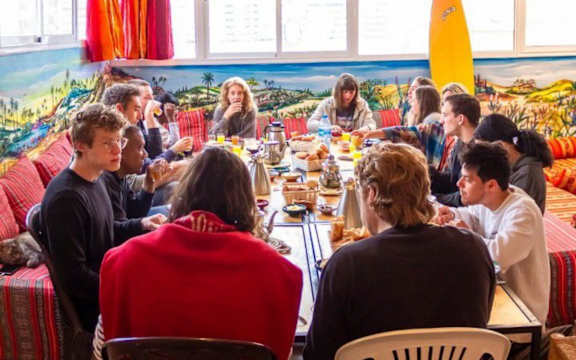
Many hostels run free or cheap community nights, from rooftop film screenings to shared dinners, and that's often how people meet surf partners for the next morning.
At low tide the rocky stretches north of the village are full of rock pools, and the beaches between the breaks are often empty outside the weekend.
Even the best-known day trip is cheap. Getting to Paradise Valley by local bus and shared taxi costs only a few dirhams each way, and the pools and palm-lined gorge are free to explore. Bring water and snacks, as there are only a few food stands at the entrance. Sunset from the beach in front of the village, with the fishing boats pulled up on the sand, costs nothing at all.
Taghazout eats in two languages. On one side are the surfer cafés with smoothie bowls, avocado toast and good coffee; on the other, the small Moroccan places on the main road serving tagines, couscous and grilled fish at local prices. You can do both in a day without spending much.
Prices are reasonable. A guide updated in 2025 lists a continental breakfast at World of Waves for 50 MAD, and tagines, pizzas and wraps at Restaurant Le Spot for 40–60 MAD. A brunch bowl at a trendier café runs to around 85 MAD. Fresh fish comes straight off the boats here, so look for grilled sardines or a fish tagine.
If you're on a surf package, most of your meals will be at your surf house, usually breakfast and dinner on the roof terrace. It's worth eating out at least a few times to try the village's small family restaurants.
Alcohol is limited. The village shops don't sell it, and only a small number of places, mostly hotels and guesthouse rooftops, are licensed. If you want beer for the hostel roof, buy it at a supermarket in Agadir, and be discreet: this is still a conservative fishing village.
Tipping is simple: around 10% in sit-down restaurants, and rounding up in cafés. During Ramadan, local restaurants may open only after sunset, though the surf cafés aimed at visitors usually keep serving. If you're self-catering, Aourir and Agadir have the nearest supermarkets and markets. Drink bottled or filtered water, as tap water isn't recommended.
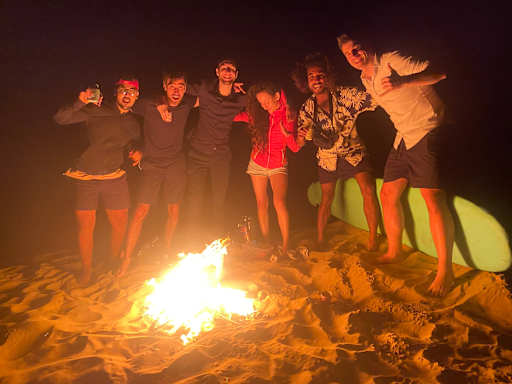
Taghazout isn't a party town, and it isn't trying to be. Most people are in bed early because the best surf is in the morning. Evenings revolve around sunset on the cliffs or a rooftop, a long dinner and a bit of music at your surf house.
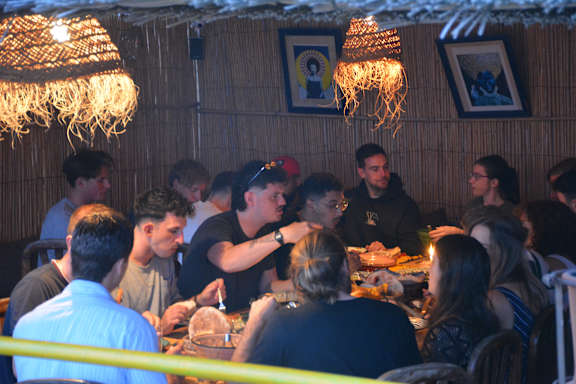
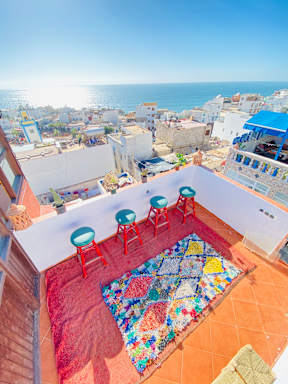
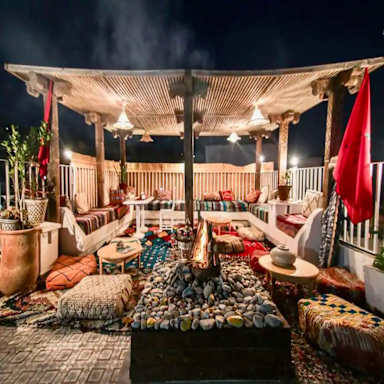
Hostel rooftops are the social centre. Many run movie nights, shared dinners, live music or the occasional barbecue, and that's where you'll meet people. The Surf Hostel's rooftop, for example, has loungers looking straight out to sea and hosts film nights.
For a drink, a handful of licensed venues have appeared, mostly guesthouse rooftop bars and the bigger hotels in Taghazout Bay. Don't expect clubs. For proper nightlife, Agadir's seafront bars and clubs are a taxi ride away.
Agadir also hosts the Timitar festival of Amazigh and world music each July (23–25 July in 2026), with concerts on Place Al Amal.
For a bigger night, Essaouira's Gnaoua and World Music Festival (24–26 June 2027) is three hours up the coast and worth planning a trip around.
During Ramadan, things get even quieter, as licensed bars may stop serving and the village focuses on iftar at sunset. The upside is that evening streets fill with families, and many surf houses host shared meals.
If you do head into Agadir for a night out, arrange a taxi back in advance. The local buses stop running late in the evening, and grand taxis are easier to find in daylight. Mostly, though, Taghazout's best nights are quiet ones on a roof.
Agadir Al Massira Airport is the nearest, with lots of low-cost flights from Europe. A taxi from the airport to Taghazout costs a fixed price of roughly 250–300 MAD and takes around 30 minutes to an hour depending on traffic. Many surf houses offer pickups for a similar price, which is easier after a late flight. On a budget, take the Alsa bus from the airport to Agadir, then the local bus north, but allow well over an hour.
From central Agadir, local Alsa buses 32 and 33 run up the coast through Aourir and Tamraght to Taghazout for about 5.50–7.50 MAD, paid in cash on board. They're frequent in the daytime but don't keep a fixed timetable. Shared grand taxis also run from Agadir for a few dirhams more. During Ramadan, buses thin out after about 6pm, so take a shared taxi from late afternoon.
From further away, Supratours and CTM buses arrive at Agadir's main bus station from Marrakech (about 110–120 MAD) and Essaouira (about 80–100 MAD, 2.5–3 hours), and from there it's a local bus to the coast.
Once you're here, you walk. The village is small, the breaks are on foot, and surf schools drive you to other spots. For trips along the coast, flag down the 32 or 33 bus on the main road, or share a grand taxi. Car hire from Agadir is cheap if you want to explore further, but most people don't need it. Taxis can't drive into the steepest lanes, so if your hostel is up the hill, expect a short walk with your bags.
Taghazout is cheap to sleep and eat in, and your surfing is what decides the budget. Hostelworld lists dorm beds from about €8 a night in October 2026, with most well-rated surf hostels between €9 and €14. Surf packages that bundle a bed, meals, lessons and kit for a week are common and often the best value if you're learning.
Food costs little: breakfast for about 50 MAD, tagines and wraps for 40–60 MAD in local places, more for trendy brunch spots. If your surf house includes breakfast and dinner, a day's food can come to almost nothing.
Surfing is the main spend. Expect around €35 for a two-and-a-half-hour lesson with kit, and roughly 80 MAD for half a day's board hire, with wetsuits extra. A trip to Paradise Valley by bus and shared taxi costs only a few dirhams each way.
There's no ATM in Taghazout itself. The nearest is in Aourir, a short bus ride south, and Agadir has plenty, so arrive with cash. Many hostels and cafés take cards, but taxis and small shops are cash only. €1 is about 10.9 MAD (October 2026).
A sample day for a beginner surfer: a dorm bed (€9–14), a lesson with kit (about €35), a tagine lunch (40–60 MAD) and dinner at your surf house. That's around €55–60, and less if you're on a package or renting a board instead. Bring some euros as a backup: you can change them in Agadir, and many surf houses quote package prices in euros anyway. Budget a little extra for the airport taxi on arrival, which is one of the bigger single costs of the trip.
Taghazout is a relaxed, low-crime village, and the main risks are in the water rather than on land. The point breaks break over rock and reef, so stay at beginner spots until your surf school says otherwise, wear booties if you're walking out over the rocks, and watch out for sea urchins. On big winter swells, currents are strong: if in doubt, don't paddle out.
Crowds matter too. At popular breaks, follow surf etiquette (don't drop in, and paddle wide of the line-up), and rent boards from a school that explains whether its boards are insured, as rentals often aren't.
On land, keep valuables locked up in your hostel and don't leave phones or bags on the beach while you surf. Some unofficial 'guides' offer help and then expect payment, so be polite but firm. This is a conservative fishing village: cover up when you leave the beach, and keep alcohol out of public view.
Police are on 19 (190 from a mobile) and an ambulance on 15. The nearest full hospitals are in Agadir.
Expect some begging, particularly from children, and polite but persistent offers from unofficial 'guides', who may expect payment later. Avoid animal attractions that involve chained or performing animals.
The sun is strong all year even when the breeze keeps you cool, so use reef-safe sunscreen and keep hydrated after long sessions. If you're surfing alone, tell someone at your hostel which break you're heading to. Pharmacies in Aourir and Agadir can help with minor cuts from the reef.
Taghazout is a surf base first, but a few trips are worth taking a morning off for, especially on flat days.
Palm-lined gorge in the Atlas foothills with natural pools to swim in. Best in late winter and spring when there's water. Avoid cliff jumping in dry months.
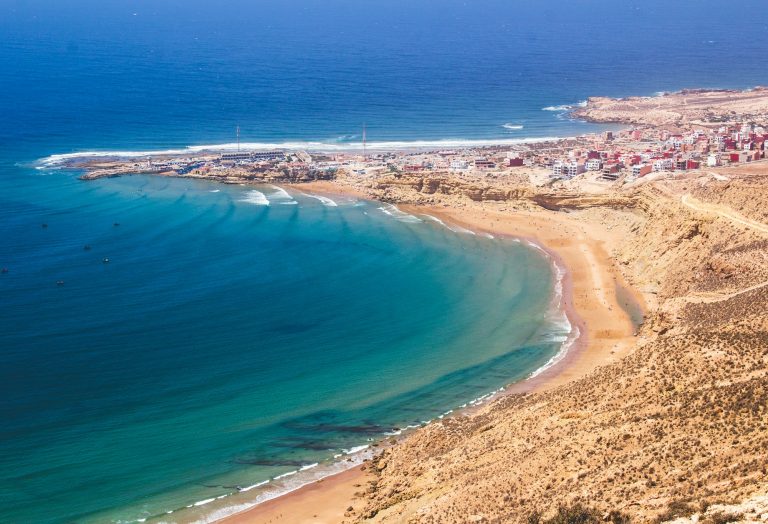
Fishing village with one of the longest waves in Morocco, a slow right-hander in the bay that suits beginners and longboarders.
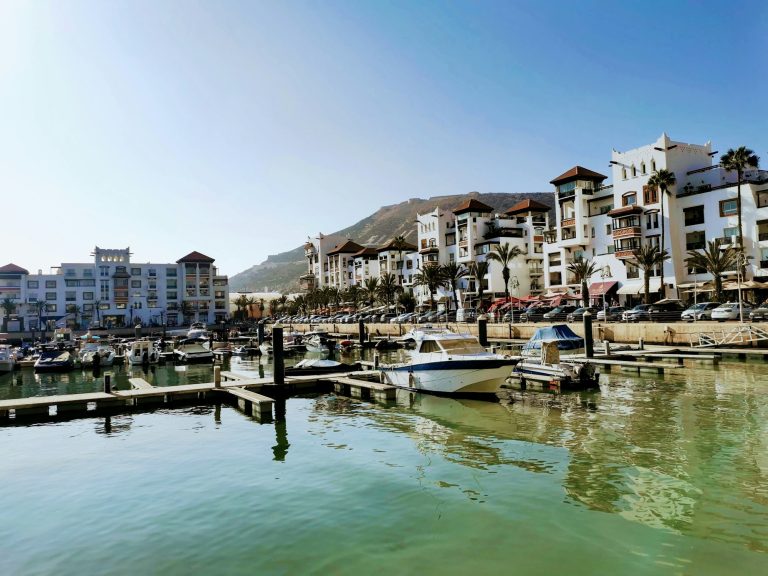
Long sandy beach, the hilltop kasbah ruins and the Souk El Had market, plus ATMs and supermarkets.
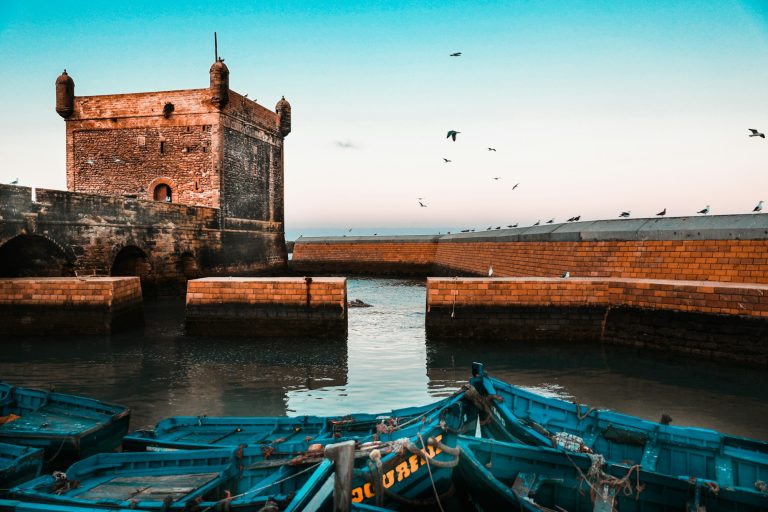
Whitewashed port town with fish grills, ramparts and kitesurfing, 152 km north. Better as an overnight stop.
Taghazout's calendar follows the swell more than festivals, but Agadir and Essaouira host big summer music events within easy reach.
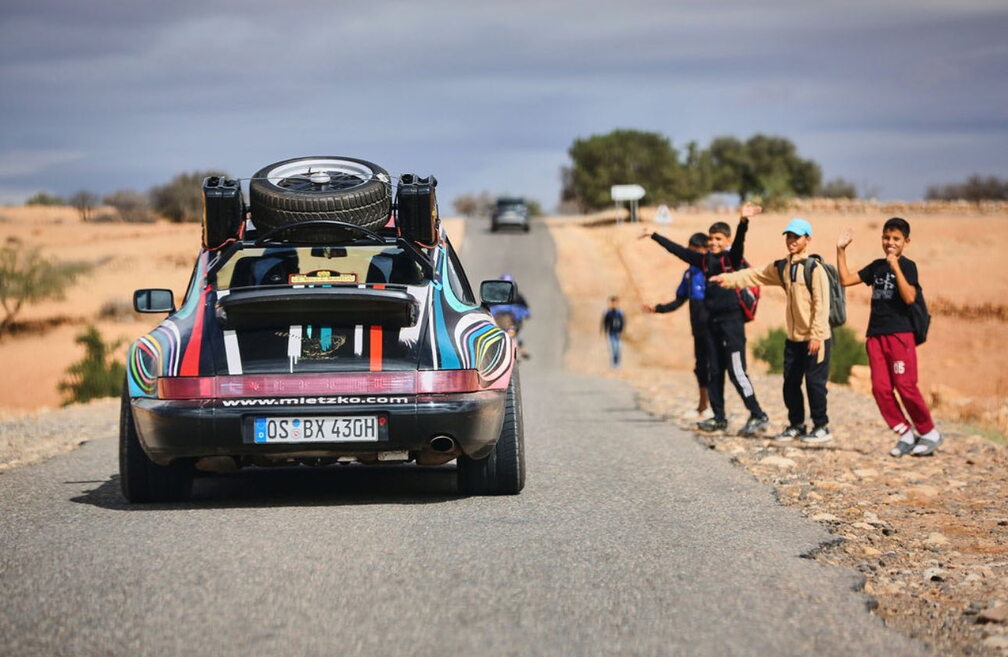 Staff pick
The Mille Maroc Classic Rally invites classic car enthusiasts to experience Morocco’s diverse beauty on a multi-stage journey, culminating in Taghazout, Morocco. Participants drive…
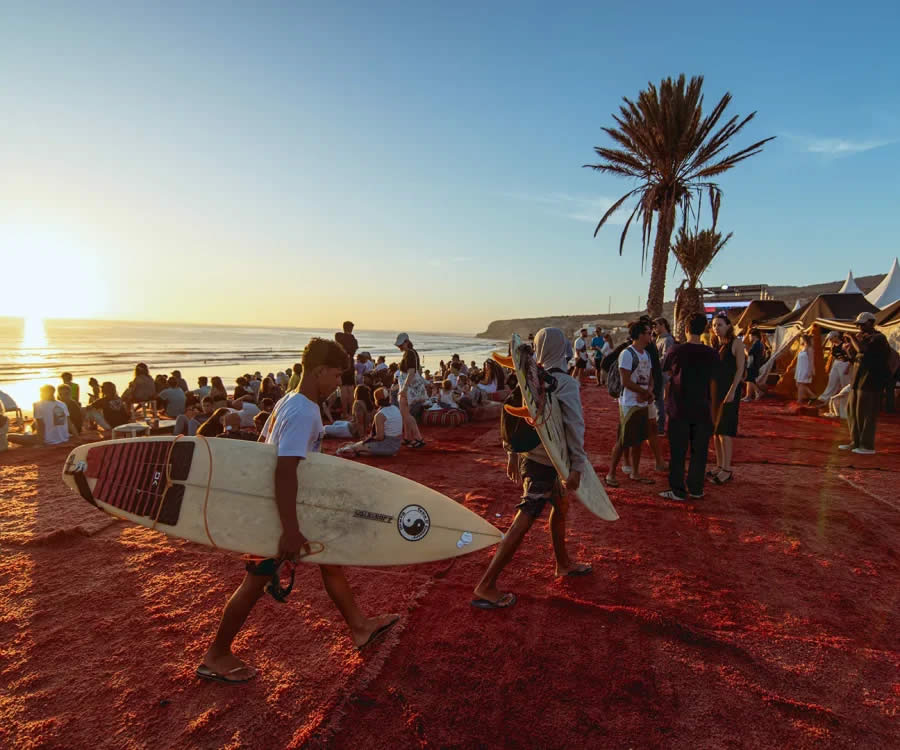
Africa's largest surf trade fair transforms Taghazout into a sprawling oceanfront village where equipment makers, shapers, surf schools, and travel outfitters gather just steps…
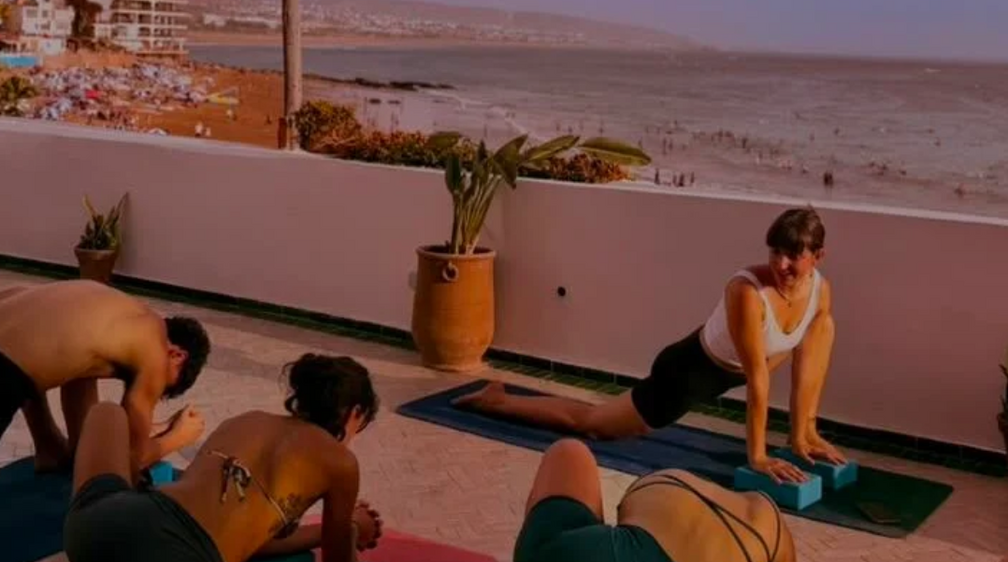
A vinyasa yoga flow session unfolds right by the ocean at World of Waves in Taghazout, led by Teresa three times a week. The…
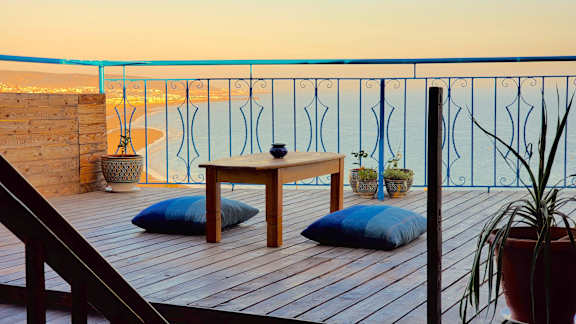
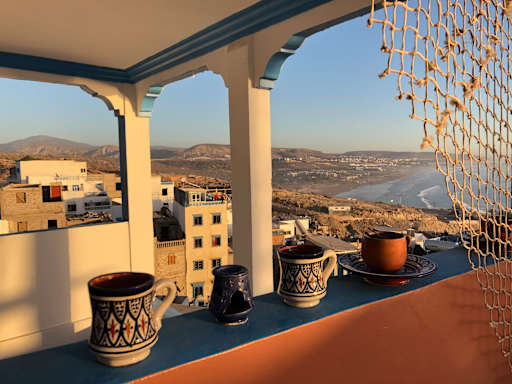
Taghazout's hostels are surf houses: dorms and private rooms around a roof terrace, with boards, lessons, yoga and often breakfast and dinner on offer. The best ones sit on the hill above the village with views over Anchor Point.
Rated 9.3 from over 900 reviews, in the middle of the village a short walk from Anchors and La Source, with surf lessons, board hire and rooftop film nights.
Rated 9.4 from about 500 reviews, up the hill behind the mosque with a terrace overlooking Anchor Point, and surf lessons at €35.
Rated 9.1 from around 150 reviews, with some of the lower dorm prices among Taghazout's well-rated surf houses.
October to April is the surf season, with December to March bringing the biggest swells for the point breaks. Autumn and spring suit improvers, and summer's small waves suit beginners and longboarders. Air temperatures are mild all year.
Average daily highs are weather2travel's figures for Agadir, about 19 km south, the closest station with reliable data. Crowd levels are our rough guide and reflect the surf season. Ramadan 2027 is expected from about 8 February to 8 March.
Pick a style and a number of nights for a rough total, per person, in euros.
Estimates. Beds are based on Hostelworld's listed prices for Taghazout in October 2026. 'Doing' assumes a lesson or board hire most days; a surf package bundles beds, meals and surfing and can work out cheaper.
Prices and bus times change. Check before you travel.

Compare Taghazout hostels — live prices, real reviews and free cancellation on most bookings. Then meet the people already there in the app.

 Get the App.

 Get the App.