Beach and Ranna
Sand and spasThe resort end: the beach, the promenade, the spa hotels and the wooden villas behind them.

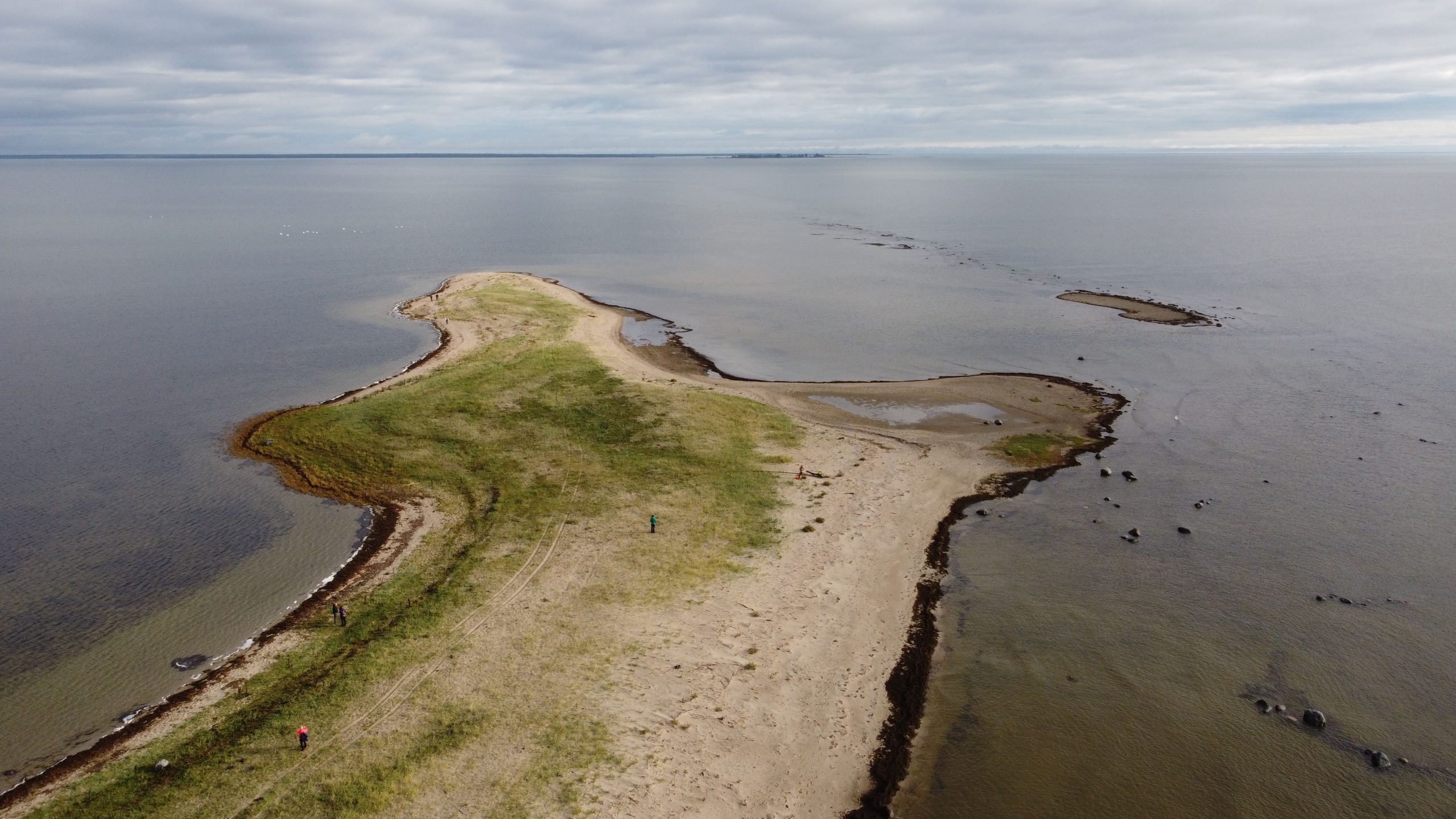
Estonia's summer capital: a long shallow sand beach, wooden spa architecture, and a season that runs hot for about ten weeks and then stops.
Pärnu has been a resort since 1838, when the first bathing establishment opened and the Russian empire's gentry started arriving for the mud cures. The habit never really stopped — Estonians still come here for spa treatments as a matter of routine rather than luxury.
The beach is two kilometres of pale sand shelving very gradually into the Gulf of Riga, which makes the water warm by Baltic standards and shallow a long way out.
Behind it sits a small wooden town: villas in the Nordic resort style, a 1930s functionalist beach house, a park and a promenade.
The season is short and intense. From mid-June to late August the town is full and loud; from October to April it is a quiet place of about forty thousand people with the shutters half down.
One or two days in summer, and not much reason to come otherwise.
A small town split between the beach end and the old centre, fifteen minutes apart.
The resort end: the beach, the promenade, the spa hotels and the wooden villas behind them.
Inland: the pedestrian street, the market, the bars and cheaper beds fifteen minutes from the sand.
Orange labels are neighbourhoods, dots are the 1 top-rated hostels. Map © MapTiler © OpenStreetMap contributors.
The beach is the point. Two kilometres of sand, shallow enough to wade a long way out, with a promenade, volleyball nets and the 1930s Rannahoone beach house at the centre of it.
Take a spa. Pärnu's mud cure tradition goes back to the 1830s and the treatments are ordinary here rather than luxury — a water and sauna complex runs €15 to €30, a mud treatment more.
Walk the old town: Rüütli is the pedestrian street, the Tallinn Gate is the last of the seventeenth-century Swedish fortifications, and the wooden architecture around the park is the resort at its most photogenic.
The Pärnu Museum covers eleven thousand years of settlement here at about €6.
Out of season the beach is still worth the walk — grey, empty and wind-scoured, which is a different thing entirely and not a worse one.
The beach and the promenade are free, along with the pier walk out into the gulf — about two kilometres, and the place people go for sunset.
Rannapark and the wooden villa streets behind the beach cost nothing to walk.
The Tallinn Gate and the remains of the Swedish earthworks are free and open.
Rüütli street, the market and the riverside along the Pärnu are all free, and the river walk leads out towards the reed beds.
The coastal forest and bog boardwalks north of town are free and quiet, and the Valgeranna area has a signed forest path to the sea.
Summer prices sit above the Estonian norm and drop again in September. A main is €13 to €20 at the beach end, less in the old town.
Smoked fish is the local thing — the market and the small smokehouses around the river sell it by weight, and it is the cheapest good meal here.
Rüütli street has the restaurants and the old town cafés, and the market hall does lunch cheaply.
A beer is €4 to €6, higher on the beachfront terraces.
Out of season a lot of the beach-end places simply close, and eating moves entirely into the old town.
Seasonal and concentrated. For about ten weeks from mid-June the beachfront bars and a couple of large clubs run properly, drawing Estonians and Finns down for the weekend.
Sunset is very late in June and July — it barely gets dark — and the beach and pier stay busy well past midnight.
A beer is €4 to €6 and cocktails €8 to €12.
Outside the season the nightlife is a handful of old town bars and not much else.
Weekends in July bring a noticeable party crowd from Tallinn, and the town has the same stag-and-hen character as any short-season resort.
Walk. The beach and the old town are fifteen minutes apart and everything of interest is between or beside them.
Local buses cost about €1.50 and cover the outer areas and Valgeranna.
Buses from Tallinn take two hours for €7 to €12 and run frequently; Riga is about two and a half hours in the other direction, which makes Pärnu a natural stop between the two capitals.
Cycling is easy — the town is flat, with paths along the beach and out into the pine forest, and hire is €10 to €15 a day.
There is no useful rail service for most visitors; the bus is the way in and out.
Estonia's most seasonal prices. In July dorms are €20 to €35 and beds get scarce; in May or September the same beds are €12 to €22.
A main is €13 to €20 and a beer €4 to €6.
A day is €40 to €70 in season, €28 to €50 outside it.
The beach, the pier and the walks are free. A spa session at €15 to €30 is the one thing worth paying for and it is good value by any European standard.
Booking ahead matters in July and August in a way it does not anywhere else in Estonia.
Pärnu is a safe, small town and the risks are the beach and the season.
The water shelves very gradually, which makes it safe for wading but means offshore winds can push inflatables and air beds a long way out fast. Do not use them in a wind off the land.
Lifeguards patrol the main beach in season only.
Summer weekends bring heavy drinking to the beachfront, and the combination of alcohol and swimming after dark is the cause of most incidents here.
Ticks are present in the pine forest and dunes from spring to autumn, and tick-borne encephalitis exists in Estonia. Check after walks. Emergency number is 112.
A national park of bogs and floods, and two islands.
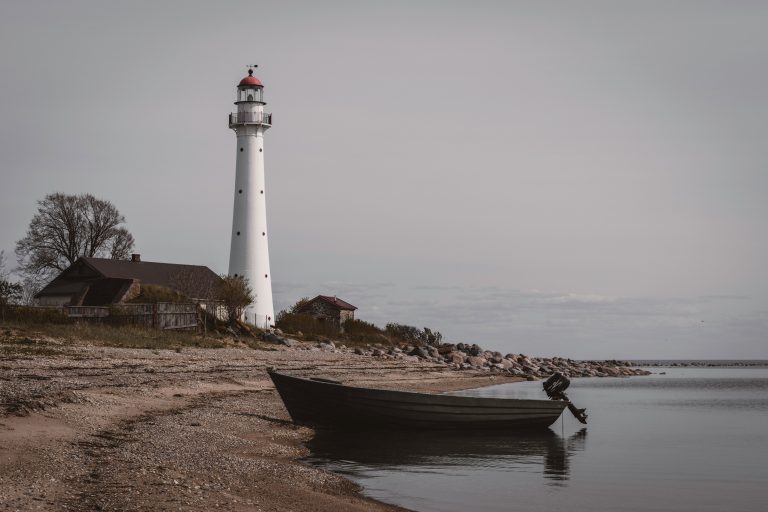
A small island where women run much of daily life and the cultural tradition is on UNESCO's intangible heritage list.
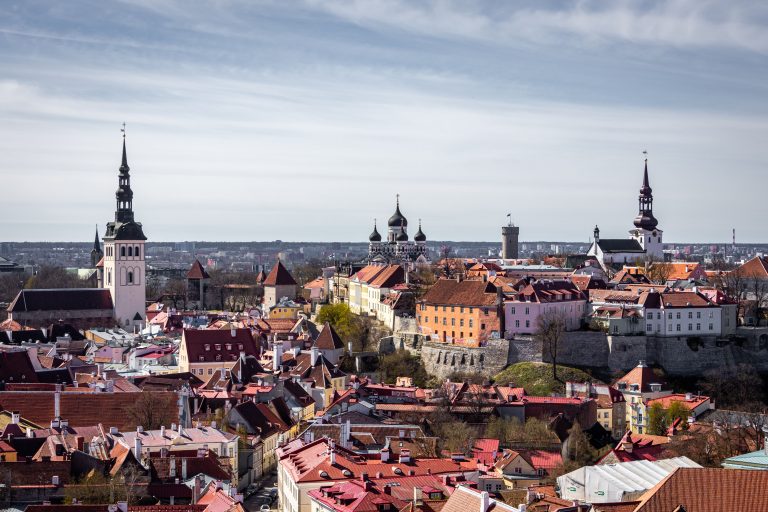
The capital, easy in either direction.
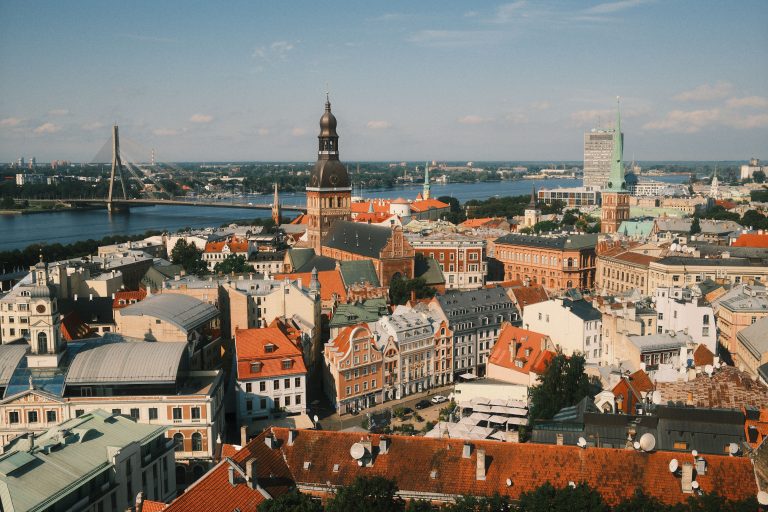
The largest city in the Baltics, and the next stop south.
A short, busy summer calendar built around the beach.
The town formally opens the beach season with events along the front, and the ten-week summer starts.
Bonfires on the beach and all-night parties. The biggest night of the Estonian year.
A long-running documentary and anthropology film festival.
When meltwater floods the park and roads become canoe routes. Timing varies by year.
Much of the beach end closes. Spa hotels stay open and the town is very quiet.
A small seasonal scene that tightens sharply in July and August, so book ahead. Live from Hostelworld.
July and August for the beach. May, June and September for the same town without the crowd.
Average highs, and sea temperature lags the air by about a month — August water is warmer than July water, usually 18 to 20°C.
Pick how you travel. Per person per night, in euros, in season.
These are July figures. In May or September the bed line drops by roughly a third and everything else eases with it.
The ones we get asked most.

Compare Pärnu hostels — live prices, real reviews and free cancellation on most bookings. Then meet the people already there in the app.

 Get the App.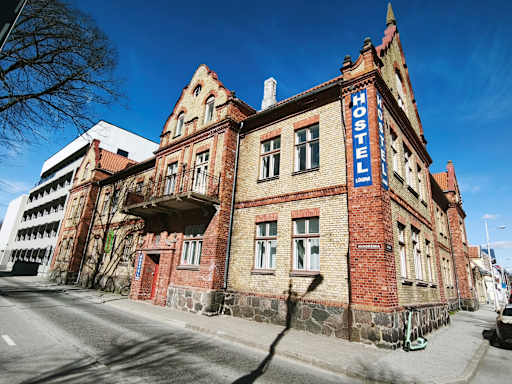
 Get the App.