Estonia
Estonia country guide

Things To Do In Estonia

A medieval walled capital, 2,000 islands, and the most digital society in the world. Tallinn is two hours from Helsinki by ferry and noticeably cheaper.

€14
Dorm bed, from
2,222
Islands
51%
Of the country is forest
2h
Ferry to Helsinki

Medieval on the surface, digital underneath

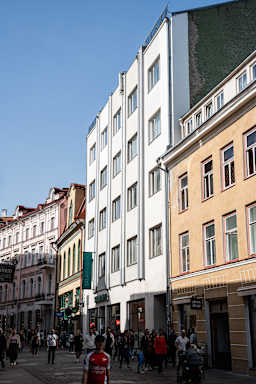
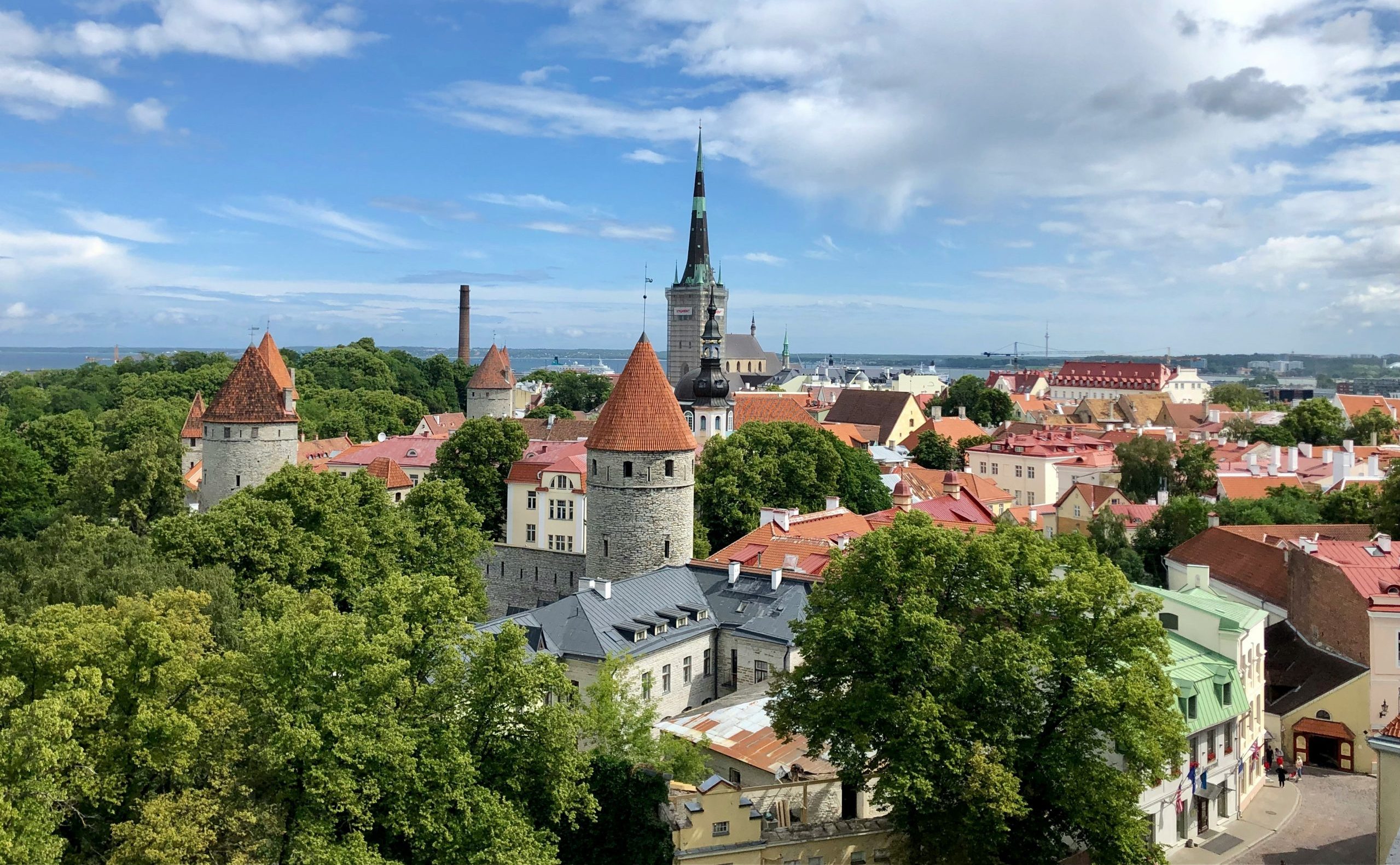
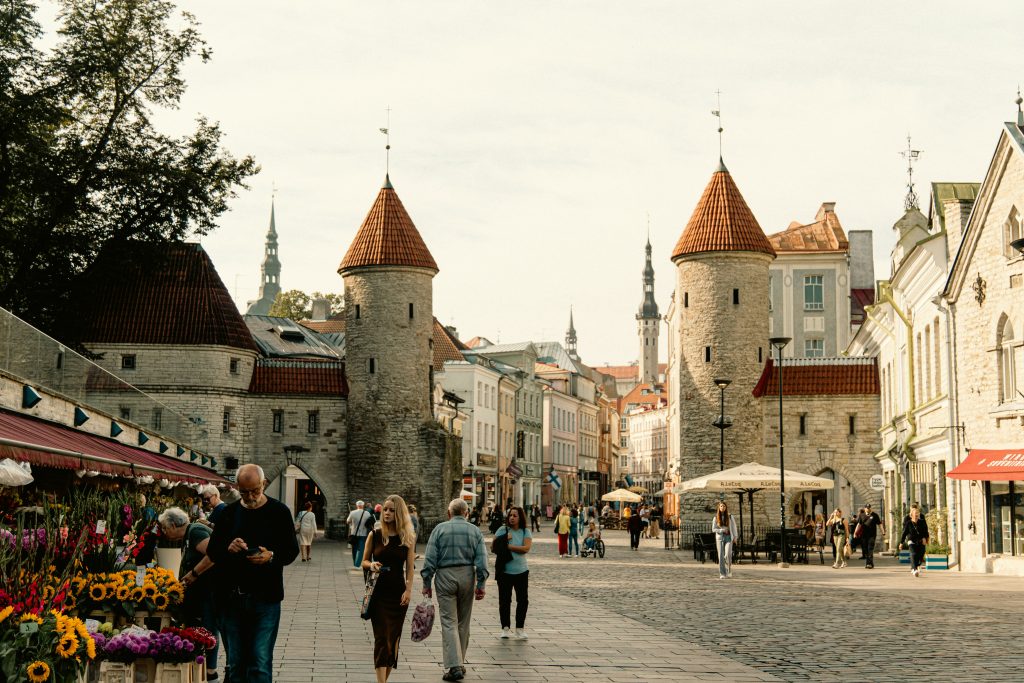
Tallinn has the best-preserved medieval old town in northern Europe: complete city walls, cobbled lanes, guild houses and a hill fort above it all, and it takes about twenty minutes to walk across. It is also the capital of the country that invented Skype, votes online and calls internet access a social right.

The contrast is the charm. A fifteenth-century merchant house on one street, a glass startup office on the next, and the whole thing costs noticeably less than Helsinki does two hours across the water.

Beyond Tallinn, Estonia empties out quickly. Tartu is a university town with a student culture stretching back to 1632, Pärnu is the summer beach resort, and the islands — Saaremaa and Hiiumaa — are flat, forested and quiet, with windmills, juniper and very few people.

Where to go

Buses are cheap and quick, and Tallinn to Tartu is two and a half hours.

Tallinn

Tallinn

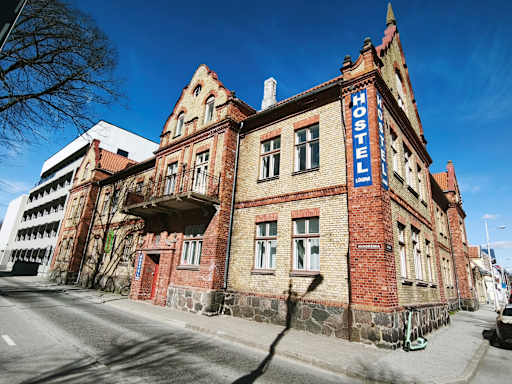
18 hostels · dorms from €9

A walled medieval old town, a Soviet-era seaplane hangar, and the most digital country in Europe.

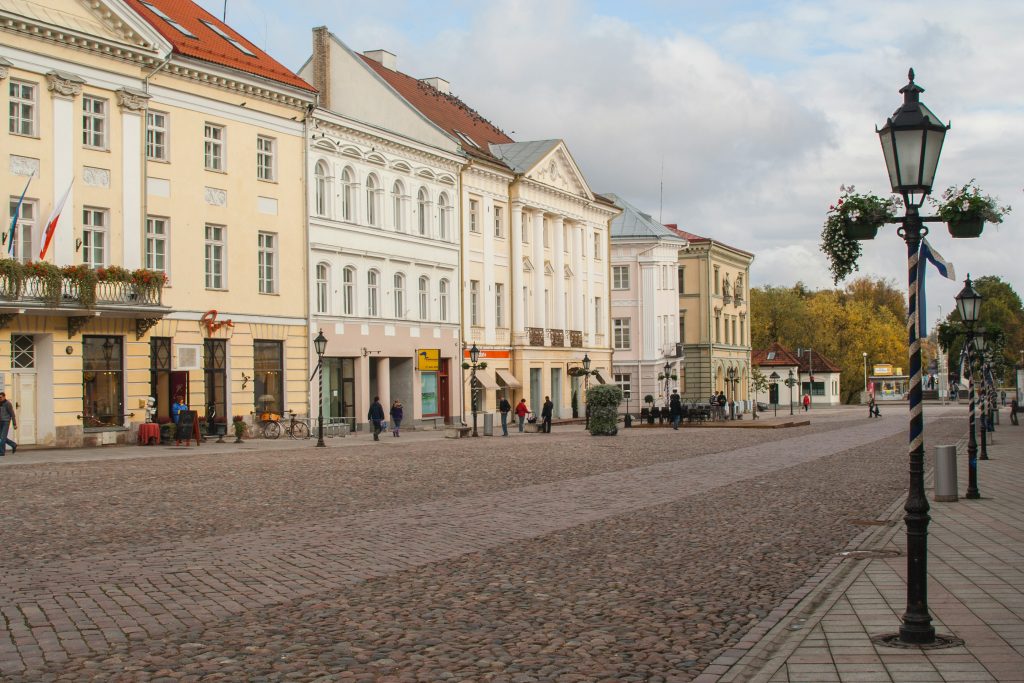
The old town is full of fascinating sites, well worth walking round to see them all. Very touristy (like me!) with hundreds of tacky souvenir shops. Plenty of bars and restaurants. Nothing appealed about anything outside the old town though. Lovely friendly locals. Feels like a young city, despite its age

A traveller, on Hostelworld
The Tallinn guide
Tartu

Tartu

1 hostel · dorms from €15

The university city: students, a philosophy of its own, and a 2024 European Capital of Culture.

The Tartu guide
Pärnu

Pärnu

1 hostel

The summer capital, with a long sand beach, spa hotels and a season that lasts ten weeks.

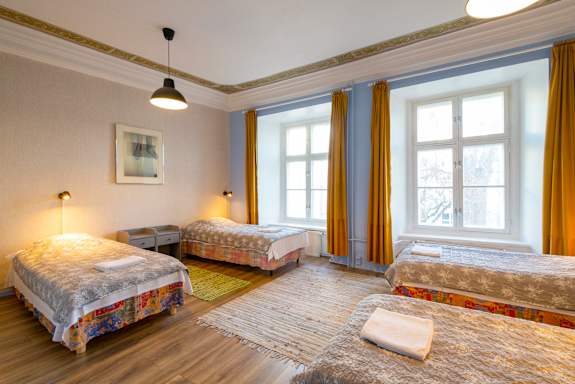
Pärnu is a great place to visit in Estonia. 3-5 days would be enough. Amazingly beautiful old town, lots of street art and art galleries. Safe and friendly. Relaxed atmosphere. The sea, the river, lovely streets in old town. Plenty of hotels, restaurants, cafes and souvenir shops.

A traveller, on Hostelworld
The Pärnu guide
Narva

Narva

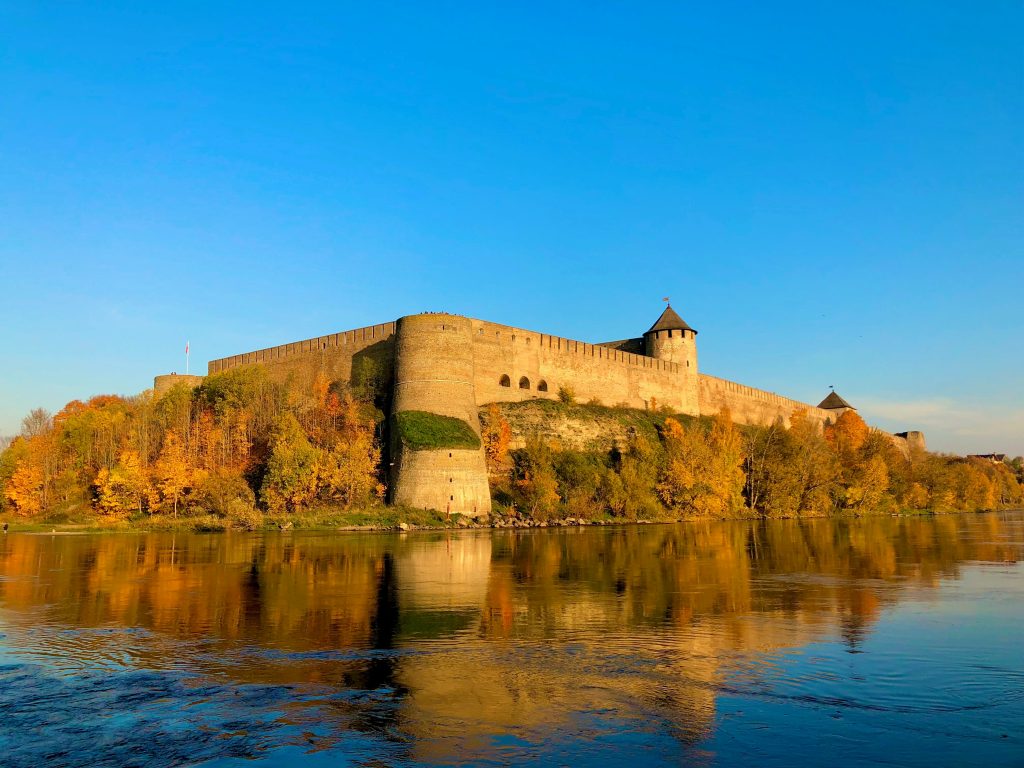
On the Russian border, with two castles facing each other across the river. Unlike anywhere else here.

The Narva guide

What kind of trip is this?

Estonia is a city break with forest and islands attached, and it is cheap for all three.

City break in Estonia

Three days in Tallinn, all of it walkable.

What to do

  • Walk the old town walls
  • Kadriorg park and palace
  • Telliskivi creative city

Spots to visit

  • Old town
  • Kalamaja
  • Telliskivi

Best cities for it

Things to do

Things to do in Estonia

Tallinn's old town is the attraction and it is free to walk. The walls, Toompea hill, the Alexander Nevsky cathedral and the viewing platforms over the red roofs take a morning; the Seaplane Harbour maritime museum, in a vast concrete hangar with a submarine inside it, takes an afternoon.

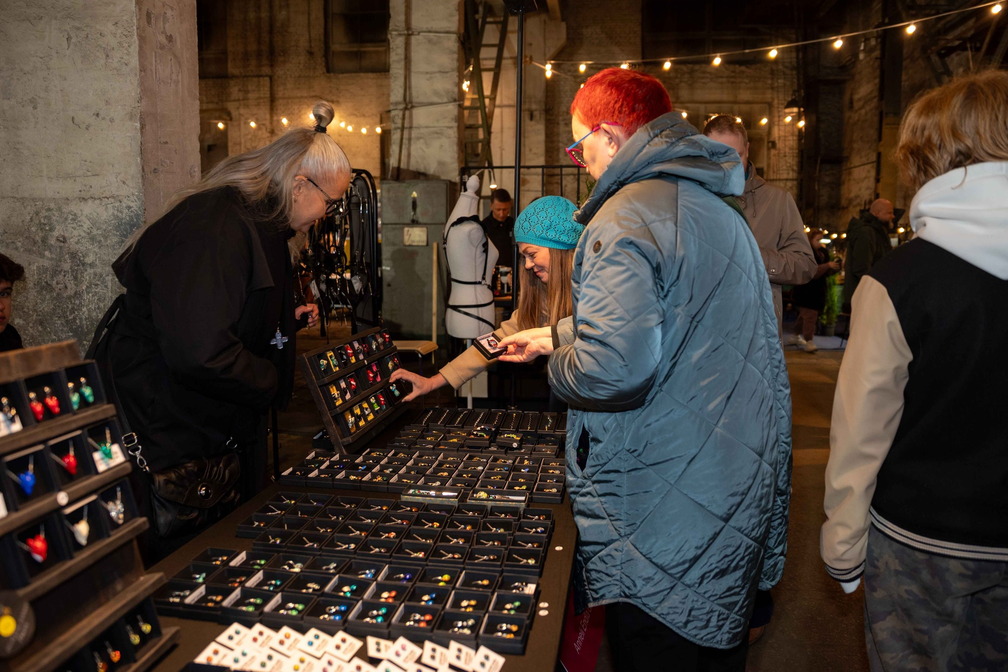
Kalamaja and Telliskivi, just outside the walls, are where the city actually lives: wooden houses, a former factory complex turned into bars and studios, and a flea market at weekends.

Outside the capital, Lahemaa National Park is an hour away and does bogs, manor houses and coast in a day. Bog walking with snowshoe-like bog shoes is a genuinely Estonian thing to do, and the islands reward a slow couple of days on a bike.

Food and drink

Eating in Estonia

Estonian food is northern and hearty — black bread, pork, potatoes, sour cream and smoked fish — with a modern Tallinn restaurant scene that has improved dramatically and still costs less than Helsinki's.

Lunch specials are the value play: €6 to €10 for a hot main in a city restaurant on weekdays. Market halls, particularly Balti Jaam near the station, do cheap food and good produce in a converted railway market.

Black bread is taken seriously, kama is a dessert made of roasted grain flour, and the spirit is Vana Tallinn, which is sweet, dark and best encountered once.

Nightlife

Going out in Estonia

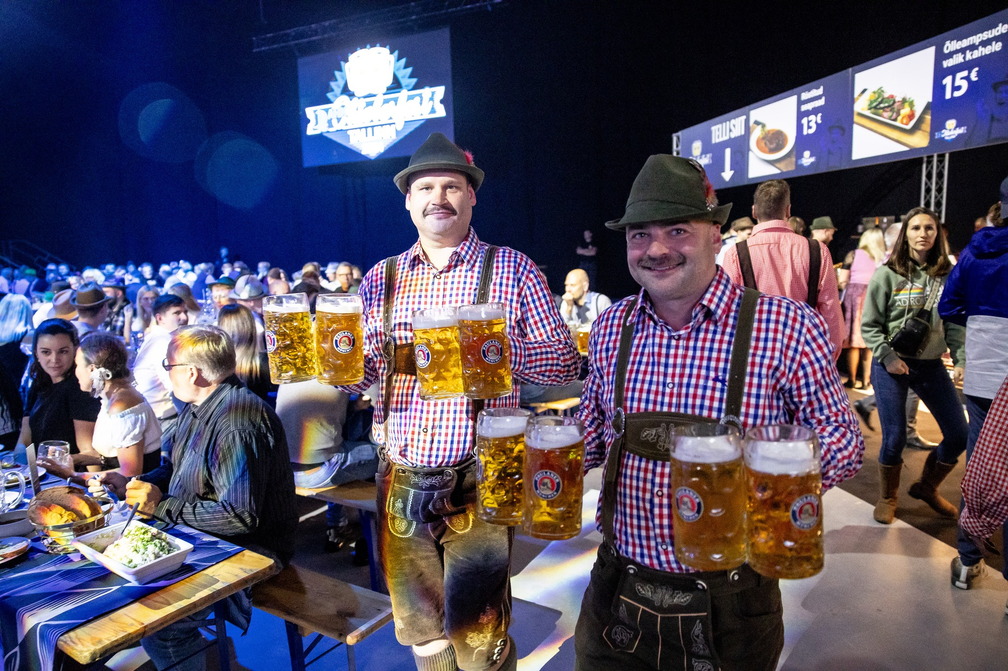
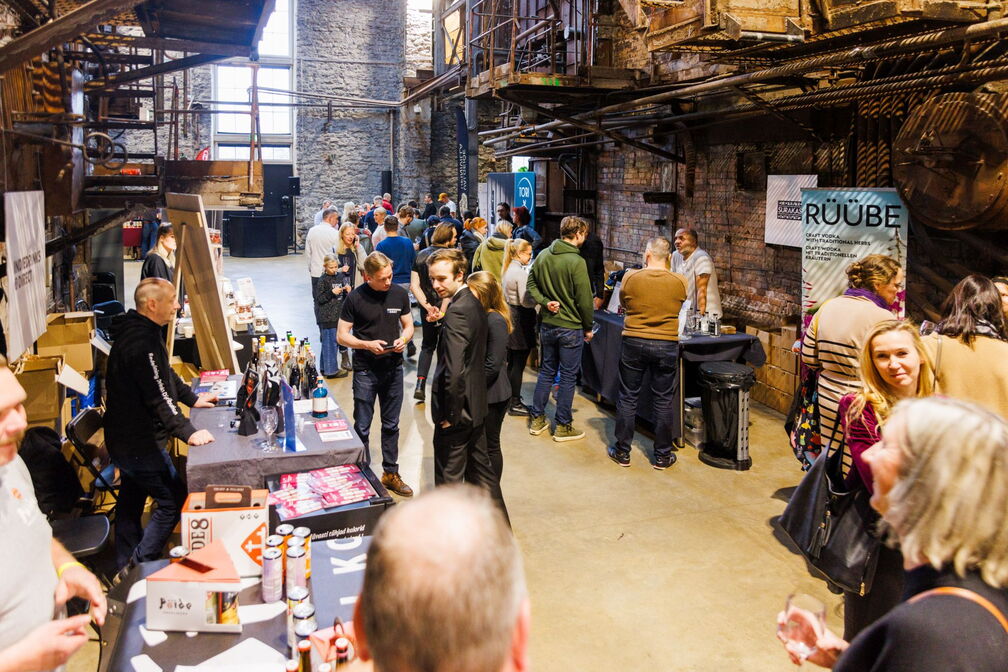
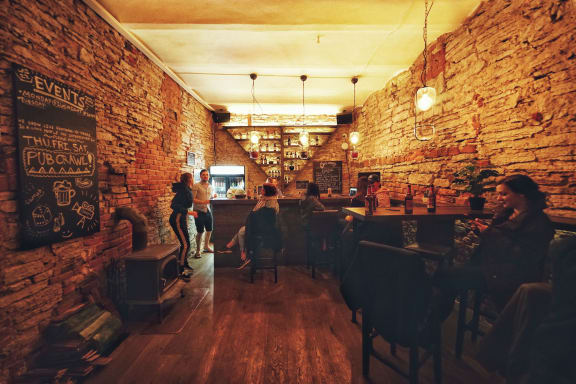
Tallinn's nightlife splits between the old town, which fills with visitors and stag groups at weekends, and Telliskivi and Kalamaja, which is where Estonians drink — craft beer, converted industrial spaces and lower prices.

A beer is €4 to €6, well below Helsinki, which is exactly why the ferry runs so often and why Finnish weekend traffic is a real feature of Tallinn nights.

Tartu is the student alternative: 20,000 students, cheap bars and a scene that runs all week in term time. Summer moves everything onto terraces, and the light lasts until nearly midnight in June.

Getting around

Getting around Estonia

Buses do almost everything and they are cheap and comfortable: Tallinn to Tartu is about two and a half hours and €8 to €12, with Lux Express running the main routes.

Ferries to Saaremaa and Hiiumaa leave from the mainland several times a day and take about half an hour; the Helsinki ferry takes two hours and is a normal way to combine the two capitals.

Tallinn's public transport is free for registered residents, which does not include visitors, but a day ticket costs very little. The old town is entirely walkable and the city is flat.

Costs

What Estonia costs

Estonia is the most expensive of the three Baltic states, but still clearly cheaper than the Nordics it sits beside. Dorms from €14, lunch specials at €6 to €10, a beer at €4 to €6.

Tallinn in midsummer and over New Year is the exception, when the old town fills and prices rise, though never to Helsinki levels.

Estonia is functionally cashless. Cards work for everything including bus tickets and market stalls, and free wifi is genuinely everywhere, which removes two of the usual travel costs entirely.

Safety

Staying safe in Estonia

Estonia is a safe country with low crime and Tallinn is comfortable at any hour. The one recurring nuisance is taxi overcharging around the old town and the port — use Bolt, which is an Estonian company and universal here.

Old town cobbles are uneven and slippery in rain and ice, which causes more traveller injuries than anything else, particularly on the steep lanes up to Toompea.

Winter is properly cold with ice on pavements, and swimming in the Baltic is only sensible from late June to August. Ticks exist in forest and long grass in summer.

Entry and documents

Entry and documents

Estonia is in the EU, the Schengen area and the eurozone. EU citizens need an ID card; UK, US, Canadian and Australian passport holders get 90 days in any 180 across the whole Schengen zone.

Passports need three months' validity beyond departure and to have been issued within the last ten years. ETIAS has been postponed repeatedly — check the official EU site.

Estonia borders Russia at Narva and those crossings have been restricted in recent years. Do not plan any itinerary that assumes them without checking the current position.

When to go

A short, bright summer and a long dark winter. June to August is when the country is outside; December brings one of Europe's best Christmas markets.

-2°
Jan
Cold and dark. Cheapest month
-3°
Feb
Still deep winter. Very quiet
2°
Mar
Thawing, and the light coming back fast
9°
Apr
Spring. Cheap and quiet before the season
15°
May
Excellent. Terraces open, days long
19°
Jun
The best month. Jaanipäev midsummer and near-endless light
22°
Jul
Peak. Pärnu full, old town busy
21°
Aug
Warm, and the sea at its most swimmable
16°
Sep
Quiet and golden. Good value
10°
Oct
Cool and cheap
4°
Nov
Dark and grey. Lowest prices
-1°
Dec
The Christmas market in the old town square is among Europe's best
Bar height is temperature. Colour is how busy it gets: quiet busy peak

Average highs for Tallinn. Daylight runs from about 19 hours in June to six in December, which matters more than the temperature.

What your trip will cost

Pick how you travel and how long for. Per night, for one person, at Estonian prices.

Ferries to Helsinki or the islands are extra, at €20–40 and €3–8 respectively.

—
  • Beds—
  • Food and drink—
  • Getting around—
  • Doing things—
What's on

What is on while you are there

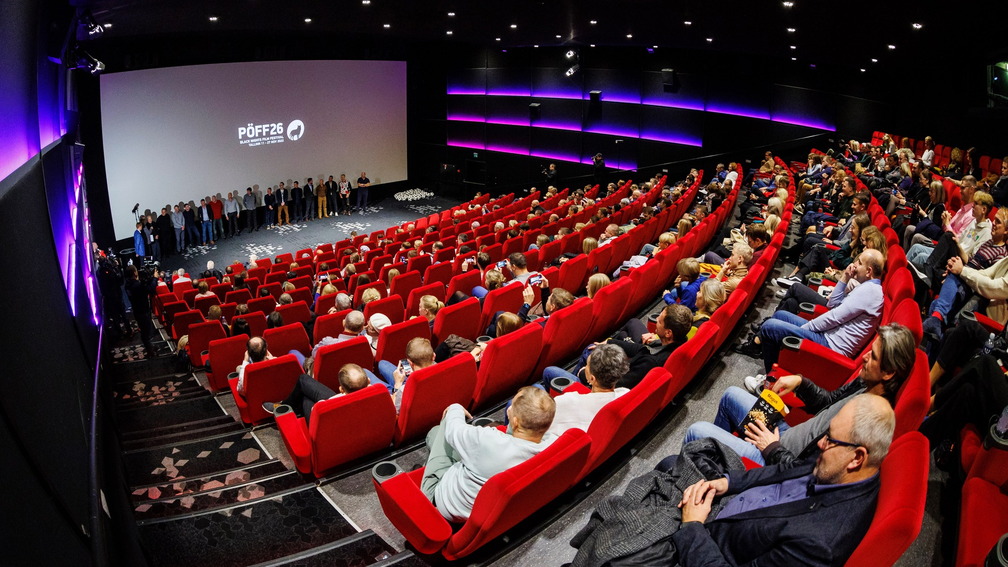
One of these happens every five years and involves 30,000 singers.

Estonia travel questions

The ones we get asked most.

How many days do you need in Estonia?
Three days for Tallinn, which covers the old town, Kalamaja and the maritime museum without rushing. Five lets you add Tartu or Saaremaa, and the whole country is small enough to move around easily.
Is Estonia cheap?
Much cheaper than the Nordic countries it sits beside. Dorms from €14, lunch specials at €6 to €10, a beer at €4 to €6, and a day around €40 to €55.
Is Tallinn worth visiting?
Yes. It has the best-preserved medieval old town in northern Europe, walls and towers included, and it takes twenty minutes to cross. Kalamaja and Telliskivi just outside are where the city actually lives.
Can I visit Helsinki from Tallinn?
Easily. The ferry takes two hours and runs several times a day, which makes a day trip realistic — though Helsinki costs noticeably more once you are there.
When is the best time to visit?
June to August for light and warmth, with midsummer in late June being the biggest date in the calendar. December has one of Europe's best Christmas markets, in exchange for six hours of daylight.
Do I need cash in Estonia?
Almost never. Estonia is one of the most digital societies in the world and cards work for everything including buses and market stalls. Free wifi is close to universal.
What is bog walking?
Walking across peat bogs on wide bog shoes, usually guided, in Lahemaa or Soomaa national parks. It is flat, strange and very Estonian, and the landscape is unlike anywhere else in Europe.

Say yes to hostels, meet the world

Compare hostels across Estonia — live prices, real reviews and free cancellation on most bookings. Then meet the people already there in the app.

Get the App. QRGet the App.
Get the App. QR  Get the App.
Scroll to Top