Écusson
First-timersThe medieval centre: pedestrian lanes, squares, bars and most of the beds. Noisy at night and central.

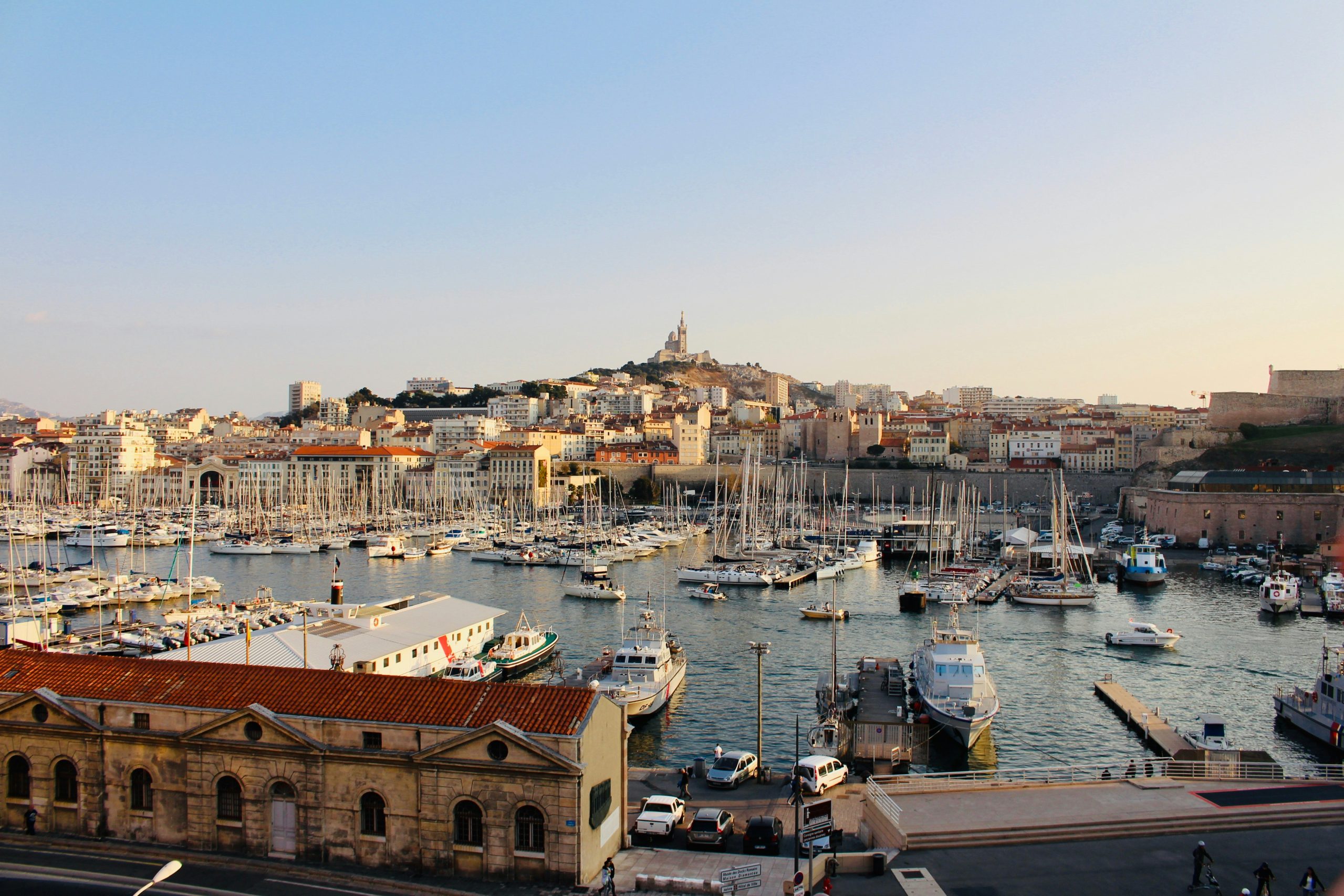
Southern, young and walkable: a medieval tangle of a centre, the oldest working medical school in the world, and the Mediterranean ten minutes away by tram.
Montpellier has one of the youngest populations of any French city — around seventy thousand students in a city of three hundred thousand — and it feels it. The bars are cheap, the squares are full on a Tuesday, and nothing about the place is stately.
The centre, called the Écusson for its shield shape, is a knot of medieval lanes with almost no cars in it, opening suddenly onto the Place de la Comédie, which is one of the largest pedestrian squares in Europe.
The medical faculty was founded in 1220 and has taught continuously since, making it the oldest working medical school in the world; Rabelais and Nostradamus both studied here.
Unlike most of the French Mediterranean, Montpellier is not actually on the sea — it sits about ten kilometres inland, with tram and bus links to the beaches at Palavas and Carnon.
Two days, plus a beach afternoon.
A pedestrian medieval core with newer quarters spreading south towards the sea.
The medieval centre: pedestrian lanes, squares, bars and most of the beds. Noisy at night and central.
Around the main square and Saint-Roch station: trams to everywhere and cheaper rooms.
North: a residential quarter with good restaurants, markets and fewer visitors.
East: a neoclassical postmodern district of the 1980s, walkable to the centre and the river.
Orange labels are neighbourhoods, dots are the 4 top-rated hostels. Map © MapTiler © OpenStreetMap contributors.
Walk the Écusson. It is a medieval street plan almost entirely free of cars, full of small squares, seventeenth-century mansions with courtyards, and the kind of wandering that does not need a map.
The Musée Fabre, about €8, is a serious fine art collection — Courbet, Delacroix, Soulages — and considerably better than a city this size would normally hold.
The Jardin des Plantes, founded in 1593, is the oldest botanical garden in France and is free.
The Place de la Comédie is the social centre and one of the largest pedestrian squares in Europe, running into the Esplanade and the Corum at the top.
Then go to the beach: tram to Port Marianne or Pérols and a bus onward to Palavas or Carnon, about forty minutes and a couple of euros. Or go inland instead — the Pic Saint-Loup, a limestone ridge with vineyards below it, is an hour away.
The Écusson costs nothing and is the main attraction — lanes, squares, courtyards and a total absence of traffic.
The Jardin des Plantes, founded in 1593, is free, as is the Promenade du Peyrou with its arch, aqueduct and view towards the sea and the Cévennes.
The Place de la Comédie and the Esplanade are free and are where the city actually spends its evenings.
The cathedral and the medical faculty buildings beside it are free from outside, and the anatomy museum is free on certain days.
The beaches at Palavas and Carnon are free, and the walk along the étangs — the coastal lagoons full of flamingos — costs only the bus fare.
Cheap, because of the students. A lunch formule is €12 to €17 and plenty of places do less.
Halles Castellane and the Halles Laissac are the covered markets, with counter lunches at €8 to €14 and the Mediterranean catch on display.
Languedoc food is southern rather than Provençal — brandade de morue, a whipped salt cod and olive oil dish, plus Bouzigues oysters from the étang de Thau just west of the city at €10 to €16 a dozen.
Pâté de Montpellier and the local tielle, a small octopus pie from Sète, are worth trying once.
Languedoc wine is the other advantage: Pic Saint-Loup, Faugères, Picpoul de Pinet, at €3.50 to €5.50 a glass and consistently better value than its neighbours.
One of the best student nights in the south, and cheap with it.
The Écusson squares — Place Jean Jaurès, Place Saint-Roch, Place de la Canourgue — fill with people drinking outside from early evening, which is the local pattern and costs almost nothing.
Rue de la Loge and the lanes off it have the bars, and a handful of clubs sit east near the river.
A beer is €4 to €6 and cocktails €7 to €11, with student nights lower again.
Summer moves the whole thing to the beaches at Palavas and La Grande-Motte, which have their own club scene from June to September.
Trams run to about half past midnight, later at weekends.
Trams cost about €1.60 with day tickets, and four lines cover the city. The trams are individually decorated — one set was designed by Christian Lacroix — which is a small thing that makes the city feel like itself.
The Écusson is almost entirely pedestrian, so walking is the default in the centre.
There are two stations: Saint-Roch in the middle of town for most services, and Sud de France outside the city for some TGVs. Check which one your ticket says, because they are a tram ride apart.
Paris is three and a quarter hours by TGV, Barcelona about three hours, and Marseille an hour and a half.
For the beach, tram then bus to Palavas or Carnon, roughly forty minutes in total.
Cheap for the French Mediterranean. Dorms are €20 to €35, a lunch formule €12 to €17, and a beer €4 to €6.
A day is €45 to €80, which is well under Nice and slightly under Marseille.
The Écusson, the gardens, the Peyrou and the beaches are all free, and the beach costs only a tram and bus fare.
The Musée Fabre at about €8 is the main entry.
Term time keeps prices honest; July and August push beds up as the coast fills, though less sharply than on the Riviera.
Montpellier is a safe city and the crime affecting visitors is petty theft.
Pickpocketing happens around the Comédie, on trams and in the Écusson at night.
The Écusson squares get very drunk at weekends in term time, which is the main source of trouble and mostly avoidable.
At the beaches, the Mediterranean here shelves gently but the étangs and the channels between lagoon and sea have real currents. Swim on the patrolled beach sections in season.
Summers are hot, regularly above 32°C, and the Écusson holds the heat. The tramontane wind blows hard for days at a time and drops the felt temperature noticeably. Emergency number is 112.
A beach, a gorge village, an oyster lagoon and a Roman aqueduct.
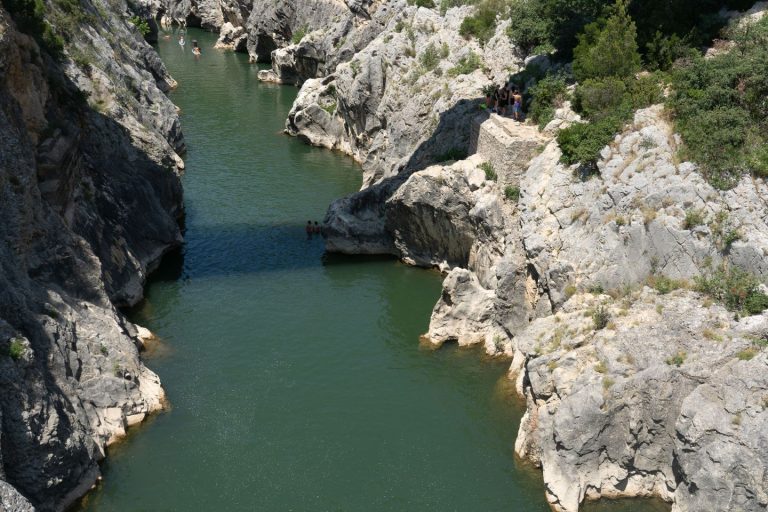
A medieval village in a gorge on the Santiago pilgrim route, with an abbey and the Pont du Diable nearby.
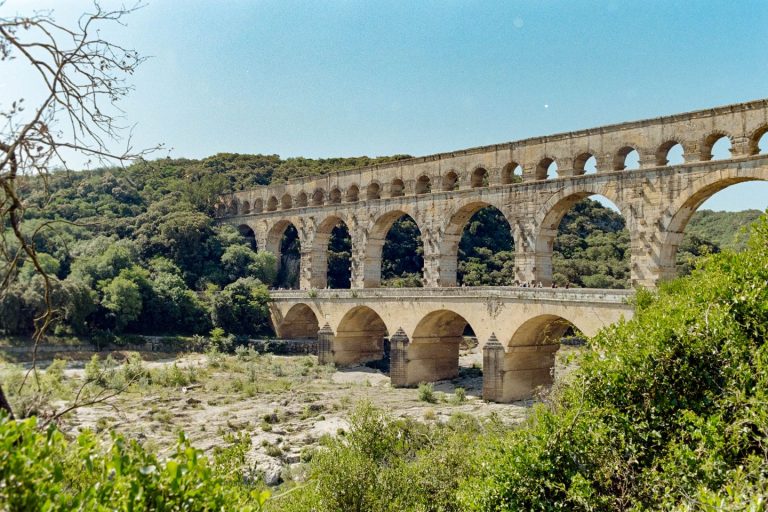
A three-tier Roman aqueduct bridge, UNESCO-listed, with swimming in the river beneath it.
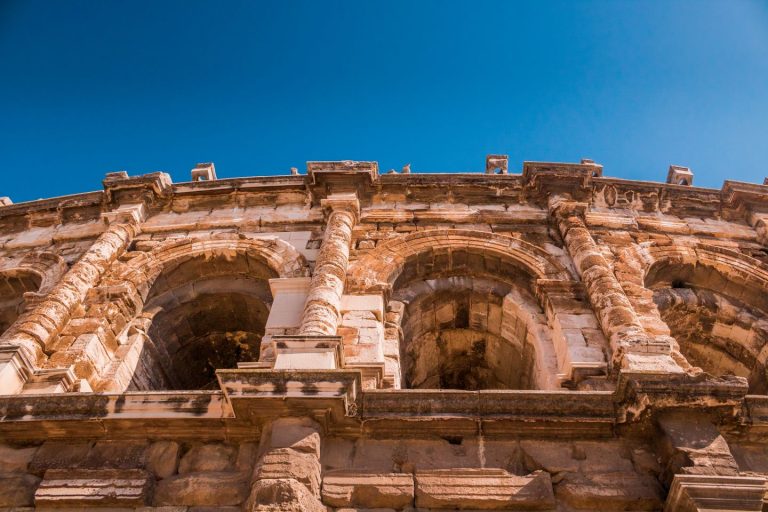
A Roman amphitheatre in better condition than the Colosseum, still used for concerts and bullfights.
A dance festival in June, and water jousting along the coast in summer.
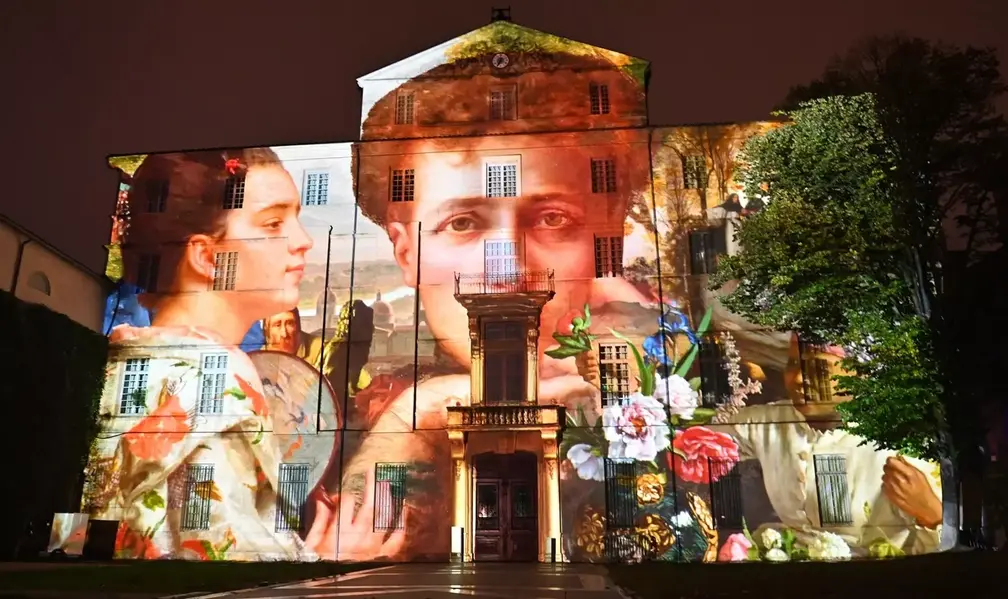 Staff pick
Cœur de Ville en Lumières transforms Montpellier’s historic center into a dazzling open-air gallery, where renowned artists and students collaborate to create mesmerizing video…
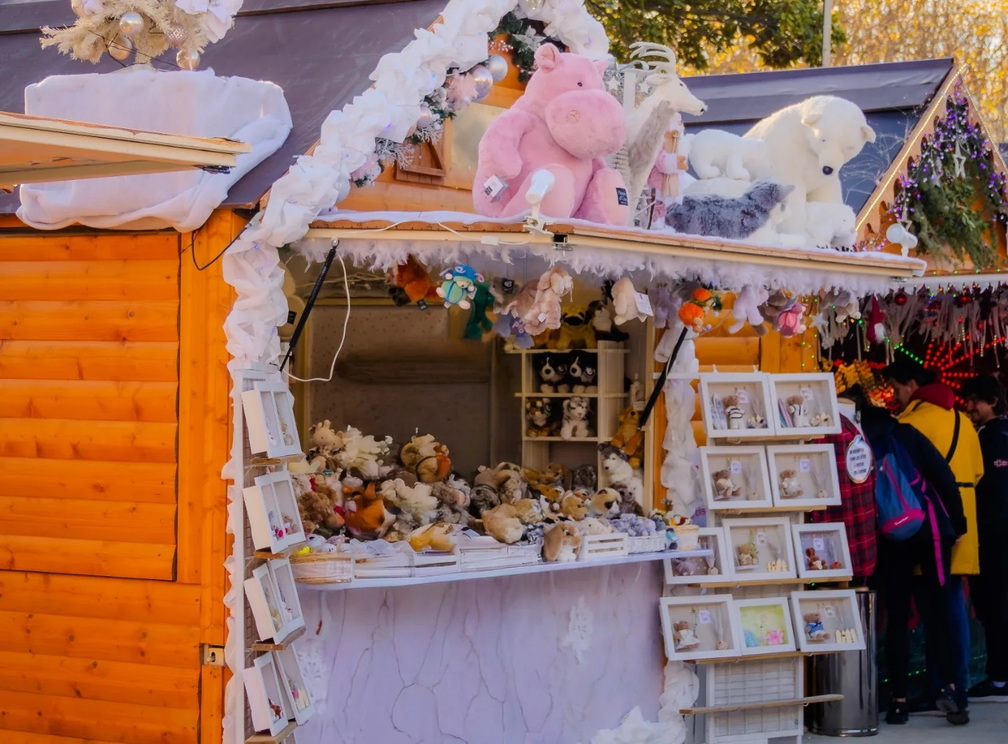 Staff pick
Each winter, Montpellier, France, hosts the Hivernales Christmas Market, transforming the Promenade du Peyrou into a festive wonderland. Visitors can stroll among charming wooden…
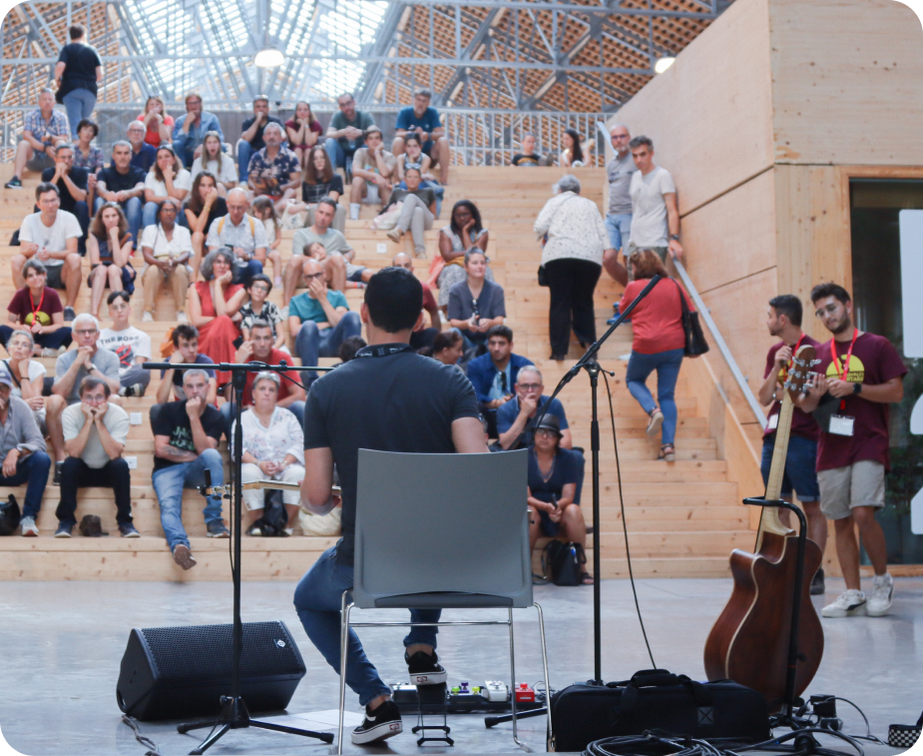 Staff pick
Internationales de la Guitare in Montpellier, France, is a renowned festival dedicated entirely to the art of the guitar, showcasing its many musical styles…
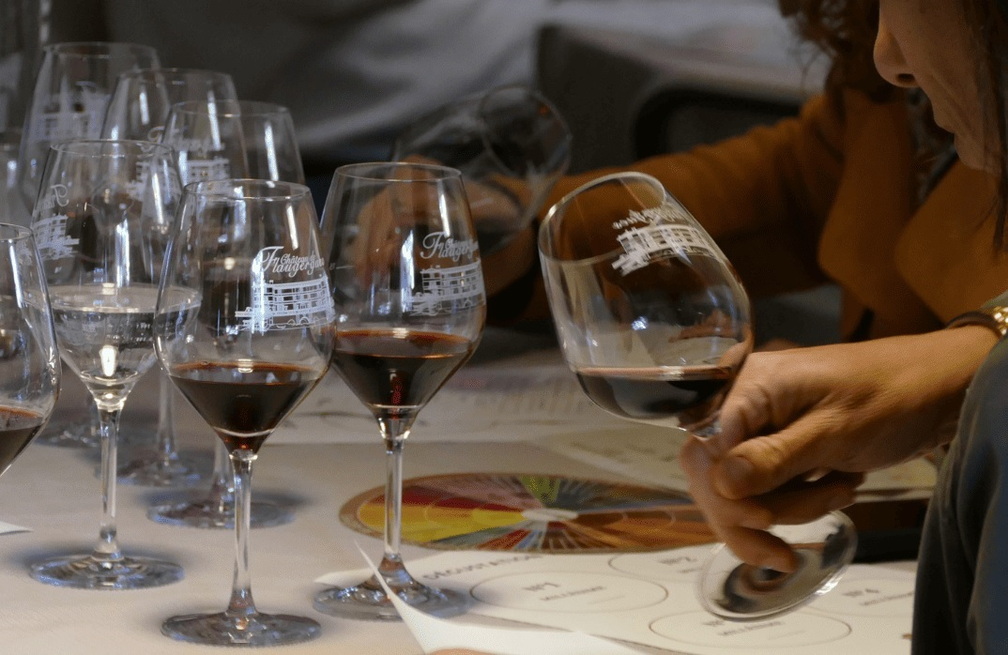 Staff pick
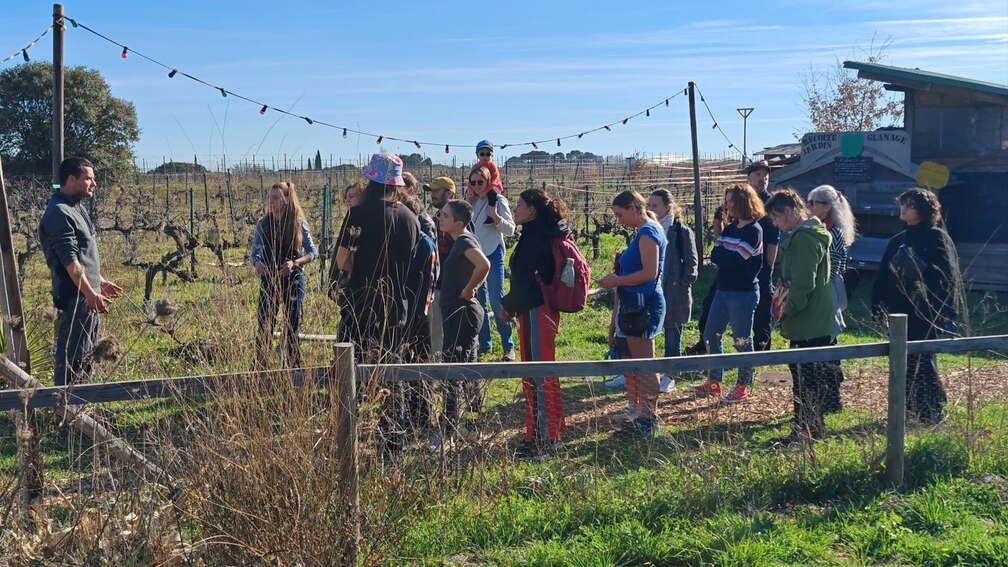
Step into the world of winemaking with an immersive guided tour that reveals the secrets behind each stage, from the vineyard to the cellar.…
 Staff pick
Eat As We Sow: Festival of the 4 Seasons (Autumn-Winter) in Montpellier, France, invites visitors to explore the world of sustainable agriculture and local…
 Staff pick
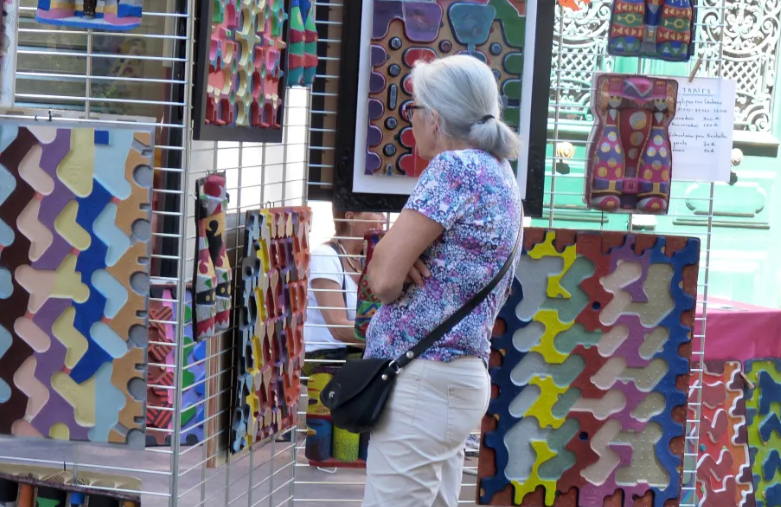
Clap’Arts Festival in Montpellier, France, transforms Place Max Rouquette into a vibrant open-air gallery celebrating creativity in all its forms. Since 2010, this free…
 Staff pick
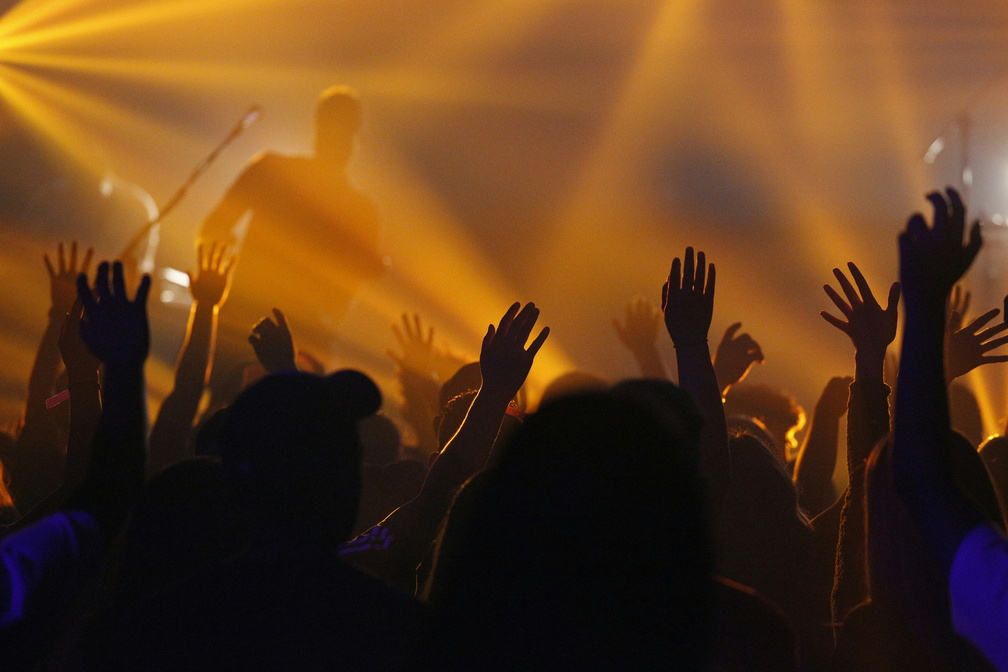
Ex Tenebris Lux Festival in Montpellier, France, invites you to explore the world of dark cultures through a month-long celebration set in the city’s…
 Staff pick
Djadja & Dinaz, a standout duo in the French rap scene since 2014, bring their signature energy and chart-topping hits to the stage for…
A modest scene around the Écusson and the station, at low southern prices. Live from Hostelworld.
April to June and September to October. July and August are hot and the students are gone.
Average highs. September is the best single month here — the sea is at its warmest, the students come back, and the July crowds have gone.
Pick how you travel. Per person per night, in euros.
The beach costs only a tram and bus fare, which keeps the doing line low. July and August run above these figures.
The ones we get asked most.

Compare Montpellier hostels — live prices, real reviews and free cancellation on most bookings. Then meet the people already there in the app.

 Get the App.
 Get the App.