Altstadt
First-timers and nightlifeThe old town: 260 bars, the brewhouses, the Rhine promenade and most of the noise.

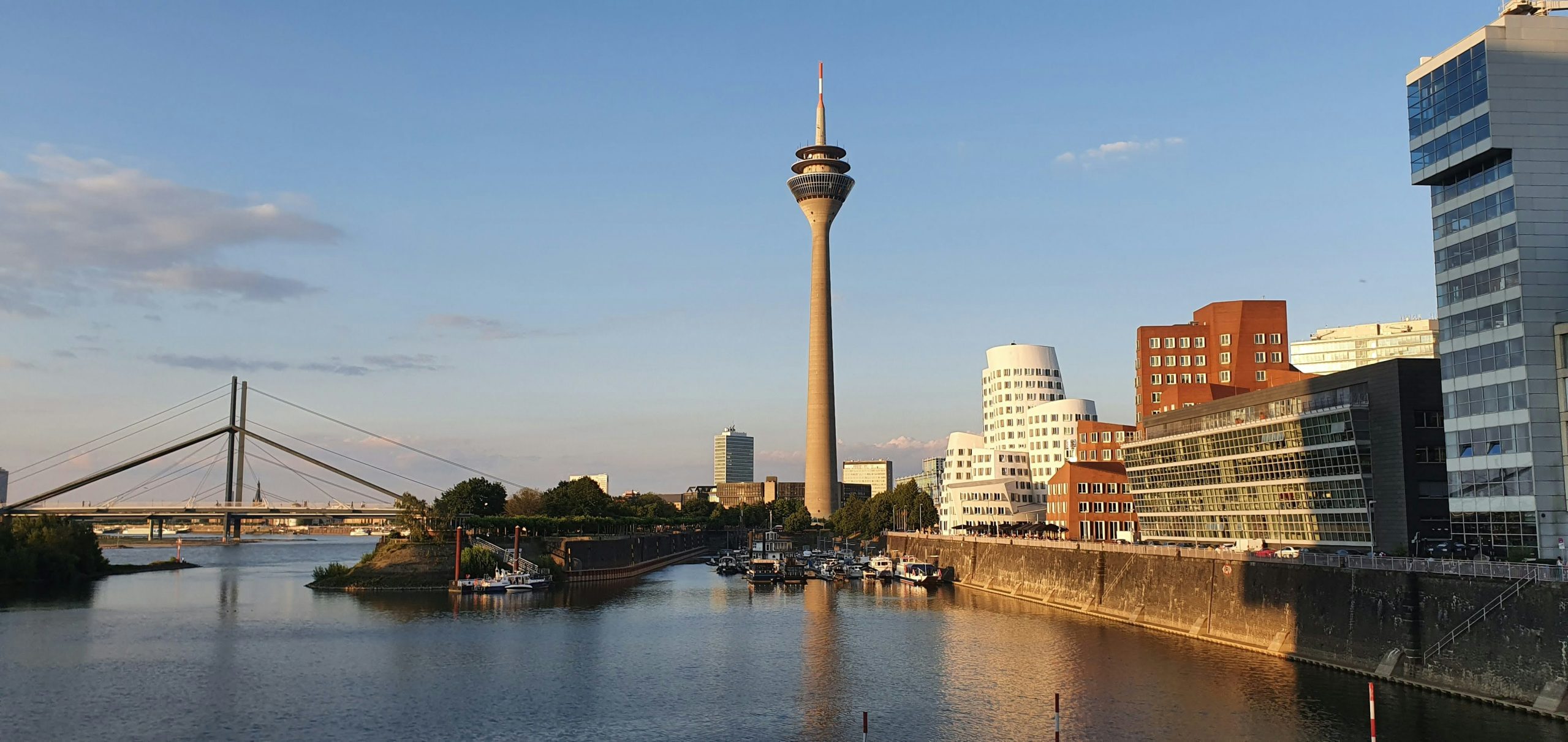
Altbier in what the city calls the longest bar in the world, one of Europe's largest Japanese communities, Gehry buildings on the old docks, and a rivalry with Cologne that never ends.
Düsseldorf is the capital of North Rhine-Westphalia, made its money on trade and industry, and spends it visibly — the Königsallee is one of the most expensive shopping streets in Germany and the city is noticeably better dressed than its neighbours.
The old town is small and packed with over two hundred and sixty bars and pubs, which is why it markets itself as the longest bar in the world. It serves Altbier: dark copper, top-fermented, and the opposite of Cologne's pale Kölsch in every way the two cities can argue about.
That rivalry is genuine, ancient and mostly enjoyed. Ordering Kölsch in Düsseldorf gets you a reaction, which is the point of doing it.
Immermannstrasse near the station is Little Tokyo — one of the largest Japanese communities in Europe, with the best Japanese food in the country outside a handful of Berlin places.
The MedienHafen, the old docks rebuilt with Gehry buildings, is the architectural set piece. Two days.
A compact centre on the Rhine, with the docks south and the station east.
The old town: 260 bars, the brewhouses, the Rhine promenade and most of the noise.
East around the station: the cheapest beds, Immermannstrasse and good transport.
South: the rebuilt docks, the Gehry buildings and Lorettostrasse's restaurants.
East: street art, independent shops and bars, with no visitors at all.
Orange labels are neighbourhoods, dots are the 4 top-rated hostels. Map © MapTiler © OpenStreetMap contributors.
Drink Altbier in a brewhouse. Uerige, Füchschen, Schumacher and Schlüssel all brew on site in the old town, serve in 250ml glasses, and refill automatically until you put your mat on the glass. Uerige is the one to start with and it is standing room and loud.
Walk the MedienHafen, where the old harbour has been rebuilt with Frank Gehry's three leaning buildings at the centre of it. Free, and the contrast with the old town ten minutes away is the point of the city.
The Rheinturm, about €11, gives the view, and its shaft carries the largest digital clock in the world as a pattern of lights.
The Kunstsammlung NRW, about €12, has a serious twentieth-century collection — Klee, Beuys, Richter — reflecting the art academy that trained most of them here.
Then eat in Little Tokyo. Immermannstrasse has ramen, izakaya and a Japanese supermarket, and the standard is high enough that Japanese visitors eat there.
The Rhine promenade is free and is where the city spends its summer evenings, running from the old town south to the MedienHafen.
The MedienHafen is free to walk, including the Gehry buildings and the harbour basin.
The Altstadt costs nothing to wander, and the Königsallee — the Kö — with its canal and plane trees is free to walk even if nothing on it is affordable.
Flingern's street art is extensive and free, particularly around Kiefernstrasse, where a row of formerly squatted buildings is painted end to end.
The Hofgarten and the Japanese garden in Nordpark are both free, the latter a gift from the Japanese community.
Altbier is the local beer — dark copper, top-fermented, and served in 250ml glasses for €2.20 to €2.80. As in Cologne, the waiter refills automatically and marks a beer mat; putting the mat on top of your glass is how you stop. The difference from Kölsch is the entire basis of the rivalry and both cities will explain it at length.
Killepitsch is the local herbal liqueur, drunk as a shot and sold from a hatch beside its own bar.
Rheinischer Sauerbraten and Halve Hahn appear here as in Cologne, at €12 to €18 in a brewhouse.
The Japanese food on and around Immermannstrasse is the real eating here: ramen at €12 to €16, izakaya, and a supermarket that draws people from across the region.
Lorettostrasse in Unterbilk has the good modern restaurants.
The Altstadt is the whole proposition — over two hundred and sixty bars and pubs in about half a square kilometre, which is why the city calls it the longest bar in the world.
It is dense, loud and a mix of brewhouses, cocktail bars and places aimed at stag groups. The brewhouses are the good half.
An Altbier is €2.20 to €2.80, cocktails €10 to €14, and club entry €10 to €18.
Flingern and Bilk have the less commercial bars and a younger local crowd.
Karneval in February is taken almost as seriously as in Cologne, with its own parade on Rosenmontag and its own conviction that it does it better.
Düsseldorf also has a real electronic music legacy — Kraftwerk formed here, and the Kunstakademie and the Ratinger Hof scene shaped a lot of what followed.
U-Bahn, trams and buses run on one VRR ticket with a day ticket around €7.50. The centre is walkable and the old town is ten minutes from the station.
Validate before boarding — the fine is €60.
The airport is 10 minutes from the centre on the S11 or a regional train for about €3.20, and it is one of Germany's main international hubs.
Cologne is 30 minutes by regional train, and the whole Rhine-Ruhr region — Essen, Dortmund, Duisburg — is within an hour, making this the densest urban area in Germany.
Cycling is flat and easy, with Rhine paths running in both directions.
Expensive to shop in and reasonable to visit. Dorms are €20 to €40, a brewhouse main €12 to €18, and an Altbier €2.20 to €2.80.
A day is €48 to €90.
Like Frankfurt, this is a major trade fair city and the Messe calendar swings bed prices hard. Check it before booking — boot shows and medical fairs can treble prices for a week.
The Rhine promenade, the MedienHafen and Flingern's street art are free.
Karneval week in February is the other price spike, with beds rising sharply and booking out well ahead.
Düsseldorf is a safe city and the crime affecting visitors is concentrated in the Altstadt at night.
With over two hundred and sixty bars in a small area and a substantial stag trade, the old town at weekends is crowded and very drunk. Pickpocketing and the occasional inflated bill are the practical risks.
The station area is scruffier late at night without being dangerous.
The Altbier refill system works like Cologne's — small glasses arriving automatically, marks accumulating on the mat — and it is equally easy to lose track of how much you have had.
The Rhine is fast, cold and industrial, and the promenade has open edges directly beside where people drink in summer.
Validate transport tickets — €60. Emergency number is 112.
A rival city, an industrial heritage site and the Dutch border.
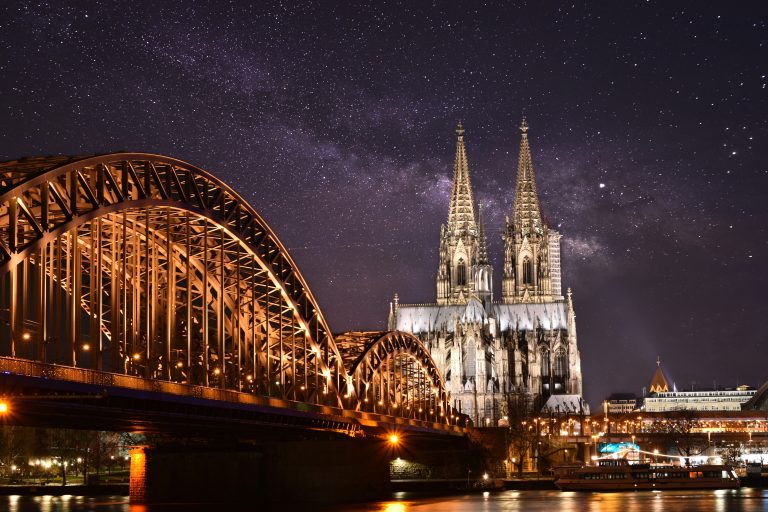
The cathedral, Kölsch and the other half of the rivalry. Order the wrong beer for the experience.
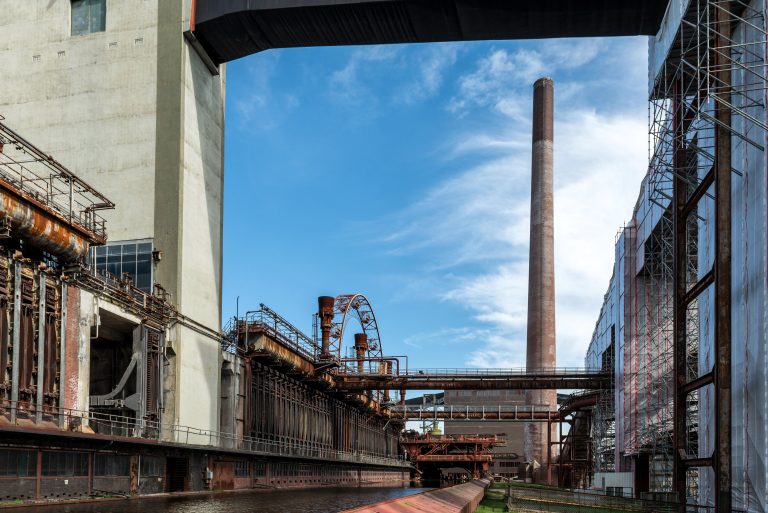
A UNESCO-listed coal mine and coking plant, the finest industrial architecture in Europe and now a museum complex.
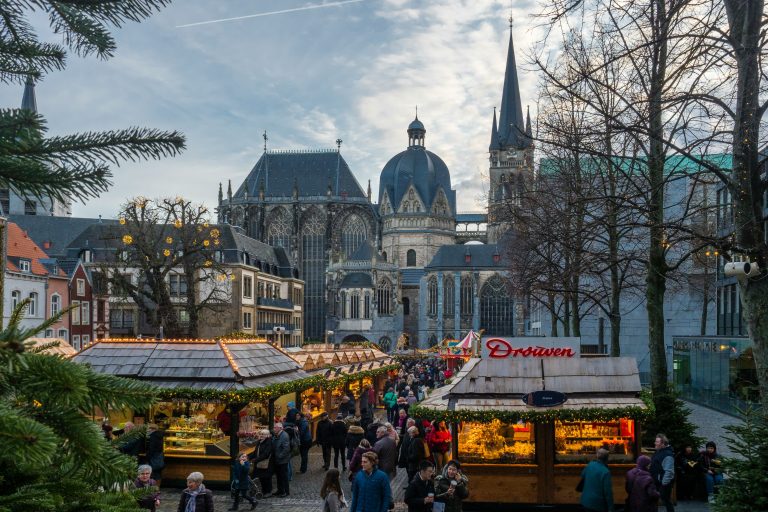
Charlemagne's cathedral, the oldest in northern Europe, plus thermal baths and the Belgian border.
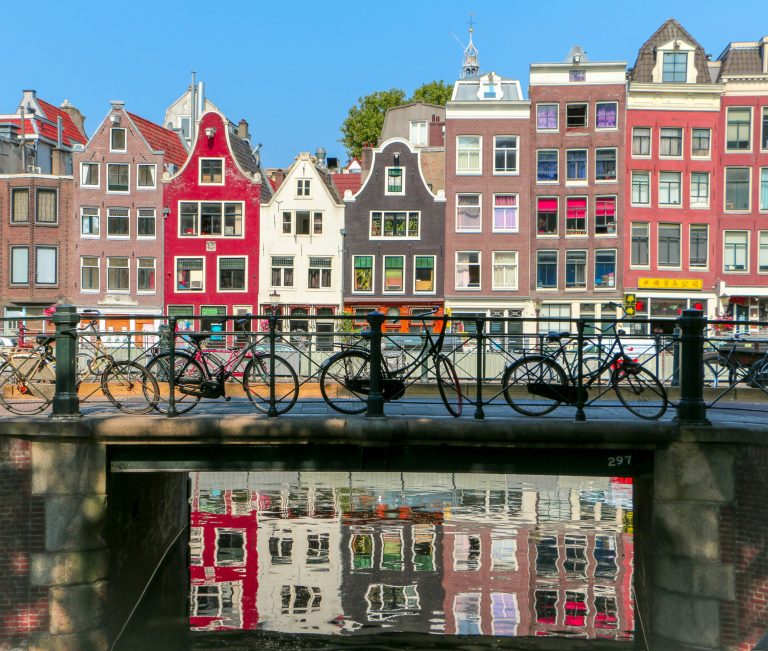
A different country, and closer than Munich.
A carnival, a giant funfair on the Rhine, and a fair calendar that sets the prices.
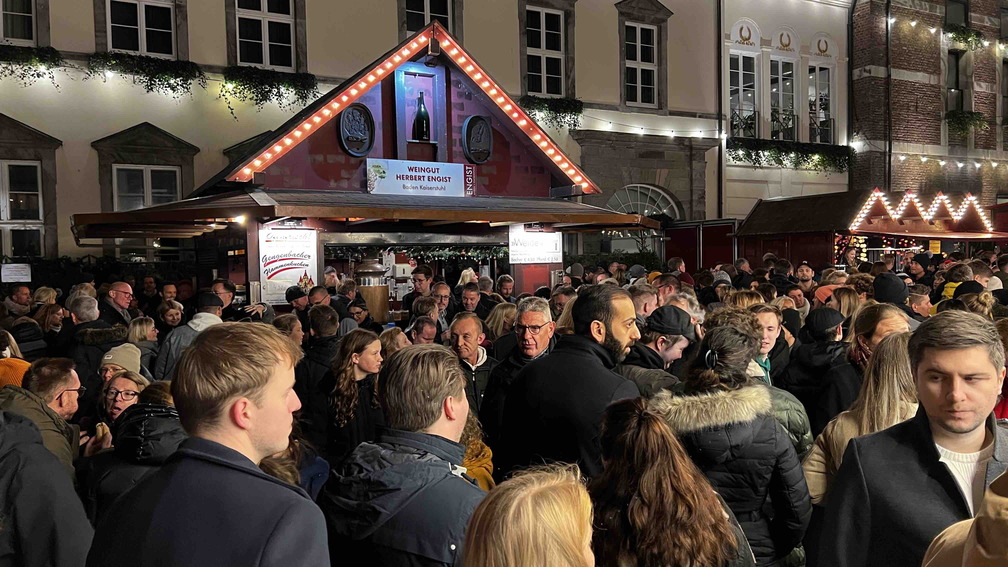 Staff pick
Düsseldorf, Germany, transforms into a magical winter landscape each holiday season as its Christmas Markets fill the city with festive cheer. Visitors can stroll…
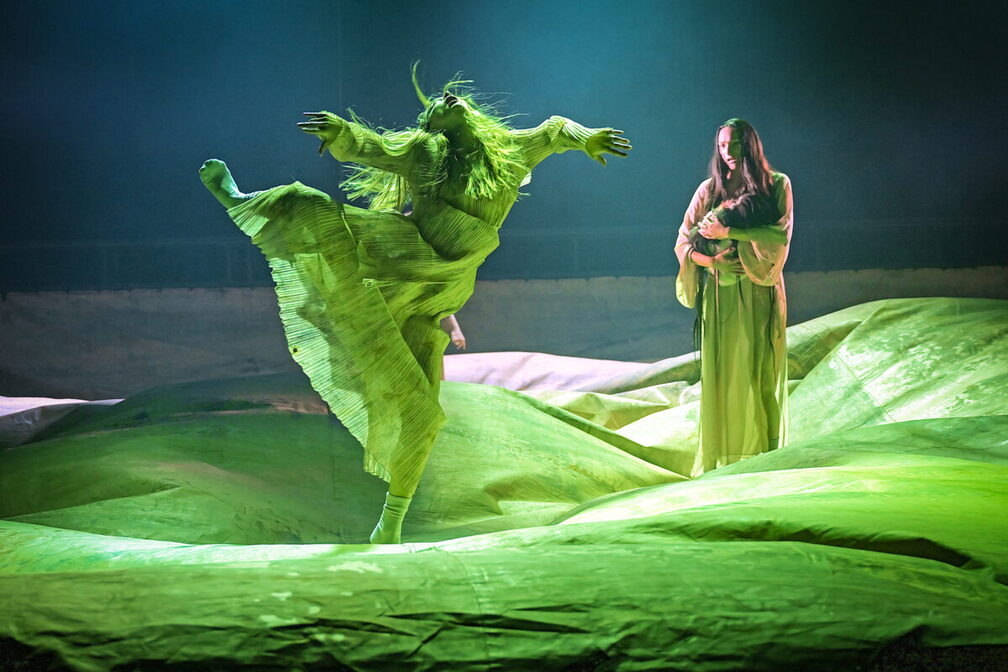 Staff pick
Düsseldorf Festival transforms the city into a hub for international dance, theatre, new circus, and music, drawing artists and companies from around the globe.…
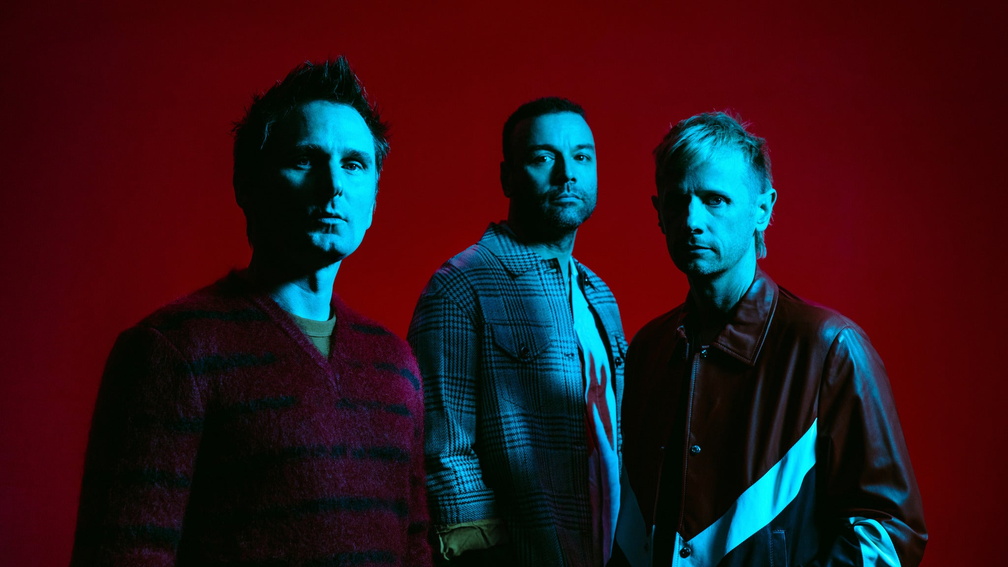 Staff pick
Muse is a globally acclaimed British rock band known for their electrifying live performances and genre-blending sound that fuses alternative rock, electronic, and symphonic…
 Staff pick
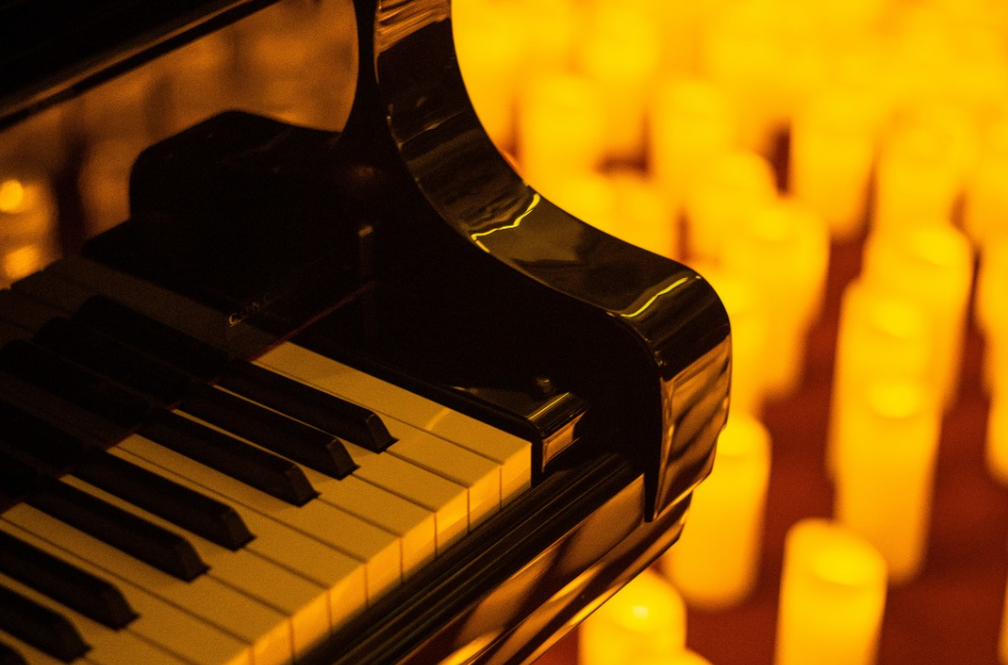
Candlelight: The Best of Mozart and Beethoven is a live music experience held at Palais Wittgenstein in Düsseldorf. The concert features piano performances of…
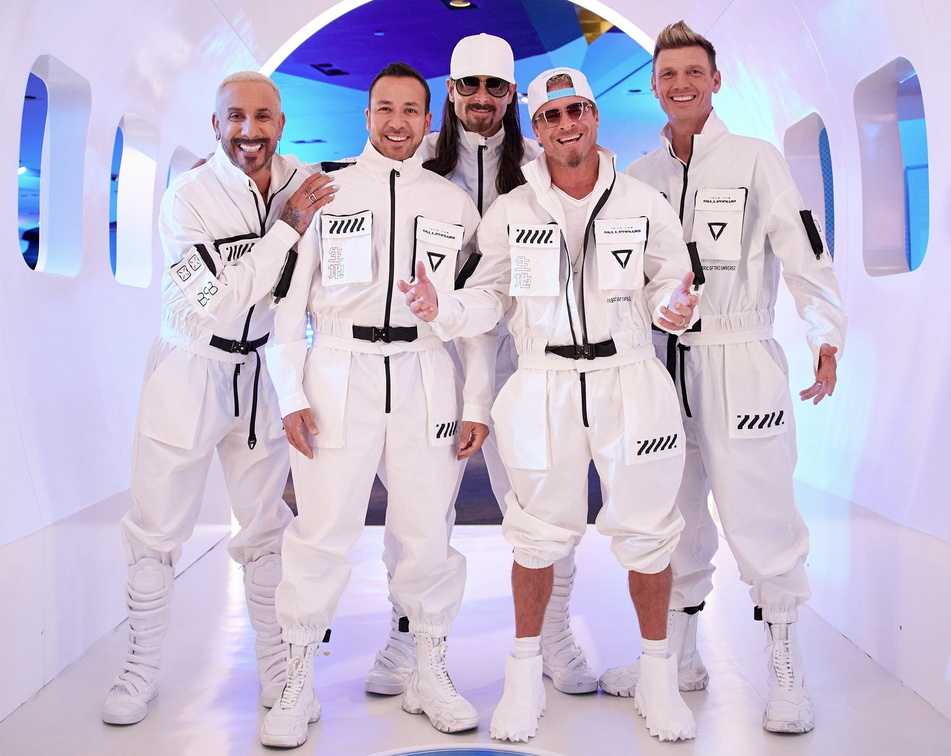
Backstreet Boys will be performing multiple shows in Dusseldorf at the Merkur Spiel Arena from late September to early October 2026. These concerts mark…
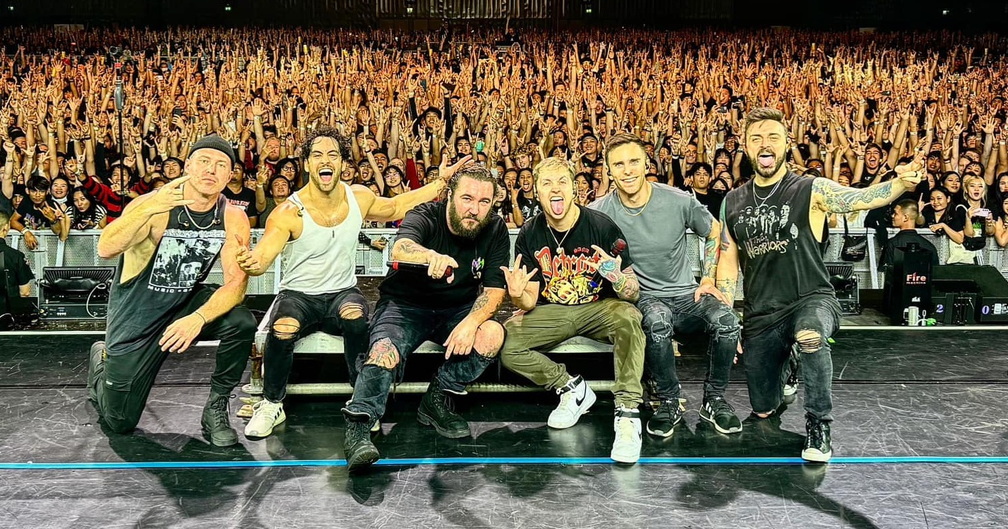
I Prevail is a metalcore band from Southfield, Michigan, bringing their intense sound to Dusseldorf. They will perform at the Parkplatz P4 PSD Bank…
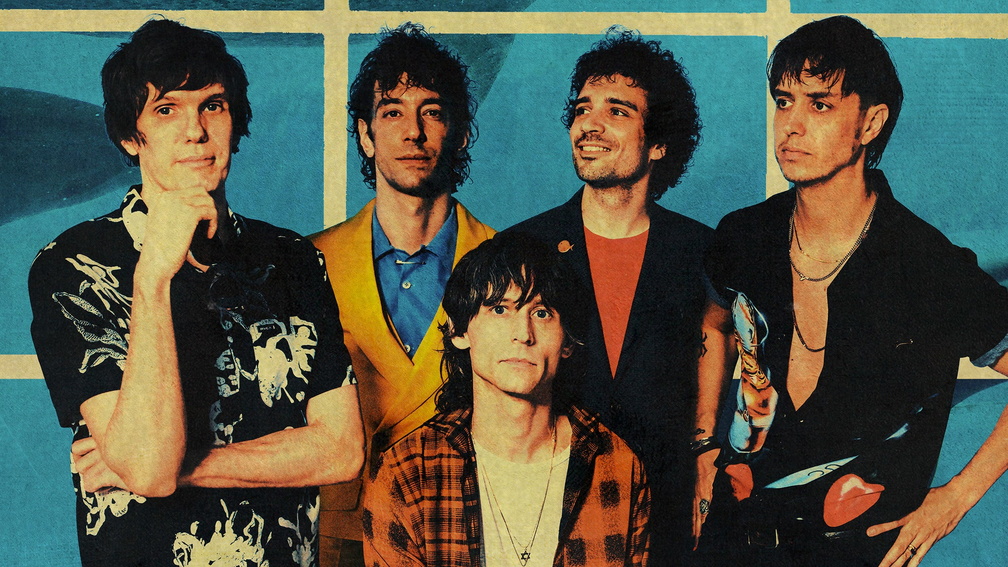
The Strokes is a rock band from New York City formed in 1998. Consisting of five members, the band played a significant role in…
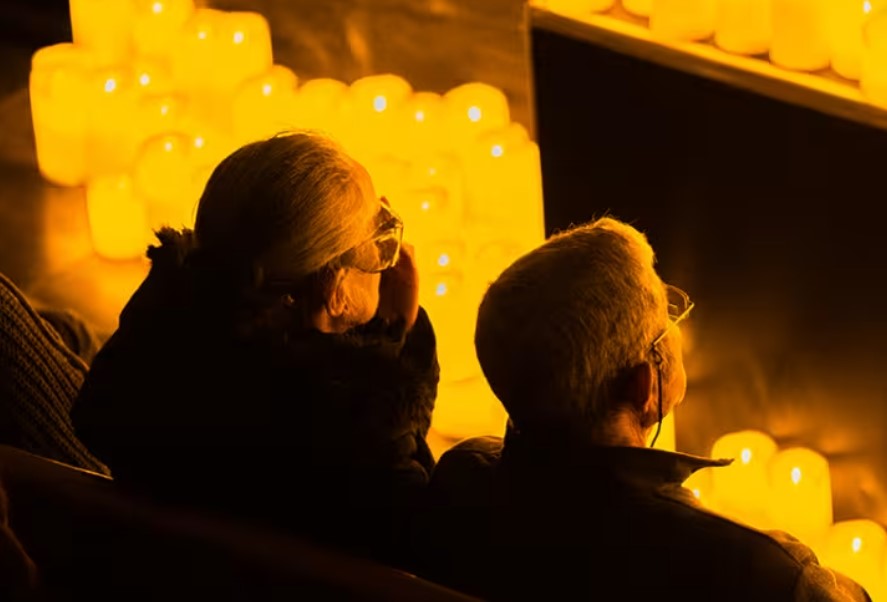
Candlelight: Tribute to Phil Collins invites you to enjoy the music of Phil Collins in a unique setting illuminated by thousands of candles. The…
A modest scene near the station and the old town, with prices swinging on the fair calendar. Live from Hostelworld.
May to September, avoiding the big trade fairs. February for Karneval.
Average highs. As in Frankfurt, the trade fair calendar matters more than the weather — a quiet week in June can cost less than Christmas, and a fair week in March can cost more than either.
Pick how you travel. Per person per night, in euros.
These assume a normal week. Trade fairs and Karneval both push the bed line well above them.
The ones we get asked most.

Compare Düsseldorf hostels — live prices, real reviews and free cancellation on most bookings. Then meet the people already there in the app.

 Get the App.
 Get the App.