Germany
Germany country guide

Things To Do In Germany

Sixteen states that were separate countries until 1871 and still behave like it. Berlin is nothing like Munich, the trains mostly work, and a bed costs less than in most of its western neighbours.

€20
Dorm bed, from
16
States, all different
€63
Deutschlandticket, a month of transport
1,500
Breweries

Sixteen countries in a trench coat

Germany unified in 1871 and the parts have never fully agreed to it. Bavaria is Catholic, conservative and alpine; Hamburg is a northern port that looks to Scandinavia; Berlin is neither, and spent forty years split down the middle. The differences in food, dialect and attitude are larger than visitors expect.

For travellers this is good news, because it means variety inside a country with excellent transport and low prices. Berlin for nightlife and twentieth-century history, Munich for the Alps and beer halls, Hamburg for water and music, Cologne for the cathedral and Carnival, Dresden and Leipzig for the east at a third of Berlin's cost.

A week does two cities properly. Ten days does three with a day in the countryside — the Rhine valley, Saxon Switzerland or the Bavarian Alps, all reachable by regional train.

Where to go

Trains are fast and frequent. Deutschland-Ticket flat fares make regional travel very cheap if you have time.

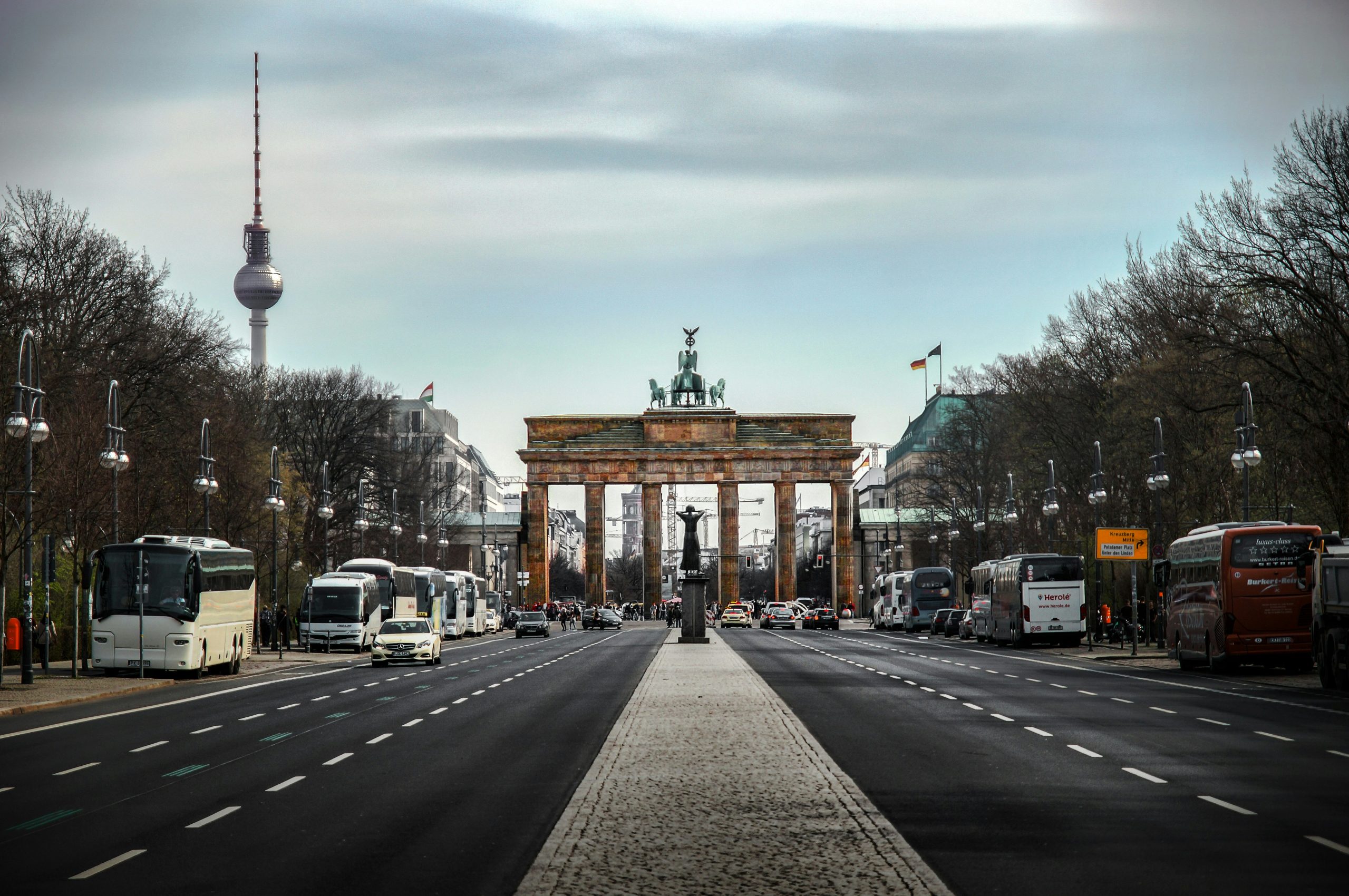
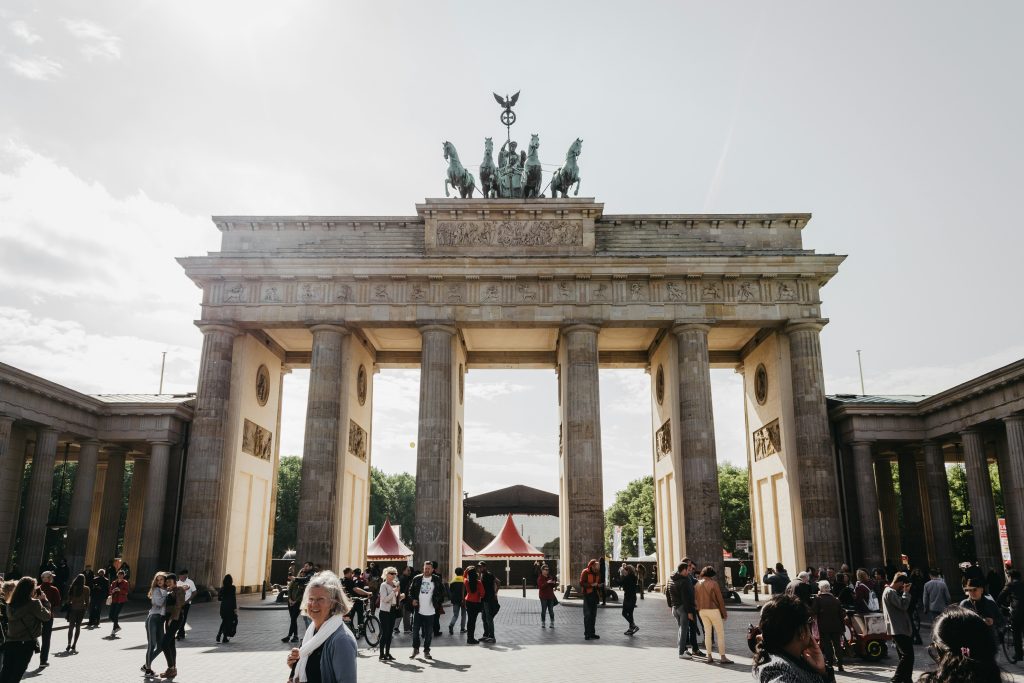
Berlin

Berlin

54 hostels · dorms from €15

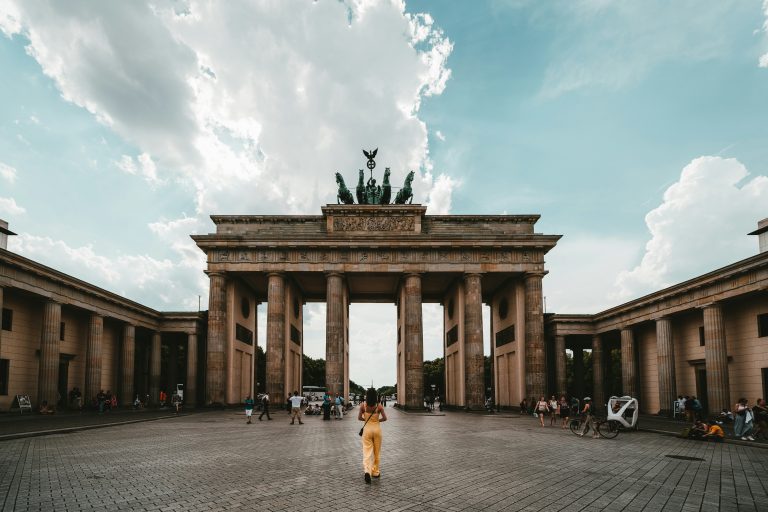
Cheap, scruffy, enormous and the best nightlife in Europe. Also the most serious museum city on the continent.

There is nowhere in the world like Berlin.

A traveller, on Hostelworld
The Berlin guide
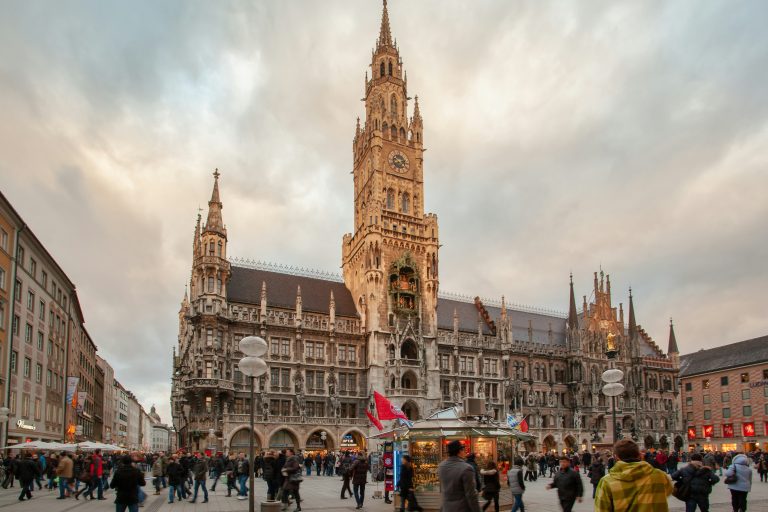
Munich

Munich

23 hostels · dorms from €20

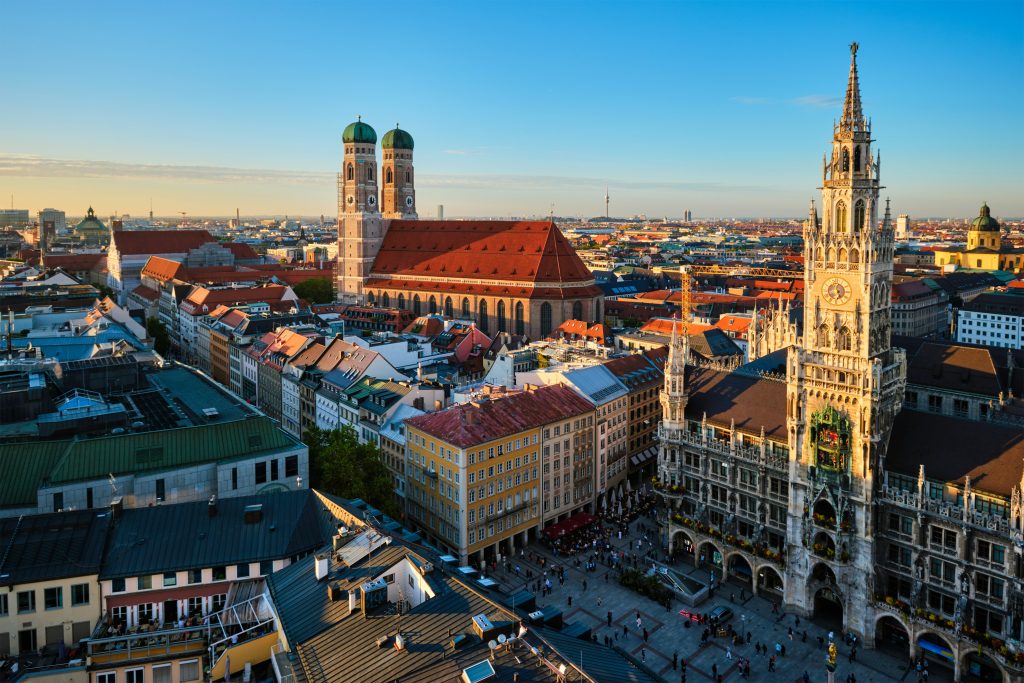
Beer halls, the Alps an hour away, and the most expensive beds in the country during Oktoberfest.

Great city with much to see. Much is easily walkable, and the city public transport is so easy with the MVV app

A traveller, on Hostelworld
The Munich guide
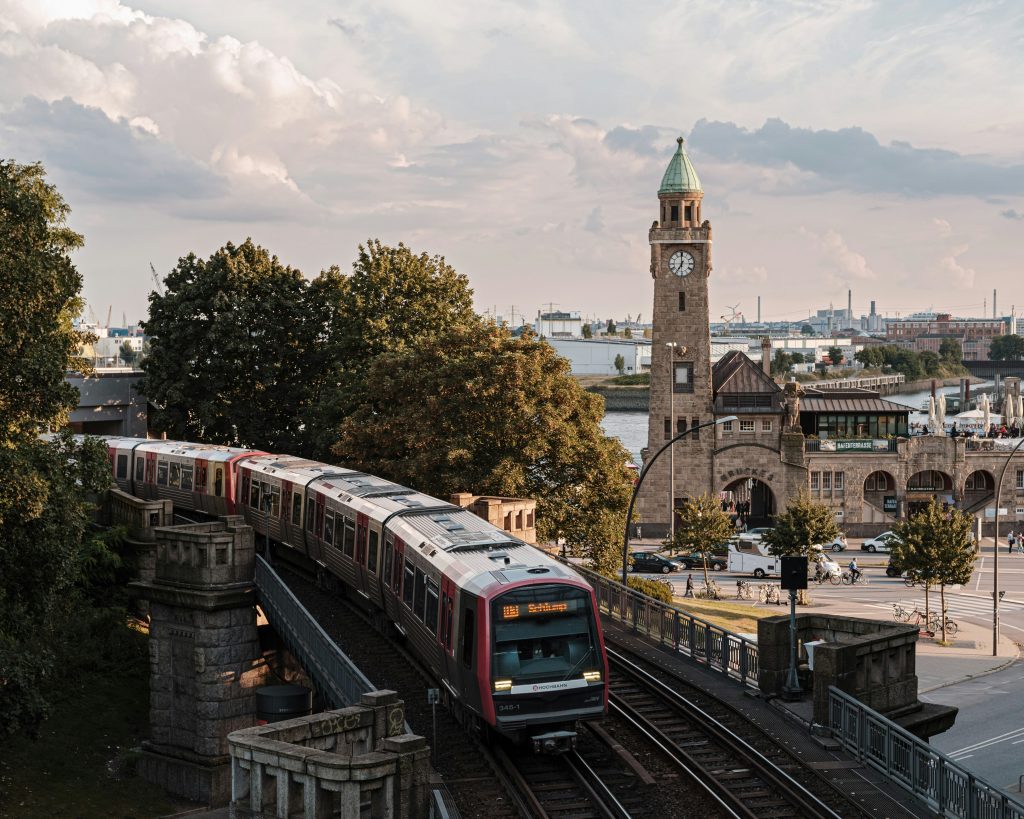
Hamburg

Hamburg

21 hostels · dorms from €14

Canals, container ships, the Reeperbahn and a music scene that produced half of German rock.

Hamburg was much more beautiful than I expected! Lots to do, great nightlife and restaurants. Could use a few more activities like games bars but otherwise great!

A traveller, on Hostelworld
The Hamburg guide
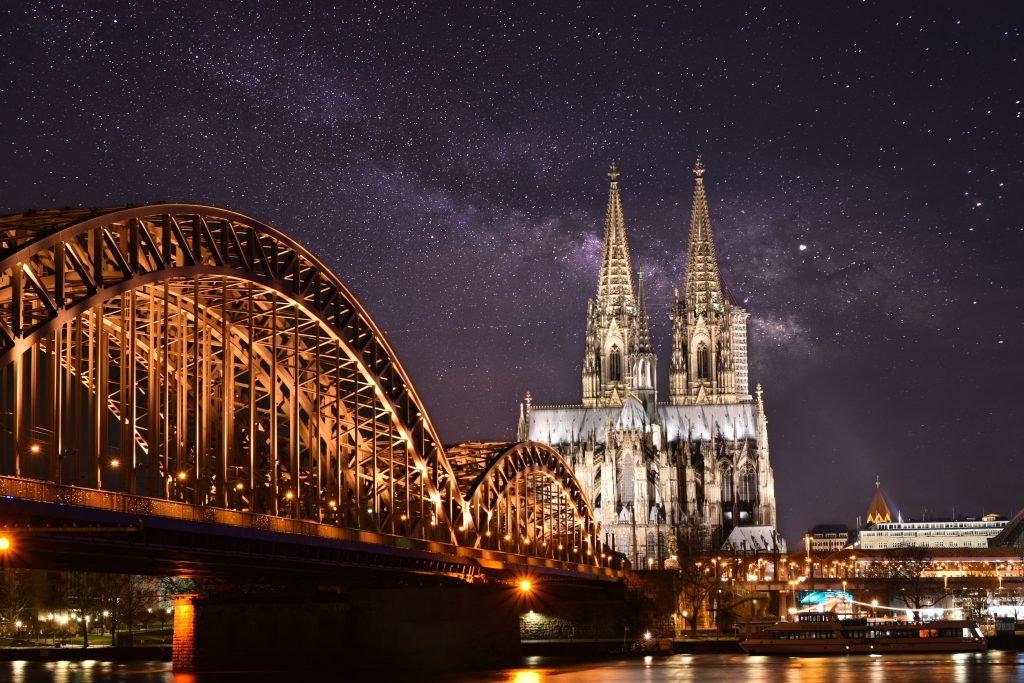
Cologne

Cologne

12 hostels · dorms from €17

The cathedral, the Rhine, and a Carnival that shuts the city for a week every February.

Beautiful city, amazing architecture, people are nice if you need help they will guide you !

A traveller, on Hostelworld
The Cologne guide
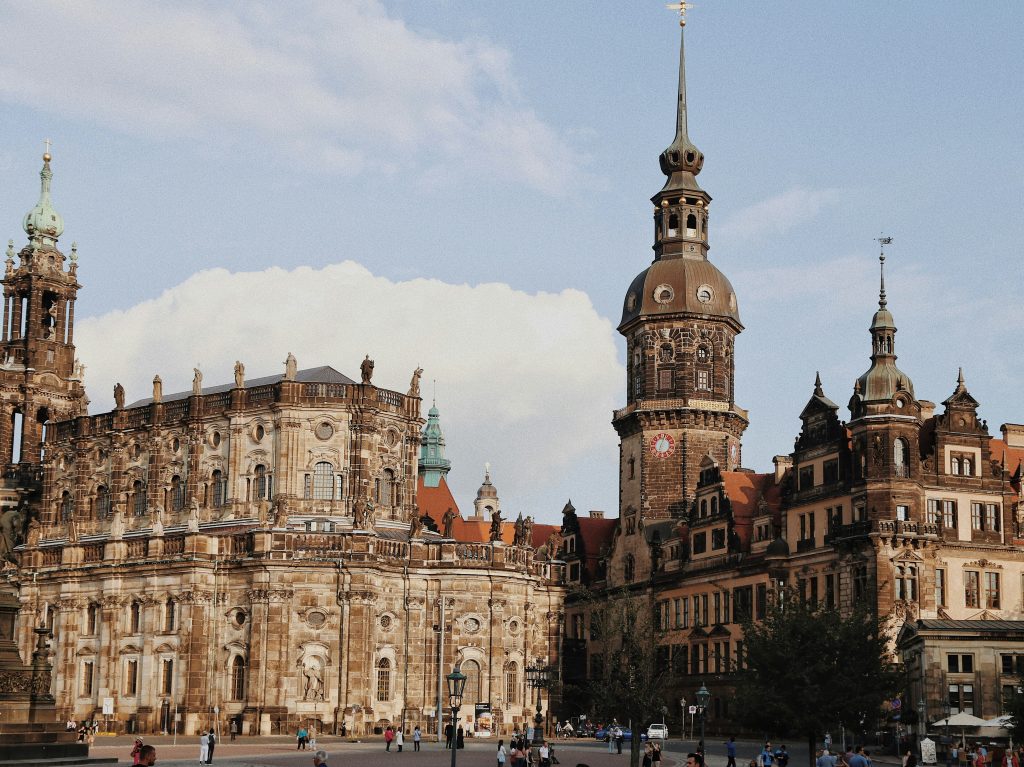
Dresden

Dresden

5 hostels

Rebuilt baroque centre and the gateway to Saxon Switzerland. Cheap, and often skipped.

Dresden is a beautiful historic city with so much stunning architecture and story, so much to see if the weathers good you can chill by the river or ride the Elbe-radweg by bike, or if you want more alternative vibes the neu-stadt is gonna be up your street so there’s such a great mixture of modern and old it’s in my eyes for a city has pretty much the perfect balance of all, definitely worth a visit!

A traveller, on Hostelworld
The Dresden guide
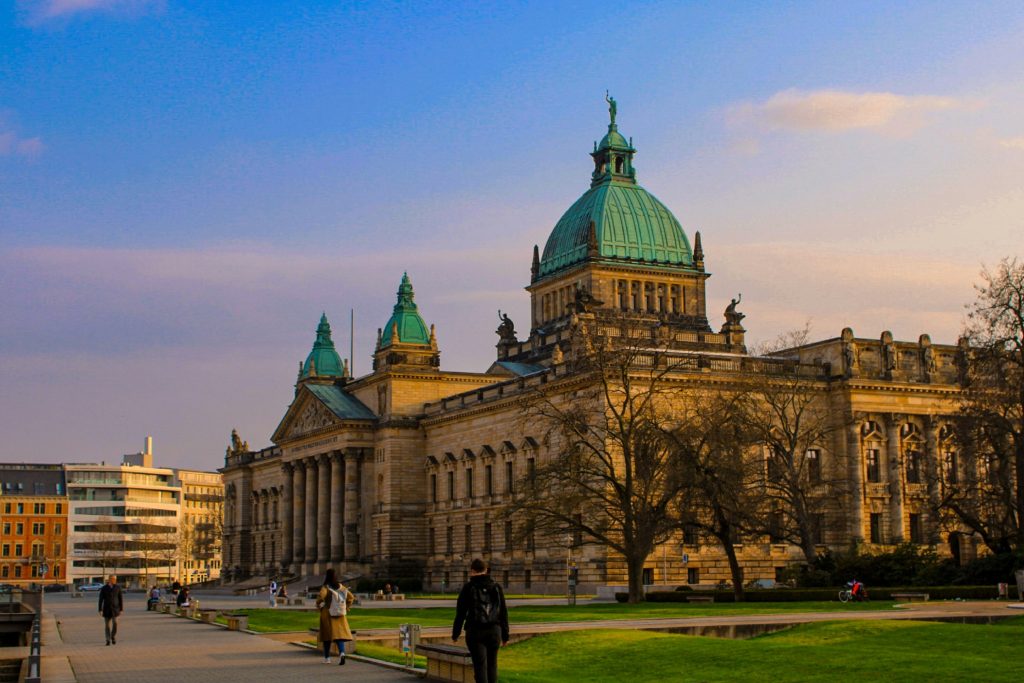
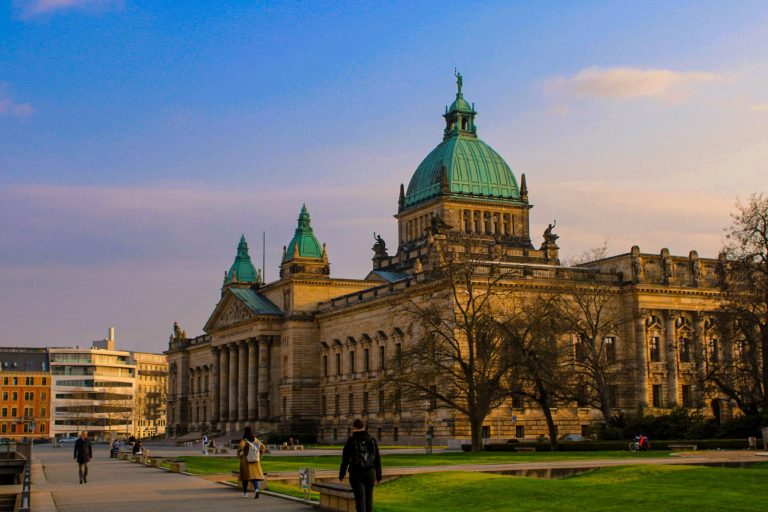
Leipzig

Leipzig

10 hostels

The city Berliners move to when Berlin gets expensive. Music, galleries, and lower prices.

A city that has a lot of music culture and stories. I'd stay for 2-3 nights to soak it in. The Christmas markets were pretty cool and budget friendly.

A traveller, on Hostelworld
The Leipzig guide
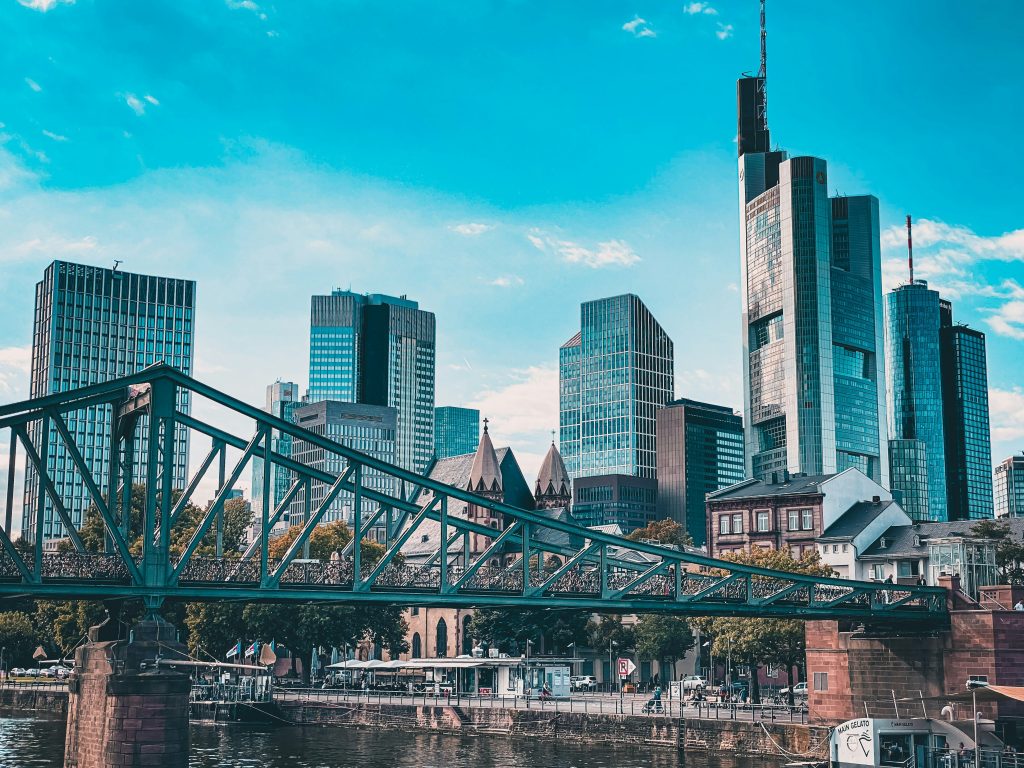
Frankfurt

Frankfurt

11 hostels

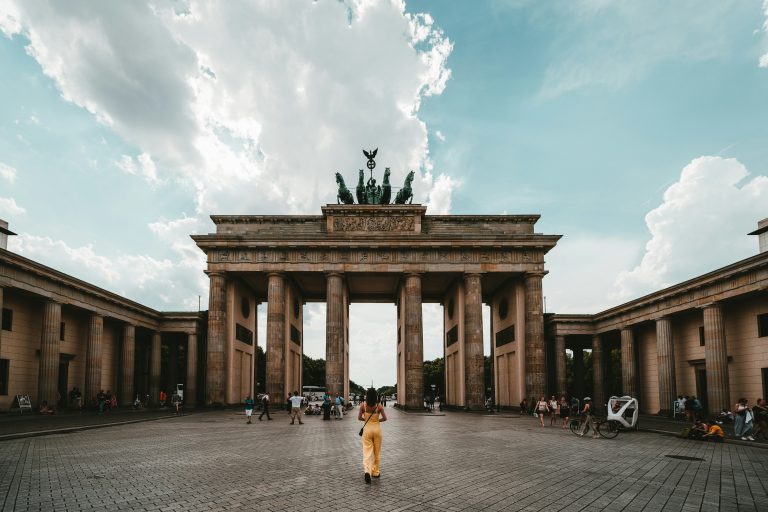
Banking towers over a rebuilt old town, the best transport links in the country, and a cider culture nobody expects.

Frankfurt is big. It has much to offer. I was s9lo traveling and had a few days before heading to Austria, my destination. I found much culture and sights to keep me busy all weekend. Easy to get around with all the S and U trains, trams, buses. Food, bars, life.

A traveller, on Hostelworld
The Frankfurt guide
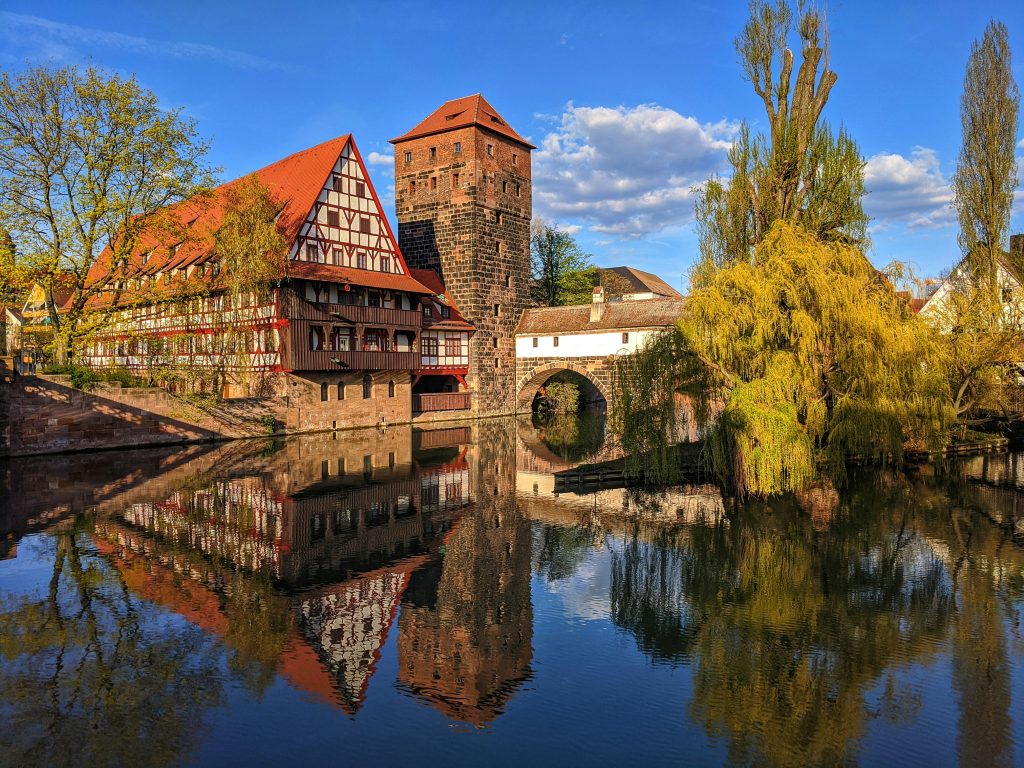
Nuremberg

Nuremberg

5 hostels

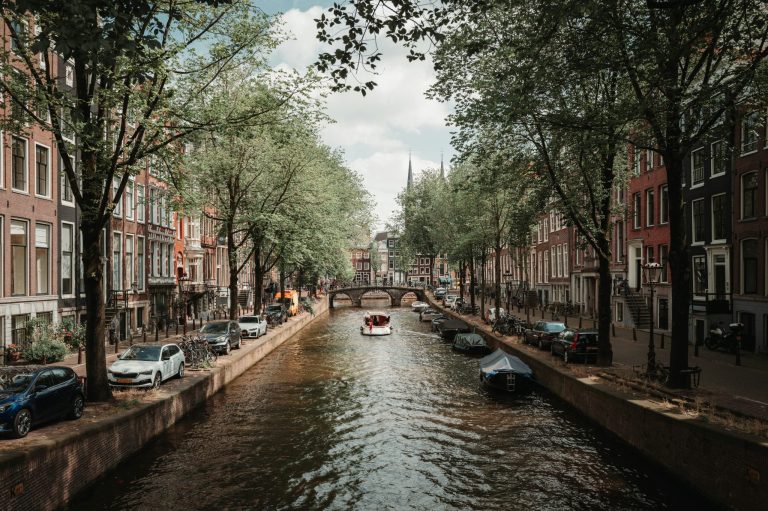
A reconstructed medieval core, Nazi rally grounds with an honest museum, and the most famous Christmas market in Germany.

We had a fantastic time (short stay) in Nuremberg with a mix of museums, city walks, great restaurants. Exceeded our expectations.

A traveller, on Hostelworld
The Nuremberg guide
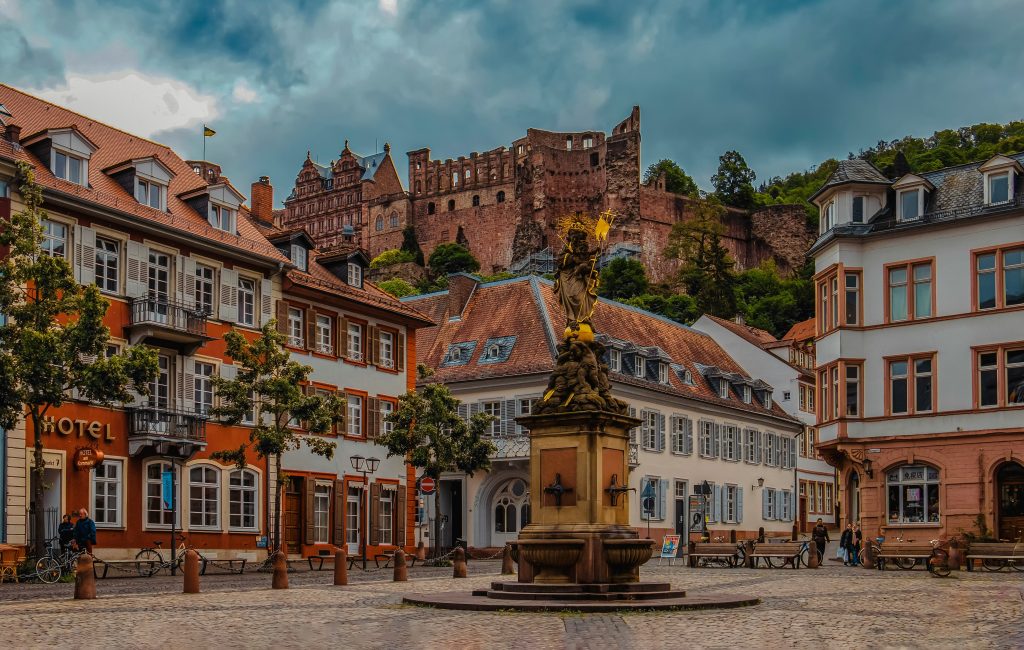
Heidelberg

Heidelberg

4 hostels

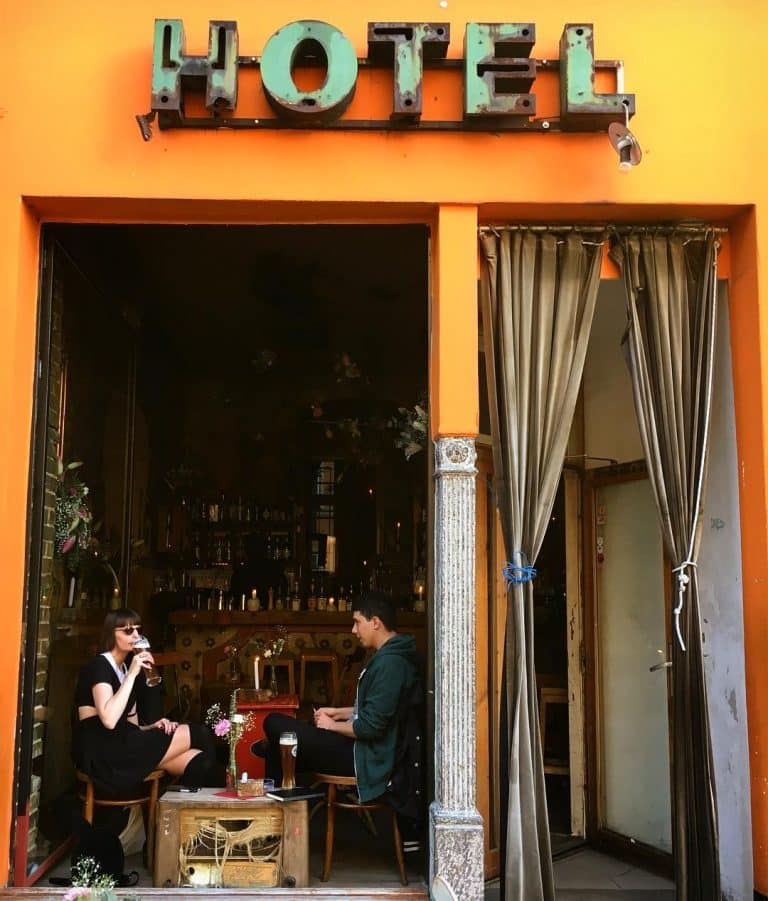
A castle above a river, the oldest university in the country, and the most photographed old town in the south.

Heidelburg is AMAZE!!!!!! One of my favourite places I've visited

A traveller, on Hostelworld
The Heidelberg guide
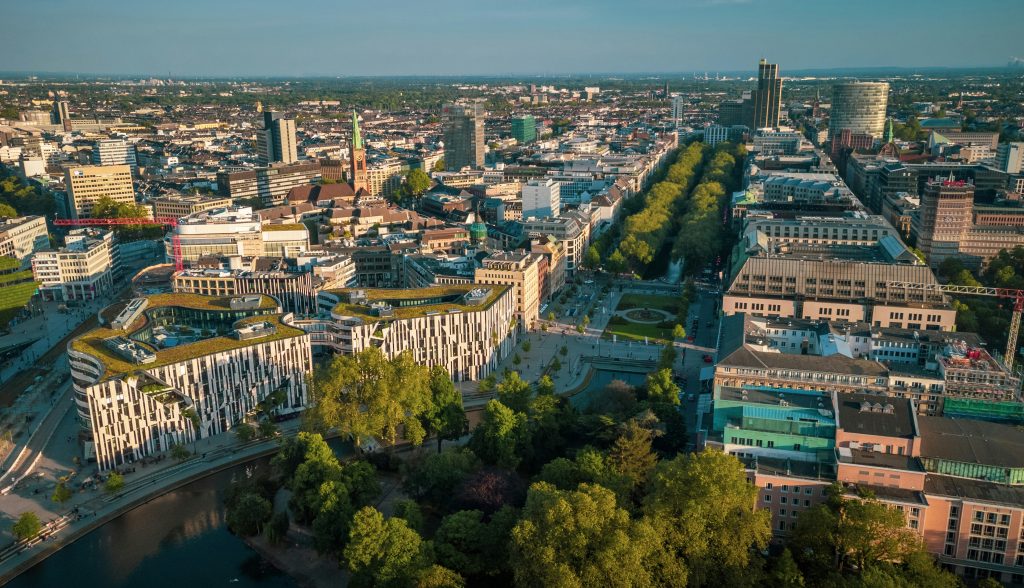
Düsseldorf

Düsseldorf

6 hostels

Altbier in the world's longest bar, Japanese food to rival Tokyo, and a rivalry with Cologne that is taken seriously.

Nice city, beautiful places to photograph, get around and stay quiet.

A traveller, on Hostelworld

The Düsseldorf guide
Stuttgart

Stuttgart

2 hostels

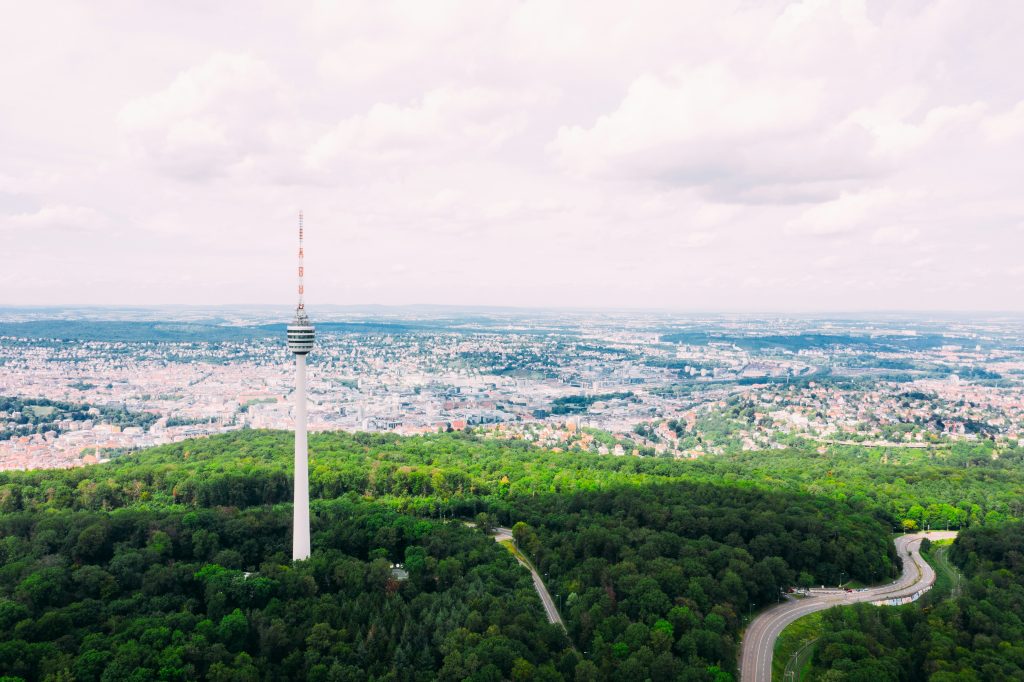
Car museums for Mercedes and Porsche, vineyards inside the city, and a wine festival bigger than you would expect.

Great place to stay for a short city break. Stuttgart has so much to see and do - whatever interests you - cars or culture.

A traveller, on Hostelworld
The Stuttgart guide
Freiburg

Freiburg

2 hostels

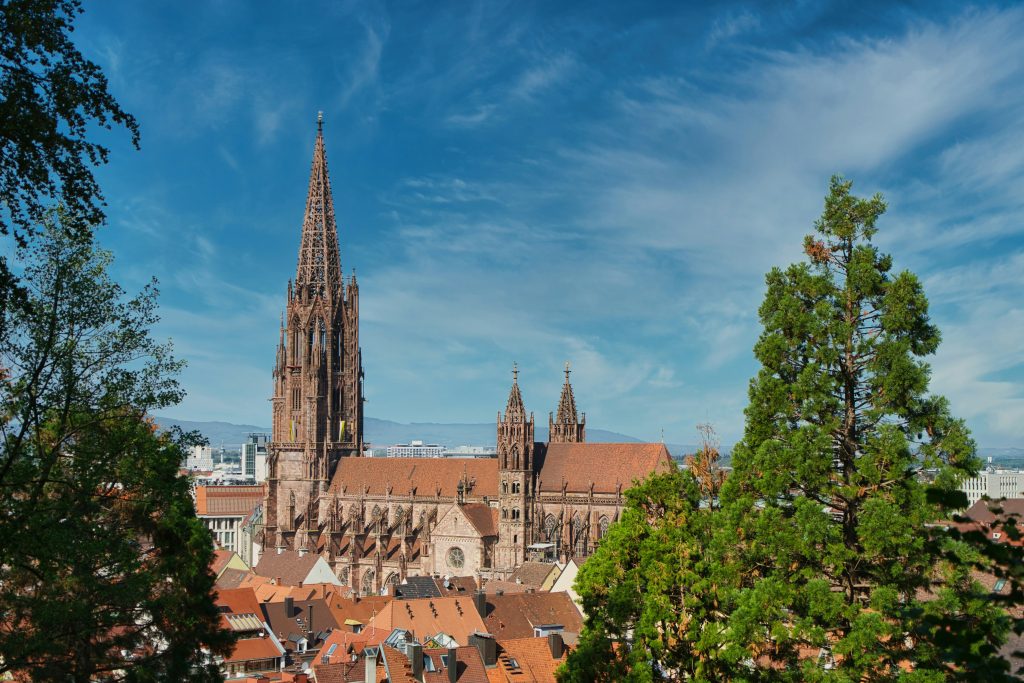
The sunniest city in Germany, on the edge of the Black Forest, with streams running along the streets.

The Freiburg guide

What kind of trip is this?

Germany is strongest on nightlife, history and the outdoors. Pick your week.

Things to do

Things to do in Germany

Berlin is the heavyweight and needs at least three days: Museum Island, the Wall memorial at Bernauer Strasse, the Topography of Terror and the Holocaust memorial are the serious core, and the city treats its own history with unusual directness.

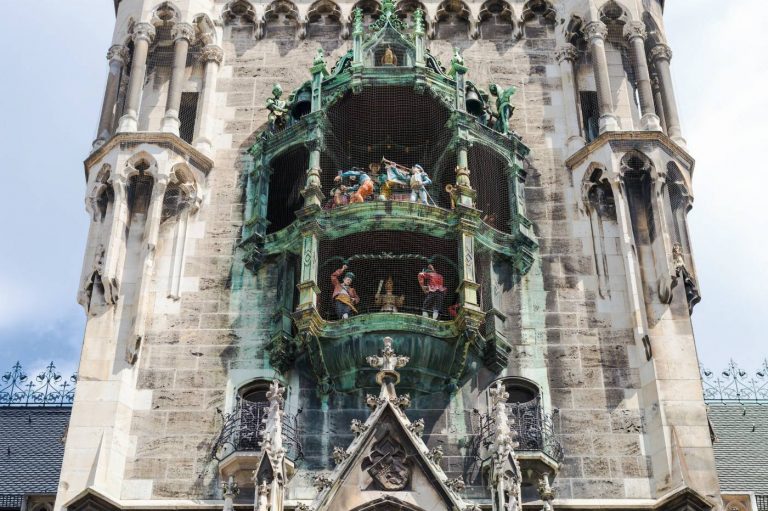
Munich's attraction is partly the city — the Residenz, the beer halls, the Englischer Garten with its river surfers — and partly what is an hour away: Neuschwanstein, the Alps, and Dachau, which most visitors find harder than they expect and should still see.

Outside the cities, the Rhine valley between Bingen and Koblenz, Saxon Switzerland's sandstone towers and the Black Forest all work as day trips by regional train, which is where the Deutschlandticket earns its money.

Food and drink

Eating and drinking in Germany

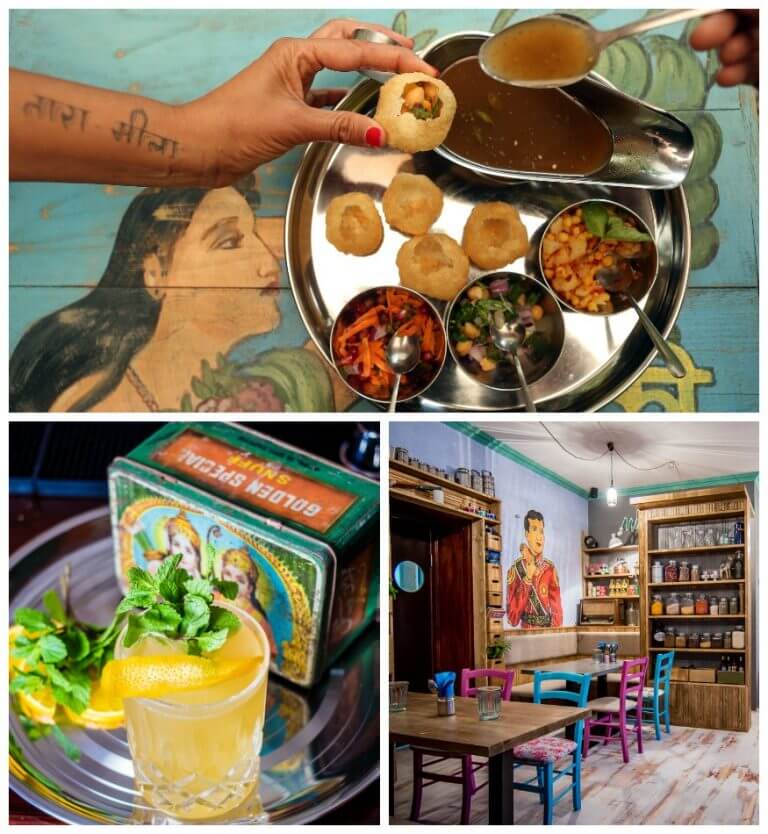
German food is better and more regional than its reputation: Bavarian roast pork and dumplings, northern fish rolls, Swabian pasta, Turkish cooking in Berlin that is arguably the city's real cuisine. The döner as it exists today was invented in Berlin, and a good one costs €6.

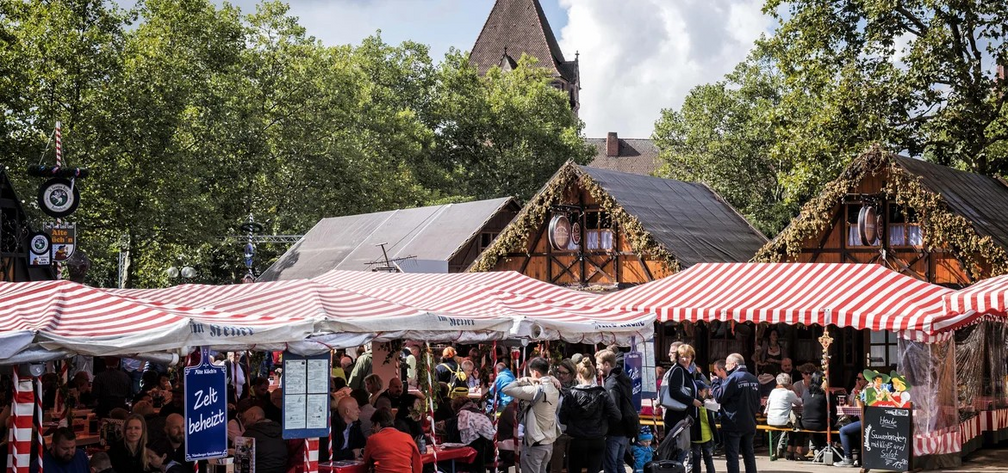
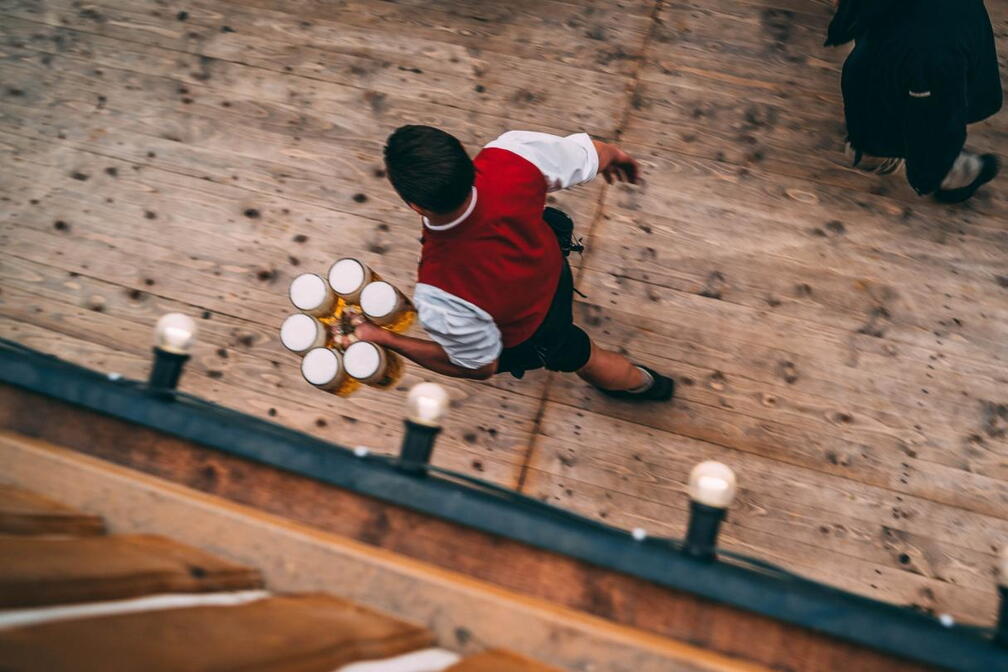
Beer is regional too, and taken seriously. Kölsch in Cologne comes in small glasses replaced automatically until you put the mat on top. Munich's beer gardens let you bring your own food as long as you buy the beer — a picnic and a litre is the cheapest good afternoon in the country.

Bakeries are the everyday answer. Breakfast is bread, cheese and cold cuts, lunch can be a €4 sandwich, and supermarkets are cheap enough that self-catering makes a real difference over a fortnight.

Nightlife

Going out in Germany

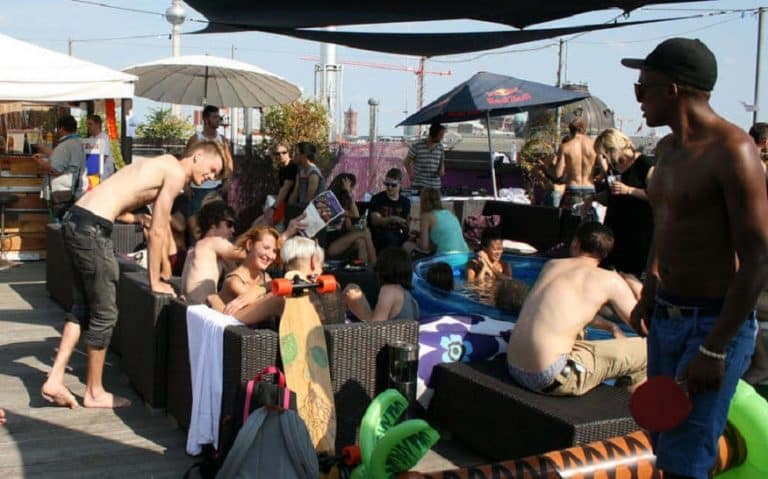
Berlin is the reason people fly here for a weekend. Clubs open on Friday and close on Monday, the door policy at the famous ones is genuinely selective, and the culture is no photos, no fuss, no closing time. Go late — arriving before two is arriving early.

Hamburg's Reeperbahn is the other big night, less techno and more live music. Cologne drinks Kölsch in traditional brewery taps. Leipzig and Dresden have the cheapest nights in the country.

Beer gardens are the summer alternative everywhere, open from midday, communal tables, and the closest thing Germany has to a national pastime.

Getting around

Getting around Germany

The Deutschlandticket is the single best transport deal in Europe: €63 a month for every regional train, bus, tram and U-Bahn in the country. It excludes the fast ICE services, so journeys take longer, but for anyone staying a few weeks it pays for itself almost immediately.

For speed, ICE trains connect the big cities — Berlin to Munich in four hours, Berlin to Hamburg in under two — and Sparpreis fares booked weeks ahead cost a third of the walk-up price. FlixBus, which is German, undercuts the train on most routes if time is not the priority.

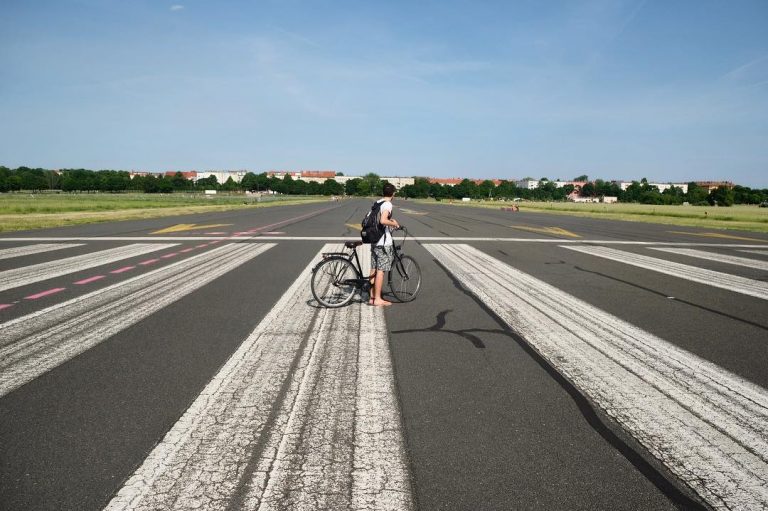
Cities are cycling cities. Bike lanes are taken seriously, and standing in one as a pedestrian will get you shouted at, entirely fairly.

Costs

What Germany costs

Germany is cheaper than France, Italy and the Netherlands, and Berlin is cheaper than any comparable capital in western Europe. Dorms start around €20, rising sharply in Munich during Oktoberfest and in Cologne during Carnival, when prices can triple.

Supermarkets are the lever. Aldi and Lidl are German, and self-catering plus a beer garden picnic keeps a day near €45. Eating out twice a day pushes it to €70.

Museums are modestly priced and often free on specific days, and the Deutschlandticket removes most transport cost for anyone staying longer than a fortnight.

Safety

Staying safe in Germany

Germany is a safe country and the cities feel it, including late at night. The usual pickpocket caution applies around main stations — Berlin Hauptbahnhof, Cologne and Frankfurt — and at Oktoberfest, where the combination of crowds and beer does the thieves' work for them.

Berlin's reputation for grit is mostly about scruffiness rather than danger. Kottbusser Tor and parts of Görlitzer Park have an open drug scene that looks alarming and is rarely directed at visitors, though walking through the park alone at night is not advised.

One practical thing: jaywalking is socially policed. Crossing on a red light with children present will get you told off, and it is not a joke.

Entry and documents

Entry and documents

Germany is in the Schengen area. EU citizens need an ID card only. UK, US, Canadian and Australian passport holders get 90 days in any 180 across the whole zone, counted across all member states rather than per country.

Passports need three months' validity beyond departure and must have been issued within the last ten years.

ETIAS, the EU's pre-travel authorisation, has been delayed several times, so check the official EU page rather than any article for its status. Germany also requires you to be able to identify yourself on request, which is why hostels take your passport at check-in.

When to go

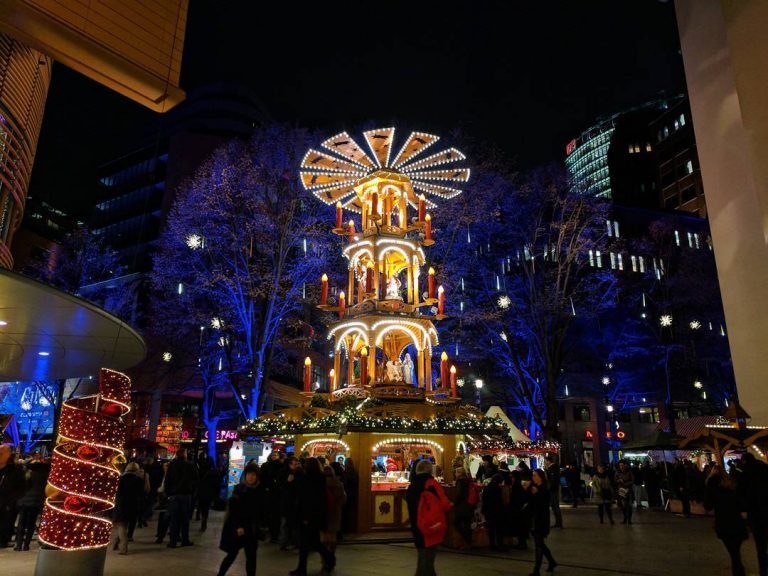
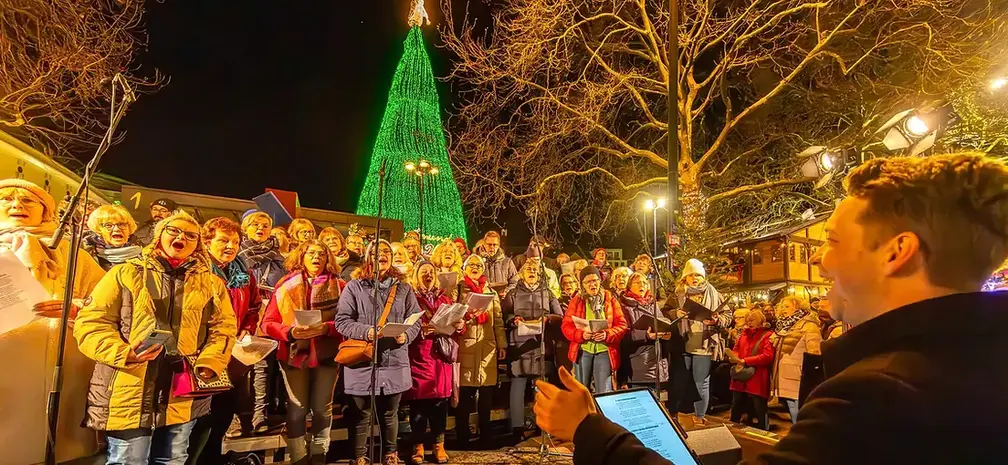
Germany is a summer country with a strong December exception. Winters are long and grey, but Christmas markets are the one thing worth booking cold weather for.

3°
Jan
Cold and cheap. Museums are empty
5°
Feb
Carnival closes Cologne for a week
9°
Mar
Grey and quiet, prices still low
14°
Apr
Unpredictable. Beer gardens start to open
19°
May
The best month. Long days, everything outdoors
22°
Jun
Warm and busy. Festival season starts
24°
Jul
Peak summer. Berlin empties slightly, lakes fill
24°
Aug
Hot for Germany, and the cities are quieter than the coast
19°
Sep
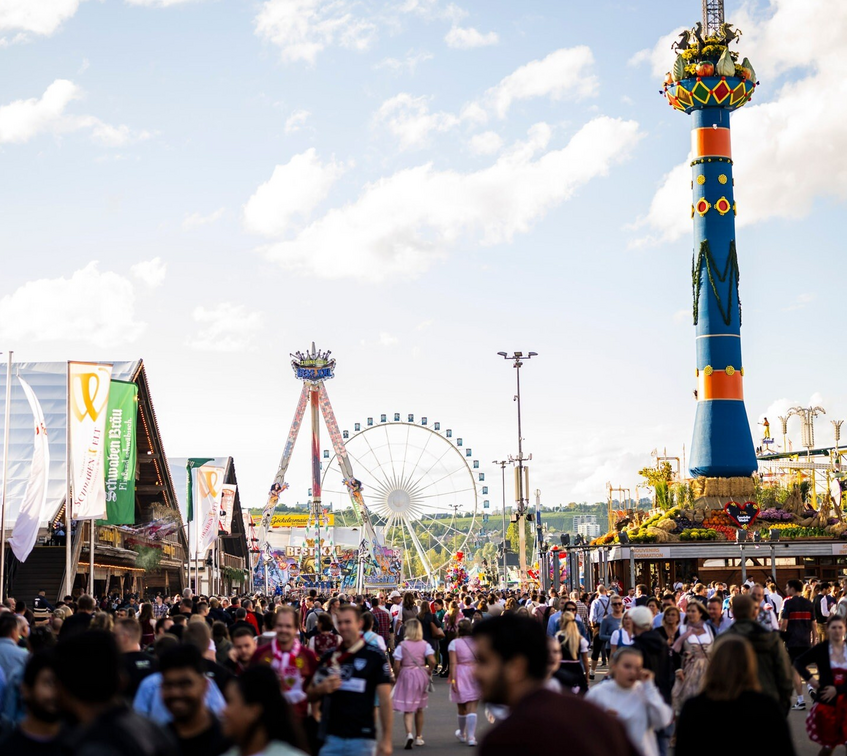
Oktoberfest makes Munich the most expensive city in Europe
14°
Oct
Cool and clear. Good value everywhere but Munich
8°
Nov
Grey, wet, cheapest month of the year
4°
Dec
Christmas markets from late November. Cold and worth it
Bar height is temperature. Colour is how busy it gets: quiet busy peak

Average highs for Berlin. Munich is colder in winter, the Rhineland milder. Oktoberfest runs mid-September to early October despite the name.

What your trip will cost

Pick how you travel and how long for. Per night, for one person, outside Oktoberfest and Carnival.

Excludes intercity travel. A Deutschlandticket at €63 covers a month of regional transport and replaces most of the transport line.

—
  • Beds—
  • Food and drink—
  • Getting around—
  • Doing things—
What's on

What is on while you are there

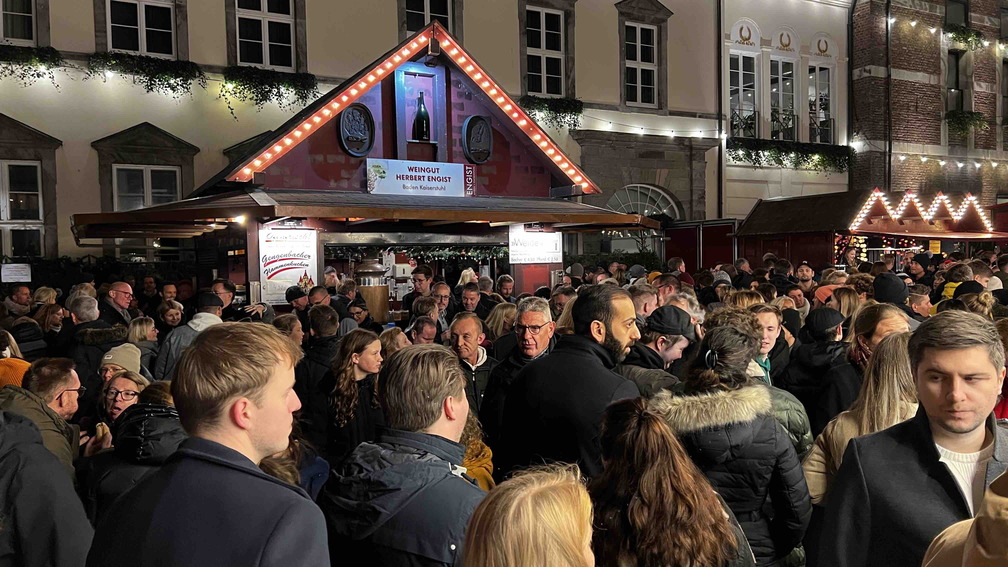
Two of these make their cities unaffordable for a fortnight. Plan around them in both directions.

Germany travel questions

The ones we get asked most.

How many days do you need in Germany?
A week covers two cities properly, and Berlin alone justifies three days. Ten days lets you add a third city and a day in the countryside, all by train.
Is Germany cheap?
Cheaper than France, Italy or the Netherlands, and Berlin is the cheapest major capital in western Europe. Dorms from €20 and a day around €45 to €65. Oktoberfest and Cologne Carnival are the two exceptions, when beds can triple.
What is the Deutschlandticket?
€63 a month for unlimited regional trains, buses, trams and U-Bahn across the whole country. It excludes fast ICE trains, so journeys take longer, but for any stay over a week it is the best transport deal in Europe.
When is Oktoberfest?
It starts in mid-September and runs to the first weekend of October — despite the name, most of it is in September. Munich beds sell out months ahead and prices triple, so book early or base yourself elsewhere.
Is Berlin safe at night?
Yes, and the city is busy at hours when others are not. Kottbusser Tor and Görlitzer Park have a visible drug scene that is rarely aimed at visitors, though the park alone at night is best avoided. Watch bags at the main stations.
Do I need cash in Germany?
More than anywhere else in western Europe. Many bars, bakeries, kiosks and clubs are cash only, and some hostels charge card fees. Carry €50 or so even if you normally pay by card.
Can I get into Berghain?
Possibly not, and nobody can improve your odds much. Go in a small group, late, sober enough to stand, dressed plainly in black, and do not photograph the queue. Berlin has dozens of clubs where the door is not the point.

Say yes to hostels, meet the world
Compare hostels across Germany — live prices, real reviews and free cancellation on most bookings. Then meet the people already there in the app.

Get the App. QRGet the App.
Get the App. QR  Get the App.
Scroll to Top