Old Town (Topanas)
First-timersThe Venetian lanes behind the harbour. Beautiful, busy and priced for it.

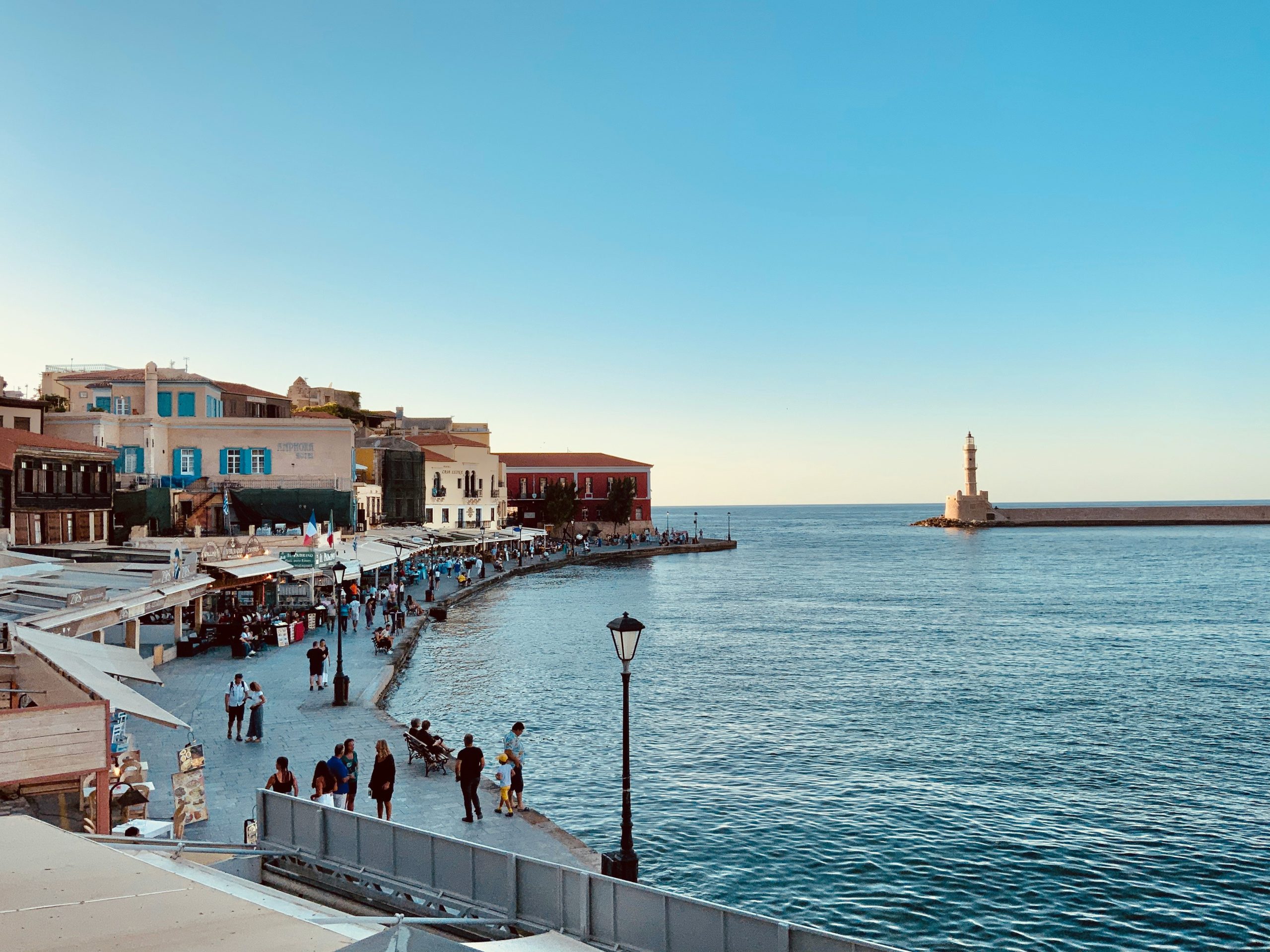
A Venetian harbour, an old town of Ottoman and Jewish lanes, and the wildest beaches in Crete within two hours. The prettiest town on the island and the gateway to its west.
Chania was the capital of Crete until 1971, and it looks the part. The Venetians built the harbour, the lighthouse and the sea walls; the Ottomans added the domed mosque on the waterfront and the minarets in the lanes behind it; and the old Jewish quarter, Evraiki, still has its synagogue.
The old town is small enough to cross in fifteen minutes and dense enough to get lost in for a day. Beyond it is a working modern city, and beyond that the White Mountains, which stay snow-capped into May.
Chania is the base for western Crete: the Samaria Gorge, the lagoon at Balos, the pink sand at Elafonissi and the long beach at Falasarna are all day trips from here. Three days is a good start, and a week with a car is better.
The old town is the place to be, and it is small. Staying just outside it is quieter and cheaper.
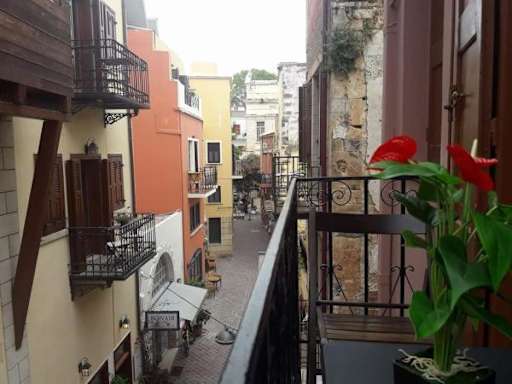
The Venetian lanes behind the harbour. Beautiful, busy and priced for it.
The old Turkish quarter around a plane-tree square. Local tavernas and bars.
East of the harbour along the water, with a small beach and cafés. Ten minutes' walk from everything.
West of the old town, with a sandy beach and fish tavernas. Quieter and cheaper.
The old consulate quarter to the east, with neoclassical houses and the new Archaeological Museum.
Orange labels are neighbourhoods, dots are the 5 top-rated hostels. Map © MapTiler © OpenStreetMap contributors.
Start at the harbour, early, before the day-trippers. Walk the breakwater out to the lighthouse for the view back at the town with the mountains behind it, then work inward through the lanes of the old town.
The Firkas fortress at the harbour mouth houses the Maritime Museum. Etz Hayyim, the restored synagogue in the old Jewish quarter, is small and moving. Topanas, behind the harbour, is the prettiest part of the old town; Splantzia, to the east, is the local square with the plane tree and the tavernas.
The Archaeological Museum is in a new building in Halepa, outside the old town, and is worth the walk for the Minoan finds from western Crete.
The big day out is the Samaria Gorge, sixteen kilometres downhill from the White Mountains to the Libyan Sea. It is open from May to October, costs €10, and needs an early bus from Chania and a boat and bus back. It is a full, long day, and the best walk in Greece.
The harbour and the lighthouse walk cost nothing and are the best thing in town. Go at sunrise, when the harbour is empty, or at sunset.
The old town lanes, the Splantzia square and the Venetian walls along the eastern edge are free to wander. The knife-makers' street, Sifaka, still has workshops making the traditional Cretan knives.
Koum Kapi, a short walk east of the harbour, has a small town beach and a waterfront of cafés. Nea Chora, to the west, has a longer sandy beach and fish tavernas.
State museums and sites are free on the first Sunday of the month from November to March.
Cretan food is its own cuisine, and Chania does it well. Dakos — barley rusk topped with tomato, mizithra cheese and olive oil — is the standard starter. Kalitsounia are small cheese pies, boureki is a Chania bake of courgette, potato and cheese, and staka is a rich butter-cream you eat with bread or eggs.
The harbour restaurants charge for the view. Walk two streets back into the old town, or out to Splantzia or Nea Chora, and a full meal with wine is €15 to €20.
At the end of a meal, a small carafe of raki, called tsikoudia here, arrives with fruit or a dessert, free. It is a custom, not a sales tactic.
Chania bougatsa is different from the rest of Greece: filled with sweet-salty mizithra cheese and sprinkled with sugar. Have it for breakfast.
Chania is a lively town rather than a party one. The harbour fills with bars and cocktails at sunset, at harbour prices.
The better nights are behind it: the rakadika, raki bars where a carafe comes with small plates of mezze, and the bars in the lanes around Splantzia and the old Jewish quarter, where locals drink. Live Cretan music, with the lyra and laouto, turns up in some of them.
For clubs and bigger nights, locals head along the coast to Platanias and Agia Marina, twenty minutes west.
A beer is €4 to €6 away from the harbour front.
The old town is walkable and mostly pedestrian. The KTEL bus station is a few minutes south of it, with buses along the north coast to Heraklion and Rethymno, and seasonal routes to Omalos for Samaria, to Falasarna and to Elafonissi.
The airport is on the Akrotiri peninsula, about fifteen kilometres out. A KTEL bus connects it to the bus station, and taxis are the easy option with luggage. Ferries from Piraeus dock at Souda, a short bus ride away.
For western Crete, hire a car. The buses reach the big beaches but the timetables are thin, and a car turns Balos, Falasarna and the villages of the White Mountains into easy days. The road to Balos is a rough dirt track, and many rental policies do not cover it; the boat from Kissamos is the alternative.
Chania to Heraklion is roughly two and a half to three hours by bus.
Chania is mid-priced for Greece and cheaper than the Cyclades. Dorms are typically €18 to €35, depending on the season, a taverna meal €15 to €20, and a gyros under €5.
A careful day is €45 to €60. The things that add up are harbour-front restaurants and bars, boat trips to Balos, and car hire, which is worth sharing.
The free raki at the end of meals, the free beaches and the cheap bus to the gorge are the structural savings. Outside July and August, prices drop sharply.
Chania is very safe, with little crime beyond the occasional pickpocket in the summer crowds at the harbour.
The risks are outdoors. The Samaria Gorge is long, rocky and hot, and people are rescued from it every year; start early, carry water, and wear proper shoes. The gorge closes on days of heavy rain or extreme heat.
The west-coast beaches, especially Falasarna, can have strong currents when the wind is up. Swim where others are swimming.
Driving in Crete needs care: narrow mountain roads, goats, and local drivers who overtake on bends. Scooters are the most common cause of traveller injury on the island. Emergency number is 112.
Western Crete has the island's best beaches and its best walk. All of these are easier with a car.
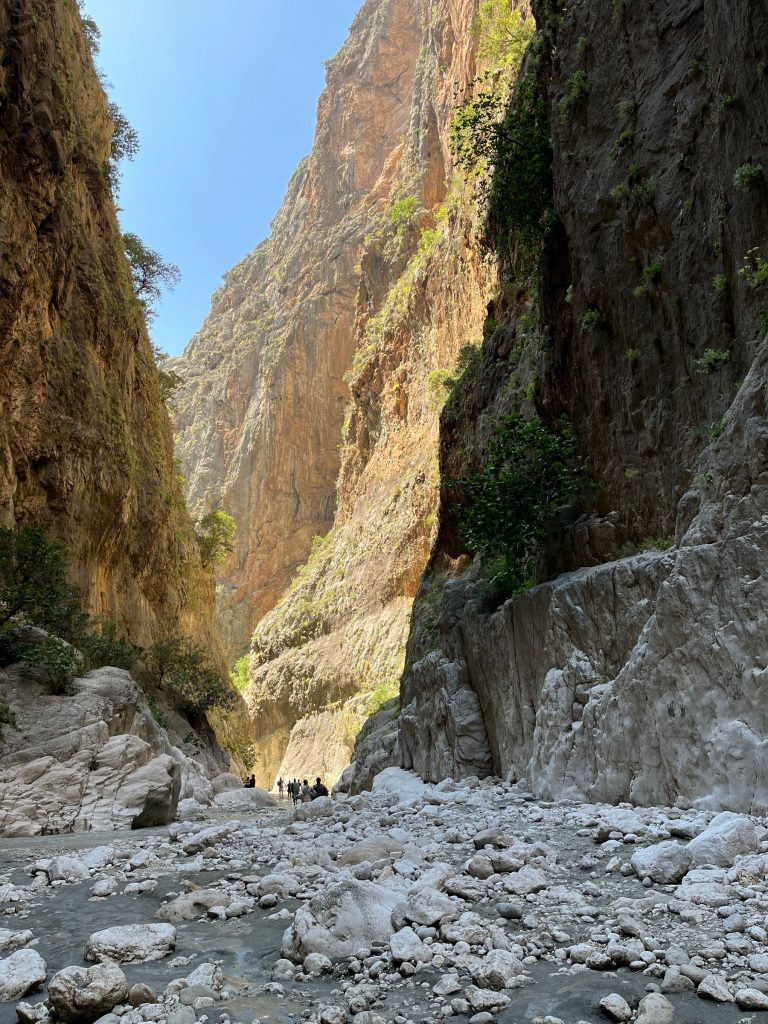
Sixteen kilometres downhill from the mountains to the sea, through the Iron Gates. The best walk in Greece. €10, May to October.
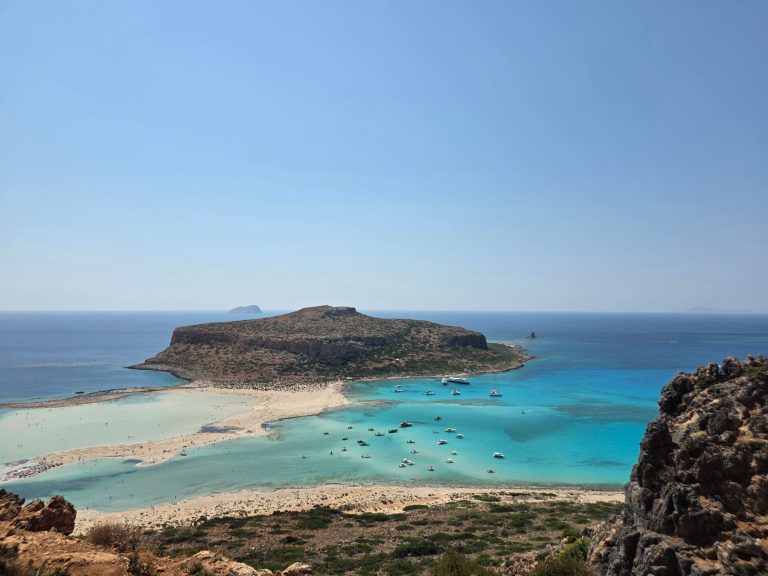
A shallow turquoise lagoon under a headland, and the most photographed beach in Crete. Go early or late.
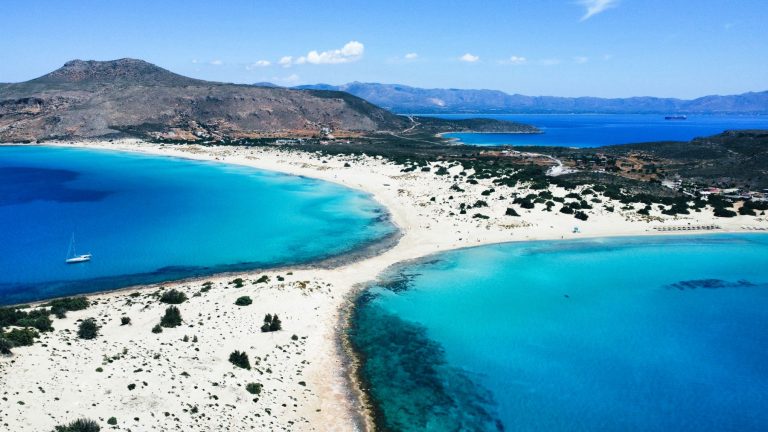
Pink-tinged sand and a shallow lagoon you can wade across to the islet. Protected, and busy in summer.
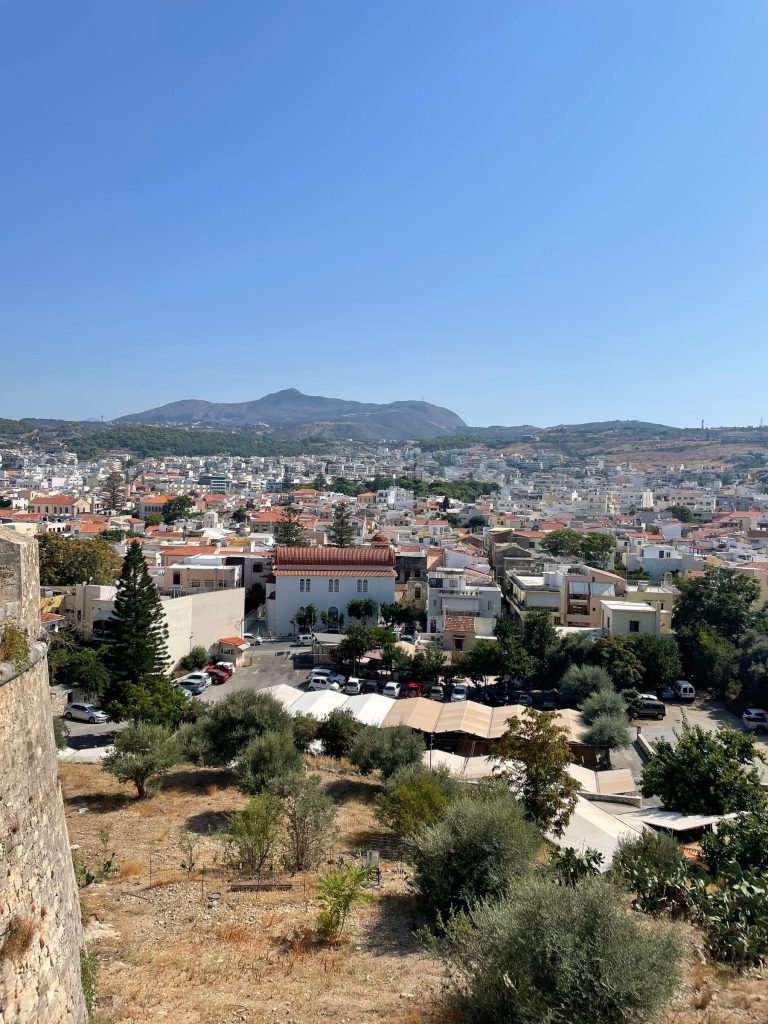
A smaller Venetian town with a huge fortress and an old town full of Ottoman wooden balconies.
Easter and the summer village festivals are the ones to catch. The rest are local and all the better for it.
 Staff pick
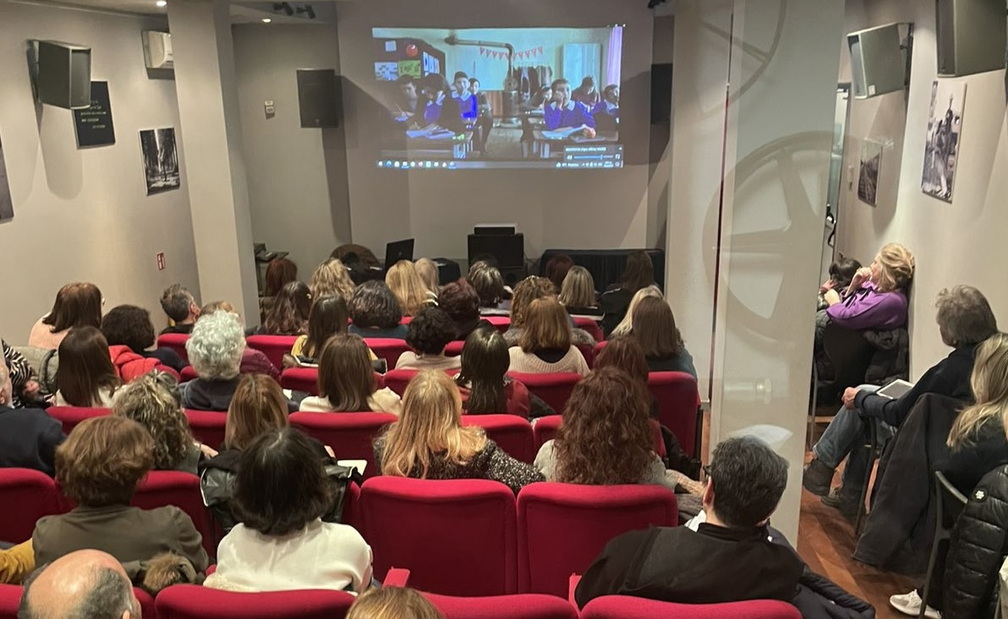
The Chania Film Festival in Chania, Crete, Greece, is an internationally recognized celebration of cinema that brings together filmmakers and audiences from Greece and…
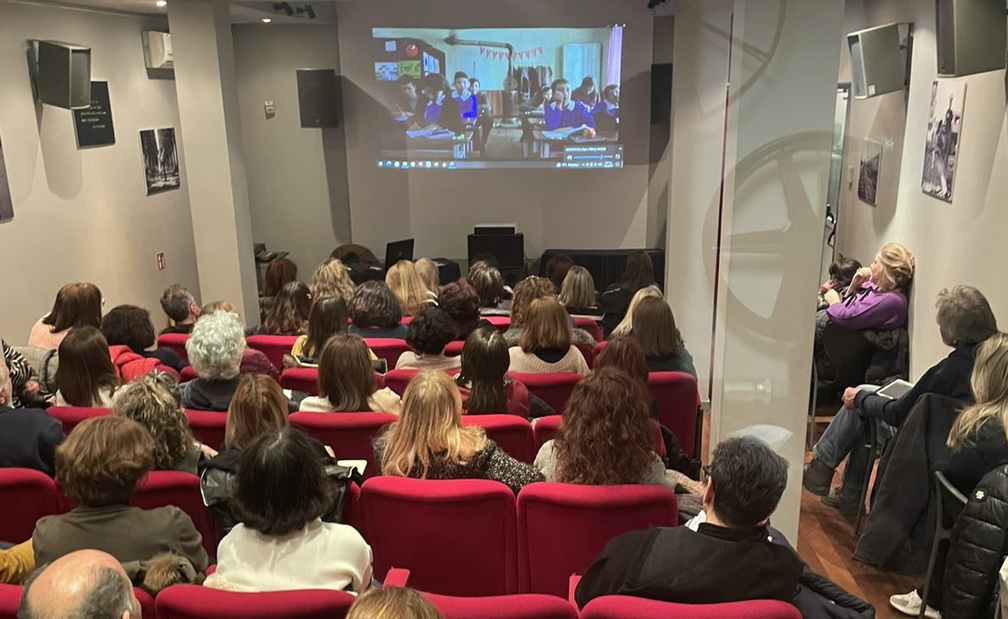
The 13th Chania Film Festival is an international event held annually in the last week of October. It brings together fiction, documentary, and animation…
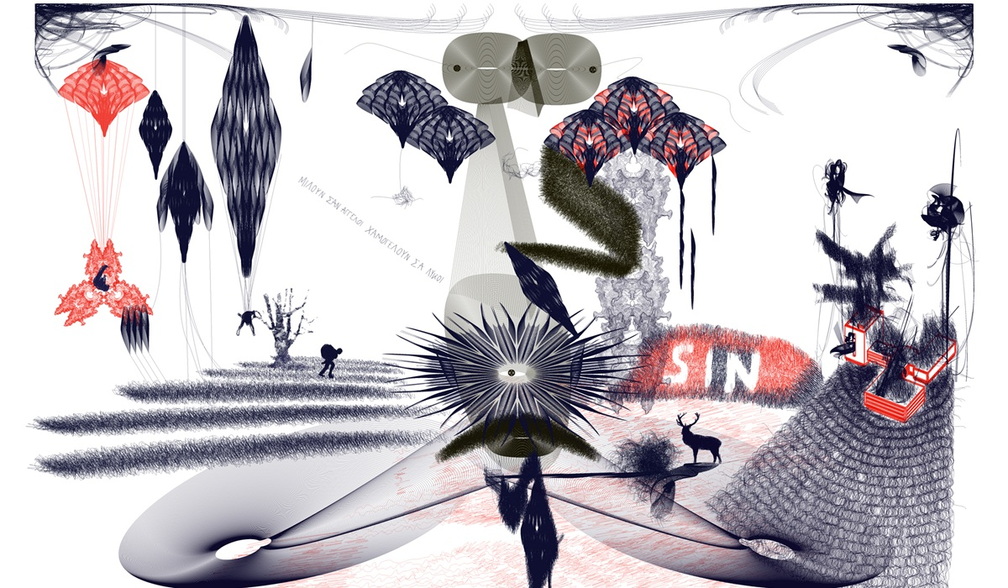
The exhibition I only risked uncontrolled thoughts offers a fresh reading of Alexandros Psychoulis' 40-year career, showcasing over 150 pieces including paintings, installations, animations,…

A man wrestles with the aftermath of a traumatic relationship in this speech-performance by Nikolas Smyrnakis, creator of the philosophy of Man on the…
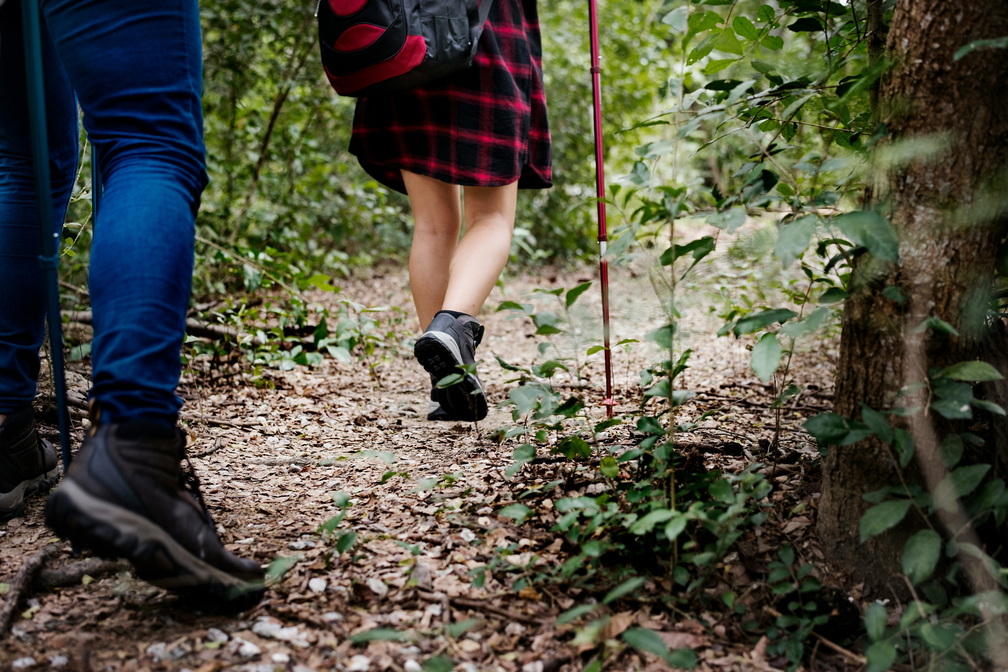
A guided hiking experience through the inland trails of Chania, this journey takes you beyond typical tourist routes into the authentic heart of western…

A poolside takeover brings together a live evening DJ set, colorful floats drifting across the water, and a celebratory atmosphere at this Chania hotel.…

A duo of live vocals and violin fills the air at this coastal restaurant, offering a refined soundtrack for your evening by the sea.…
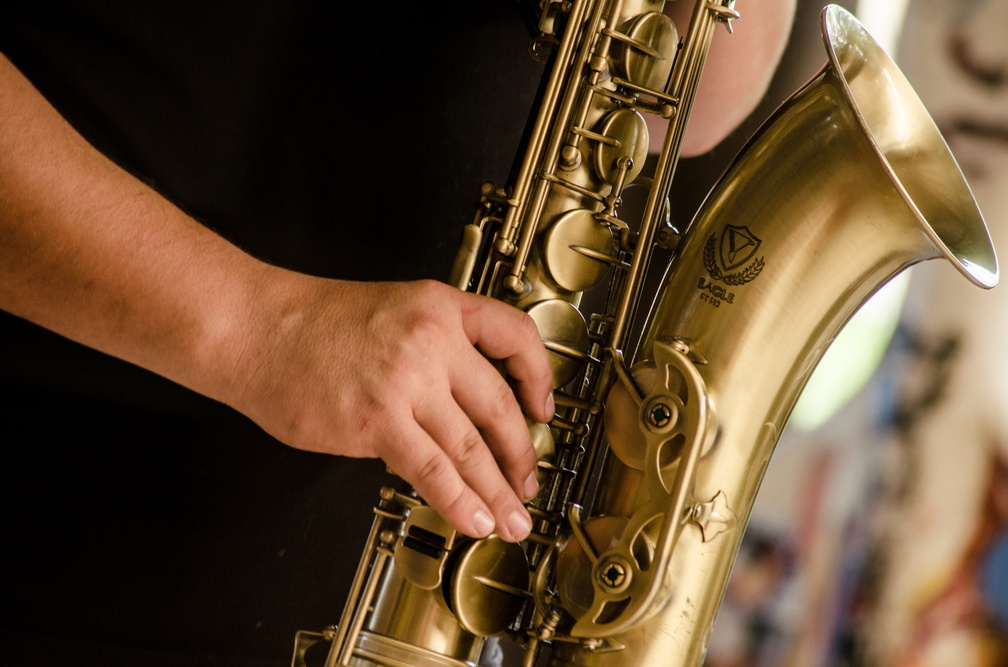
Smooth saxophone melodies drift through Topos Restaurant, creating an atmosphere made for lingering over dinner and good conversation. The music pairs naturally with craft…
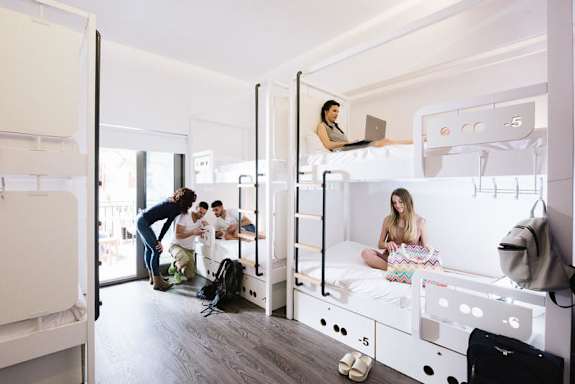
Chania has a handful of hostels, most in or next to the old town. Book early for summer. These are the top-rated right now, live from Hostelworld.
Chania has a long season. May, June, September and October are ideal, and the sea stays warm into November.
Average highs. Crete is warmer than the mainland in winter, and the White Mountains keep snow into spring.
Pick how you travel. Per person per night, in euros.
Transport assumes local buses. Car hire, shared between two, adds about €20 to €30 a day each in summer.
The ones we get asked most.

Compare Chania hostels — live prices, real reviews and free cancellation on most bookings. Then meet the people already there in the app.

 Get the App.
 Get the App.