Kosovo
Kosovo country guide

Things To Do In Kosovo

Europe's youngest country, its youngest population, and its cheapest prices. Ottoman towns, mountains shared with Albania and Montenegro, and almost no other visitors.

€10
Dorm bed, from
2008
Declared independence
€1.50
A macchiato, taken seriously
50%
Of the population under 30

The newest country in Europe

Kosovo declared independence in 2008 and is recognised by most but not all of the world, which is the first thing to understand and the reason it stays off most itineraries. It is also entirely straightforward to travel in, extremely cheap, and full of people under thirty who will want to talk to you.

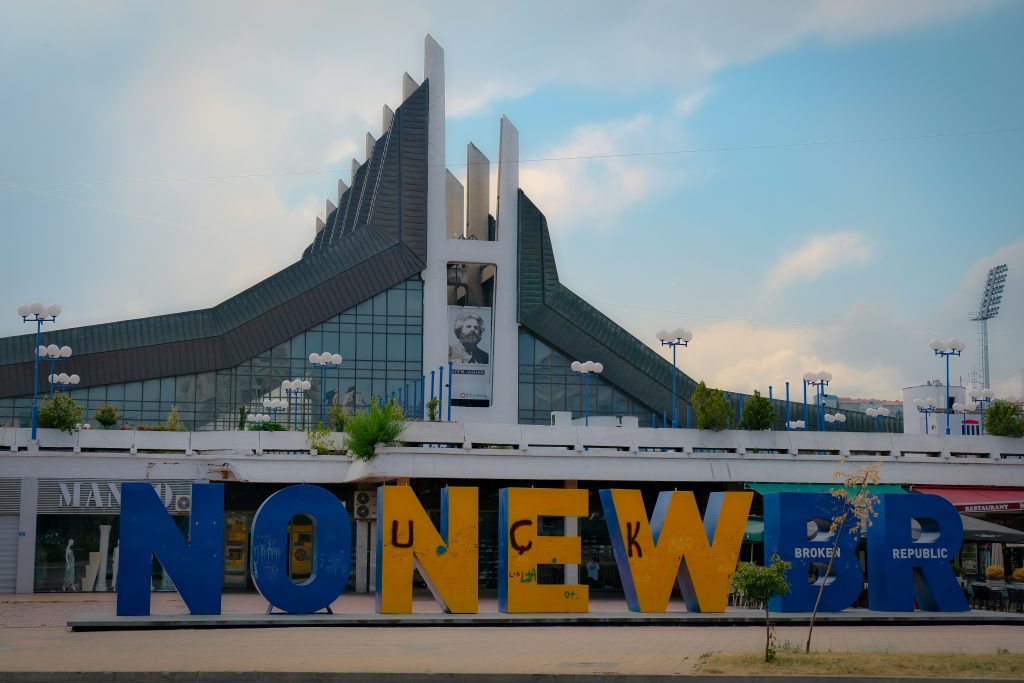
Pristina is the capital and it is not beautiful: Yugoslav concrete, a library so unusual it makes lists of the world's ugliest buildings, and a boulevard named after Bill Clinton with a statue to match. What it has is café culture taken as seriously as anywhere in Europe, and a young population that fills the bars every night of the week.

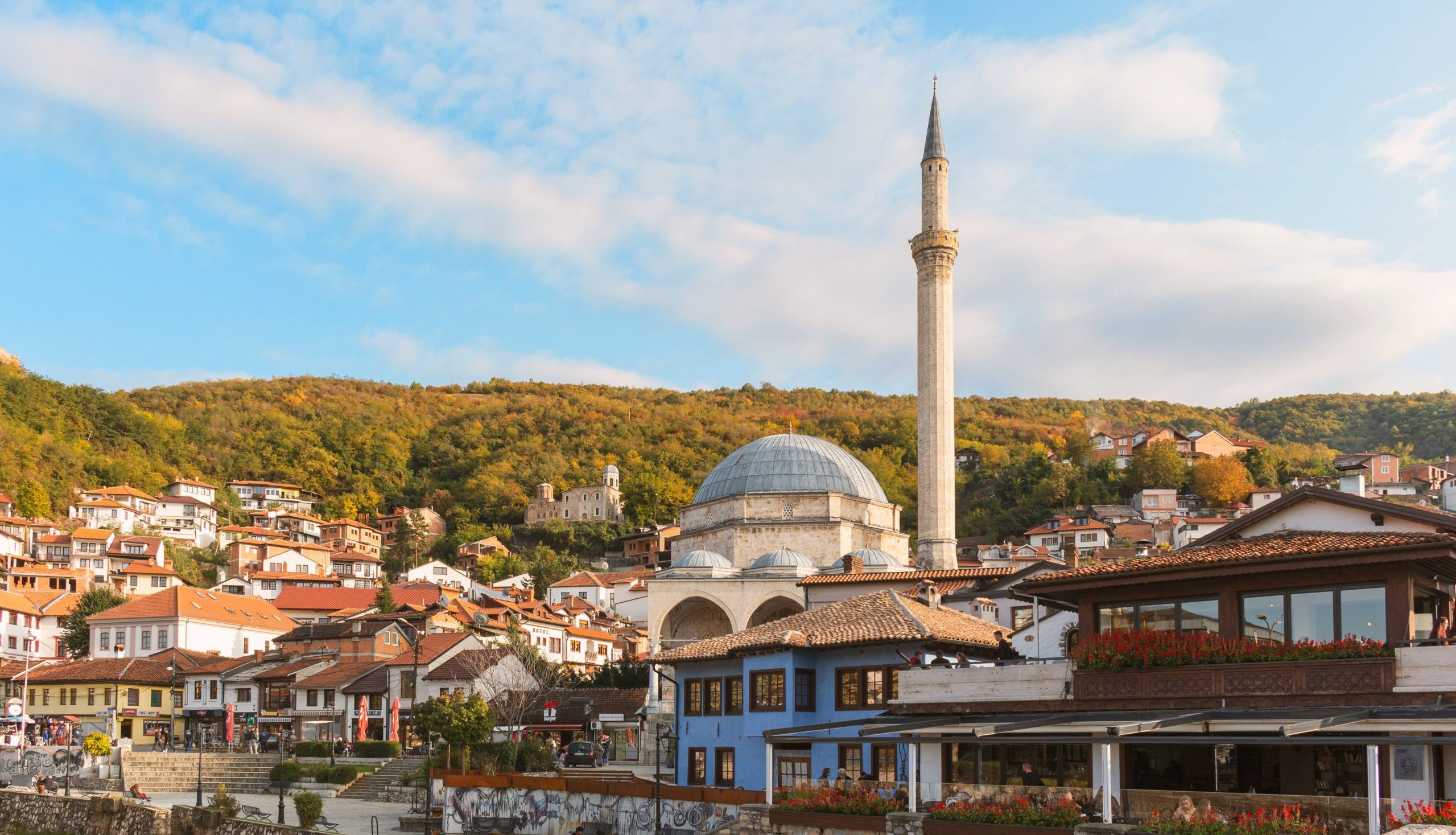
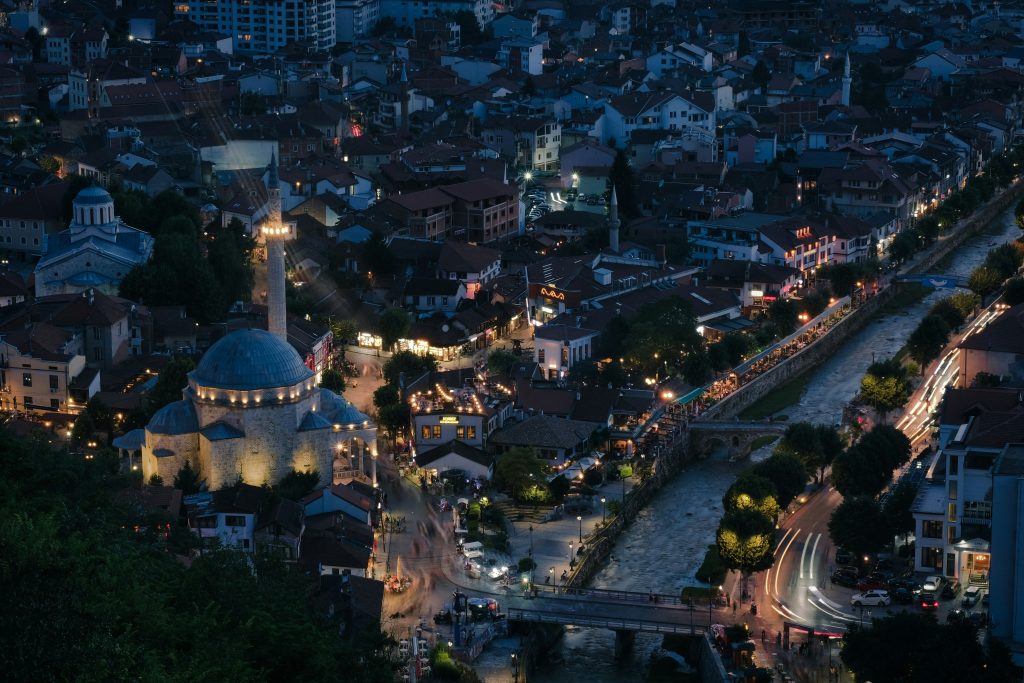
Prizren is the country's pretty face — an Ottoman town under a fortress with a river running through it and a mosque, an Orthodox church and a Catholic cathedral within a few hundred metres. The Rugova mountains in the west are the other half, shared with Albania and Montenegro and crossed by the Peaks of the Balkans trail.

Where to go

The country is small, buses are cheap, and nothing is more than two hours from the capital.

Pristina

Pristina

10 hostels · dorms from €9

The capital: brutalist architecture, serious coffee culture and Europe's youngest population.

Pristina is a hidden treasure. Most people don't even know exists, which makes it a well kept secret right now from most tourists. Alas, you will have to explore it to find all of its diamonds. The nightlife is unreal and there are numerous good eats around the town square. The country may appear to be squalid in some areas, but remember they are still building. 50% of the population is under 35. Yes, you read that correctly. I only stayed one day, but I highly recommend!

A traveller, on Hostelworld
The Pristina guide
Prizren

Prizren

3 hostels · dorms from €8

The most beautiful town in the country, Ottoman, under a fortress, with three religions on one street.

After a few days in Pristina I found Prizren warm, interesting and lovely. The river, bridges, small streets, squares and coffee shops make for a chilled few days.

A traveller, on Hostelworld
The Prizren guide

What kind of trip is this?

Kosovo is a mountain country with two good towns and prices that are hard to believe.

Adventure in Kosovo

The Peaks of the Balkans trail and the Rugova canyon.

What to do

  • Walk a stage of the Peaks of the Balkans
  • Via ferrata in Rugova
  • Ski at Brezovica

Spots to visit

  • Rugova canyon
  • Šar mountains
  • Peaks of the Balkans

Best cities for it

Things to do

Things to do in Kosovo

Prizren is the one unmissable town. The fortress above it gives the view down over minarets and red roofs, the Ottoman bridge and the old town are small enough to cover in an afternoon, and the mix of mosques, an Orthodox church and a Catholic cathedral in a few hundred metres explains more about the region than most museums.

Pristina is about atmosphere rather than sights. The National Library is genuinely extraordinary — a concrete and metal structure covered in domes that regularly appears on lists of the world's strangest buildings — and the Newborn monument, repainted each year since independence, is the country's own comment on itself.

In the west, Peja is the gateway to the Rugova canyon and the Peaks of the Balkans, a 192km trail circling through Kosovo, Albania and Montenegro with village guesthouses along it. Visoki Dečani monastery nearby is UNESCO-listed and NATO-guarded, which tells its own story.

Food and drink

Eating in Kosovo

Coffee is the national institution. A macchiato costs €1 to €1.50, takes an hour, and the social life of the country happens over it — cafés are full at every hour of the working day and nobody finds that odd.

Food is Balkan and Ottoman: qebapa, pite, stuffed peppers and grilled meat, with a full meal at a qebaptore costing €4 to €7. Flija is the dish worth seeking out — a layered pancake cooked slowly under a lid, traditionally made outdoors and served with cream.

Portions are large, prices are the lowest in Europe, and the hospitality means you will be offered more than you ordered.

Nightlife

Going out in Kosovo

Half the population is under thirty and Pristina behaves accordingly. Bars around the centre and Rruga UÇK fill every night of the week, drinks are €1.50 to €3, and the crowd is young, curious and very willing to talk to foreigners.

Prizren is quieter but its riverside terraces in summer are among the most pleasant places to sit in the Balkans, particularly during the Dokufest film festival in August, when the whole town becomes a venue.

There is a growing electronic scene in Pristina, and the country produces a disproportionate number of internationally known artists for its size.

Getting around

Getting around Kosovo

Buses are cheap and frequent: Pristina to Prizren is under two hours and about €4, Pristina to Peja similar. International buses run to Skopje, Tirana, Podgorica and Belgrade, though the Serbian route has its own considerations.

The border sequence matters. Serbia does not recognise Kosovo's independence or its border posts. Entering Kosovo from Serbia and leaving to a third country is usually fine, though Serbia may query it the next time you enter. Entering Kosovo from Albania, North Macedonia or Montenegro and then trying to cross straight into Serbia can be refused, because Serbia treats it as illegal entry. The simplest plans enter and leave Kosovo on the same side, or visit Serbia first.

Taxis are cheap and metered in Pristina. A car helps for the mountains.

Costs

What Kosovo costs

Kosovo is the cheapest country in Europe that uses the euro. Dorms start around €10, a full meal at a grill house is €4 to €7, a coffee is €1 to €1.50, and a cross-country bus is €4.

A full day including a bed, three meals, coffee, transport and a drink comes to €25 to €35 without economising.

The euro is used unilaterally, so there is no exchange to worry about. Cards work in Pristina and Prizren; carry cash elsewhere and for the mountains.

Safety

Staying safe in Kosovo

Kosovo is safe for travellers and the reputation abroad lags well behind the reality. Crime against visitors is rare, Pristina and Prizren are comfortable at night, and the welcome towards foreigners is genuine and often insistent.

The exception is the north, around Mitrovica and the Serb-majority municipalities, where tensions flare periodically and there have been incidents. Check current advice before going, and treat the divided bridge in Mitrovica as a place to be respectful rather than to photograph freely.

Unexploded ordnance from 1999 exists in a few marked rural areas. Stay on paths and roads in the countryside, particularly near the Serbian border.

Entry and documents

Entry and documents

Kosovo is not in the EU or Schengen, though it uses the euro. Time here does not count against the 90-day Schengen allowance.

EU, UK, US, Canadian and Australian citizens enter visa-free for 90 days in a 180-day period. Passports should be valid for the stay.

The complication is Serbia, which does not recognise Kosovo's independence and treats its border posts as illegal entry points. Entering Kosovo from Serbia and then exiting to a third country is usually fine; entering Kosovo from Albania or North Macedonia and then trying to enter Serbia directly can be refused. Plan the sequence, or ask at the border in advance.

When to go

Spring and early autumn are best. The mountains open from June and the Peaks of the Balkans trail runs roughly mid-June to early October.

4°
Jan
Cold, with skiing at Brezovica
7°
Feb
Quiet and very cheap
12°
Mar
Thawing. Few visitors
17°
Apr
Spring. Green and pleasant
22°
May
Excellent. Everything open, nothing busy
26°
Jun
The best month. Mountain trails opening
29°
Jul
Hot. Peaks of the Balkans in full season
29°
Aug
Dokufest fills Prizren, and the diaspora comes home
24°
Sep
Superb. Warm, quiet, trails still open
18°
Oct
Autumn colour in Rugova. Very good value
11°
Nov
Wet and cheap
5°
Dec
Cold, with the ski season starting
Bar height is temperature. Colour is how busy it gets: quiet busy peak

Average highs for Pristina. The Rugova and Šar mountains are considerably colder, and the Peaks of the Balkans trail is generally walkable mid-June to early October.

What your trip will cost

Pick how you travel and how long for. Per night, for one person, at Kosovan prices.

Guided sections of the Peaks of the Balkans and mountain guesthouses at €25–35 with dinner are the main extras.

—
  • Beds—
  • Food and drink—
  • Getting around—
  • Doing things—
What's on

What is on while you are there

Dokufest is the one to plan around, and it turns a small town into a cinema.

Kosovo travel questions

The ones we get asked most.

Is Kosovo safe to visit?
Yes for ordinary travel. Crime against visitors is rare and Pristina and Prizren are comfortable at night. The north around Mitrovica sees periodic tension and should be checked against current advice, and unexploded ordnance exists in a few marked rural areas.
Is Kosovo a country?
It declared independence in 2008 and is recognised by most countries, though not all — Serbia does not. That affects border sequencing rather than daily travel, which is entirely straightforward.
Can I enter Serbia after visiting Kosovo?
It depends on the order. Entering Kosovo from Serbia and leaving to a third country is usually fine. Entering Kosovo from Albania or North Macedonia and then trying to enter Serbia directly can be refused, because Serbia does not treat those as legal entry points. Plan the sequence.
Is Kosovo cheap?
The cheapest country in Europe using the euro. Dorms from €10, a full meal at €4 to €7, a coffee at €1 to €1.50, and a day around €25 to €35.
What is worth seeing in Kosovo?
Prizren, which is the country's most beautiful town, the Rugova canyon and the Peaks of the Balkans trail near Peja, and Pristina for its coffee culture and some genuinely strange architecture.
What is the Peaks of the Balkans?
A 192km waymarked trail circling through Kosovo, Albania and Montenegro, with village guesthouses along the way. It runs roughly mid-June to early October and requires cross-border permits, which local agencies arrange.
Does Kosovo use the euro?
Yes, unilaterally, despite not being in the EU or the eurozone. There is nothing to change, and time here does not count against the 90-day Schengen allowance.

Say yes to hostels, meet the world

Compare hostels across Kosovo — live prices, real reviews and free cancellation on most bookings. Then meet the people already there in the app.

Get the App. QRGet the App.
Get the App. QR  Get the App.
Scroll to Top