Old town
AtmosphereThe walled town on the cliff.

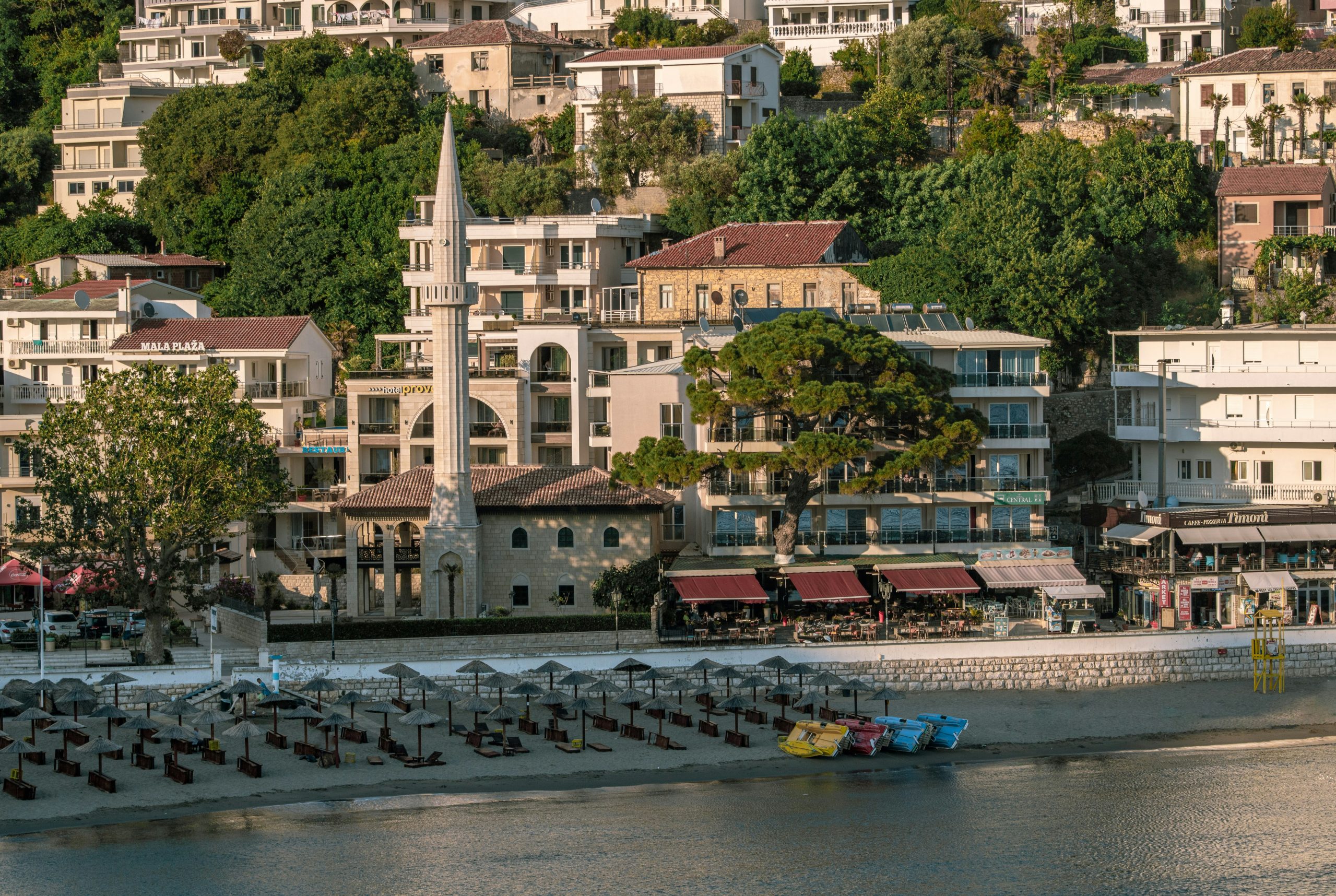
Montenegro's southern tip: an Ottoman old town on a cliff, twelve kilometres of sandy beach, a river island and the Albanian border down the road.
Ulcinj is the southernmost town in Montenegro, and it feels different from the rest of the coast. Most of its people are Albanian, the skyline has minarets, and it spent centuries under Ottoman rule, when its old town was a base for pirates and, according to legend, the place where Cervantes was held captive.
It also has the one thing the rest of the Montenegrin coast lacks: sand. Velika Plaža, the Long Beach, runs for twelve kilometres south of town to the river Bojana and Ada Bojana, a triangular river island.
Ulcinj is less polished and cheaper than Budva and Kotor, and the gateway to northern Albania. Two or three days is right.
Stay near the old town for the atmosphere, or along Velika Plaža for the beach.
The walled town on the cliff.
Below the old town, with the small beach.
The 12-km sand beach south of town.
The island at the river mouth, with fish restaurants.
Orange labels are neighbourhoods, dots are the 4 top-rated hostels. Map © MapTiler © OpenStreetMap contributors.
Walk up to the old town, on a cliff above the sea, with its stone lanes, the Balšić Tower and views along the coast.
Velika Plaža, south of town, is a twelve-kilometre stretch of fine sand, with beach bars and plenty of space. The afternoon wind makes it one of the best kitesurfing spots in the Adriatic.
Ada Bojana, at the river mouth, is an island between two arms of the Bojana, with a naturist beach and fish restaurants on stilts over the river.
The Ulcinj Salina, the old salt pans, is now a nature park and one of the most important bird sites on the Adriatic, with flamingos in season. Valdanos, a bay north of town, is surrounded by an ancient olive grove.
The old town and its views are free. So are Velika Plaža and the smaller town beaches, away from the sunbeds.
Walking in the olive groves at Valdanos is free.
Ulcinj's food is Albanian and Adriatic. Fresh fish from the sea and the river, grilled and simple, is the speciality, and the restaurants on stilts at Ada Bojana serve it straight from the water.
Albanian and Ottoman dishes, grilled meats, burek and baklava, are everywhere.
Prices are lower than on the northern coast: a full meal is €8 to €15.
Ulcinj is lively in summer, with bars in town and beach bars along Velika Plaža, and very quiet the rest of the year.
A beer is €2 to €3.
The town is walkable, but the beach is spread out; taxis and local buses run along Velika Plaža.
Buses run to Kotor in about two hours and Podgorica in about an hour and a half. Bar, with the railway station, is about half an hour away.
Shkodër in Albania is about an hour away by road, through the border crossing at Sukobin.
Ulcinj is cheaper than Budva and Kotor. A careful day is €30 to €45.
The costs that add up are kitesurfing lessons and sunbeds.
The euro is the currency. Carry some cash.
Ulcinj is safe.
On Velika Plaža, watch for currents and wind, especially in the afternoon. At the river mouth, the current is strong.
Emergency number is 112.
The deep south, and Albania.
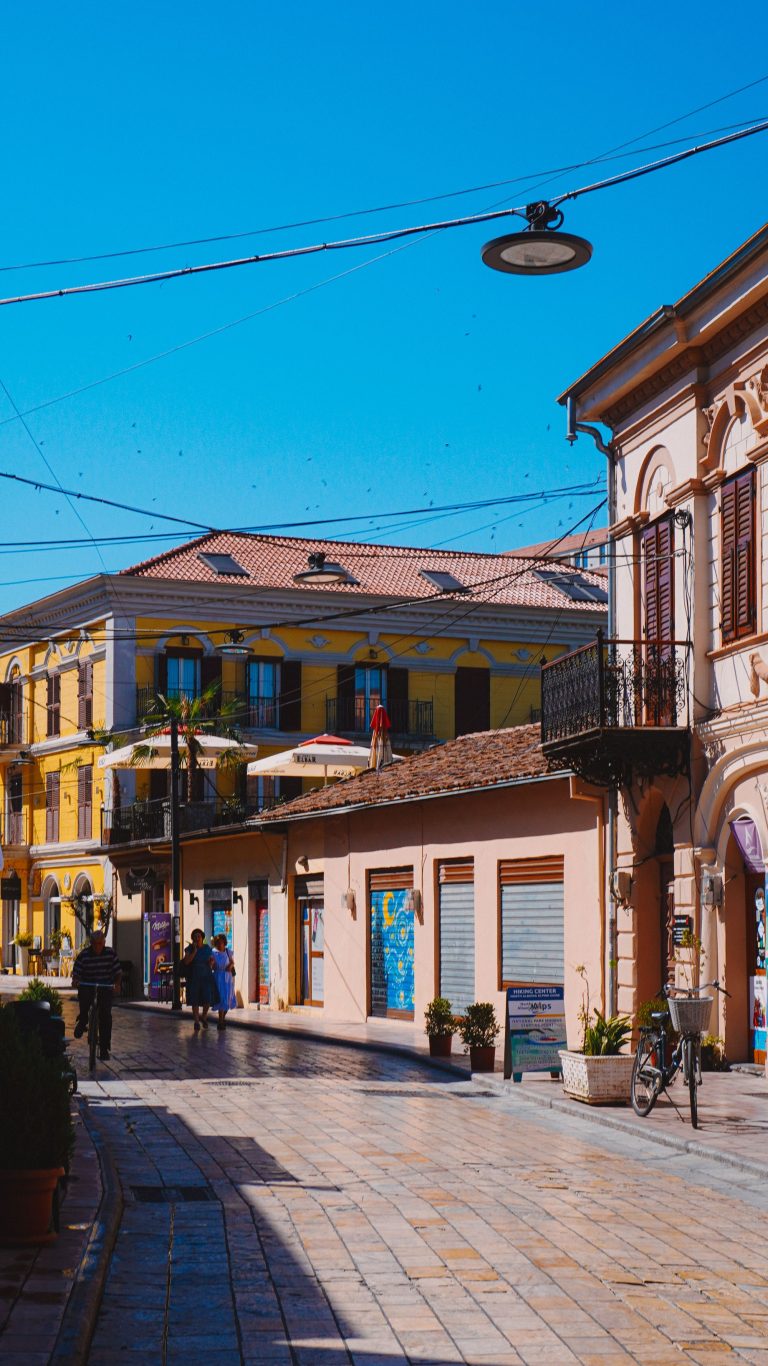
Albania's northern city, with a castle and a lake.
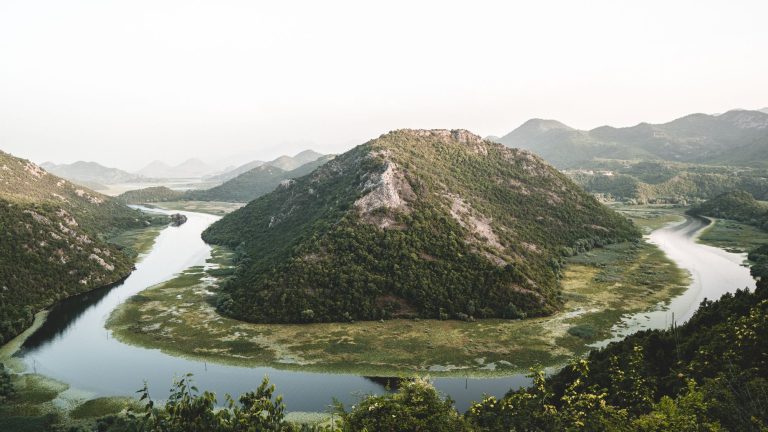
The largest lake in the Balkans, with boat trips from Virpazar.
Summer is the season.
Beach bars, concerts and the busiest weeks of the year.
Steady afternoon winds.
The top-rated places to stay in Ulcinj right now, live from Hostelworld.
June and September are best. July and August are busy with regional visitors.
Average highs. The sea is swimmable from June to October.
Pick how you travel. Per person per night, in euros.
Cheaper than the northern coast. Kitesurfing lessons extra.
The ones we get asked most.

Compare Ulcinj hostels — live prices, real reviews and free cancellation on most bookings. Then meet the people already there in the app.

 Get the App.
 Get the App.