Town centre
First-timersThe small centre, with restaurants and shops.

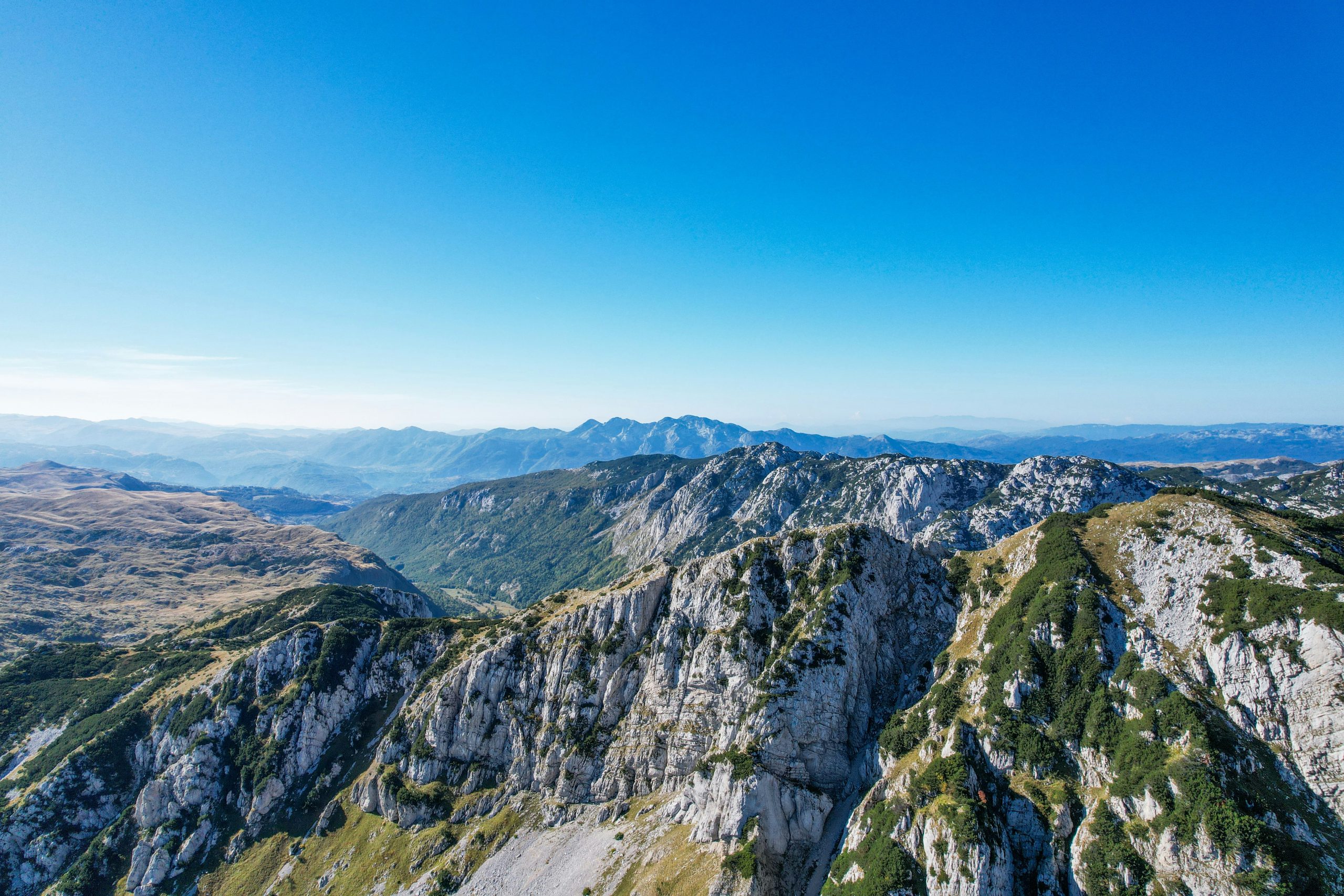
A mountain town at almost 1,500 metres, the base for Durmitor National Park: glacial lakes, limestone peaks and the Tara canyon, the deepest in Europe.
Žabljak sits on a high plateau in the north of Montenegro, at almost 1,500 metres, one of the highest towns in the Balkans. It is small, cold and quiet, and it is the gateway to Durmitor National Park, a UNESCO World Heritage Site of limestone peaks, glacial lakes and black pine forest.
North of the park, the Tara river has cut the deepest canyon in Europe, about 1,300 metres at its deepest, and rafting it is the country's great adventure.
Žabljak is a completely different trip from the coast: hiking and rafting in summer, skiing in winter, and cool air when the coast is baking. Three days is right.
The town is small. Stay in the centre or near the road to Black Lake.
The small centre, with restaurants and shops.
The glacial lake in the forest, 3 km from town.
The trailhead for Bobotov Kuk, on the ring road.
Orange labels are neighbourhoods, dots are the 3 top-rated hostels. Map © MapTiler © OpenStreetMap contributors.
Walk to Black Lake, Crno Jezero, about three kilometres from town, a glacial lake in pine forest under the peaks. The path around it takes about an hour.
Hike to Bobotov Kuk, at 2,523 metres the highest peak in Durmitor, a long day from the Sedlo pass. Easier walks lead to the Ice Cave and the Škrka lakes.
Drive the Durmitor ring road, a loop over the Sedlo pass through high pasture and canyon country, one of the best drives in the Balkans.
The Đurđevića Tara bridge, a five-arched concrete bridge high over the Tara canyon, has a zipline across. Rafting trips on the Tara run from May to October and are best in May and June, when the water is high.
The hiking is free beyond the national park entry fee, and it is the reason to come.
The view from the Đurđevića Tara bridge is free.
The ring road is free to drive.
Mountain food is hearty. Kačamak, a thick polenta with potatoes and cheese, and cicvara, a cornmeal and cream dish, are the local specialities. Lamb cooked under a sač, an iron lid covered in embers, is the feast.
Mountain cheese, kajmak, a clotted cream, and honey are sold by farmers.
Food is cheaper than on the coast: a full meal in a mountain konoba is €8 to €12.
Žabljak is quiet at night. A few bars and restaurants stay open in the evening, busier in summer and in the ski season.
The town is small and walkable, and Black Lake is a walk away.
Buses run to Podgorica in about two and a half to three hours, and from the coast in longer. They are limited, especially outside summer.
A car is the best way to see Durmitor and the ring road. Rafting companies pick up from town.
In winter, the roads can be closed by snow; check before travelling.
Žabljak is cheaper than the coast. A careful day is €30 to €45.
The costs that add up are rafting, which is the big extra, the national park fee and car hire.
The euro is the currency. Carry cash; cards are less widely accepted.
Žabljak is very safe.
The mountains are serious. The weather changes fast, snow lingers on the high peaks into summer, and nights are cold even in July. Carry layers, water and a map, and tell someone your route.
Raft only with licensed operators.
Emergency number is 112.
The seasons are the events: rafting in summer and skiing in winter.
Best in May and June, when the water is high.
Small, cheap slopes above town.
The top-rated places to stay in Žabljak right now, live from Hostelworld.
June to September for hiking and rafting; December to March for skiing.
Average highs. Žabljak is cold: snow is possible from October to May.
Pick how you travel. Per person per night, in euros.
Excludes rafting and car hire.
The ones we get asked most.

Compare Žabljak hostels — live prices, real reviews and free cancellation on most bookings. Then meet the people already there in the app.

 Get the App.
 Get the App.