Old town
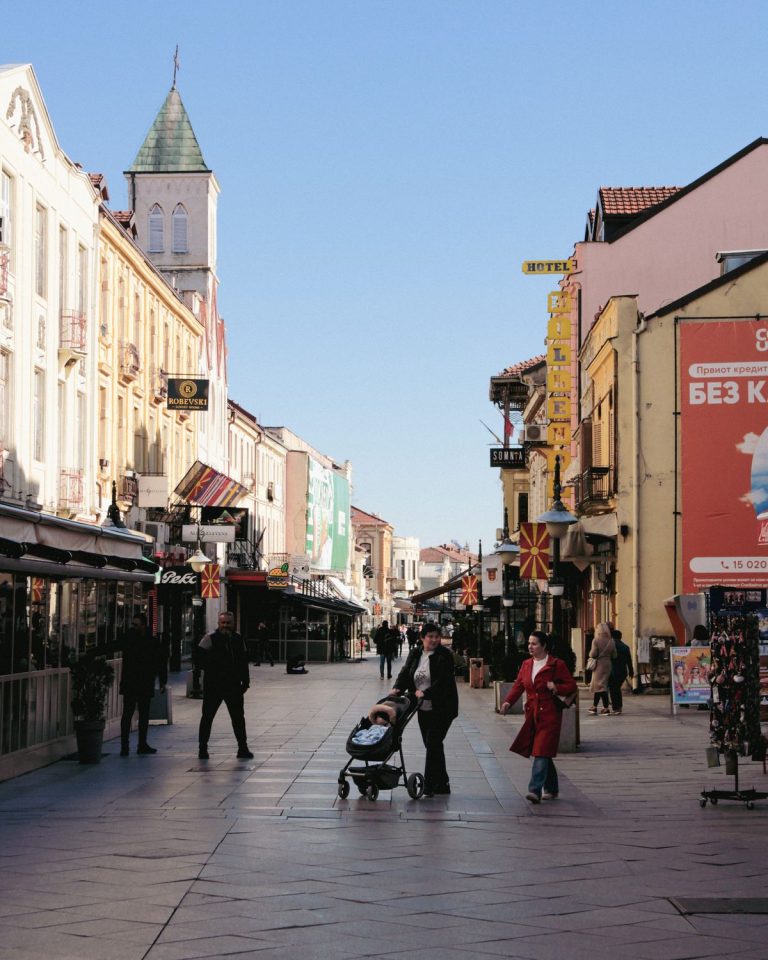
AtmosphereThe lanes from the harbour up to the fortress.

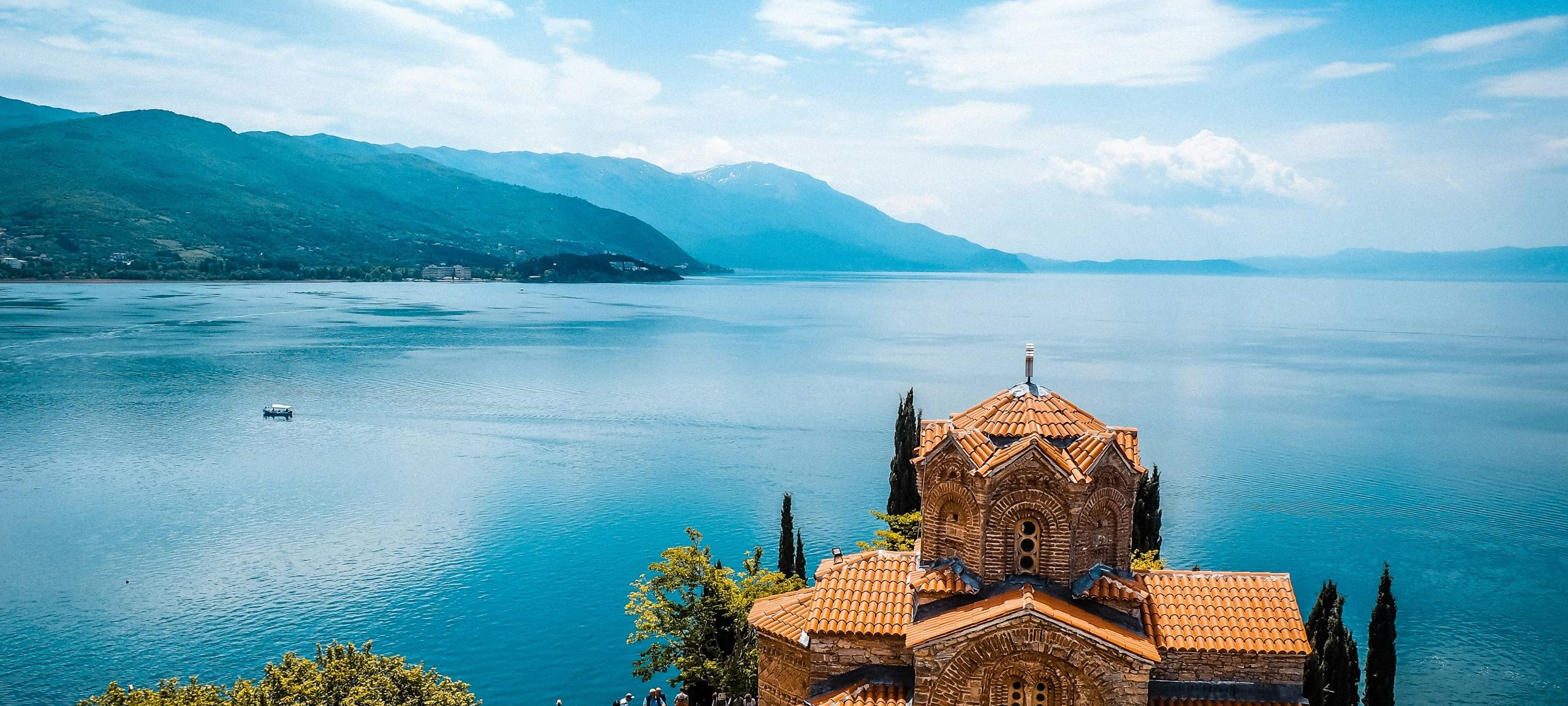
A UNESCO old town of Byzantine churches on the shore of one of the oldest lakes in the world, with a monastery on a cliff above water clear enough to see ten metres down.
Lake Ohrid is one of the oldest and deepest lakes in Europe, about 1.4 million years old according to scientific drilling of its lake bed, and it holds species found nowhere else on earth. The town of Ohrid climbs from its shore to a fortress, with Byzantine churches in its lanes; it once had so many that legend gives it one for every day of the year.
In the ninth century, St Clement founded a school here that made Ohrid one of the cradles of Slavic literacy and a centre of the Orthodox world. The town and the lake are a UNESCO World Heritage Site for both nature and culture.
Ohrid is the reason most people come to North Macedonia. Three or four days is right, with a boat to Sveti Naum and a day in the mountains of Galičica.
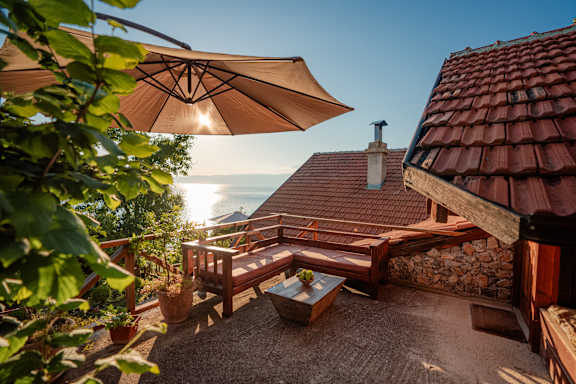
Stay in the old town for atmosphere, or along the lakefront for swimming.
The lanes from the harbour up to the fortress.
The promenade and beaches east of the old town.
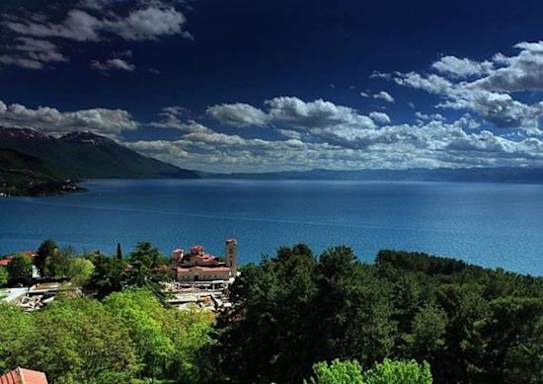
The church on the cliff below the old town.
Quieter beaches along the lake south of town.
Orange labels are neighbourhoods, dots are the 7 top-rated hostels. Map © MapTiler © OpenStreetMap contributors.
Walk the old town from the harbour up through the lanes to Samuel's Fortress, stopping at the Church of St Sophia, with its eleventh-century frescoes, and the ancient theatre.
Plaošnik, on the hill, is where St Clement founded his school; the church there has been rebuilt on the old foundations. Walk down the path to Sveti Jovan Kaneo, the small church on a cliff above the lake, in the view everyone photographs.
Take a boat along the shore to Sveti Naum, a monastery near the Albanian border beside the springs that feed the lake, where a rowing boat takes you across the clear water of the springs.
The Bay of Bones, south of town, is a reconstructed Bronze Age village on stilts over the water, with a small museum. For swimming, the beaches south of town along the lake are clearer and quieter than the town beaches.
The old town, its lanes and the lakefront are free. So is the walk to Sveti Jovan Kaneo, and the view from the rocks around it.
Swimming in the lake is free from the town and the beaches along the shore.
The walk around the fortress walls and the hill of Plaošnik costs nothing from outside.
Ohrid's restaurants serve Macedonian food with a lake twist: grilled fish, tavče gravče, ajvar and šopska salad.
The Ohrid trout is endemic to the lake and protected, and fishing it is restricted. Be wary of it on menus.
The lakefront restaurants charge for the view; the lanes of the old town and the places away from the water are cheaper. A full meal costs €6 to €10.
Ohrid is lively in summer, when the lakefront fills with bars and visitors from across the region, and quiet the rest of the year.
The summer festival brings concerts and theatre to the old town's churches and the ancient theatre.
A beer is €1.50 to €2.50, more on the lakefront in July and August.
The old town is small and walkable, and steep in places.
Ohrid's airport, St Paul the Apostle, is about ten kilometres north, with seasonal flights. Buses run to Skopje in about three hours and Bitola in about an hour and a quarter. Struga, at the lake's northern tip, is a short bus ride away.
Boats run along the shore to Sveti Naum in summer; buses also go there. Albania is on the other side of the lake, with a border crossing near Sveti Naum.
Ohrid is cheap for most of the year and busier and pricier in July and August, when the lake fills with regional visitors. Dorms start around €10 to €12 outside summer.
A careful day is €25 to €40. The costs that add up are the boat trips and eating on the lakefront.
The denar is the currency. Cards work in the town; carry some cash.
Ohrid is very safe.
The lanes and the path to Sveti Jovan Kaneo are steep and slippery when wet. The lake is cold until June.
Emergency number is 112.
Monasteries, mountains and a second lake.
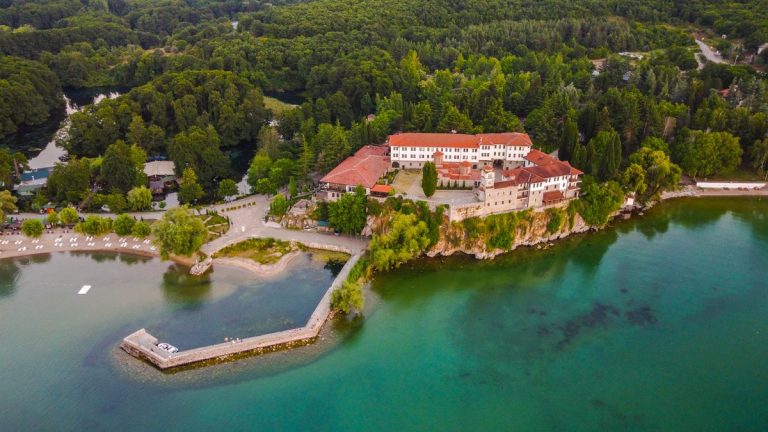
A monastery by the springs that feed the lake, near the Albanian border.
The elegant southern city and the ruins of Heraclea.
The Ohrid Summer Festival fills July and August.
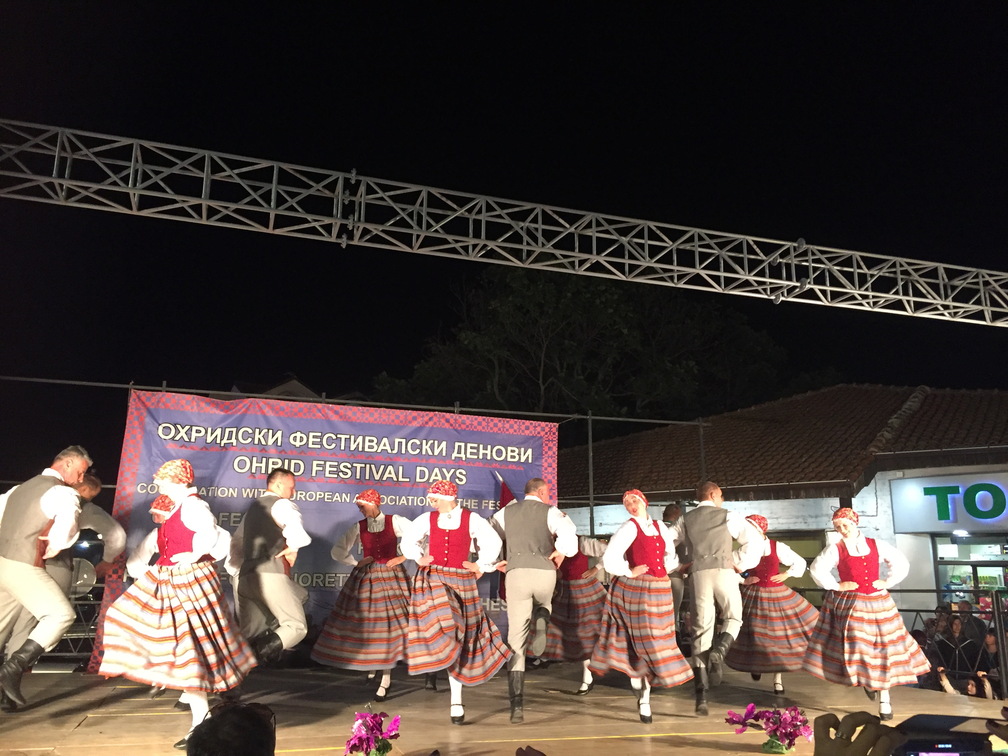 Staff pick
The International Music & Folk Dance Festival: Autumn Festival in Ohrid, Macedonia, brings together folk dance groups, choirs, vocal ensembles, majorette teams, brass bands,…
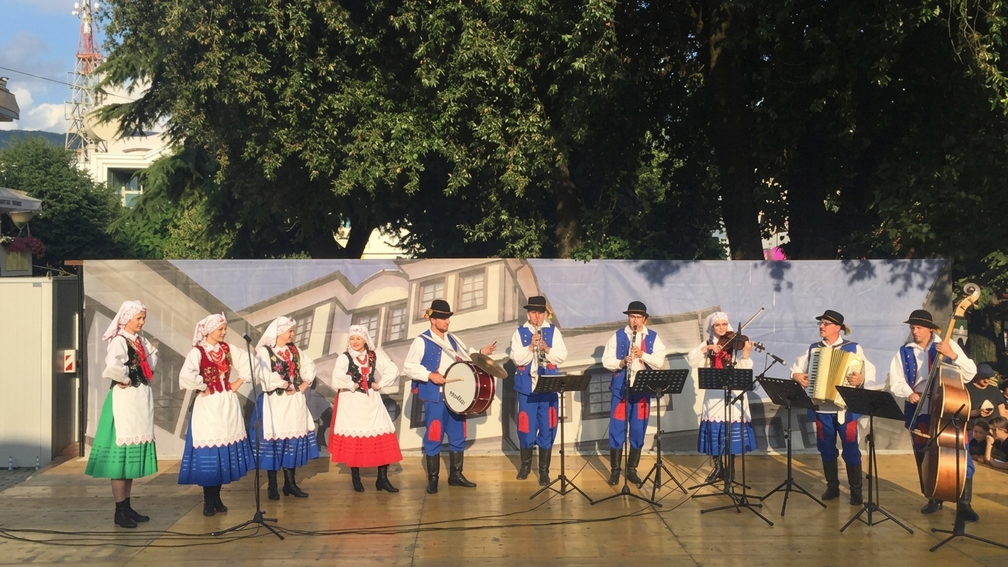
Folk groups, choral ensembles, orchestras, and majorette teams from around the world gather in Ohrid for this international festival celebrating performance and culture. The…
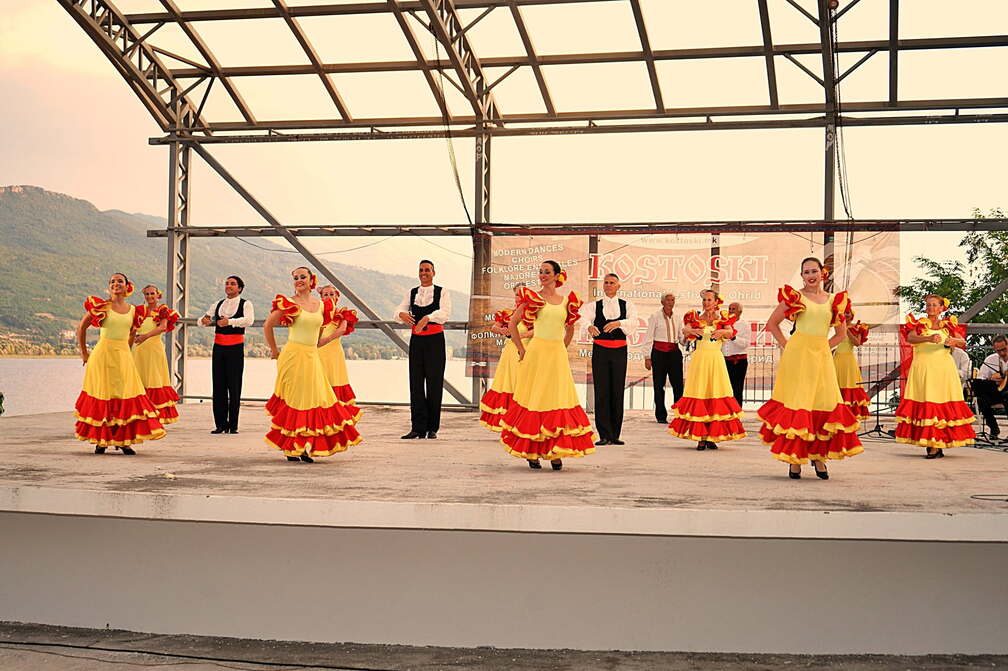
Held annually in Ohrid, Macedonia, the Kostoski International Festival draws participants from all over the world to perform folklore, majorettes, orchestras, choirs, and modern…
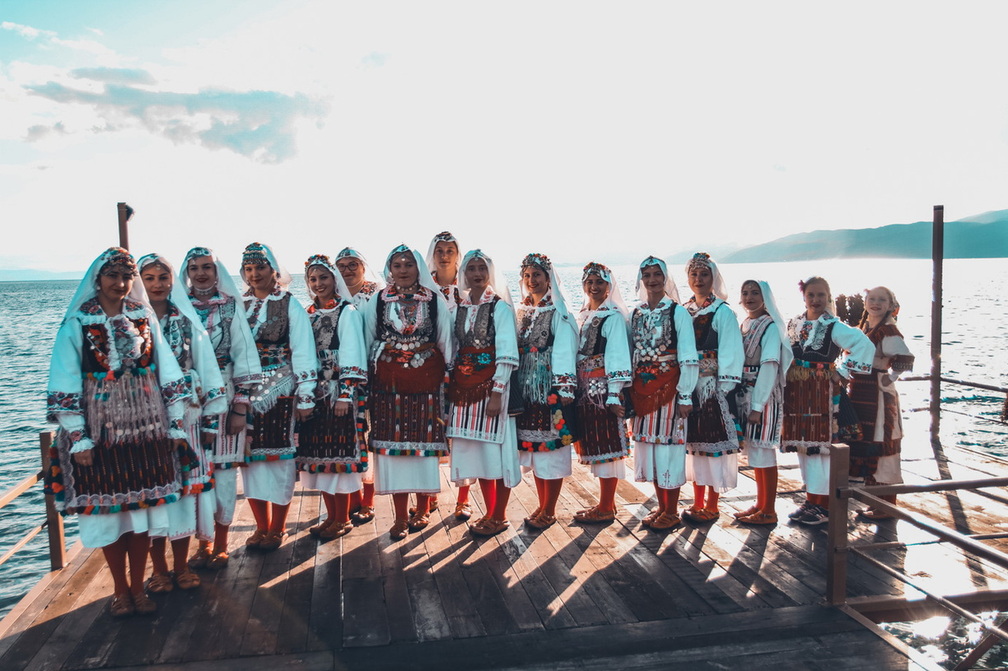
A curated cultural experience unfolds between two historic cities along the shores of Lake Ohrid. The Zdravko Banar Festival weaves together heritage, nature, and…
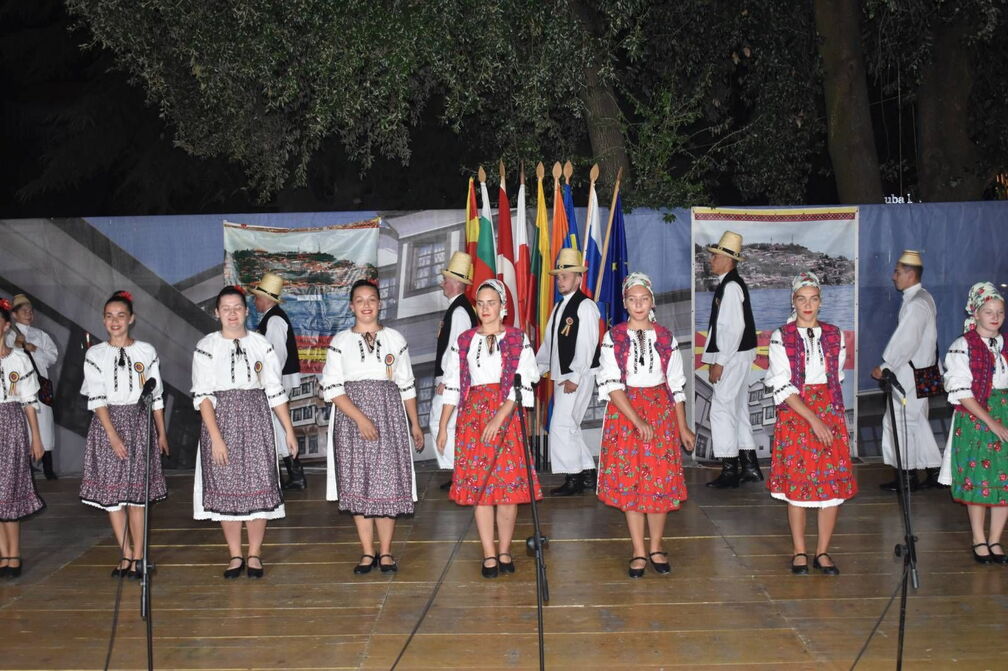
Folk traditions from across the region come alive during this festival set against the backdrop of Ohrid, a UNESCO World Heritage site nestled beside…
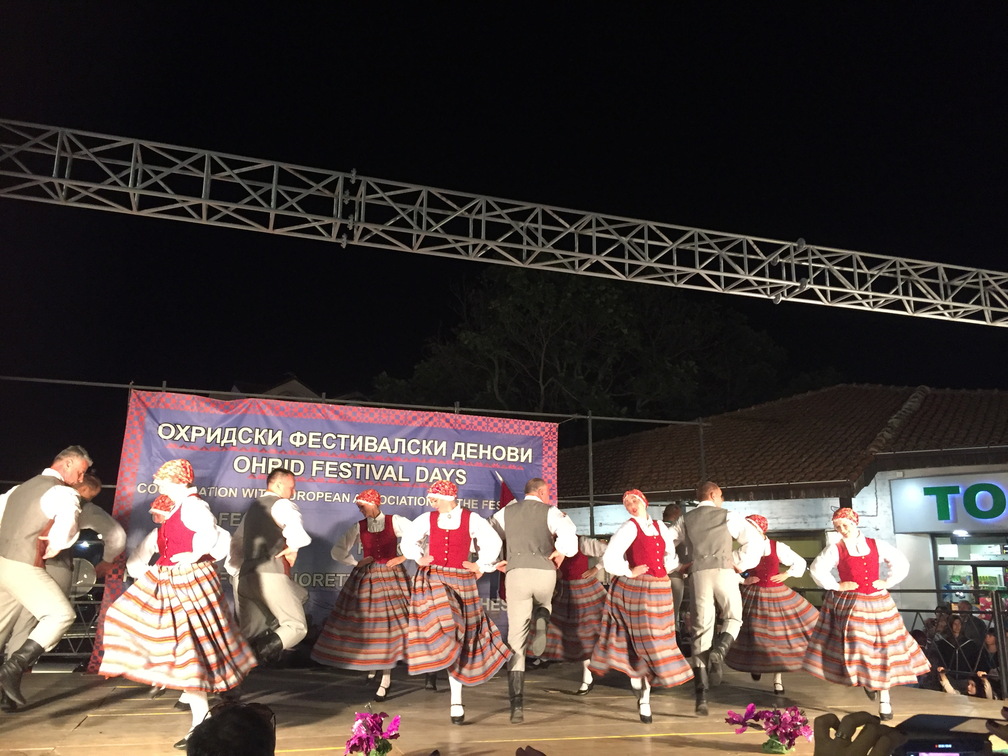
Folk groups, choirs, dance ensembles, and brass bands from around the world gather in Ohrid each October to share their cultural traditions through music…
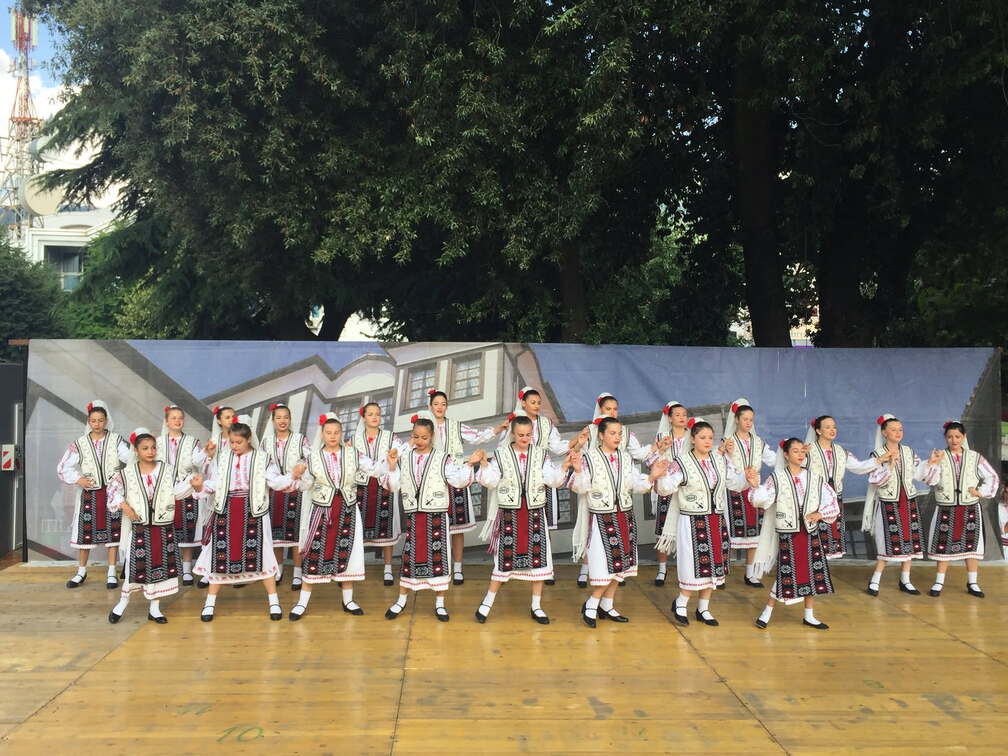
Folk groups from around the world gather in Ohrid each autumn to share their traditions through dance, music, and vibrant costumes. Hosted by the…
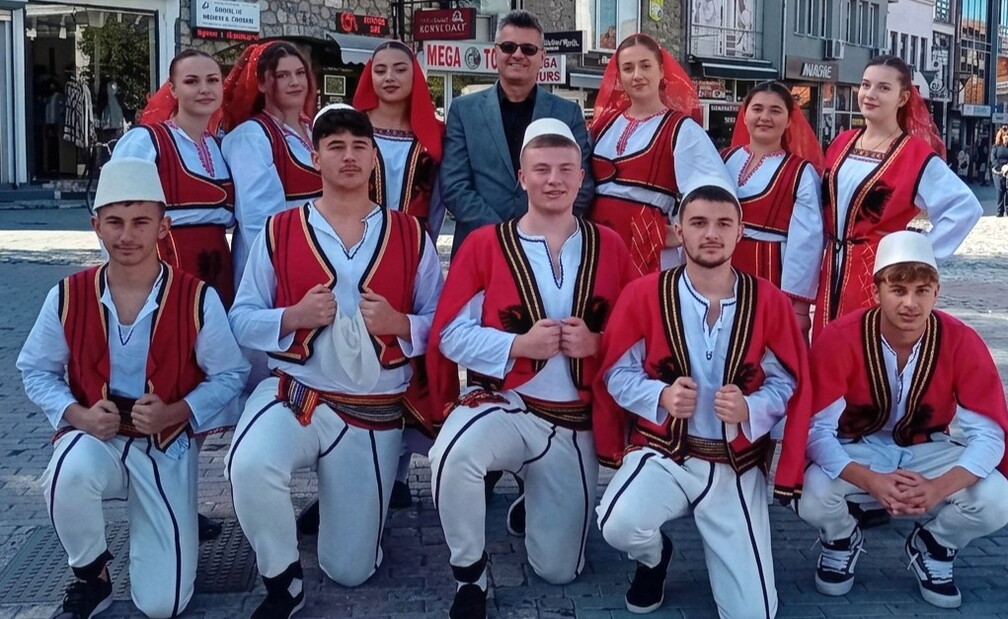
Folk and choral groups, orchestras, majorette teams, and dancers from around the world gather in Ohrid for four days of cultural exchange through traditional…
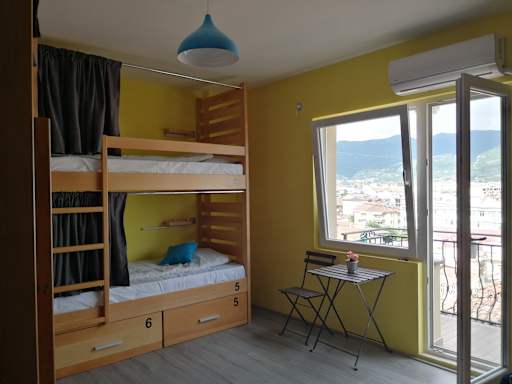
The top-rated places to stay in Ohrid right now, live from Hostelworld.
June and September are ideal. July and August are busy; winter is quiet and cold.
Average highs. The lake is swimmable from June to September.
Pick how you travel. Per person per night, in euros.
Prices are in denar locally; these are euro equivalents. Summer prices run higher.
The ones we get asked most.

Compare Ohrid hostels — live prices, real reviews and free cancellation on most bookings. Then meet the people already there in the app.

 Get the App.
 Get the App.