Alta
Atmosphere and the universityThe upper town: the university, the library, medieval lanes and the student republics. Steep, and the heart of it.

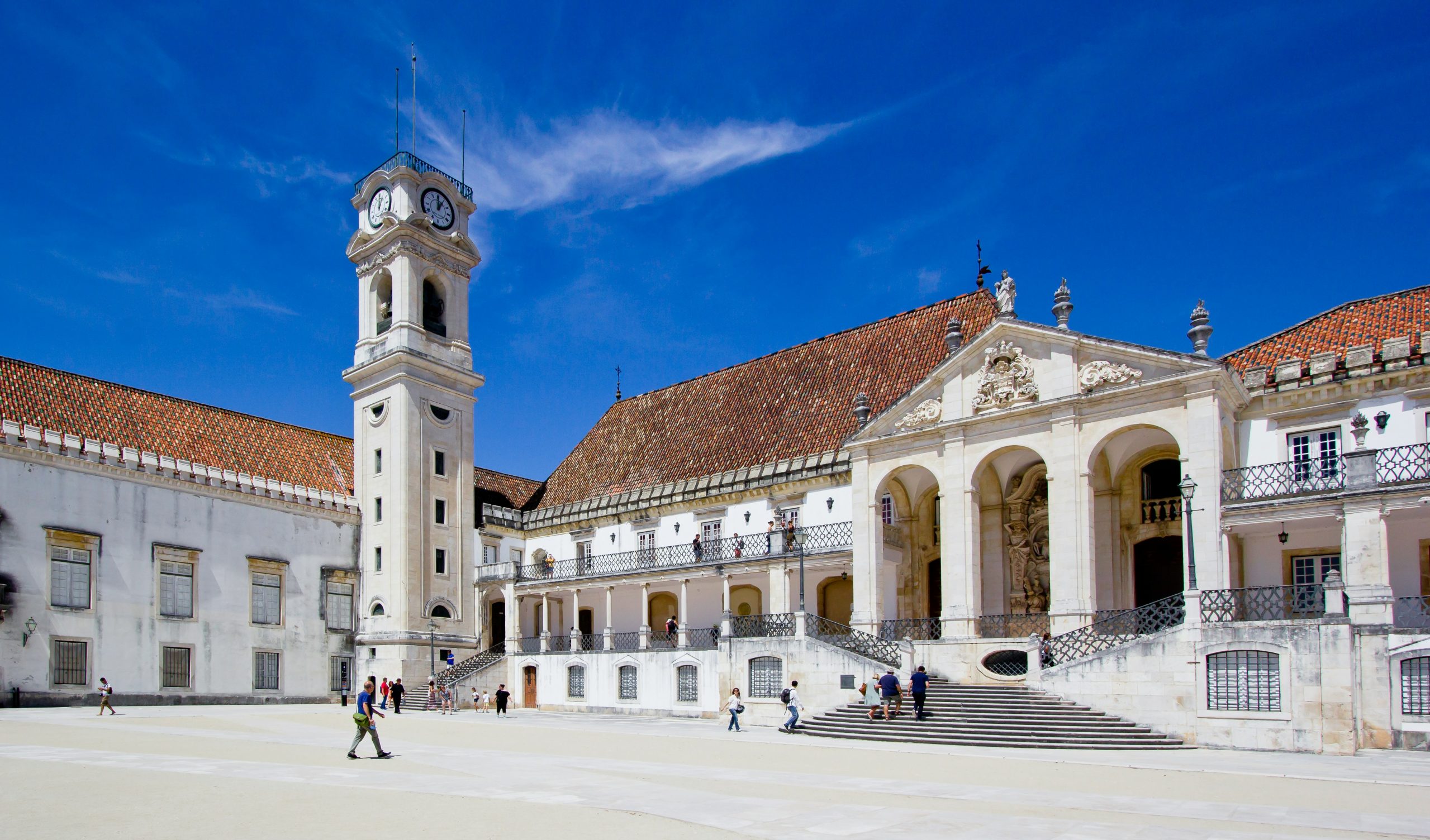
A university older than Portugal's borders, a baroque library people queue to see for ten minutes, and a student city that empties every summer.
Coimbra was the capital for a hundred years and has been a university city since 1290, which is longer than most European countries have existed in their current shape. The university sits on top of the hill and everything else runs down from it to the Mondego river.
Term time is the point. Students wear black capes, the fado here is sung by men and is a different tradition from Lisbon's, and the city has a nightlife far bigger than its size because 20,000 people are studying in it. In July and August they all go home and it is a quieter, hotter place.
A day and a night is enough, two if you want the Roman ruins at Conímbriga. It sits halfway between Lisbon and Porto on the fast train, which makes it the easiest stop in Portugal to add to a route.
The city is small and steep. Upper town for atmosphere, lower town for flat streets.
The upper town: the university, the library, medieval lanes and the student republics. Steep, and the heart of it.
Below the hill along the river: shops, cheaper beds, the market and most of the restaurants.
The south bank, with the convent ruins, the park and a view back at the hill. Quiet and cheaper again.
Orange labels are neighbourhoods, dots are the 4 top-rated hostels. Map © MapTiler © OpenStreetMap contributors.
The Biblioteca Joanina is the reason most people come: a baroque library of 60,000 books, gilded and painted, with a colony of bats that live behind the shelves and eat the insects that would otherwise eat the books. Entry is timed, you get about twenty minutes, and it is worth it.
The rest of the university complex — the Paço das Escolas, the chapel, the Sala dos Capelos — comes with the same ticket, and the terrace has the view over the river.
Downhill, the Sé Velha is a fortress-like Romanesque cathedral, and the Machado de Castro museum is built over a Roman cryptoporticus you walk through underground.
Fado de Coimbra is sung by men in student capes and is more restrained than Lisbon's. Several small venues do nightly sessions for €10 to €15.
Walking the upper town costs nothing, and the university courtyard and its terrace view over the Mondego are free even if the library is not.
The Sé Velha's exterior, the Santa Cruz church on the main square and the botanical garden — one of the oldest in Europe — are all free.
Across the river, the Parque Verde runs along the water, and the ruins of Santa Clara-a-Velha, the convent that sank into the mud, are visible from the bank.
In term time, students perform fado on the steps and in the streets most evenings without a ticket.
Student prices hold the whole city down. A prato do dia is €6.50 to €9 in the Baixa, which is as cheap as Portugal gets in a city.
Chanfana — goat slow-cooked in red wine in a clay pot — is the regional dish, and leitão, suckling pig, comes from Bairrada just north and is worth ordering where it is the speciality.
The market, Mercado Municipal D. Pedro V, has the cheapest lunch counters in town.
Coimbra does not do a big restaurant scene. It does cheap, good, unfussy food for people who have to eat every day, which is usually better.
In term time this is one of the best nights out in Portugal for its size. The student republics — shared houses with their own traditions — throw parties, the bars around Praça da República fill from ten, and prices are set by people on student budgets.
Queima das Fitas in May is the week the city hands itself over: concerts, parades and a serenade at the Sé Velha at midnight that draws thousands.
Outside term, from July to September, a good part of it shuts.
A beer is €1.50 to €2.50 and a glass of wine about €3, which tells you who the customers are.
Walk, and be ready for the hill. The university is at the top and almost everything else is below it, with stairs and steep lanes between.
The Elevador do Mercado is a lift and funicular that takes you from the market up to the university for about €1.60 and saves the climb entirely.
Trains stop at two stations: Coimbra-B on the main line, where fast services from Lisbon and Porto arrive, and Coimbra-A in the centre, five minutes away by a connecting shuttle that is included in the ticket.
Buses run to Conímbriga and the surrounding towns from the bus station north of the centre.
This is one of the cheapest cities in Portugal, because it prices for students. Dorms are €14 to €22, a prato do dia is €6.50 to €9, and a beer is €1.50 to €2.50.
A day is €35 to €45.
The university and library ticket at about €14 is the one real expense, and it covers the whole complex. Fado sessions are €10 to €15, and everything else worth doing is free.
Coimbra is a safe, small city with very little crime, and walking the centre at night is unremarkable.
The steepness is the practical hazard: worn stone stairs, polished calçada and a lot of rain between November and March.
Queima das Fitas in May involves a great deal of drinking over a week, and the usual sense applies about keeping an eye on drinks and getting home.
The Mondego looks calm and has currents. Nobody swims in it in the city. Emergency number is 112.
Roman ruins, a monastery and the mountains, all within an hour or so.
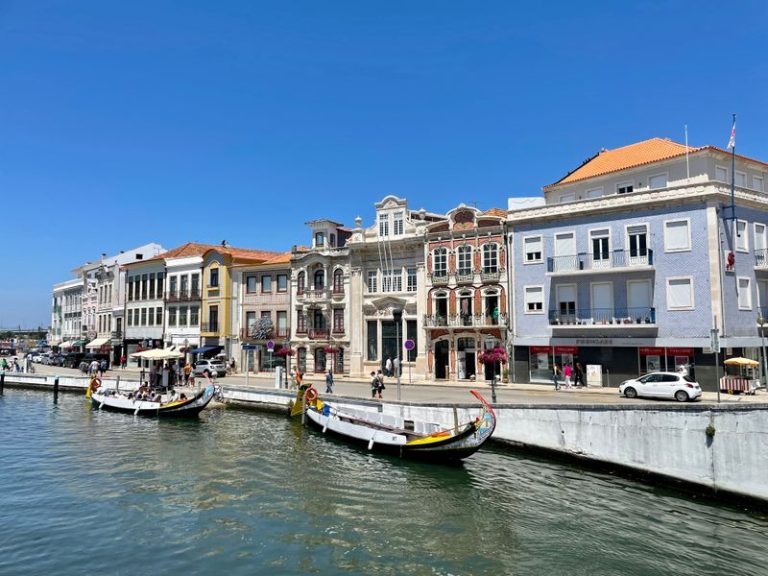
Canals, painted boats and art nouveau, with the striped houses of Costa Nova on the beach beyond.
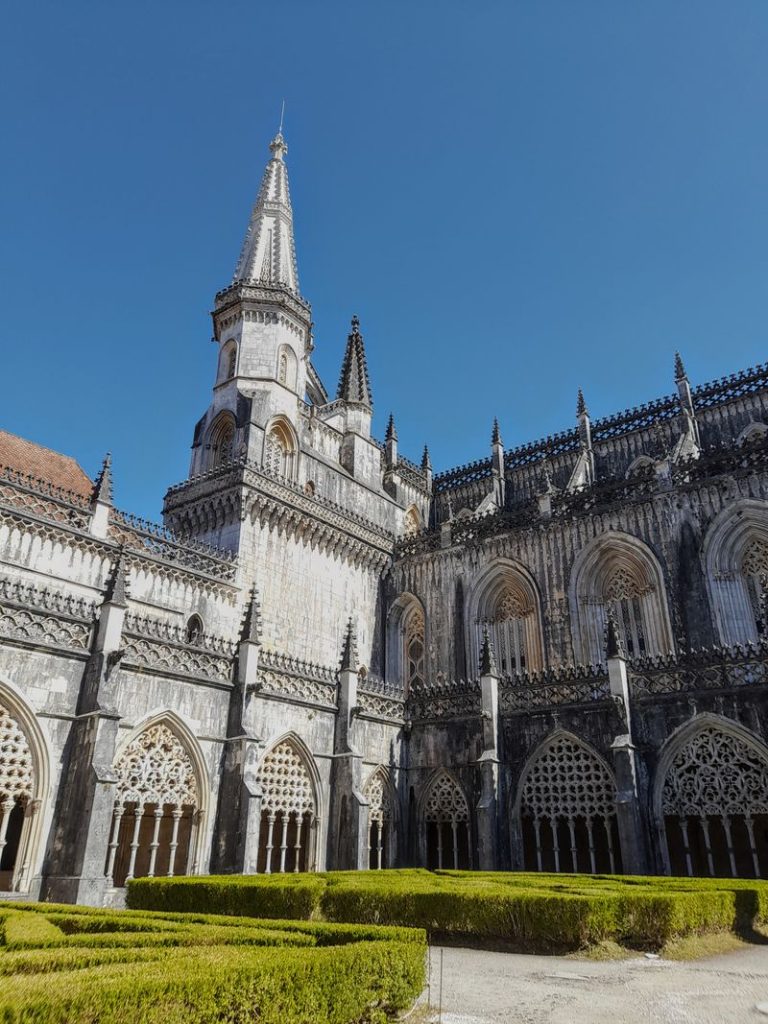
Two enormous Gothic monasteries, both UNESCO-listed, usually done together in a day.
One week in May is the whole calendar.
A week of concerts, parades and student traditions, opening with a midnight serenade at the old cathedral. The biggest student festival in the country.
The city's patron saint procession, held every two years.
When the fado, the bars and the student republics are all running.
Nightly in several small venues, €10–15.
Music and performance in the gardens across the river.
A small, cheap scene, mostly in the lower town within walking distance of the station. Live from Hostelworld.
Term time is when the city is itself: October to June. May has the student festival.
Average highs. Coimbra is inland and gets hotter in summer and colder in winter than the coast an hour away.
Pick how you travel. Per person per night, in euros.
The university and library ticket at about €14 is the main fixed cost of a visit.
The ones we get asked most.

Compare Coimbra hostels — live prices, real reviews and free cancellation on most bookings. Then meet the people already there in the app.

 Get the App.
 Get the App.