City centre
First-timersAround the City Hall and the pedestrian Korzo: the architecture, cafés and most of the beds.

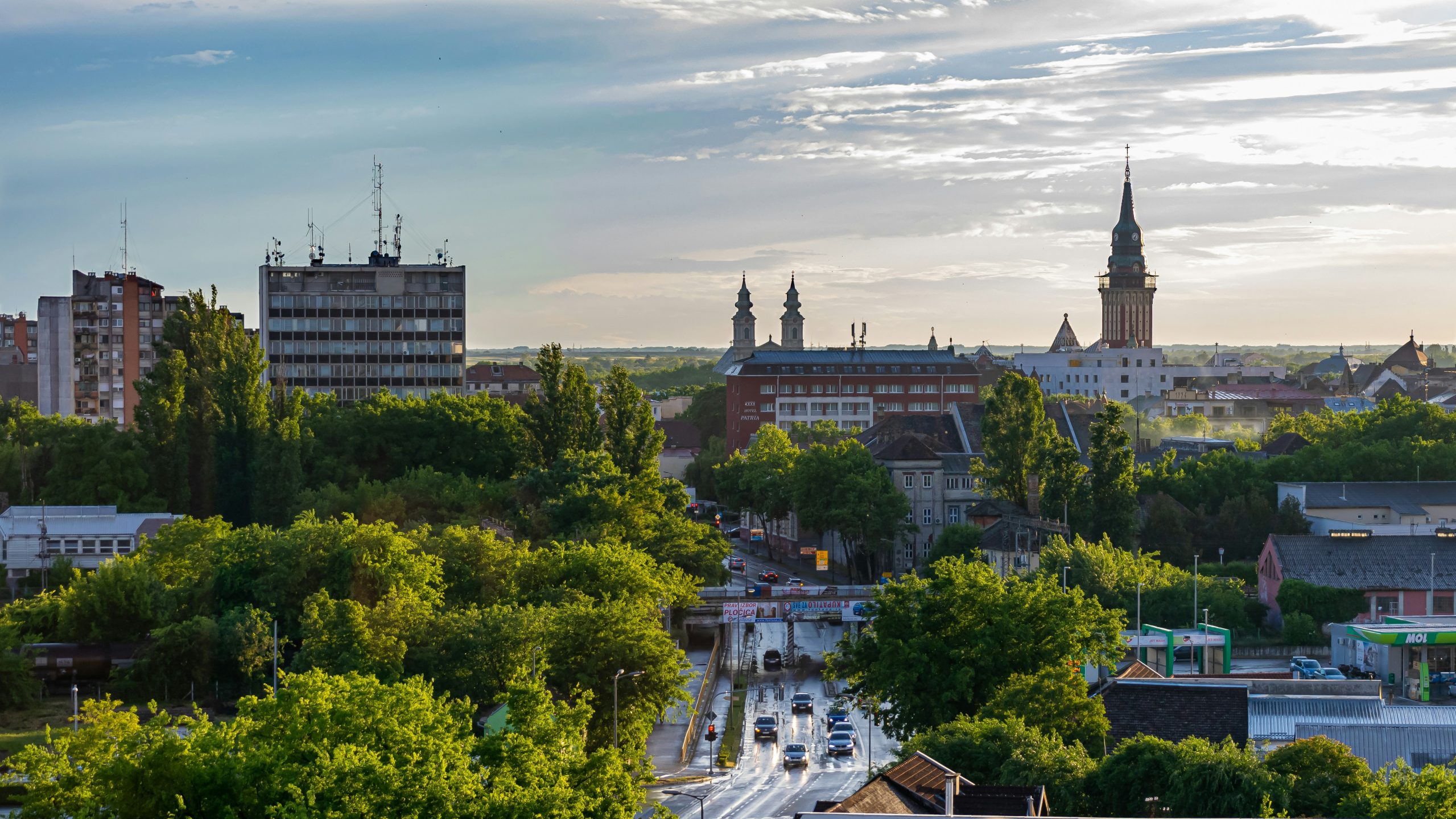
On the Hungarian border, with the most extraordinary Hungarian art nouveau architecture in the Balkans — a town hall, a synagogue and a palace that look like nothing else in Serbia.
Subotica sits ten kilometres from the Hungarian border and was, until 1918, part of Hungary. It has a large Hungarian community still, street signs in several languages, and an architecture that belongs to Budapest rather than Belgrade.
At the turn of the twentieth century the town was wealthy and built accordingly, in the Hungarian variant of art nouveau — curving facades, glazed tiles, folk-inspired ornament and a great deal of colour.
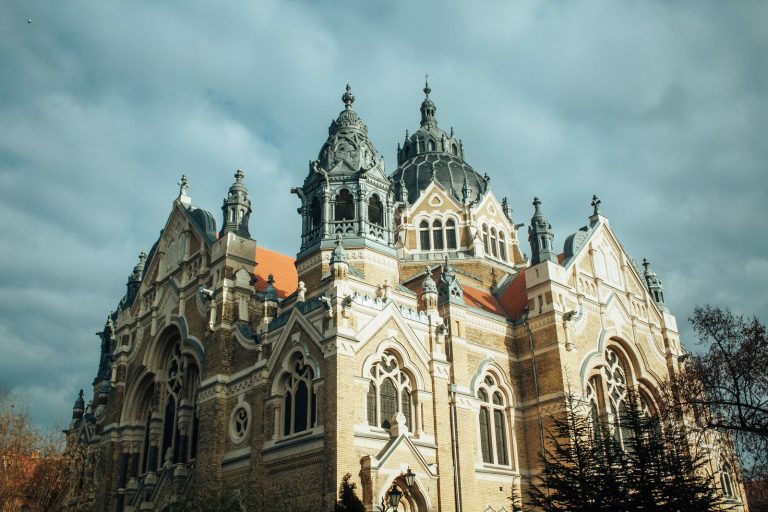
The City Hall, finished in 1910, is the showpiece: a vast, towered building covered in decorative detail, with stained glass inside. The Synagogue, built in 1902 and long left to decay, has been restored and is among the finest art nouveau synagogues in Europe. The Raichle Palace, the architect's own house, is a riot of curves and tiles that now serves as an art gallery.
Eight kilometres out is Lake Palić, a belle époque spa resort with wooden villas and a lakeside promenade.
It is small, calm and very cheap. One or two days.
A compact art nouveau centre, with a lake resort just outside.
Around the City Hall and the pedestrian Korzo: the architecture, cafés and most of the beds.
The spa resort 8 km out: wooden villas, the lake promenade and guesthouses.
Orange labels are neighbourhoods, dots are the 1 top-rated hostels. Map © MapTiler © OpenStreetMap contributors.
Start with the City Hall. Finished in 1910, it is enormous, towered and covered in Hungarian art nouveau detail, and a guided tour of the interior, a few hundred dinars, includes the ceremonial hall with its stained glass. Climb the tower for the view if it is open.
The Synagogue, built in 1902 in the same style and restored after long neglect, is one of the finest art nouveau synagogues in Europe and a moving building given the fate of the town's Jewish community in 1944. Entry is a few hundred dinars.
The Raichle Palace, built by the architect Ferenc Raichle as his own home in 1904, is the most exuberant building in the town and now holds a contemporary art gallery.
Walk the Korzo, the pedestrian street, and look up at the facades.
Then take the bus to Lake Palić, eight kilometres out, for the belle époque villas, the Water Tower and the lakeside promenade.
The facades are free. The City Hall exterior, the Raichle Palace, the Synagogue from outside and the art nouveau houses along the Korzo and the surrounding streets cost nothing to see.
The pedestrian Korzo is free to walk and is the centre of town life.
Lake Palić's promenade and park are free, and the villas are best seen from the lakeside path.
The market is free to browse and good for the region's produce, including paprika and the local sausages.
Hungarian and Vojvodina food. A main is 800 to 1,400 RSD (€7–12).
Fish soup, paprikas and goulash reflect the Hungarian heritage, alongside Serbian grilled meat.
Palić has lakeside restaurants that do fish from the region.
The local wines from the sandy Palić and Horgoš area are pleasant and inexpensive.
A beer is 200 to 350 RSD (€2–3), and palinka and rakija both appear.
Indoor smoking is common.
Quiet. Subotica is a small town and the evening is a terrace on the Korzo and a meal.
A beer is 200 to 350 RSD (€2–3).
There are a handful of bars and a few later venues, and a summer film festival at Palić adds some life in July.
It is a town for architecture and calm rather than nightlife. Novi Sad, ninety minutes away, and Belgrade have the bigger scenes.
The centre is walkable, and local buses run the eight kilometres to Lake Palić.
Trains and buses from Novi Sad take about ninety minutes, and the high-speed line has been extended northwards to Subotica, cutting journey times from Belgrade.
Szeged in Hungary is about forty-five minutes by bus, and the Hungarian border is only ten kilometres away. It is an EU and Schengen frontier, so there are passport checks and occasional queues.
Budapest is around three hours.
Very cheap. Beds are 1,100 to 2,300 RSD (€9–20), a main 800 to 1,400 RSD (€7–12), and a beer 200 to 350 RSD (€2–3).
A day is €22 to €40.
You pay in dinars. Cards work in the centre; carry cash for Palić and small places.
The architecture is free to see, and the City Hall and Synagogue cost a few hundred dinars each to enter.
Because Subotica is off the main tourist route, it has no tourist premium.
Subotica is a safe, quiet town and crime against visitors is low.
The Synagogue tells the story of the town's Jewish community, most of whom were deported and murdered in 1944. Treat the building with that in mind.
The Hungarian border is close. It is an EU and Schengen frontier, and you should cross only at official checkpoints.
Lake Palić is shallow in places and supervised swimming areas are limited; take care.
Emergency numbers are 192 for police and 194 for ambulance, with 112 also working.
A lake spa, a Hungarian city across the border and a Habsburg town south.
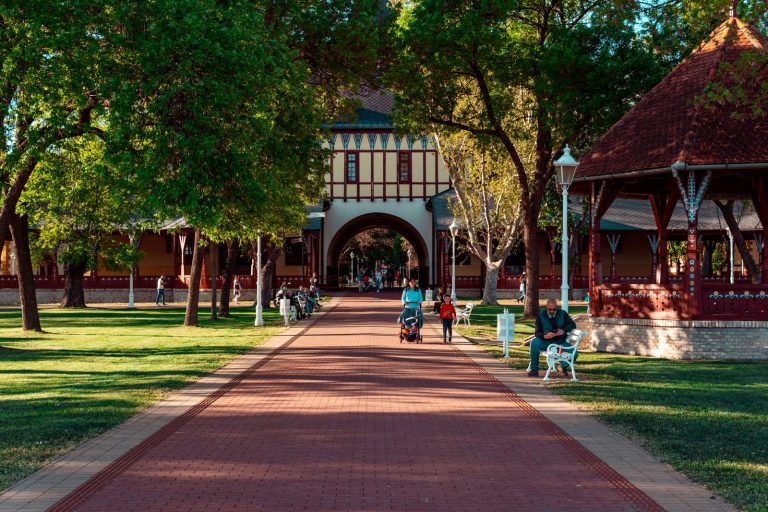
A belle époque spa resort with wooden villas, a water tower and a lakeside promenade.
A Hungarian city rebuilt after an 1879 flood, with an open-air festival in summer.
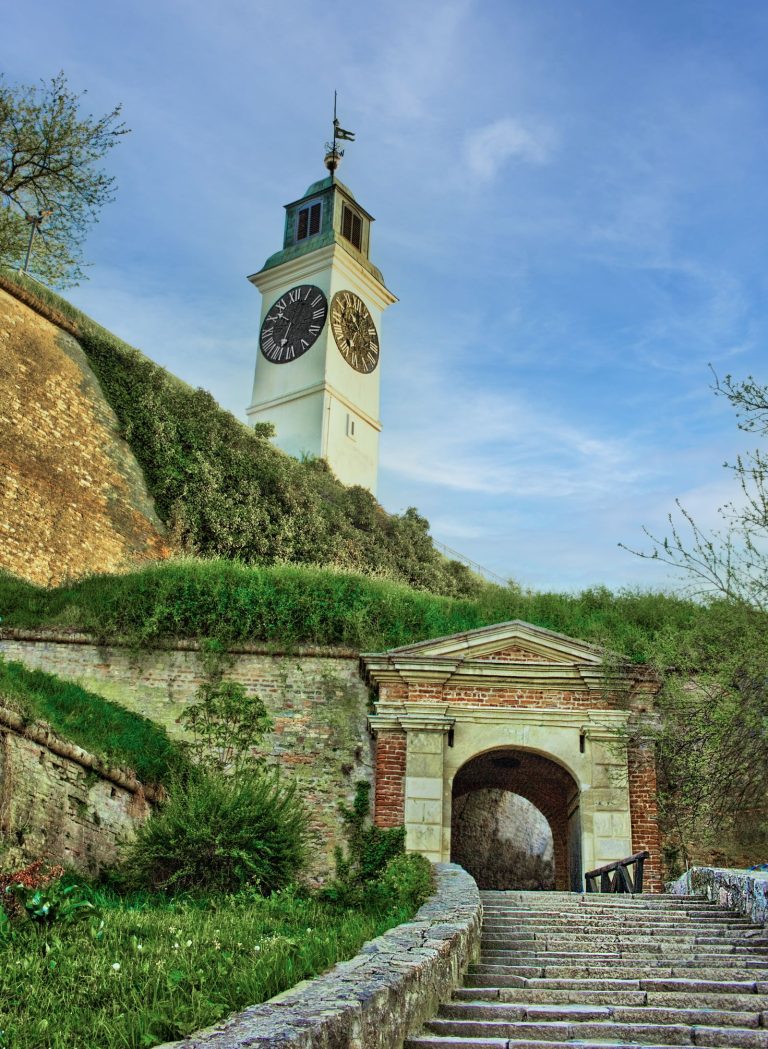
The Petrovaradin fortress and Fruška Gora.
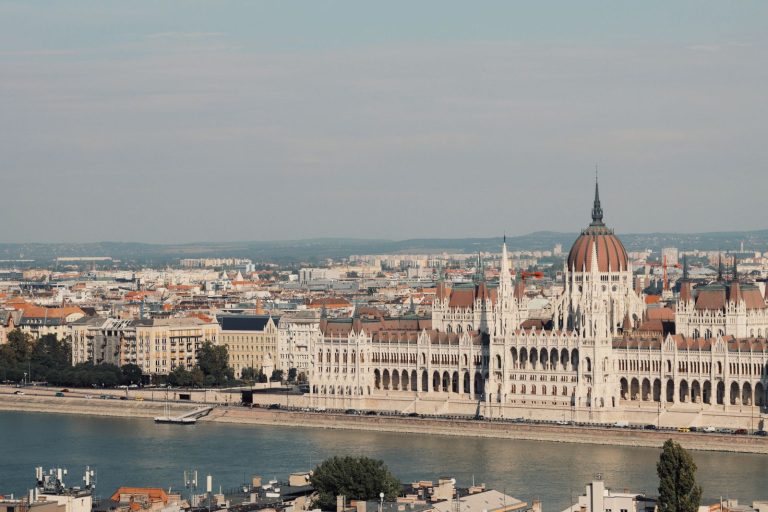
Hungary's capital, a straightforward trip north.
A film festival by a lake, and two Christmases.
A long-running film festival with screenings by the lake.
A harvest festival of the Bunjevac community, with a traditional procession.
Marked on both the Catholic and Orthodox calendars.
When the lakeside is at its busiest.
Guided tours of the City Hall and the architecture.
A small scene in the centre and at Palić. Live from Hostelworld.
April to June and September to October. July brings the Palić film festival.
Average highs. As a mixed Catholic and Orthodox town, Subotica marks Christmas on both 25 December and 7 January.
Pick how you travel. Per person per night, in euros — you will pay in dinars, at roughly 117 to the euro.
Shown in euros for comparison; you pay in dinars. The doing line is small because the architecture is free to see.
The ones we get asked most.

Compare Subotica hostels — live prices, real reviews and free cancellation on most bookings. Then meet the people already there in the app.

 Get the App.
 Get the App.