Old town and Flon
First-timers and nightlifeThe cathedral, the old lanes, and the converted warehouse district of Flon below.

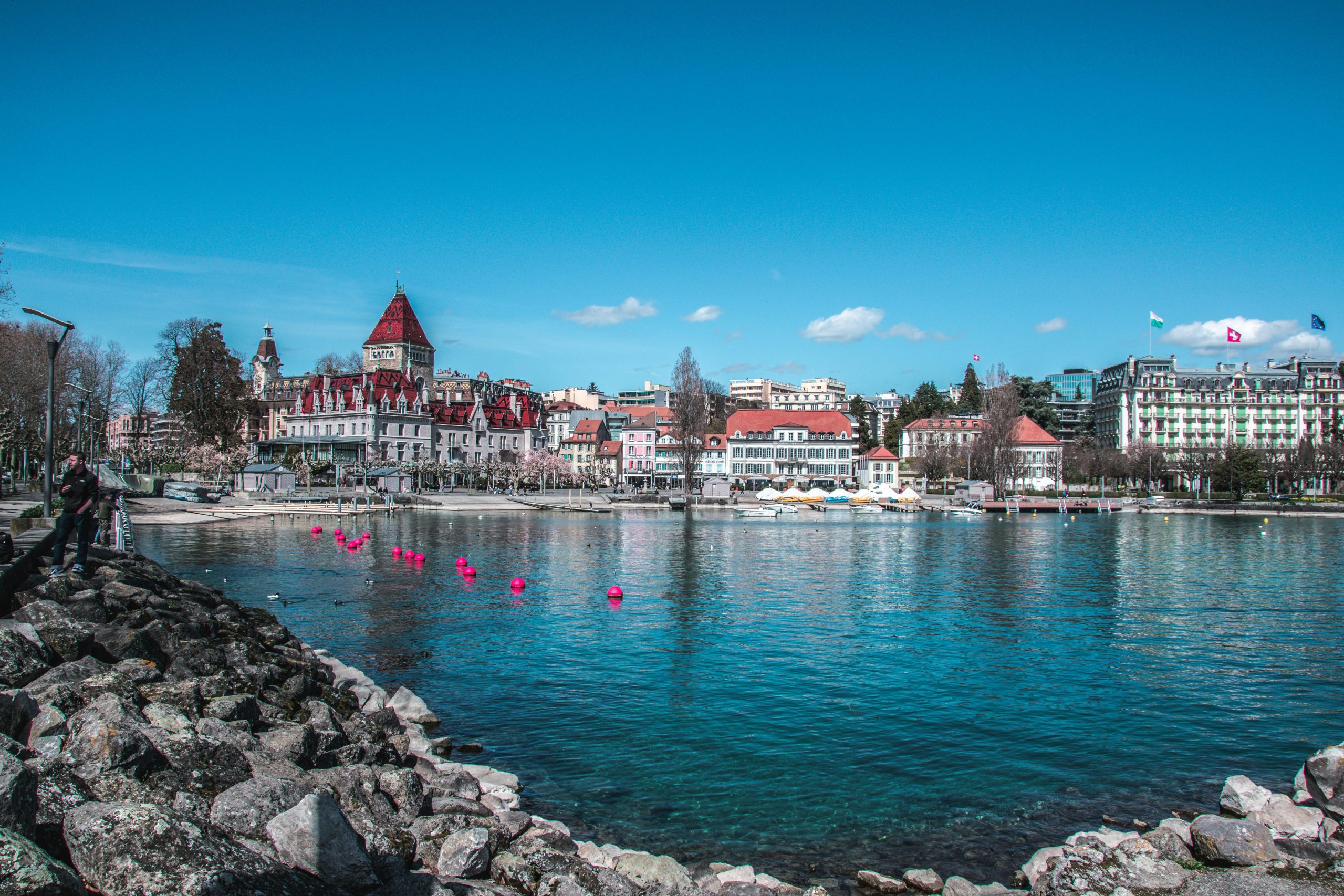
Steep, French-speaking and on Lake Geneva: the Olympic capital, a cathedral where a watchman still calls out the hours at night, and UNESCO-listed vineyards terraced down to the water.
Lausanne is built on a steep slope rising from the shore of Lake Geneva, with around five hundred metres between the lakeside at Ouchy and the highest districts. Getting around means stairs, lifts and a metro line that climbs the hill.
It is the Olympic Capital, home to the International Olympic Committee, and the Olympic Museum on the lakeshore is the best museum on the subject anywhere.
The Gothic cathedral sits at the top of the old town, and it keeps a tradition going back at least to 1405: every night between ten and two, a watchman climbs the tower and calls out the hour over the rooftops. It is one of the last places in Europe where this still happens.
East of the city, the Lavaux vineyards climb in terraces down to the lake, built by monks in the Middle Ages and UNESCO-listed, with walking paths between villages.
Lausanne has a large student population and livelier nightlife than Geneva. Overnight guests receive a free Lausanne Transport Card. Two days.
A steep city from the lakeshore to the old town on the hill.
The cathedral, the old lanes, and the converted warehouse district of Flon below.
The old fishing port on the lake: the Olympic Museum, the promenade and the boats.
Orange labels are neighbourhoods, dots are the 2 top-rated hostels. Map © MapTiler © OpenStreetMap contributors.
The Olympic Museum, around CHF 20 (about €21), on the lakeshore at Ouchy, is the best museum of its kind anywhere, with interactive displays, torches from every Games and a garden of sculpture above the lake.
Climb the cathedral tower for the view over the city, the lake and the Alps. At night between ten and two, listen for the watchman calling the hour from the tower — a tradition going back to at least 1405.
Walk the Lavaux vineyards, a short train ride east. Terraced slopes built by medieval monks run down to the lake between wine villages, UNESCO-listed, with marked paths and tasting cellars.
The Collection de l'Art Brut holds one of the most important collections of outsider art in the world, made by people working outside the art establishment.
Flon, a former warehouse district in a valley in the centre, is now the city's nightlife and shopping quarter.
Take a boat across the lake to Évian in France.
Public transport is free for overnight guests with the Lausanne Transport Card.
The cathedral is free, and the watchman's nightly calls are free to hear.
The Ouchy lakeside promenade is free and runs along the water.
The Lavaux vineyard paths are free to walk; only the tastings cost.
Some museums, including the Collection de l'Art Brut, are free on the first Saturday of the month.
Expensive. A main is CHF 28 to 45 (about €30–48).
Lake fish — perch fillets with fries — is the local classic.
Papet vaudois, a leek and potato dish with sausage, is the traditional regional plate.
Lavaux white wine, mostly from the Chasselas grape, is the drink here, and tasting in the vineyard cellars is the thing to do.
Coop and Migros are the budget answer.
A beer is CHF 7 to 10 (about €7.50–10.50).
Livelier than Geneva, thanks to a large student population. Flon, the former warehouse district, has the clubs and bars.
The old town has wine bars, and in summer the lakeside at Ouchy is busy.
A beer is CHF 7 to 10.
The Festival de la Cité in July fills the old town with free performances.
The city is very steep. The M2 metro climbs from Ouchy on the lakeshore to the upper districts and is the way to get up the hill.
Overnight guests receive a free Lausanne Transport Card covering buses and the metro. Ask at check-in.
Geneva is about forty minutes by train, and there are direct trains to Geneva airport. Montreux is about twenty minutes.
Lake boats run to Évian in France and around the lake.
Expensive. Dorms are CHF 40 to 65 (about €42–69), a main CHF 28 to 45, and a beer CHF 7 to 10.
A day is €90 to €150.
The free transport card for overnight guests is a real saving.
The cathedral, the lakeside and the Lavaux paths are free.
Lausanne is safe.
Petty theft happens around Flon and the station at night.
The streets and stairs are very steep and slippery when wet or icy.
The lake is cold, and deep close to shore in places. Swim at the organised bathing spots.
In the Lavaux vineyards, the terraces and paths are steep. Tastings add up.
Emergency number is 112.
A castle on the water, vineyards and a cheese town.
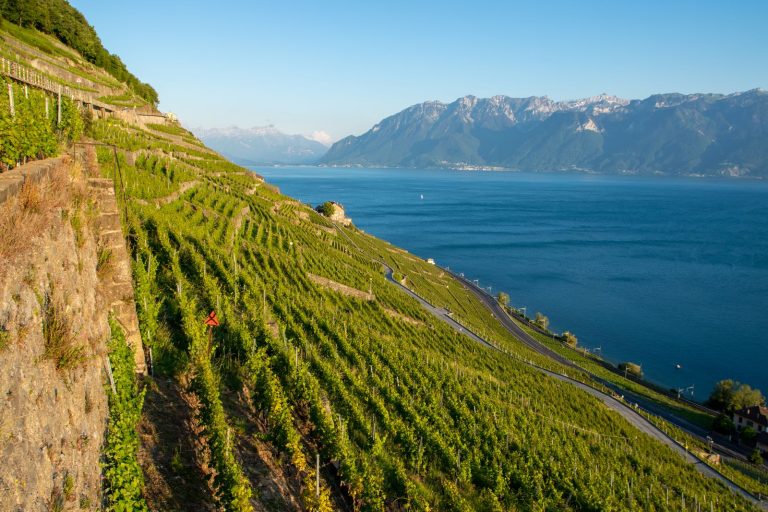
UNESCO-listed terraces above the lake.
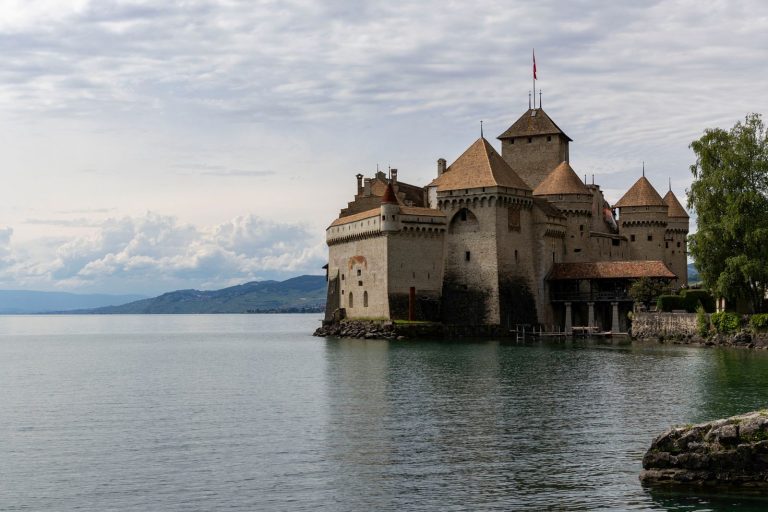
A castle on a rock in the lake, which inspired Byron.
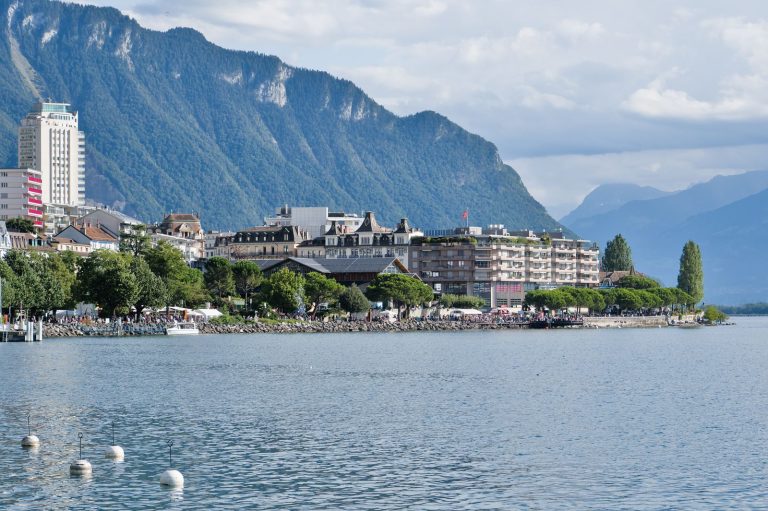
The lakeside town of the jazz festival.
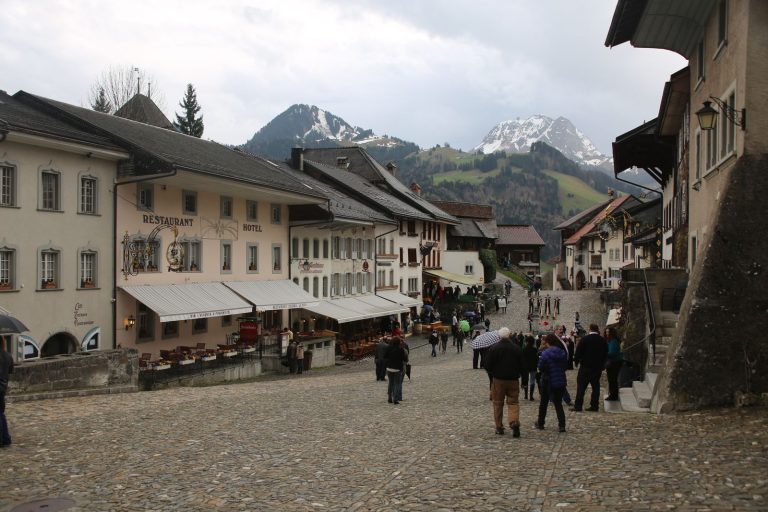
A hilltop medieval town and the home of Gruyère cheese.
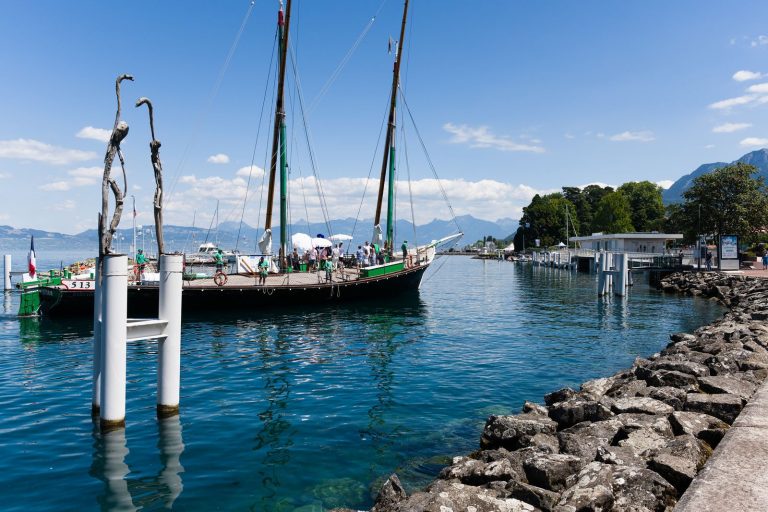
Across the lake, the home of the mineral water.
A free festival in the old town, and a watchman who calls the hours every night.
A free festival of performances across the old town.
One of the world's most famous jazz festivals.
The vintage on the terraced vineyards.
Calling the hours from 10pm to 2am, a tradition from at least 1405.
A seasonal market in the centre.
A small scene near the station and the old town. Ask for your free transport card at check-in. Live from Hostelworld.
May to September for the lake and the vineyards. Autumn for the harvest.
Average highs. The Lavaux harvest in September and October is the best time for the vineyards.
Pick how you travel. Per person per night, in euros — you will pay in Swiss francs, at roughly 1.06 euros to the franc.
Shown in euros for comparison; you pay in Swiss francs. Transport is near zero for overnight guests with the free transport card.
The ones we get asked most.

Compare Lausanne hostels — live prices, real reviews and free cancellation on most bookings. Then meet the people already there in the app.

 Get the App.
 Get the App.