Switzerland
Switzerland country guide

Things To Do In Switzerland

The Alps with a timetable. Expensive in every category, and the only country where the public transport reaches 3,000 metres and arrives when it says it will.

€40
Dorm bed, from
4
National languages
1,500
Lakes
208
Mountains over 3,000m

Small, steep and organised

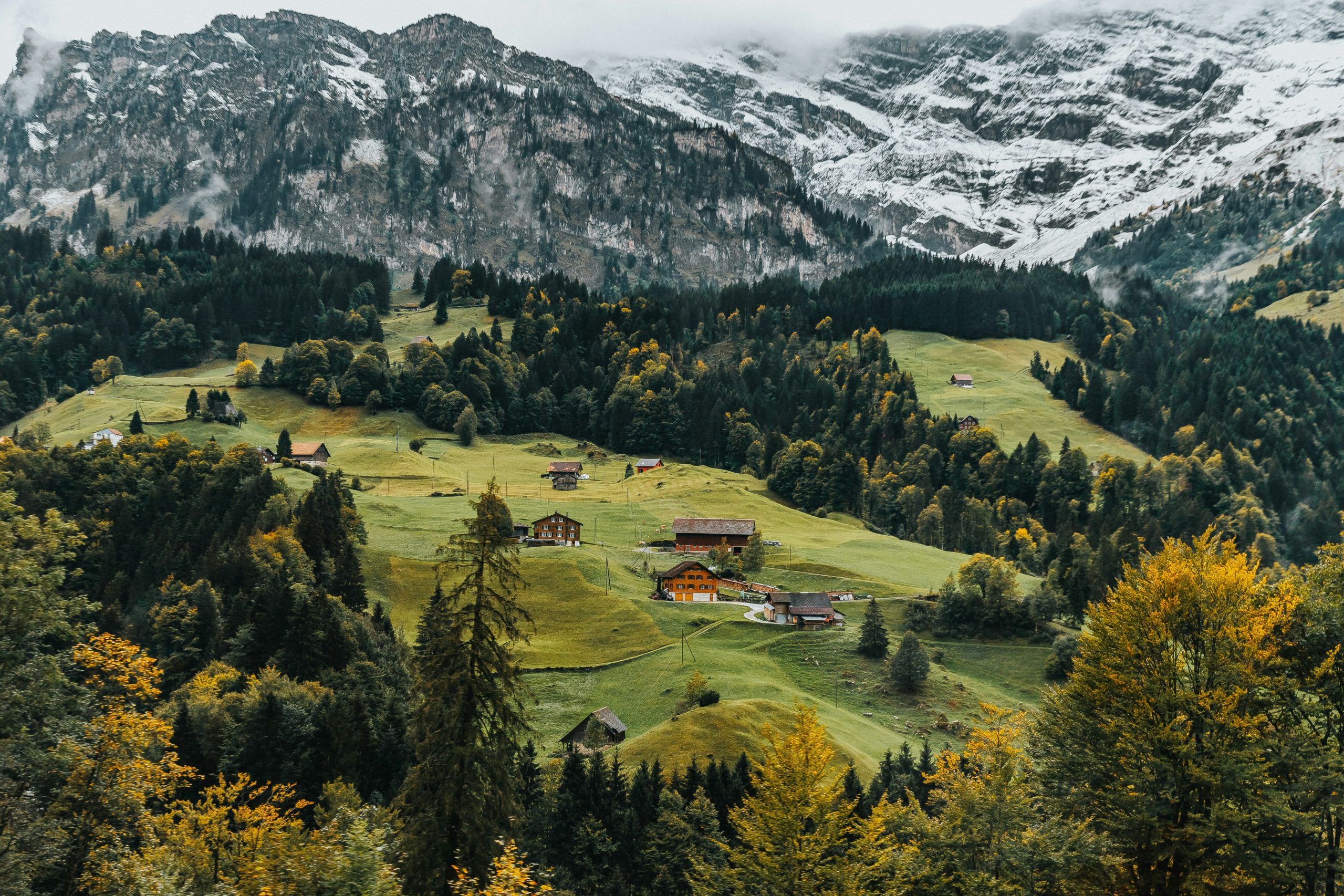
Switzerland is smaller than Denmark and packed with mountains, which is why the transport system is the national achievement: trains, postbuses, funiculars, cable cars and lake boats that connect as one network and run to the minute. If a timetable says a connection is four minutes, it is four minutes.

Four languages share the country — German, French, Italian and Romansh — and the differences in food and temperament between Zurich and Lugano are larger than the map suggests.

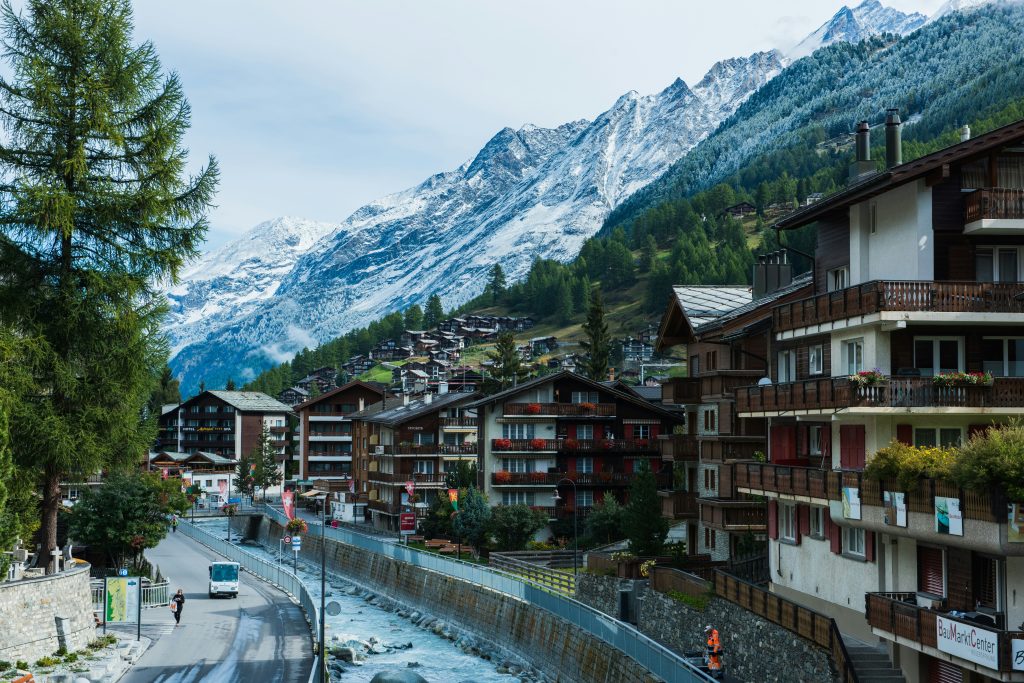
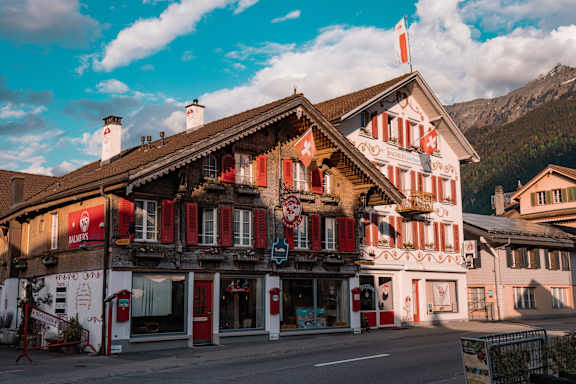
The mountains are the reason to come. Interlaken and Lauterbrunnen sit under the Jungfrau massif with waterfalls coming off the cliffs, Zermatt has the Matterhorn and no cars, and Grindelwald is the classic base for the Eiger. Everything is expensive and almost everything is spectacular.

Where to go

Trains run to the minute and reach the mountains. A Swiss Travel Pass pays off on three or more legs.

Zurich

Zurich

8 hostels · dorms from €32

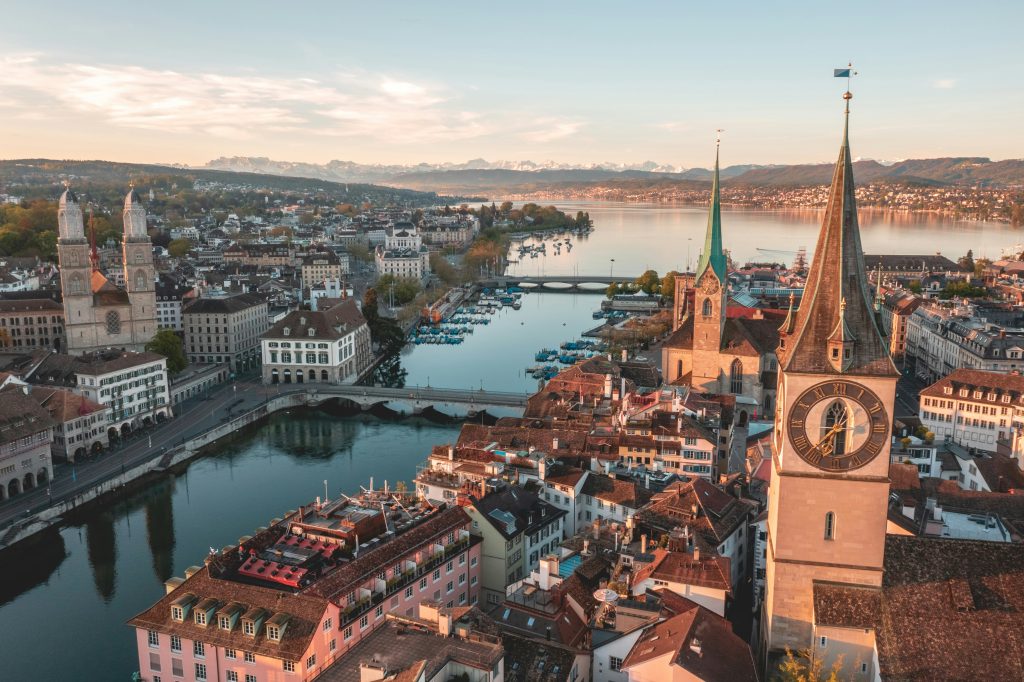
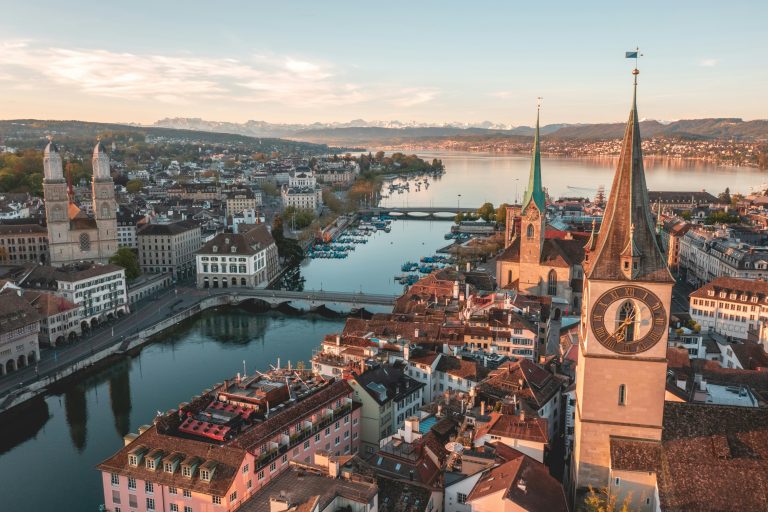
The biggest city: a lake you can swim in from the middle of town, and the best nightlife in the country.

There were so many cool places to dip and swim in lake Zurich to cool off and relax. Such a safe and relaxing vibe. The transport connections were seamless and comfortable.

A traveller, on Hostelworld
The Zurich guide
Bern

Bern

5 hostels

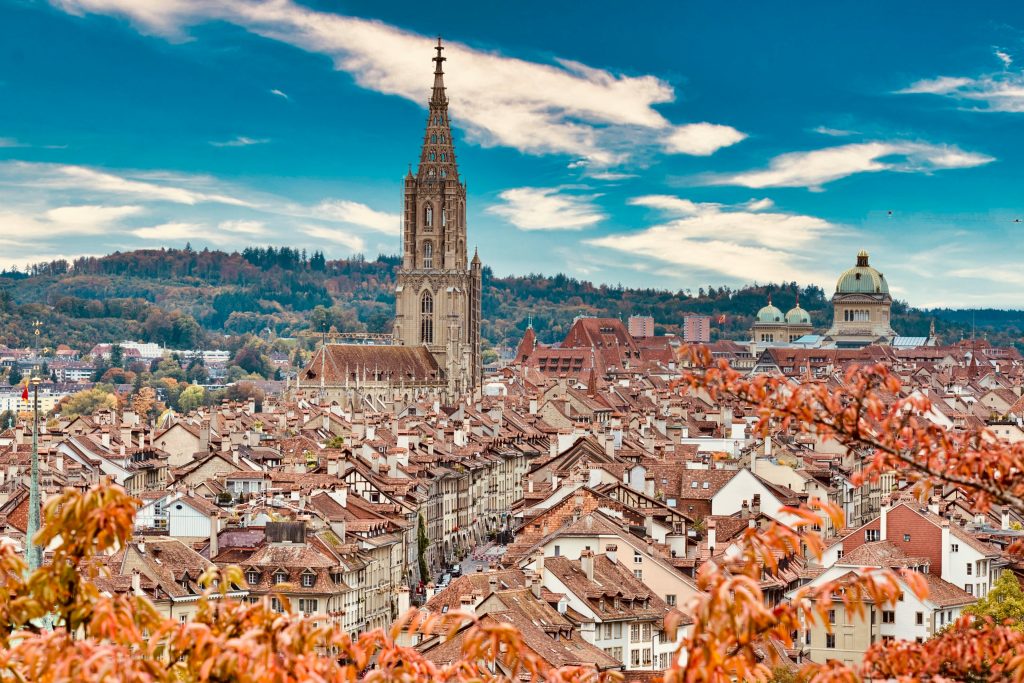
The capital, and a UNESCO old town in a loop of river, with arcades running six kilometres and bears in a park.

I really enjoyed walking around Bern and exploring old town. Picture perfect!

A traveller, on Hostelworld
The Bern guide
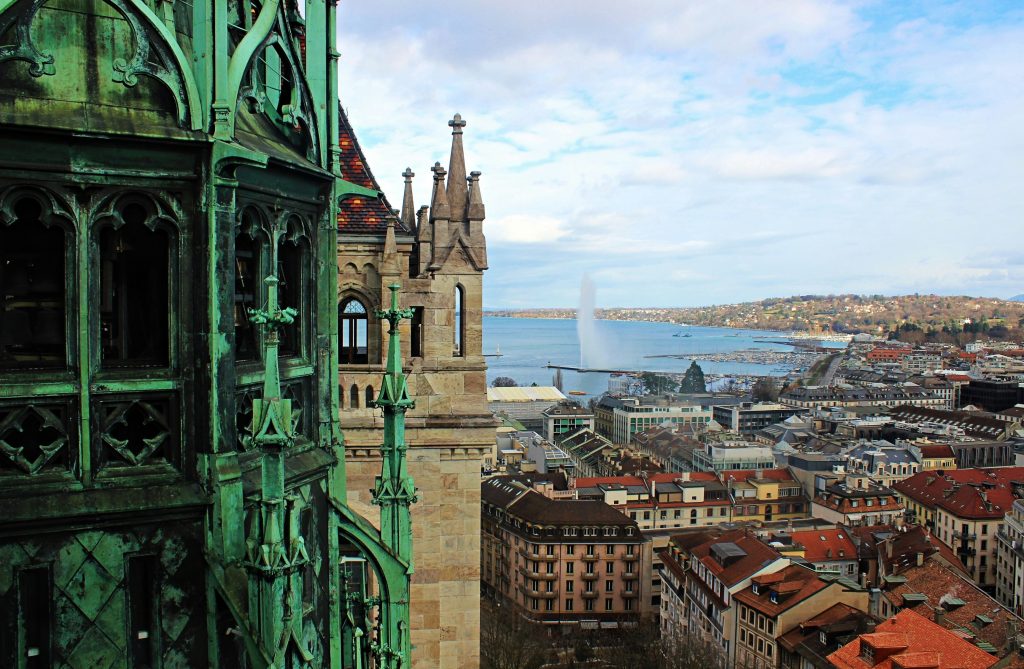
Geneva

Geneva

7 hostels · dorms from €37

French-speaking, international, and the gateway to Chamonix and the western Alps.

Geneva is a truly stunning city that balances professional opportunity with a romantic, timeless beauty. It is remarkably clean and organized, offering everything I could possibly wish for as I start this new chapter of my life. From the peaceful shores of Lake Geneva and the iconic Jet d'Eau to the charming streets of the Old Town, every corner feels like a postcard. It’s a place where efficiency meets high quality of life a perfect sanctuary for those seeking a fresh start. I am in love!

A traveller, on Hostelworld
The Geneva guide
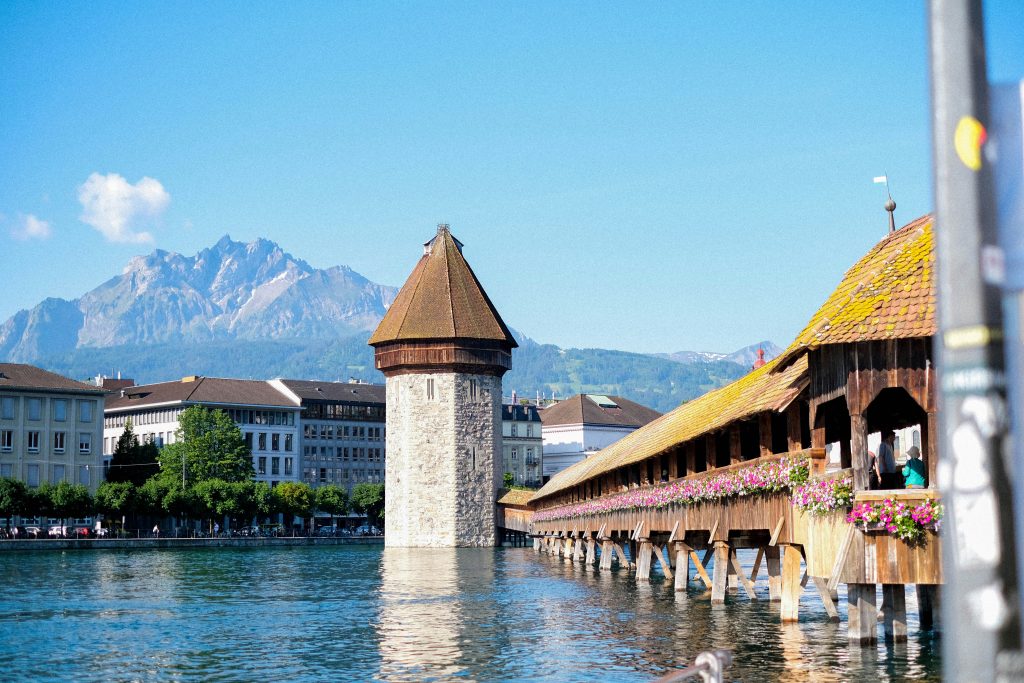
Lucerne

Lucerne

9 hostels · dorms from €53

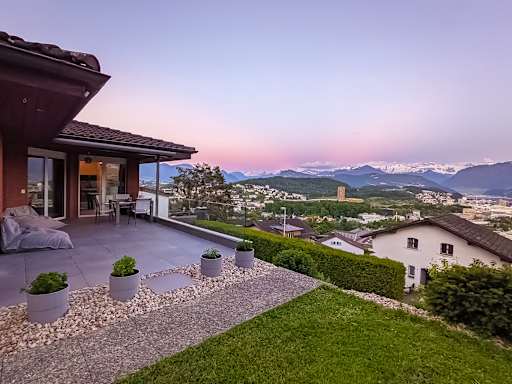
A covered wooden bridge, a lake, and mountains rising directly behind the old town.

Overall, I was very happy to stay in Lucerne. In Switzerland, I have visited Geneva, Bern, Interlaken, and Lucerne, and Lucerne is my favorite.

A traveller, on Hostelworld
The Lucerne guide
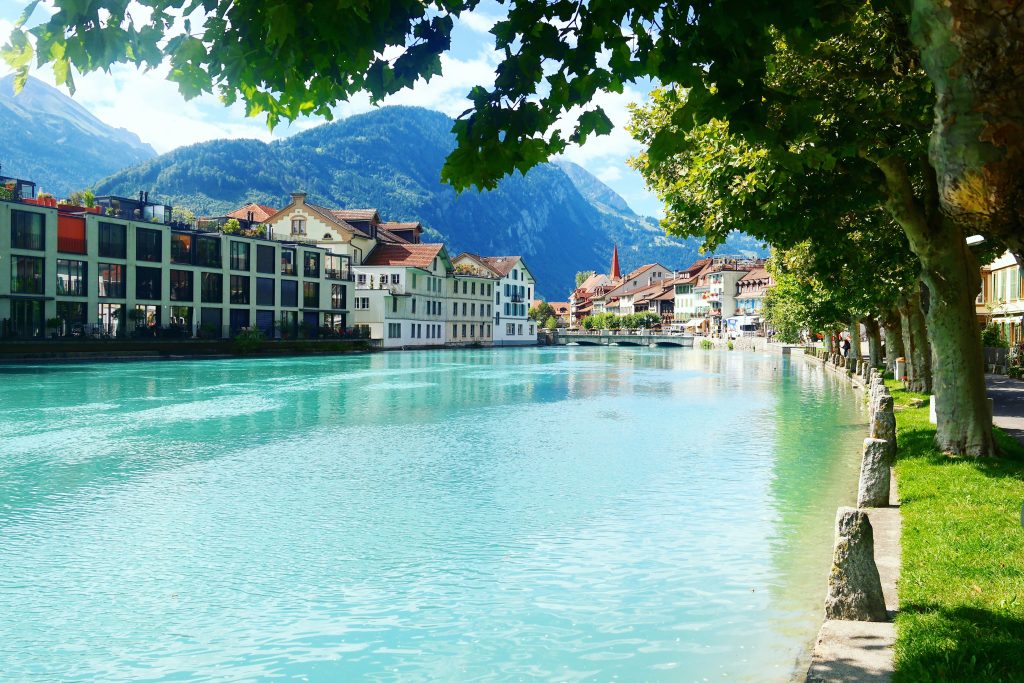
Interlaken

Interlaken

7 hostels · dorms from €38

Between two lakes under the Jungfrau, and the adventure sports capital of the Alps.

Dream come true in the mountains! You can go to Coop or Lidl for cheap food and groceries so you won’t be blowing through your budget! Amazing shops, sightseeing is 20/10 and the restaurants are so yummy too! Best spot in Switzerland to stay/vacation!

A traveller, on Hostelworld
The Interlaken guide
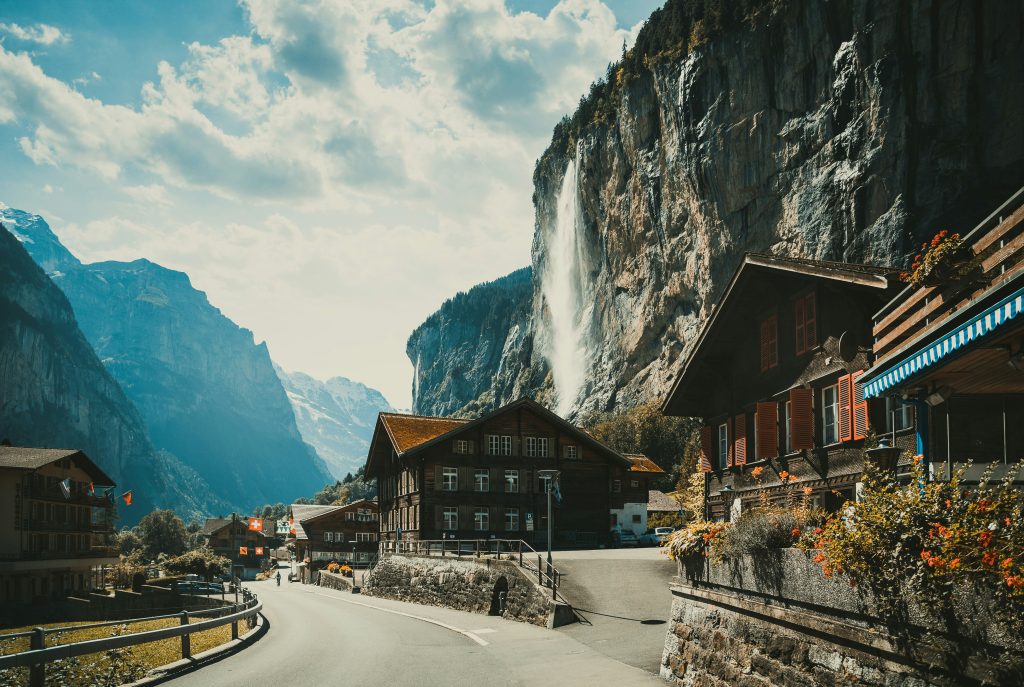
Lauterbrunnen

Lauterbrunnen

2 hostels · dorms from €3

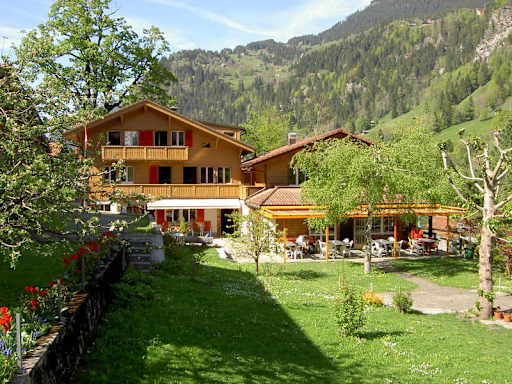
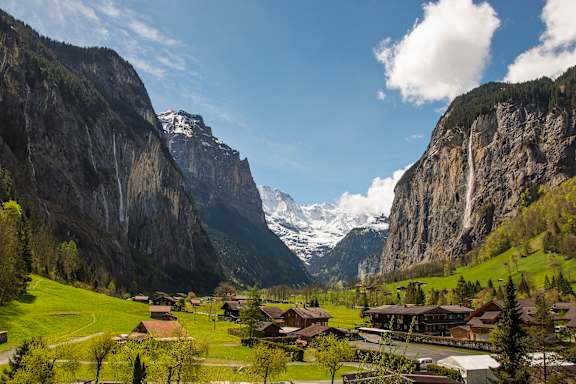
A valley with 72 waterfalls falling from vertical cliffs. The best base in the Bernese Oberland.

Fabulous little town - great amenities, beautiful scenery everywhere you look. People in the shops and restaurants were very helpful!

A traveller, on Hostelworld
The Lauterbrunnen guide
Zermatt

Zermatt

1 hostel

Car-free, under the Matterhorn, and the most photographed mountain view in Europe.

Atmospheric and cute old town with an interesting history, completely majestic scenery, unique features, fabulous skiing and ski lifts. Super easy to get to by train (Swiss trains expensive but efficient). Like to go back in summer to experience too.

A traveller, on Hostelworld
The Zermatt guide
Basel

Basel

6 hostels

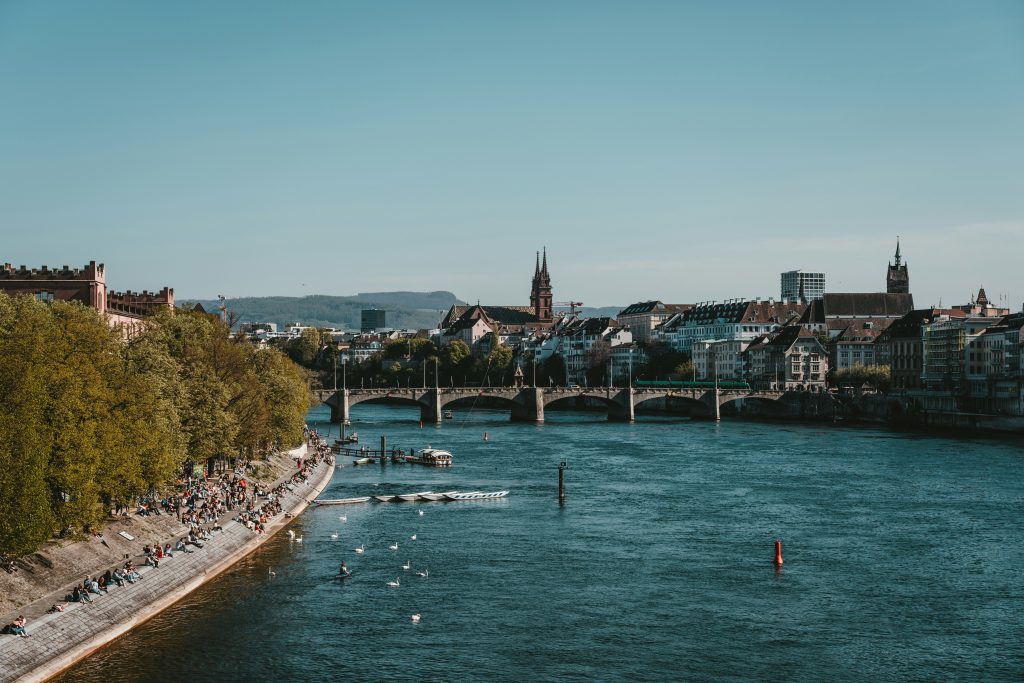
On the Rhine where three countries meet, with forty museums and a carnival that starts at four in the morning.

Quiet town with excellent transport services. Had to travel to do any physical activities but the transport made that easy. Not a party town but is very picturesque to walk around and plenty of nice bars and restaurants.

A traveller, on Hostelworld
The Basel guide
Lausanne

Lausanne

2 hostels

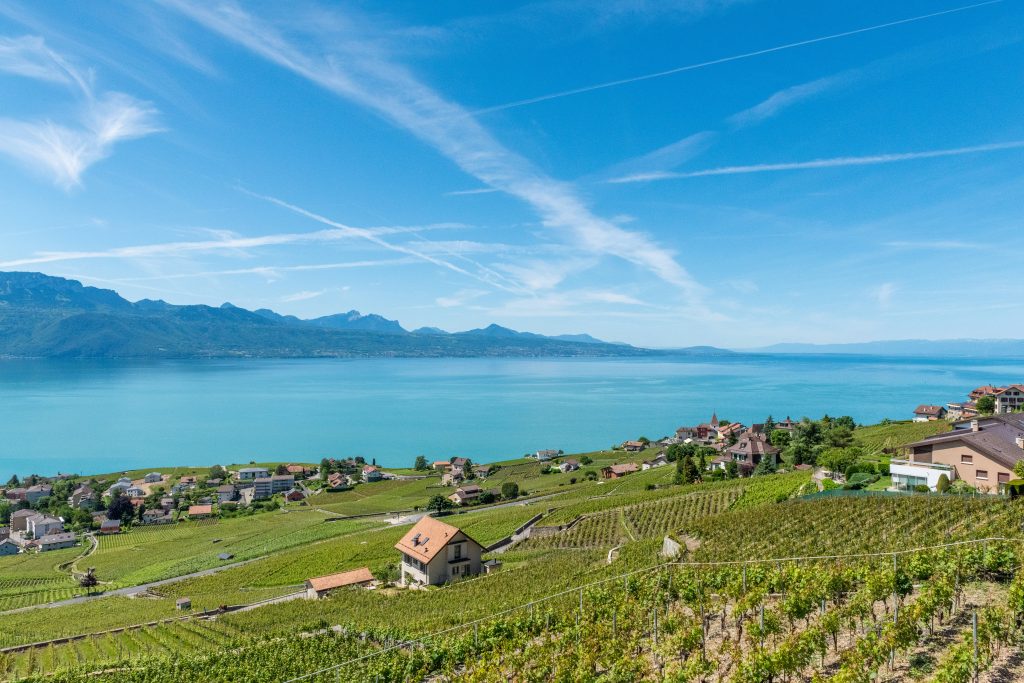
Steep, French-speaking, on Lake Geneva, with the Olympic museum and the Lavaux vineyards along the shore.

The Lausanne guide

What kind of trip is this?

Switzerland is a mountain country with excellent cities attached, and the season decides which.

Adventure in Switzerland

Hiking, canyoning and every airborne sport in the Alps.

What to do

  • Walk the Lauterbrunnen valley floor
  • Paraglide over Interlaken
  • Hike the Five Lakes trail at Zermatt

Spots to visit

  • Jungfrau region
  • Zermatt
  • Engadin

Best cities for it

Things to do

Things to do in Switzerland

The mountain railways are the main event and also the main expense. Jungfraujoch, the highest railway station in Europe, costs well over €150 return; Schilthorn, Männlichen and First are cheaper and give you the same scale of view. Half of what people pay to see from a train can be walked to for nothing.

Lauterbrunnen's valley floor is free and extraordinary — 72 waterfalls, a flat path, cliffs on both sides — and the hike from Männlichen to Kleine Scheidegg is the classic easy ridge walk with the Eiger in front of you the whole way.

Cities do lake and river swimming in summer, which is free and very Swiss: the Aare in Bern carries swimmers through the middle of the city, and Zurich's badis along the Limmat are an institution.

Food and drink

Eating in Switzerland

Eating out is expensive enough that most travellers do it once or twice rather than daily: a main in a normal restaurant is €25 to €40, and a beer €6 to €9.

Coop and Migros are the supermarkets and both have cheap self-service canteens inside, which is the trick nobody tells you — a hot meal for €10 to €15 in the middle of a city. Bakeries do sandwiches for less.

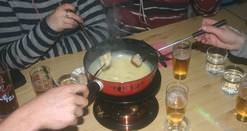
The dishes worth the spend are fondue and raclette, both winter food and both shared, and rösti as a side with everything. Swiss chocolate and cheese in a supermarket cost a fraction of what the same brands cost abroad.

Nightlife

Going out in Switzerland

Zurich has by far the biggest scene — Langstrasse for bars and clubs, and Zurich West in the old industrial arches — and it is expensive: €6 to €9 for a beer, more in clubs.

Geneva and Basel have their own smaller versions, and Basel's Carnival in February is one of the strangest and best in Europe.

Mountain resorts run après-ski from four in the afternoon in season, which is its own economy and priced accordingly. Interlaken in summer has a young, international crowd because of the adventure sports, and hostel bars there are the cheapest social option in the Alps.

Getting around

Getting around Switzerland

The SBB network covers trains, buses, boats and many cable cars as one system, and it is the best public transport in the world. Connections are designed to meet, and they do.

The passes decide your budget. The Half Fare Card cuts most fares by 50% for a month and pays for itself in two or three days of travel. The Swiss Travel Pass covers everything unlimited, including museums, and makes sense if you are moving every day. Point-to-point supersaver tickets, booked in advance, are the cheapest of all if your plans are fixed.

Scenic routes — the Glacier Express, the Bernina line, the GoldenPass — are ordinary trains with panoramic carriages and a reservation fee. You can ride the same tracks on regular services for much less.

Costs

What Switzerland costs

Switzerland is the most expensive country in Europe alongside Norway and Iceland. Dorms start around €40, a restaurant main is €25 to €40, a beer €6 to €9, and a single mountain excursion can cost more than a day of everything else.

The savings are structural rather than clever: supermarket canteens for hot meals, a Half Fare Card for transport, free hiking instead of paid summits, and hostels with kitchens.

A day costs about €90 to €110 doing it carefully, and double that with restaurant meals and a mountain railway. It is worth going with that clear rather than discovering it on day two.

Safety

Staying safe in Switzerland

Switzerland has very low crime and is comfortable everywhere, including at night in the cities. Pickpocketing is limited to main stations and busy tourist sites at ordinary levels.

The risks are mountain risks. Weather changes fast at altitude, marked trails are graded — yellow for easy walking, white-red-white for mountain paths that need sure footing, blue for alpine routes needing equipment — and ignoring the grading is how people get hurt.

In winter, avalanche bulletins are published daily and off-piste skiing without a guide, transceiver and training is genuinely dangerous. Mountain rescue is efficient and expensive: check your insurance covers helicopter evacuation, or consider a REGA membership.

Entry and documents

Entry and documents

Switzerland is in the Schengen area but not the EU. EU and EEA citizens travel on an ID card; UK, US, Canadian and Australian passport holders get 90 days in any 180 across the whole Schengen zone.

Passports need three months' validity beyond departure and to have been issued within the last ten years. ETIAS has been delayed repeatedly — check the official EU site.

Because Switzerland is outside the EU customs union, there are limits on what you can bring in, particularly meat and alcohol, and spot checks happen at the borders even though there are no passport controls.

When to go

Two clear seasons: hiking from June to September once the high trails clear, and skiing from December to March. April, May and November are when much of the mountain infrastructure closes.

3°
Jan
Peak ski season. Cities are cheap and quiet
5°
Feb
Ski season and school holidays. Resorts at their fullest
10°
Mar
Spring skiing, longer days, good snow high up
15°
Apr
Between seasons. Lifts closing, cheapest month
19°
May
Cities excellent, high trails still under snow
23°
Jun
High trails opening, waterfalls at full melt
25°
Jul
Peak hiking season. Book mountain huts ahead
24°
Aug
Still peak, and the 1 August national day fireworks
20°
Sep
The best hiking month. Clear air, thinner crowds
14°
Oct
Autumn colour low down, huts closing up high
8°
Nov
The dead month. Cheapest beds, little open
4°
Dec
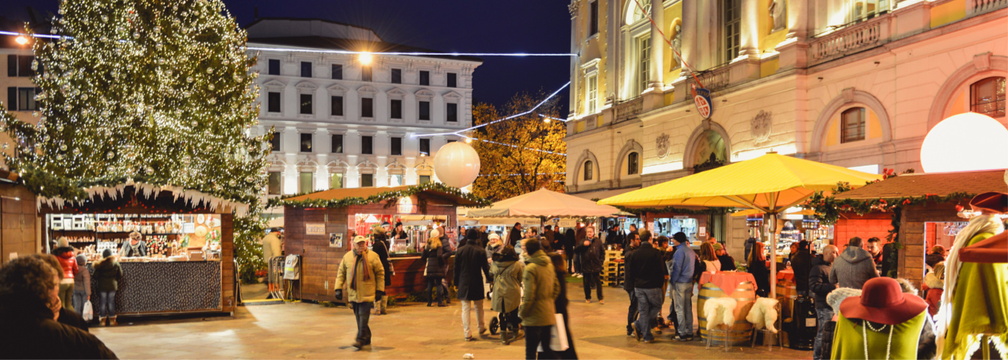
Christmas markets, then ski season proper
Bar height is temperature. Colour is how busy it gets: quiet busy peak

Average highs for Zurich. Mountain valleys are colder and high passes hold snow into June; the Italian-speaking south around Lugano is several degrees milder year-round.

What your trip will cost

Pick how you travel and how long for. Per night, for one person. Transport assumes a Half Fare Card.

Excludes ski passes at €60–80 a day and big mountain railways such as Jungfraujoch at €150+. Hiking, lake swimming and the views cost nothing.

—
  • Beds—
  • Food and drink—
  • Getting around—
  • Doing things—
What's on

What is on while you are there

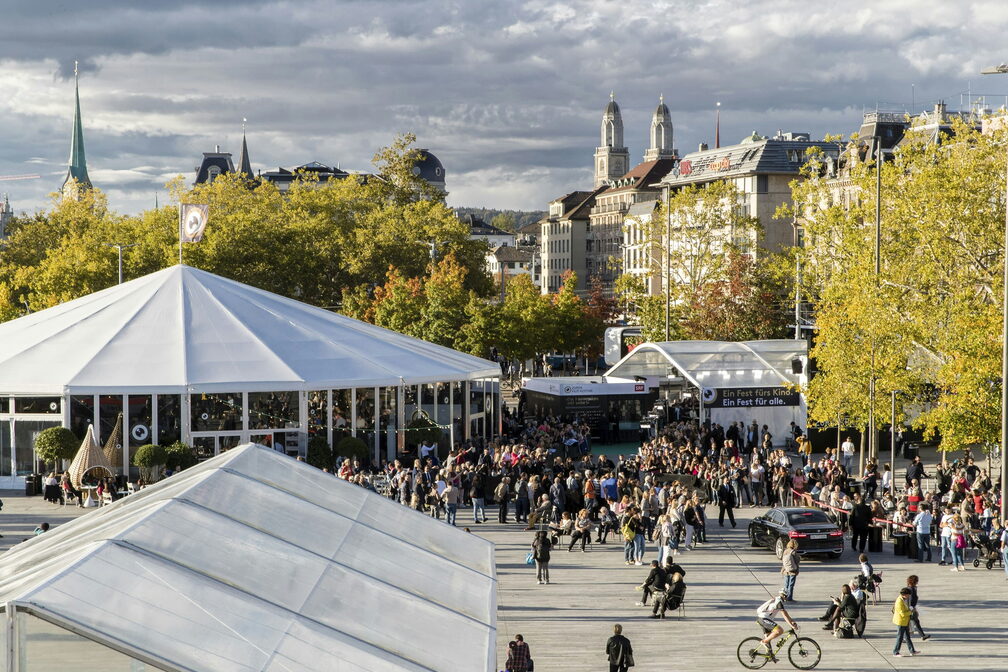
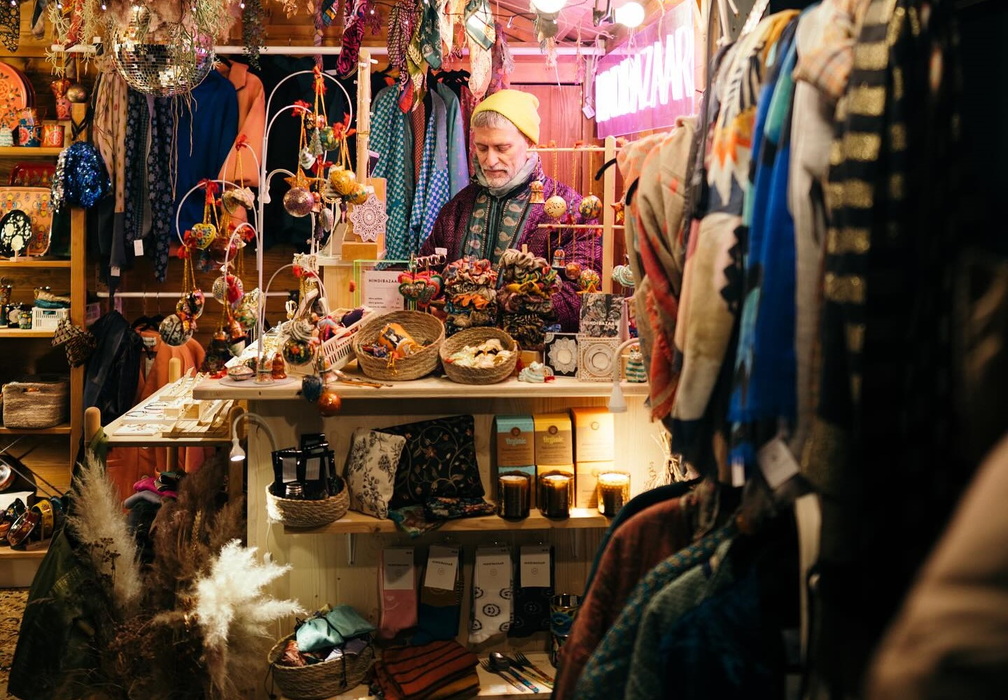
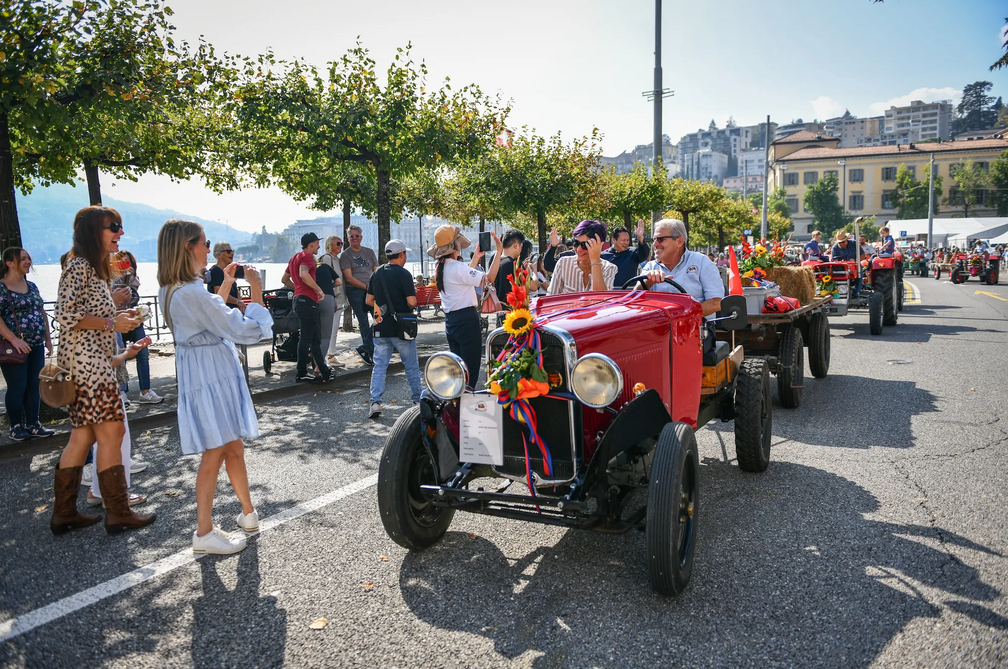
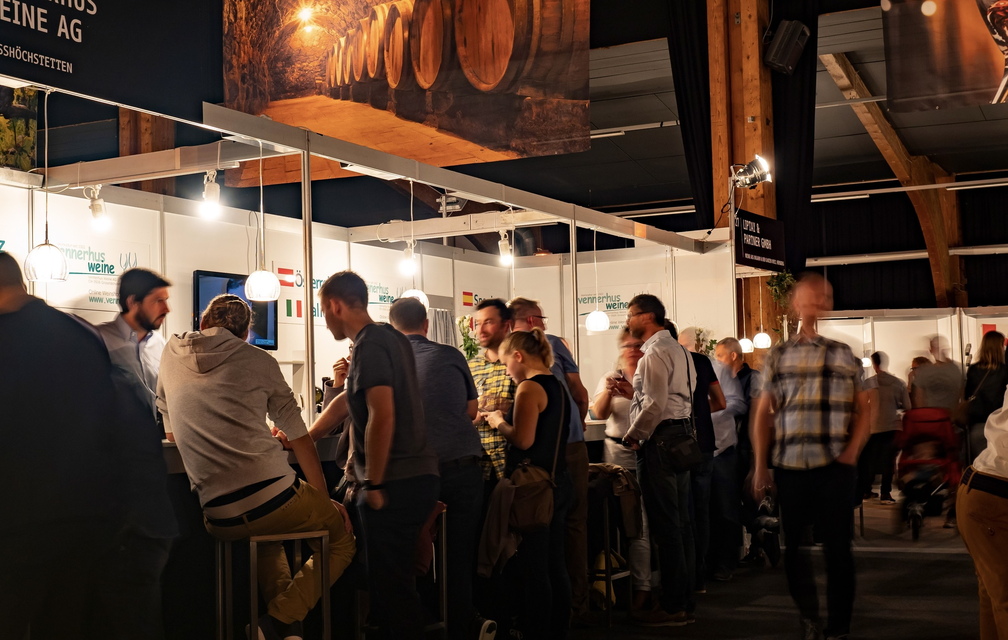
A short list, but two of them are among the strangest events in Europe.

Switzerland travel questions

The ones we get asked most.

How expensive is Switzerland?
Among the most expensive countries in the world. Dorms from €40, restaurant mains €25 to €40, beer €6 to €9. A careful day costs €90 to €110; add restaurant meals and a mountain railway and it doubles.
Is the Swiss Travel Pass worth it?
It depends on pace. If you move every day and use mountain excursions, yes. If you are basing yourself in one valley, the Half Fare Card — half price for a month — is usually better value, and advance supersaver tickets are cheaper again.
Is Jungfraujoch worth €150?
It is the highest railway station in Europe and the view is extraordinary, but Schilthorn, Männlichen and First cost far less for a comparable scale of view. If the budget is tight, spend it on a cable car and walk from the top.
When is the best time to hike in Switzerland?
Late June to September, once the high trails clear. July and August are busiest, September has the clearest air and fewest people. Mountain huts need booking in advance in summer.
Does Switzerland use the euro?
No, the Swiss franc. Some tourist businesses accept euros at poor rates, and change is given in francs. Cards are accepted everywhere, which is usually the better option.
How do I hike safely?
Follow the trail grading: yellow for easy walking, white-red-white for mountain paths needing sure footing, blue for alpine routes needing equipment. Check the forecast, start early, and note that signposts give walking times rather than distances.
Can Switzerland be done on a budget?
Partly. Supermarket canteens at Coop and Migros give hot meals for €10 to €15, hiking and lake swimming are free, and hostel kitchens are standard. What you cannot avoid is the cost of a bed and the cost of the mountain railways.

Say yes to hostels, meet the world

Compare hostels across Switzerland — live prices, real reviews and free cancellation on most bookings. Then meet the people already there in the app.

Get the App. QRGet the App.
Get the App. QR  Get the App.
Scroll to Top