
Free Things To Do In Buenos Aires
Buenos Aires wears its “Paris of South America” nickname well, and if you follow the tourist trail it can start charging Paris prices too. The good news for backpackers is that this city is genuinely generous. Some of the best free things to do in Buenos Aires are also the things locals actually do: walking the barrios, drinking mate in a park, catching outdoor tango, wandering a Sunday market with empty pockets and a full afternoon.
This guide covers what’s truly free, what only costs a couple of euros, and where to sleep cheaply while you do it. Everything here has been checked for free entry, because nothing stings more than turning up somewhere “free” and finding a ticket desk. Prices for beds come straight from Hostelworld’s Buenos Aires listings, where dorms currently start under €10 a night.
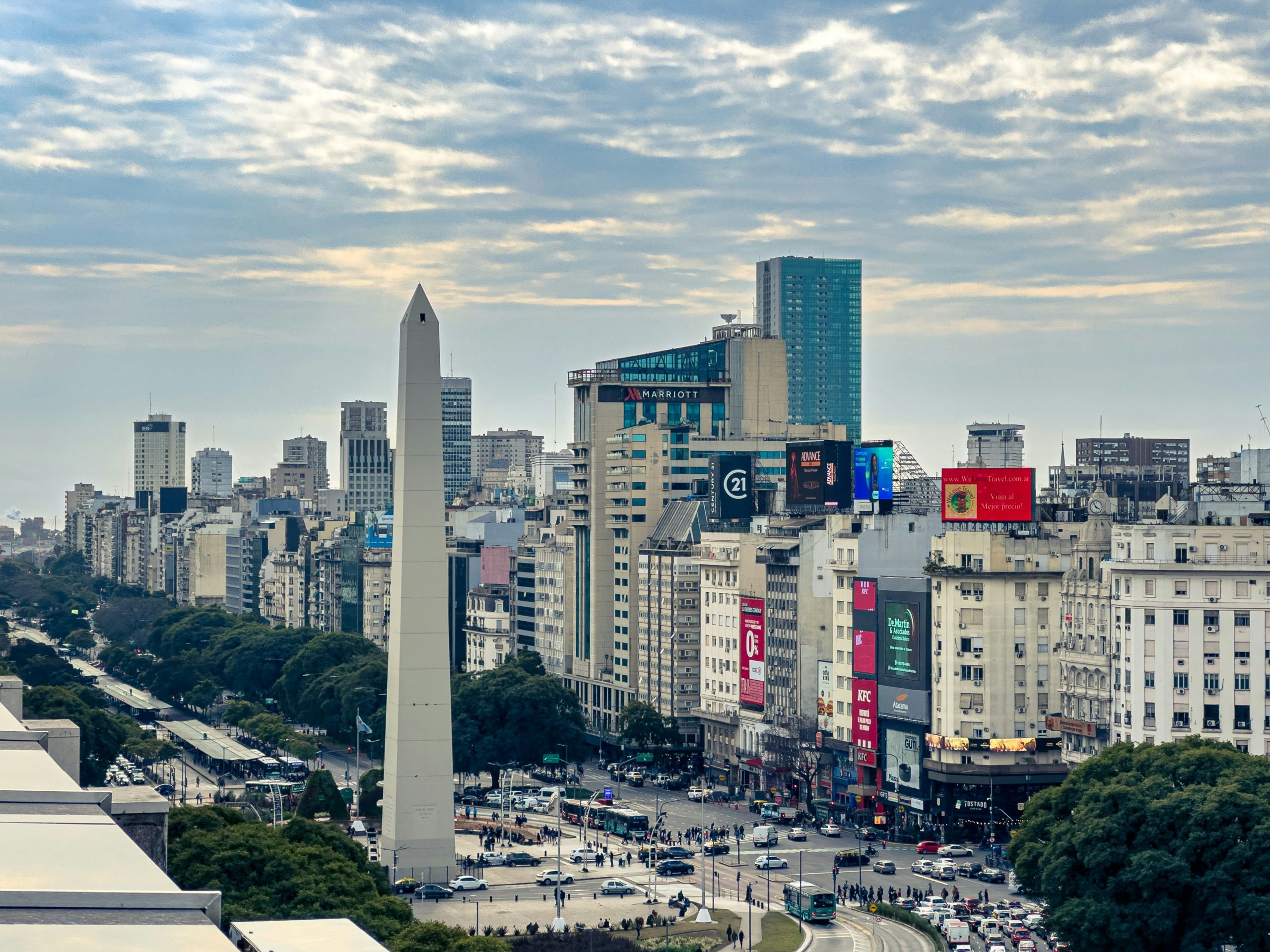
🎯 What are the top free things to do in Buenos Aires?
These are the ones worth building a day around, all with no entry fee at all:
- Plaza de Mayo and the Casa Rosada exterior. The political heart of Argentina, complete with the balcony Evita spoke from and the Madres de Plaza de Mayo’s painted white headscarves on the paving.
- El Ateneo Grand Splendid. A 1919 theatre turned bookshop. Walk in, sit in a box seat, leave without buying anything. Nobody minds.
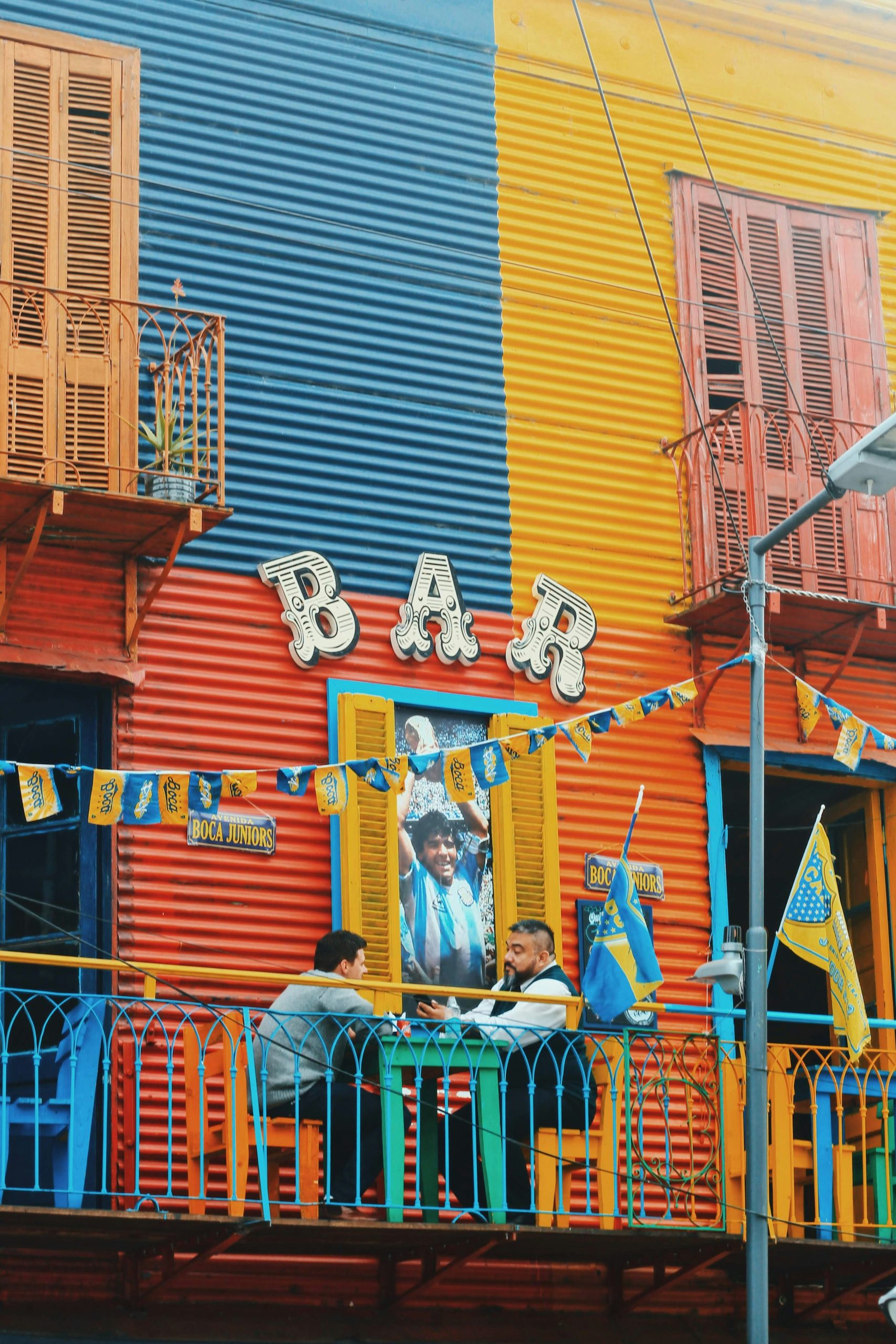
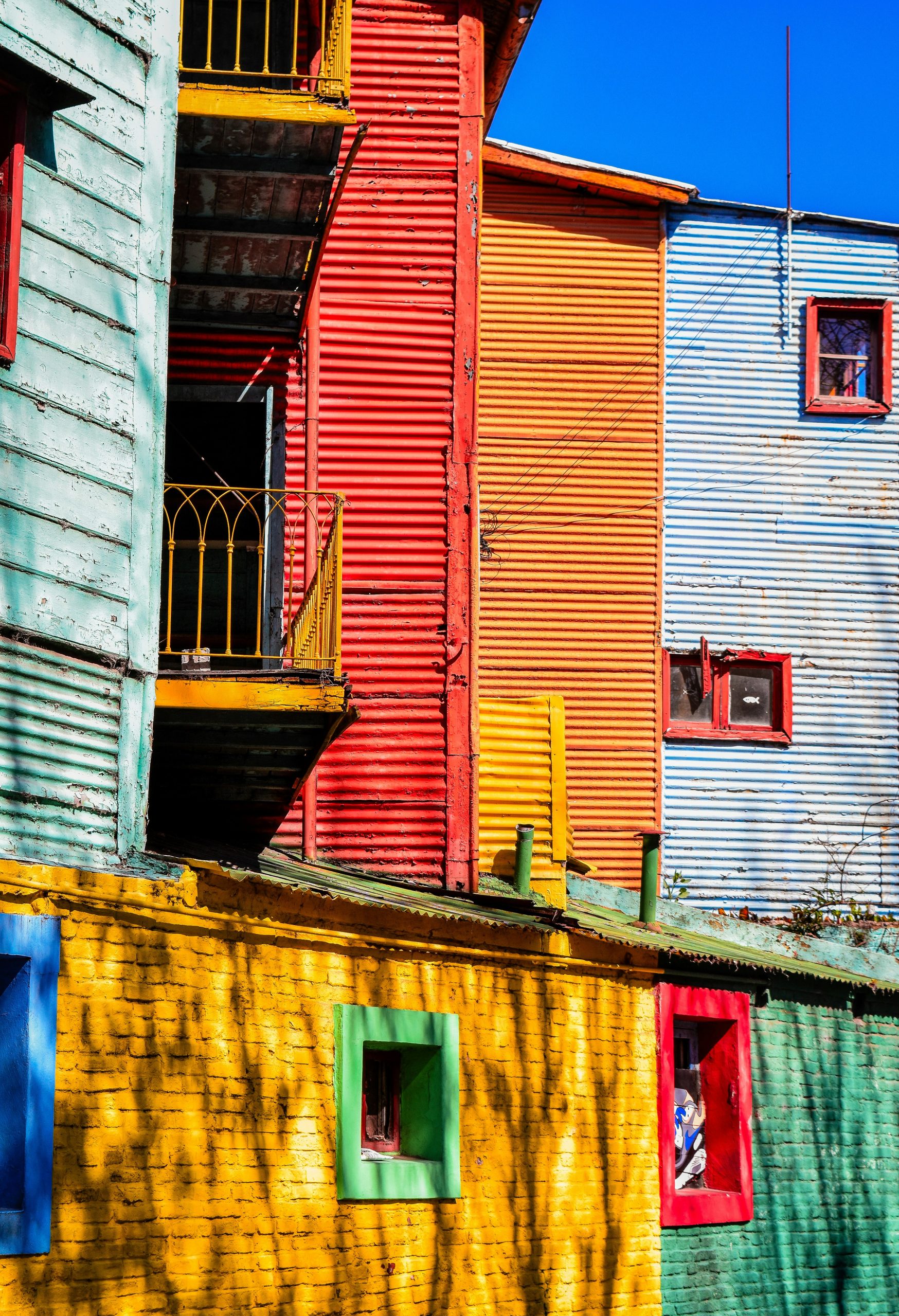
- Caminito, La Boca. The corrugated-iron houses painted in every colour going. Free to walk, touristy as anything, still unmissable.
- Reserva Ecológica Costanera Sur. 350 hectares of wetland and river paths ten minutes from Puerto Madero.
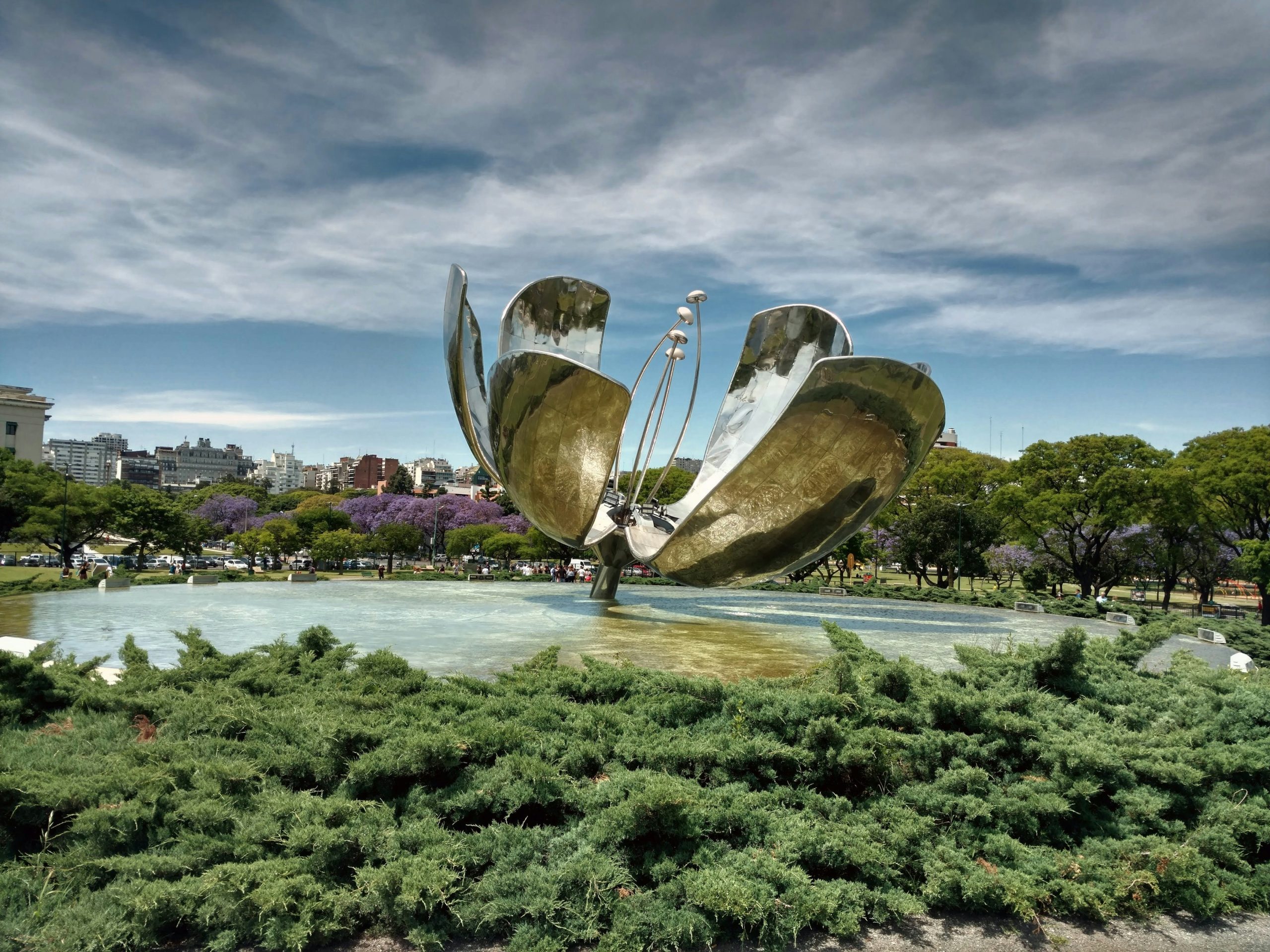
- Floralis Genérica. A giant steel flower in Plaza Naciones Unidas that opens and closes with the light.
- Puente de la Mujer. Calatrava’s white bridge across the old docks, best at sunset.
💡 Quick tip: Sundays are the city’s cheapest day. Half the free stuff (markets, outdoor tango, street performers) only happens then.
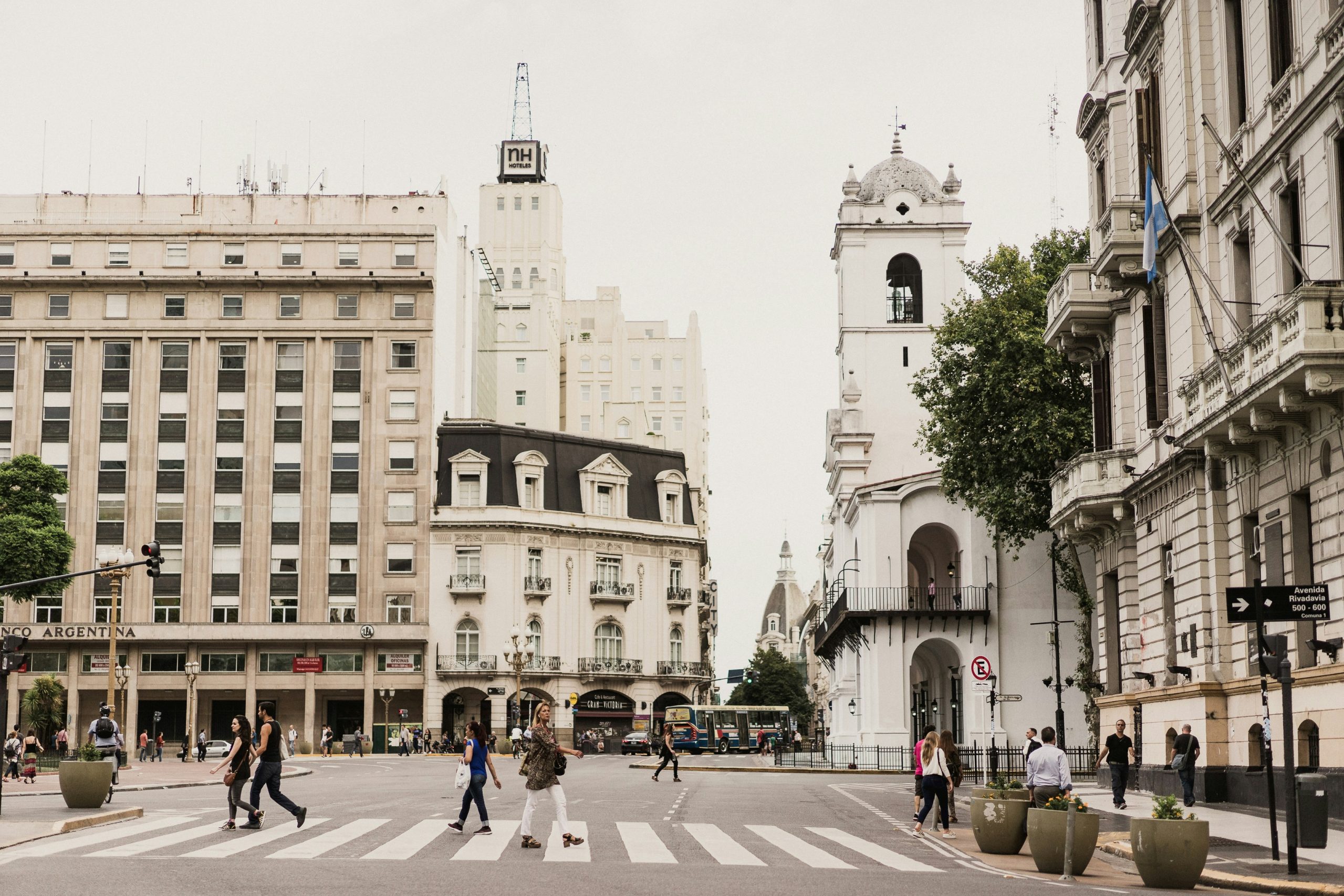
🚶 Are the free walking tours in Buenos Aires really free?
Mostly, yes. The free walking tours in Buenos Aires run on a tip-based model, so there’s no upfront cost and no card details required. You show up, you walk for two to three hours, you decide what it was worth at the end. Budget around €8 to €10 as a fair tip if you enjoyed it.
| Tour | Meeting point | Runs |
|---|---|---|
| City centre / Congress | Front gate of the National Congress, Av. Entre Ríos 51 (look for orange guides) | Daily |
| La Boca | Corner of Magallanes and Caminito | Most days |
| Palermo | Plaza Serrano, corner of Borges and Honduras | Afternoons |
| San Telmo | Corner of Defensa and Av. Belgrano | Daily |
Hostels are the other free tour desk in this city. Several run their own walks, asados and tango nights for guests, and you can see what’s on before you book through Hostelworld’s Buenos Aires events page.
One thing to know: the Recoleta Cemetery tour is not free, and neither is the cemetery itself for foreign visitors. See the culture section below.
🥟 Where can you eat and drink cheaply in Buenos Aires?
Argentina’s economy swings around a lot, but street food has stayed loyal to the backpacker.
A choripán from a parrilla stall on the Costanera costs around €3 and functions as a full lunch. Empanadas run about €1 to €1.50 each, and three of them plus a coffee is a proper meal. Sit-down places do a menú del día at lunch for roughly €8 to €10, which is half what the same plate costs at dinner.
Drinking cheaply:
- Supermarket Malbec: from about €3 a bottle, and it’s good
- Litre bottle of Quilmes from a kiosco: around €2
- Hostel bar happy hours, usually the cheapest beer in any tourist neighbourhood
Free stuff you can genuinely get: tap water is safe to drink, so refill rather than buy. Many hostels include breakfast, and the ferias hand out samples of cheese, salami and alfajores without much prompting.
Cooking for yourself cuts the food bill in half again, so filter for hostels in Buenos Aires with a kitchen before you book and split an asado with the dorm.
🌳 Which free outdoor spaces and neighbourhoods are worth wandering?
Buenos Aires is a walking city, and the barrios are the attraction. You could fill three days doing nothing but this.
Bosques de Palermo is the big one: 400 hectares of lakes, jacarandas and the free Rosedal rose garden, where porteños jog, drink mate and sunbathe on a Tuesday afternoon. Parque Lezama in San Telmo is smaller and more local, with a bandstand and permanent chess games.
For neighbourhood wandering:
- San Telmo for cobbles, antique shops and iron balconies
- Palermo Soho for street art, boutiques and Plaza Serrano
- Belgrano’s Barrio Chino for a two-street detour into another continent
- Puerto Madero for the docks, the bridge and the river breeze
🌅 Free tango, no ticket: head to La Glorieta de Belgrano on a weekend evening, an open-air bandstand where locals dance for free. Beginners get pulled in, so don’t hover.
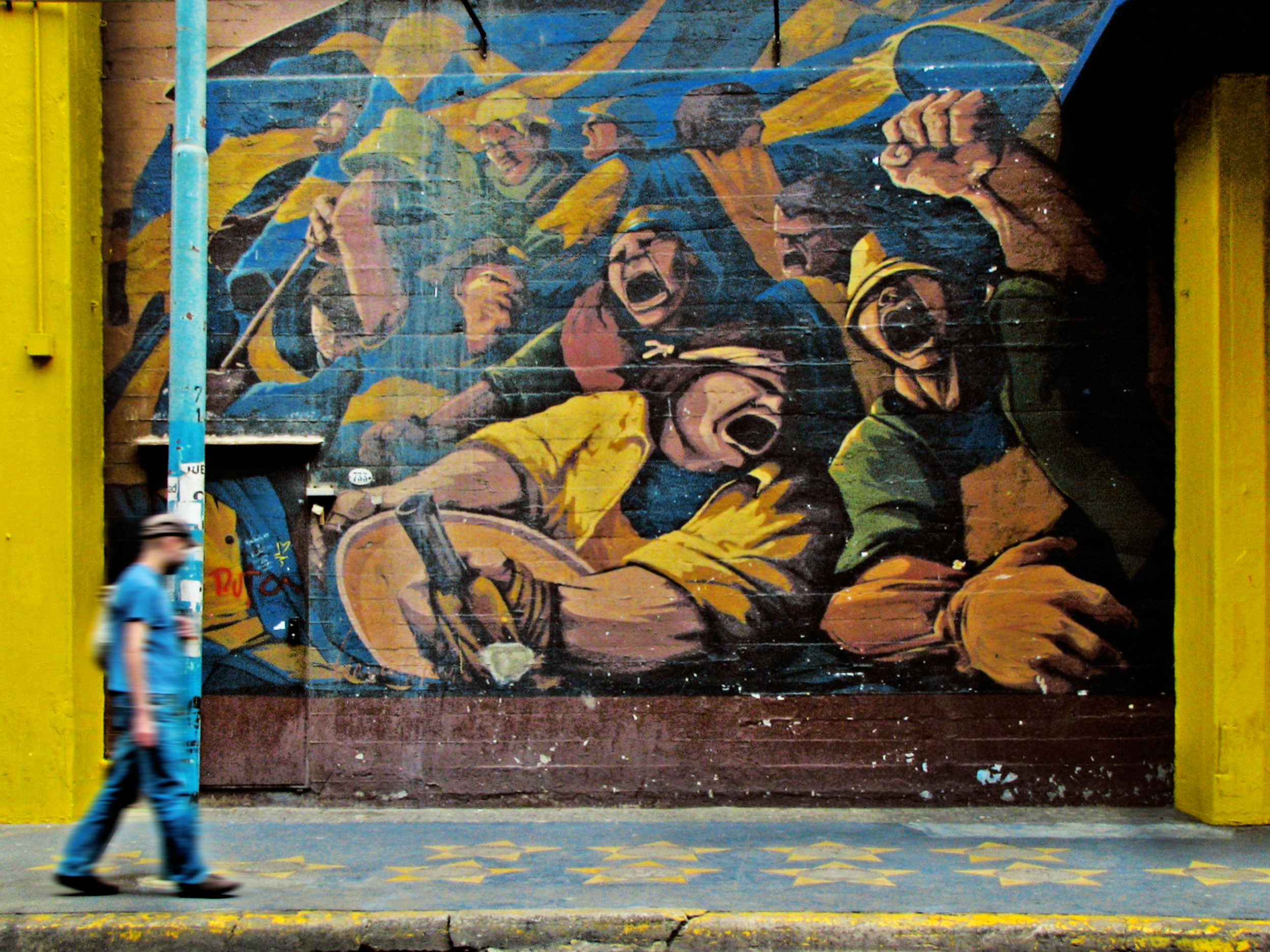
🎨 What free cultural experiences can you find in Buenos Aires?
Buenos Aires was named the world’s first UNESCO City of Design, and a lot of that culture costs nothing.
Free museums in Buenos Aires follow a pattern worth memorising: many city-run museums are free on Wednesdays, and the Museo Nacional de Bellas Artes in Recoleta usually has free general admission all week, with Rodin, Goya and a strong Argentine collection.
Other no-cost culture:
- Palacio Libertad (the former CCK) in the old post office building, with free exhibitions and concerts
- Usina del Arte in La Boca, which programmes free gigs in a converted power station
- Feria de San Telmo on Sundays, thirteen blocks of antiques, buskers and pickpockets, so watch your bag
- Feria de Mataderos at weekends for gaucho culture and folk dancing
- Street art in Palermo, Villa Crespo and Colegiales, some of the best in Latin America
⚠️ One correction to the guidebooks: Recoleta Cemetery is no longer free for tourists. Foreign visitors pay roughly €15, card only, while Argentine residents enter free. Chacarita Cemetery is free and just as architecturally mad.
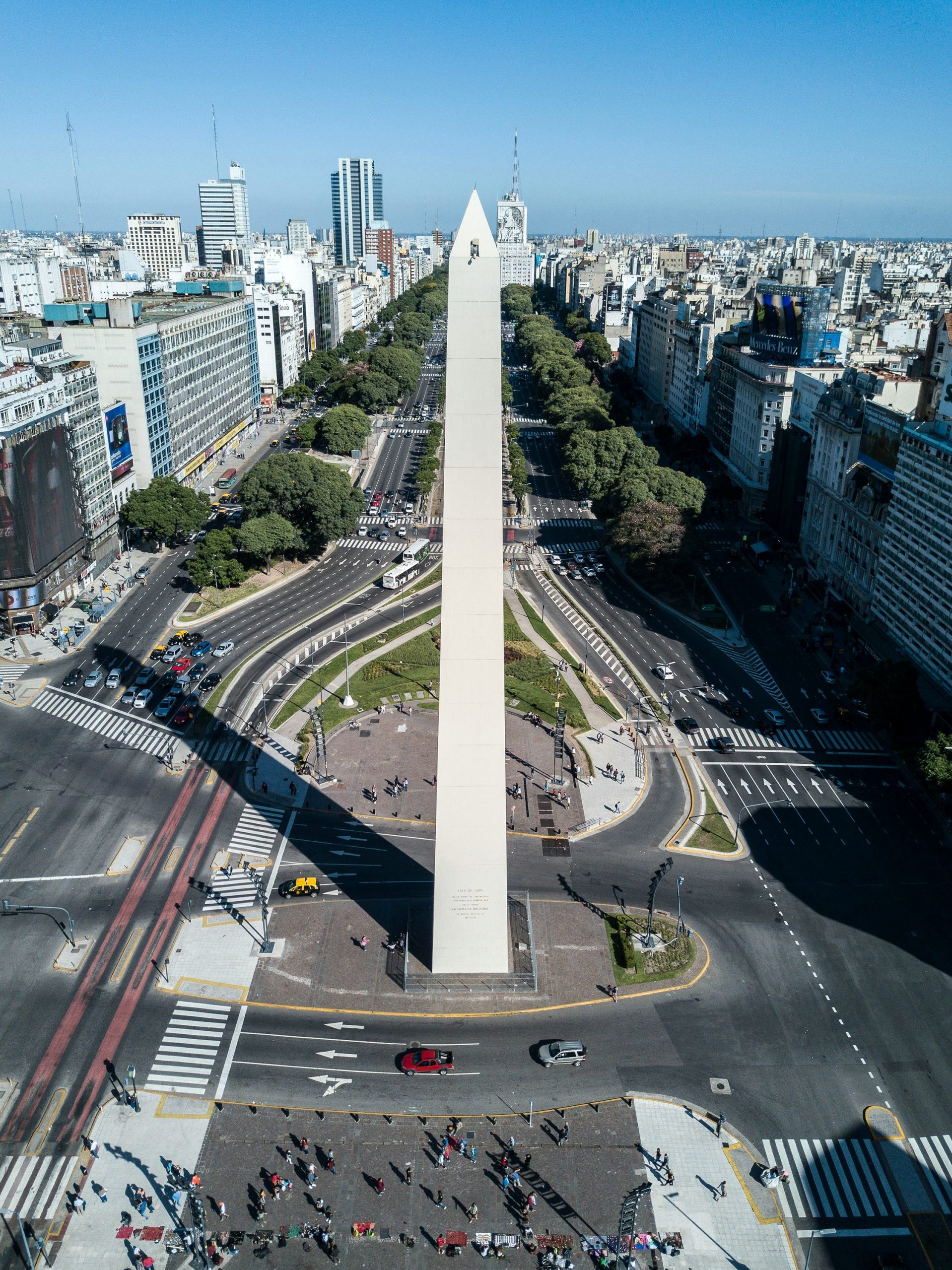
💸 What does a day in Buenos Aires on a budget actually cost?
Here’s a realistic day if you lean on the free stuff:
| Item | Cost |
|---|---|
| Hostel dorm bed | €8 to €12 |
| Breakfast (often included) | €0 to €3 |
| Empanada lunch | €4 |
| Subte and colectivo rides | under €1 per journey |
| Sightseeing (parks, plazas, markets, street art) | €0 |
| Dinner, menú or supermarket asado | €8 to €12 |
| Beer or wine | €2 to €4 |
That lands most travellers between €25 and €35 a day, which is why Buenos Aires still shows up on every serious South America budget route. Get a SUBE card from any kiosco with a purple flag on day one, since it’s the only way to pay for the subte and buses.
Two more ways to trim it: Hostelworld Social Pass unlocks discounts and meet-ups at participating hostels, and booking through the Hostelworld app keeps free cancellation options in your pocket when plans shift.
More on stretching a trip: read our guide to travelling on a budget and the full backpacking Argentina guide.
🛏️ Which budget hostels should you book in Buenos Aires?
Dorms here start under €10, and the social hostels double as your free activities desk: walking tours, asados, tango classes and football nights. If you’re arriving alone, start with the best hostels for solo travellers in Buenos Aires, or the party hostels if you’d rather land straight in a group.
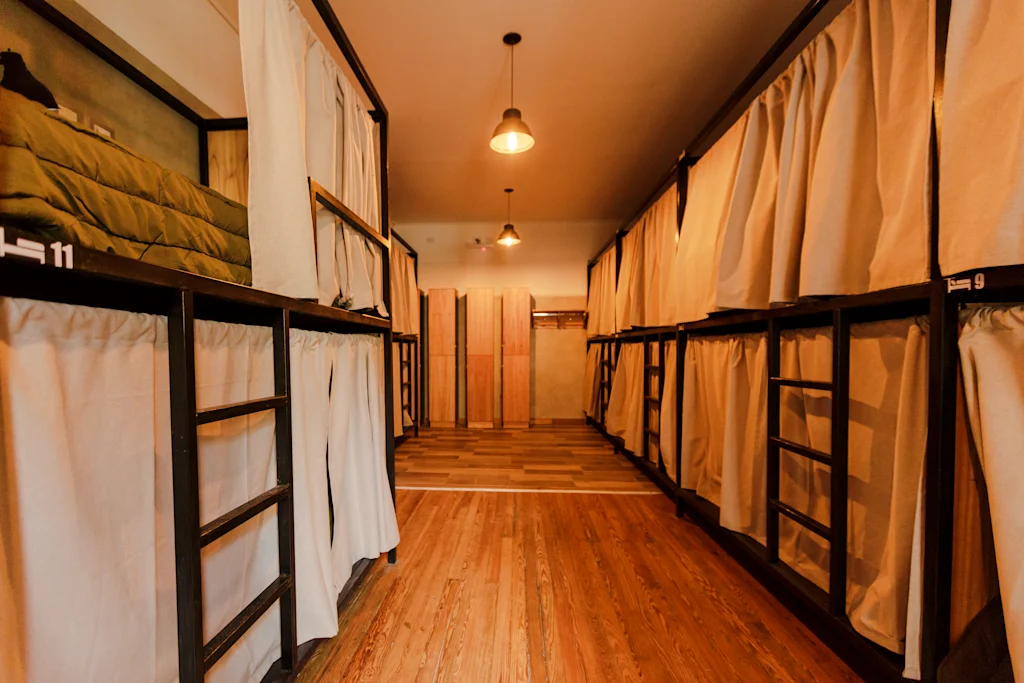
Che Juan BA
Rated 9.5 on Hostelworld with nearly a thousand reviews, and a 2026 Hoscars country winner. Dorms from around €8, under a kilometre from the centre, which means most of the free sights in this guide are a walk away rather than a bus ride.
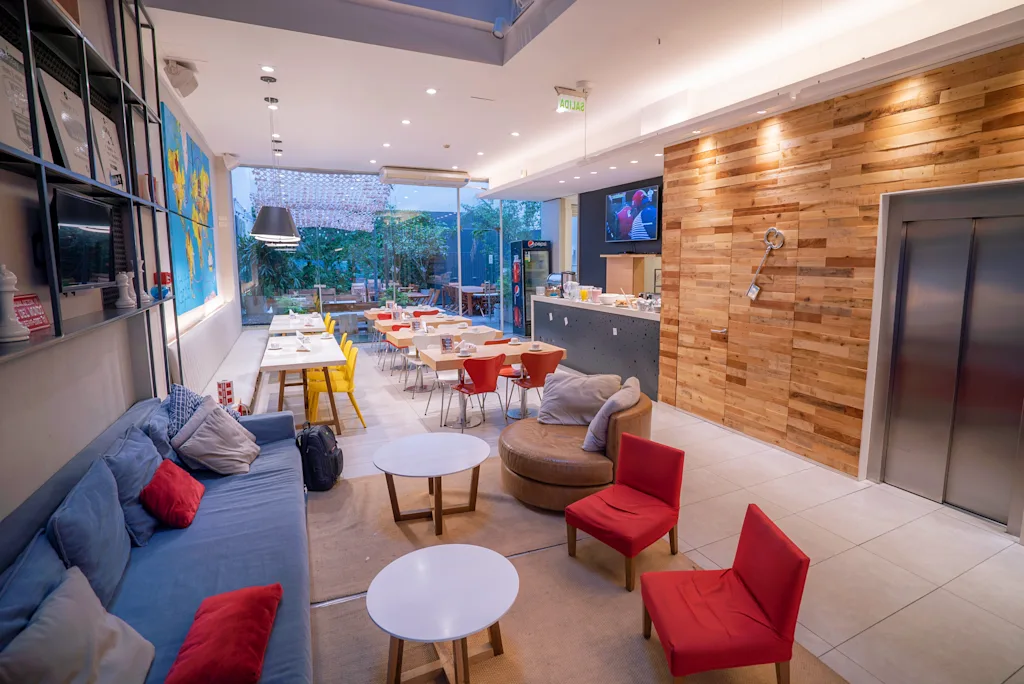
America del Sur Hostel Buenos Aires
A San Telmo institution with over 6,000 reviews, a BBQ area and its own free walking tours, which is about as budget-friendly as a hostel gets. Dorms from around €10, walking distance from Plaza Dorrego and the Sunday feria.

Milhouse Hostel Avenue
The party option, set in a restored 1905 mansion on Avenida de Mayo with more than 80 events on the calendar. Dorms from around €16, pricier than the others but the nightly programme replaces any need to pay for tours.
More cheap beds worth a look
| Hostel | Area | Dorms from |
|---|---|---|
| Sabatico Travelers Hostel & Guesthouse | Centre | ~€9 |
| Primavera Hostel | Centre (0.4km out) | ~€9.50 |
| Parla Hostel | Centre | ~€10 |
| Circus Hostel | San Telmo | ~€10.50 |
Prefer to stay close to Plaza de Mayo? Browse hostels in Downtown Buenos Aires, or check Recoleta for a quieter, leafier base. For the full rundown, see our pick of the 10 best hostels in Buenos Aires.
🧉 Final thoughts
Buenos Aires rewards travellers who slow down, and slowing down happens to be free. You do not need a museum pass, a bus tour or a tango show ticket to understand this city. You need comfortable shoes, a SUBE card and a Sunday.
Spend your pesos on the things that actually improve the trip, a good steak, a bottle of Malbec, a football ticket if you can get one, and let the parks, plazas, ferias and street art fill the rest of the itinerary. When you’re ready to lock in a bed, book it on Hostelworld or grab the app and do it from the airport queue.
Then keep going: our backpacking South America guide picks up where this one leaves off.
Download the Hostelworld app to start booking now


❓FAQs: Free Things To Do In Buenos Aires


 Get the App.