
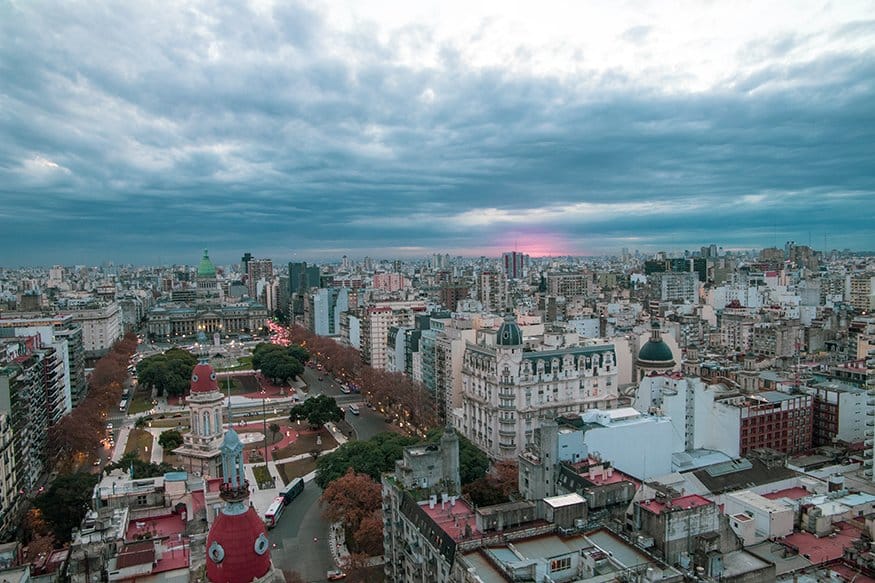

There’s something intoxicating about Argentina, and it’s not just the red wine. From the glaciers of Patagonia to the salt marshes of Salta, from the thundering waterfalls of Iguazú to the equally loud nightclubs of Buenos Aires – every corner of this bubbling South American destination beckons backpackers like a bottomless bottle of Malbec. The country is huge – the journey from Ushuaia in the south to the Bolivian border in the north takes 50 hours, about the same as travelling from London to Bucharest and back again, so it’s hard to know where to visit in Argentina. But whether you want to tango, hike or just lie on the beach, here are the 13 best places to visit in Argentina.
1 Buenos Aires

Welcome to one of South America’s most fascinating metropolises. Buenos Aires is the gateway to the country for most backpackers – either via Ezeiza International Airport or by ferry from Uruguay – and what an introduction to Argentina it offers. The tango halls (called milongas) and nightclubs (boliches) party until dawn. The kaleidoscopic streets of La Boca and the Sunday markets of San Telmo pulsate with atmosphere. The architecture looks like it was taken from the streets of Paris or Madrid, with breathtaking landmarks such as the Casa Rosada presidential house in the city centre and the ornate tombs in the Recoleta cemetery. A visit to Boca Juniors’ Bombonera and River Plate’s Monumental should be on every football fan’s bucket list. Oh, and then there’s the food, the marvellous food – first steak in a parrilla, then some alfajores with dulce de leche for dessert. This spectacular city hums 24 hours a day and truly deserves to be at the top of any list of travel destinations in Argentina.
Where should you stay? The two Milhouse houses – two legendary party hostels on Avenida de Mayo and Hipolito Yirigoyen – are the stuff of legend among backpackers travelling through South America.
Compare all youth hostels in Buenos Aires
2 Iguazú
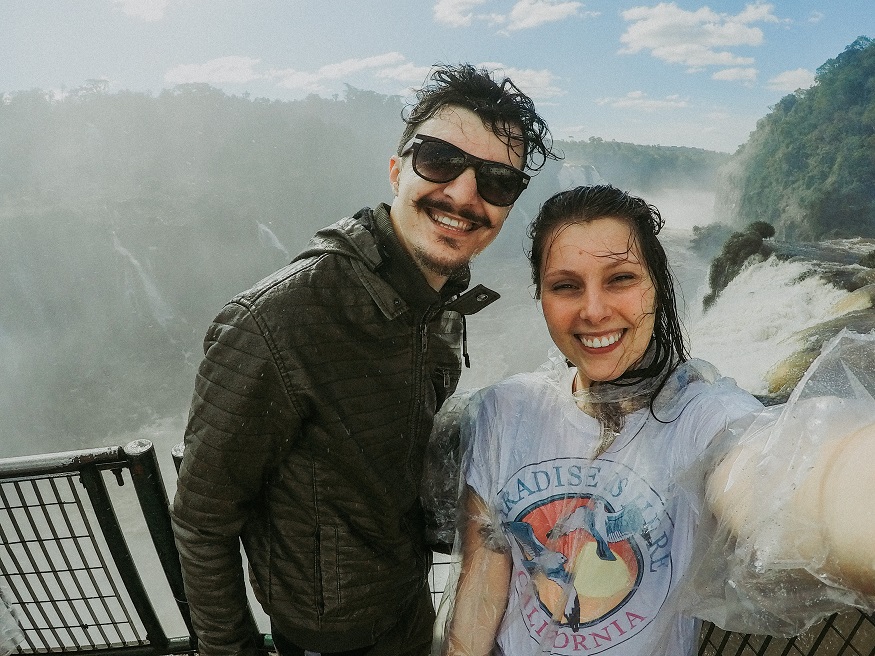
More than 250 towering waterfalls form Argentina’s natural border with Brazil and Paraguay in the sultry north-east of the country. And although the view of the waterfalls may be better from the Brazilian side, the experience is much more intense on the Argentinian side. Here you can hop on a boat directly below the cascades and navigate a network of hiking trails that wind through the mist, avoiding the resident coatis. Iguazú means “big water” in the indigenous Guaraní language, and you’ll get a better sense of just how big the water is when you hear the roar up close in Argentina’s Parque Nacional Iguazú, which you can reach from the hostel-friendly town of Puerto Iguazú.
The super centrally located Tangoinn Downtown and Bar guarantees a good time with its lively pool and jacuzzi.
Compare all hostels in Puerto Iguazú
3 Patagonia
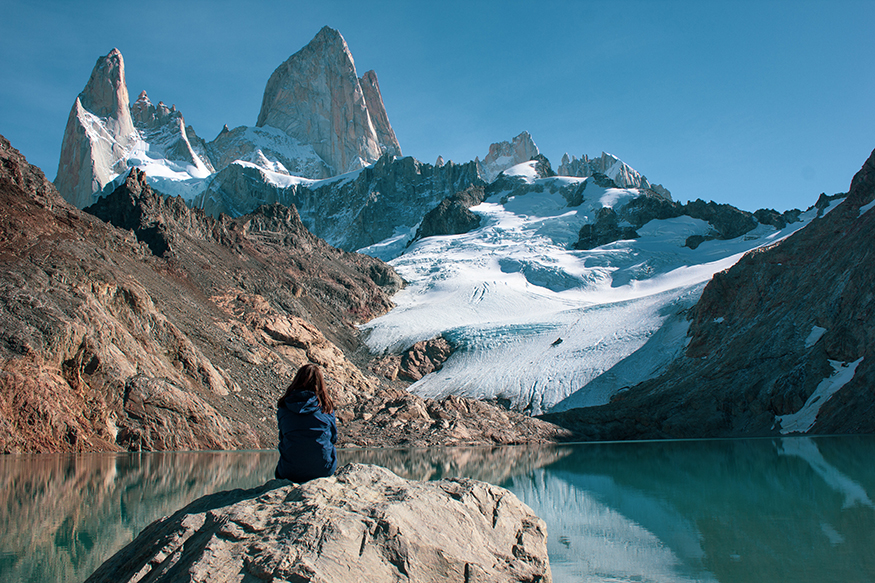
Wondering where the outdoor sportswear brand got its name from? It’s the barren southern tip of South America – a huge region that stretches across Chile and Argentina, basically covering everything from the Argentinian province of Río Negro southwards. The highlight is of course the Perito Moreno Glacier, a 30 km long river of ice that advances two metres a day and sends huge chunks of ice crashing 60 metres into the water with a mighty thud. It is not only the size of the glacier that is impressive, but also its accessibility, as you have a front row seat from a peninsula to witness this thundering spectacle. You will spend the night in El Calafate before visiting the Parque Nacional Los Glaciares, crossing the Chilean border to the Torres del Paine or taking a boat tour through the glassy glacial lakes.
A little further north, Mount Fitz Roy is Patagonia’s other postcard motif. This craggy peak towers over the town of El Chaltén, a hiker’s paradise with a maze of breathtaking hikes right on its doorstep. It is best to visit the town in the warmer months before the hiking trails freeze over in the middle of the year – many hostels are completely closed between April and October.
Compare all youth hostels in El Calafate
4 Tierra del Fuego (Tierra del Fuego)
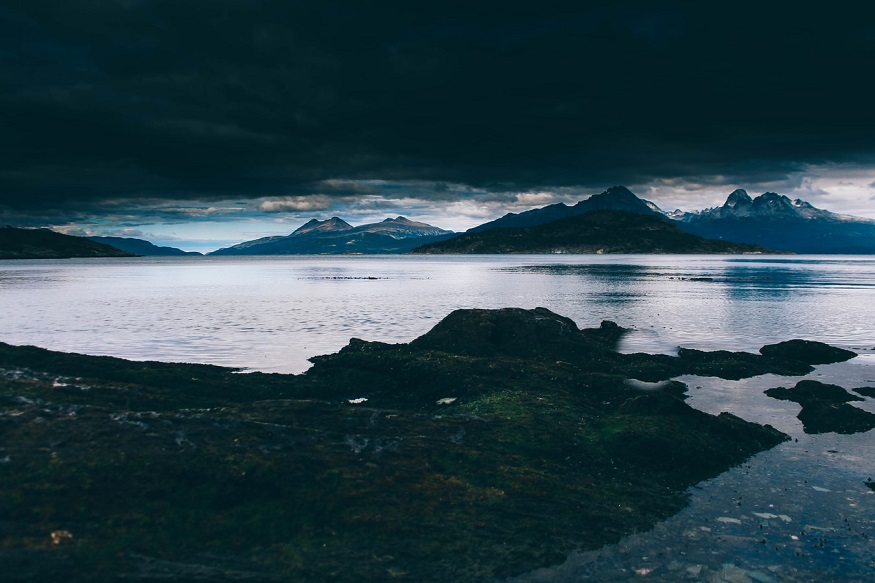
At the very bottom of the country is one of the most beautiful places to visit in Argentina. Cut off from the rest of Patagonia by the Strait of Magellan, the archipelago of Tierra del Fuego feels like the end of the world – a rugged region of forests, swamps and glaciers overshadowed by the southern foothills of the Andes. Ushuaia – the southernmost city in the world – is the starting point for cruises through the beautiful Beagle Channel, the breathtaking mountain landscape of the Parque Nacional Tierra del Fuego and excursions to Antarctica if you have a few thousand in your rucksack budget .
Compare all youth hostels in Ushuaia
5 Salta and Jujuy

Salta, 📸:@consls
The bone-dry north-west is overlooked by many backpackers, but the provinces of Salta and Jujuy are two of Argentina’s most extraordinary destinations. Stay in Salta – a picturesque colonial town with an indigenous culture – and then pick the day trips that appeal to you. The Quebrada de Humahuaca is a gorge of rainbow-coloured rocks that stretches up towards Bolivia and is dotted with ancient Quechua villages such as Tilcara and Humahuaca. Fruity Torrontés wine is produced in Valles Calchaquíes and there are a number of wineries near Cafayate that can be reached by bike (or on foot). The salt flats of Salinas Grandes may not be as huge as the much-vaunted Uyuni in Bolivia, but they are much easier to get to. There is also plenty to photograph in the rocky Quebrada de los Conchas, the Cerro de los Siete Colores (Hill of Seven Colours) near Purmamarca and the cactus-covered landscape of Catamarca. Do you remember the scenery from the Road Runner films? That’s exactly what this part of the world looks like in reality.
Prisamata – a colonial house in Salta with hammocks in the spacious communal areas – is a great place to relax after all that exploring.
Compare all youth hostels in Salta
6 Mendoza
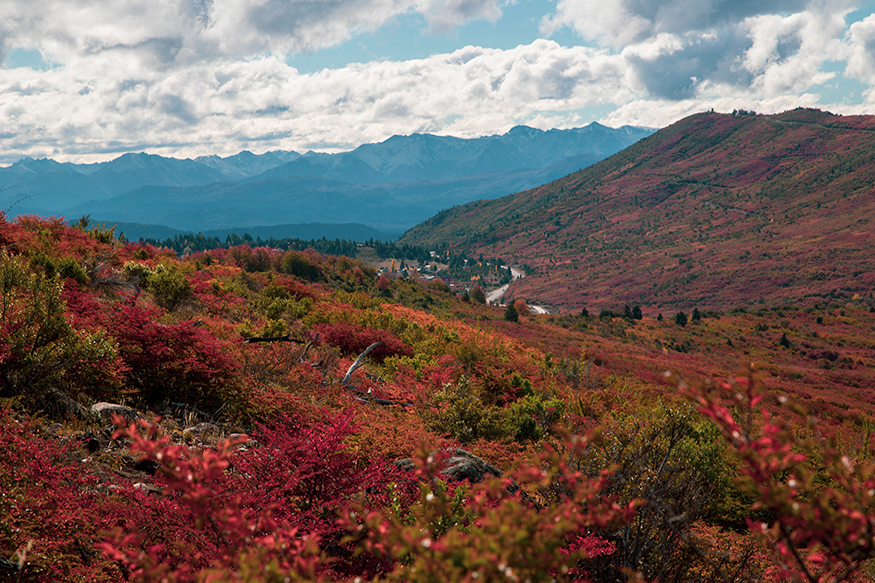
Speaking of wine, Mendoza, South America’s wine capital, has it by the barrel. This green city is the centre of Cuyo, the wine-growing region where the high peaks of the Andes form a breathtaking backdrop for your bottle of red wine. Mendoza is famous for the Malbec grape variety, and the area is full of bodegas where you can sample a world-class drop without the price tag (which makes a nice change from the stuff you usually sip from a coffee mug in the hostel common room). There are also numerous wineries and olive farms in Maipú, a short drive through the Uco Valley. Plan your trip in March or April to enjoy the fresh harvest under golden autumn leaves.
Compare all youth hostels in Mendoza
7 Península Valdés
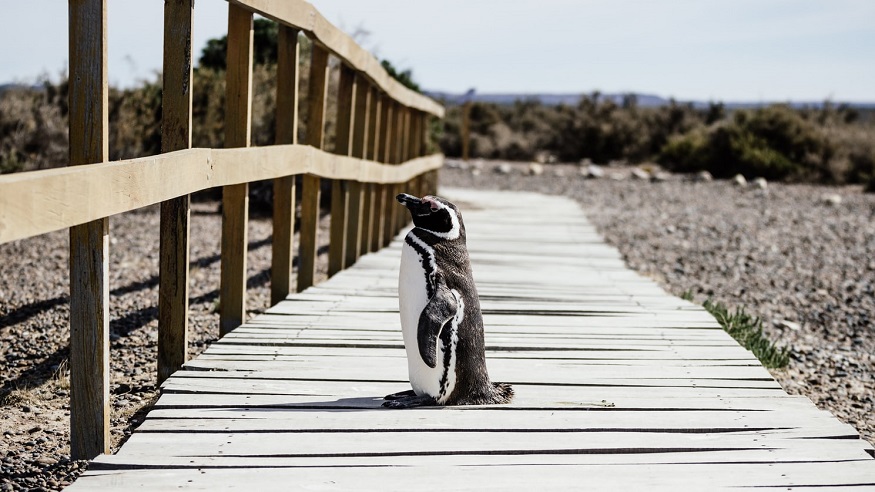
Wondering where you can go whale watching in Argentina? Book a bed in Puerto Madryn. The Valdés Peninsula, which juts out into the Atlantic Ocean on the east coast of Patagonia, is home to more marine life than a film of Finding Nemo. The UNESCO World Heritage Site covers more than 400 km of coastline and is home to southern right whales, elephant seals, orcas, guanacos, rheas, penguins and even sea lions, which you can snorkel with. The whale-watching season runs from June to November, when these majestic mammals migrate to the Golfo Nuevo to breed – between July and September you can even watch them from the mainland.
Compare all youth hostels in Puerto Madryn
8 Rosario
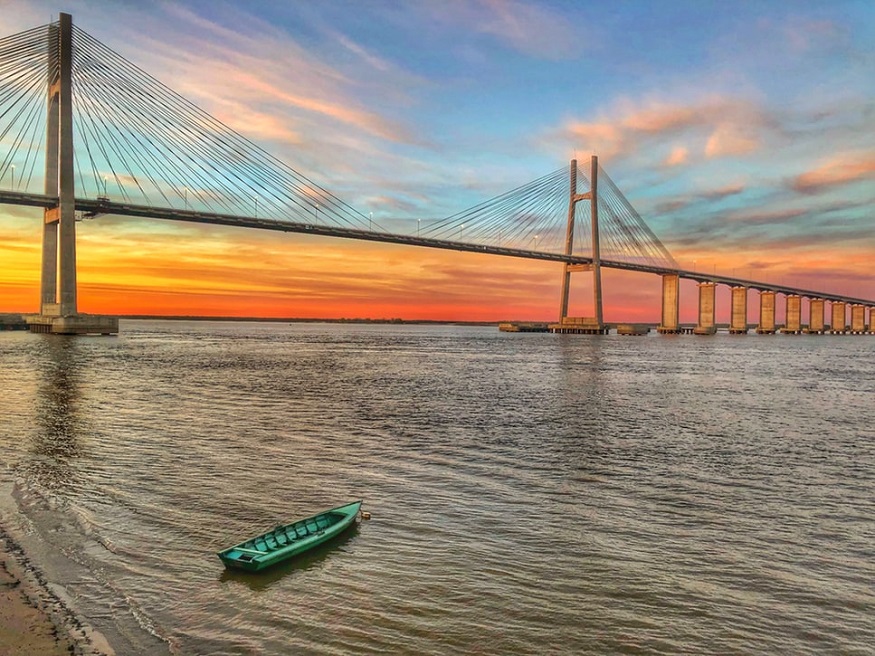
Just a four-hour drive from Buenos Aires, Rosario is a city that doesn’t appear on the itinerary of many backpackers in Argentina. But those who stay in Rosario are treated to a stylish city full of history and culture – the birthplace of Che Guevara, Lionel Messi and the Argentine flag, with a number of monuments dotted around the city. Situated on the banks of the Paraná River, Rosario offers a taste of Argentine city life without the craziness (and tourists) of the capital.
The Bon Voyage hostel, with its bright blue façade and even warmer welcome, gets near-perfect reviews from guests, with a staggering Hostelworld rating of 9.7.
Compare all youth hostels in Rosario
9 Bariloche
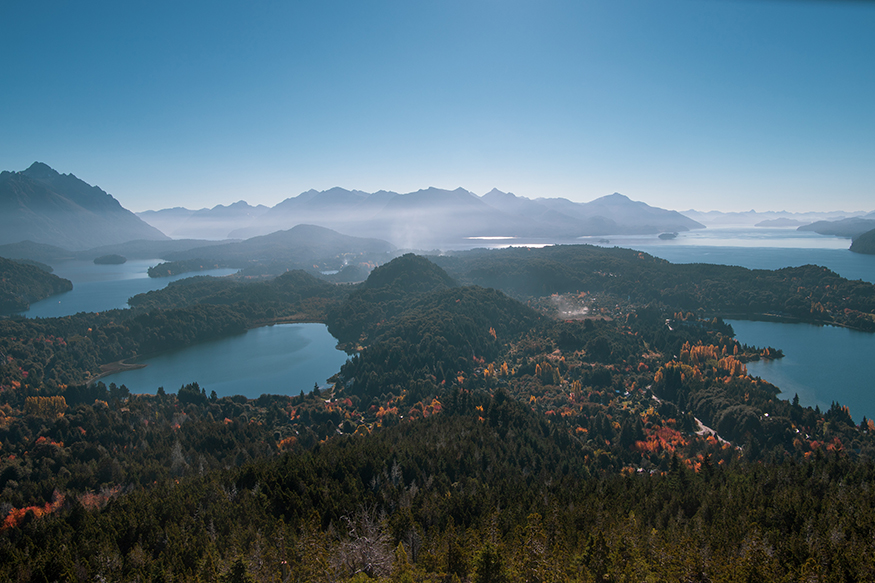
Bariloche’s snow-capped mountains, verdant forests, delicious chocolatiers and Swiss-style chalets could have been transplanted straight from Europe. San Carlos de Bariloche (its full name), another popular part of Patagonia on the Chilean border, lies on the tranquil shores of Lago Nahuel Huapi, surrounded by slopes that welcome skiers and snowboarders in winter (June to October) and hikers and mountain bikers in the warmer months. The best view of the lake is from Hospedaje Penthouse 1004, a cosy hostel with huge windows overlooking the water.
The Parque Nacional Nahuel Huapi is the oldest national park in the country and allegedly inspired the setting for Bambi after Walt Disney once visited this magical forest. The nearby laid-back town of El Bolson is a hotspot for hippies and hikers.
Compare all youth hostels in Bariloche
10 Wetlands of Iberá
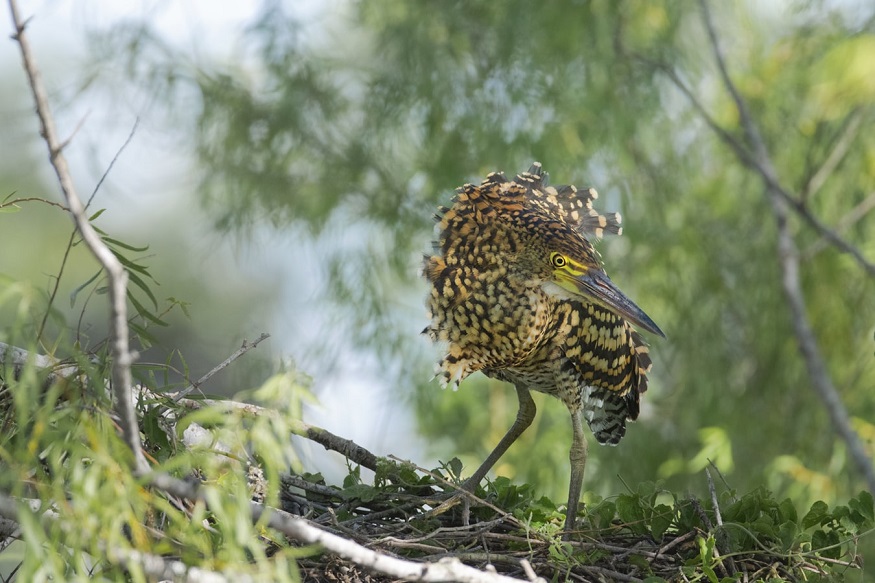
Brazil’s mighty Pantanal is the only place in the world where you can find wetlands larger than this. The Parque Nacional Iberá stretches over 13,000 square kilometres – that’s bigger than the whole of Qatar or Jamaica – and this huge collection of swamps, marshes, lakes and lagoons is teeming with alligators, deer, monkeys, anacondas, capybaras and more than 300 species of birds, which are best discovered on a tour or horseback ride. The Iberá wetlands are a little off the beaten track on the way to Iguazú and don’t appear on every list of top places to visit in Argentina – but they reward keen wildlife watchers who make the effort.
11 Córdoba
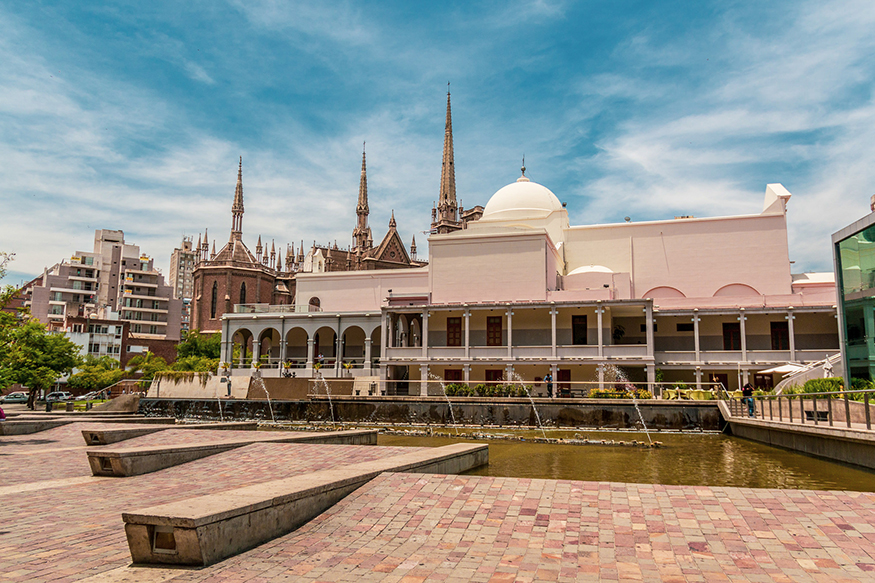
Argentina’s second-largest city is buzzing with the life of its many students, who also organise a party for backpackers. And no fiesta is bigger than the annual Oktoberfest – one of the biggest outside Germany. In addition to the nightlife, Córdoba offers beautiful colonial architecture, a wealth of museums, art galleries, parks, cafés and craft markets, as well as plenty of outdoor adventures at the foot of the nearby Sierras Chicas – the Agua de Oro river is a particularly picturesque stream that flows through the landscape.
Back in the city, the Onas Hostel and Suites in the glamorous Cerro de las Rosas neighbourhood feels more like a boutique resort than a hostel with its modern design.
Compare all youth hostels in Córdoba
12 The Pampa

Make way for steak – La Pampa is the place to visit in Argentina if you want to experience the authentic gaucho culture that this country is famous for. The land of cowboys occupies the centre of the map, with a few sleepy pueblos and millions of cows grazing in the pastures. This makes steak an integral part of Argentinian cuisine, and in small towns like San Antonio de Areco and Tandil, you can literally experience the gaucho traditions that Argentina cherishes.
13 Mar del Plata
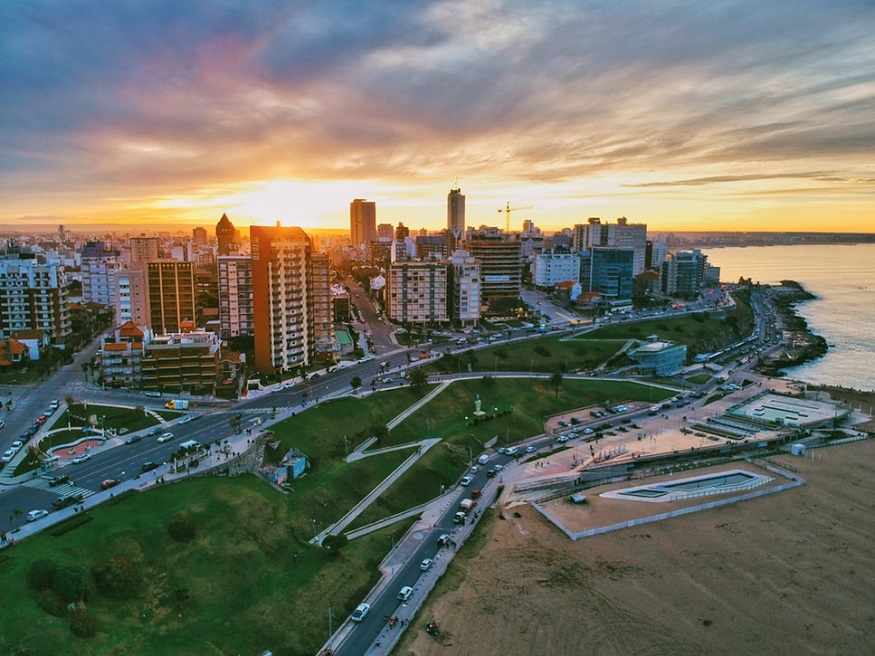
When the city overflows in summer, there are two ways to get to the beach from Buenos Aires. One is the ferry to Uruguay to get to Punta del Este, one of the liveliest holiday resorts in South America. The other is Mar del Plata, a five-hour drive from the capital, which swells in summer (December and January) as the city sizzles. This beach town is the best place to surf in Argentina, but you’ll have plenty of competition for a patch of sand as so many visitors flock here in the warmer months – during the week and out of high season, things are a little quieter.
Compare all youth hostels in Mar del Plata
Not ready for Argentina? Hopefully this list has inspired you to explore this stunning country and embark on the backpacking trip of a lifetime! Is there anywhere you think should be on the list? Let us know in the comments!
Read more:
🌟 Milongas, Malbec and Messi: the ultimate travel guide to Argentina
🌟 Carnival, caipirinhas and strange hostels: the ultimate guide to backpacking in Brazil
🌟 15 places you have to visit before they disappear
About the author:
Tom Smith is an Australian writer living in Manchester. He’s obsessed with sport and travelling and has seen cricket in Cardiff, football in Fortaleza and baseball in the Bay Area. And there’s plenty more to tick off his bucket list. Read more from him here .

 Get the App.
Comments