
Free Things To Do In Europe’s Best Backpacker Cities
Europe has a reputation problem. Somewhere along the way, the continent got branded as the expensive one, the place you save up for, the trip you do properly once you’ve got a real salary. It’s the biggest myth in backpacking, and it falls apart the moment you actually land somewhere.
Because here’s the thing about free things to do in Europe’s best backpacker cities: they’re not the consolation prize. Vondelpark on a warm evening, the East Side Gallery at golden hour, Alfama’s alleys before the tour groups wake up. These aren’t the budget version of Europe. They’re the good version.
This guide walks through eleven cities where a full, brilliant day can cost you nothing, plus the hostels that put you within walking distance of all of it. If you want the wider sweep first, our roundup of the 50 best things to do in Europe for free covers the whole continent. Prices are in EUR and every viewpoint here is genuinely free.
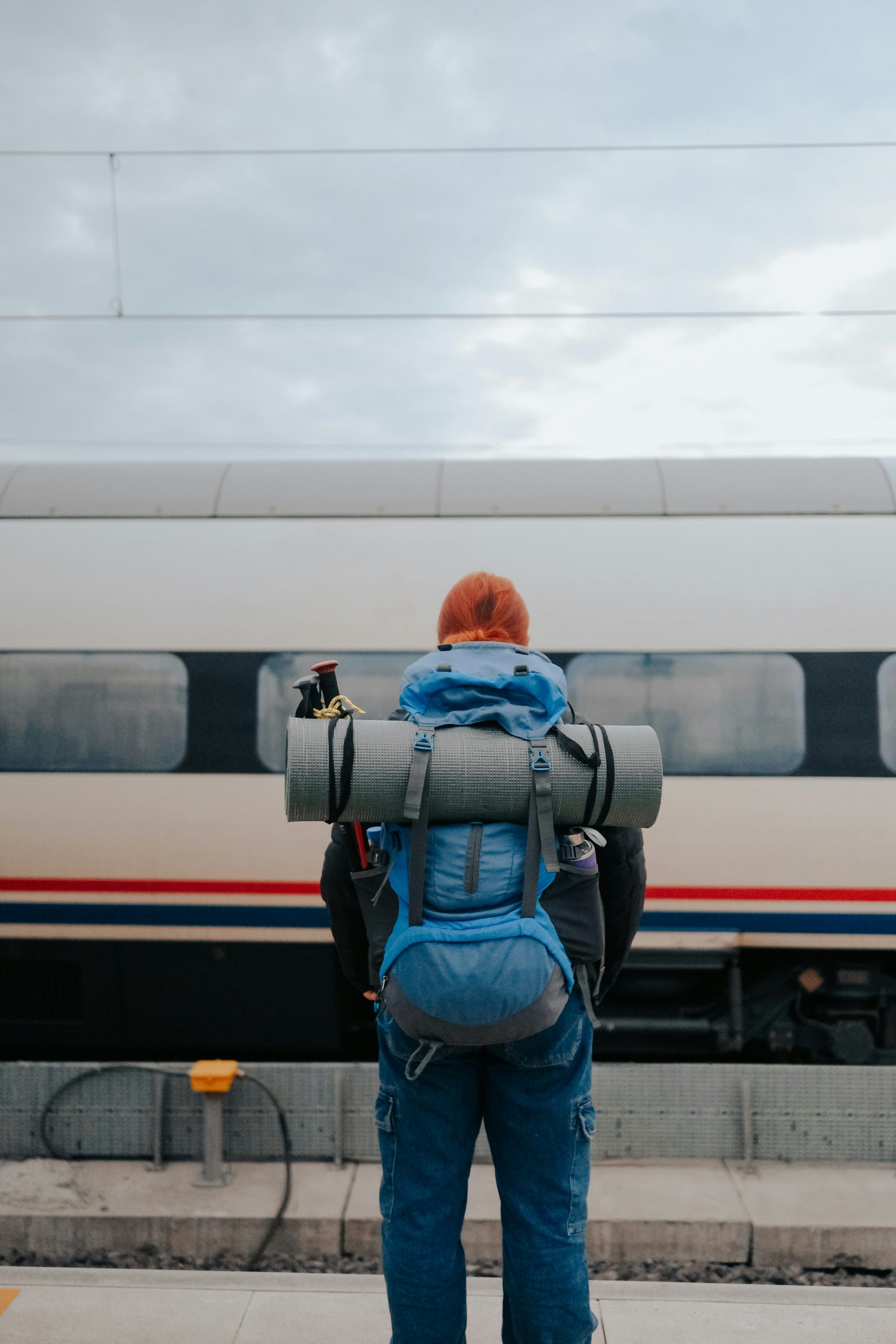
Do you really need money to have a great time in Europe? 🎒
No. And the traveller myth that you do tends to come from people who spent their entire trip inside paid attractions.
The maths is simple. Most European cities put their best assets outdoors: rivers, hills, markets, old towns, street art, coastline. All of that is public. What costs money is the interior of things, and interiors are rarely the reason you fell in love with a place.
Three habits that do the heavy lifting:
- Go early. Old towns are free every hour of the day, but they’re only pleasant before 10am.
- Learn the free days. Most European cities have a monthly or weekly window where museums drop their entry fee. It’s usually a Sunday.
- Walk the water. Rivers and harbours are where cities show off, and nobody has worked out how to charge for a bridge yet.
Quick tip: Your hostel reception is the most underrated free resource in Europe. Ask them where locals eat, not where tourists eat. If you’re new to hostelling, our explainer on how Hostelworld works covers what to expect before you check in.
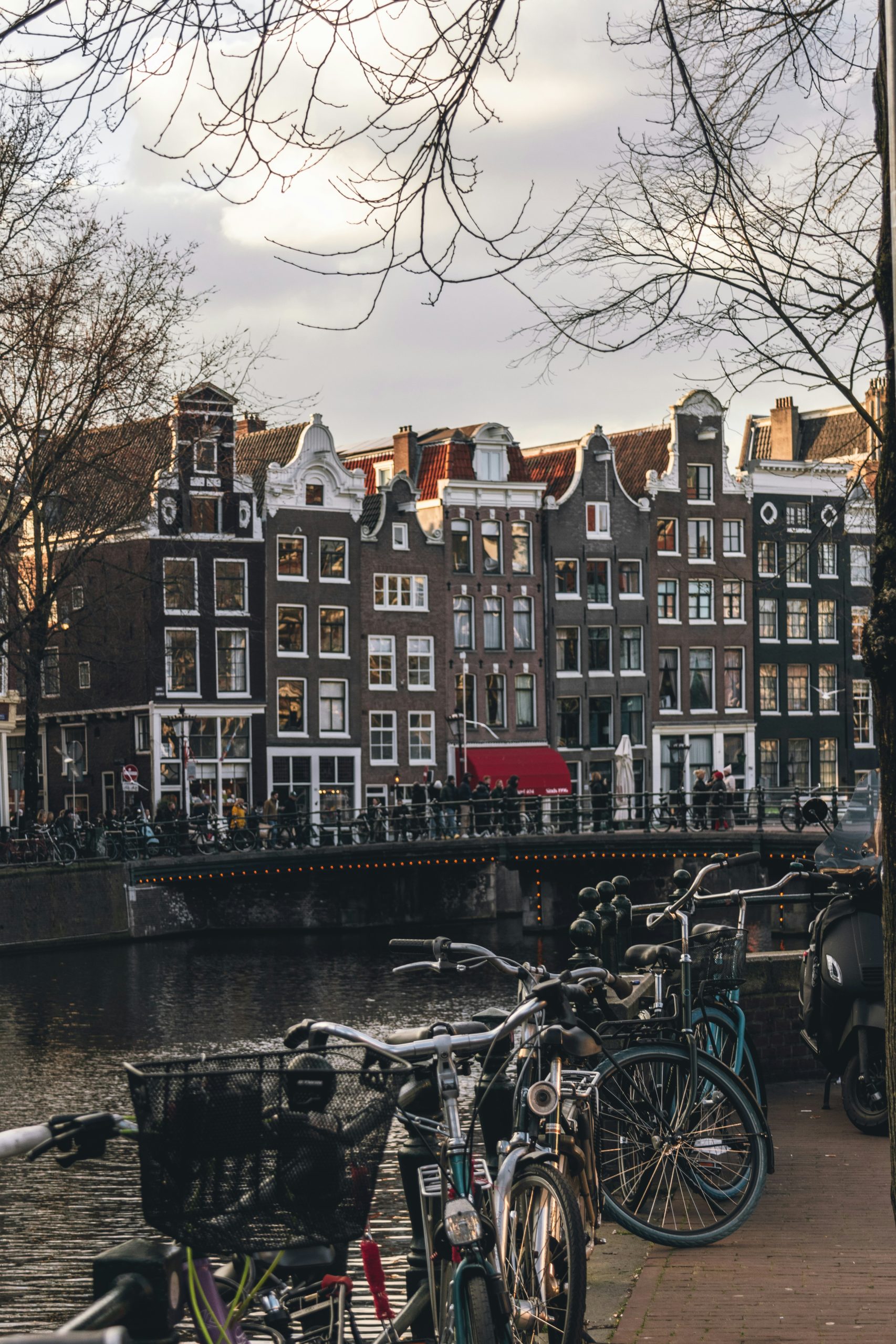
What can you do for free in Amsterdam? 🚲
More than the city’s price tag suggests. Vondelpark is the anchor, 47 hectares of lawn, ponds and open-air performance space where half of Amsterdam turns up the second the sun does. Bring a supermarket picnic and you’ve got an afternoon.
Then there’s the water. Simply walking the canal ring, particularly through the Jordaan, delivers more of Amsterdam’s actual character than any paid canal cruise. Our longer list of 15 things to do for free in Amsterdam has the lunchtime concerts and hidden courtyards too.
| Free thing | Where | Why it’s worth it |
|---|---|---|
| IJ ferry to Noord | Behind Centraal Station | Free, runs constantly, best skyline view |
| NDSM Wharf | Amsterdam Noord | Shipyard turned street art playground |
| Vondelpark | Oud-Zuid | Amsterdam’s living room |
| Albert Cuyp Market | De Pijp | Browsing costs nothing, stroopwafels cost €2 |
NDSM Wharf deserves the trip north. It’s a decommissioned shipyard covered in murals, converted cranes and sprawling industrial art, and the ferry there is part of the fun.
Set in a former laboratory building in Noord, ClinkNOORD is a short free ferry ride from Centraal, which means you’re minutes from the centre while paying Noord prices. The building itself is the draw: a leafy indoor atrium, a library, a café and ZincBAR, which hosts live music. Daily Linkups run from morning yoga to cocktail workshops, and being on the NDSM side puts you near the free street art rather than the tourist crush. More on the city over on our Amsterdam blog archive.
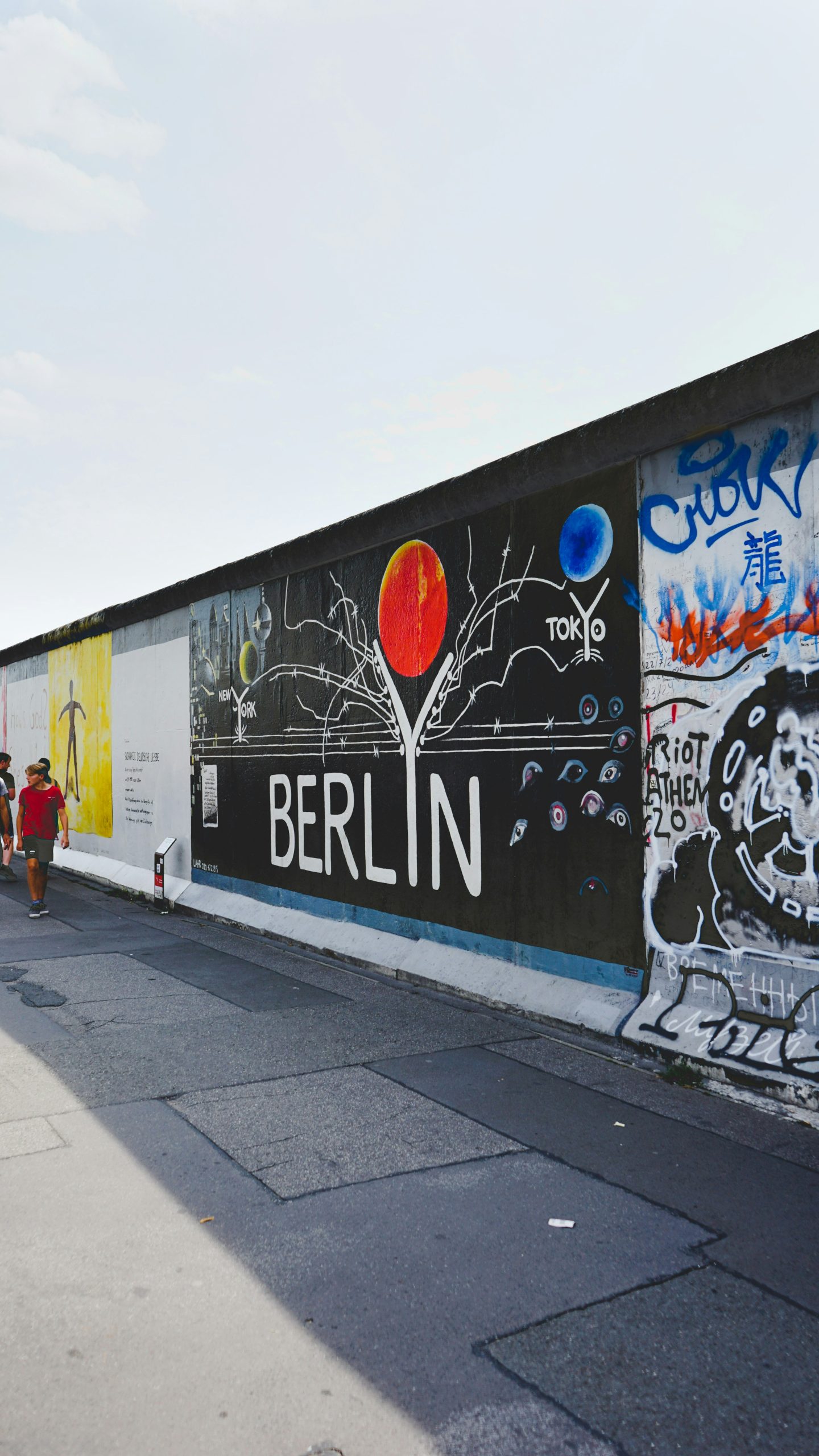
Which Berlin sights are free? 🎨
Almost the interesting ones. Berlin is arguably Europe’s best free city, because so much of what defines it is open-air and unticketed.
The East Side Gallery stretches 1.3km along Mühlenstraße, the longest surviving section of the Berlin Wall, now carrying 105 murals painted after reunification. It’s free, always open, and best walked from Oberbaumbrücke towards Ostbahnhof in the early morning.
Tempelhofer Feld is the one that stops people mid-sentence. A decommissioned airport where the runways are now cycle lanes, the taxiways are picnic spots, and locals kitesurf across the tarmac. There’s no entry fee and no real equivalent anywhere else in Europe.
Add to that:
- Mauerpark on a Sunday, for the flea market and the open-air karaoke amphitheatre
- The Memorial to the Murdered Jews of Europe, free to enter and quietly devastating
- Museumssonntag, Berlin’s scheme offering free entry to dozens of museums on the first Sunday of the month (book ahead, slots go fast)
Berlin’s Events page is worth a scan for gallery openings and street festivals, and there’s plenty more in our Berlin blog archive.
Five minutes from the East Side Gallery and three from Berghain, Kiez Hostel Berlin sits exactly where you want to be in Friedrichshain. Travellers consistently flag the common room, which has a record player and a piano, as the reason they made friends here. Well-stocked bathrooms, comfortable beds, and a location that means your free-sightseeing day starts the moment you step outside.
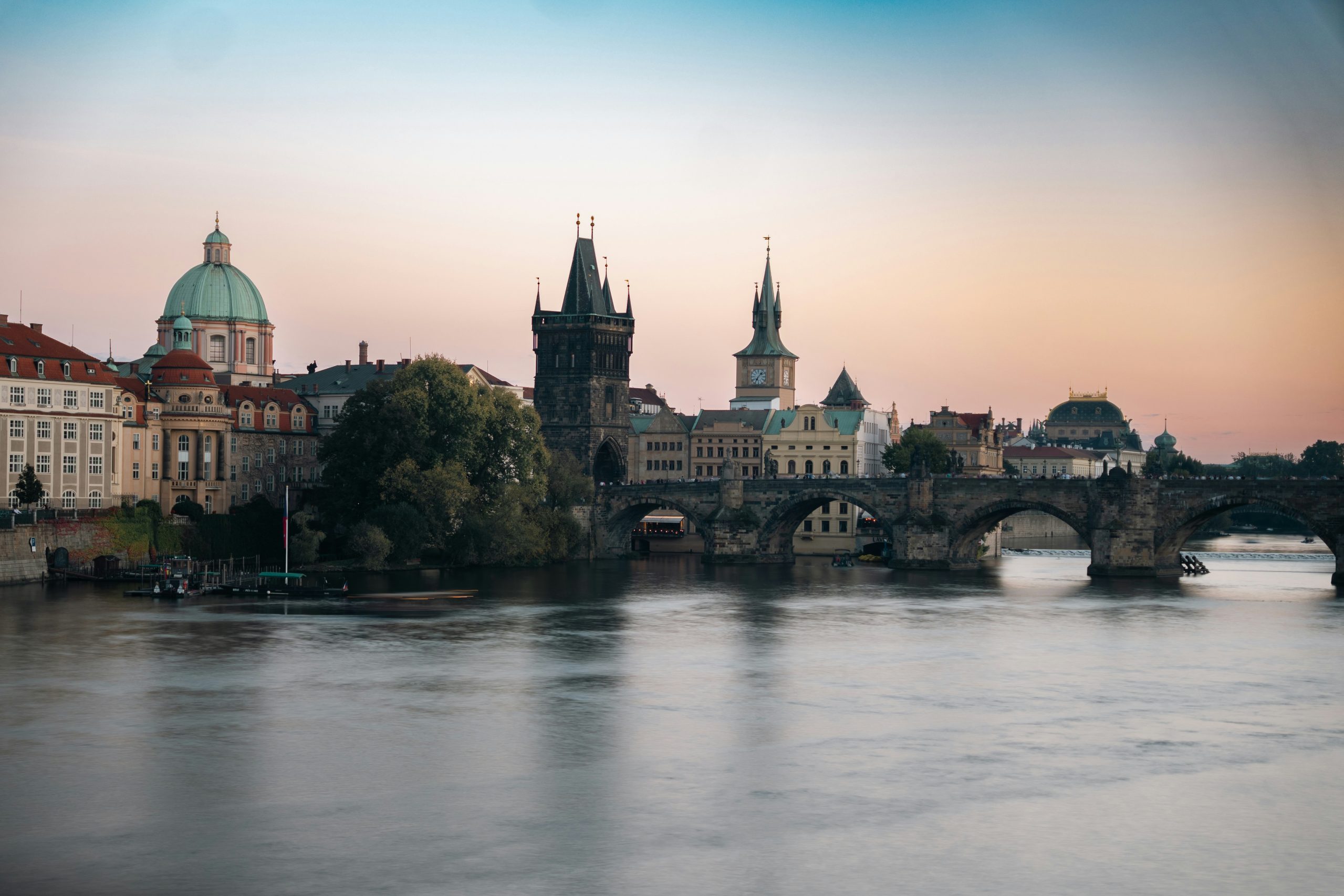
How can you enjoy Prague without spending? 🏰
By treating the whole city as the attraction, which it is.
Charles Bridge is the obvious one, and it’s free at any hour. The trick is the hour. At 6am you get baroque statues, river mist and maybe four other people. At 2pm you get a crowd and a caricature artist.
Old Town Square costs nothing to stand in, and the astronomical clock does its hourly performance whether you’ve paid or not. Skip the tower ticket and watch from below. The same logic applies at Prague Castle, where walking the grounds is free even though St Vitus’ Cathedral and Golden Lane are not.
Two spots most first-timers miss:
- Vyšehrad, a hilltop fortress complex with free grounds, a gorgeous cemetery and views back over the Vltava with none of the Castle queues
- Letná Park, where the beer garden looks out over every bridge in the city at once. The view is free. A local beer is around €2.
Petřín Hill is a solid third: walk up instead of taking the funicular and you’ve saved the fare and earned the panorama. There are over 60 hostels in Prague to choose from.
Czech Inn sits in Vršovice, just outside the tourist ring, which is precisely why travellers rate it. You get a residential neighbourhood with normal Prague prices, an easy tram into the centre, and one of the more stylish buildings in the city’s hostel scene. Free wifi, free customised maps, no lockout and no curfew, plus 24-hour reception for the nights that run long.
What’s free in Barcelona? 🌊
The beach, the best viewpoint in the city, and most of the Gothic Quarter.
Barceloneta is the default free day. Sand, sea, and a boardwalk that runs for kilometres. Go past the first stretch and it thins out considerably.
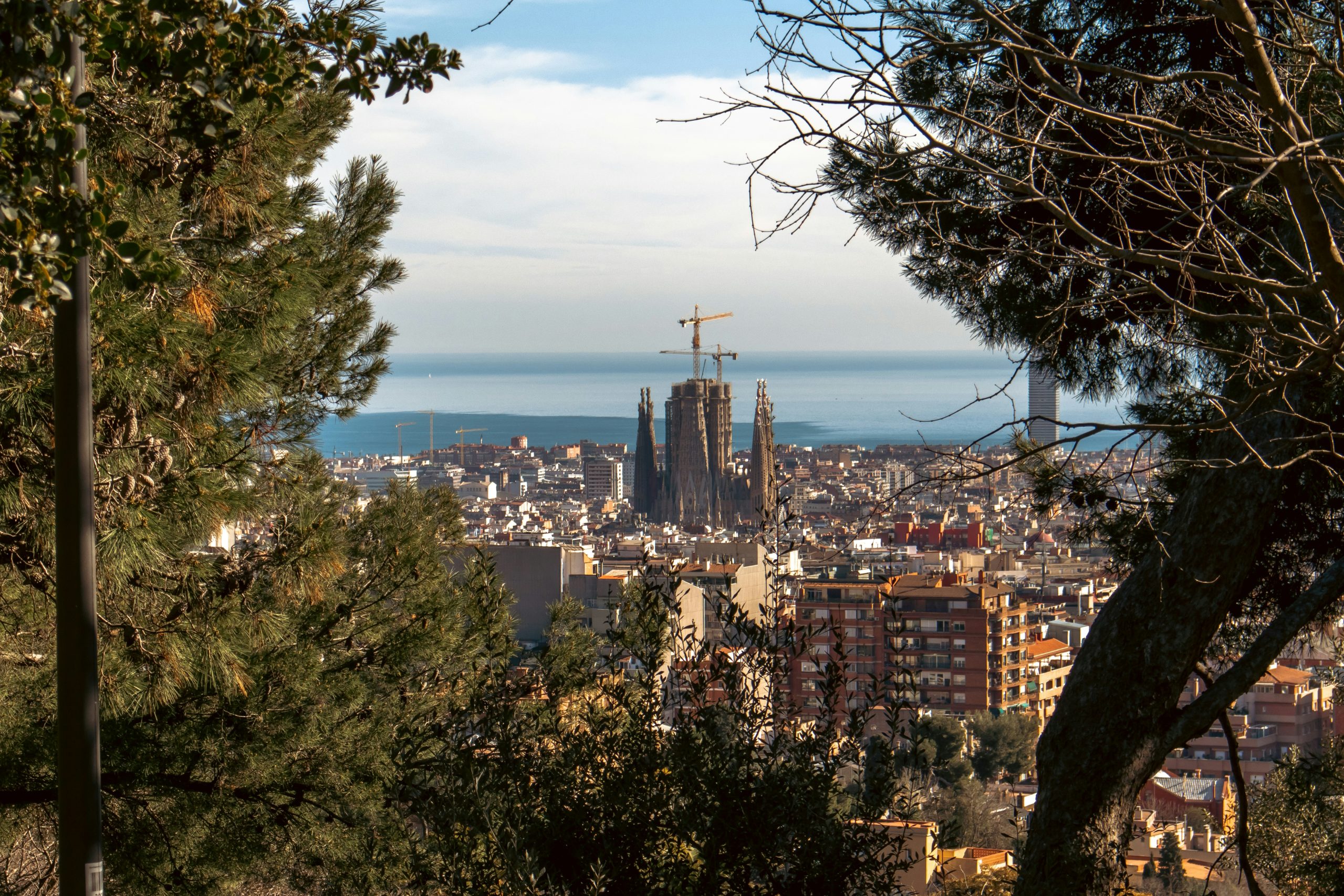
Bunkers del Carmel is the one to prioritise. A Civil War anti-aircraft battery on the 262m Turó de la Rovira hill, now a free public viewpoint with a genuine 360 degree panorama taking in the Sagrada Família, Montjuïc and the Mediterranean. Take bus 22 or 24, walk the last 20 minutes uphill, bring something cold. Sunset is the moment, and it costs nothing.
Also free:
- Wandering the Gothic Quarter, ideally with no route in mind
- The outer areas of Park Güell, where woodland paths and viewpoints sit outside the ticketed zone
- The Magic Fountain of Montjuïc show, on its seasonal schedule
Barcelona’s hostels run beach volleyball meetups and sunset gatherings at the Bunkers, so check the Barcelona Events page and our Barcelona blog archive before planning your evenings.
Location is the whole argument here, and it’s a strong one. Safestay Barcelona Gothic puts you inside the Barri Gòtic, so the medieval streets, hidden squares and indie bars are your immediate surroundings rather than a metro ride. In a city where the best free activities cluster in the old town and along the waterfront, staying central saves you both fares and time.
Is Lisbon still cheap for backpackers? 🍮
Lisbon has got pricier, but its best experiences have stayed stubbornly free, and that matters more.
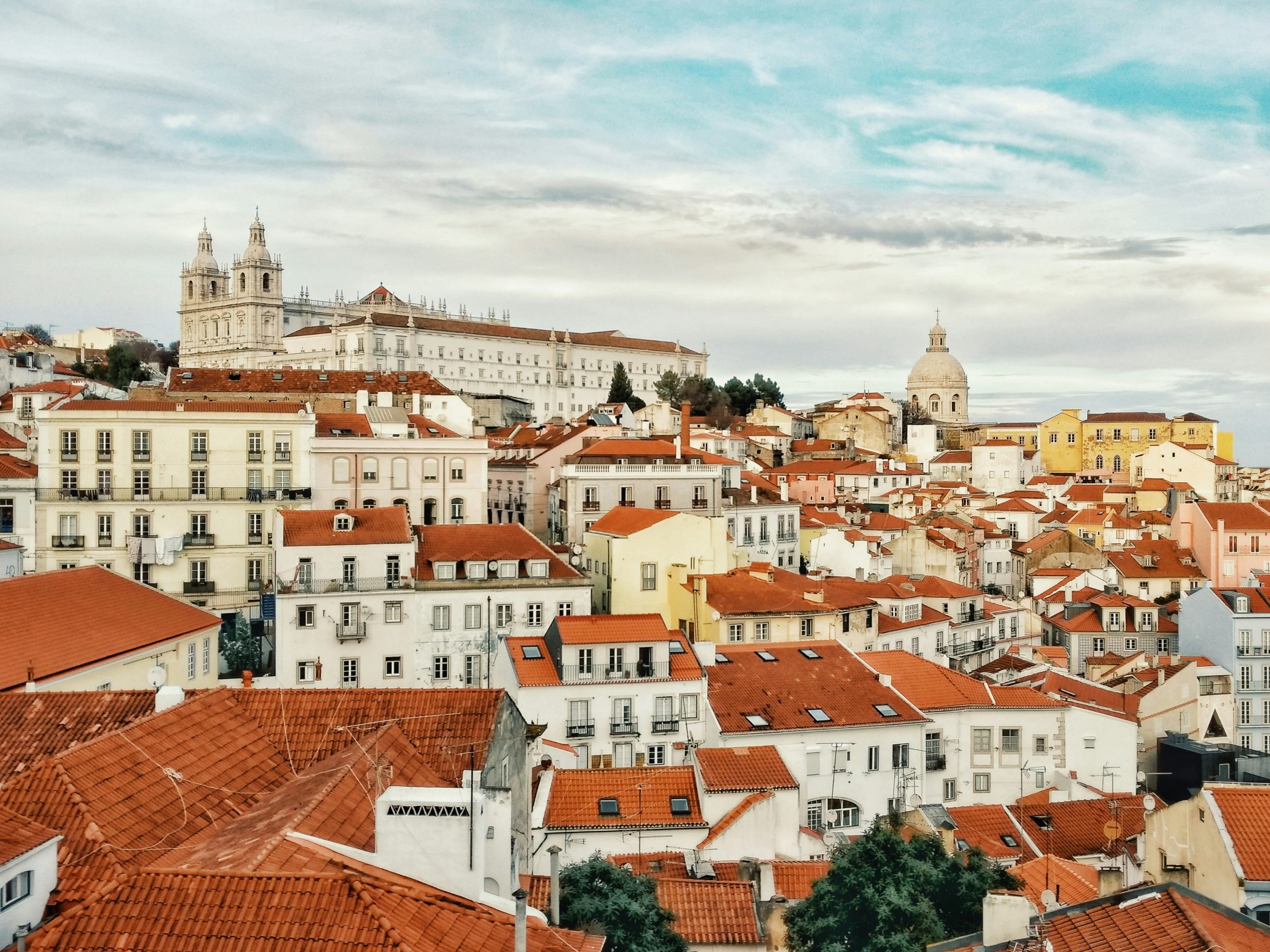
The miradouros are the city’s genius. Lisbon is built on hills, and each one has a terrace at the top with a view, a bench and usually a kiosk. Miradouro da Senhora do Monte for the widest panorama, Santa Luzia for tiled pergolas over Alfama’s rooftops, Santa Catarina for a sociable golden hour. Pick one or two a day rather than five, or they blur together.
Alfama costs nothing and rewards getting lost. Laundry lines, azulejo façades, fado drifting from doorways, and gradients that will humble you.
Out west, Belém’s exteriors are free to admire: the Torre de Belém from the riverside, the Padrão dos Descobrimentos, the Jerónimos Monastery façade.
On Sundays, several of Lisbon’s museums drop their entry fee, including the Museu Nacional do Azulejo, and LX Factory runs its market inside a converted industrial complex for nothing at all. The Lisbon Events page lists around 65 city events across the year, plenty of them free.
Home Lisbon Hostel has one of the most talked-about traditions in European hostelling: “Mamma’s dinner”, cooked nightly by the owner’s mother, and repeatedly described by guests as the best value meal they had in Portugal. Staff eat with you, and there’s a full Linkups calendar on top. Central enough to walk to Alfama, Chiado and Bairro Alto, which keeps your free days genuinely free.
Can you do Milan on zero budget? ⛪
Milan gets written off as the expensive, businesslike one. Give it an evening and it changes your mind.
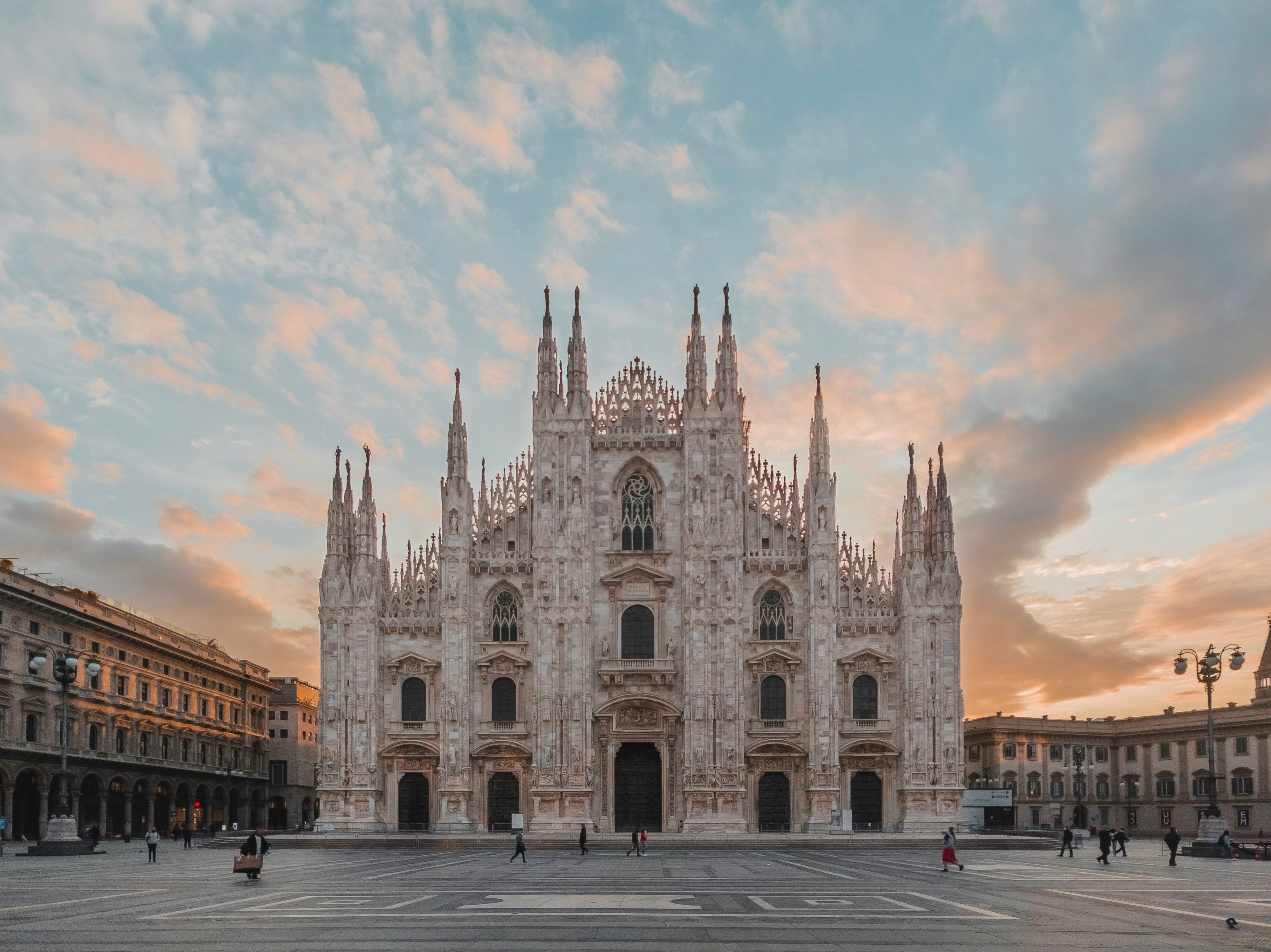
Start with the Duomo exterior, which is arguably the point anyway: 135 spires, thousands of statues, and a façade you can study for an hour from the piazza without buying anything. Walk through the Galleria Vittorio Emanuele II next door, a 19th-century glass-vaulted arcade that functions as free architecture.
Then the Navigli at dusk. The canal district fills with people doing the passeggiata, and while aperitivo costs money, the walk along the water does not. Order one drink around 18:30 and the buffet food usually comes with it, which is the most Milanese budget hack there is.
Round it off in Brera, the old artists’ quarter, where cobbled lanes and ivy-covered corners make for the city’s best free wander. Parco Sempione behind the Castello Sforzesco is free, and so are the castle courtyards. Check the Milan Events page for the free open-air stuff, and browse hostels in Milan near Navigli or Centrale.
How do you see Venice for free? 🚏
Venice is the city most likely to convince you it’s unaffordable, and the one where the free version is closest to the real thing.
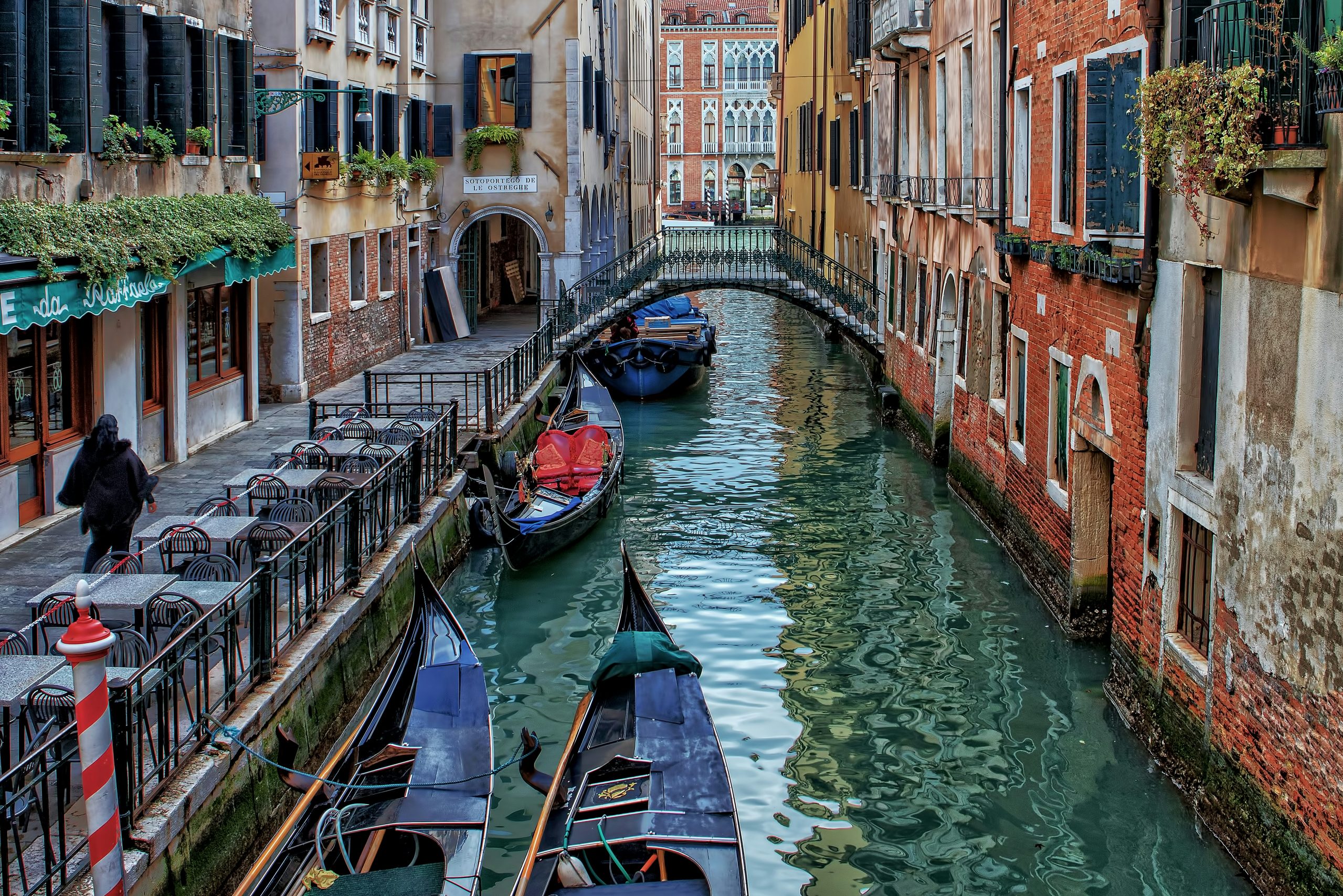
A gondola will cost you upwards of €80. Standing on the Rialto Bridge watching the Grand Canal traffic costs nothing, and you see more.
Cannaregio is the answer to Venice’s crowd problem. It’s the northern sestiere where Venetians actually live, with quiet canals, laundry overhead, cheap bacari and a fraction of the foot traffic of San Marco. Walk it in the late afternoon.
Free and genuinely good:
- Church exteriors across the city, masterpieces before you even reach the door
- The Zattere promenade on Dorsoduro, facing Giudecca across the water
- Getting deliberately lost, a legitimate activity here rather than a failure
- The Libreria Acqua Alta, where books are stored in gondolas and bathtubs, free to browse
Quick tip: Venice charges a day-tripper access fee on certain peak dates. Staying overnight in one of the hostels in Venice exempts you, so the budget option is also the simpler one. Our Venice blog archive has more on timing a visit.
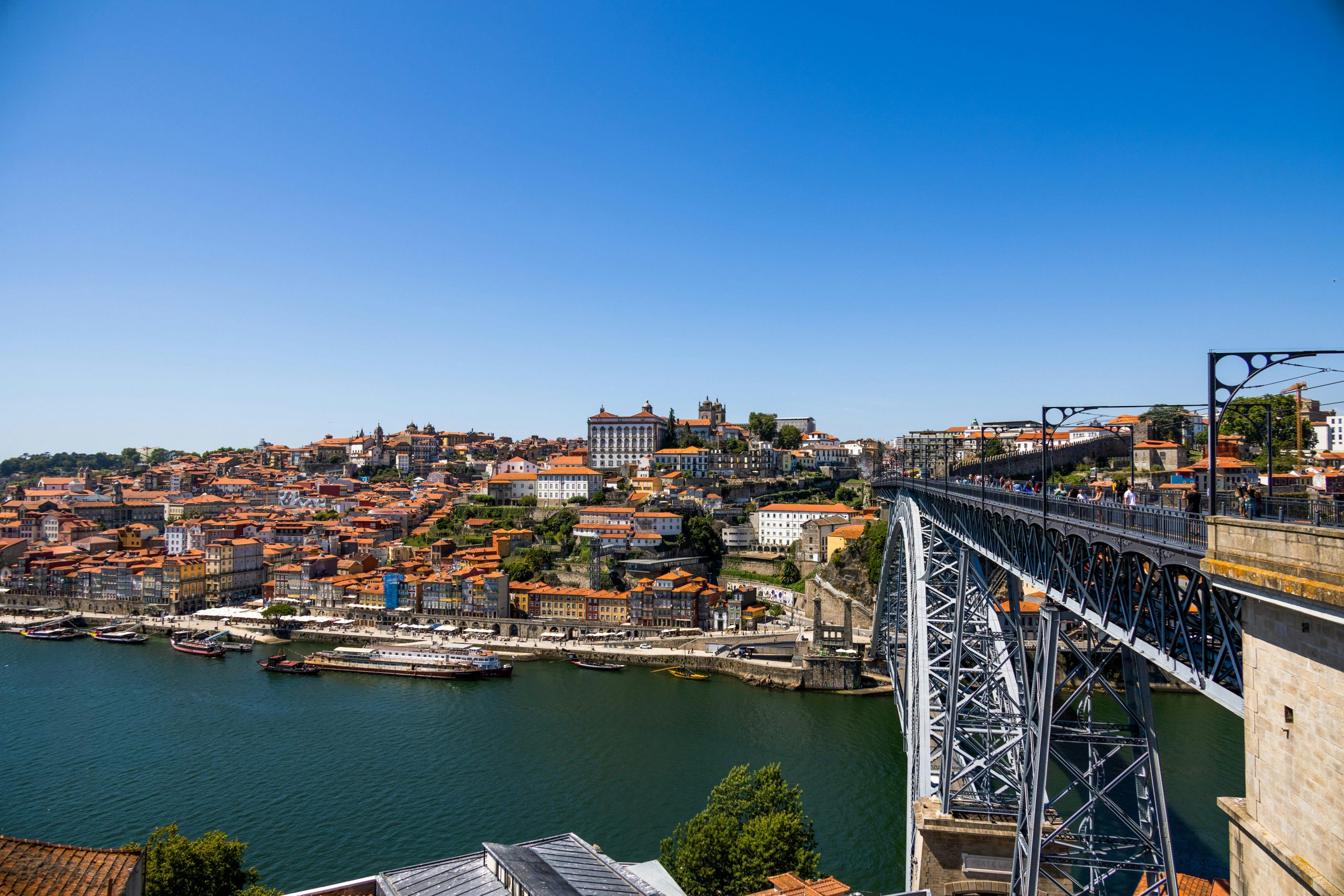
What are the best free things to do in Porto? 🌉
Porto might be the strongest value city on this entire list. It’s compact, walkable, and its headline attractions are all outdoors. We’ve got a full guide to the free things to do in Porto if you’re staying longer.
Walk the upper deck of the Ponte Dom Luís I. The metro shares it with pedestrians, it sits 60 metres above the Douro, and the view down over Ribeira’s stacked houses is the image people come to Porto for. It’s free, and crossing to the Gaia side puts you at Jardim do Morro, the city’s best sunset spot.
São Bento station is free to walk into, and its entrance hall is lined with 20,000 azulejo tiles depicting Portuguese history. Most people photograph it in four minutes. Give it fifteen.
Then head downriver. Foz do Douro is where the river meets the Atlantic, reachable on the scenic tram 1 or on foot along the water, with a lighthouse and Atlantic swell at the end. Miradouro da Vitória is the free viewpoint locals actually use.
Gallery Hostel Porto earns its name: the building is filled with original artwork and sits in Porto’s gallery district, around ten minutes’ walk from the centre. There’s a summer terrace, a winter garden and ensuite dorms, and the nightly Portuguese dinners run about €10, undercutting almost anything you’d find out. Reviewers single it out for anyone who likes art and music.
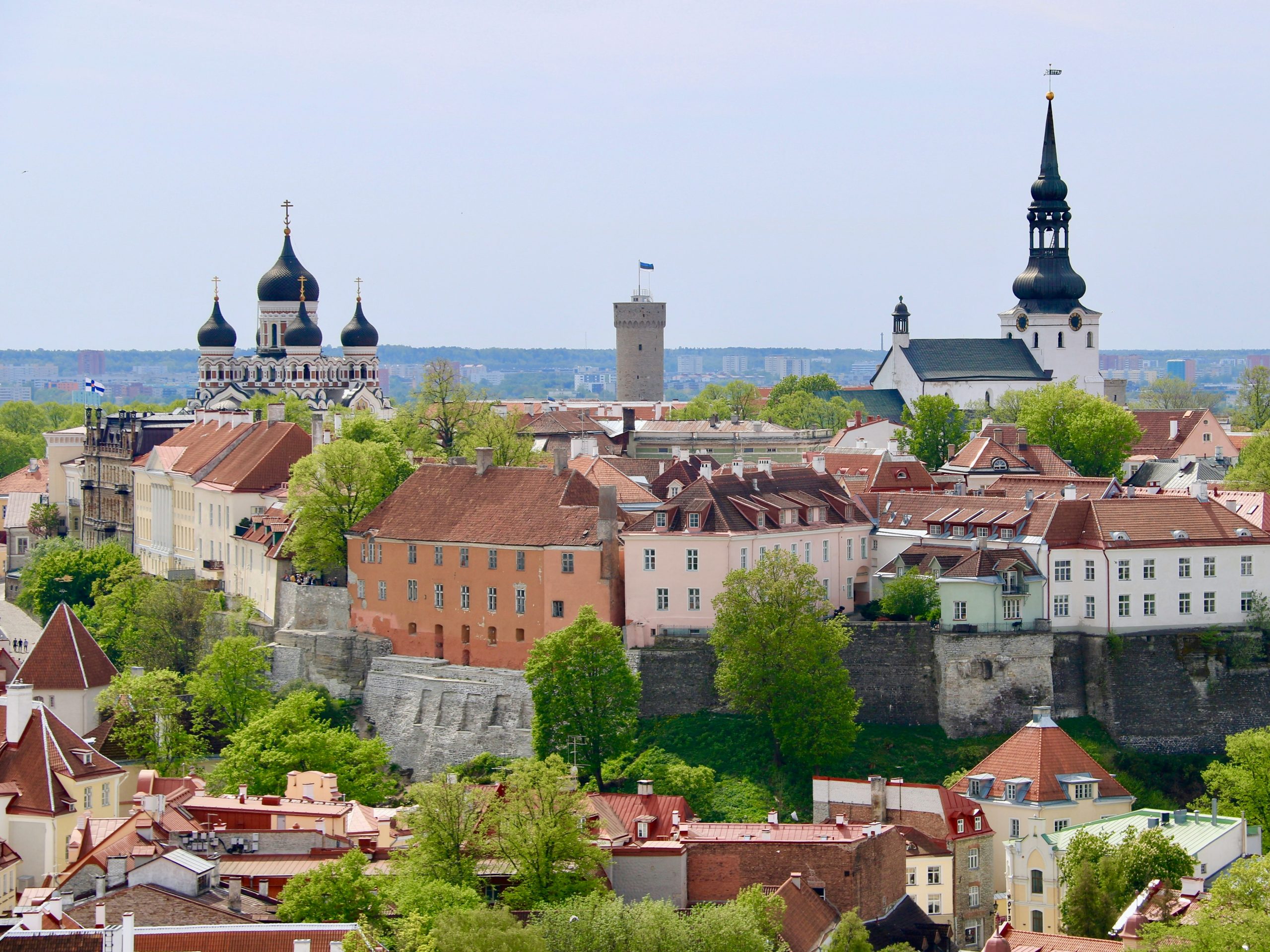
Why is Tallinn a budget backpacker win? 🧱
Because it’s a medieval walled city that hasn’t yet been priced like one.
Toompea Hill is the free centrepiece. Climb up through the Old Town and you reach the Kohtuotsa and Patkuli viewing platforms, both free, both delivering the red-roofed skyline shot. The Alexander Nevsky Cathedral is around the corner, free to enter and startling inside.
The city walls and towers ring the Old Town, and while some towers charge, walking the perimeter costs nothing.
Two areas worth your afternoon:
- Telliskivi Creative City, a converted railway complex of street art, studios and micro-breweries just outside the walls, where Tallinn stops performing for visitors
- Balti Jaam Market next door, for smoked chicken, fermented rye bread and prices that will genuinely surprise you
Kadriorg Park rounds it out, a baroque palace garden free to wander even if the museum inside isn’t. The Tallinn Events page is useful for medieval festivals and summer markets.
The Monk’s Bunk Hostel & Bar sits in the heart of the Old Town, which in Tallinn means you’re inside the free sightseeing zone the moment you drop your bag. Guests praise the volume of organised activities and the social atmosphere, and there’s an on-site bar so the night doesn’t need to start with a taxi. Worth noting: it’s a social hostel with an 18 to 45 age policy, so check before booking.
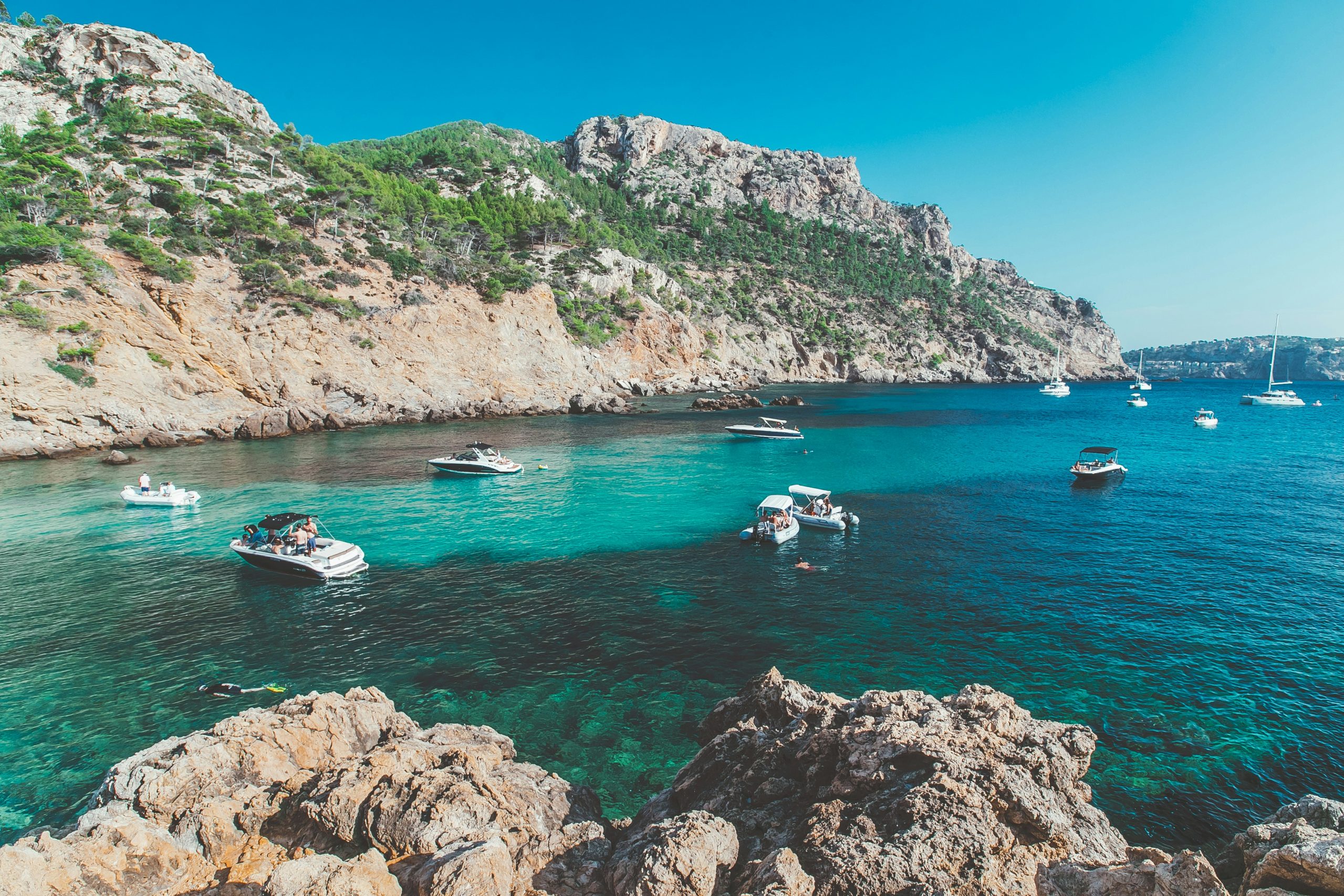
Can Mallorca be done cheaply? 🏖️
Mallorca has a luxury reputation and a completely separate budget reality. The island’s best asset is its coastline, and Spanish beaches are public by law.
Every beach on Mallorca is free to access. The famous ones charge for sunbeds, so bring a towel and ignore them. Head to the quieter northern coves if you want space.
Palma’s old town is the other free day. The narrow streets around La Seu cathedral, the Arab baths quarter, the courtyards of Renaissance mansions and the seafront promenade cost nothing to walk. The cathedral exterior, seen from the reflecting pool at Parc de la Mar, is worth the detour on its own.
If you can split a car hire with people from your hostel, the drive to Cap de Formentor is the island’s great free spectacle: hairpin bends, cliffs dropping into turquoise water, and a lighthouse at the end of the peninsula. Bellver Castle’s surrounding forest is free to walk, with views back over Palma bay. Compare hostels in Spain if you’re island-hopping from the mainland.
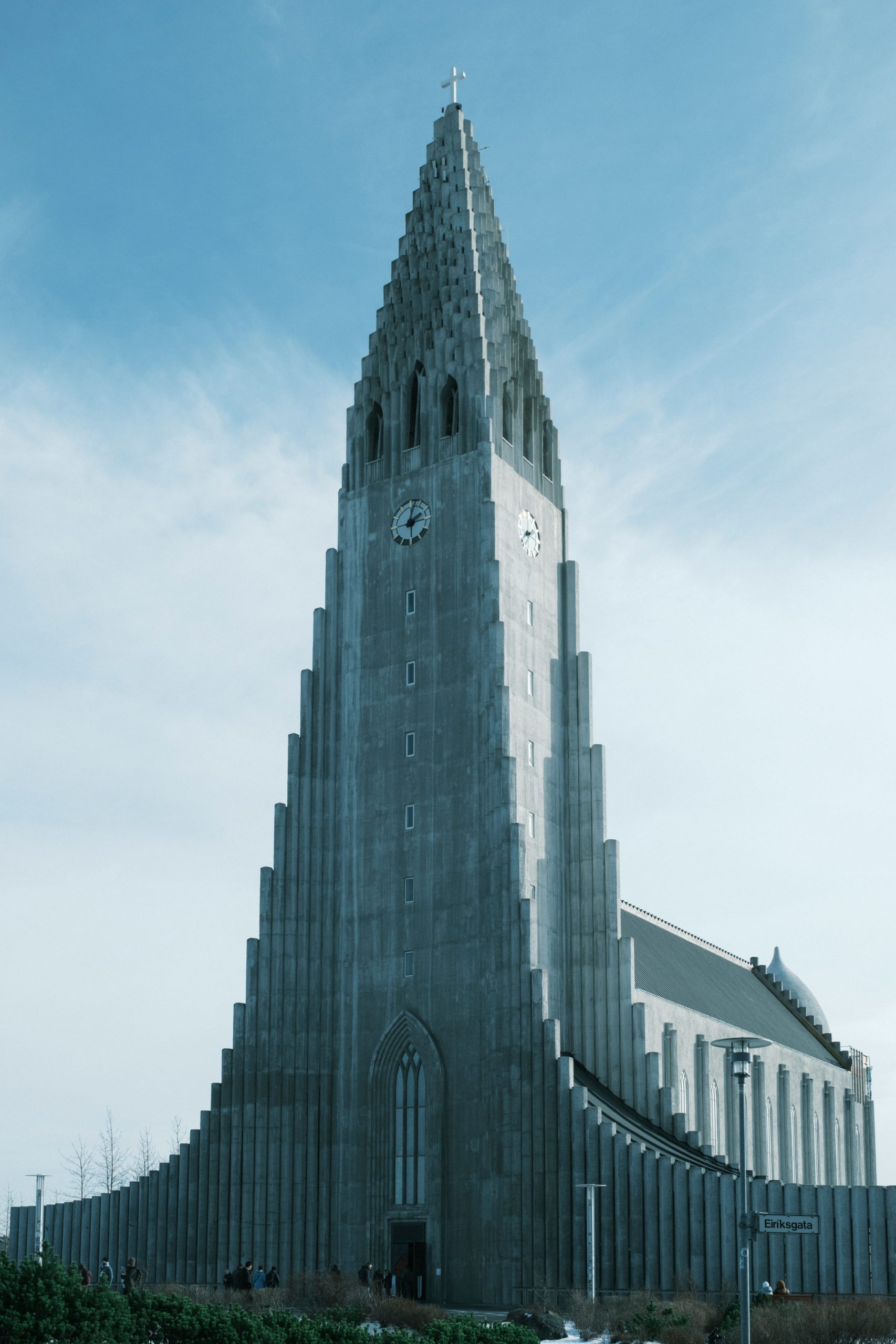
What’s free in Reykjavik? 🌋
Iceland is the expensive one. That’s true. It’s also the country where the scenery doesn’t charge admission. Our guide to the free things to do in Reykjavik covers whether the City Card pays for itself.
Hallgrímskirkja rises 74.5 metres over the city and took 41 years to build. The tower costs money. Standing beneath it, and stepping inside the nave, does not.
Harpa concert hall is free to walk into, its honeycomb glass façade shifting colour with the light off the bay. Nearby, the Sun Voyager sculpture sits on the shoreline path, a steel Viking ship pointing north.
The best of it is the walk itself:
| Free walk | Roughly | What you get |
|---|---|---|
| Old Harbour to Harpa | 20 min | Boats, mountains, glass |
| Sæbraut shoreline path | 40 min | Sun Voyager, Mount Esja views |
| Seltjarnarnes peninsula | 1.5 hr | Grótta lighthouse, tidal causeway, aurora spot |
Seltjarnarnes is the one to make time for. On a clear winter night it’s one of the best places in the capital to catch the northern lights, and it’s a bus ride from the centre.
Which other European cities are great for free days? 🗺️
Three more worth building a trip around, each with an obvious free headline act.
| City | Free highlight | Backpacker note |
|---|---|---|
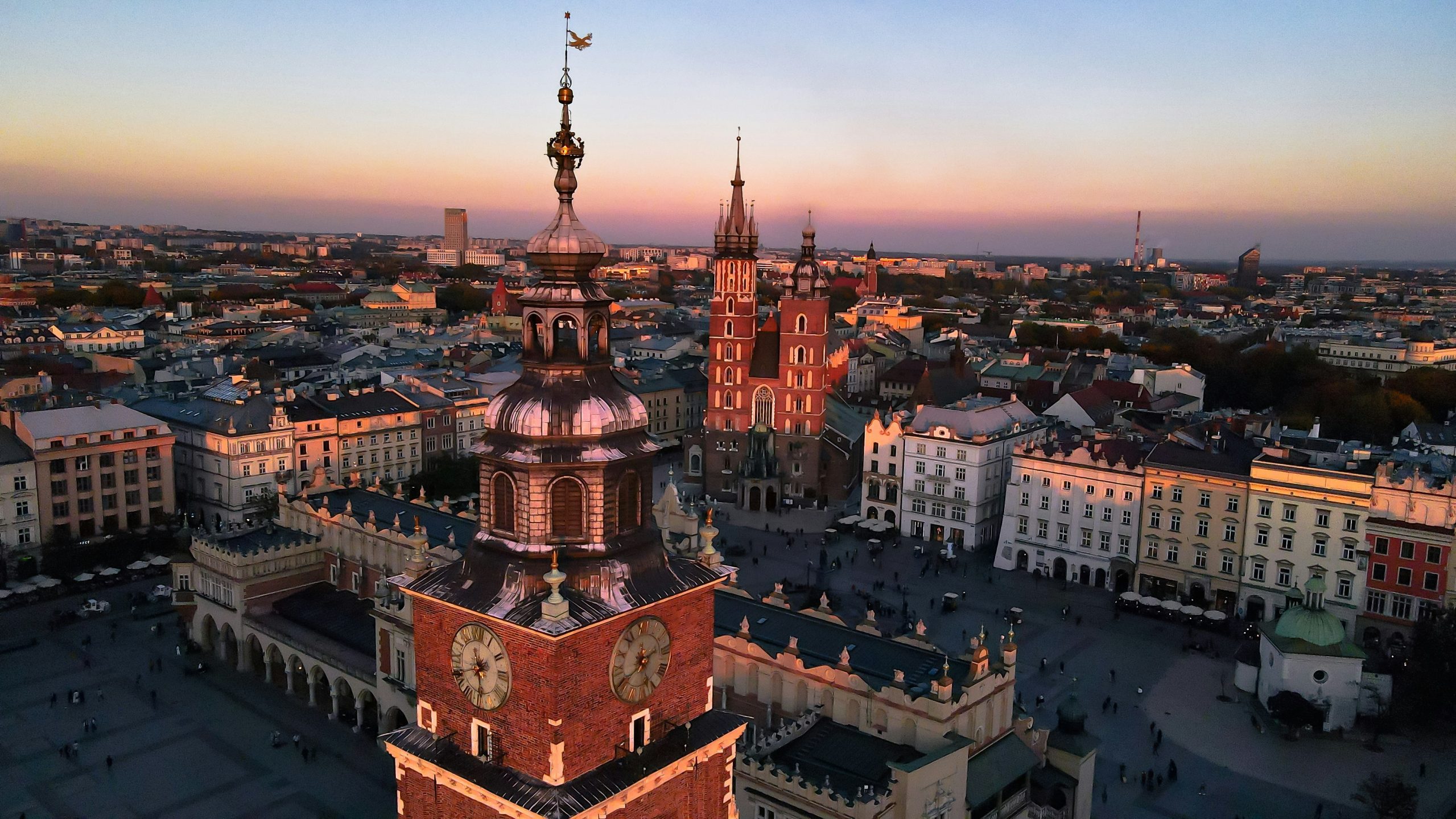
| Kraków | Rynek Główny, Europe’s largest medieval market square, plus the Planty park ring | Still one of the cheapest cities on the continent for food and beer |
| Brussels | Grand-Place, the comic-strip murals across the centre, Parc du Cinquantenaire | Chip stands and Sunday markets keep daily costs low |
| Budapest | Fisherman’s Bastion terraces, the Danube embankment, Margaret Island | Ruin bars charge for drinks, not for atmosphere |
Kraków is the strongest of the three on value. The Old Town, the Planty ring, Kazimierz and the Vistula riverbank make a full day of walking with nothing to pay. Our guide to the free things to do in Kraków has the full breakdown, including which hostels include dinner.
Quick tip: Any city with a free walking tour has given you a free half-day plus a local’s shortlist. Tip €5 to €10 at the end and you’re still well ahead.

How can Hostelworld help you plan free days? 📱
Free things are better with company, and this is where a hostel earns its keep beyond the bed.
The Hostelworld app is the practical starting point. City Chats let you see who else is around and what they’re planning, so a solo sunset at the Bunkers becomes a group of six with cans and a speaker.
Two things worth keeping straight, because travellers mix them up constantly:
- Linkups are events run by hostels themselves, from walking tours to family dinners to pub crawls. Find them on any hostel’s page or in the app.
- Events pages cover the whole city: concerts, markets, galleries, festivals. Plenty of what’s listed is free to attend.
If you’re between bookings, staying with friends or just passing through, the Social Pass unlocks chats, Linkups and the traveller community without needing a bed. It’s a one-time purchase for a week, a month, three months or a year, with no auto-renewal.
For more on making this work city to city, our guide on how to find hostel events and meetups in any city breaks down the whole process.
So what does a free Europe actually look like? 🌍
It looks like a Berlin runway at sunset, a Porto bridge at 60 metres, a Tallinn viewing platform above red roofs, and a Lisbon miradouro with a €1 coffee and no plans.
The free things to do in Europe’s best backpacker cities aren’t a workaround. They’re the parts of these places that locals actually use, which is usually a good sign you’ve found the real thing.
What to take from this:
- Prioritise viewpoints, waterfronts, parks and old towns over ticketed interiors
- Learn each city’s free museum day before you arrive, since it’s often a Sunday
- Stay somewhere central and social, because both save money and both make the free days better
- Use the Hostelworld app to find people going the same way
Pick a city, book a hostel in Europe, and spend your budget on the things that genuinely need it. The continent is more affordable than its reputation, and considerably better.
Download the Hostelworld app to start booking now


❓FAQs: Free Things To Do In Europe’s Best Backpacker Cities


 Get the App.