
Motorbike & Scooter: What You Wish You Knew Before Renting
Renting a scooter is one of the most freeing things you can do on the road. It’s also one of the most commonly misjudged. The island opens up. The temples become accessible. The beaches you’d never find on a tour become yours for the afternoon. And then, for some travellers, something goes wrong. A skid on a wet road. A police checkpoint. A deposit dispute with a rental shop. A scratch on the bike that wasn’t there when you picked it up.
None of this means you shouldn’t rent. It means you should rent smart.
The Hostelworld City Chats are full of both sides of this conversation. “Would anyone want to rent a scooter with me tomorrow?” (Chiang Mai). “Anyone know how to drive a scooter and possibly give me a little lesson?” (Koh Phangan). “Do you know of a place to rent a scooter, like not the scammy kind?” (Phuket). The questions are the same everywhere, and so are the mistakes that come from not knowing the answers.
This guide covers everything: licences, safety, deposits, scams, country-specific realities, and how to find group rides so you’re not navigating alone.
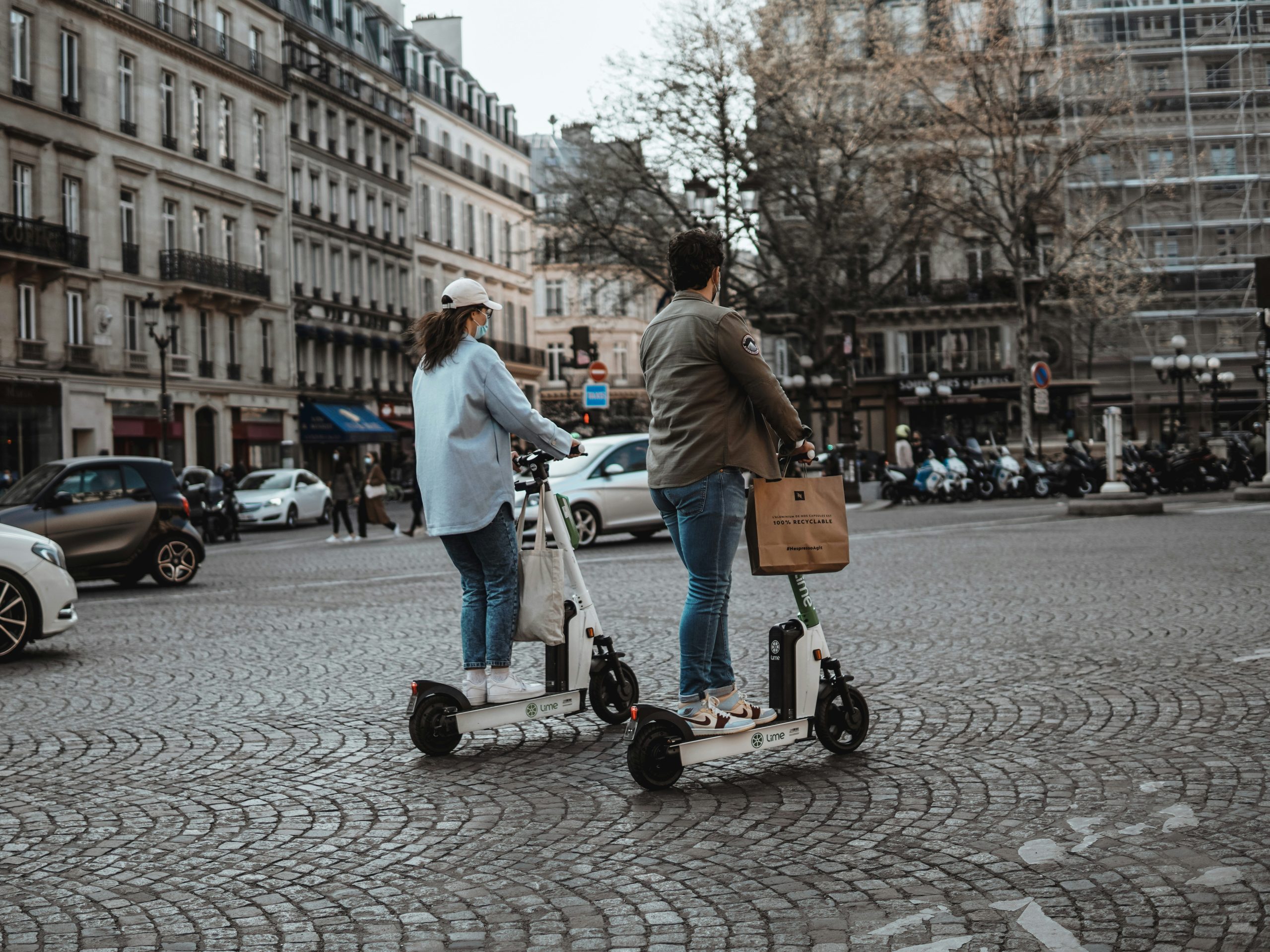
🛵 Before You Get on the Bike: What You Actually Need to Know
The enthusiasm to rent a scooter and the knowledge needed to do it safely are often significantly misaligned. A few things that matter before you approach any rental shop.
Can you actually ride one?
This sounds obvious and it isn’t. Automatic scooters are genuinely straightforward for most people after ten minutes of practice. Semi-automatic and manual motorcycles are different, and trying to learn on a busy road in Vietnam is not a safe plan.
From the Koh Samui City Chat: “Hello, can somebody show me and my friend how to ride a motorbike because we want to rent one but we are really scared. (Only 10 minutes maybe.)”
The ask is entirely reasonable. If you’ve never ridden before:
- Ask at your hostel whether anyone can give you a brief lesson before you rent
- Practice in a quiet car park or side street before hitting the main road
- Consider hiring a driver or taking a tuk-tuk for your first day in a new city while you assess the traffic
Start with an automatic scooter. It removes the complexity of gears and lets you focus entirely on the road, traffic, and learning the local driving patterns.

📋 The Licence Question: What’s Required, What’s Enforced
The licence situation for scooters varies by country and is consistently one of the most-discussed topics in the chats.
The honest answer: in many popular backpacker destinations, tourists ride scooters without a motorcycle licence and nothing happens. Rental shops don’t ask. Police don’t stop. This is the reality for the majority of people.
The also-honest answer: when something does go wrong, the licence matters enormously. If you’re involved in an accident without a valid licence, your travel insurance may not cover you. If you’re stopped at a checkpoint, fines apply.
From the Chiang Mai City Chat: “Not sure if anything has changed but I read it can vary. This article says 200 baht if you have a home licence but no IDP, and you can apparently claim it back… can u rent a motorbike without a licence here? And are there many police checks?”
From the Langkawi City Chat: “Has anyone been stopped by the police while driving a scooter without a licence? Did you have to pay a fine and how much was it?” And from the same chat, a warning: “Just heads up, police checkpoints stopping people and checking for international driving licence by central beach.”
What an International Driving Permit (IDP) actually is: an IDP is not a separate licence. It’s a translation of your home licence into multiple languages. You get one from your national automobile association before you travel. It costs around £5-15 and takes a few minutes. Get one before you leave home. It’s the difference between a stressful roadside situation and a straightforward one.
💰 The Deposit Scam: How It Works and How to Avoid It
This is the one the chats mention most. The scooter deposit scam is common enough in Thailand, Vietnam, Bali, and the Philippines that it warrants its own section.
How it works:
- You rent a scooter. The shop takes your passport as deposit (or a large cash deposit).
- You return the bike. The shop finds a pre-existing scratch, a cosmetic issue, or claims damage that was already there.
- They refuse to return your passport or deposit until you pay for the “damage.”
The variation on this: some shops have a pre-damaged bike they rent to tourists, photograph the damage after return, and claim it happened during your rental.
How to protect yourself:
- Photograph and video the entire bike before you ride off. Every angle, every scratch, every scuff. Do this in front of the shop owner. Send the photos to yourself with a timestamp.
- Never leave your passport as a deposit if you can avoid it. Leave a cash deposit or a copy of your passport instead. In most countries your passport should remain on your person. From Koh Phangan: “At most of the scooter rentals you can leave a deposit of around 2000 baht also.”
- Ask at your hostel which rental shops are trustworthy. This is the most reliable protection available. Staff know exactly which operators are honest.
From Phuket, the chat question gets to the heart of it: “Do you know of a place to rent a scooter? Like not the scammy kind.”
The answer is always the same: ask the hostel.
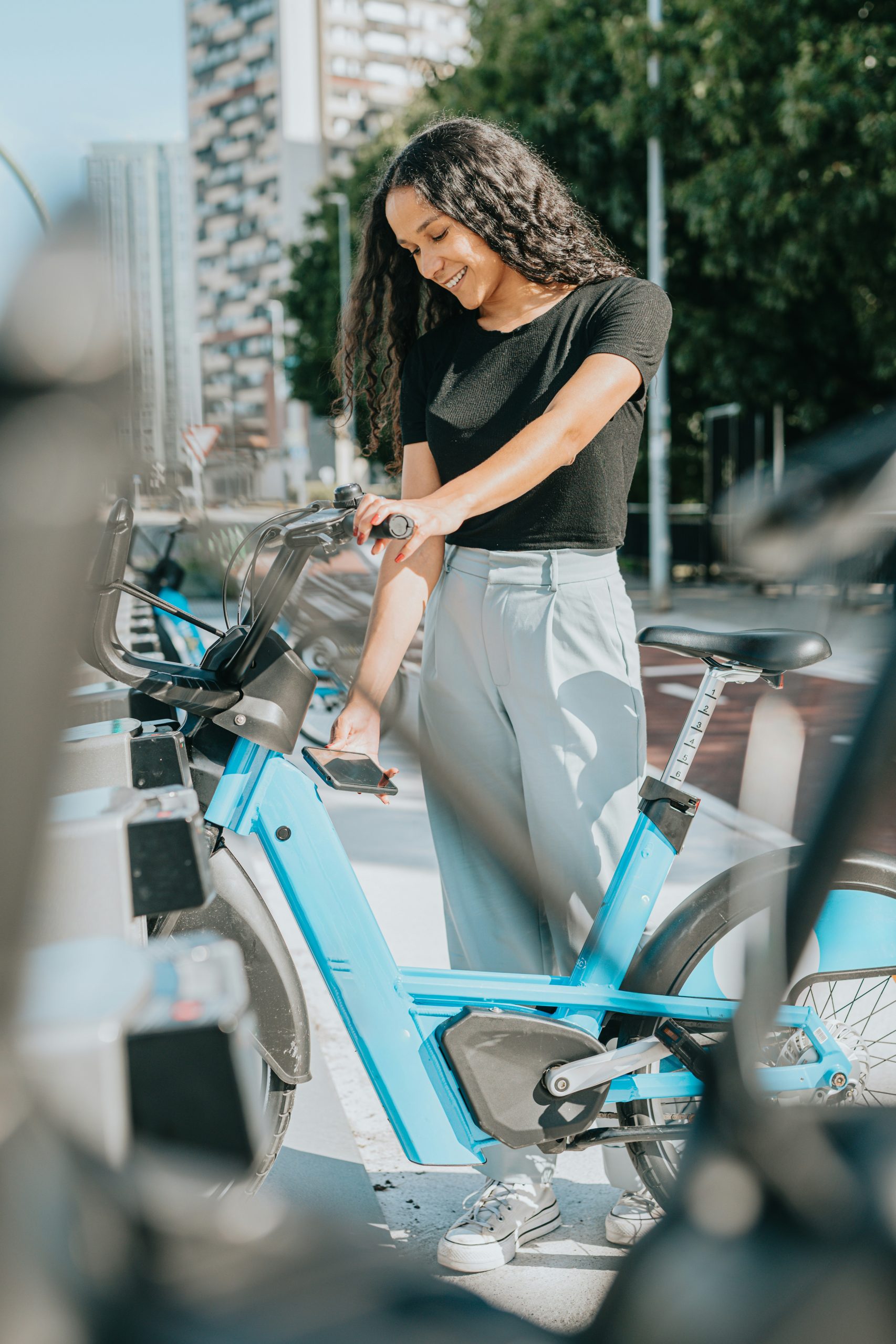
🔧 Where to Actually Rent: Hostel Connections vs Street Shops
Rental quality and trustworthiness vary significantly depending on where you rent from.
Hostel-recommended rentals are consistently the safest option. Staff know the local operators, know which shops are honest about damage, and know which bikes are well-maintained. Many hostels have relationships with specific rental shops and can either facilitate the rental directly or walk you to the right person.
Street shops and tourist-area stalls vary widely. Some are excellent. Some use the deposit scam described above. The visual condition of the bikes and the attitude of the staff are the clearest signals.
What to check on any rental bike before accepting it:
- Brakes: squeeze both before you move
- Tyres: check pressure and visible wear
- Lights: test indicators, headlights, horn
- Engine: listen for anything unusual on a brief test ride
- Fuel gauge: know what level it’s at and agree on what level you return it at
Returning a bike on empty is a common source of extra charges. Fill it before return if there’s any ambiguity.
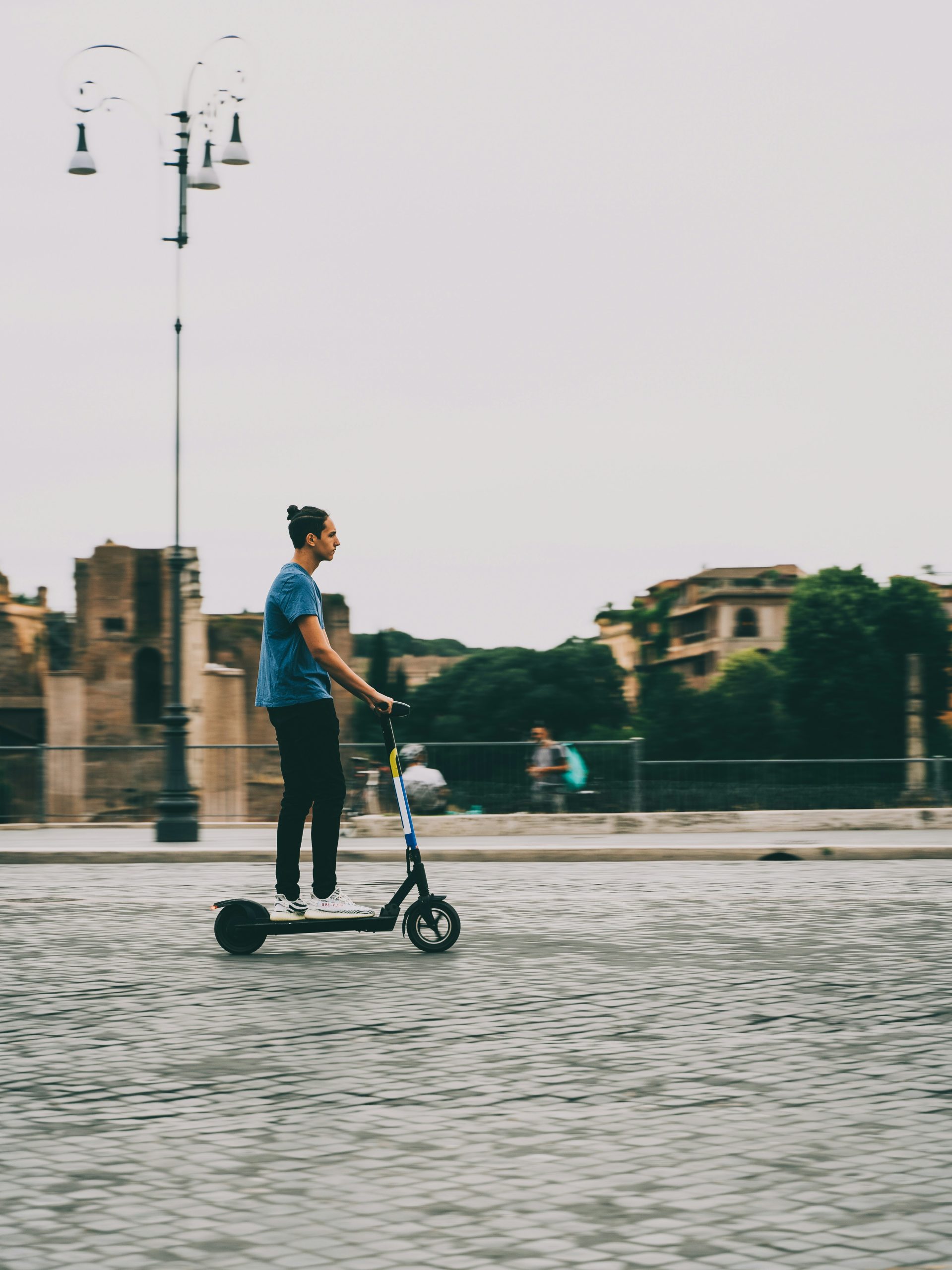
🌏 Country by Country: What the Chats Say
Thailand
Thailand is where most backpackers rent their first scooter, and the conversations reflect this. “Yo quick question, how much is ‘normal’ for a scooter in Chiang Mai?” and “Hi, does anyone have a recommendation for scooter rental here? And has anyone run into police checks between Chiang Mai and Pai?” are recurring questions.
Normal price for a scooter in Chiang Mai: 150-250 Baht per day (~€4-7). Tourist areas charge more. Automatic scooters are widely available. The road from Chiang Mai to Pai is scenic and popular but has significant bends and elevation changes. Not a first-timer route.
Vietnam
Vietnam generates the most loop-related chat traffic by far. The Ha Giang loop is mentioned constantly: “I’m with Road Kings! They pick up on the 22nd and then the loop starts the 23rd. I did the 3 nights 4 days option.” Operators mentioned positively include Motorventures, Safari, Vision, and Infinity.
For the Ha Giang loop, a semi-automatic bike is standard. If you can’t ride one, guided tours with a driver behind you (Easy Rider style) are a genuine option. The loop in the north of Vietnam is extraordinary and worth planning around. Average motorbike rental: €5-10/day.
From Hoi An: “Does anyone know if there are frequent police checks driving a scooter between here and Hue?” The answer from experienced travellers: occasional, and having a licence and IDP helps significantly.
Bali (Indonesia)
Scooter rental in Bali is extremely common, extremely cheap (80,000-120,000 IDR/day, roughly €5-7), and concentrated heavily in Canggu, Ubud, and Seminyak. The traffic around Kuta and Seminyak is genuinely chaotic. Canggu and Ubud are more manageable.
Philippines
From the Koh Lanta chat, referencing Coron: “Hi! We’re going to rent scooters and explore Koh Lanta, but we don’t have an international driver’s licence/permit. How common are police checkpoints or risks?”
In the Philippines, traffic conditions and driving styles vary considerably by island. El Nido and Coron are generally manageable. Manila is not a scooter city. From El Nido: “Yes I would love a scooter buddy, I’m scared of driving here lol.”
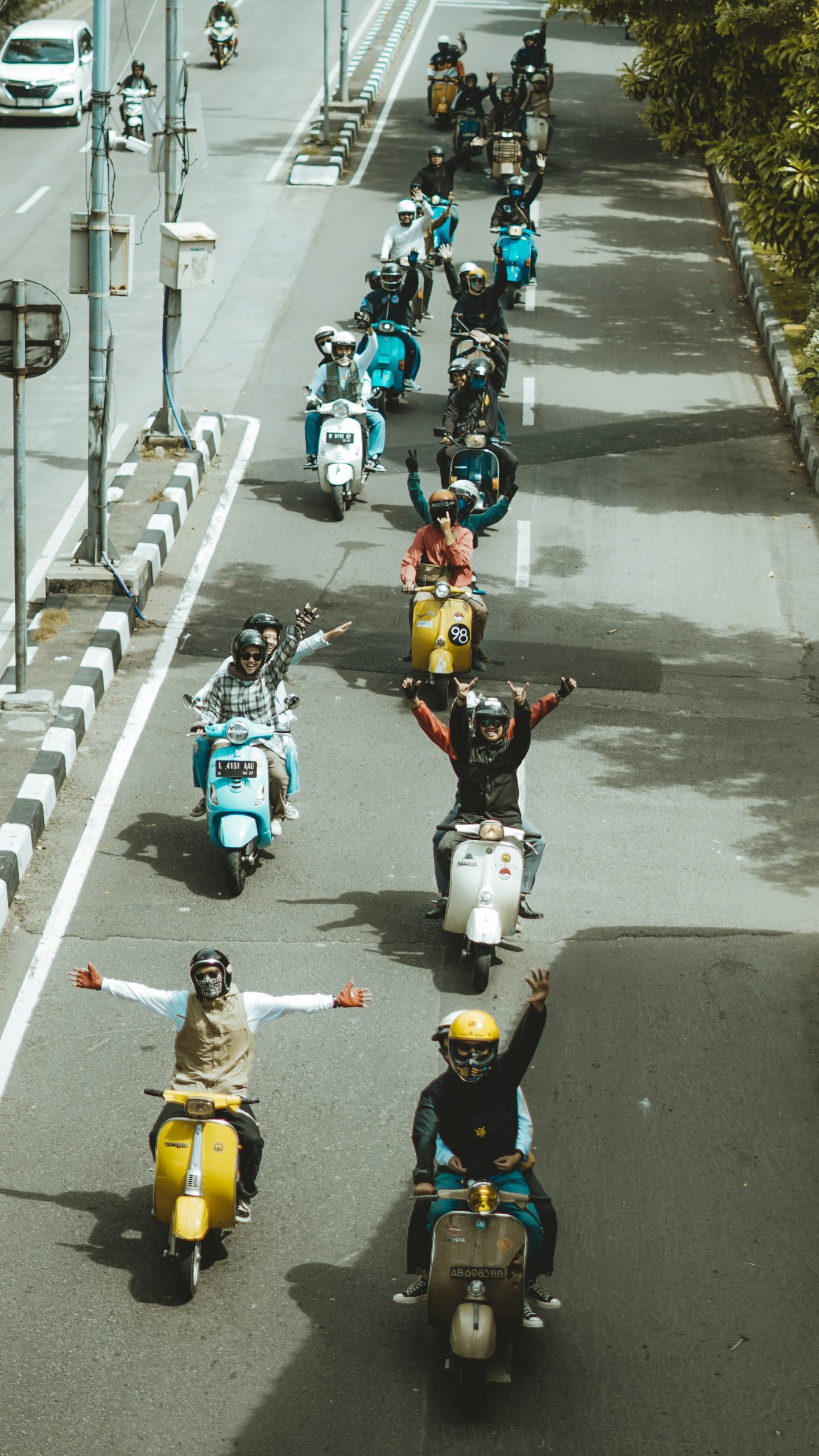
🏍️ Group Rides: How to Find a Scooter Companion
Riding alone in an unfamiliar place is more stressful and less safe than riding with someone who knows the route, or at least someone you can problem-solve with if something goes wrong.
The Hostelworld City Chat and Hostel Chat are full of exactly this kind of coordination:
“Would anyone want to rent a scooter with me tomorrow or Sunday and go explore some smaller villages?” (Chiang Mai) “Is anyone down to ride scooters around today? I don’t wanna explore alone.” (Koh Lanta) “Anyone down for a scooter tour starting in Tong Sala? Would start at 1pm.” (Koh Phangan) “Anyone wants to rent a scooter and explore the island tomorrow? I don’t wanna explore alone.” (Nusa Penida)
These messages work because everyone in the chat is in the same position. Someone who arrived two days ago already knows the good beach roads. Someone with a bike and a spare seat can take a passenger. Someone nervous about riding alone finds a group in an afternoon.
When you book a hostel through Hostelworld, the Hostel Chat is live 48 hours before you arrive. Post your scooter plan there before you check in and you’ll often have a group sorted by the time you arrive.
The Social Pass on Hostelworld also connects you with travellers in the City Chat even without a specific hostel booking, making it easy to find riding companions across the wider traveller community in any city.
🛡️ Safety: The Part That Actually Matters
The chats mention accidents with enough regularity to take seriously. From Pai: “Hearing a lot about it being dangerous and lots of accidents. Was it a difficult ride? Could a semi-manual bike with 2 people handle it?”
The safety basics that experienced scooter travellers follow consistently:
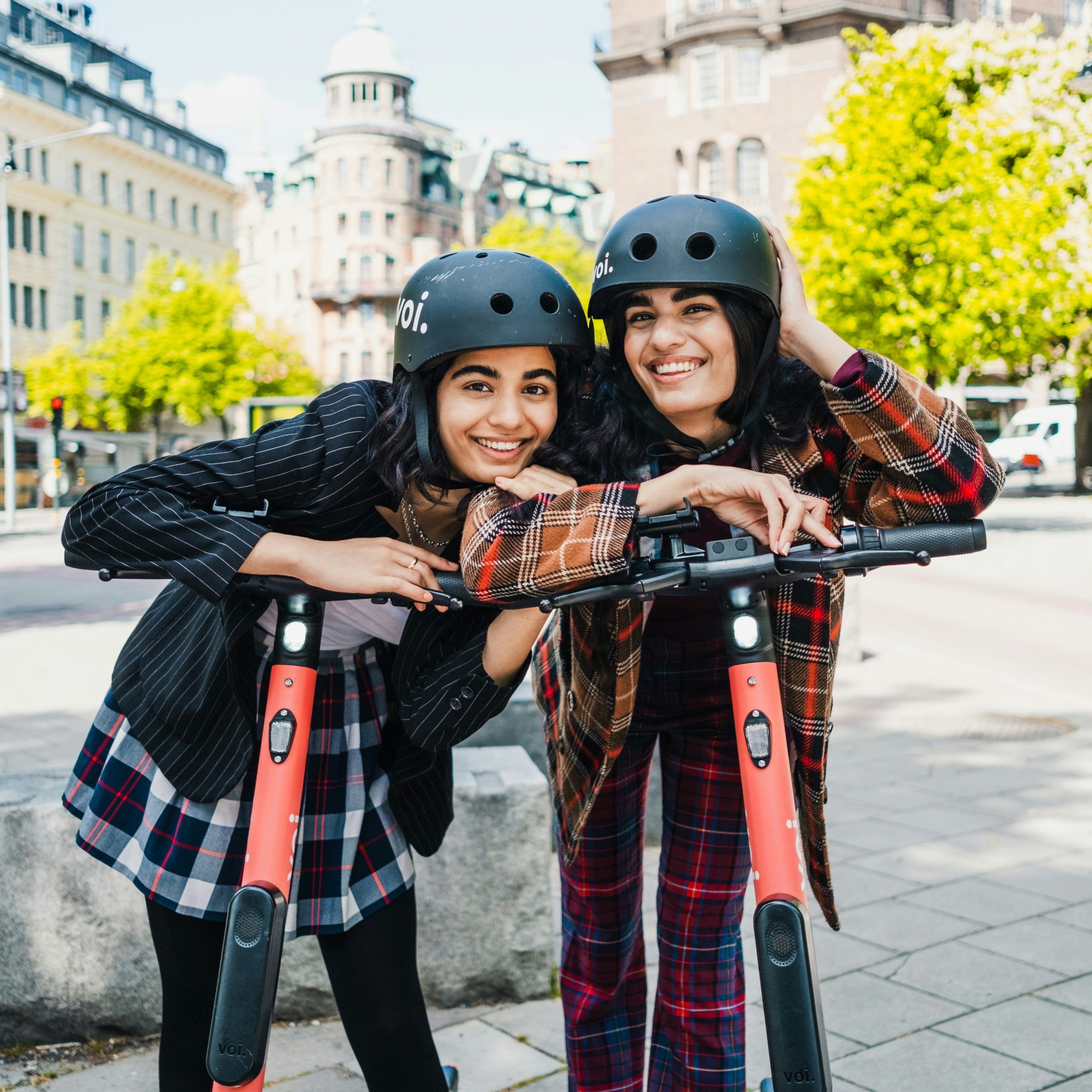
Always wear a helmet. Full stop. In many countries, helmets are legally required. In all countries, they make the difference in a fall. Rental helmets are often poor quality. In popular scooter destinations, buy or rent a better one.
Adjust for the road surface. Wet roads, gravel, potholes, and roads that turn from tarmac to dirt without warning are common in Southeast Asia. Reduce speed significantly in rain.
Ride to the left in left-driving countries. Sounds obvious. Less obvious in practice when you’ve just arrived and are jet-lagged.
Don’t ride at night if you can help it. Poor road lighting, unmarked hazards, and other drivers are all more dangerous after dark.
Two people, one automatic scooter, hilly terrain. From Koh Samui: “Just watch going up the jungle if it’s an automatic moped, you won’t get up.” Two people on a small automatic scooter on steep roads is a genuine safety consideration, not just a performance one.
✅ Final Thoughts: Rent Smart, Ride Well
The scooter is one of the best ways to experience a destination. The freedom it gives you, off-route beaches, quiet temples, mountain roads, is genuinely difficult to replicate by any other means.
Photograph the bike before you ride. Get an IDP before you travel. Ask at your hostel which shop is trustworthy. Ride with someone if you can. Those four things resolve most of the problems that show up in the chats.
The City Chat and Hostel Chat on Hostelworld are the fastest ways to find a scooter companion, get rental recommendations, and hear from people who navigated the same road yesterday. Use them before you commit to a rental and the first ride feels considerably less uncertain.
Download the Hostelworld app to start booking now


❓ FAQs: Scooter and Motorbike Rental While Travelling
What is the passport deposit scam and how do I avoid it?
Some rental shops take your passport as a deposit and then claim damage on return to hold it. Photograph and video the entire bike before you ride, send the files to yourself with a timestamp, and try to leave a cash deposit rather than your passport. Always rent from hostel-recommended shops.
Is it safe to rent a scooter in Vietnam?
Vietnam's roads, particularly outside cities, require confidence and attention. The Ha Giang loop is achievable and popular, but involves mountain roads that demand respect. If you can't ride a semi-automatic, guided Easy Rider tours with a driver are a genuinely good option.
How do I find someone to ride with?
Post in the Hostelworld Hostel Chat or City Chat for your destination. "Anyone want to rent scooters and explore tomorrow?" gets responses consistently across every popular scooter destination. Many travellers are looking for exactly the same thing.
How much does scooter rental cost?
Thailand: 150-250 Baht/day (~€4-7). Bali: 80,000-120,000 IDR/day (~€5-7). Vietnam: roughly €5-10/day depending on bike size. Philippines: varies by island, roughly 300-500 PHP/day (~€5-9). Prices are lower from local shops than from tourist-facing stalls.
What should I check before accepting a rental bike?
Brakes, tyres, lights, indicators, horn, and fuel gauge. Test the brakes before you move. Photograph every existing scratch and dent with a timestamp. Agree on the fuel level for return. Do all of this in front of the rental shop owner.
Can a beginner rent a scooter?
Yes, on an automatic scooter with some practice first. Ask at your hostel if someone can give you ten minutes of guidance in a quiet area before you hit traffic. Automatic scooters are genuinely accessible for beginners. Manual motorcycles are not first-timer vehicles.


 Get the App.