
Prague vs Budapest: Europe’s Backpacker Favourites Compared
Choosing between Prague and Budapest is one of the most enjoyable travel dilemmas in Europe, mostly because there is no wrong answer. Both cities are strikingly beautiful, historically layered, genuinely affordable, and built around a hostel and backpacker culture that has made them firm fixtures on every Central European itinerary for decades. But they’re not interchangeable, and the differences matter.
This guide breaks down everything that sets them apart: the architecture, the nightlife, the thermal baths, the food, the budget, and the hostel scene. Whether you’re planning your first big European trip or trying to choose between two cities you’ve always wanted to visit, here’s everything you need to make the call.
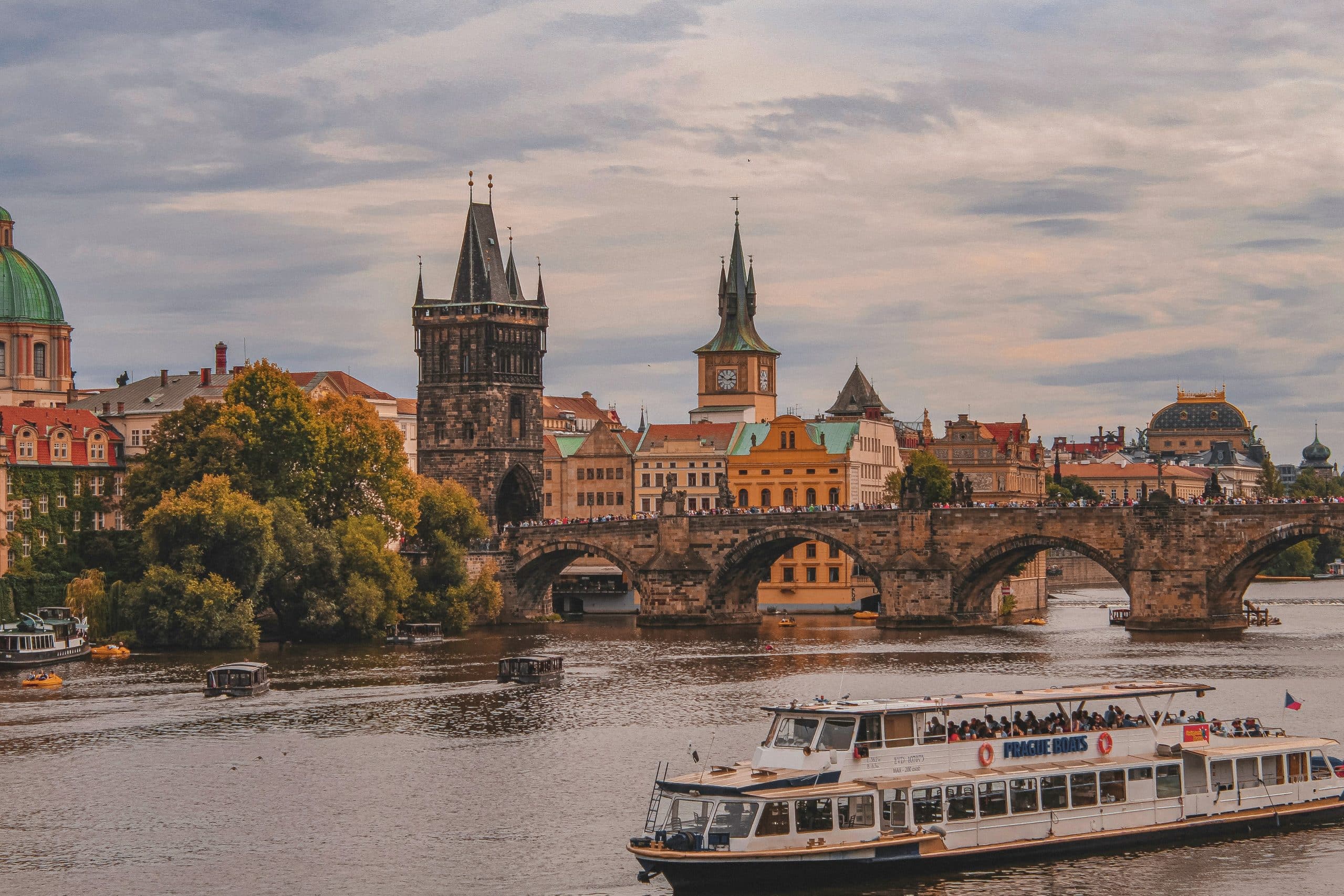
🌆 Prague at a Glance
Prague is one of the most visually intact medieval cities in Europe. It escaped the worst of World War II’s destruction almost entirely, and walking through the old town feels genuinely like stepping into another century.
Short snapshot:
- Atmosphere: Fairy-tale medieval, tourist-heavy in the centre, deeply local just beyond it
- Best for: Architecture lovers, history buffs, beer enthusiasts, first-time European backpackers
- Vibe: Morning fog over the Charles Bridge, afternoon castle views, cheap beer by evening
Quick tip for first timers: The old town gets extremely crowded during the day. Go to the Charles Bridge at dawn before the tour groups arrive and you’ll have one of the most beautiful urban experiences in Europe almost entirely to yourself.
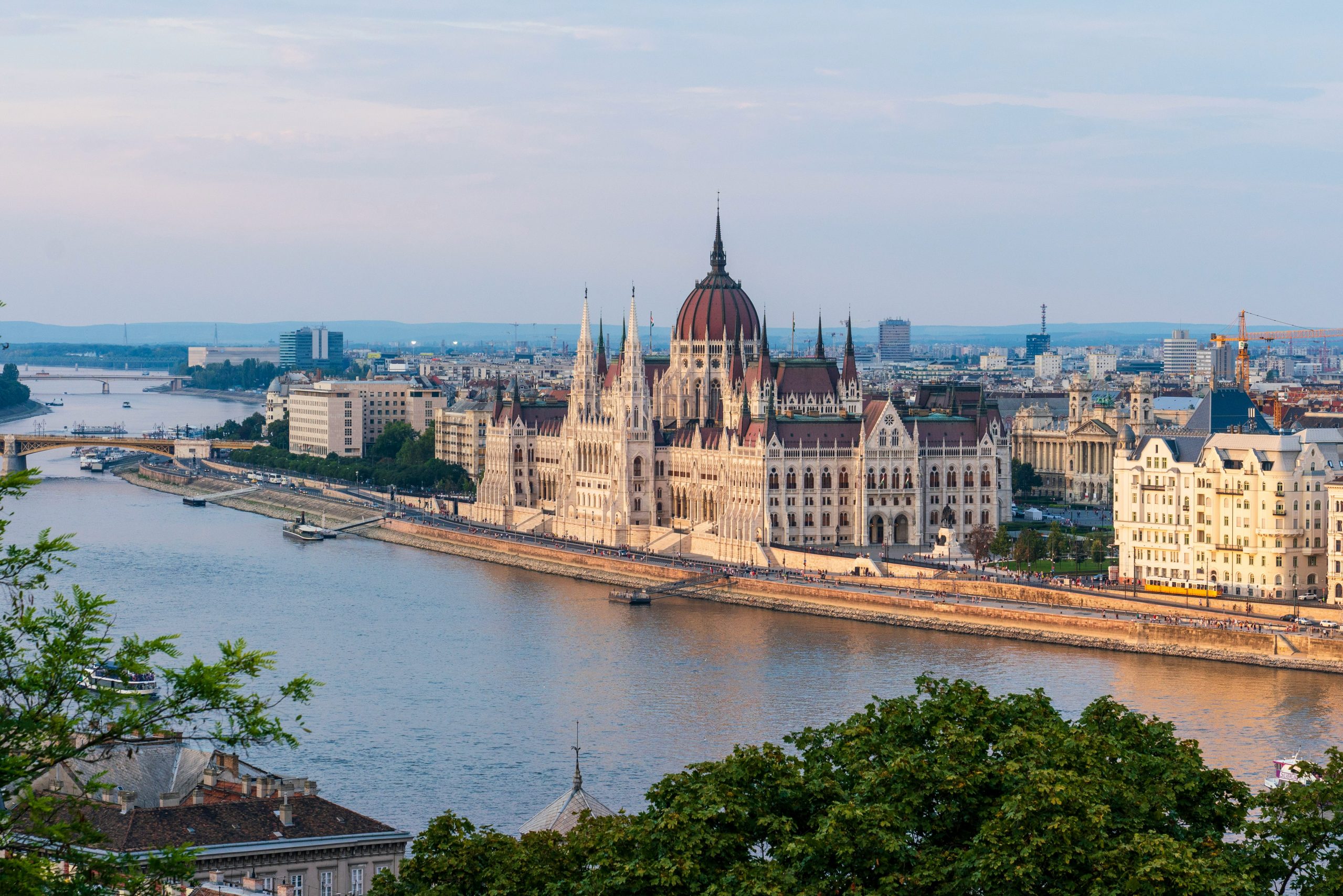
🏙️ Budapest at a Glance
Budapest is two cities that became one, Buda and Pest divided by the Danube and connected by bridges that are works of art in themselves. It’s grander in scale than Prague, more dramatic in its geography, and slightly rougher around the edges in a way that many travelers find more compelling.
What to expect:
- Atmosphere: Grand, thermal, layered with history, creatively alive
- Best for: Ruin bar lovers, thermal bath enthusiasts, architecture admirers, nightlife seekers
- Vibe: Thermal bath mornings, Danube walks at golden hour, ruin bar nights that go on far too long
If Prague is a beautifully preserved jewellery box, Budapest is a grand old palace that’s been through some things and is all the more interesting for it. Both are unmissable. They just offer different versions of what a great European city can be.
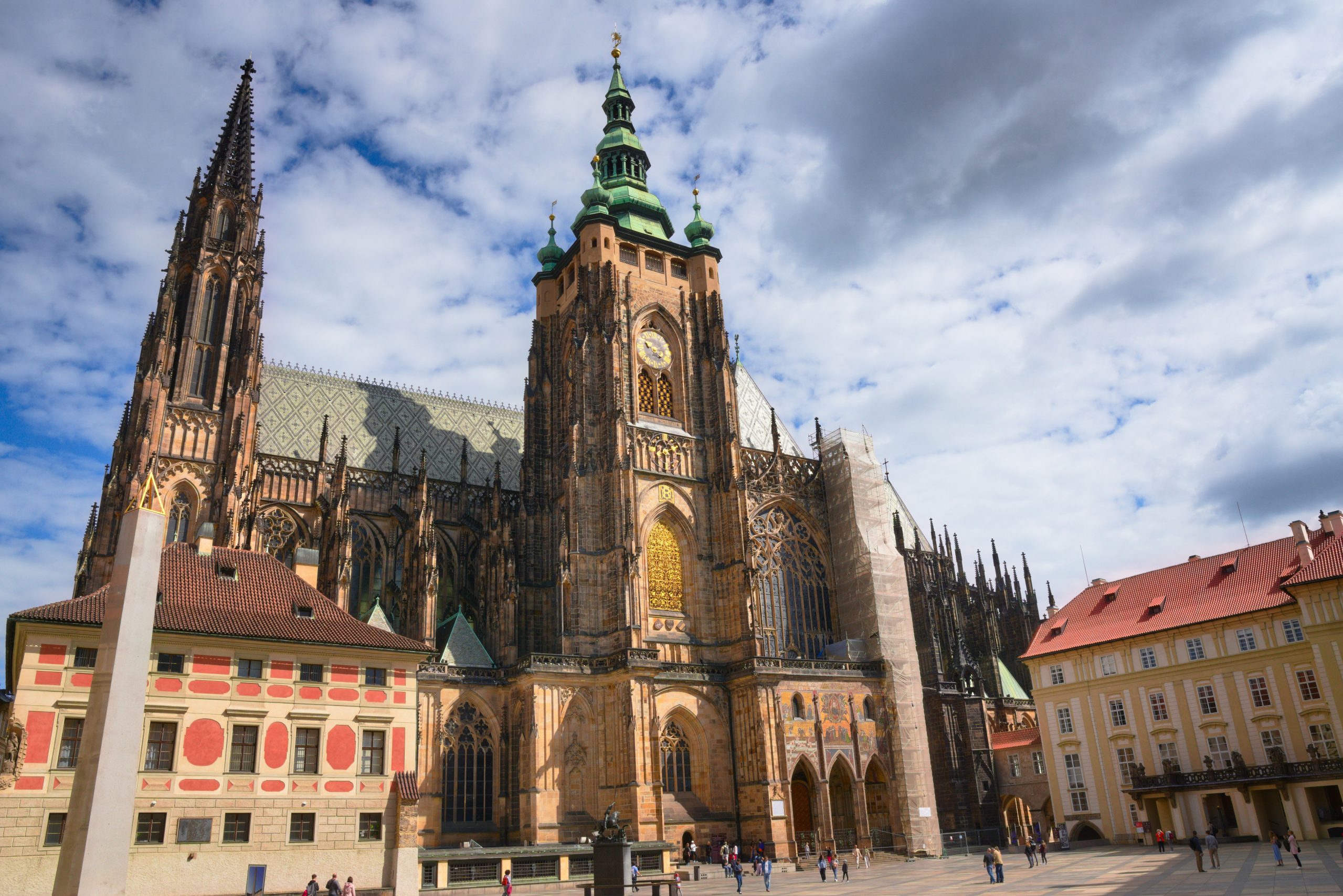
🎨 History, Architecture & Things to See
Both cities carry centuries of history in their stones, but the architectural character of each is completely different and shapes everything about the experience of visiting.
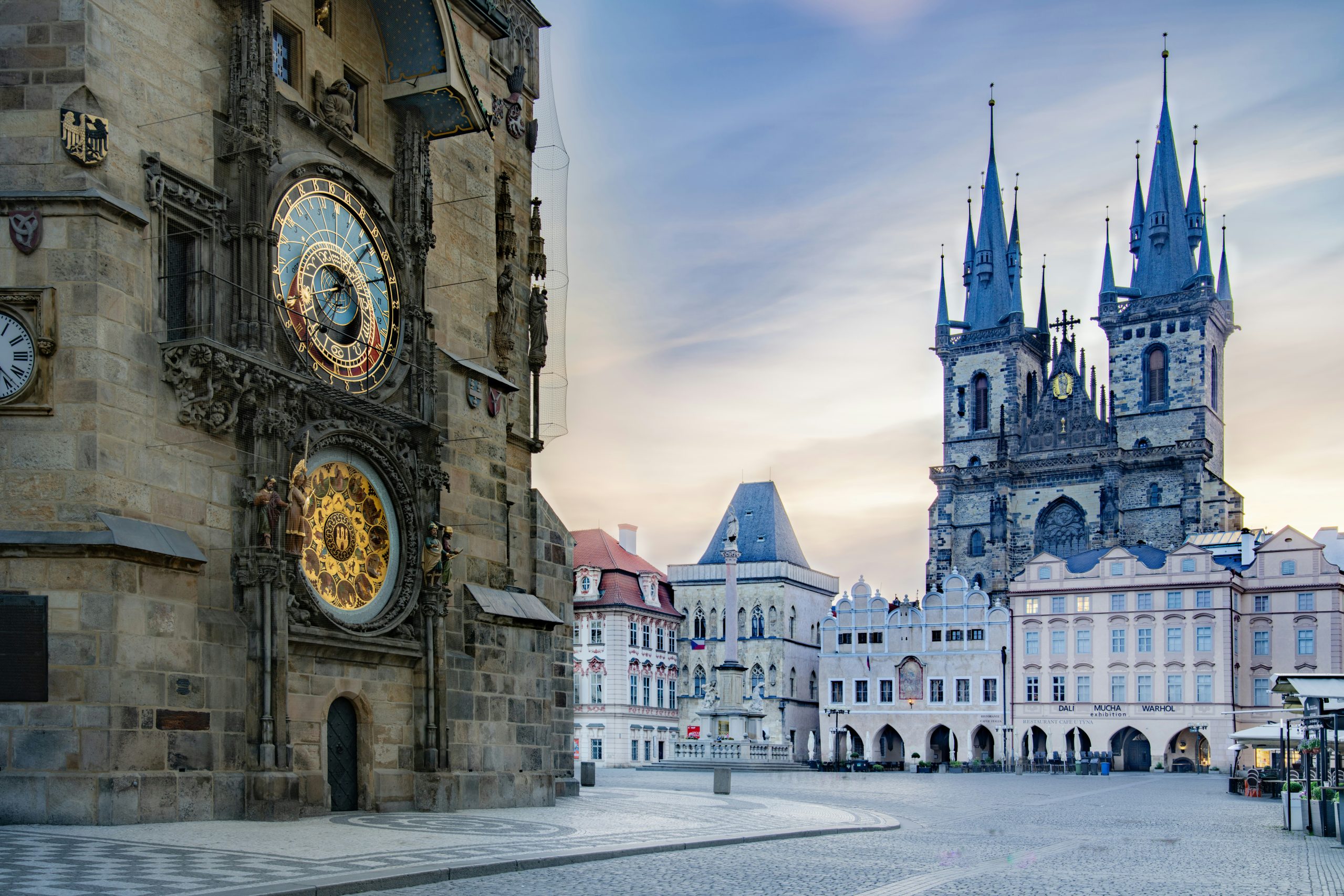
Prague’s old town is medieval, Gothic, and Baroque in layers, and the density of remarkable buildings within a small area is almost unreasonable. The Old Town Square with its Astronomical Clock drawing crowds on the hour is the obvious starting point, but the real pleasure of Prague’s architecture is in the wandering. Lanes branch off unexpectedly into courtyards, churches appear around corners, and the whole ensemble has a coherence that reflects how little the city was altered in the 20th century.
Prague Castle is the largest ancient castle complex in the world by area, sitting above the city on a hill and containing palaces, gardens, a cathedral, and galleries that could occupy a full day easily. St. Vitus Cathedral inside the castle grounds is one of the finest Gothic cathedrals in Central Europe. Across the river, the Charles Bridge lined with baroque statues connecting the old town to the castle district is the city’s great connective landmark, best experienced early in the morning or at dusk when the light is extraordinary and the crowds thin.
Budapest’s architecture is grander, more imperial, and built to impress. The city reached its golden age in the late 19th century as part of the Austro-Hungarian Empire, and the buildings from that era, the Hungarian Parliament Building, St. Stephen’s Basilica, the Hungarian State Opera House, and the grand Keleti and Kelenfold railway stations form a cityscape of almost theatrical magnificence.
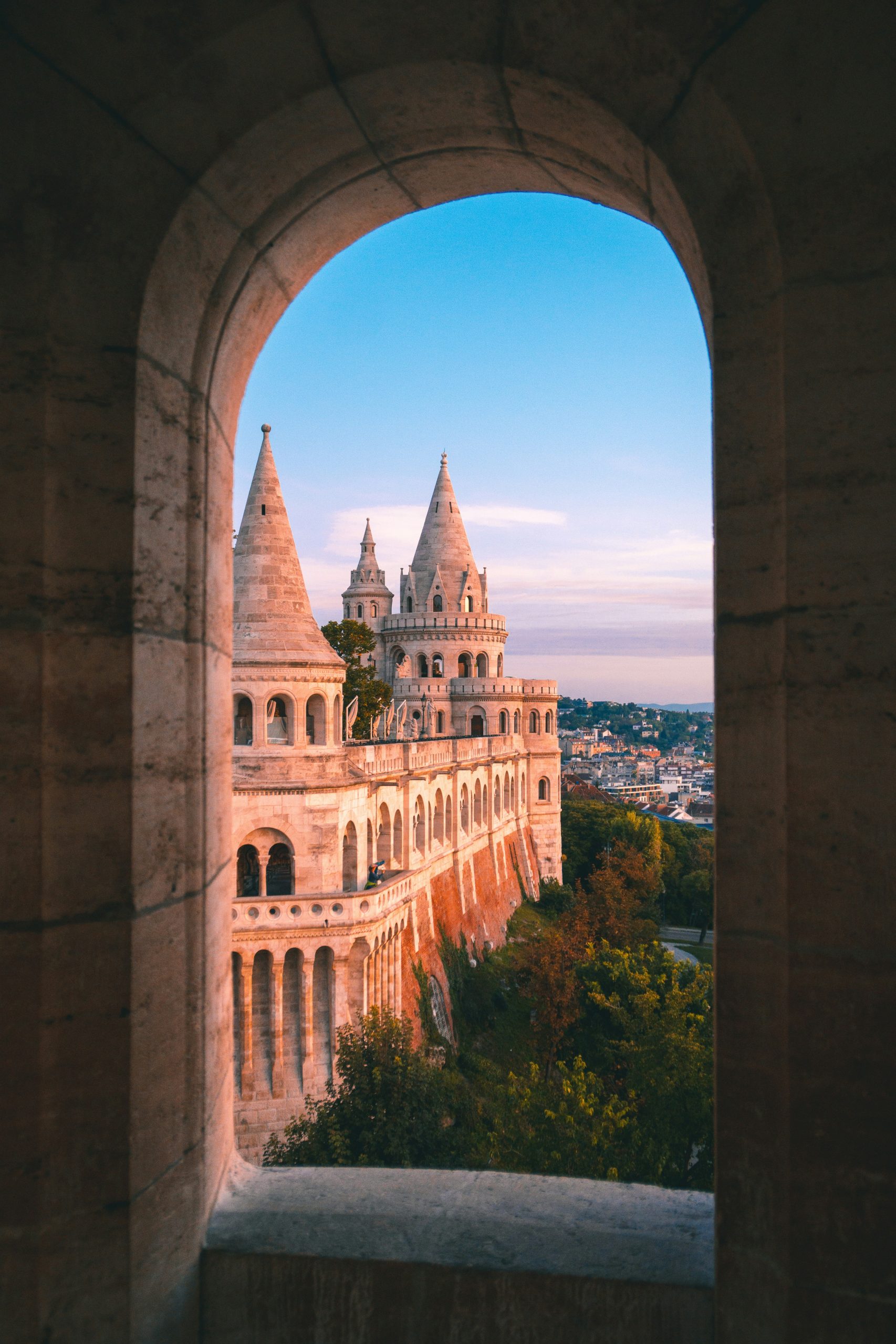
The Buda Castle District on the hill above the Danube offers a different scale of beauty, with cobbled streets, medieval fortifications, the Matthias Church with its geometric tiled roof, and the Fishermen’s Bastion providing one of the most photographed viewpoints in Central Europe. Across the river, the flat Pest side is where the city’s energy lives, in its great boulevards, its market halls, and its endlessly interesting neighborhoods.
| City | Architectural Character | Best For |
|---|---|---|
| Prague | Medieval Gothic and Baroque, intimate scale | Charles Bridge, castle complex, old town lanes |
| Budapest | Imperial late 19th century grandeur, dramatic riverside setting | Parliament building, castle hill, grand boulevards |
Prague is more immediately fairy-tale. Budapest is more dramatically grand. Both are among the most beautiful cities in Europe.
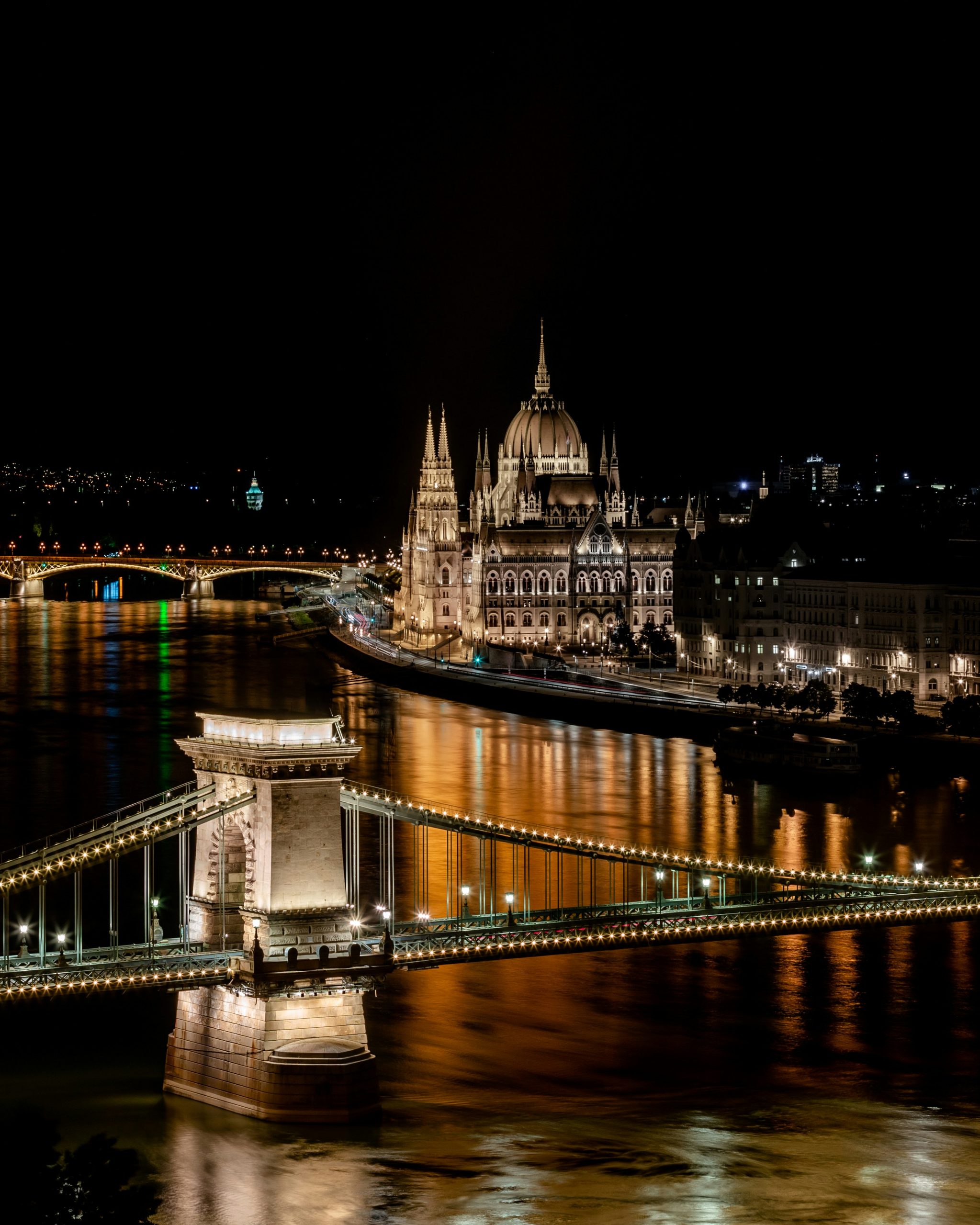
🌊 The Danube, the Vltava & Getting Outside
Both cities are defined by their rivers, but in different ways and at different scales.
Budapest has the more dramatic river relationship of the two. The Danube is wide, powerful, and central to the city’s identity in a way that is visible from almost everywhere. The view from either bank, with the Parliament glowing gold at night on one side and the illuminated castle on the other, is one of the great urban panoramas in Europe and it’s completely free to experience. Walking the Danube Promenade on the Pest side at sunset is one of those simple pleasures that stays with you long after the trip is over.
Margaret Island in the middle of the Danube is Budapest’s great outdoor escape, a car-free park with thermal springs, a running track, open-air pools, a small zoo, and gardens that fill with locals on warm weekends. It’s reached by bridge from both banks and feels like a genuine retreat from the city’s energy.
Prague’s relationship with the Vltava River is gentler and more intimate. The river curves through the city in a way that creates natural viewpoints and quiet riverside walks, and taking a boat tour on the Vltava is one of the better ways to see the city’s skyline from a different angle. Letná Park above the river offers one of the best views over Prague’s old town rooftops, and the park’s beer garden is exactly as good as you’d hope.
Budapest wins on river drama and the sheer visual impact of the Danube setting. Prague’s riverside is quieter, more walkable, and full of character at a more human scale.
♨️ Thermal Baths – Budapest’s Signature Experience
This section exists almost entirely for Budapest, because nothing else in Europe quite matches what the city offers in thermal bath culture.
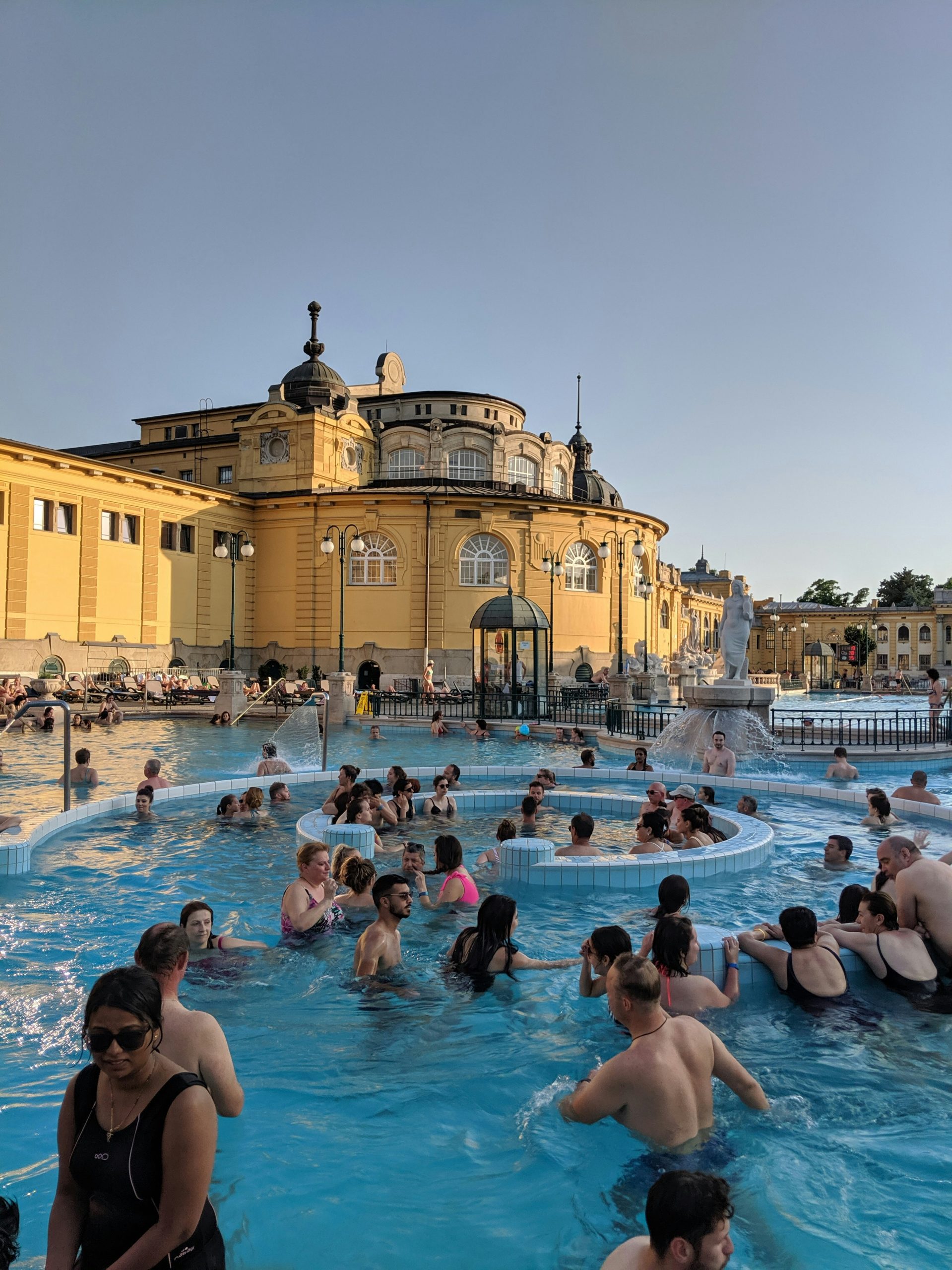
Budapest sits on a network of thermal springs that have been channeled into bathhouses since Roman times, and the tradition reached its architectural peak under Ottoman occupation in the 16th and 17th centuries. Széchenyi, the enormous yellow neo-baroque complex in City Park, is the most famous, with outdoor pools steaming in cold weather and a social atmosphere unlike anything else in Europe. Gellért Baths combines art nouveau architecture with thermal pools and a wave pool in a setting that feels genuinely palatial. Rudas Baths preserves its original Ottoman octagonal pool under a starred dome, with a rooftop pool added in recent years for Danube views.
Going to the baths is not just a tourist activity in Budapest. It’s how locals actually spend their time, and arriving at Széchenyi on a winter afternoon to find elderly men playing chess in the outdoor pool while steam rises around them is one of those travel moments that becomes a story you tell for years.
Prague has no equivalent experience. There are spa facilities in the city, but nothing that comes close to Budapest’s thermal bath culture in scale, history, or atmosphere.
If thermal baths are even a minor consideration in your trip planning, Budapest wins this comparison immediately and completely.
🍴 Food – Czech Comfort vs Hungarian Spice
Prague Czech cuisine is hearty, meat-heavy, and built for cold weather, with a simplicity that rewards rather than overwhelms.
- Svíčková, slow-braised beef sirloin in a creamy root vegetable sauce served with bread dumplings and cranberry jam, the great Czech comfort dish
- Vepřo knedlo zelo, roast pork with dumplings and sauerkraut, the classic pub meal
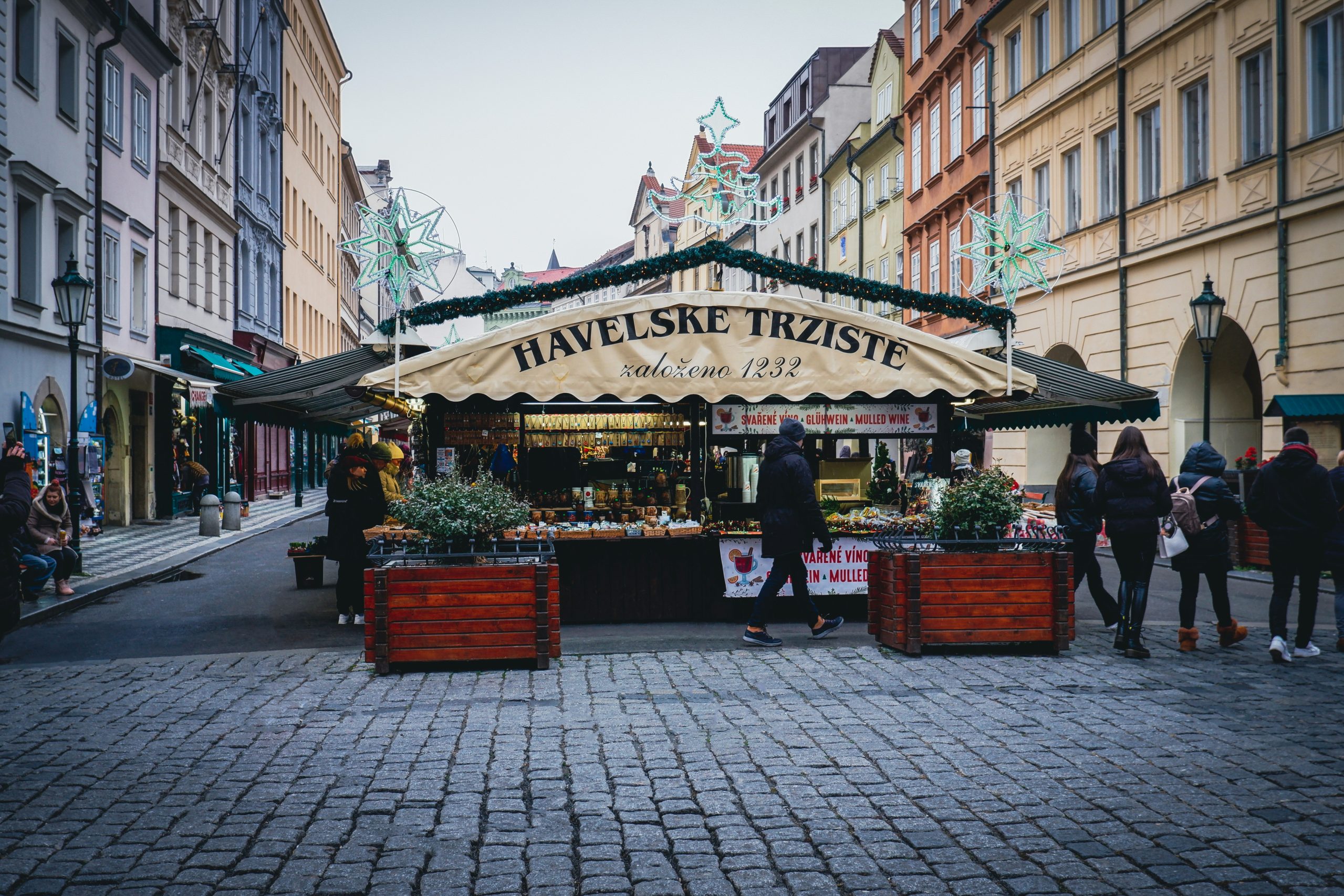
- Trdelník, a sweet pastry cooked over an open flame and sold across the old town, touristy but genuinely good when fresh
- Utopenec, pickled sausages served in brine with onion, a Czech pub staple that goes perfectly with the beer
- Czech bread dumplings in almost everything, dense, soft, and excellent for soaking up sauces
Budapest Hungarian cuisine is bolder, more spiced, and more varied than Czech cooking, with paprika running through almost everything in the most wonderful way.
- Gulyás, the original goulash, a paprika-spiced beef and vegetable soup that bears little resemblance to its international imitations
- Lángos, deep-fried flatbread topped with sour cream and cheese from market stalls, one of the great street foods of Central Europe
- Chicken paprikash with nokedli dumplings, rich, warming, and deeply satisfying
- Halászlé, a fiery fisherman’s soup made with river fish and hot paprika, a regional specialty worth seeking out
- Kürtőskalács, a chimney cake eaten warm from market stalls, similar to trdelník but with regional variations
Important note: Both cities offer exceptional value for eating out compared to Western Europe. Budapest edges ahead on flavor complexity and variety. Prague edges ahead on the quality and culture of its beer, which is as much a part of the food experience as anything on the menu.
🍺 Beer vs Wine – Drinking Culture Compared
This deserves its own section because drinking culture is genuinely central to both cities and the differences are significant.
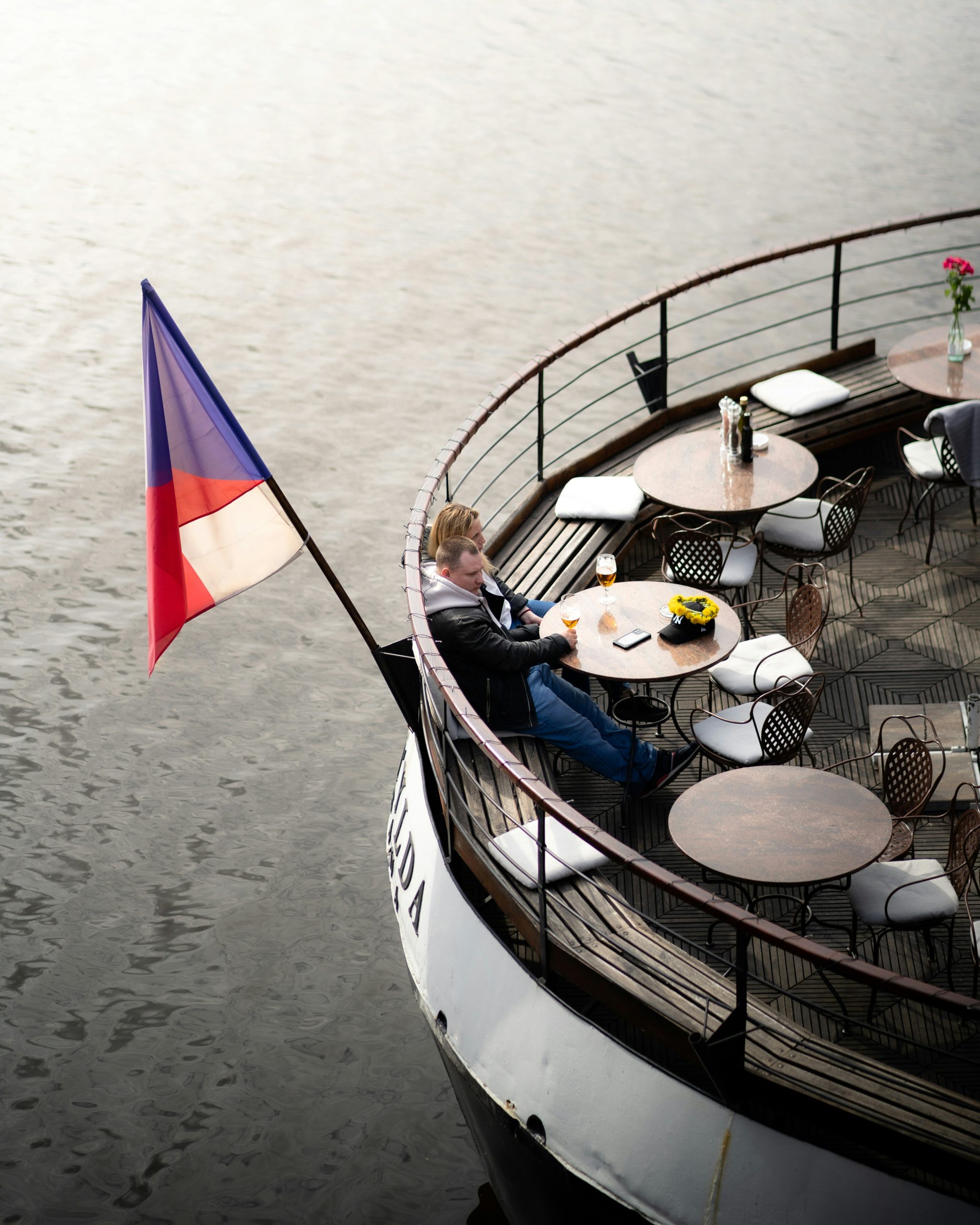
Prague is one of the great beer cities of the world, full stop. Czech lager, particularly Pilsner Urquell and the local Kozel and Staropramen pours, is served with a ceremony and quality consciousness that treats beer as seriously as wine is treated in France. A half-liter of excellent draft beer in a Prague pub costs around €1.50 to €2, which remains one of the great value propositions in European travel. The pub culture is warm, unhurried, and built around long evenings at shared wooden tables with no pressure to move on.
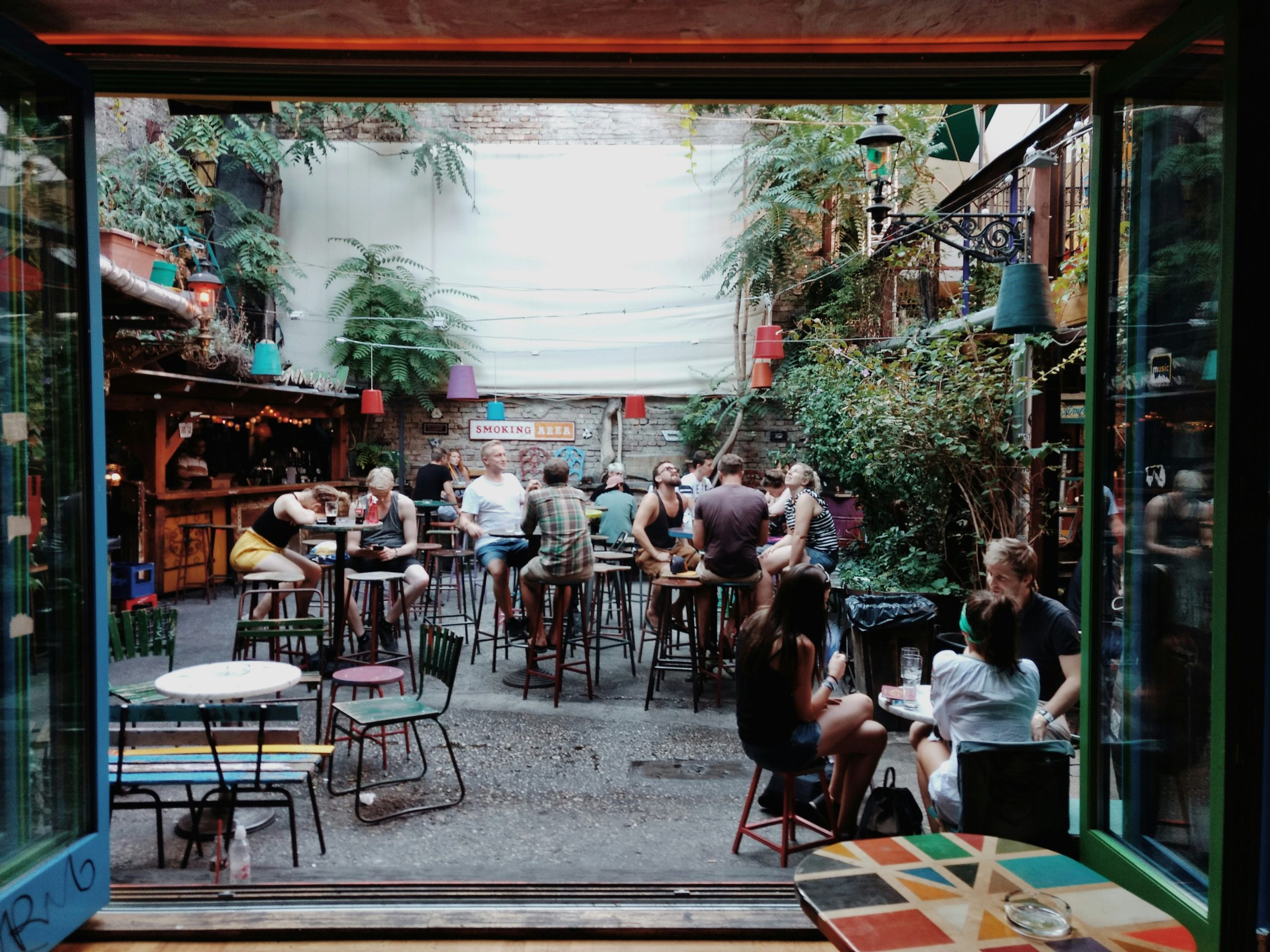
Budapest’s drinking culture is broader and more varied. The city has a strong wine tradition rooted in the Hungarian regions of Eger and Tokaj, and wine bars have proliferated across the city in recent years. The craft beer scene has grown significantly. But the signature Budapest drinking experience is the ruin bar, and nothing quite captures the city’s creative, slightly anarchic spirit better. Bars built inside abandoned buildings and courtyards in the Jewish Quarter, with mismatched furniture, outdoor areas, street art, and a multilevel energy that is entirely its own thing.
Quick tip: Go to Prague for the beer. The combination of quality, price, and pub atmosphere is unmatched in Europe. Go to Budapest for the ruin bars. Szimpla Kert, the original, is worth visiting even if you’ve heard it described a hundred times. It still surprises.
🌙 Nightlife – Underground vs Ruin Bars
Prague and Budapest both have strong reputations for nightlife, but the character of each scene is quite different.
Prague’s nightlife is varied, accessible, and spread across neighborhoods that each have their own character. The old town has plenty of tourist-oriented bars that stay open late. Žižkov, a slightly scruffy neighborhood east of the center, is where locals drink, with a density of small, characterful bars that feel entirely removed from the backpacker trail. Vinohrady offers a more sophisticated take with wine bars and cocktail lounges. The club scene is solid, with venues like Klub 007 and Cross Club, an industrial-themed club in Holešovice that is one of the more visually extraordinary club spaces in Central Europe.
Budapest’s nightlife is defined by the ruin bar scene in a way that has made it one of the most talked-about party destinations in Europe. The Jewish Quarter in Pest is the epicentre, with Szimpla Kert, Instant, Fogas Ház, and dozens of others creating a concentrated area of bars, clubs, courtyards, and covered spaces that flow into each other over the course of a night. The energy is creative, international, and genuinely exciting. Beyond the ruin bars, Budapest has a growing club scene and excellent rooftop bars with Danube views.
Quick tip: Budapest’s ruin bar scene is one of the most distinctive nightlife experiences in Europe and should be experienced rather than described. Prague’s nightlife is more varied and easier to navigate for travelers who don’t want everything in one concentrated area.
🚶 Getting Around & Practical Logistics
A few things worth knowing before you go:
- Prague’s old town is almost entirely walkable. The tram network is excellent for reaching neighborhoods further out and one of the most enjoyable ways to move around the city.
- Budapest is larger and best navigated by metro, tram, and bus. The metro is simple with three main lines and extremely easy to use.
- Both cities are very safe for solo travelers, with standard awareness around busy tourist areas being sufficient.
- Prague’s old town gets extremely crowded in peak season. Arriving early at major sights and exploring less-visited neighborhoods like Vinohrady and Žižkov makes the experience significantly better.
- Budapest’s tram line 2 along the Danube Promenade is one of the most scenic urban tram routes in Europe and worth riding simply for the views.
- Both cities have excellent public transport night services, which is particularly useful given how late both cities’ nightlife tends to run.
Prague is easier to navigate on foot in the center. Budapest rewards using public transport to explore its wider spread of neighborhoods.
🏨 Best Hostels in Prague 🛏️
Prague has one of the best hostel scenes in Europe, with options that combine great value, excellent locations, and strong social energy.
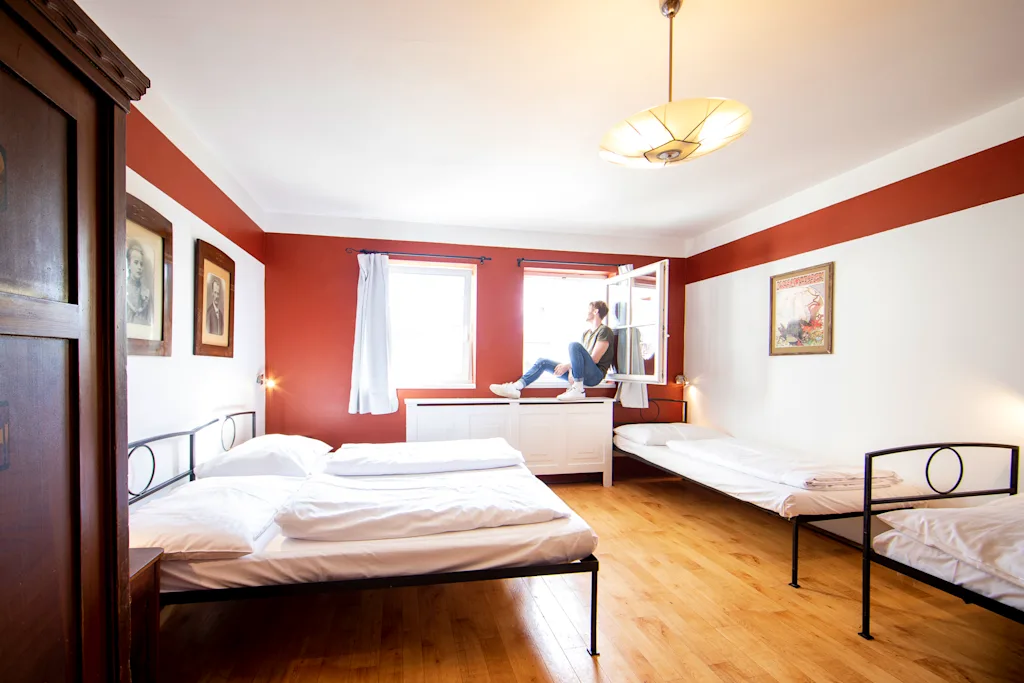
1. Sir Toby’s Hostel Prague
A beloved independent hostel in the Holešovice neighborhood, away from the tourist crowds and much closer to how young Prague residents actually live. Known for its warm atmosphere, excellent staff, and a bar that becomes a genuine social hub in the evenings.
Dorms from around €12
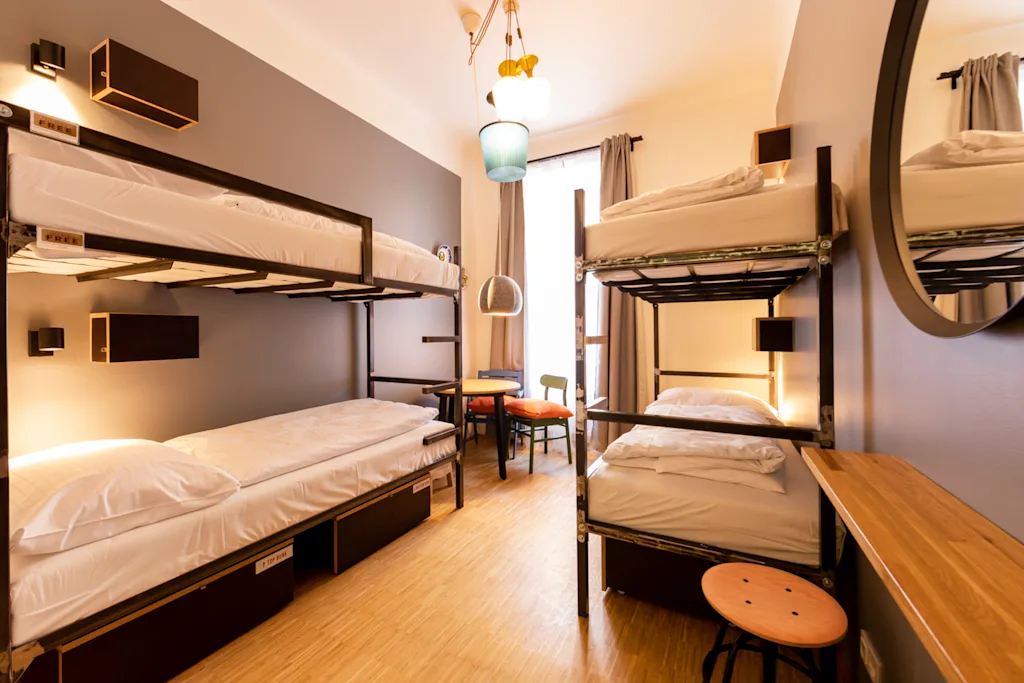
2. Czech Inn
A design-forward hostel in Vinohrady with a stylish common area, clean dorms, and a sophisticated edge that sets it apart from more basic budget options. A great choice for travelers who want comfort and character in equal measure.
Dorms from around €12
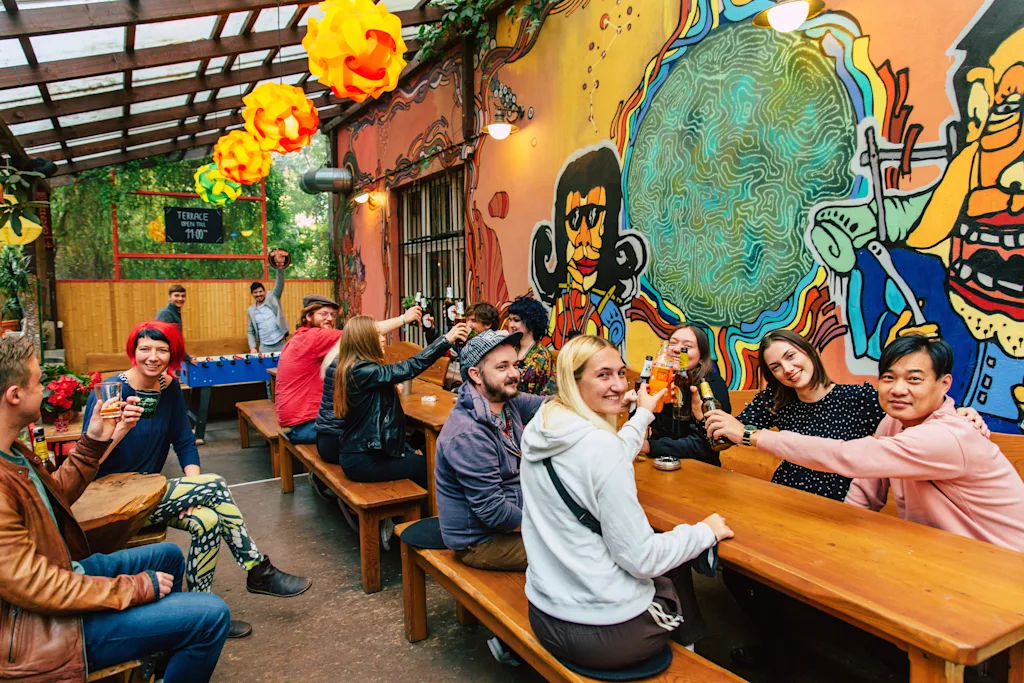
3. Hostel ELF
A sustainably-run hostel with excellent facilities, a great bar, and right on the city center. Consistently praised for its social events and knowledgeable staff.
Dorms from around €13
Prague’s hostels are among the best value in Western and Central Europe, combining quality, location, and social atmosphere at prices that feel almost impossibly reasonable.
🚏 Best Hostels in Budapest 🛏️
Budapest’s hostel scene is large, competitive, and full of character, with options spread across Pest’s most interesting neighborhoods.
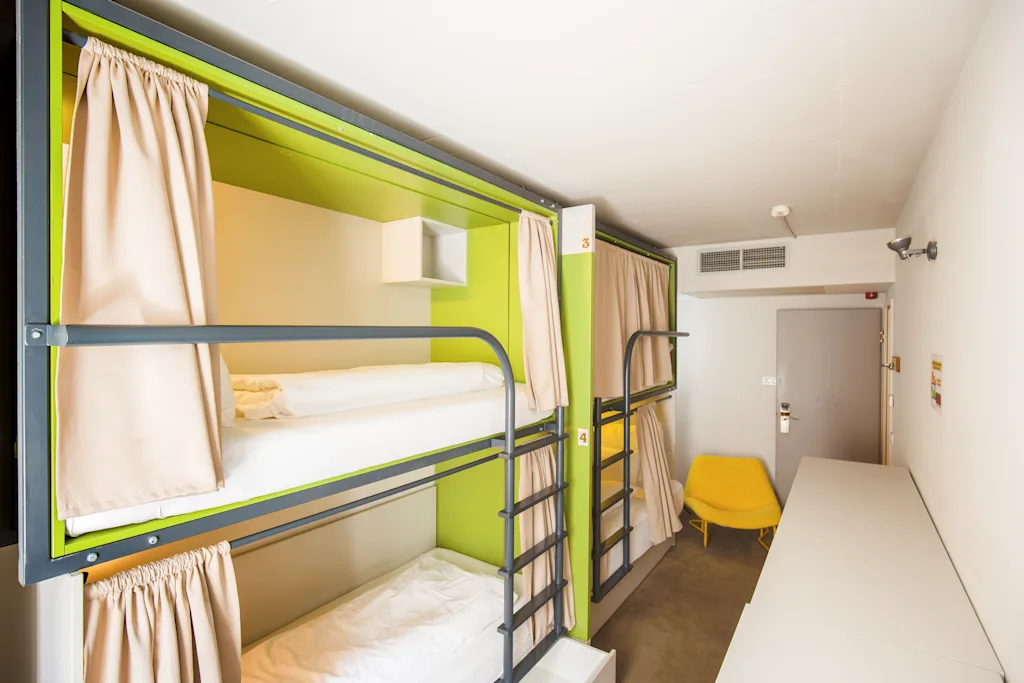
1. Maverick Central Market
A centrally located hostel in the heart of the city with a strong social reputation, clean and comfortable dorms, and a location that puts you walking distance from the ruin bars, the thermal baths, and the Danube. One of the most consistently well-reviewed options in the city.
Dorms from around €10
Book The Hive Party Hostel Budapest
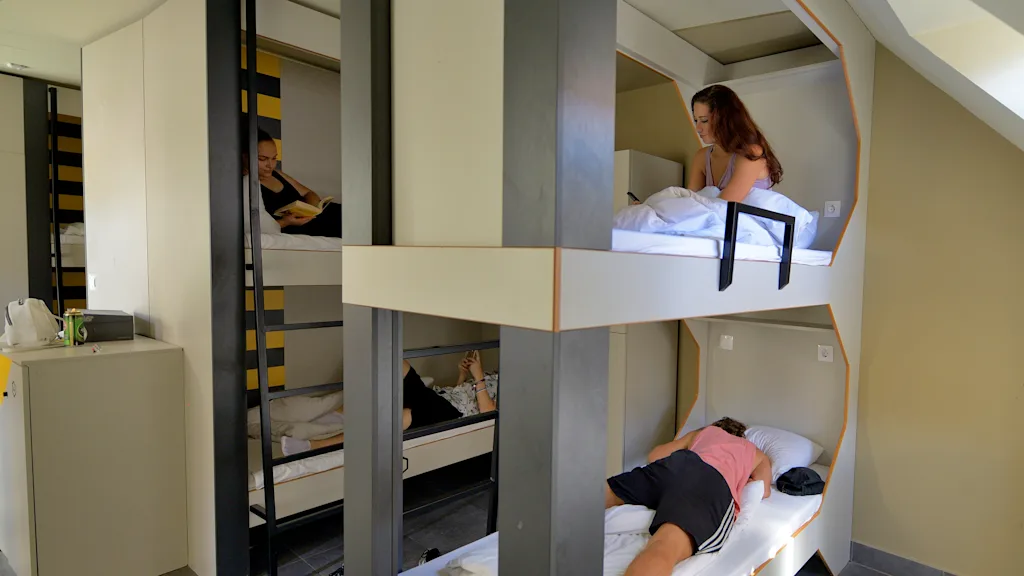
2. The Hive Party Hostel Budapest
Exactly what it says, a social, lively hostel that puts you right in the middle of Budapest’s nightlife scene. Brilliant for solo travelers who want to meet people immediately and be close to everything.
Dorms from around €10
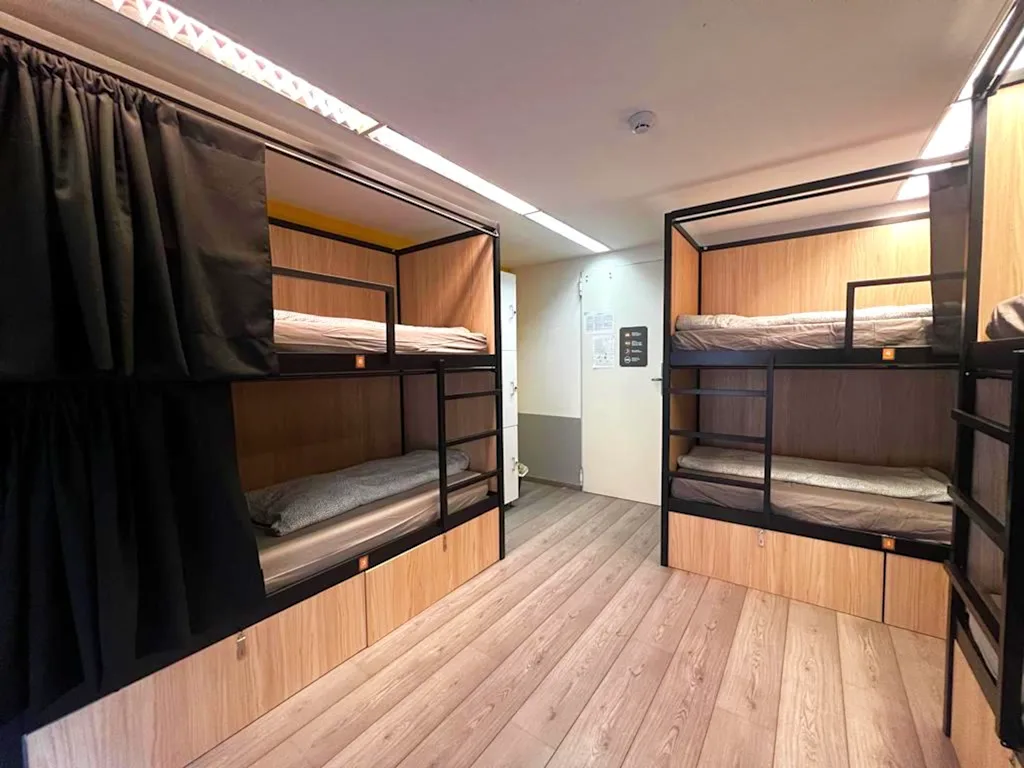
3. Onefam Budapest
The perfect place for solo travelers to connect, explore and party! A Budapest institution on the hostel circuit.
Dorms from around €3
Budapest’s hostels reflect the city’s backpacker reputation: affordable, social, brilliantly located, and consistently good at creating the kind of shared experiences that make solo travel memorable.
🧭 Which City Is Better for Solo Travelers?
Both cities have strong reputations for solo travel, and both genuinely deliver on that reputation in different ways.
Prague is immediately comfortable for solo travelers, largely because the city is so walkable and visually rewarding that independent exploration feels natural and enjoyable from day one. The hostel scene is active and well-organized, free walking tours run multiple times daily and are one of the best ways to meet people and get oriented, and the pub culture creates easy, low-pressure social settings in the evenings. Going to a traditional Czech pub alone and ending up in a conversation at a shared table is not an unusual outcome. It’s kind of how Prague works.
Budapest is arguably the better city for solo travelers who want a more social and energetic experience. The ruin bar scene is perfectly designed for meeting people, with its open courtyards, communal seating, and the kind of atmosphere where striking up a conversation feels natural rather than forced. Hostel culture in Budapest leans heavily toward organized events, group visits to the thermal baths, and nights out in the Jewish Quarter that tend to take on a life of their own. Arriving in Budapest alone and leaving with a group of people you’ve made plans to meet in the next city is a very common experience.
Both cities are safe, welcoming, and well set up for independent travel. Prague suits solo travelers who want to balance culture with socialising. Budapest suits those who want to lean further into the social side of hostel travel.
🍹 Budget Breakdown – Where Your Money Goes
| Category | Prague | Budapest |
|---|---|---|
| Meals & Eating Out | Excellent value, with hearty pub meals from €6–10 and street food even cheaper. One of the best value food cities in Central Europe. | Outstanding value, with full meals at local restaurants from €5–9 and market street food among the cheapest in Europe. |
| Hostels & Accommodation | Very affordable, with a large range of quality hostels at prices that rival Southeast Asia for value. | Equally affordable, with a competitive hostel market keeping prices low and quality high across the board. |
| Public Transport | Cheap and efficient, with trams being the most enjoyable option. Day tickets represent excellent value. | Very cheap, with a 24-hour travel card covering all metro, tram, and bus routes at minimal cost. |
| Nightlife & Going Out | Excellent value, with beer so cheap it almost feels irresponsible. Bar entry is generally free and drinks are very affordable. | Very good value overall, with ruin bar drinks cheaper than most Western European cities. Thermal baths entry is the main evening cost to budget for. |
| Attractions | Prague Castle and major museums require paid entry but are reasonable. The old town itself is free to explore. | Parliament tours, thermal baths, and castle entry are the main costs. Many riverside and outdoor experiences are completely free. |
| Coffee & Casual Bites | Strong café culture with reasonable prices, particularly away from the old town tourist core. | Excellent café scene with very good value, particularly in the Jewish Quarter and along Andrássy Avenue. |
| Day Trips | Good rail connections to Kutná Hora, Český Krumlov, and Dresden, with affordable ticket prices. | Well connected by train to Vienna, Bratislava, and Lake Balaton, with competitive rail fares. |
Bottom line: Prague and Budapest are two of the best value cities in Europe, full stop. Budapest edges ahead very slightly on food and thermal bath value. Prague edges ahead on beer. For budget travelers, either city will make your money go further than almost anywhere else on the continent.
🏞️ Day Trips & Adventures
Both cities sit in regions rich with day trip potential, and the options reflect each city’s character well.
From Prague, day trips lean medieval, atmospheric, and deeply Central European.
You’ll love these if you:
- Want to visit Kutná Hora, a UNESCO World Heritage town about an hour by train, famous for the extraordinary Sedlec Ossuary, a small chapel decorated with the bones of tens of thousands of people, genuinely one of the most remarkable sights in Europe
- Are drawn to Český Krumlov, a perfectly preserved medieval town in South Bohemia with a castle, a winding river, and a beauty that rivals Prague’s old town at a fraction of the crowds
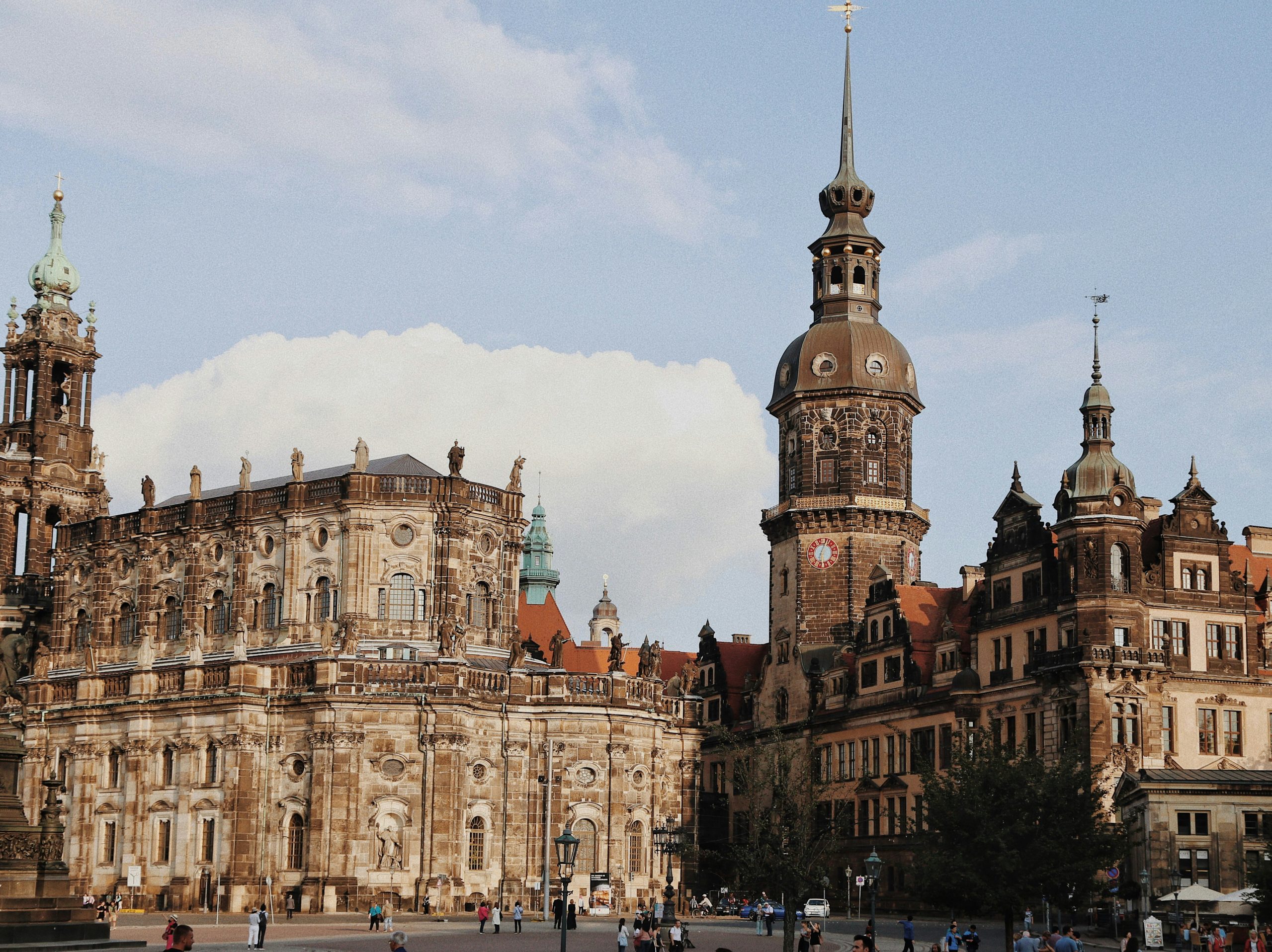
- Want a cross-border day trip to Dresden, the baroque Saxon capital just two hours by train, with magnificent rebuilt architecture and world-class art collections
From Budapest, day trips lean natural, thermal, and historically significant.
You’ll love these if you:
- Want to explore the Danube Bend, a stretch of the river north of Budapest with the charming towns of Szentendre, Visegrád, and Esztergom accessible by boat or train in a relaxed day loop
- Are drawn to Lake Balaton, Central Europe’s largest lake and Hungary’s summer playground, reachable by train in about 90 minutes and ideal for swimming, cycling, and lakeside towns
- Want to visit Eger, a beautiful baroque town in northern Hungary famous for its castle, its thermal baths, and the Valley of the Beautiful Women wine region surrounding it
Prague’s day trips are more architecturally and historically dramatic. Budapest’s lean toward natural landscapes and thermal culture. Both sets reward the effort of getting out of the city.
🧳 Choosing Based on Travel Style
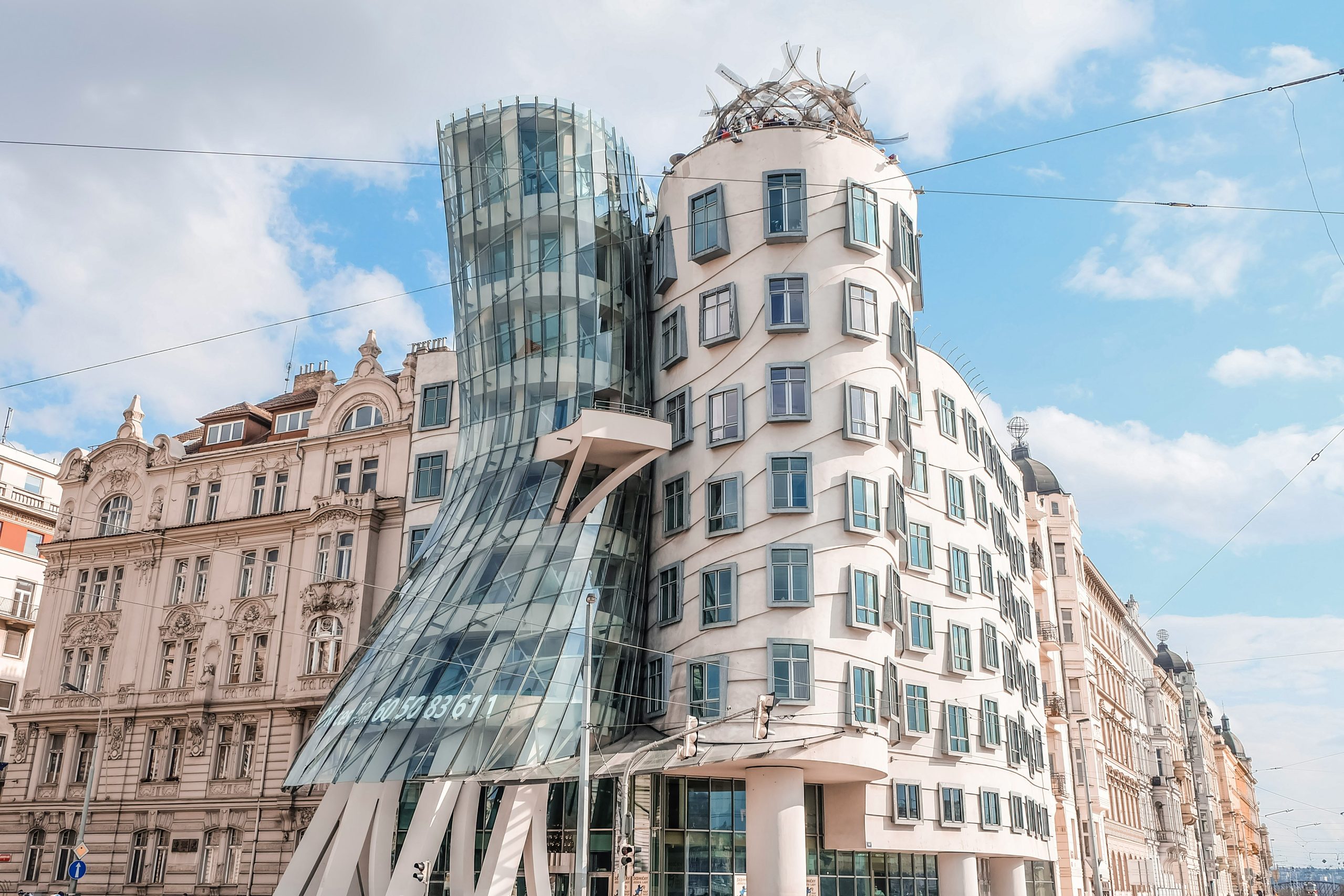
Prague is for travelers who want one of the most beautiful medieval city centers in Europe, extraordinary beer culture, and a city that rewards slow, independent exploration.
You’ll love it if you:
- Want to wander cobbled streets and discover Gothic architecture around every corner
- Are a beer lover who wants to drink exceptional Czech lager at prices that feel almost historical
- Enjoy cities with a strong café and pub culture that makes solo time feel comfortable and unhurried
- Want a compact, walkable city where the best experiences happen by wandering rather than planning
Budapest is for travelers who want grandeur, thermal baths, ruin bars, and a city with a creative energy that feels genuinely alive and evolving.
You’ll love it if you:
- Want to soak in a thermal bath under Ottoman domes or in a neo-baroque outdoor pool on a cold afternoon
- Are drawn to ruin bars and a nightlife scene that is one of the most distinctive in Europe
- Love grand 19th century architecture on a scale that feels almost cinematic
- Want a city with more rough edges and creative energy, where not everything has been polished for tourists
✅ Conclusion: Prague or Budapest?
Both cities are essential stops on any Central European itinerary and both will exceed your expectations. Prague wins on medieval beauty, beer culture, walkability, and the sheer density of remarkable architecture within a small area. Budapest wins on thermal baths, ruin bar nightlife, grand imperial scale, and a creative energy that makes it feel like a city still discovering what it wants to be.
If you want a fairy-tale medieval city with the best cheap beer in Europe and streets so beautiful they stop you mid-walk, choose Prague. If you want thermal baths, ruin bars, Danube sunsets, and one of the most social and energetic backpacker cities on the continent, choose Budapest.
If you can do both, and the train between them takes under three hours, do both. They’re the two best arguments for a Central European trip that exists, and they make each other better by contrast.
Download the Hostelworld app to start booking now


❓ FAQs: Prague vs Budapest
Which city is cheaper, Prague or Budapest?
Both are among the best value cities in Europe. Budapest edges ahead very slightly on food and overall costs. Prague's beer prices are legendary and represent exceptional value.
Is Prague or Budapest better for nightlife?
Budapest's ruin bar scene is one of the most distinctive nightlife experiences in Europe. Prague has a more varied scene spread across different neighborhoods. For sheer originality, Budapest edges ahead.
Which city is better for architecture?
Prague wins on medieval Gothic and Baroque architecture in a compact, walkable setting. Budapest wins on grand 19th century imperial scale and the dramatic Danube riverside setting.
What makes Budapest unique compared to Prague?
The thermal bath culture is Budapest's most distinctive feature and has no real equivalent anywhere else in Europe. The ruin bar scene is also uniquely Budapestian.
Which city is better for solo travelers?
Both are excellent. Prague is easier and more immediately comfortable for independent exploration. Budapest is more socially dynamic, particularly through its hostel events and ruin bar culture.
How many days do you need in Prague?
Three days covers the main sights well. Four days allows for a day trip to Kutná Hora or Český Krumlov and more time in neighborhoods beyond the old town.
How many days do you need in Budapest?
Three to four days is ideal for covering the main sights, visiting at least one thermal bath, and experiencing the ruin bar scene properly. A fifth day works well for a day trip.
Is it worth visiting both Prague and Budapest on the same trip?
Absolutely. The train takes around two and a half to three hours, the cities complement each other beautifully, and combining them is one of the classic Central European backpacker routes for good reason.
So… Prague or Budapest?
For medieval beauty, great beer, and a walkable fairy-tale city, choose Prague. For thermal baths, ruin bars, grand riverside views, and one of Europe's most social backpacker scenes, Budapest is the one.


 Get the App.