
The Beginner’s Guide to Motorcycle Adventure Travel
Author Bio: Matt is a founder of MC Powersports, one of the renowned online retailers of high-quality motorcycle gear, parts, and accessories.
You’ve probably already come across “top routes for beginners.” Here’s what you missed. The route doesn’t determine how good your first trip will be. But your gear is what matters when you plan a motorcycle adventure trip. Ask any rider who’s spent almost an hour on the highway with numb hands and a jacket that lets in every gust of wind. And they’ll tell you the same thing. A gear choice will decide whether your trip is an adventure or an ordeal.
That’s the part where most beginner guides rush through, tucked into a bullet list as an afterthought. It deserves your attention, as the best motorcycle riding gear can make your trip enjoyable.
So, let’s discuss it further to help you plan your next adventure travel.
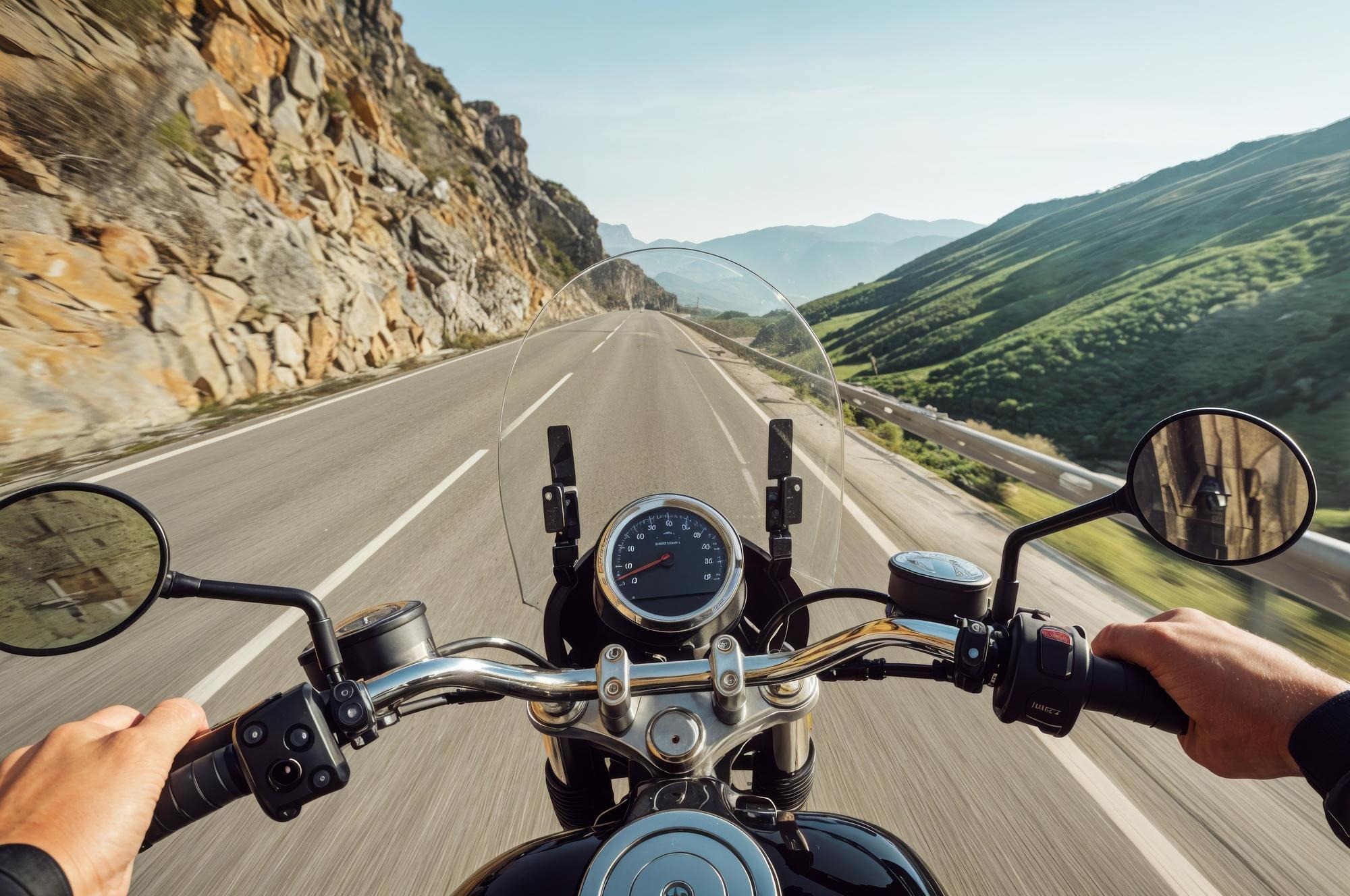
Why More First-Timers Are Getting Into Motorcycle Adventure Travel Right Now
Riding a motorcycle is becoming a popular choice, with more beginners strapping on a helmet and simply taking off. So what’s the real attraction?
- Riding a motorcycle is cheaper, lighter, and seamless for beginners
- Social media streamlines route and gear research
- Hostel networks make multi-day rides accessible
- Younger riders choose two wheels over packaged tours
This is more than just a trend. Outdoor recreation, including motorcycles, added around $696.7 billion to the GDP of the United States in 2024, and the numbers continue to rise. Beginners are no longer a footnote in this market, as they’re one of the only groups that actually support this increase.
Why Your Gear Kit Is the Real Foundation of a First Trip
Discuss with any experienced rider what they’d change about their first adventure trip. And one thing that comes up frequently is gear.
Real Riding Gear Is Made for Safety
On a first trip, there’s a lot of temptation to purchase whatever looks good in photos. Resist it.
A jacket that photographs well but lacks real abrasion resistance isn’t safeguarding you from anything other than embarrassment.
Function comes first. Solid, protective adventure-riding gear has become extremely affordable and better-looking in recent years. So, you’re rarely opting for one that strikes a balance between style and safety.
Gear Decisions Ripple Into Everything Else
Here’s something worth sitting with.
Your gear choices determine your route choices and not the other way round. A route through mountain elevation that changes continuously demands layering options that any flat coastal ride doesn’t provide.
A three-day trip will need gear that packs down small. So, think about your gear kit before you lose yourself to the magical vibes of a route. And the rest of the planning becomes much easier.
Still not convinced that riding gear ranks on top of your list?
Think about the last time you were wet, cold, or in pain on any trip. Did the backdrop of the location matter at that moment? No, it didn’t.
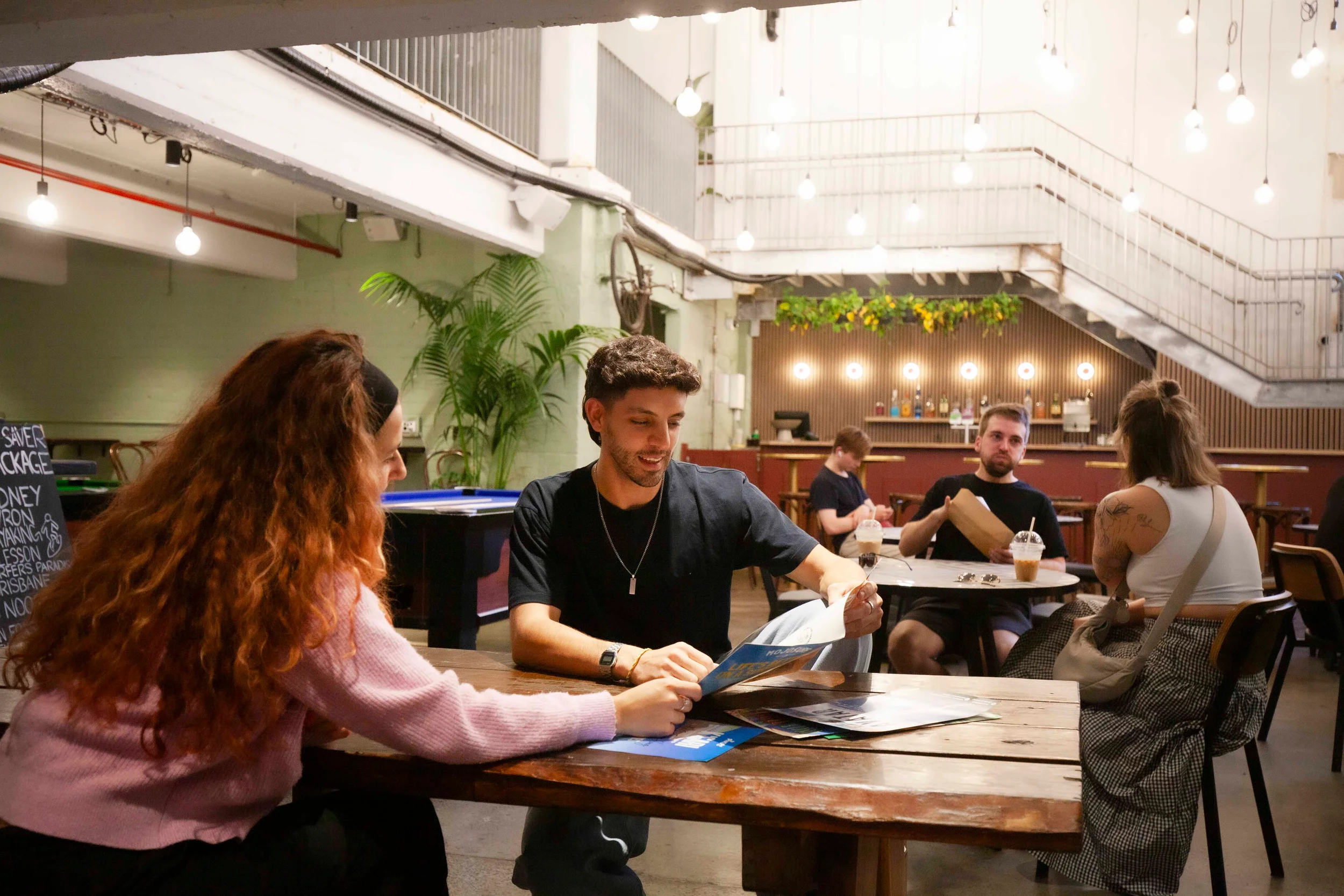
Why Solo Riders Lean on Hostels
When on two wheelers, solo adventure travel often gets lonely fast. Especially when you stay in hotels where nobody’s speaking to anyone.
Hostels flip that around!
You’ll come across other riders at breakfast. You’ll find them comparing routes, offering to look at your bike if something sounds off, or just happy to grab dinner after a long day of riding.
So, if you’re riding alone, that built-in community is important more than any single piece of gear on our list today.
Let’s dive right into it!
The Helmet Is Compulsory & Not an Option
If there’s anything that needs serious thought during your adventure travel, then this is a motorcycle helmet.
Full-Face vs Half-Shell
Any rental shop will love handing out half-shell helmets since they are easy to fit and cheap. Never settle for one on an extended trip. A full-face helmet provides:
- Protection of your jaw and chin areas that take the brunt of impact in several low-speed slips. This is what beginners would more likely have.
- Improved wind and noise blocking that matters more than six hours in the saddle, and it sounds like it should.
- Some type of shelter from dust, bugs, and rain that a half-shell helmet will never offer.
Fit Matters More Than Price
Any expensive or premium helmet that’s a bit loose is more dangerous than any mid-range one that fits perfectly. Try it on, shake your head to the side, and if it moves, try a size down from a different brand.
Your local motorcycle gear shop will allow you to test more than one helmet without forcing you to buy right on the spot.
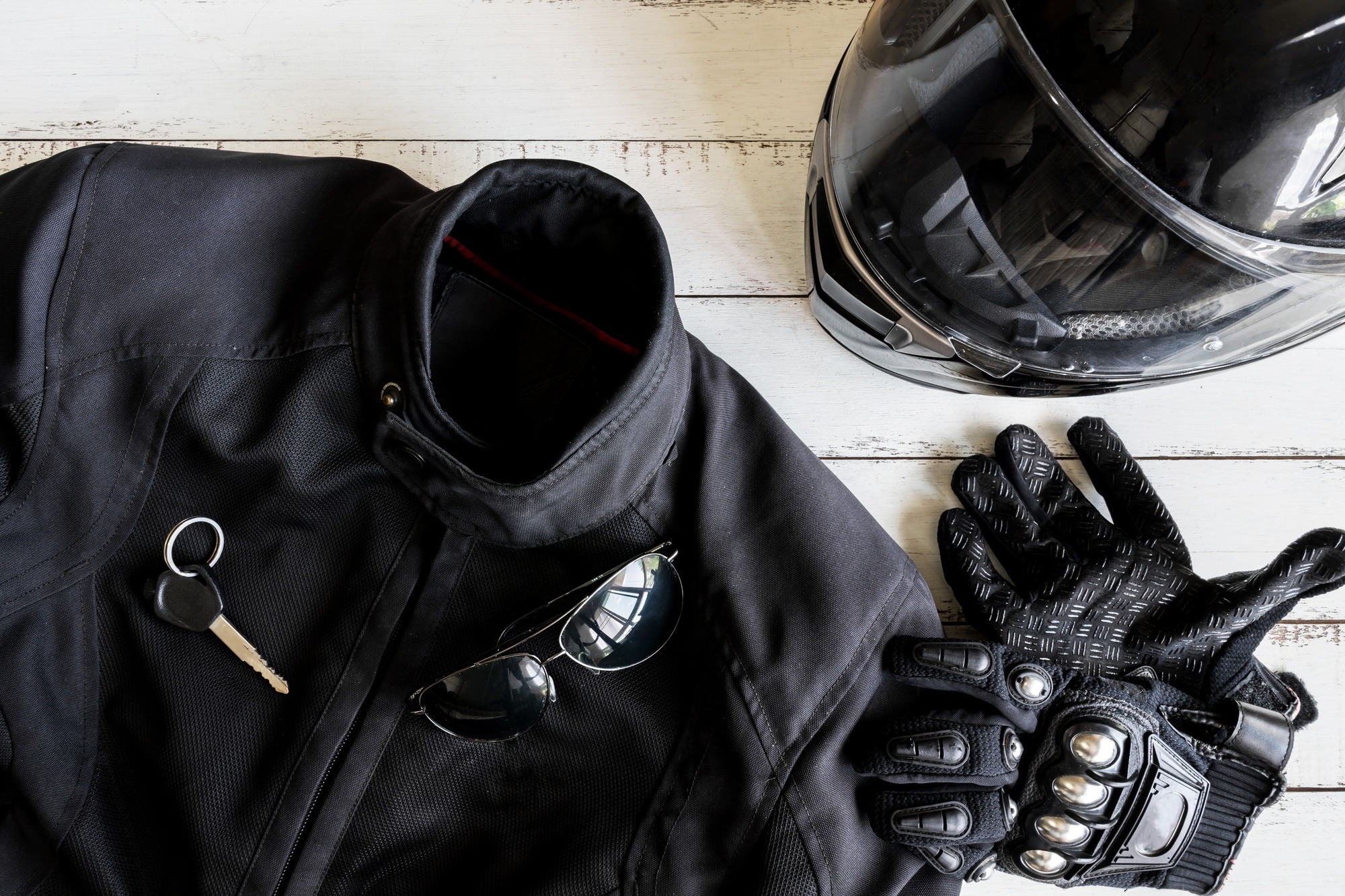
Jackets, Gloves, and Boots As Your Armor
Once you have the helmet sorted, the rest of your body should also be considered.
The Jacket
Check for abrasion-resistant panels at the elbows and shoulders. Also check for armor inserts if you can find them.
Mesh jackets are perfect for warm weather routines and offer real protection. Textile jackets can handle shifting temperatures better if the route continues to go uphill.
Either way, this isn’t the place to grab anything listed as the cheapest online.
Gloves and Boots
Your hands and feet will hit the ground first during a fall. Yet they’re the two pieces beginners skimp on most.
A solid ride setup should also include:
- Riding gloves with real grip and some knuckle protection. Never go for the gardening gloves that sit in your garage.
- Riding boots that offer full coverage of your ankle with a strong, non-slip sole.
- Socks that can wick moisture, as a full day of riding in damp feet can cause discomfort pretty fast.
Packing for Weather You Can’t Predict
Ask anyone who’s ridden through an afternoon downpour on an unfamiliar route. They’ll tell you the same thing: weather never cares about your itinerary.
Layering Over Bulk
Instead of packing one heavy jacket for those cold mornings, carry thinner layers that you can add or shed as the day warms up.
It’s compact, and you’re never stuck wearing something too warm at noon just because it was freezing at 7 am.
Rain Gear Isn’t Optional
A route with a perfect weather forecast often throws a surprise storm at you, mainly when you’re uphill.
Carry a compact rain suit that fits easily over your pants, jacket, and gloves, and a dry bag for anything electronic.
It never takes up much space and turns any soaked or miserable afternoon into a manageable one. Skip it once, and you’ll never skip it again.
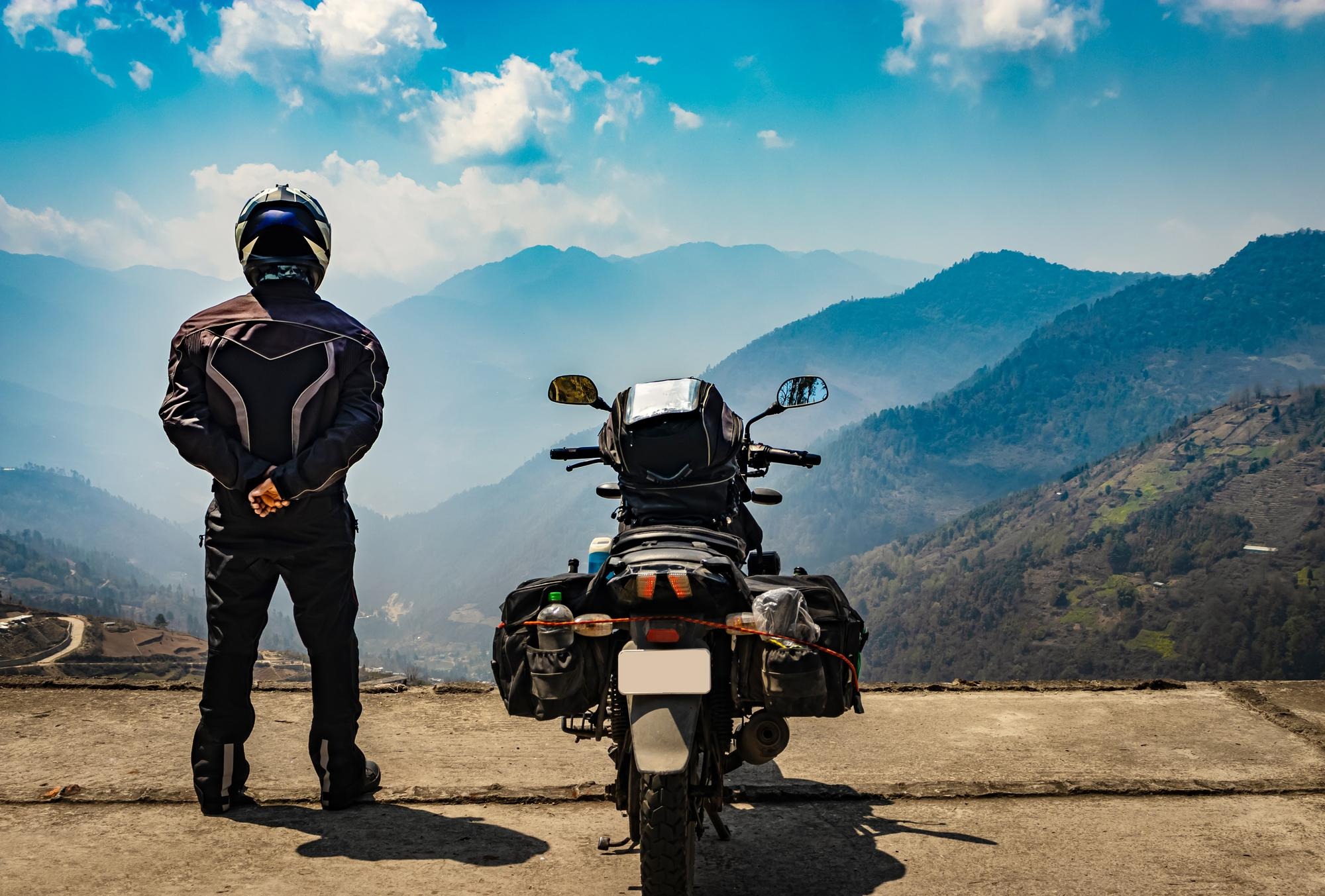
Where Route Choice and Gear Choice Meet
So, do you really match your gear to the ride you’re planning for?
Reading the Route Before You Pack
A coastal route like the Pacific Coast Highway means humidity and salt air, which is tougher on gear zippers and leather than people expect.
A mountain route like the Blue Ridge Parkway swings ten or fifteen degrees between valley and ridge, sometimes within an hour.
Look at elevation profiles and average temperatures for your specific route before you finalize your packing list, not after.
Breaking In Your Gear Before Day One
Would you run a marathon in brand-new shoes you’d never worn? The same logic applies here, and it’s one that beginners constantly overlook.
Test Everything Before You Leave
New boots, a new jacket, a new helmet – none of them should be meeting the road for the first time on your actual trip. Wear your full kit on a short local ride first.
Stiff gloves, a helmet that fogs up, a jacket that rides up at the shoulders – you want to find these problems in your driveway, not four hours from the nearest town.

Hostels, Storage, and Life on the Road
Here’s the part beginners rarely think about until they’re standing in a parking lot at 9 pm wondering where to put a wet jacket and a helmet.
Somewhere Safe to Store the Bike and the Gear
This is where hostel life earns its keep. Riders booking through Hostelworld can filter for secure bike parking and gear storage before they arrive, rather than gambling on whatever a random motel offers.
Common rooms full of other travelers also tend to double as informal gear-swap and advice sessions, where someone’s always happy to tell you which rain suit actually held up and which one didn’t.
Budgeting for Gear Without Overspending
You don’t need to spend a fortune here, but you shouldn’t cut corners either. So where should the money actually go?
- Splurge on the helmet, jacket, and boots, since these take the most impact
- Save on accessories like tank bags, phone mounts, or matching color schemes, which don’t affect your safety at all
- Rent premium gear for a single trip instead of buying it outright if you’re not sure you’ll ride again
So, What Are You Sorting First?
This is a question that you should always consider before closing this tab.
What’s really stopping you from booking your first motorcycle adventure trip? If your answer is gear, then that’s the problem our list can solve.
Choose one thing we’ve mentioned in our guide and do it right away. Try on a helmet or book a weekend rental to find out how it feels. Also filter for a hostel with secure parking along a route that you’ve added to your bookmarked list.
And once you roll out on day one, wind in your ear, gear will perform exactly what it should, leaving you wondering why you waited this long. That’s the real moment where every rider recommends this trip.
Ready to find out for yourself? Sort the gear first, then book the trip.
Download the Hostelworld app to start booking now


 Get the App.