
Where to Go Backpacking in Europe in Winter
Most backpackers pack up their hiking boots the second the leaves start turning. That is exactly why winter is such a good time to be the exception. Backpacking Europe in winter affordable travel is having a real moment, and it is not hard to see why. Prices drop everywhere that isn’t a ski resort, the queues at castles and cathedrals disappear, and hostel common rooms suddenly feel like the coziest place on the continent. If you are wondering where to go backpacking Europe winter style without draining your savings, this guide covers the regions that make the most sense: the mountain towns of Eastern Europe, the fairy tale cities of Central Europe, and the surprisingly mild south, where you can trade snow boots for a light jacket.
Winter backpacking Europe budget trips reward the flexible traveler. You will need to layer up, plan around shorter daylight hours, and double check which hostels actually stay open, but the payoff is real: empty old towns, local prices instead of tourist markups, and hostel staff who actually have time to talk to you.
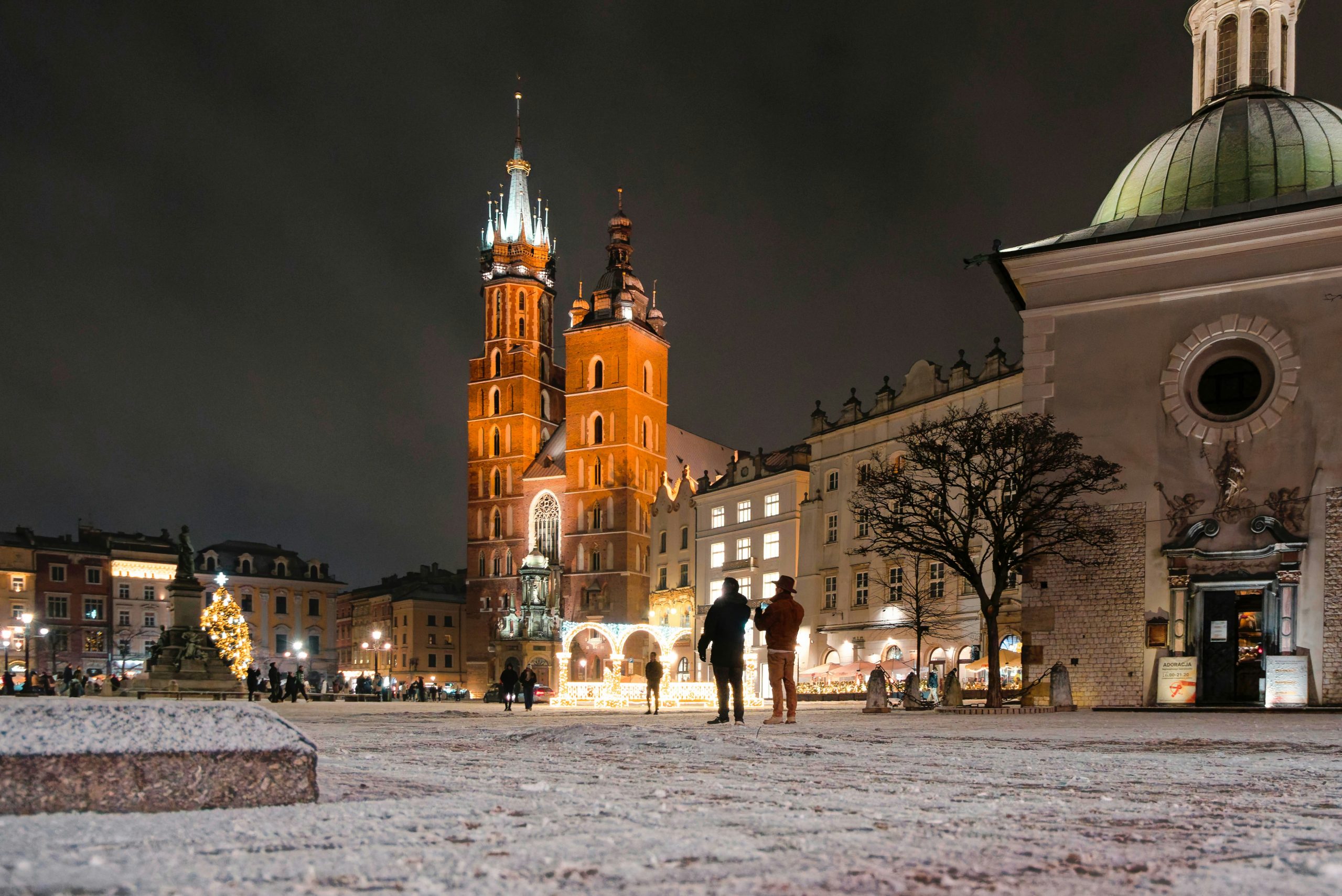
🏔️ Why are Kraków and Zakopane a great winter combo?
Kraków in winter is a different city. The Christmas markets wind down in early January, but the mood stays warm: mulled wine stalls linger, the main square glows under string lights, and the Wieliczka Salt Mine tour is just as impressive without the summer crowds. Expect daytime temperatures hovering around freezing, so a proper coat matters more than a fancy camera.
From Kraków, it’s a straightforward bus south to Zakopane, Poland’s self-styled winter capital. This is where affordable Europe destinations winter backpacker plans get genuinely exciting:
- Ski slopes for beginners are a short walk from most hostels
- The Tatra Mountains offer winter hiking on well-marked, snow-cleared trails
- Krupówki Street fills with street food stalls even in the cold
Where to stay: Mosquito Hostel in Kraków is a long-running favorite for its clean dorms and central location. In Zakopane, Good Bye Lenin Hostel sits right at the edge of the national park, a few minutes from the beginner ski slopes, with a genuinely social, cabin-in-the-woods feel that suits winter perfectly.
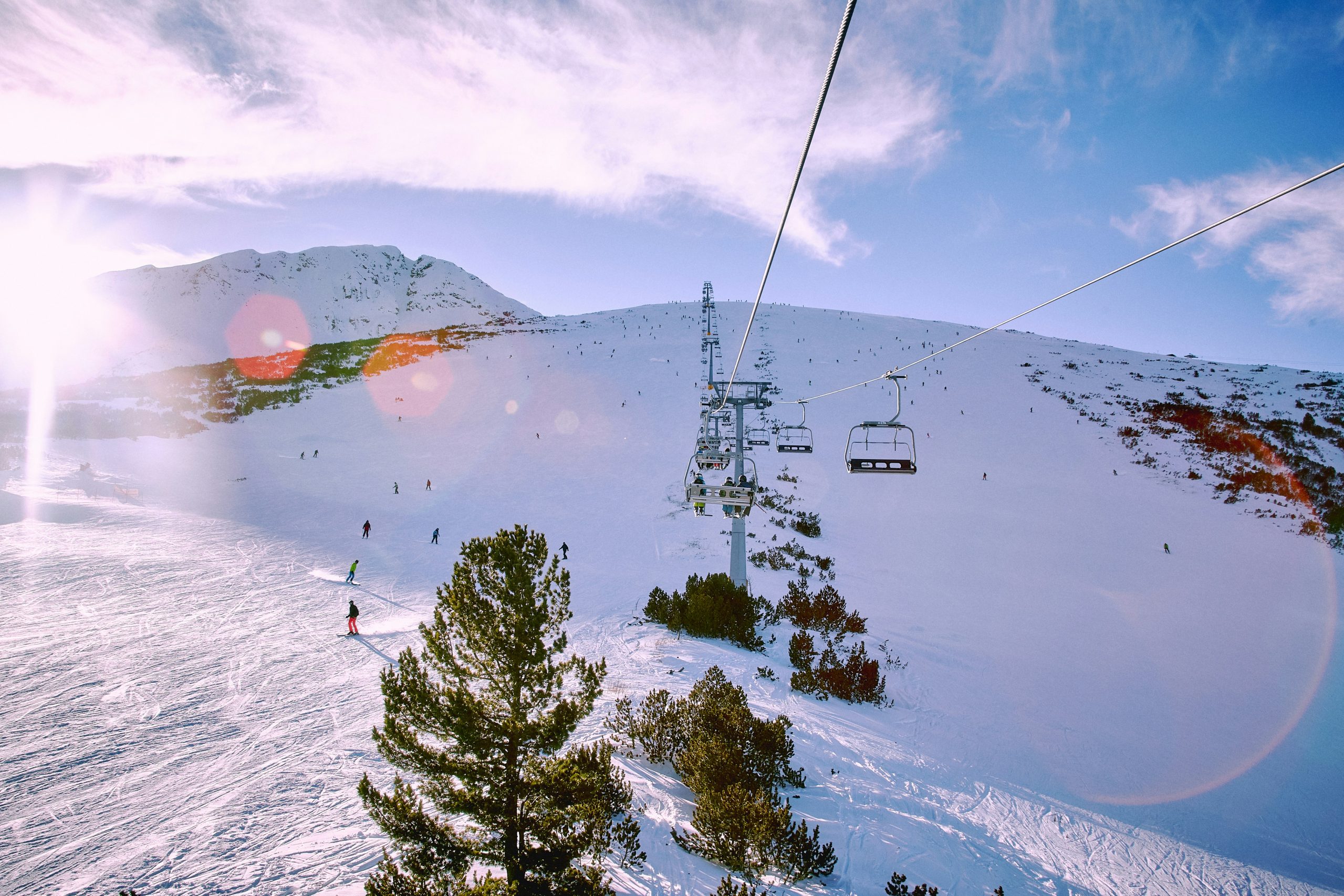
🧛 What makes Brașov and Bansko worth visiting in winter?
If Dracula’s homeland sounds like a winter cliché, that’s exactly why it works so well off-season. Brașov, tucked into the Carpathians, looks like it was built for snow. The medieval old town, the Hollywood-style hillside sign, and the short trip out to Bran Castle all feel more atmospheric with a dusting of white on the rooftops.
A few hours south, Bansko in Bulgaria is one of the cheapest ski towns in Europe, full stop. You don’t need to ski to enjoy it either; the old town has stone houses, mehanas (traditional taverns) serving hearty food for a few euros, and the nearby Rila mountains offer dramatic winter scenery even if the famous Rila Monastery hike itself is better saved for warmer months.
| Destination | Vibe | Standout for winter |
|---|---|---|
| Brașov | Medieval, moody | Bran Castle, snowy old town |
| Bansko | Ski-town budget | Cheap mehanas, mountain views |
Where to stay: JugendStube Hostel in Brașov is a multiple award-winner, tucked right by the Council Square with small, quiet dorms. In Bansko, Le Retro Hostel & Bar occupies a building from 1832 in the old village square, an easy walk to the gondola.
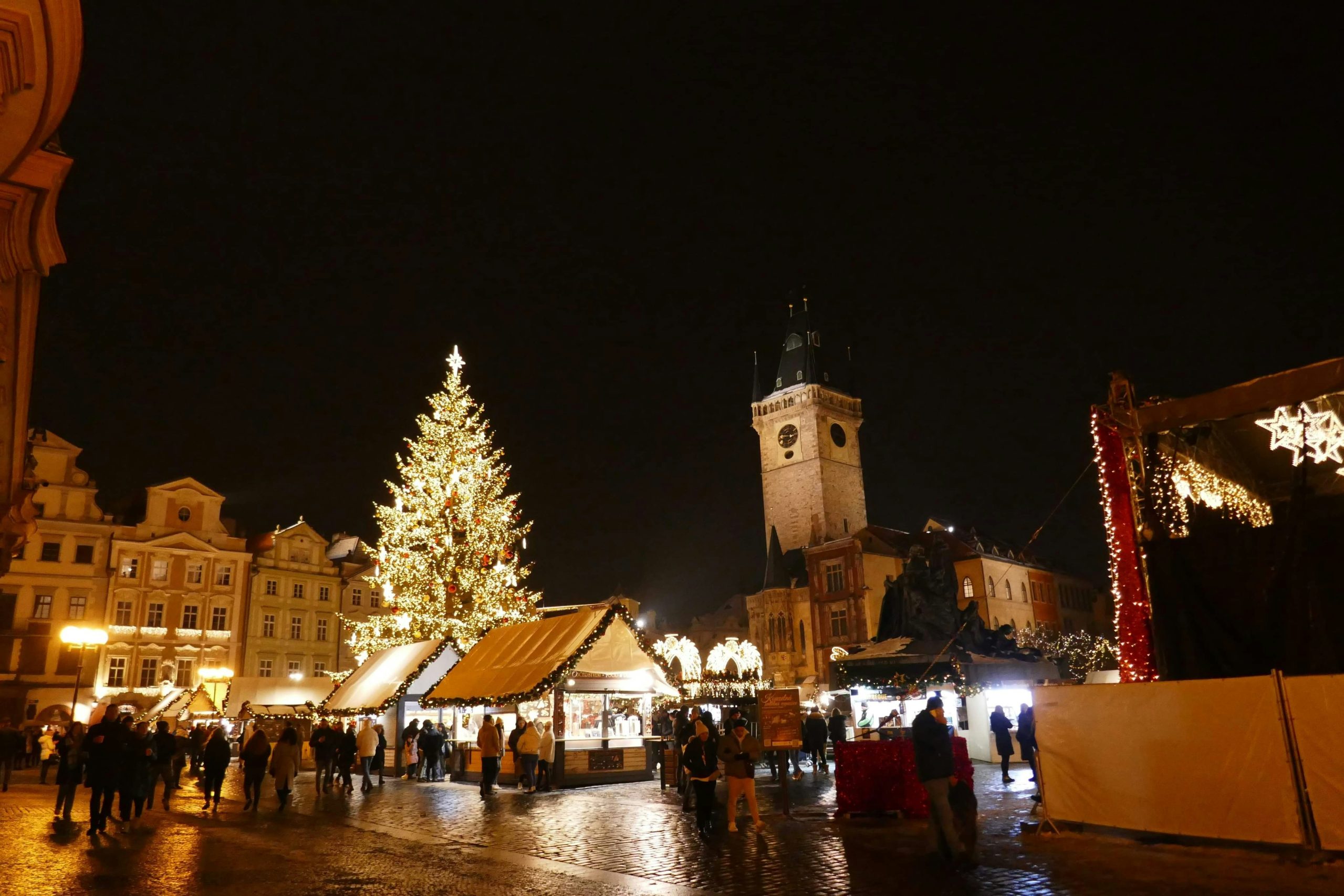
🍺 Is Central Europe worth backpacking in the cold?
Prague in winter is genuinely magical, and locals will tell you the same thing: it’s the best time to actually see it. The Astronomical Clock, Charles Bridge, and Prague Castle are all dramatically less crowded, and hostel prices soften once the Christmas market rush passes in early January.
Slovakia’s Bohemian and Slovak Paradise national parks are wilder in winter. Trails ice over, so this is really for backpackers comfortable with proper winter gear (crampons for some sections). Poprad, the gateway town near the High Tatras, makes a smart, cheap base if you’d rather day-trip into the mountains than sleep in them.
Quick tip: many trails in Slovak Paradise close seasonally when ice makes ladders and chains unsafe. Always check local conditions before setting out.
Where to stay: Old Prague Hostel sits right next to the Old Town Square, with free breakfast and a reputation as one of the city’s most consistently well-run hostels. In Poprad, Hostel Cafe Razy is simple, central, and a good jumping-off point for the Tatras.
Book Hostels In Canary Islands
☀️ Where can you find warm weather backpacking in Europe this winter?
Not every winter backpacking plan has to involve snow. Southern Europe stays mild enough for t-shirts most afternoons, which is a big part of why europe winter backpacking cheap hostels searches spike every January.
The Canary Islands (Gran Canaria and Tenerife especially) sit off the coast of Africa, so winter temperatures rarely dip below the high teens Celsius. Las Palmas has one of the best city beaches in the world, and it’s genuinely usable in January.
Andalusia, particularly Seville and Granada, gets crisp but sunny days. Tapas bars are quieter, the Alhambra is easier to book, and the region overall feels like a much gentler version of its scorching summer self.
The Algarve empties out almost completely once the summer crowds leave, but Lagos in particular keeps a small, loyal backpacker scene going year-round, drawn by the surf and the mild climate.
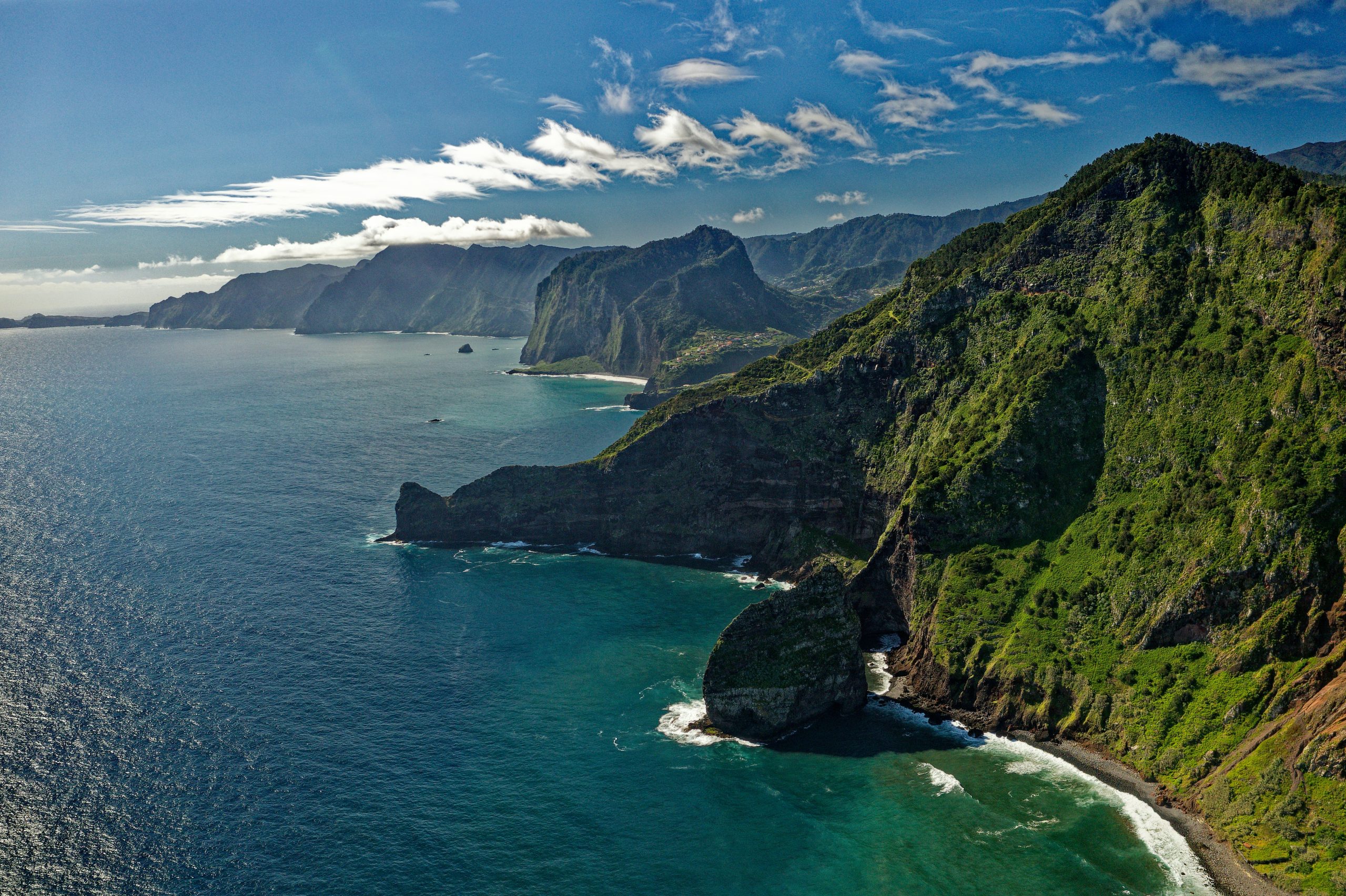
Madeira rounds out the list with a subtropical microclimate that barely changes through the year. It’s less about beach time and more about hiking the levadas without summer heat exhaustion.
Where to stay: Pura Vida Hostel in Las Palmas sits a minute from Las Canteras beach. La Banda Rooftop Hostel in Seville is famous for its rooftop dinners and social atmosphere. Casa d’Alagoa in Lagos is a consistently well-reviewed pick close to the old town. In Funchal, 29 Madeira Hostel occupies a beautifully restored 1937 building right in the city center.
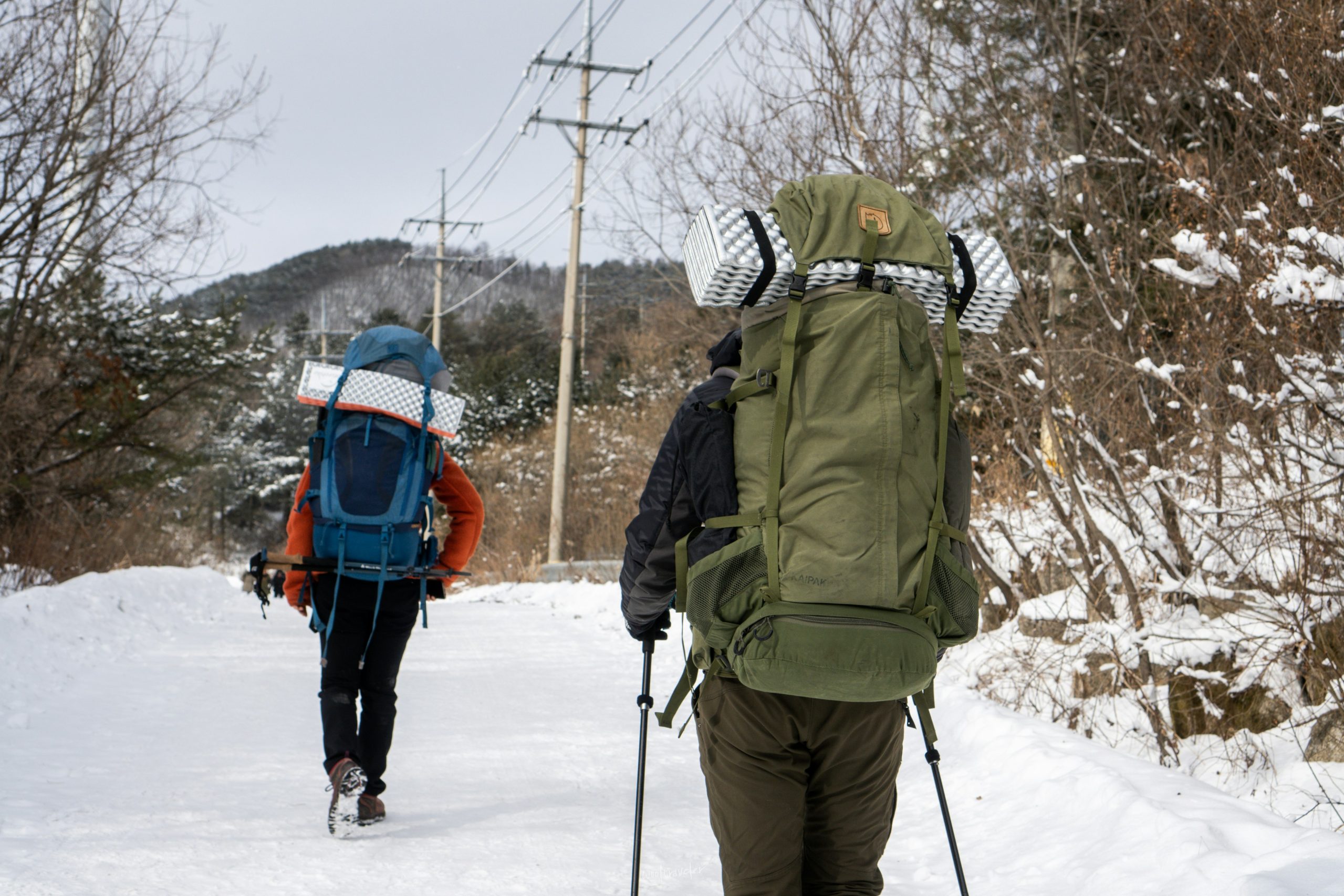
💶 How much should you budget for winter backpacking in Europe?
Here’s the honest breakdown, in daily spend including a hostel dorm bed, food, and local transport:
- Eastern Europe (Poland, Romania, Bulgaria, Slovakia): €25–40/day
- Central Europe (Czech Republic): €30–50/day, Prague runs slightly higher than the regional average
- Southern winter (Canary Islands, Andalusia, Algarve, Madeira): €40–70/day, with the Algarve and Madeira at the higher end due to fewer off-season transport options
Quick tip: Eastern European destinations get cheaper in winter outside ski towns, while southern destinations barely move in price since demand stays fairly steady year-round.
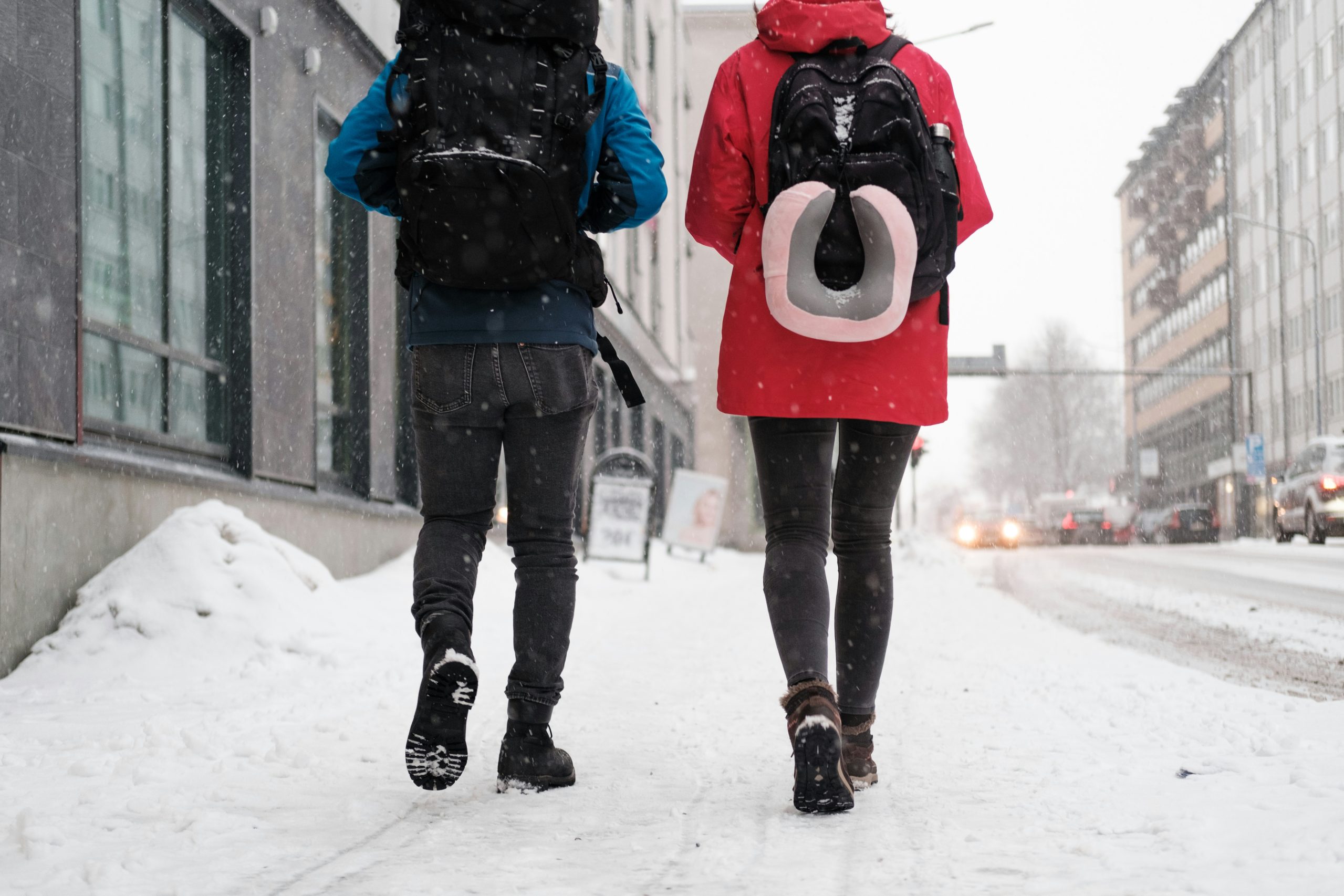
🎒 What gear do you actually need for winter backpacking?
Packing light still matters, but winter adds non-negotiables:
- A proper insulated jacket, not just a fleece
- Merino wool base layers (they don’t hold odor the way synthetics do after day three)
- Waterproof, broken-in boots
- A packable down layer for hostel common rooms that run cold at night
- Microspikes if you’re heading into Slovak Paradise or the Tatras
- A power bank, since cold weather drains phone batteries faster
For southern routes, pack lighter: a rain jacket, one warm layer for evenings, and normal walking shoes will cover Andalusia, the Algarve, and Madeira comfortably.
🗺️ What does a realistic 1-week winter itinerary look like?
Mountain route: Kraków (2 nights) → Zakopane (3 nights) → back to Kraków (2 nights)
Transylvania route: Brașov (4 nights, with day trips to Bran and Rasnov) → Bucharest (3 nights)
Sunshine route: Seville (3 nights) → Lagos (2 nights) → return via Faro (2 nights)
Each of these keeps transport simple, mostly buses and regional trains, which matters more in winter when flight schedules to smaller airports thin out.
Final thoughts
Winter backpacking in Europe rewards the traveler who’s willing to trade a bit of warmth for a lot of value. Whether that means bundling up in the Tatras or chasing mild afternoons in the Algarve, the continent’s off-season is quietly one of its best-kept secrets for anyone backpacking Europe in winter affordable style.
Download the Hostelworld app to start booking now


❓FAQs: Backpacking Europe in Winter


 Get the App.